
What is commonly called fungal acne is actually folliculitis caused by a yeast of the genus Malassezia. This condition, which affects between 1 and 17% of patients depending on the study, often mimics classic acne, both in appearance and location. It manifests as small papules and pustules measuring just a few millimeters, usually centered around a hair (visible under a magnifying glass), and located on the trunk, back, nape of the neck, shoulders, and even the face. Unlike classic acne, these lesions almost always cause significant itching (pruritus) and are not accompanied by comedones. They may also be associated with other skin conditions caused by Malassezia. The dermatological diagnosis is primarily clinical, but it may require mycological cultures to confirm the presence of the yeast. Examination under a Wood’s lamp, revealing characteristic green-yellow fluorescence, can also aid in identification. Finally, a good response to antifungal treatments is an important diagnostic clue.
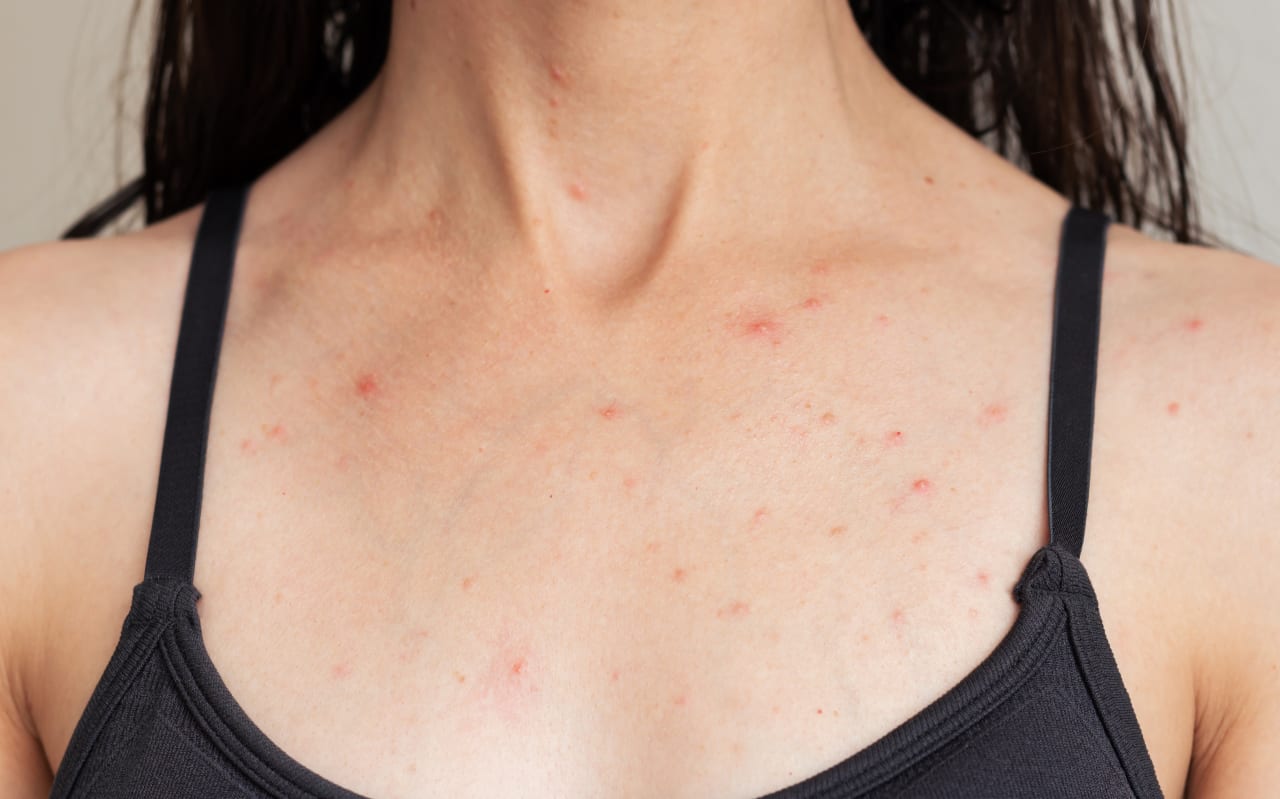
What is fungal acne?
By Agathe Aoun
Published on: Friday, June 13, 2025, Updated on: Thursday, October 01, 2026
Often confused with classic acne, fungal acne—more accurately known as yeast folliculitis—is a fungal skin condition that looks strikingly similar to classic acne, both in appearance and in the areas affected. So, how can you tell the two apart? What causes this specific type of acne? And most importantly, how can you naturally get rid of it? We’ll break it down in this article.
Contents
Related products
Cleansing
Anti-blemishes
£5.50
500 g
Protective
Nourishing
£10.00
250 ml
3 options
Purifying
£5.60
£8.00
100 ml
Anti-blemishes
Purifying
£17.00
article
Purifying
£6.00
200 ml
What is fungal acne?
What might be the causes?
The yeast Malassezia is naturally present on our skin. Lipophilic, it particularly thrives in areas rich in sebum such as the scalp, face, chest, or back. Although it is an integral part of the skin microbiome, it can become pathogenic when it proliferates excessively in the stratum corneum (the outermost layer of the epidermis). It is this proliferation that can lead to various skin conditions, including seborrheic dermatitis, pityriasis versicolor, and fungal folliculitis, often mistakenly called fungal acne. Several factors can contribute to this imbalance:
A hot and humid climate: heat and humidity create an ideal environment for yeast proliferation
Excessive and prolonged sweating: wearing sweat-soaked clothing for too long, especially if it is tight-fitting or non-breathable, promotes follicle occlusion and the growth of Malassezia
Oily skin or excess sebum: Since yeast is lipophilic, it feeds on the lipids present in sebum, which explains its preference for certain areas of the body
Weakened immunity: People with compromised immune systems (for example, those with HIV, diabetes, or on immunosuppressive therapy) are more likely to develop fungal folliculitis.
How can you recognise fungal acne?
Fungal acne is often associated with the following symptoms:
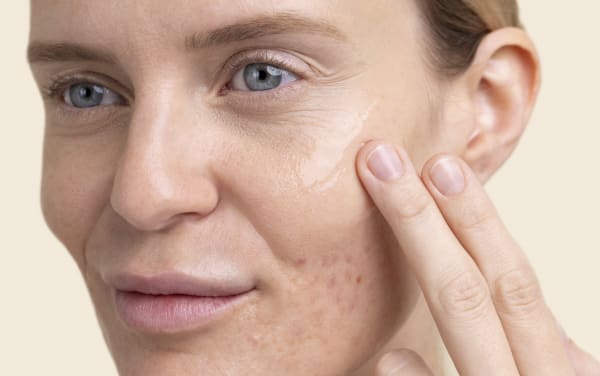
Small red or flesh-coloured bumps: these are millimetre-sized papules or pustules, often centred around a hair, that appear in clusters on certain areas of the body
Severe itching: unlike classic acne, the lesions are often very itchy, which can help guide the diagnosis
Localisation on sebum-rich areas: the back, chest, nape of the neck, shoulders, and sometimes the face are the most commonly affected areas
Absence of comedones: there are no blackheads or microcysts, which distinguishes fungal acne from acne vulgaris
Worsening due to heat and sweating: symptoms often intensify after physical exertion, during the summer, or under occlusive clothing
Possible association with other skin conditions: Some people also have pityriasis versicolor or seborrheic dermatitis, caused by the same yeast.
Our product selection
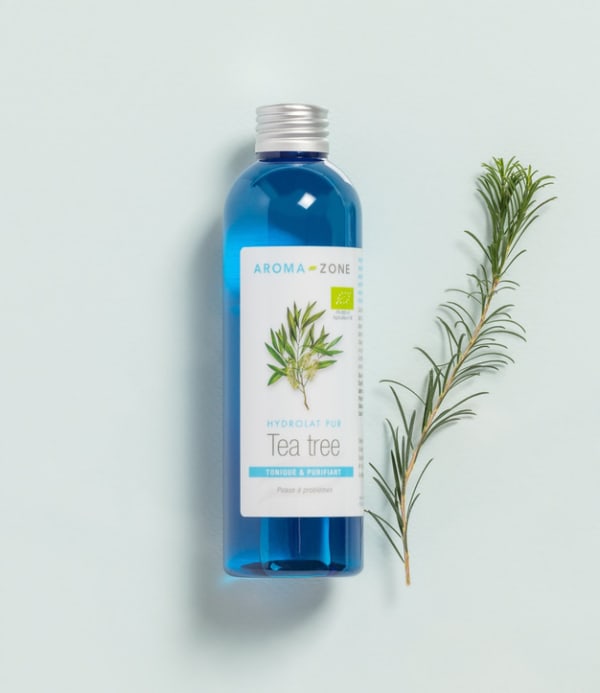
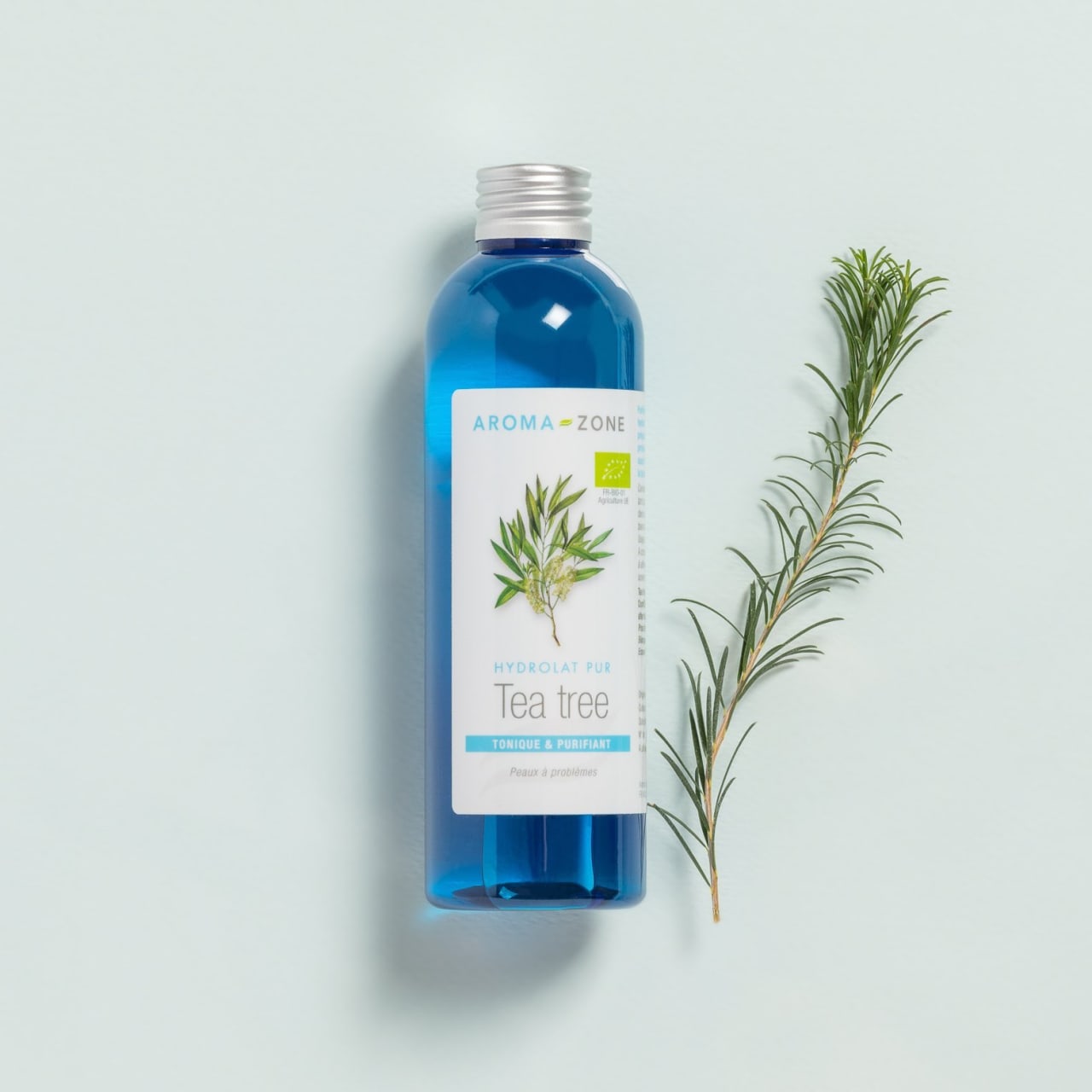
Organic Tea Tree Hydrosol
This purifying hydrosol can be used in your homemade skincare products for acne-prone and blemish-prone skin. Apply your preparation as a spray or lotion once or twice a day to the areas affected by fungal acne. Remember to store this product in the refrigerator between uses.
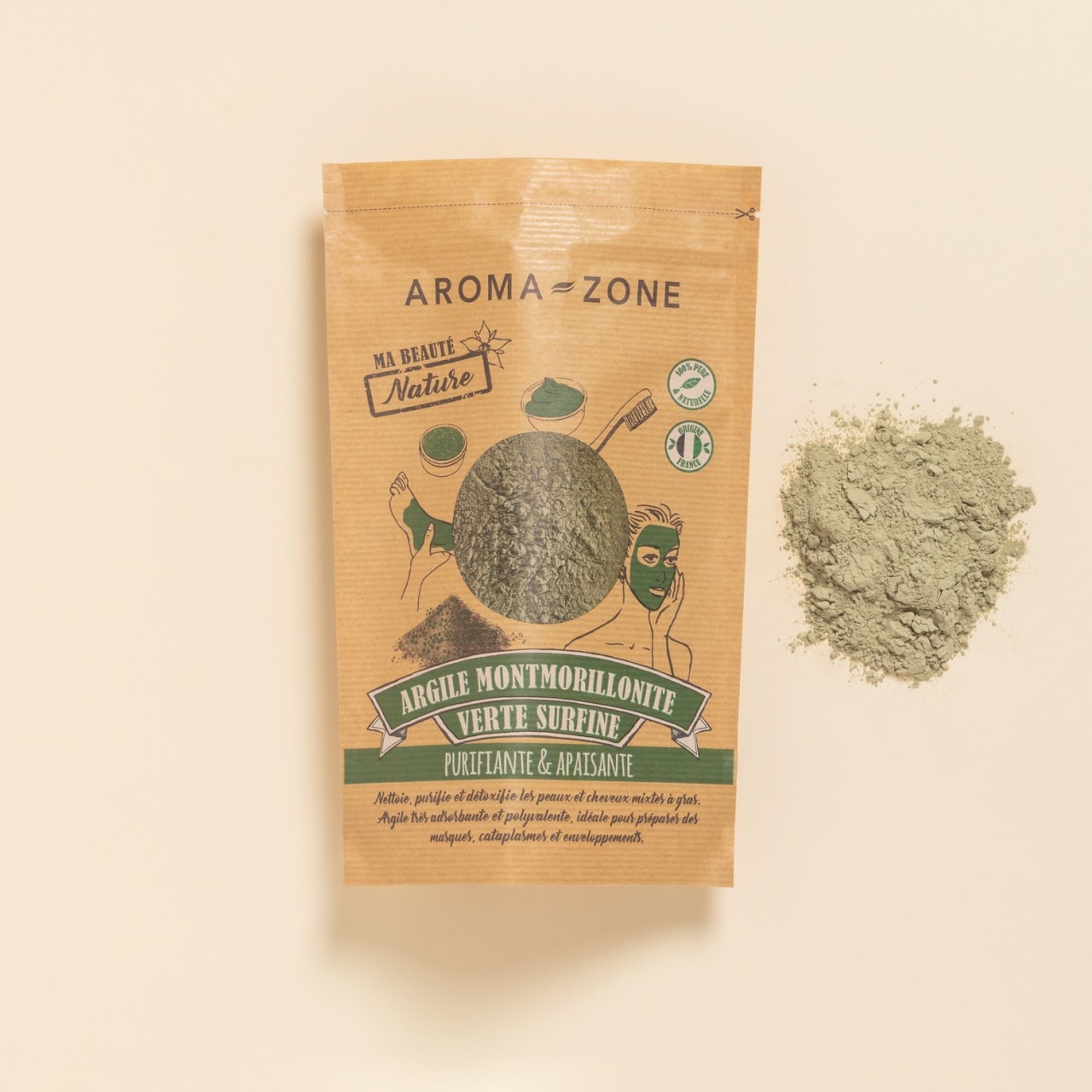
Extra-fine montmorillonite green clay
Detoxifying, purifying, and sebum-regulating, green clay is ideal as a thick poultice on the back to eliminate excess sebum and impurities, decongest, purify, and deeply cleanse the skin. Pour the green clay into a suitable container, add water or a hydrosol while mixing to form a smooth, creamy paste. Apply a very thick layer to the areas of the back prone to blemishes, leave on for 10 to 20 minutes—the clay should not dry out. Rinse with clean water.
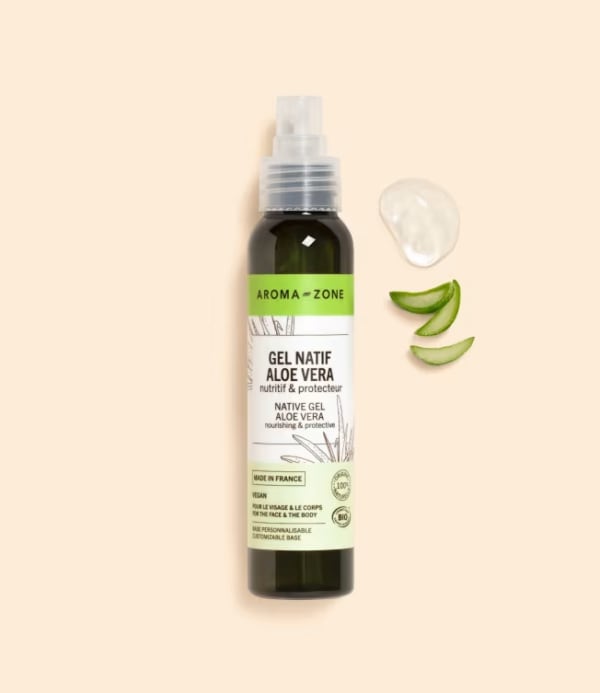
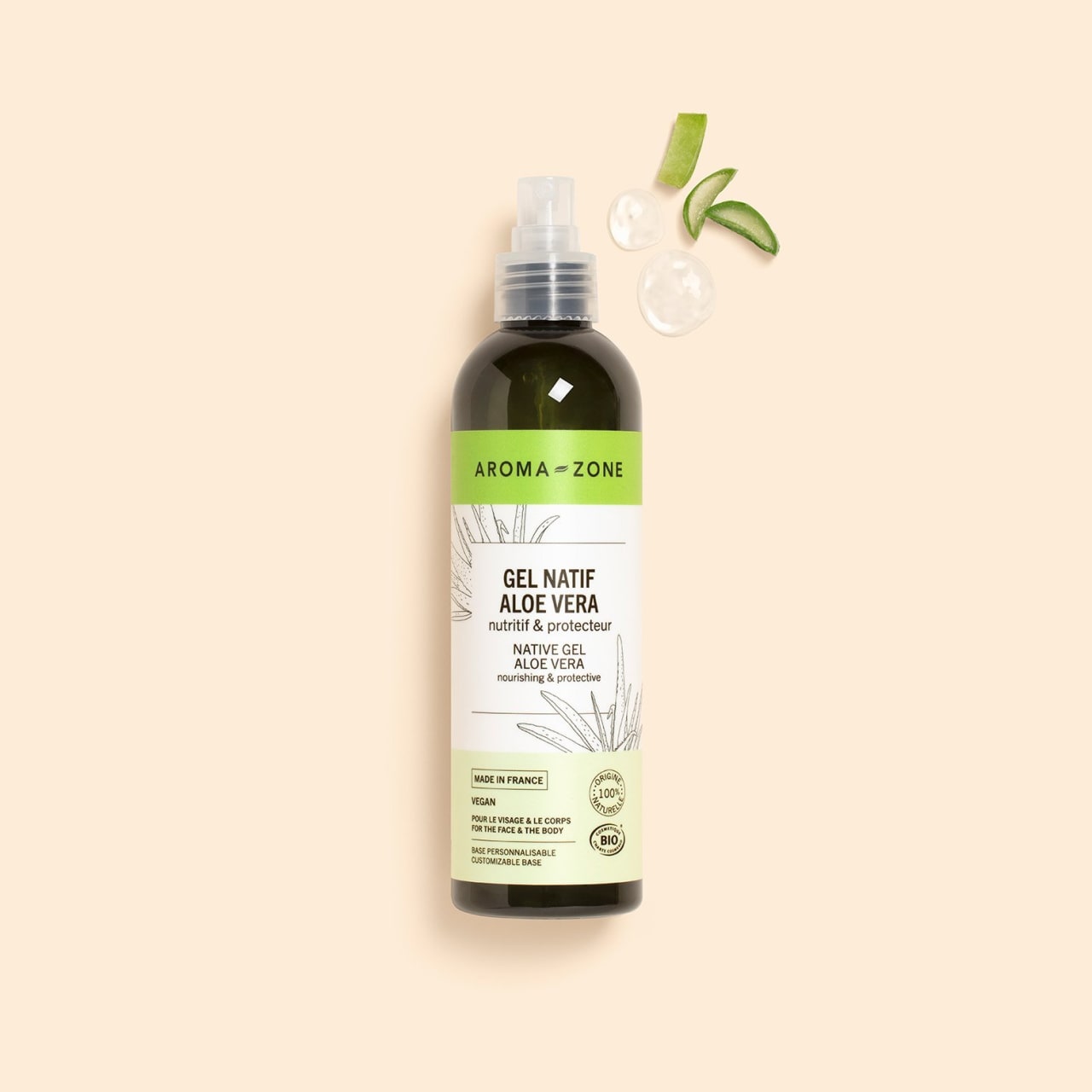
Organic Aloe Vera Gel
Lightweight, soothing, and non-occlusive, it calms itching and hydrates without feeding the yeast. Apply alone or as a daily skincare base on clean skin. Remember to store this product in the refrigerator between uses.
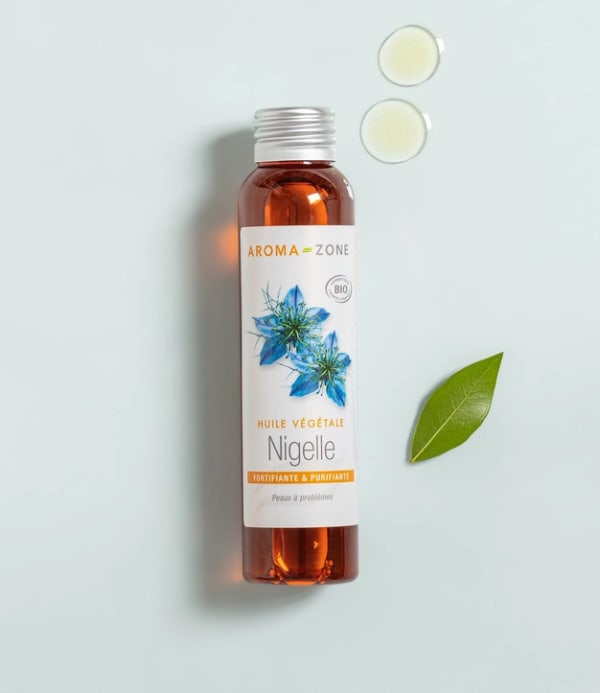
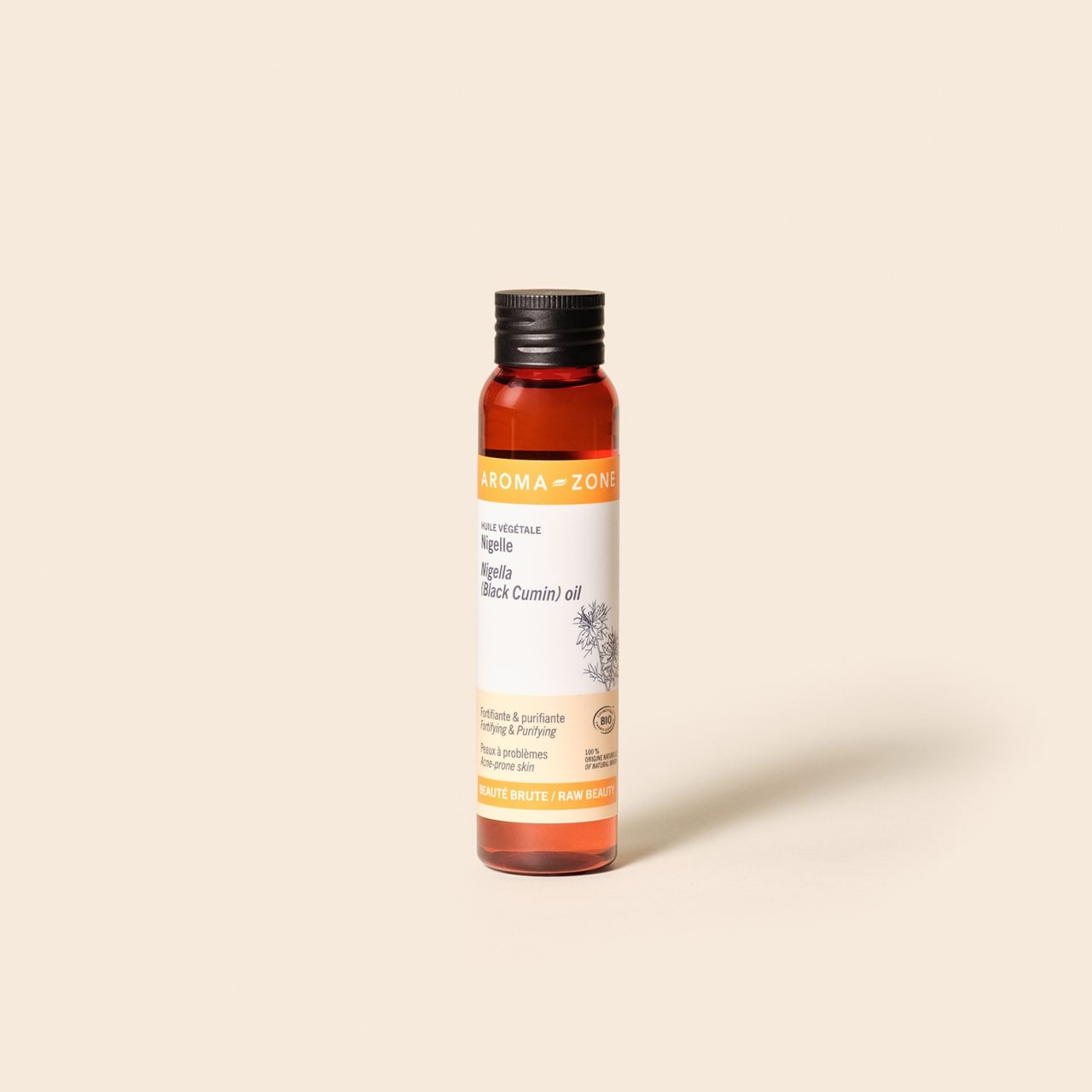
Organic Black Cumin Seed Oil
Soothing, mildly purifying, and well-tolerated by problem skin. Use in very small quantities, maximum 30%, diluted in another vegetable oil or in aloe vera gel if an oily texture is desired.
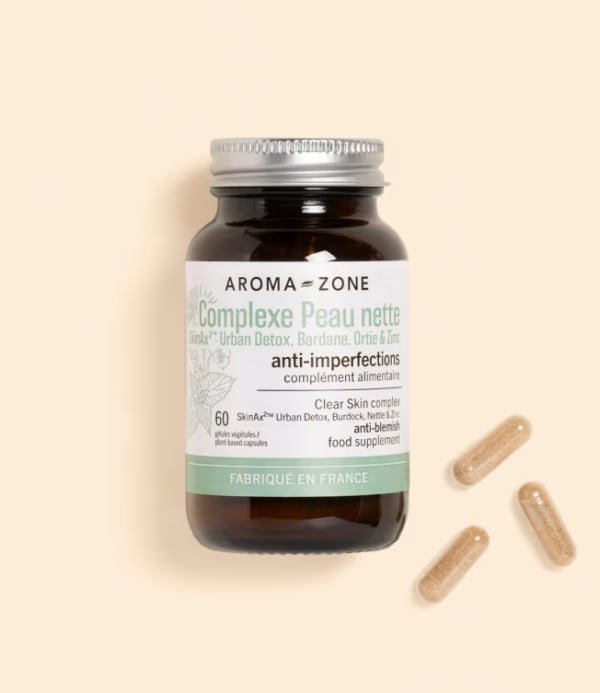
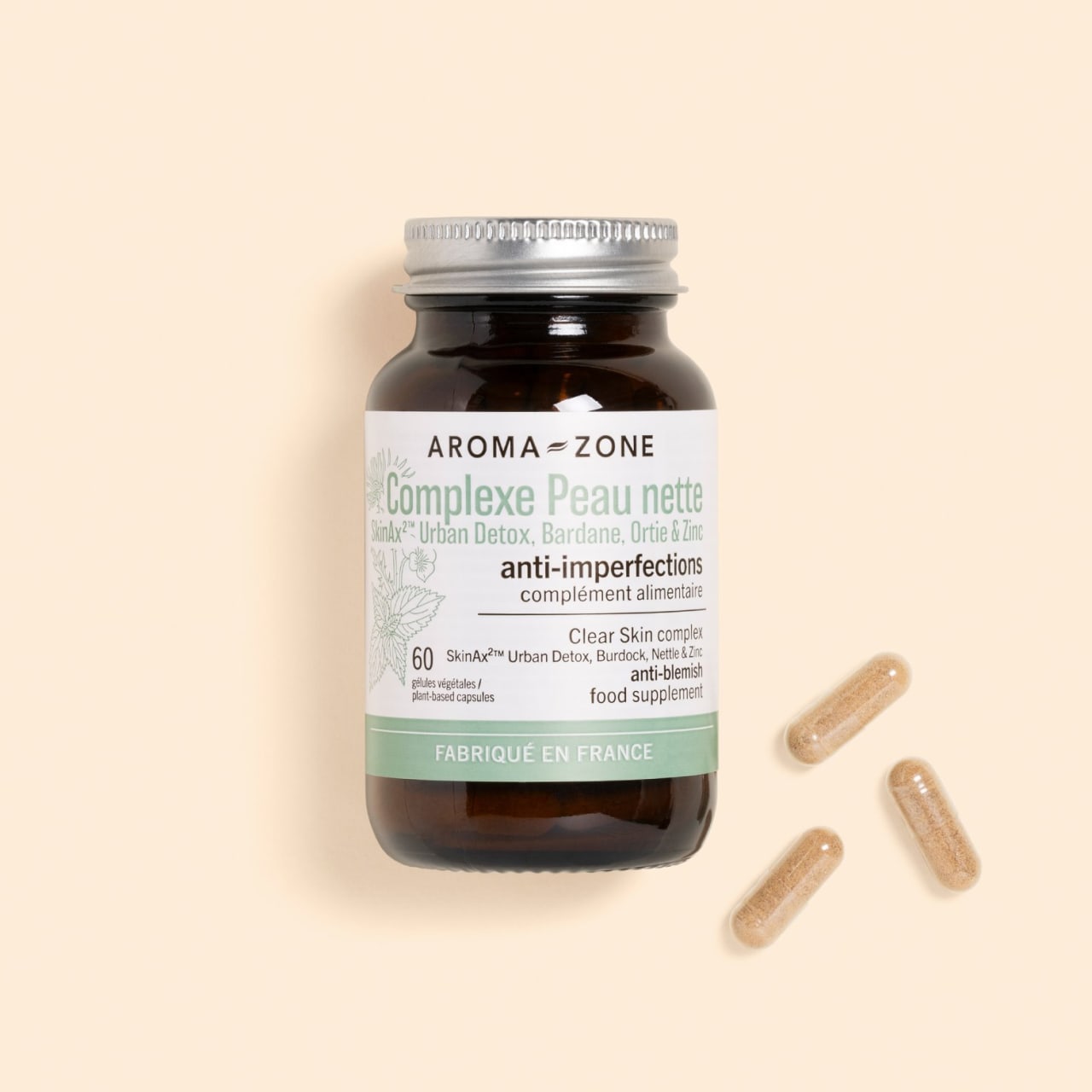
Clear Skin Complex
Guaranteed clear and radiant skin thanks to our dietary supplement designed for oily and blemish-prone skin. Its unique blend combines Burdock, Nettle, Wild Pansy, and Zinc to detoxify and improve the condition of acne-prone skin. With the patented SkinAx²™ Urban Detox, notice a visible reduction in blemishes and a decrease in sebum, while enjoying the benefits of vitamin C. Take 2 capsules daily, with a glass of water. Not recommended for pregnant or breastfeeding women, or in cases of heart or kidney failure with edema. Not recommended for those with allergies to salicylates or known cross-allergies, particularly to plants in the Asteraceae family.
What natural skincare routine can help you achieve clearer skin?
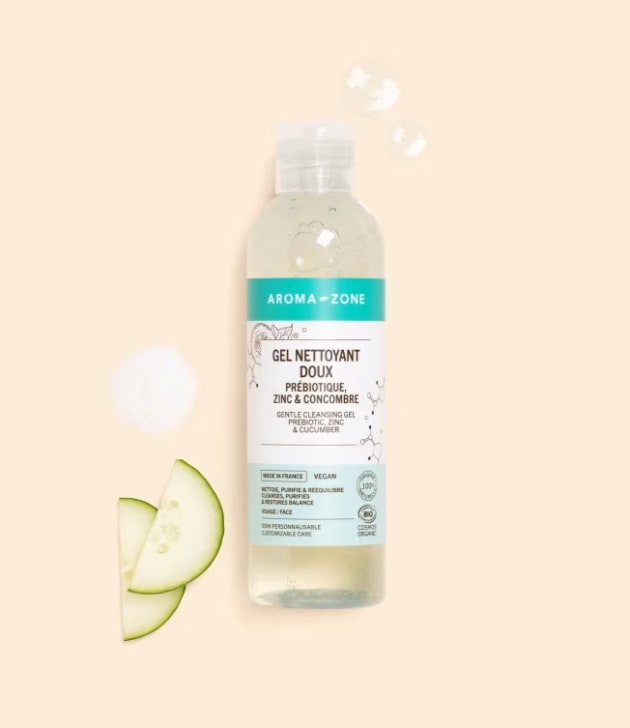
Step 1: Cleanse gently
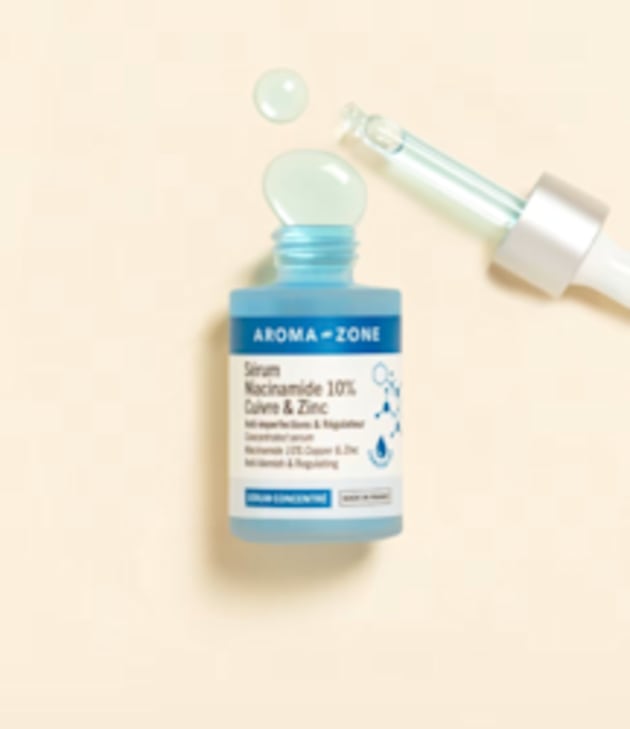
Step 2: Targeting imbalances
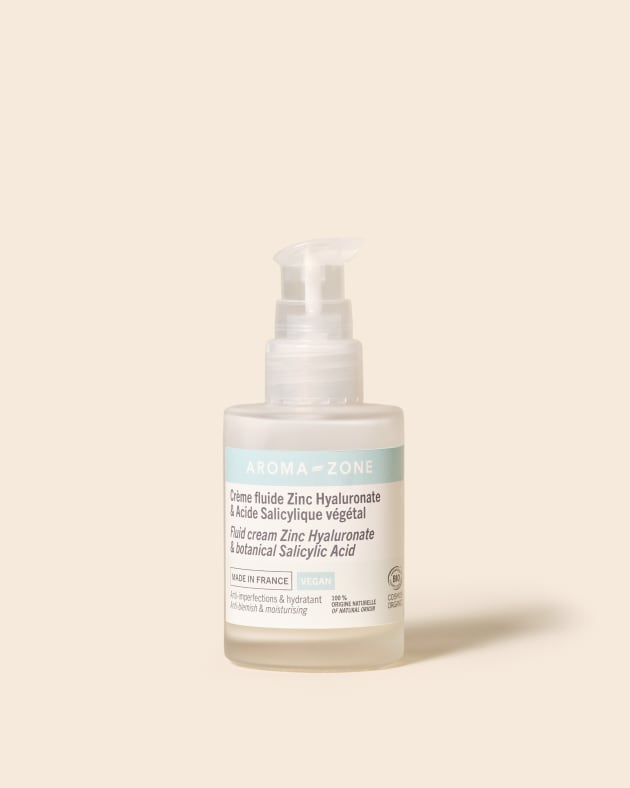
Step 3: Moisturise without weighing the skin down
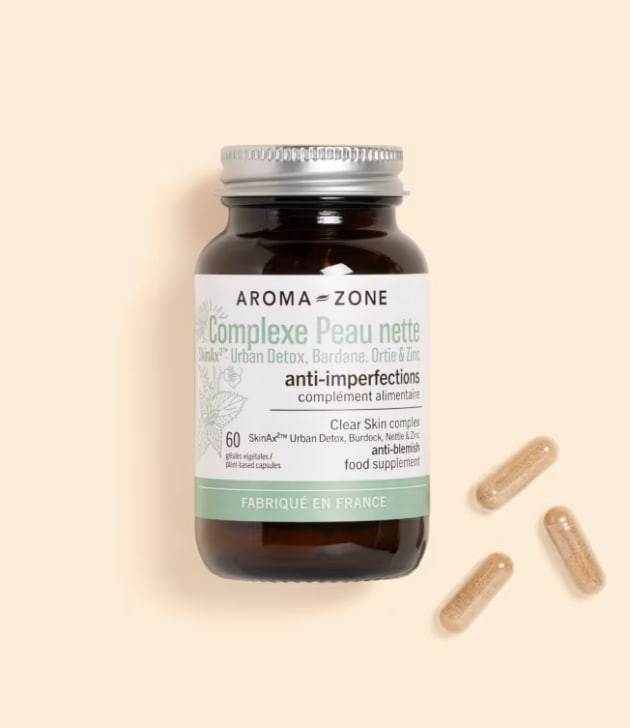
Step 4: Take action from the inside
Use and precautions for the dietary supplement: The Clear Skin Complex combines plant extracts, from burdock to zinc, and is a natural solution to support skin balance on a daily basis. Take 2 capsules a day, to be swallowed with a glass of water. Not a substitute for a varied and balanced diet and a healthy lifestyle. Do not exceed the recommended daily dose. For adults only. Not recommended for pregnant or breastfeeding women, or in cases of oedematous heart or kidney failure. Not recommended in cases of allergy to salicylate derivatives or known cross-allergies, particularly to plants of the Asteraceae family. Keep out of reach of children.
To find out more, discover our anti-blemish routine.
How can you prevent fungal acne on your back?
The key is to limit the factors that promote the proliferation of Malassezia. Here are some practical tips to prevent this form of acne from developing:
Avoid letting wet hair touch your skin: don’t let damp hair rest on your back, especially if it’s long or coated with rich products like oils or creams
Choose non-greasy products: avoid applying oils, butters, or rich balms to your back and chest. Instead, opt for lightweight formulas like aloe vera gel or our Zinc Hyaluronate and Plant-Based Salicylic Acid Fluid Cream
Choose a lightweight sunscreen: replace sunscreen oils with non-comedogenic sun milks like our Mineral Sunscreen Lotion SPF 30, and wear breathable UV-protective clothing to prevent clogged pores
Change your clothes quickly after exercising: don’t stay in sweat-soaked clothing. Take a shower as soon as possible and opt for clean, loose-fitting clothes made of natural fibres like cotton, linen, or silk
Avoid synthetic and tight-fitting fabrics: these materials trap heat, moisture, and cause skin maceration, creating an environment conducive to yeast growth
Dry your skin thoroughly after showering: Pay special attention to your back, chest, and skin folds to minimise residual moisture
Limit excessive or harsh cleansing: Cleansing too frequently or using harsh products can disrupt the skin’s natural balance. Opt for gentle, sulfate-free cleansers
Consider a zinc regimen: this mineral has properties that can support skin balance, particularly in cases where conditions are conducive to fungal acne.
Precautions
In cases of persistent fungal acne, it’s best to avoid prolonged self-medication, particularly with conventional acne treatments that can worsen the condition. A medical or dermatological consultation is recommended to confirm the diagnosis and tailor the treatment plan.
Expert advice
If you have persistent doubts or if symptoms worsen despite natural treatments, it’s best to consult a dermatologist to confirm the diagnosis. A topical or oral antifungal treatment may be prescribed if necessary, in addition to appropriate hygiene practices.

Dr Agathe AOUN - COUSSIEU is a dermatologist in Martinique, where she practises general, surgical and cosmetic dermatology. With a keen interest in skin wellbeing, she also provides advice and treatments that are as natural as possible and tailored to sensitive or specific skin types. She has also set up an Instagram account where you can find her favourite products, explanations of skin conditions and skincare advice (@dragatheaoun).
Bibliography
Henning MA, Jemec GB, Saunte DM. [Malassezia folliculitis]. Ugeskr Laeger. 2020 Nov 16;182(47):V08200572. Danish. PMID: 33215579.
Saunte DML, Gaitanis G, Hay RJ. Malassezia-Associated Skin Diseases, the Use of Diagnostics and Treatment. Front Cell Infect Microbiol. 2020 Mar 20;10:112. doi: 10.3389/fcimb.2020.00112. PMID: 32266163; PMCID: PMC7098993.
Frequently Asked Questions
Associated recipe
Associated tips

Skin care tips


