
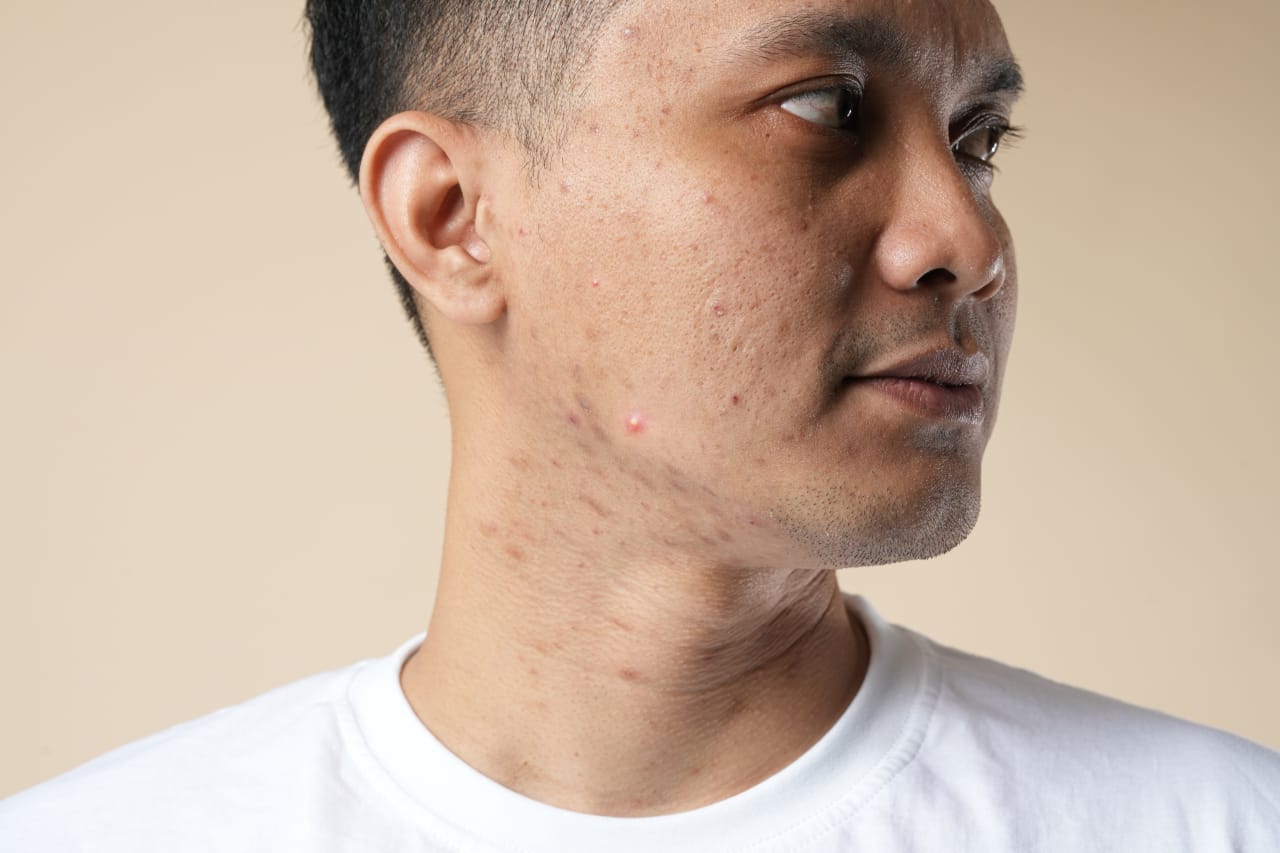
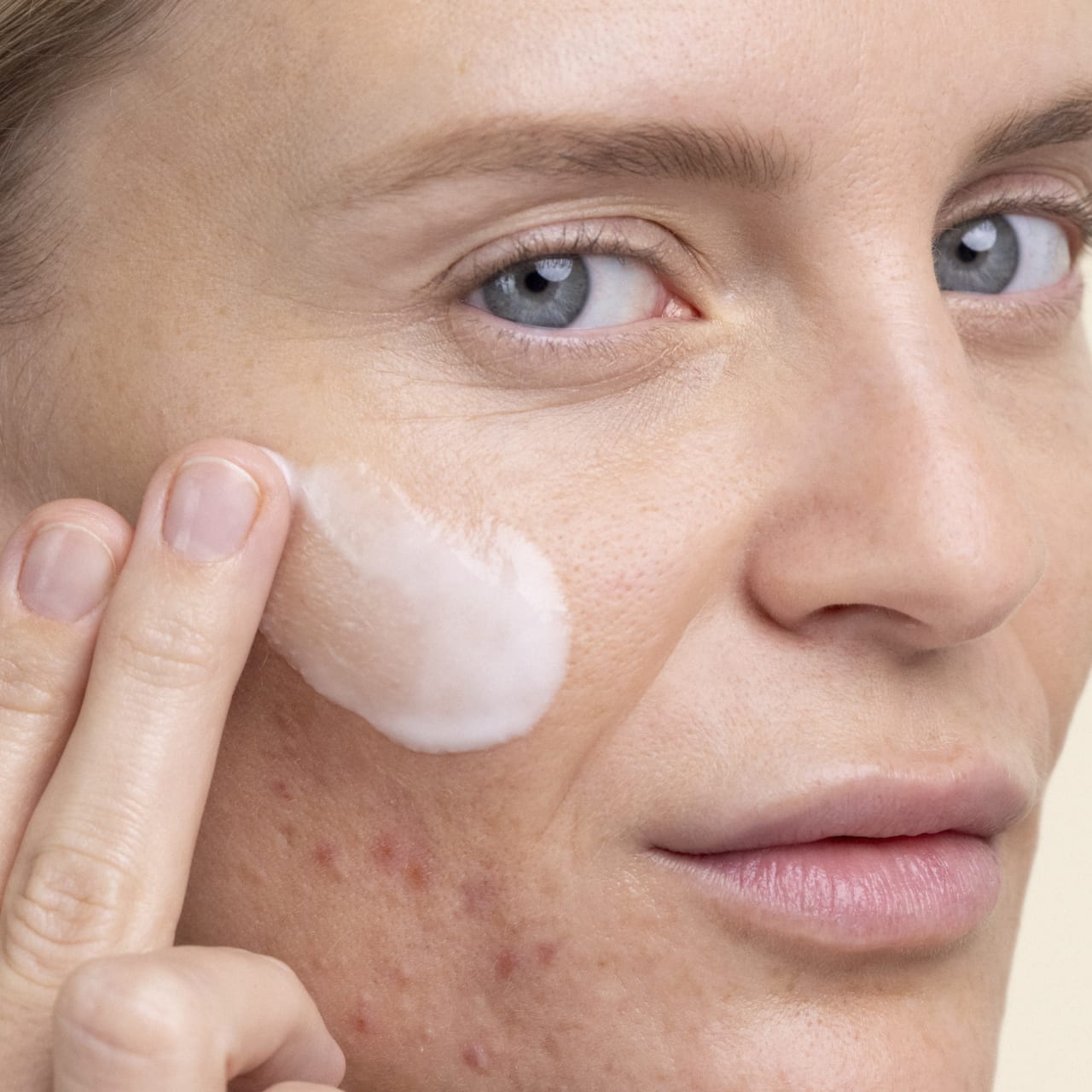
Microcystic acne is characterized by the predominant presence of closed pimples, known as microcysts. These blemishes correspond to accumulations located within a clogged pore. Unlike red or pus-filled pimples, microcysts are not very inflammatory at first. They appear as small, whitish or flesh-colored bumps, sometimes difficult to see with the naked eye. Their deep location explains why they persist and why they are difficult to clear up quickly. This type primarily affects sebum-rich areas of the face, such as the chin, jawline, or cheeks. Over time, these blemishes may remain stable or develop into more inflammatory pimples.
What is microcystic acne?
Published on: Wednesday, April 17, 2024, Updated on: Wednesday, September 30, 2026
Microcystic acne is a specific form of acne, characterised by deep pimples that are often invisible to the naked eye. These blemishes develop beneath the surface of the skin & feel uneven to the touch. They generally develop slowly, with a risk of transforming into more visible or inflammatory lesions over time.
Contents
Related products
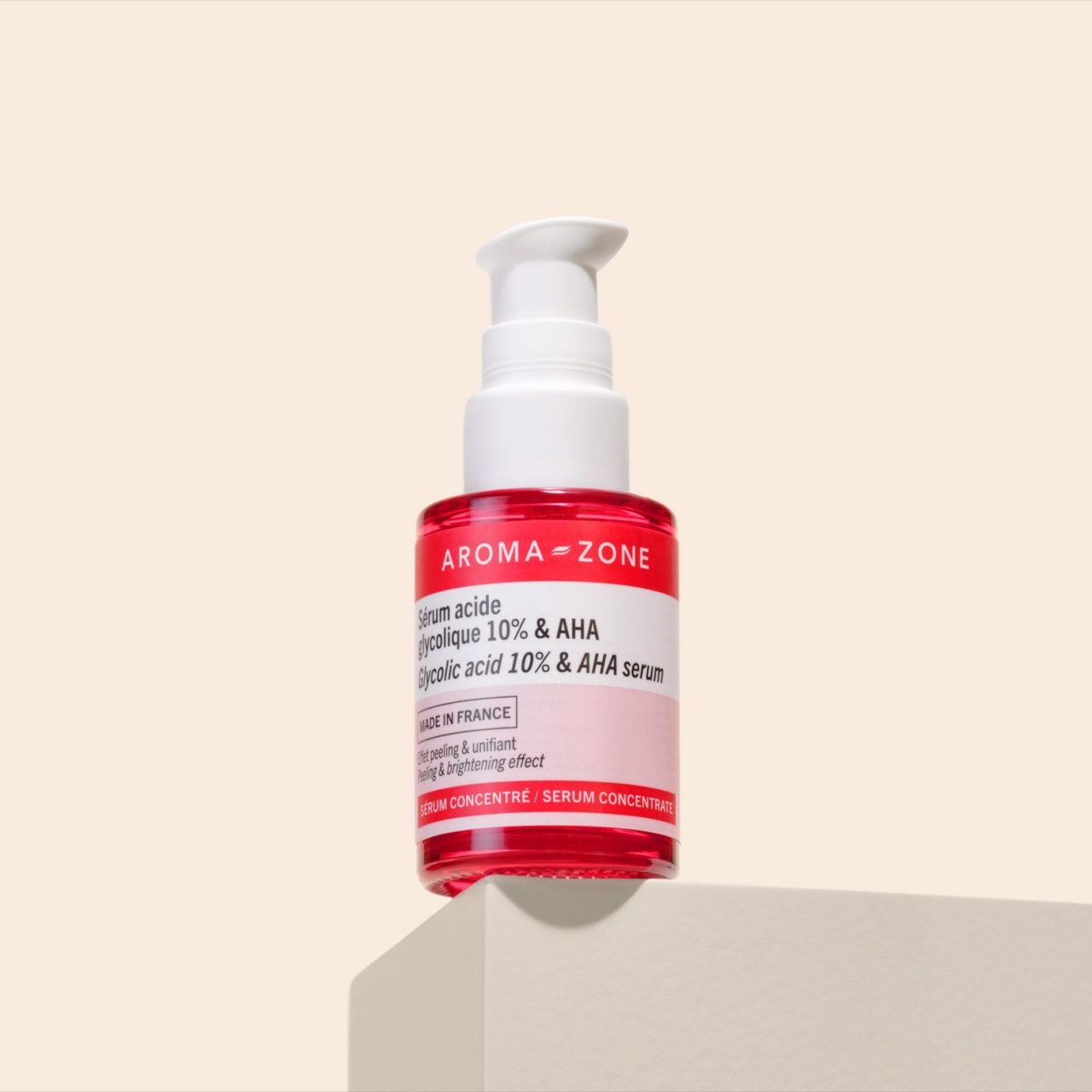
Glycolic Acid 10% & AHA Serum
Exfoliating
Peeling effect
£8.00
30 ml
3 options
£7.50
200 ml
£8.00
50 ml
2 options
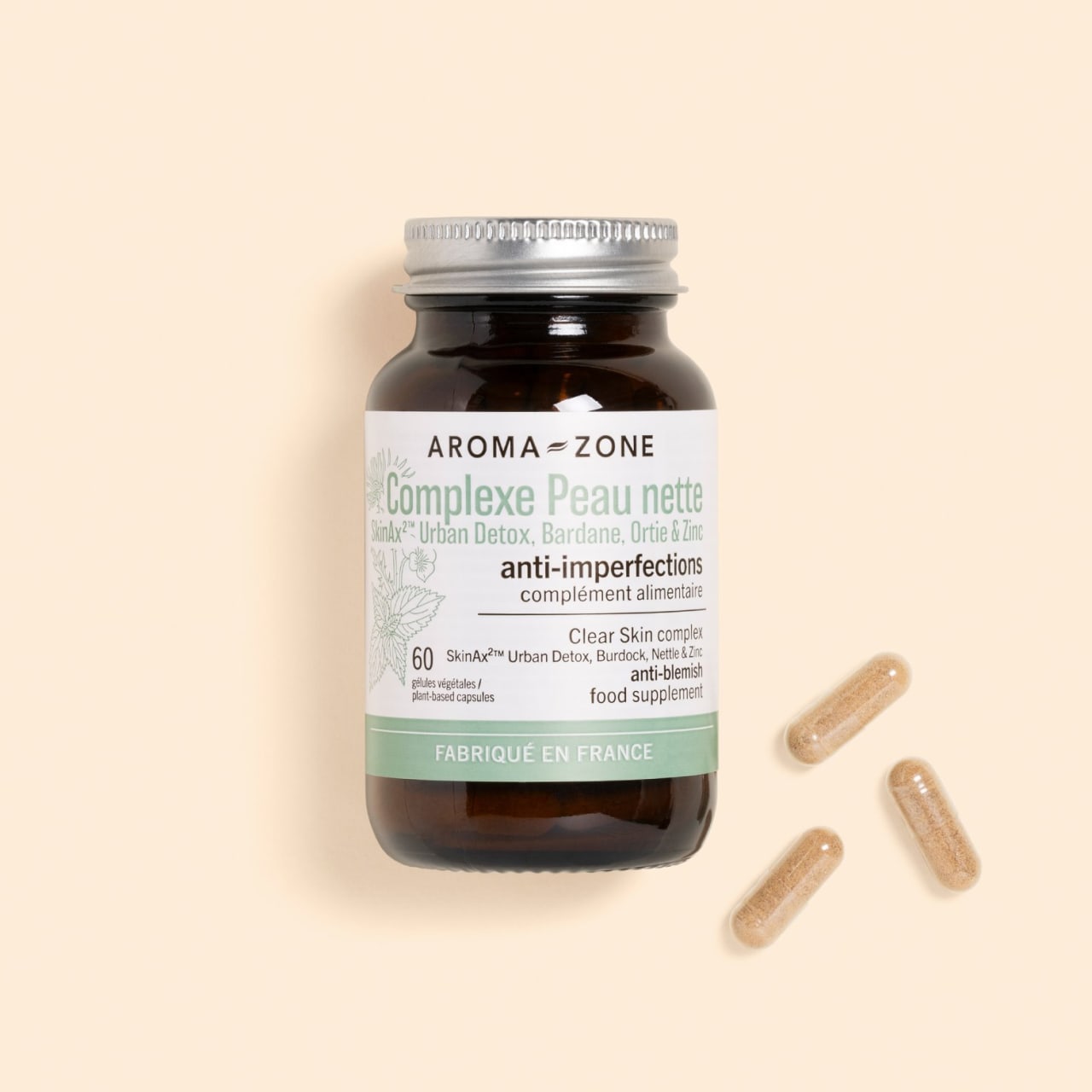
Clear Skin Complex - 60 Capsules
Anti-blemishes
Purifying
£17.00
article
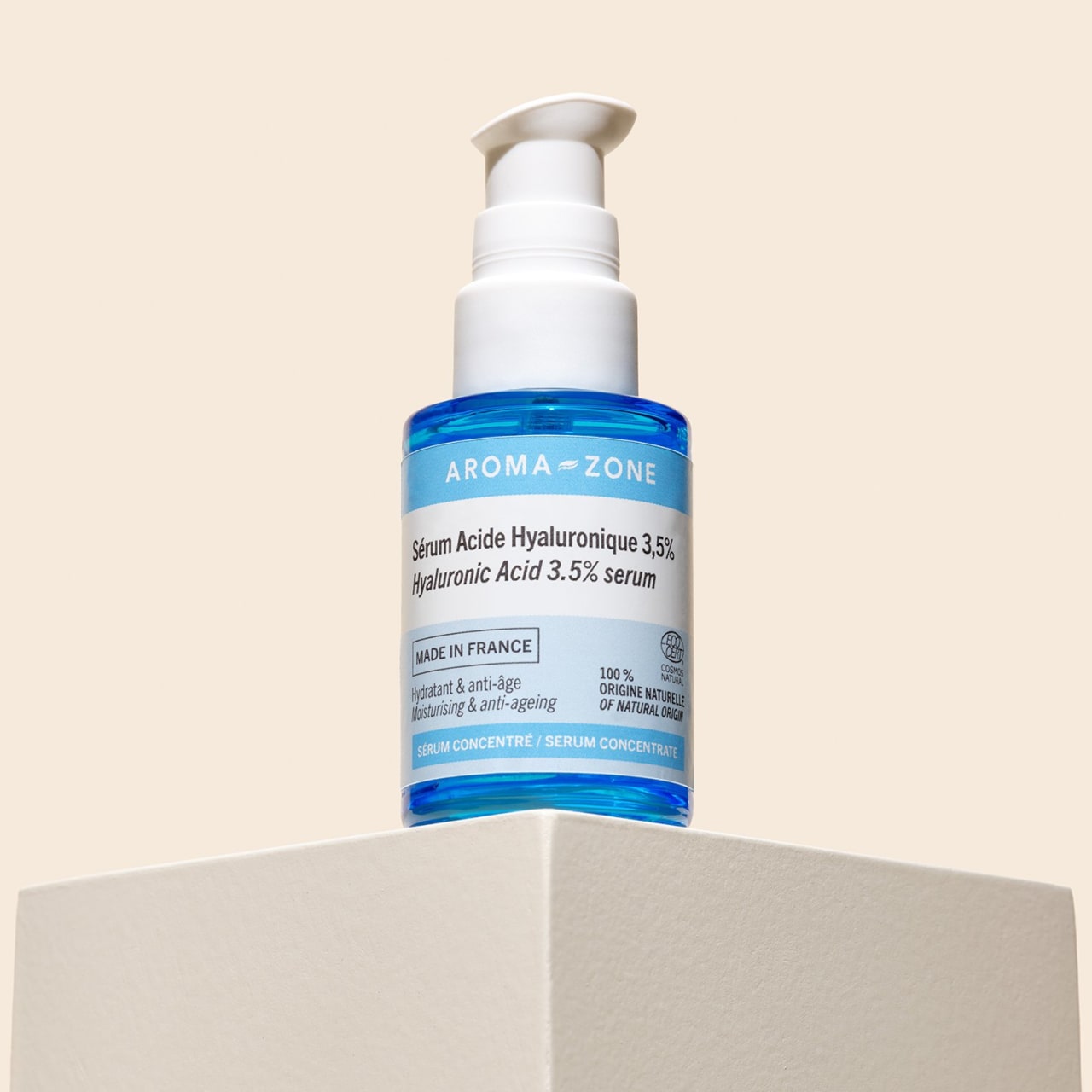
Hyaluronic Acid 3.5% Serum
Moisturising
Plumping
£6.50
30 ml
3 options
What are the characteristics of microcystic acne?
What causes microcysts?
Here are the main causes of microcysts:
Excessive sebum production: sebum is an oily substance naturally secreted by the skin. When produced in large quantities, it promotes the appearance of pimples and blemishes
A buildup of skin cells: insufficient skin renewal leads to a buildup of dead cells inside the pores
A gradual blockage of the pores: the mixture of sebum and skin cells forms a plug, preventing normal drainage to the skin’s surface
Potential progression to more visible lesions: A microcyst may remain unchanged, gradually open, or develop into red, sensitive pimples.
How can you recognize them?
Here are their main characteristics:
Small raised bumps, a few millimeters in size: Microcysts appear as small, firm raised areas, generally measuring between 2 and 3 millimeters. They are often easier to feel than to see, especially in natural light
Whitish or flesh-colored appearance, with no visible blackhead: unlike blackheads, these bumps do not have a visible opening on the surface. Their color is similar to that of the surrounding skin, sometimes slightly whitish, making them visually inconspicuous. These are sometimes referred to as under-the-skin bumps
Irregular texture to the touch, giving the skin a grainy appearance: when running a hand over the affected area, the skin may feel bumpy or grainy. This sensation is linked to the subcutaneous buildup responsible for blemishes
Little redness at first: In the initial stage, these bumps are generally non-inflammatory. The absence of redness or pain distinguishes them from more advanced lesions. However, inflammation may develop later
Frequently found on the face, particularly the lower face: Microcysts mainly affect sebum-rich areas, such as the chin, jawline, and cheeks. They may appear individually or in clusters, giving the skin an uneven appearance.
Our selection of products
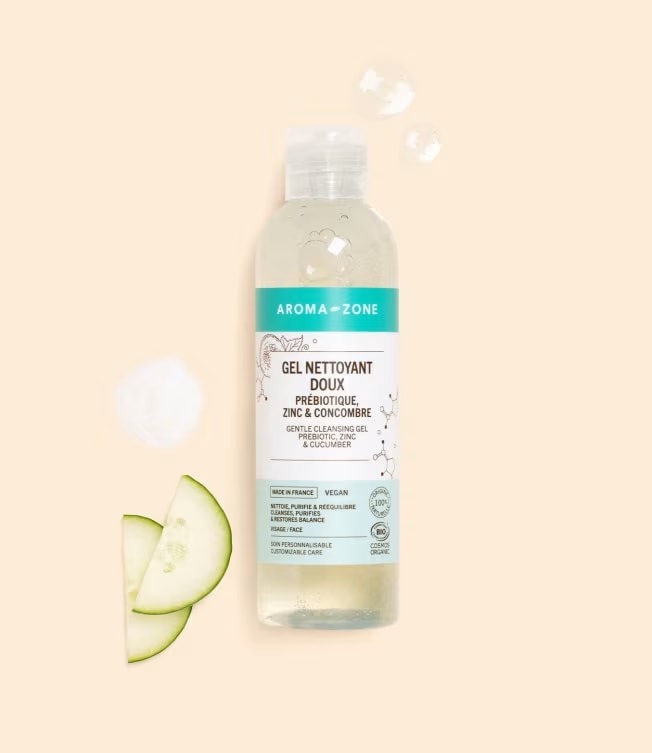
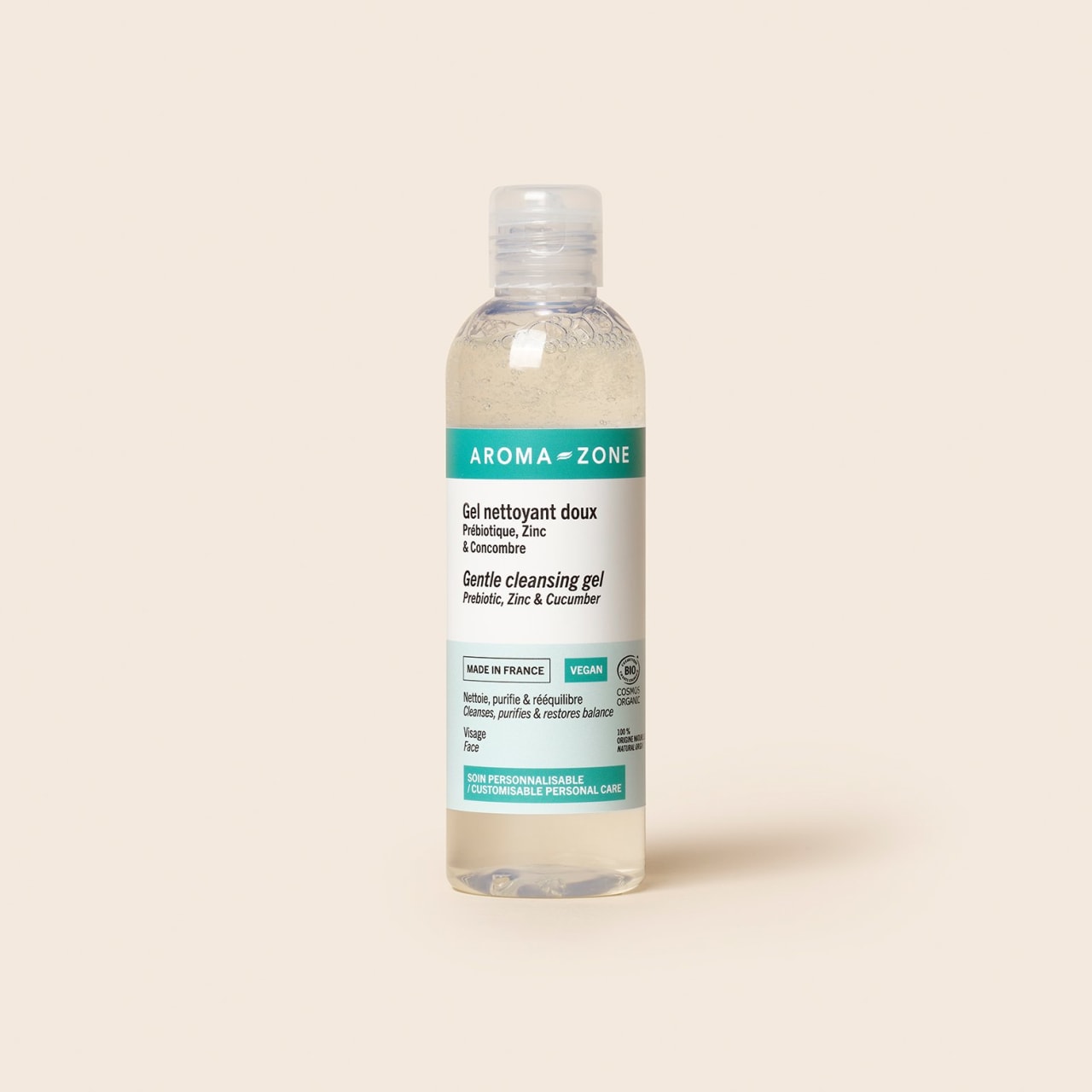
Gentle Prebiotic, Zinc & Cucumber Facial Cleansing Gel
The Gentle Prebiotic, Zinc & Cucumber Facial Cleansing Gel is formulated with 100% naturally derived ingredients. It cleanses the skin without drying it out, removing impurities and light makeup. Prebiotics help maintain the balance of the skin’s microbiome. Zinc helps control excess sebum and the appearance of blemishes. Cucumber extract provides a refreshing sensation. Suitable for all skin types, including sensitive skin. In the morning, the cleansing gel removes excess sebum built up overnight, revitalizes the complexion, and prepares your skin for skincare. In the evening, it thoroughly cleanses and/or removes makeup, hydrates, and prepares the skin for skincare. Avoid contact with the eyes. If contact occurs, rinse thoroughly with clean water. Store away from heat and light. The cleansing gel may become cloudy in cold temperatures; this does not affect its quality or properties. Simply leave it at room temperature to restore its clarity.
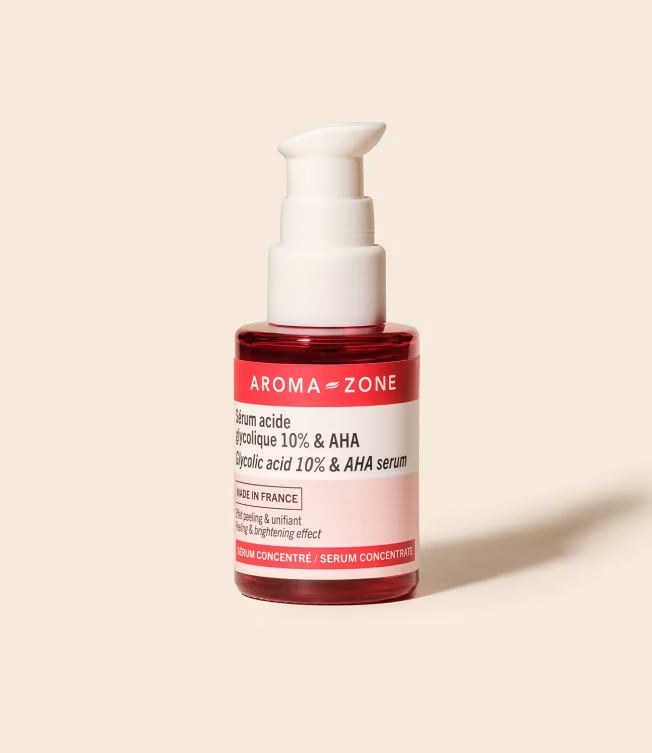
10% Glycolic Acid & AHA Concentrated Serum
The 10% Glycolic Acid & AHA Concentrated Serum is highly concentrated in glycolic acid and AHA fruit acids! Thanks to its exfoliating effect, this serum removes dead skin cells and stimulates skin renewal for a radiant, even complexion. Particularly suited for skin affected by sun exposure, smoking, or premature aging, it minimizes acne scars and smooths out unevenness. It also tightens pores, fights blackheads, and reduces wrinkles and dark spots. With a non-greasy gel texture, our concentrated glycolic acid exfoliating serum is also enriched with hyaluronic acid, known for its moisturizing and anti-wrinkle properties, for plump, hydrated skin
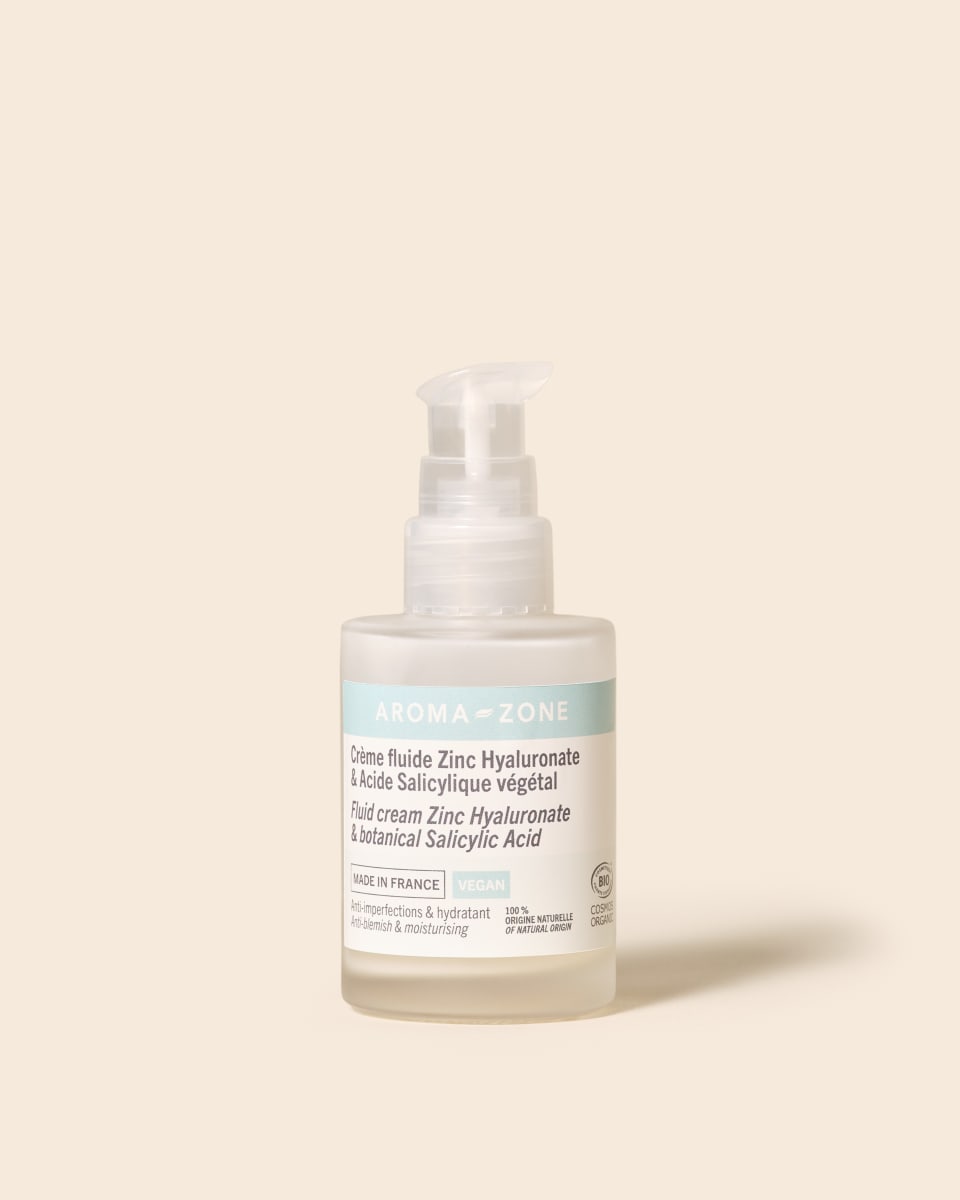
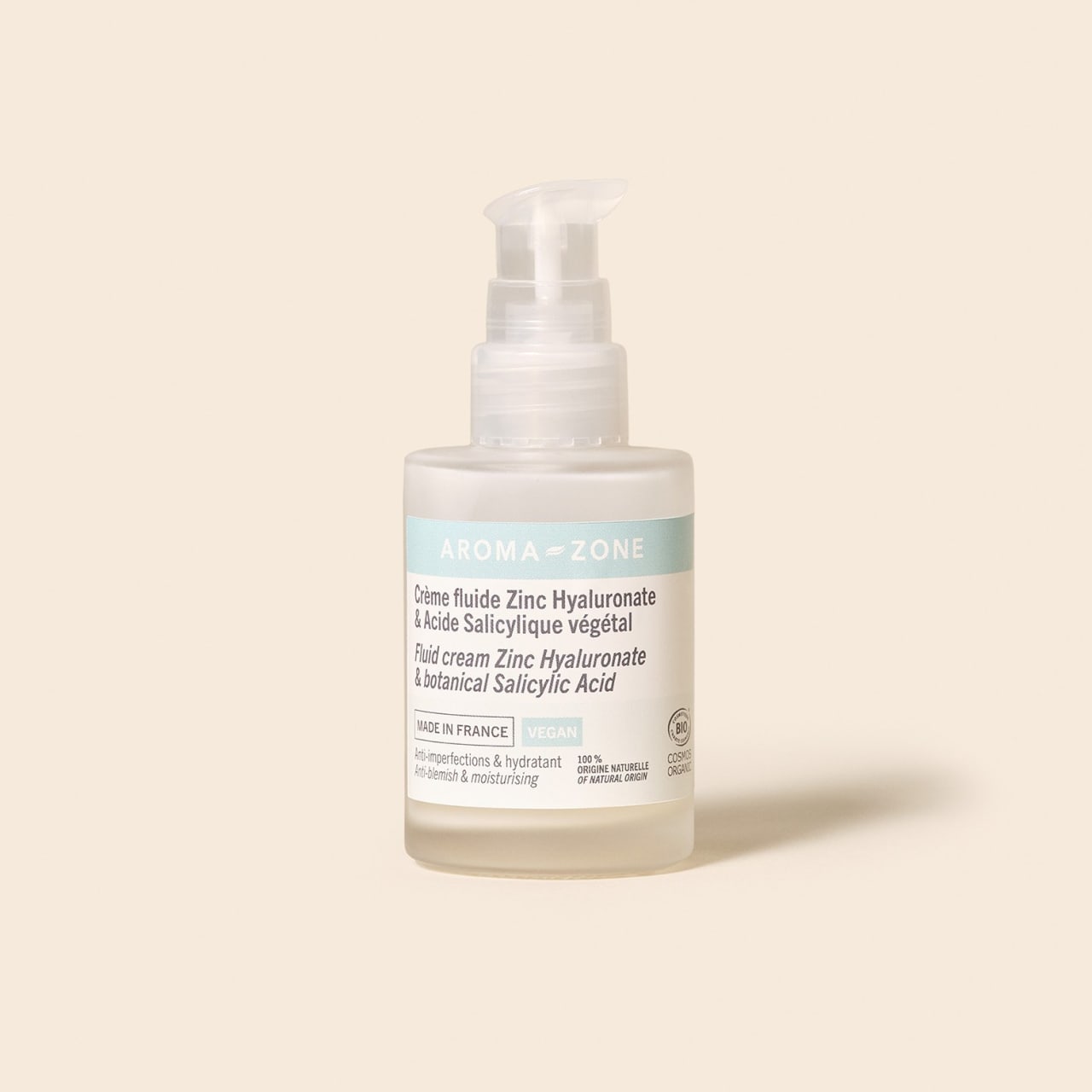
Zinc Hyaluronate & Plant-Based Salicylic Acid Fluid Cream
The Zinc Hyaluronate & Plant-Based Salicylic Acid Fluid Cream is formulated to rebalance and hydrate the skin while reducing the appearance of blemishes. It combines zinc hyaluronate, known for its purifying and moisturizing properties, with plant-based salicylic acid to stimulate cell renewal and reduce blemishes. Its lightweight texture absorbs without leaving a greasy film and mattifies the complexion, specifically targeting oily or acne-prone skin, including microcystic acne. Apply the mattifying and moisturizing fluid cream to the face and neck in the morning and/or evening on clean skin, after applying your serum. Avoid the eye area; if contact with the eyes occurs, rinse immediately with clean water. Store away from heat and light.
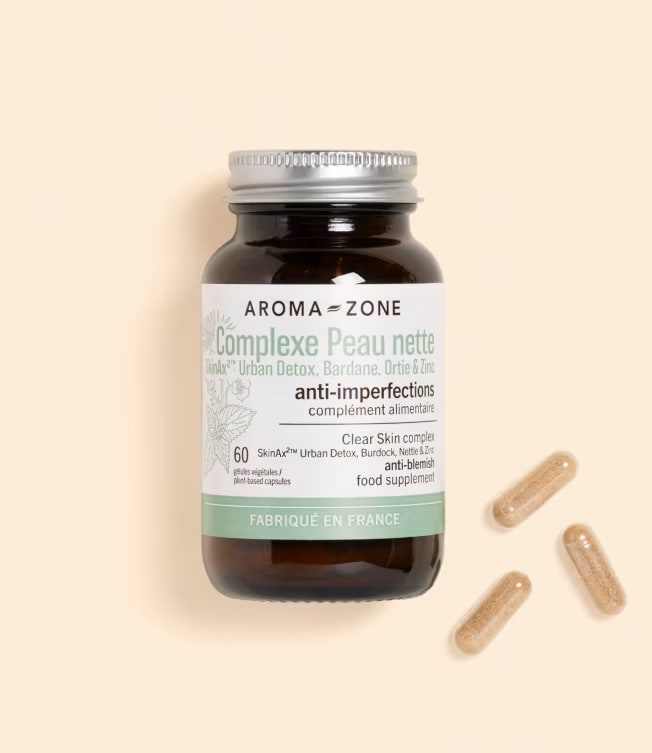
The Clear Skin Complex
The Clear Skin Complex is a plant-based dietary supplement made in France, formulated to support people with oily or blemish-prone skin. Its formula combines extracts of purifying plants (burdock, nettle, wild pansy), bioavailable zinc, and vitamin C to support skin appearance from within and help reduce sebum and blemishes. Take 2 capsules daily, with a glass of water. Store away from light, heat, and humidity, in a tightly closed container. Not a substitute for a varied and balanced diet and a healthy lifestyle. Do not exceed the recommended daily dose. For adults only. Not recommended for pregnant or breastfeeding women, or in cases of heart or kidney failure with edema. Not recommended in cases of allergy to salicylates or known cross-allergies, particularly to plants in the Asteraceae family. Keep out of reach of children.
Discover our routine for clearer skin: here
Expert advice
The deep pimples associated with microcystic acne develop slowly. A regular skincare routine that is well-tolerated and tailored to the needs of problem skin can help limit the appearance of new blemishes. Conversely, overuse of irritating or exfoliating products can exacerbate skin imbalances.
Precautions
Certain substances used to treat blemished skin, including microcystic acne, are subject to usage restrictions in specific situations. Vitamin A derivatives, including when applied to the skin, require special caution and strict adherence to usage guidelines. If acne symptoms worsen, significant redness appears, or irritation persists, medical advice is recommended.
Meet Our Expert Writer: Stéphanie Le Guillou

Stéphanie is a pharmacist (since 2010) and holds a PhD in molecular biology (since 2012). Passionate about writing, she has produced medical content for nearly 15 years. Her goal is to make information accessible and easy to understand, without ever sacrificing scientific accuracy.
Bibliography
Dermato-info. Understanding acne.
https://dermato-info.fr/comprendre-lacne
French Society of Dermatology. Local and systemic treatment of acne. June 2015. Good practice recommendations.
https://www.sfdermato.org/media/pdf/recommandation/label-recommandations-acne-post-college-54ac60356d1b9584a71ccaac92cf3724.pdf
Nast A, Dréno B, Bettoli V, Degitz K, Erdmann R, Finlay AY, et al. European evidence-based (S3) guideline for the treatment of acne – update 2016 – short version. J Eur Acad Dermatol Venereol. 2016;30(8):1261-1268. doi:10.1111/jdv.13776.
https://pubmed.ncbi.nlm.nih.gov/27514932/
Tan J, Thiboutot D, Gollnick H, Bettoli V, Layton A, Kang S, et al. The Personalized Acne Care Pathway—Recommendations to guide longitudinal management from the Personalizing Acne: Consensus of Experts. JAAD Int. 2021;4:1-12. doi:10.1016/j.jdin.2021.06.001.
https://www.jaadinternational.org/article/S2666-3287(21)00075-4/fulltext
Frequently Asked Questions
Associated recipe
Associated tips
Skin care tips
Skin care tips


