
What home remedies can help relieve cruralgia?

What home remedies can help relieve cruralgia?


By Marine Leleux

Published on: Monday, October 27, 2025, Updated on: Tuesday, November 03, 2026

Cruralgia is a type of nerve pain that travels from the lower back, through the hip and down the front of the thigh, following the path of the femoral nerve. When the nerve becomes compressed or irritated, the pain can be intense and make walking difficult. Alongside medical care, some simple home remedies can help ease the pain and make everyday movement more comfortable. Here's what you need to know.

Contents

Related products

What is cruralgia?

Cruralgia is nerve pain caused by irritation or compression of one or more nerve roots in the lower back. These roots emerge from the L2, L3 and L4 lumbar vertebrae, on either side of the spine, and join to form the femoral nerve, also known as the crural nerve. The femoral nerve passes through the psoas muscle, travels towards the front of the hip and supplies the muscles and skin at the front of the thigh. Its motor branches control the quadriceps, while its sensory branch, the saphenous nerve, carries sensation from the inner side of the knee and lower leg.

As a mixed nerve, the femoral nerve is responsible for both movement and sensation. When one or more of its nerve roots become irritated or compressed, pain can develop along the nerve's path, particularly at the front of the thigh. It may also affect mobility and make everyday movements more difficult. Finding ways to ease the discomfort, including suitable home remedies alongside medical advice, can help make daily life more manageable.

Cruralgia or sciatica: what's the difference?

Sciatica is a familiar form of nerve pain that is sometimes confused with cruralgia. Although both affect nerves supplying the lower limbs, they involve different nerves and cause pain in different areas.

The sciatic nerve originates from the L4 to S3 nerve roots in the lower spine. It is the largest and longest nerve in the body. Each branch passes through the buttock and runs down the back of the thigh and leg, reaching the foot. Sciatic pain can therefore occur anywhere along this route, although it is often felt in the buttock, back of the thigh or lower leg.

If you think you may be experiencing sciatica, find out how to naturally relieve sciatica.
What can cause cruralgia?

Cruralgia is not a disease in itself, but a symptom of irritation or compression affecting the nerve roots that form the femoral nerve. This can happen for several reasons. Identifying the underlying cause is important to help manage the pain and reduce the risk of it returning.

The most common causes include:

Herniated disc: when an intervertebral disc bulges or ruptures, it can press on one of the nerve roots that contributes to the femoral nerve. This can trigger inflammation and pain, which may travel down the front of the thigh.

Lumbar osteoarthritis: as osteoarthritis develops in the spine, changes to the joints between the vertebrae can lead to the formation of small bony growths called osteophytes. These may narrow the spaces through which the nerves pass, potentially irritating or compressing a nerve root.

Muscle spasms: tight or overactive muscles around the lower back, hip and pelvis may contribute to nerve irritation. Poor posture, muscle fatigue and stress can all contribute to muscle tension. The muscles involved may include the iliopsoas, rectus femoris and, less commonly, the pectineus.

A sedentary lifestyle: spending long periods sitting or being inactive can contribute to muscle stiffness and reduced mobility, potentially aggravating lower back discomfort.

Pregnancy: in the later stages of pregnancy, changes in posture and the increased weight carried around the abdomen can put extra strain on the lower back and pelvis. This may contribute to nerve-related pain, including cruralgia or sciatica.

Excess weight: carrying excess weight can place additional strain on the lower back and pelvis, potentially contributing to problems that irritate or compress the nerve roots.

What are the symptoms of cruralgia?

Sharp pain at the front of the thigh is a typical symptom of cruralgia. Other signs can also help identify it:

  • Pain on one side of the body: usually, only one nerve root is affected, so the pain is generally felt on one side.

  • Pain along the femoral nerve: pain may be felt in the lower back, groin, front of the thigh or inner side of the knee.

  • Reduced mobility: certain movements can make the pain worse and become difficult to perform, such as climbing stairs, squatting or lifting the knee.

  • Pins and needles or numbness: tingling or numbness may occur in the leg supplied by the affected nerve.

Home remedies for cruralgia: how to relieve pain naturally?

Some simple home remedies can help ease cruralgia pain.

Quick relief: applying heat

Applying heat can help soothe pain associated with cruralgia by relaxing tight muscles and easing muscle spasms. You can apply heat using a hot water bottle or a washcloth soaked in warm water. Apply it to the painful area for around 15 minutes, making sure it isn’t too hot to avoid burning your skin.

A warm bath can also help relax your muscles and ease tension throughout your body. You could also try alternating heat and cold: heat helps relax the muscles, while cold may help reduce local inflammation.

A closer look at Epsom salts

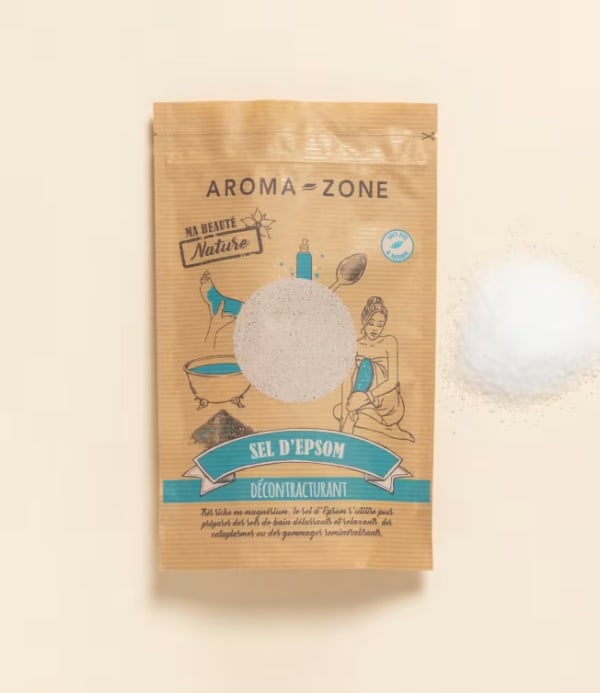
Epsom salt

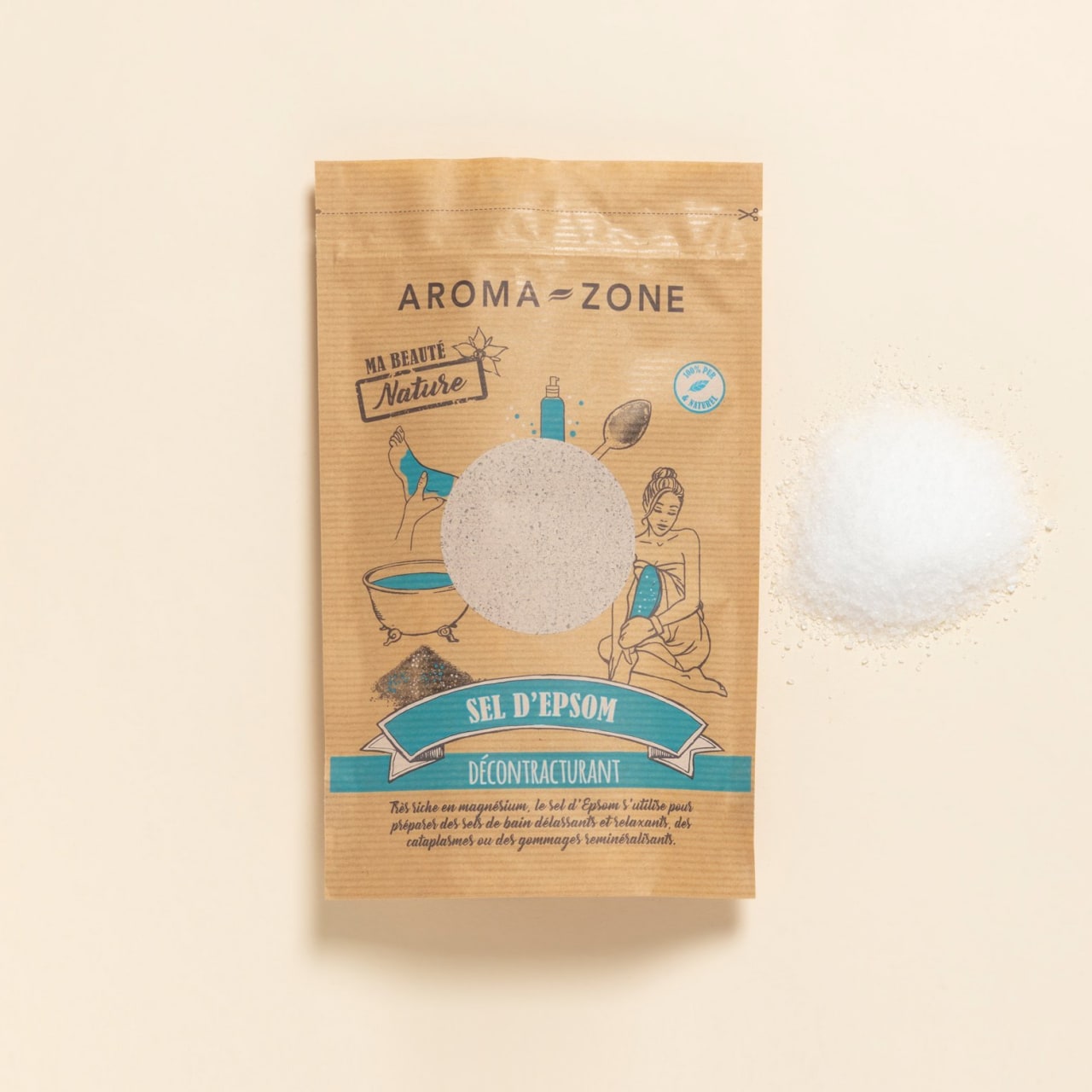
An age-old home remedy for soothing muscle aches, Epsom salts are often added to a warm bath to help relax the body. Rich in magnesium, they are traditionally used to ease muscle tension and encourage relaxation. Simply add one cup of Epsom salts to your bathwater and enjoy a soothing soak. For an even more relaxing experience, dim the lights and take some time to unwind.

Discover Epsom Salt

Green clay poultices

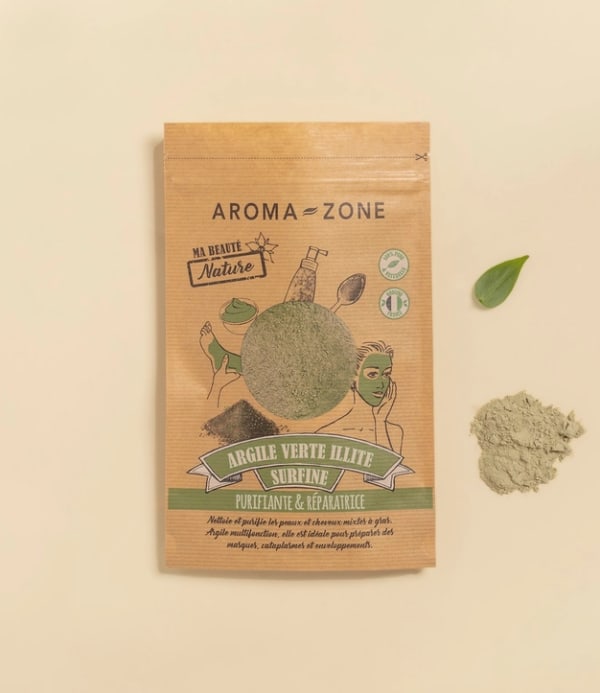
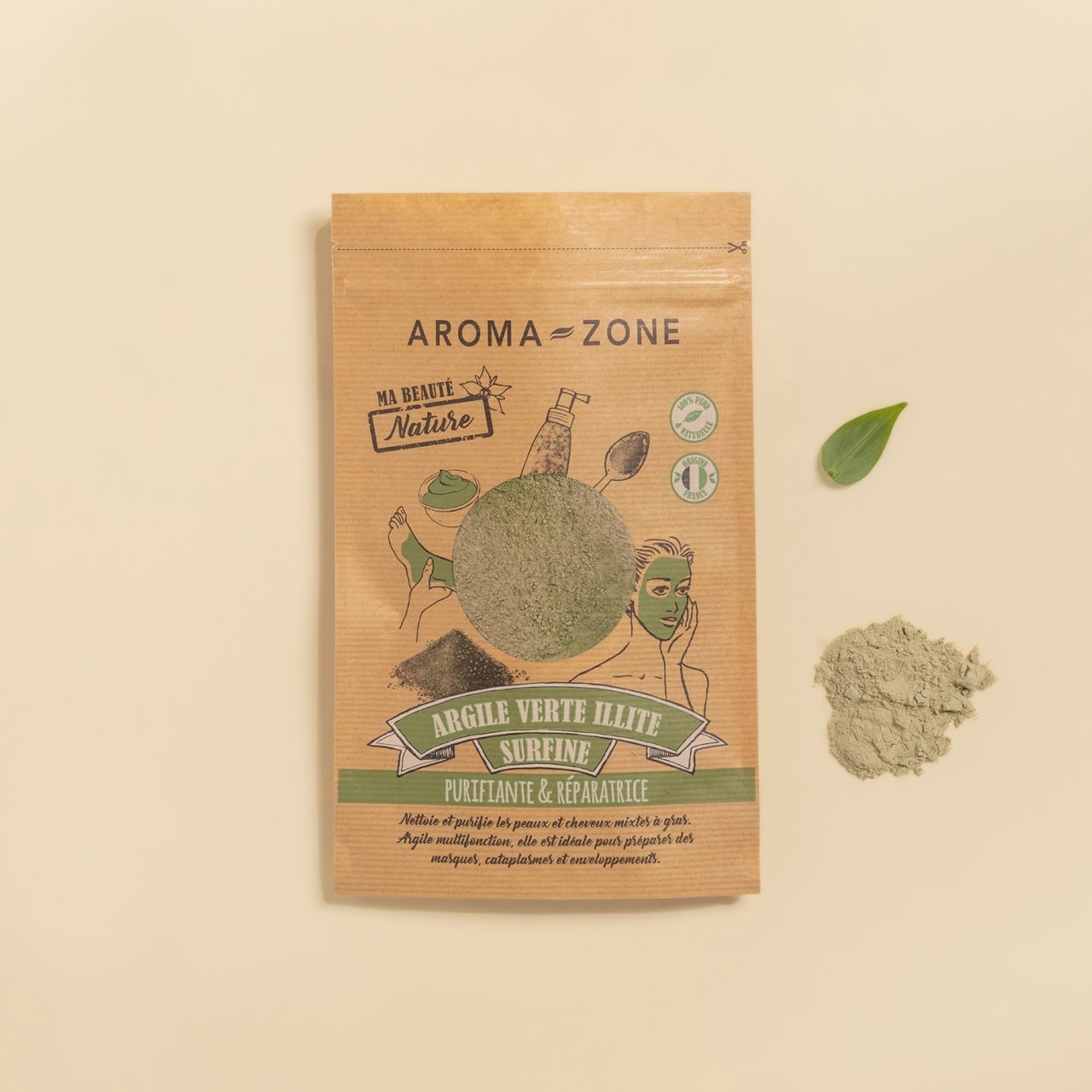
Another traditional home remedy, green clay has been valued for centuries for its many properties. Its cooling effect can help soothe the painful area, while it is traditionally used to help ease local inflammation. To prepare a poultice, place the required amount of green clay in a bowl and gradually add water, stirring until you have a smooth paste. Apply a thick layer, at least 1 cm deep, to the painful area and leave it on for 15 to 20 minutes.

The green clay available from Aroma-Zone is a natural, high-quality clay sourced in France.

Discover the fine-grained illite green clay

Massages

Massage can help relax tense muscles and promote a sense of wellbeing. To enhance your massage, you can add a few drops of essential oil known for its soothing properties to a carrier oil. Always check the contraindications and precautions for use before applying an essential oil.

Soothing massage oil

Soothing massage oil

This blend combines soothing essential oils with an organic St John's Wort oil macerate, traditionally used for its calming properties. It’s ideal for a relaxing massage: simply massage it into areas of tension. Do not use during pregnancy or while breastfeeding, or on children. Avoid contact with mucous membranes and do not apply to irritated skin.

Discover the Soothing Massage Oil

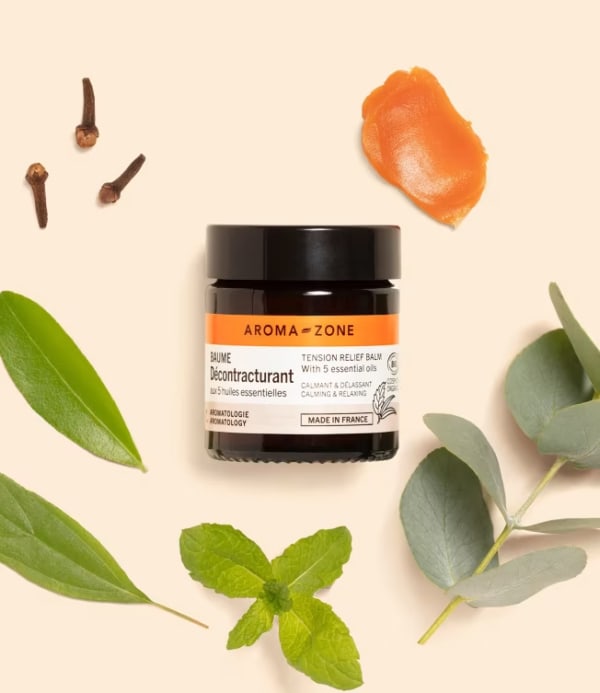
Muscle-relaxing balm with 5 essential oils

Relaxing Balm with 5 Essential Oils

With its warming and cooling effect, this muscle-relaxing balm provides an immediate sensation of relief. Its formula combines five essential oils traditionally used to help ease muscle tension and spasms. Massage into the affected areas until fully absorbed.

Do not use the Relaxing Balm during pregnancy or while breastfeeding, on children under 6, or if you have a history of epilepsy, seizures, asthma or allergies. Do not apply to mucous membranes. Wash your hands thoroughly after use.

Discover the Relaxing Balm with 5 Essential Oils

Organic Arnica Oil (oily macerate)

Organic Arnica Oil

Arnica is widely used in massage oils to soothe tired, aching muscles. This 100% natural organic oil macerate can be massaged directly into the skin or used as a base for diluting essential oils. Do not apply to irritated skin. If you have an allergy to plants in the Asteraceae family, avoid using this product.

Discover Organic Arnica Oil (oil macerate)

Herbs to consider for cruralgia

Certain herbs are traditionally used to help ease discomfort and promote relaxation. Three are particularly worth knowing about.

Chamomile: used for centuries for its calming properties, chamomile contains compounds with anti-inflammatory effects. Enjoyed as an evening herbal tea, it can help you unwind and relax before bed.

Meadowsweet: naturally rich in salicylate compounds, meadowsweet is sometimes described as a plant-based alternative to aspirin. Traditionally used for its pain-relieving and anti-inflammatory properties, it is often taken to help ease muscle and joint discomfort. You can enjoy it as a herbal tea on its own or blended with other dried herbs. Find out more about meadowsweet.

Turmeric: a staple of Ayurvedic medicine for thousands of years, turmeric contains curcumin and other compounds studied for their effects on inflammation. You can add ½ to 1 teaspoon of turmeric powder to a cup of coconut milk to incorporate it into your diet. Turmeric is also a popular ingredient in food supplements.

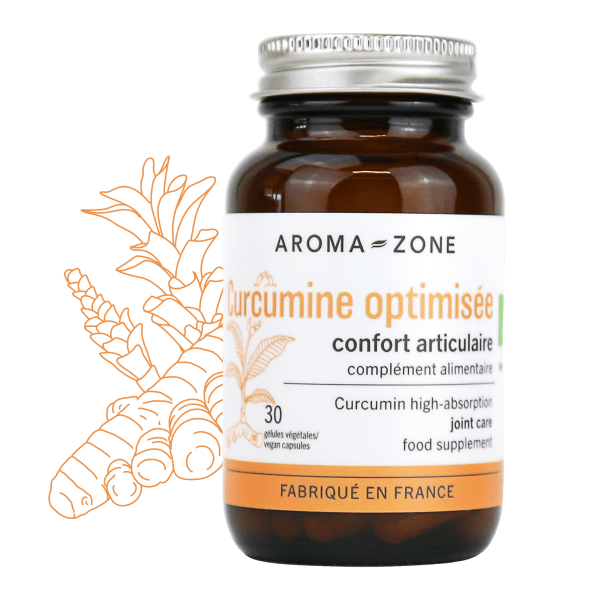
Optimised Curcumin

curcumine-optimisee

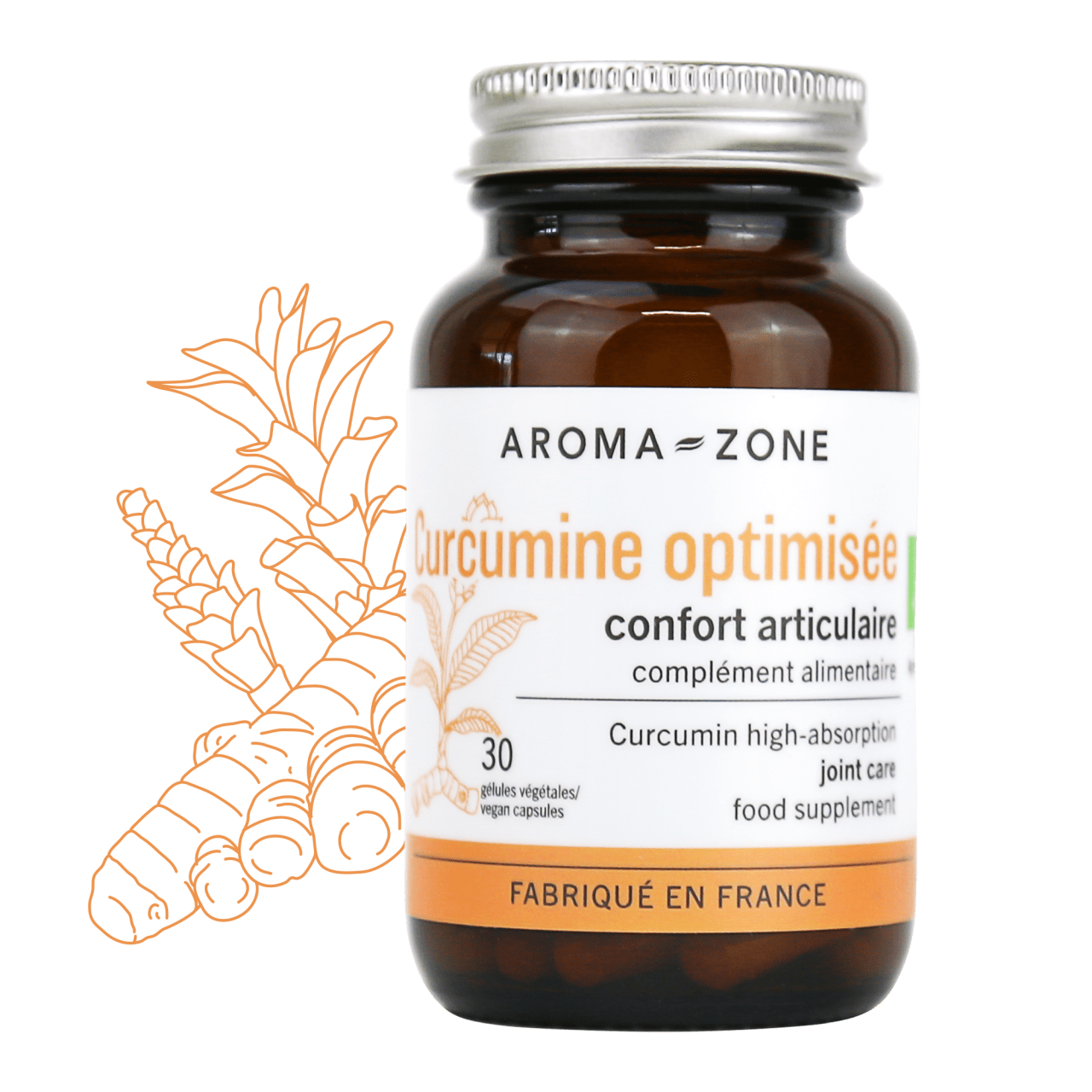
Formulated with a patented extract of organic turmeric, this food supplement has a high curcumin content and helps maintain joint mobility and flexibility. Its high bioavailability means that just one capsule a day is sufficient. The encapsulation technology used in its formulation is designed to support absorption.

Made in France, our optimised curcumin is 100% natural and contains no unnecessary additives.

Not recommended during pregnancy or breastfeeding, or for people with liver or biliary disorders. If you are taking anticoagulants, consult a healthcare professional before use.

Discover Organic Optimised Curcumin - 30 capsules - supplement

Our recipes to help relax tense muscles

Precautions

Home remedies for cruralgia should not replace medical advice. If you experience severe or persistent pain, consult a healthcare professional to get an accurate diagnosis and appropriate advice.

Expert Advice

Daily movement is important for keeping your back healthy and maintaining joint mobility. Try to build more activity into your everyday routine. A few minutes of gentle stretching in the morning can help ease you into the day, while stretching again in the evening can help release tension before bed.

If you spend long periods sitting, make a habit of getting up regularly and moving around. This can help reduce stiffness and keep your muscles from becoming tense.

Spotlight on our editor, Marine Leleux

Photo Marine Leleux.jpg

Marine is a naturopath specialising in children’s wellbeing and a parenting coach. With 10 years’ experience supporting families, she now channels her passion into serving her community by sharing natural and caring advice. 

Bibliography

  1. Institut Parisien du Dos, (n.d.). Cruralgia,

    https://www.institut-parisien-du-dos.fr/fr/les-pathologies/la-pathologie-lombaire/la-cruralgie.html

  2. Vaghasloo, M. A., et al. (2020). Evaluation of the efficacy of warm salt water foot baths on painful diabetic peripheral neuropathy, ScienceDirect,

    https://www.sciencedirect.com/science/article/abs/pii/S0965229919314098

  3. Asquier, C., Troussier, B., Chirossel, J.-P., Chardonnet, E., Mouries, D., Juvin, R., Phelip, X. (1996). Femoral neuralgia due to degenerative spinal disease. A retrospective clinical and radioanatomical study of one hundred cases, PubMed.

    https://pubmed.ncbi.nlm.nih.gov/8738447/

  4. Santilli, A. R. (2024). Femoral neuropathy: A clinical and electrodiagnostic review, PubMed.

    https://pubmed.ncbi.nlm.nih.gov/37941415/

Frequently Asked Questions

Frequently Asked Questions