Scalp hydration: our natural solutions

Scalp hydration: our natural solutions


By Laura Almeras

Published on: Tuesday, May 14, 2024, Updated on: Wednesday, October 28, 2026

The scalp is often overlooked in hair care. While we generally know how to condition the ends and lengths, yet conditioning the scalp may seem counterintuitive because it can weigh hair down or make the roots too greasy. In reality, it’s an essential step for those who suffer from itching or irritation. Whether you have a dry scalp or simply want to take care of your hair, we’re sharing all our natural and healthy solutions.

Contents

Related products

What is the scalp?

The scalp is the skin which covers our skull. In reality, it’s much more than just skin; it’s an entire ecosystem that houses:

  • Our hair roots, which anchor our hair to our skull;

  • Hair follicles, through which our hair grows and is nourished; 

  • Sebaceous glands, which produce sebum, a natural substance that moisturises and protects our hair, 

  • Blood vessels, which supply the nutrients essential for hair growth.

It is also a natural habitat for various microorganisms that help maintain its balance. Taking care of your scalp is therefore essential to ensuring the health and beauty of your hair every day.

What is scalp hydration?

Scalp hydration involves maintaining an optimal moisture level to prevent dryness and irritation in this fragile and sensitive area. Just like the skin on your face or body, the scalp needs to be hydrated to stay healthy. This means ensuring it retains its natural moisture balance, while preventing it from becoming too dry or too oily.

The scalp’s natural hydration occurs through several mechanisms:

  1. The sebaceous glands located at the base of the hair follicles produce sebum, a natural lipid substance that lubricates and protects the scalp and hair. Sebum forms a hydrolipidic film that helps retain moisture and maintain the scalp’s moisture balance.

  2. The scalp is then supplied by a network of blood vessels that transport the nutrients and oxygen it needs. Good blood circulation helps maintain proper hydration by providing the hair with the nutrients it needs to grow and regenerate.

  3. The scalp also benefits from moisture from its environment. Moisture in the air can be absorbed by the scalp’s skin, which helps maintain its natural hydration.

Why is it important to condition your scalp?

Proper scalp hydration not only prevents itching and irritation but also promotes hair growth. Indeed, a well-hydrated scalp is the foundation of healthy hair: the hair follicle is healthy, growth is vigorous, and the hair is stronger and shinier.

In short, scalp hydration is an essential step in any proper hair care routine. A healthy scalp is the first step toward maintaining the balance and vitality of our hair.

What are the symptoms associated with a lack of scalp hydration?

A dry, dehydrated scalp presents several symptoms. Here are the most common signs that may indicate an imbalance in moisture levels:

  • Itching: A dry scalp can cause unpleasant itching, often accompanied by a tight, uncomfortable sensation.

  • Flaking: A dry scalp can lead to flaking, meaning small white flakes or dandruff that detach from the scalp and fall onto the shoulders.

  • Sensitivity and irritation: A lack of hydration can make the scalp sensitive and easily irritated. This sensation may be caused by certain hair products or environmental factors such as cold or heat.

  • Dull and brittle hair: Insufficient scalp hydration can result in dull, dry, and brittle hair. A sudden loss of natural shine and clumps of hair falling out can indicate dehydration.

  • Loss of volume and hair density: A dehydrated scalp can lead to a loss of volume and density, which affects the overall health and appearance of the hair.

These symptoms are all signs that the scalp needs special attention. While the signs may vary from person to person, the solution is the same: nothing is more effective than providing adequate hydration.

What are the benefits of a hydrated scalp?

A hydrated scalp offers many benefits for the health and beauty of your hair:

  • Healthier hair: Proper scalp hydration helps keep hair strong, supple, and resistant to breakage.

  • Reduced itching and irritation: A well-hydrated scalp helps prevent itching, irritation, and flaking associated with dry skin.

  • Stimulates hair growth: By promoting a healthy environment for hair follicles, scalp hydration can stimulate hair growth and reduce hair loss.

  • Improved shine and texture: Well-hydrated hair tends to be shinier, softer, and easier to style, contributing to a healthier and more polished overall appearance.

  • Prevention of dandruff: Adequate scalp hydration can help prevent the formation of dry dandruff by maintaining the balance of the skin microbiome and promoting regular skin shedding.

How to deeply condition your scalp? Natural solutions

Oils to moisturise the scalp

Certain plant-based oils are particularly beneficial for deeply moisturising the scalp.

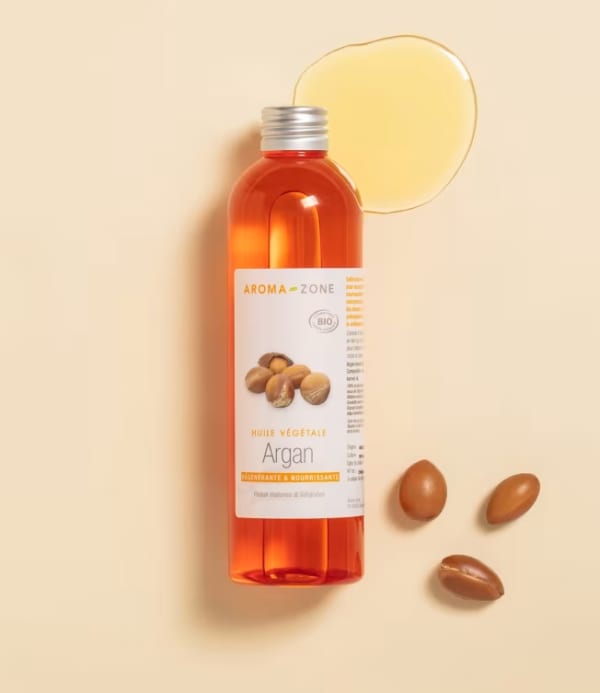
Argan oil, rich in essential fatty acids and vitamin E, has anti-inflammatory and soothing properties that relieve itching, irritation, and redness of the scalp. It calms feelings of discomfort and leaves the skin soft and soothed. Add it to your homemade shampoos and conditioners or to your massage oils before bedtime.

Discover Aroma-Zone Argan Oil

Fenugreek oil, renowned for strengthening hair, stimulating growth, and restoring body and shine to dull hair. Long prized for use in hair oil treatments or added to scalp massage oils, it’s the essential remedy for dryness.

Discover organic fenugreek oil

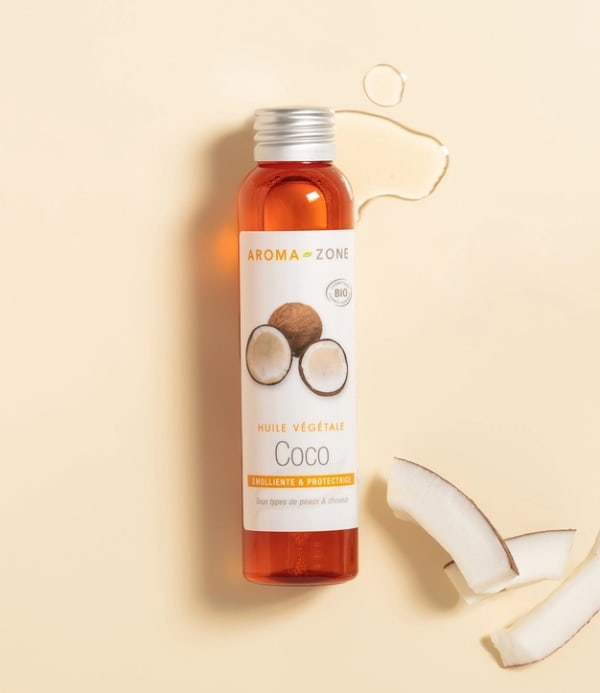
Coconut oil is also highly valued for its ability to easily penetrate the skin and leave the scalp soft and hydrated. You can apply it directly to your hair for an "oil treatment" or incorporate it into your homemade scrubs to cleanse your roots.

Discover Aroma-Zone coconut oil

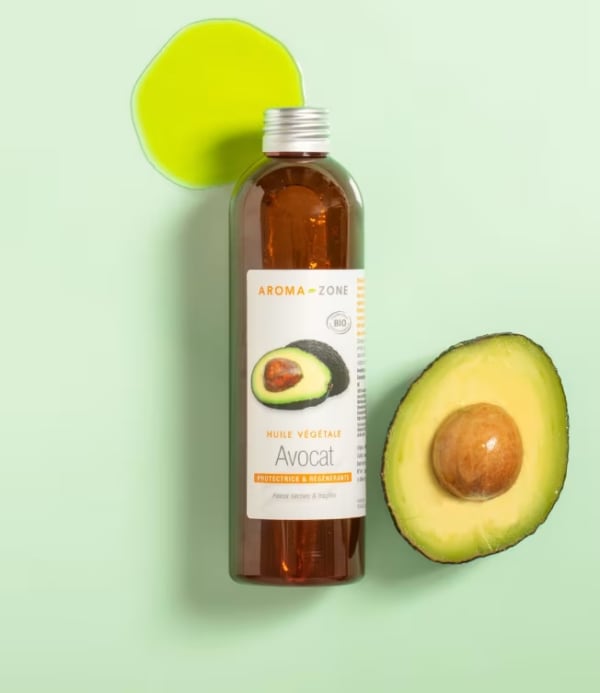
Organic Avocado Oil

Avocado oil is an excellent option for moisturizing and revitalizing the scalp thanks to its high content of fatty acids and antioxidants. Add it to your homemade hair masks with yogurt and honey for a quick and long-lasting hydration boost.

Discover Aroma-Zone Avocado Oil

Before using a new oil, be sure to do a patch test on a small area of your skin to make sure you tolerate it well.

Aloe vera for its moisturising and soothing properties

082-heros11-aromazone-0556

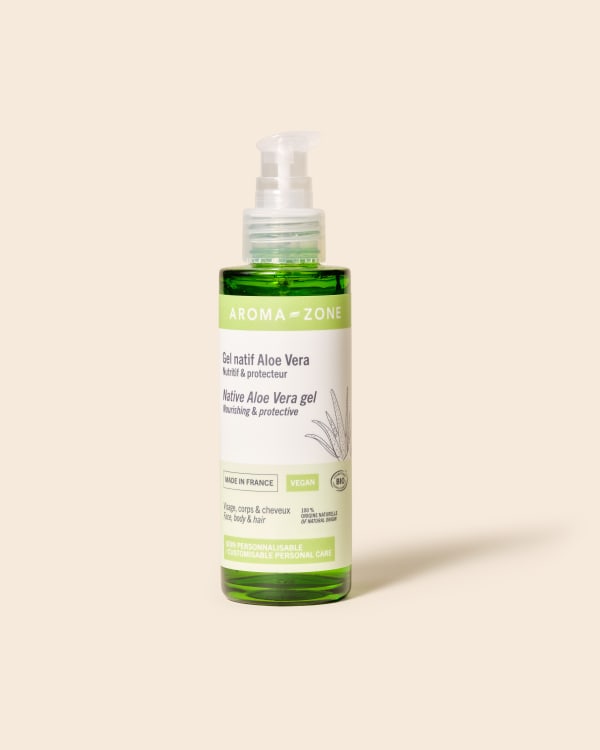
Aloe vera is a plant with numerous benefits for the skin and hair. Its clear gel is rich in nutrients, enzymes, and amino acids that deeply conditions the scalp while soothing irritation and itching. Applied directly to the scalp, aloe vera gel leaves a refreshing and soothing sensation while promoting skin cell regeneration. Depending on your needs, preferences, and symptoms, you can use it in homemade masks, in your shampoos or as an oil.

Apple cider vinegar and baking soda to balance the pH

In fact, when hair follicles and sebaceous glands are clogged, sebum production is disrupted. The scalp will therefore either lack moisture or have too much and reject it. To use these two natural solutions, we recommend:

Apple cider vinegar and baking soda are natural ingredients known for rebalancing the scalp’s pH. Apple cider vinegar is slightly acidic and helps close the hair cuticles, making your hair smoother and shinier. Dilute 1 part vinegar to 1 part water (1:1) or 1 part vinegar to 3 parts water (1:3), depending on your sensitivity. Apply this solution directly as a rinse or as a spray in the evening before bed. 

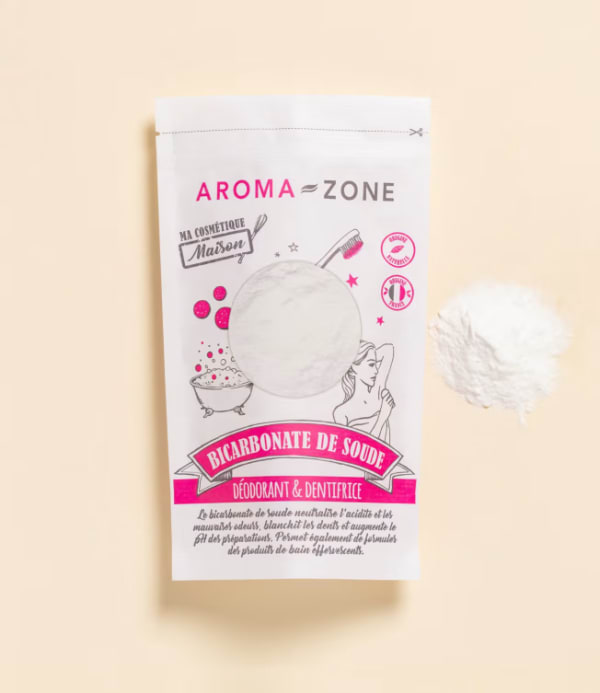
Baking soda, on the other hand, has alkaline properties that help remove excess sebum and styling product residue, while regulating sebum production. Mix one tablespoon of baking soda with one cup of warm water to form a slightly thick paste. Apply this paste to your damp scalp, gently massaging it to distribute it evenly over the itchy and tight areas. Let it sit for a few minutes before rinsing with warm water.

Peppermint, rosemary, chamomile, and nettle to soothe the scalp

Herbal infusions such as peppermint, rosemary, chamomile, and nettle are beneficial for soothing and revitalising the scalp. These plants have anti-inflammatory and antiseptic properties that help soothe irritation and reduce itching.

Used as a rinse after shampooing, these infusions leave the scalp feeling fresh and soothed, while stimulating blood circulation and promoting hair growth. Steep a few leaves or flowers of these plants and pour the liquid over your hair for an almost immediate effect.

How to nourish a dry scalp daily? Our routine

Maintaining a hydrated and healthy scalp requires a tailored care routine. Here are two care routines to pamper your dry scalp daily and weekly.

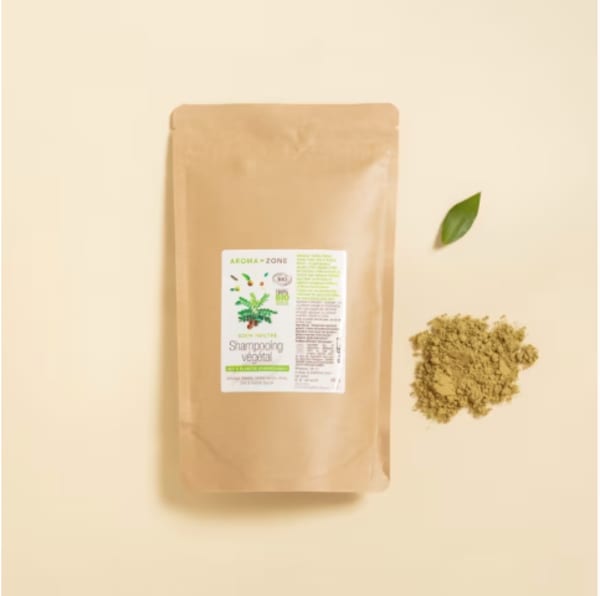
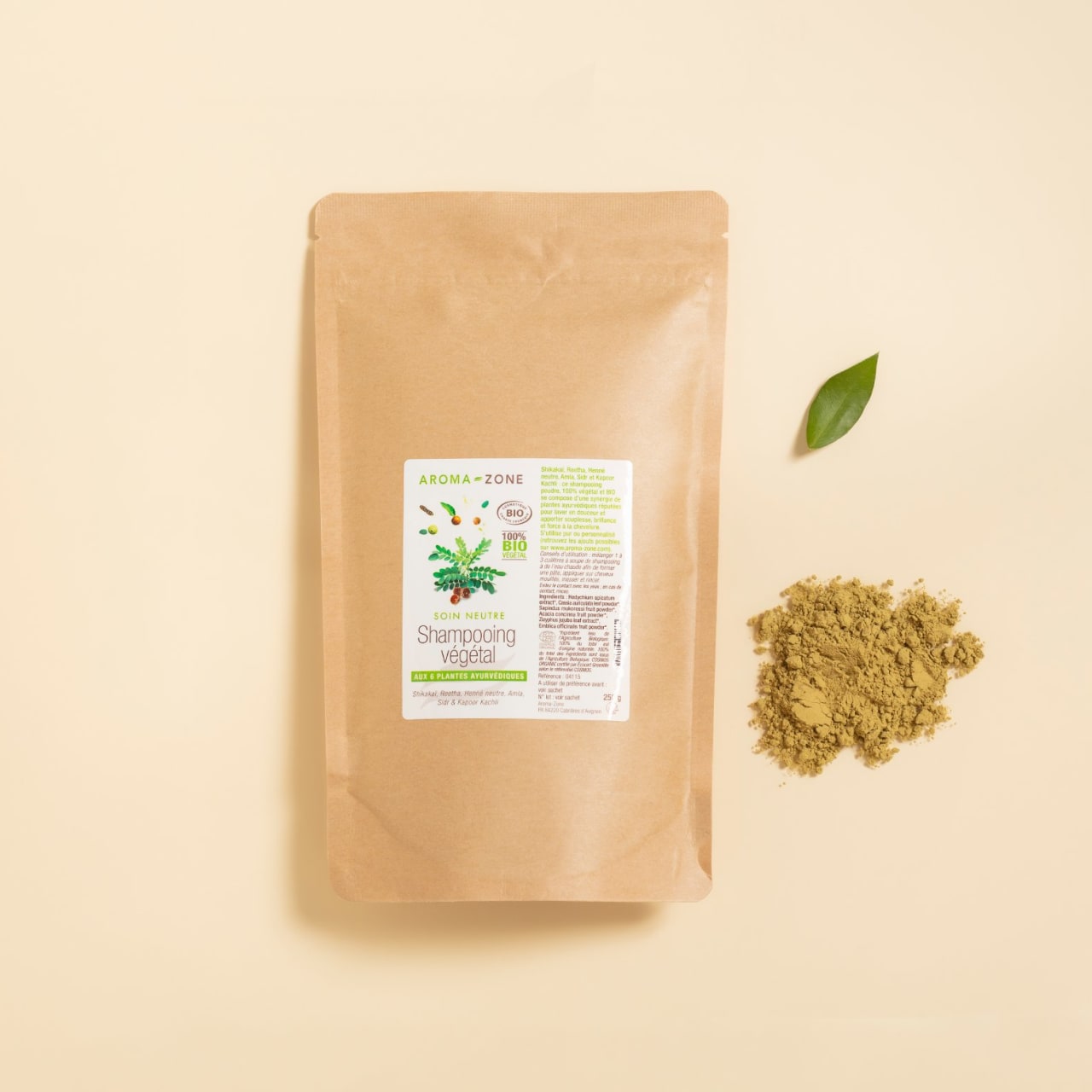
Organic plant-based shampoo

1. Choose the right shampoo: Use a gentle, moisturising shampoo specially formulated for dry scalps. Avoid products containing sulfates and harsh cleansing agents, which can worsen dryness.

Discover the Organic Botanical Shampoo

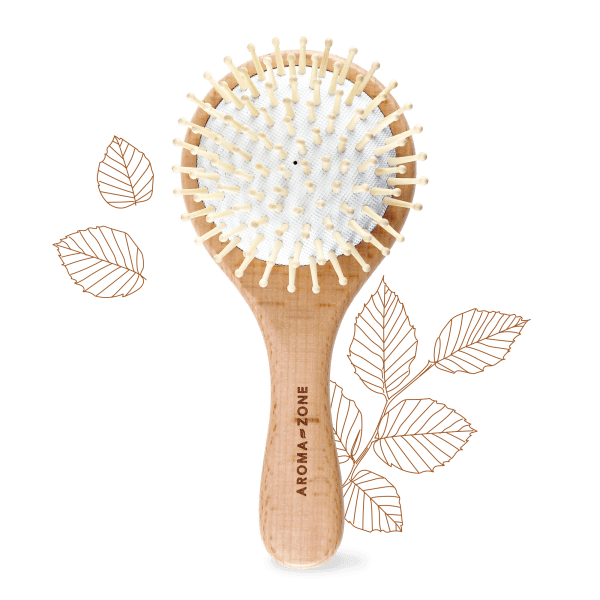
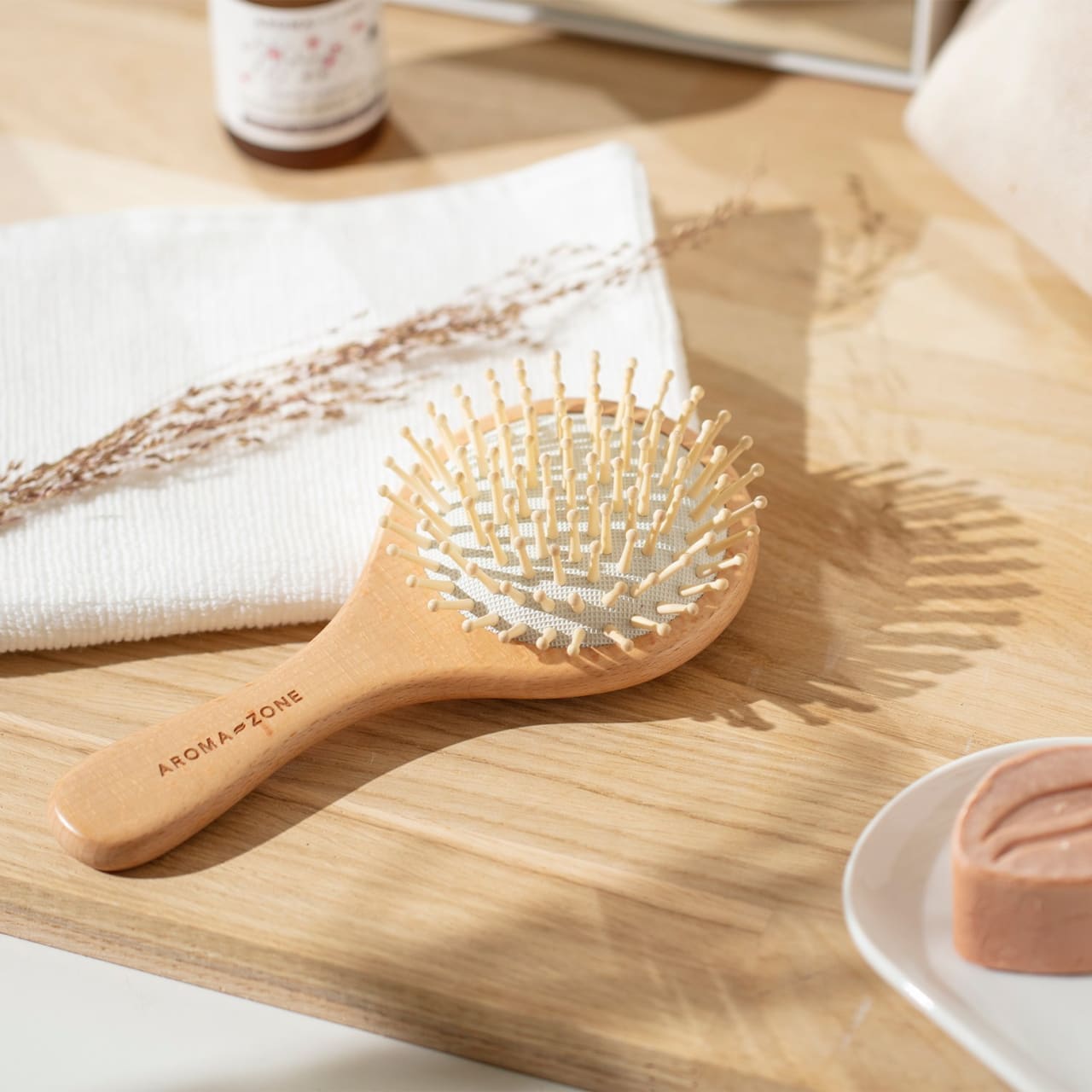
2. Massage your scalp: Gently massage your scalp while shampooing to stimulate blood circulation and promote nutrient absorption. Use your fingertips to massage in circular motions, paying special attention to dry or irritated areas (be careful not to use your nails).

Discover the Beechwood Hairbrush

3. Focus on hydration: After washing your hair, use a moisturising conditioner to nourish and soothe the scalp. Choose a leave-in product containing nourishing ingredients that won’t weigh your hair down, such as argan oil or aloe vera.

Discover Organic Argan Oil

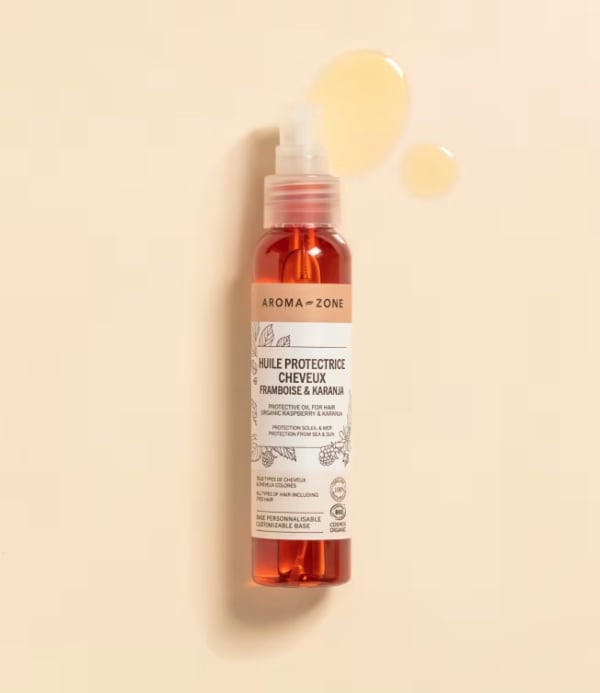
4. Protect your hair from the sun: If you plan to spend time in the sun, protect your scalp by wearing a hat or using a sun protection spray specifically designed for hair. UV rays can dry out the skin and worsen dehydration, even under your hair.

Discover the Organic Karanja & Raspberry Protective Hair Oil

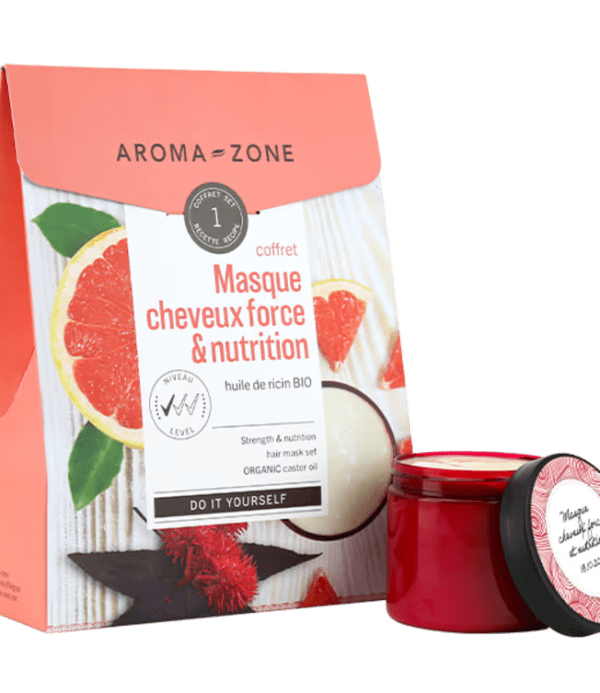
Homemade Beauty Kit: Strength & Nutrition Hair Mask

5. Apply a hydrating mask: Once a week, treat your scalp to an intensive treatment with a hydrating mask. Choose a mask made with nourishing ingredients like argan oil, aloe vera, or honey, and let it sit for 20 to 30 minutes before rinsing thoroughly with warm water.

Discover the Homemade Hair Care Kit: Strength & Nutrition Mask

6. Exfoliate your scalp: Exfoliate your scalp once a week. This step will help remove dead skin cells and improve blood circulation. Choose a gentle scalp scrub or make your own by mixing sugar or salt with the vegetable oil of your choice.

Discover Organic Fenugreek Oil

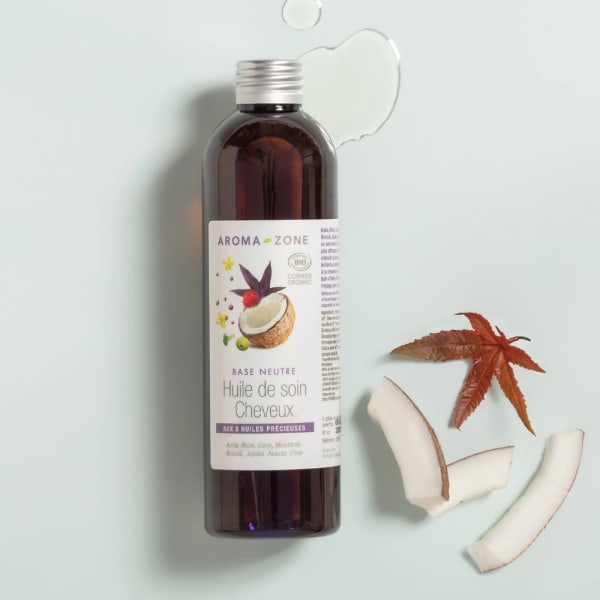
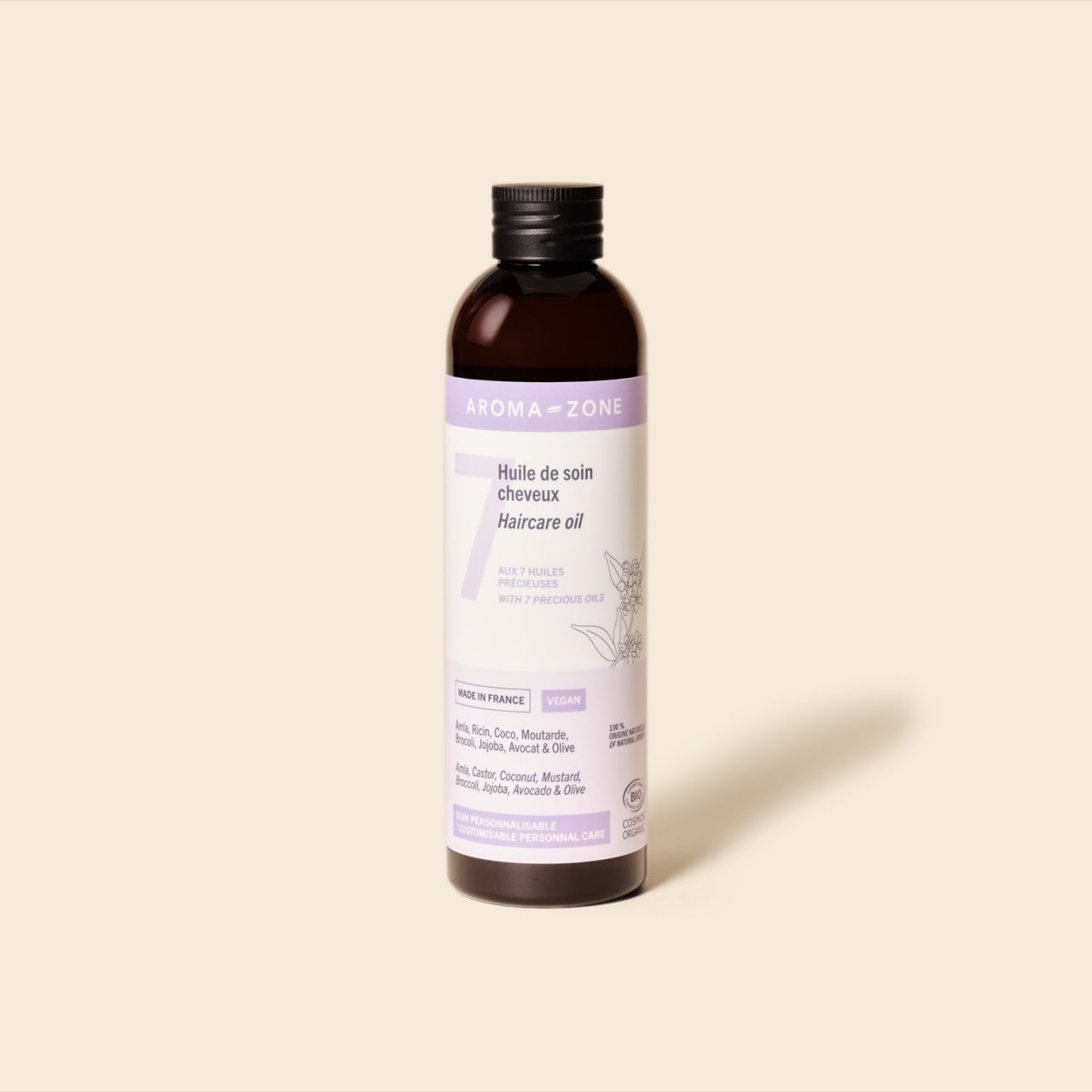
7. Consider oil treatments: Schedule an oil treatment once a week to deeply nourish your scalp and hair. Choose a nourishing plant-based oil such as argan oil, coconut oil, or fenugreek oil, and apply it to your scalp with a gentle massage. Leave it on for at least an hour, or even overnight, before shampooing.

Discover Hair Care Oil

Discover: Our homemade recipes for dehydrated scalps

If you’re a fan of homemade beauty products, here are some very simple recipes to care for your scalp at home.

How to treat a dry scalp? Good habits to adopt

  • Space out your washes: Avoid washing your hair daily, as this can strip away the scalp’s natural protective oils and worsen dryness.

  • Let your scalp breathe: Avoid hairstyles that are too tight, as they can restrict blood flow and suffocate the scalp. Opt for looser styles and leave your hair down as much as possible to let your scalp breathe.

  • Let your hair air dry: Limit the use of hair dryers and heated styling tools, as heat can further dry out the scalp.

  • Be gentle with your scalp: When brushing and styling, use appropriate tools and be gentle with your scalp. Avoid harsh movements that could irritate or damage the skin. Opt for soft-bristled brushes or wide-toothed combs to gently detangle your hair.

  • Massage your scalp: Scalp massages stimulate blood circulation and promote the absorption of nutrients. Use your fingertips to massage in circular motions, starting from the forehead and moving toward the nape of the neck, focusing on dry or irritated areas.

By adopting the right habits and prioritising natural hair care solutions, you can take care of your scalp every day. However, if despite these tips, your scalp condition persists or worsens, we recommend consulting a dermatologist or discussing it with your primary care physician.

Precautions to take when conditioning the scalp with natural solutions

When using natural solutions to moisturise your scalp, it’s important to take certain precautions to ensure safe and effective use:

  • Sensitivity test: Before applying a new natural solution to your scalp, perform a sensitivity test on a small area of skin to check for any allergic reactions.

  • Choosing ingredients: Select natural ingredients suited to your scalp type and specific needs. Avoid ingredients to which you may be allergic or sensitive.

  • Moderate application: Do not apply too much product to your scalp, as this could lead to a buildup of residue or a greasy, heavy feeling.

  • Avoid contact with the eyes: Be careful not to let natural products come into contact with your eyes, as this could cause irritation.

  • Medical consultation: If you have underlying health conditions or are pregnant or breastfeeding, consult a healthcare professional before using natural solutions on your scalp.

By following these simple precautions, you can safely enjoy the benefits of natural scalp hydration with peace of mind.

Expert tip

To maximise the effectiveness of your natural scalp conditioning routine, let the product sit for a few minutes before rinsing thoroughly with lukewarm water. Then wrap your hair in a warm towel for a few moments to allow for optimal absorption of the moisturising benefits. This simple tip will add a touch of luxury to your hair care routine while giving your scalp the hydration it needs

Spotlight on Our Writer, Laura Almeras

The_Luuxx_Photographer_-_Pro_Shoot_Laura-15.jpg

Laura is a health, beauty and lifestyle writer. Passionate about travel and gastronomy, she shares all her nutritional advice on how to combine pleasure with well-being. Through her articles, she is committed to providing you with meaningful information and practical advice to nourish your body and mind.

Bibliography

  1. https://dermato-info.fr/fr/les-phan%C3%A8res_cheveux-et-poils/les-pellicules

  2. https://www.ameli.fr/assure/sante/themes/dermatite-seborrheique/que-faire-cas-faut-consulter

  3. https://www.youtube.com/watch?v=uBhByqoRJ64