The Benefits of Apple Cider Vinegar for Your Hair

The Benefits of Apple Cider Vinegar for Your Hair


By Lauréna Valette

Published on: Monday, November 06, 2023, Updated on: Thursday, November 19, 2026

The benefits of apple cider vinegar for hair are largely due to its acidity. When diluted in water and used as a hair rinse, it helps smooth the hair cuticle, making hair easier to detangle and restoring its shine. It is also popular for its benefits for oily or dandruff-prone scalps. However, the amount used and how often it is applied should be tailored to your hair type. So, what can you realistically expect from apple cider vinegar, and how can you enjoy its benefits without weakening the hair shaft?

Contents

Related products

In brief

  • When diluted in water and used as a hair rinse, apple cider vinegar helps smooth the hair cuticle, making hair easier to detangle and restoring its shine.

  • It can be used on dull or tangled hair and on scalps prone to oiliness. Dry, brittle or coloured hair needs extra care.

  • Its effect on hair growth has not been scientifically proven, and drinking apple cider vinegar for this purpose is not recommended. It is also best not to add it to ready-made hair products, as this could affect the balance of their formulas.

What are the benefits of apple cider vinegar?

Apple cider vinegar is made by fermenting apple juice in two stages: first, the sugars are converted into alcohol, then the alcohol is converted into acetic acid. It has long been used in traditional hair care practices (4).

In hair care, its main benefit comes from its acidity (1, 2). When diluted in water and used as a hair rinse, it helps smooth the cuticle scales – the outer layer that protects the hair fibre. This leaves the hair looking smoother and shinier, while making it easier to detangle (5). However, its effects are limited to the hair's surface, and there is no evidence that it promotes hair growth.

How does apple cider vinegar affect different hair types?

Smoothing hair after shampooing

Its acidity can temporarily improve the feel of the hair and make it easier to detangle, possibly by reducing friction along the hair shaft (1, 5).

Restoring shine to dull hair

A smoother hair surface reflects light more effectively, making hair look shinier. Diluted apple cider vinegar may therefore help restore shine to dull hair, particularly by removing certain styling product residues (5). Hard water can also leave mineral deposits on the hair shaft (3).

Removing build-up for fresher-looking roots

A rinse with apple cider vinegar can help remove certain types of build-up from the scalp, leaving the roots feeling fresher and less weighed down (5). However, it does not regulate sebum production.

Caring for dandruff-prone scalps

Apple cider vinegar is sometimes included in products formulated to treat dandruff (6). However, there is currently insufficient evidence to recommend it as an anti-dandruff treatment. If dandruff persists or is accompanied by severe itching, seek advice from a healthcare professional.

What can apple cider vinegar do for your hair?

  • Restore shine: its acidity helps smooth the hair cuticle, allowing the hair to reflect light more effectively.

  • Make detangling easier: by smoothing the hair fibre, it helps loosen knots and makes hair easier to style.

  • Soften hair and reduce frizz: hair feels smoother and less coarse, with less frizz.

  • Remove product build-up: used as a rinse, it helps wash away styling product residues that can make hair look dull (5).

These effects are mainly limited to the surface of the hair fibre. Apple cider vinegar does not repair damaged hair, and there is no proven evidence that it promotes hair growth, regulates sebum production or treats dandruff.

What to consider before using apple cider vinegar on your hair

The effects of apple cider vinegar depend less on your hair type than on how dry your hair is, its porosity and how sensitive your scalp is.

  • Normal hair: when well diluted and used occasionally, it can help add shine and make hair easier to detangle.

  • Oily hair: it can help remove product build-up and leave the roots feeling lighter, without directly affecting sebum production.

  • Dry or porous hair: its acidity can make dryness worse if the vinegar is too concentrated or used too often.

  • Curly, wavy or frizzy hair: it can help smooth the hair cuticle and make detangling easier, but should only be used occasionally, as these hair types are often prone to dryness.

  • Coloured, bleached or chemically treated hair: it does not repair the hair fibre and may cause further damage if used in the wrong concentration or too frequently (5).

  • Sensitive or irritated scalps: apple cider vinegar may cause tingling, redness or irritation, so it is best avoided (5).

Alternatives to apple cider vinegar for your hair

If you'd like to smooth your hair, make it easier to detangle or restore its shine without using apple cider vinegar, there are several treatments you can apply after shampooing, depending on your hair type and its needs.

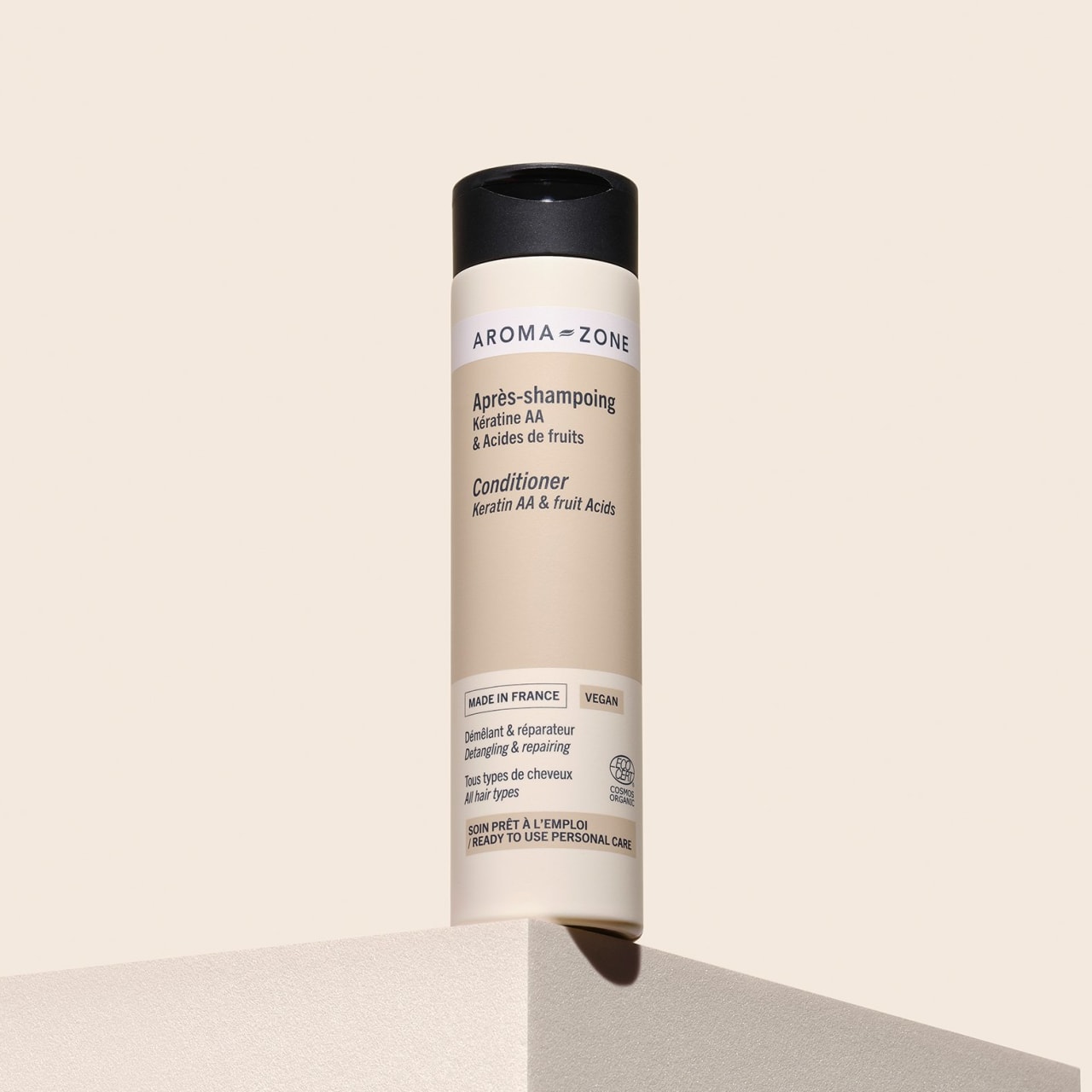
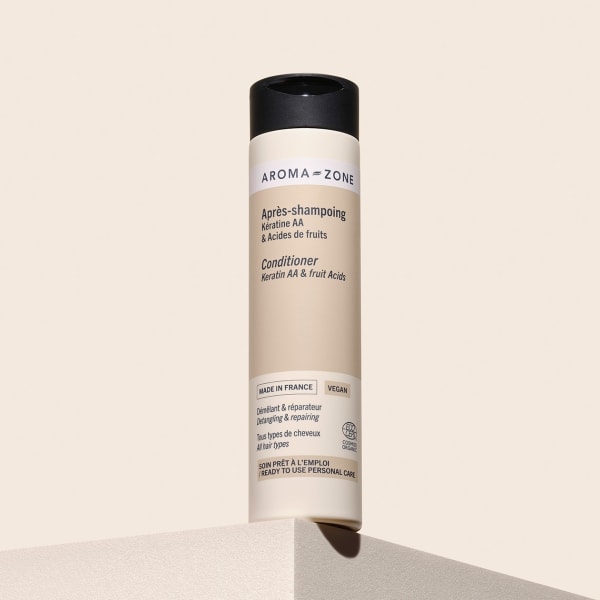
Keratin AA & Fruit Acids Detangling and Repairing Conditioner

AA Keratin & Fruit Acids Detangling and Repairing Conditioner

Designed for fragile, damaged or brittle hair, this certified organic conditioner combines five fruit acids, vegan keratin and arginine. It makes hair easier to detangle, smooths the hair fibre and helps reduce frizz, split ends and breakage, without weighing hair down. Free from silicones, sulphates, mineral oils and fragrance, it leaves hair shinier, more supple and silkier.

Store away from heat and light. Avoid contact with eyes. If the product gets into your eyes, rinse immediately with clean water.

Discover the Keratin AA & Fruit Acids Detangling and Repairing Conditioner

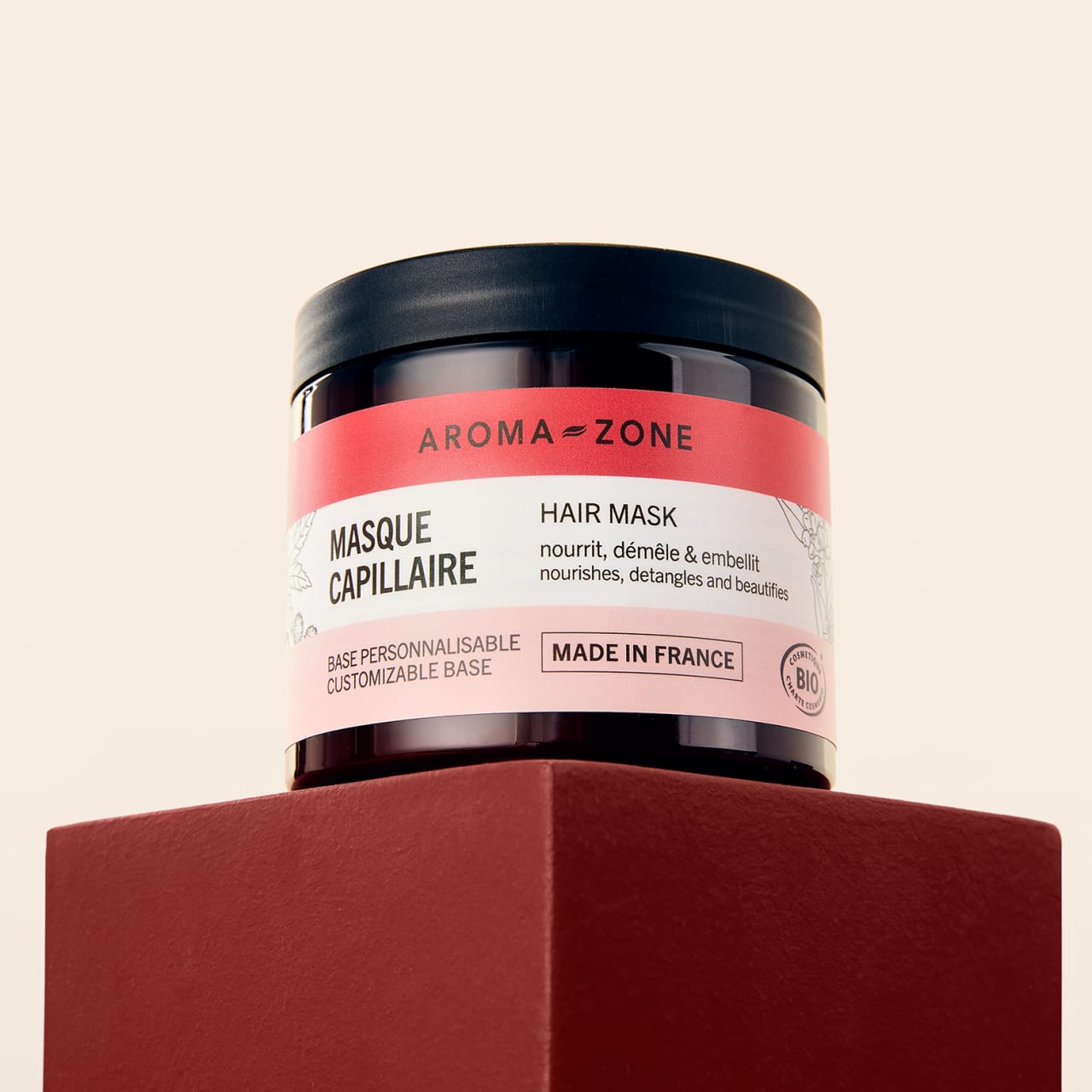
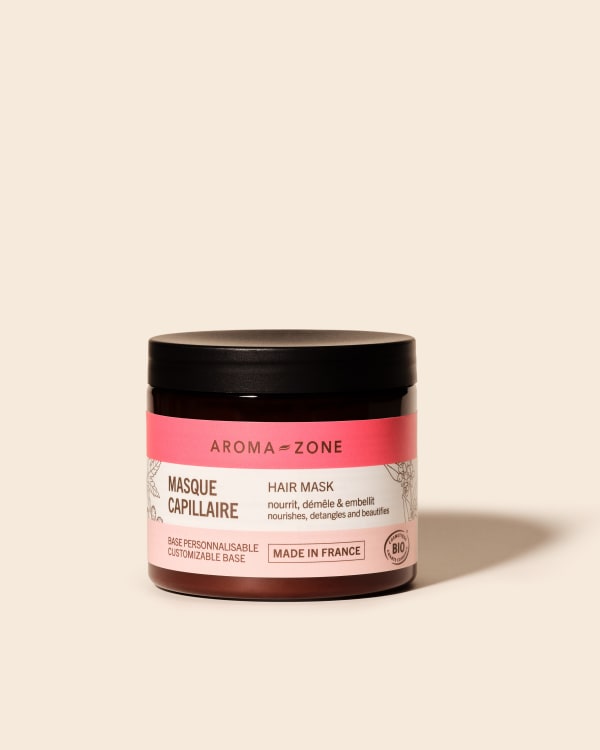
Hair_mask

Organic Hair Mask

This certified organic neutral base combines jojoba and castor oils, shea butter, aloe vera and vegetable glycerine. It nourishes, protects and coats the hair fibre, while making hair easier to detangle thanks to its acidic pH and vegetable lecithin. Used as a hair mask or conditioner, it leaves hair soft, supple and shiny, without leaving a greasy film or weighing it down. Free from fragrance and colourants, it is suitable for all hair and scalp types, even the driest. Avoid contact with the eyes. If the product gets into your eyes, rinse thoroughly with clean water. Do not use on children under 3 years of age. We recommend customising the mask only for adults.

Discover the Organic Hair Mask

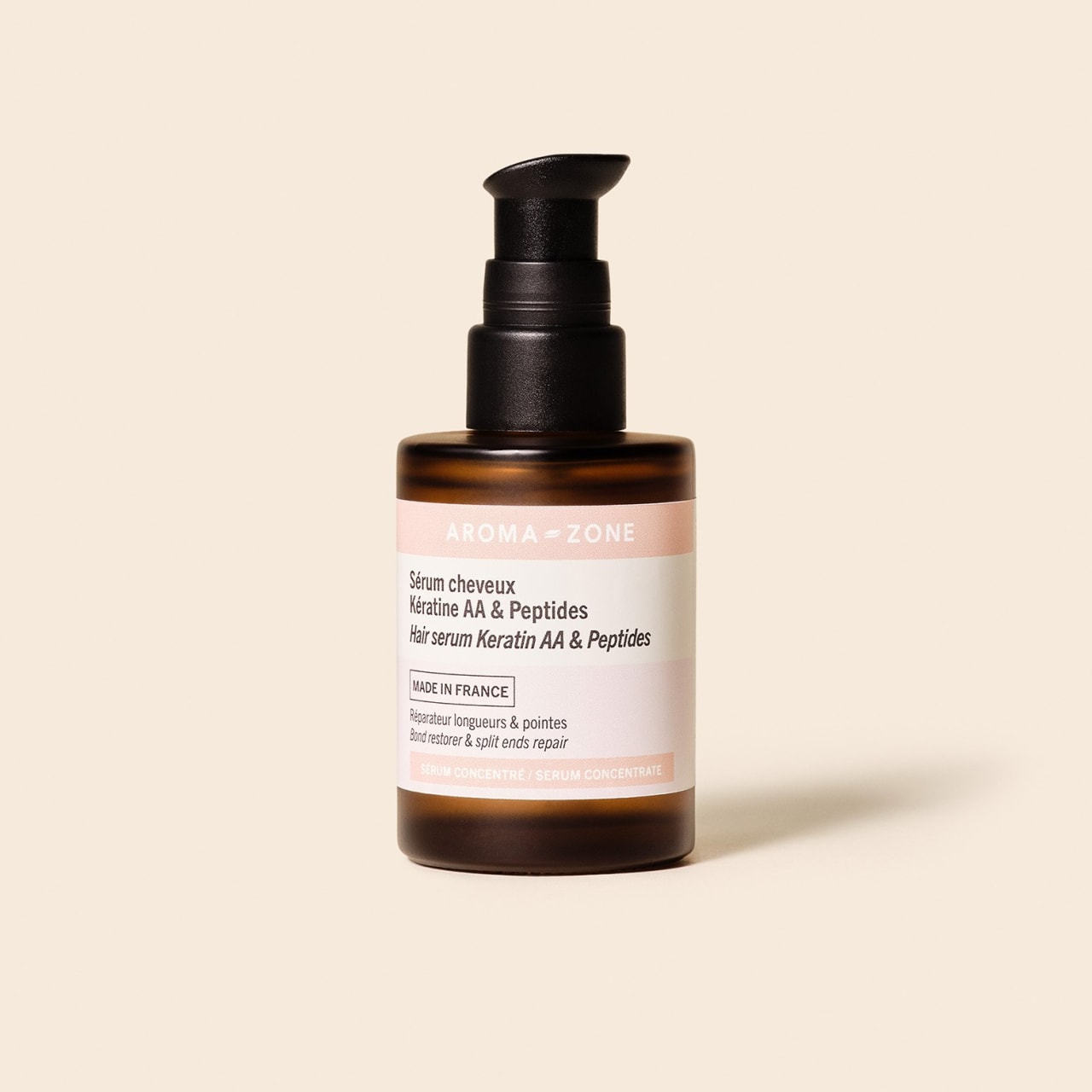
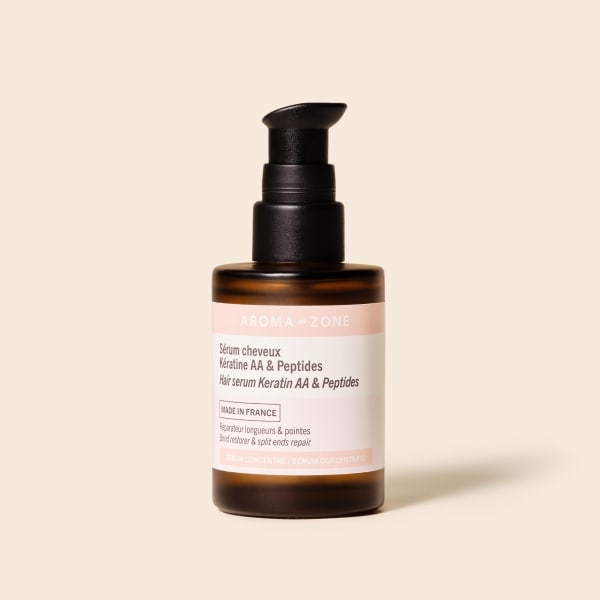
Keratin_AA_&_Peptides_Hair_Serum

Keratin AA & Peptides Hair Serum

Formulated for all hair types and textures, this leave-in serum combines amino acids, biomimetic keratin peptides and hyaluronic acid. It helps repair and strengthen the hair fibre, smooth the hair and reduce the appearance of split ends. Its lightweight, non-greasy texture makes styling easier, minimises frizz and leaves hair softer and shinier, without weighing it down. Apply a few drops to the lengths and ends of dry or damp hair. Avoid contact with the eyes. If the product gets into your eyes, rinse thoroughly with clean water.

Discover the Keratin AA & Peptides Hair Serum

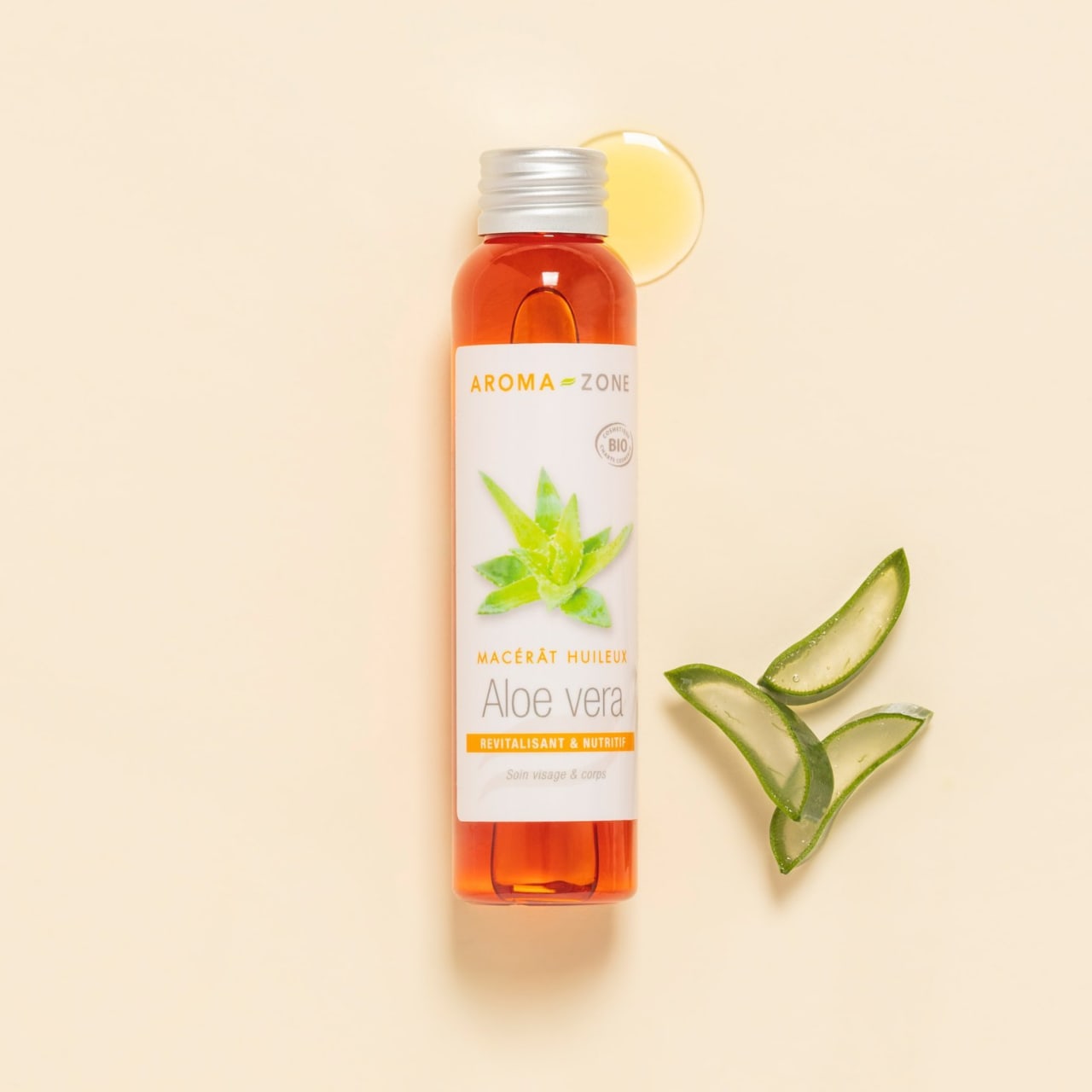
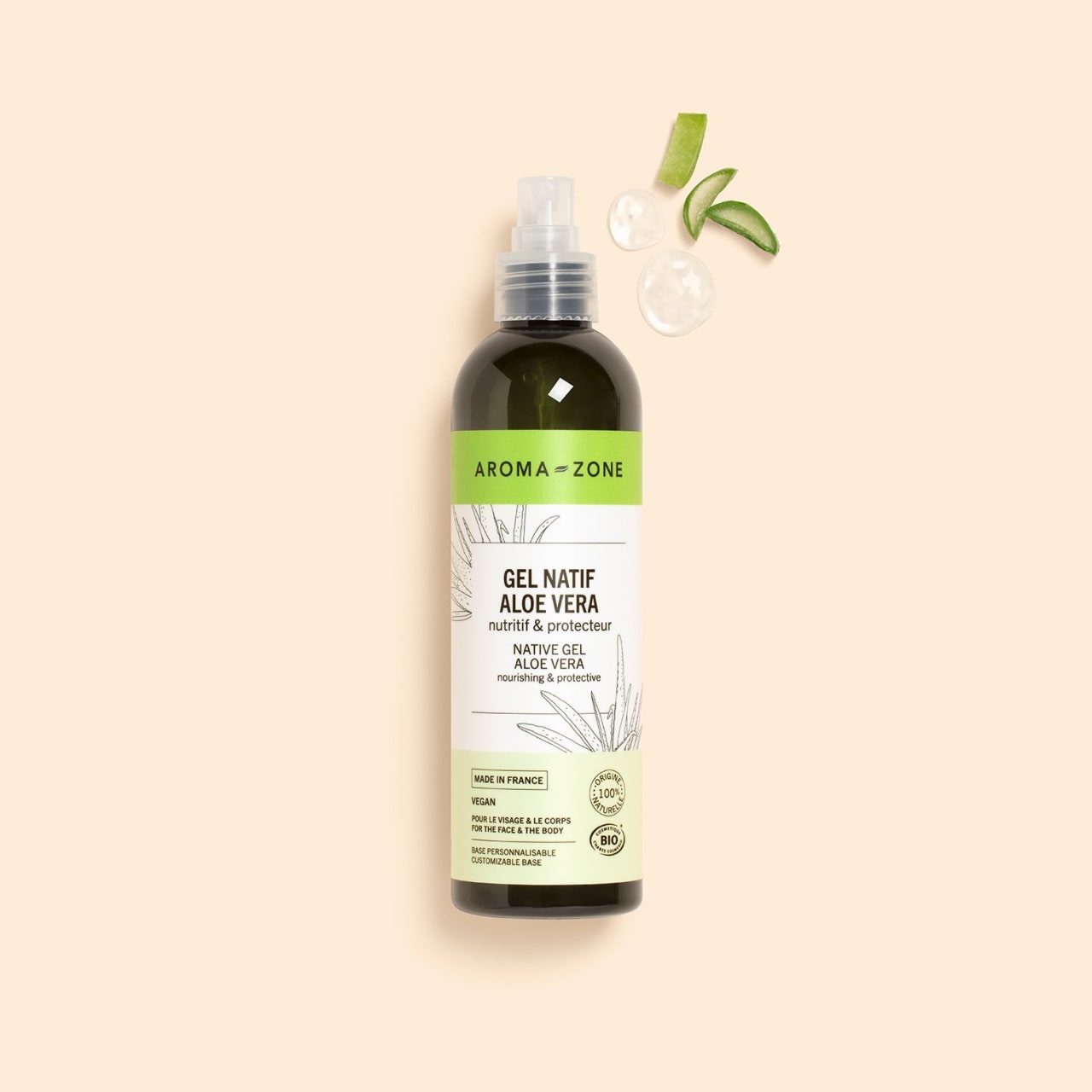
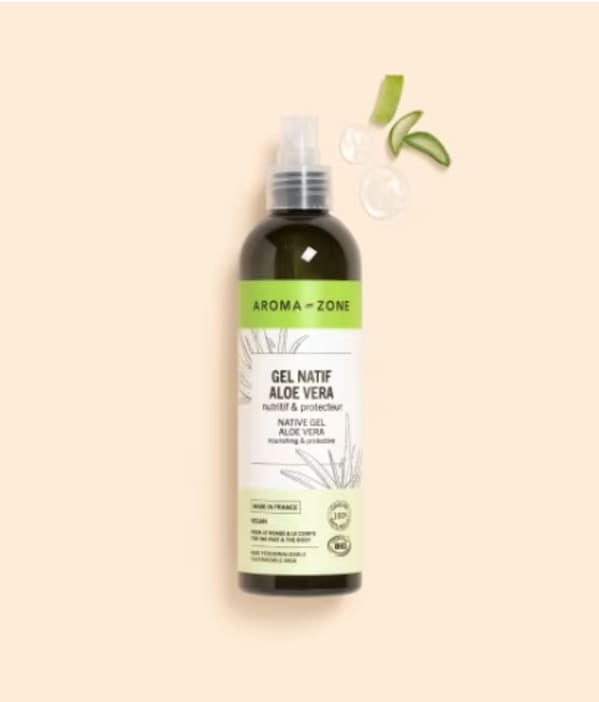
Organic Aloe Vera Gel

Organic Aloe Vera Gel

Made with 93% organic, unprocessed aloe vera juice and enriched with aloeverose, this gel can be used undiluted on all hair types. It helps maintain moisture, soften the hair fibre and leave the lengths feeling soft and silky. Used as a styling gel, it defines curls, tames frizz and provides natural hold without leaving hair stiff or weighing it down.

Keep out of reach of children. Do not swallow. This cosmetic product is not suitable for consumption. We recommend customising the gel only for adults.

Discover the Organic Aloe Vera Gel

How to rinse your hair with apple cider vinegar

Apple cider vinegar is mainly used as a rinse after shampooing. It should always be diluted to minimise the risk of scalp irritation (5) and prevent the lengths from becoming dry.

1. Prepare the rinse: dilute a small amount of apple cider vinegar in cool or lukewarm water. Never apply it undiluted to your hair or scalp.

2. Wash your hair: wash your hair with a suitable shampoo, then rinse thoroughly to remove all traces of shampoo.

3. Apply the mixture: pour the mixture slowly over the lengths and, if your scalp is healthy, over the roots too. Avoid contact with the eyes and do not apply it to an irritated scalp or one with lesions.

4. Leave it on briefly: leave it on for one to two minutes without rubbing your scalp vigorously.

5. Rinse thoroughly: rinse your hair with clean water, paying particular attention if it is dry, damaged, coloured or bleached.

6. Space out applications: pay attention to how your hair and scalp react. If you experience tingling, redness or discomfort, rinse immediately and stop using the product.

There is no proven link between apple cider vinegar and hair growth. Drinking a mixture of vinegar and honey for this purpose is therefore not recommended. Apple cider vinegar can irritate the digestive tract and weaken tooth enamel due to its acidity.

You should also never add apple cider vinegar directly to a shampoo, conditioner or ready-made hair mask, even if the product is intended for oily or dandruff-prone hair. Adding vinegar can alter the product's pH, potentially affecting its stability, shelf life and tolerability. It should only be added to a homemade preparation specifically formulated for this purpose, with precise measurements and proper pH control.

Should you rinse your hair after applying apple cider vinegar?

Yes. You should rinse your hair with clean water after leaving the apple cider vinegar on for one to two minutes. Even when diluted, its acidity can irritate the scalp or dry out the hair shaft if left in contact with the hair for too long.

Rinsing is particularly important for dry, porous, coloured or bleached hair, as well as for sensitive scalps. There is no need to shampoo your hair again afterwards. If you experience tingling, redness or discomfort, rinse immediately and stop using the product.

How much apple cider vinegar should you use to rinse your hair?

To prepare an apple cider vinegar rinse, dilute one level tablespoon (approximately 15 ml) in 500 ml of cool or lukewarm water. If you have dry, damaged or coloured hair, or a sensitive scalp, start with one teaspoon in the same amount of water. For long or thick hair, you can increase the amount of water while keeping the same proportions. Prepare the mixture just before use in a clean bottle and discard any leftover solution after rinsing. Using a more concentrated mixture will not enhance the effects of the vinegar and may increase the risk of irritation or dryness.

Precautions for use

Apple cider vinegar must always be diluted and should never be applied undiluted. Avoid contact with the eyes and mucous membranes, and do not apply it to an irritated or damaged scalp. Before using it for the first time, carry out a patch test on a small area of skin. If you experience a burning sensation, redness or persistent discomfort, rinse immediately and stop using the product. If you have dry, porous, coloured or damaged hair, use a smaller amount of vinegar and leave more time between applications. Do not combine it with another acidic treatment during the same wash, or add it to a ready-made hair product, as this may alter the product's pH and stability.

The treatments mentioned above can be used as alternatives to apple cider vinegar. Drinking apple cider vinegar to stimulate hair growth is not recommended, as this effect has not been proven.

Expert advice

If you're looking to restore shine and make your hair easier to detangle, apply the vinegar solution only to the lengths and ends, avoiding the scalp. Start with the weakest dilution and assess how your hair feels once it has dried. If it feels coarser, drier or more difficult to style, reduce the amount of vinegar or leave more time between treatments.

Spotlight On Our Writer: Lauréna Valette

Lauréna Valette

Lauréna is a journalist and editor specialising in lifestyle, wellbeing and psychology. Between writing articles, she travels to discover the world and what it has to teach us.

Bibliography

  1. Gavazzoni Dias, M. F. R., de Almeida, A. M., Cecato, P. M. R., Adriano, A. R., & Pichler, J. (2014), ‘The shampoo pH can affect the hair: Myth or reality?’, International Journal of Trichology

    https://doi.org/10.4103/0974-7753.139078

  2. Malinauskyte, E., Cornwell, P. A., Reay, L., Shaw, N., & Petkov, J. (2020), Effect of equilibrium pH on the structure and properties of bleach-damaged human hair fibres, Biopolymers

    https://doi.org/10.1002/bip.23401

  3. Srinivasan, G., & Chakravarthy Rangachari, S. (2016), Scanning electron microscopy of hair treated in hard water, International Journal of Dermatology

    https://doi.org/10.1111/ijd.13141

  4. Zaid, A. N., Jaradat, N. A., Eid, A. M., Al Zabadi, H., Alkaiyat, A., & Darwish, S. A. (2017), Ethnopharmacological survey of home remedies used for the treatment of hair and scalp and their methods of preparation in the West Bank, Palestine, BMC Complementary and Alternative Medicine

    https://doi.org/10.1186/s12906-017-1858-1

  5. Cline, A., Uwakwe, L. N., & McMichael, A. J. (2018), No sulphates, no parabens, and the “no-poo” method: A new patient perspective on common shampoo ingredients, Cutis

    https://pubmed.ncbi.nlm.nih.gov/29529111/

  6. Parvizi, M. M., Heydari, M., & Namazi, M. R. (2017), Successful treatment of chronic scalp seborrhoeic dermatitis using traditional Persian medicine: A case report and literature review, Galen Medical Journal

    https://doi.org/10.31661/gmj.v6i2.706

Frequently Asked Questions

Frequently Asked Questions