
Apple cider vinegar is a vinegar made from fermented apple juice. This two-step fermentation process converts the sugars in apples into acetic acid, the main ingredient in vinegar. Rich in alpha-hydroxy acids, vitamins, minerals, and antioxidants, it has been used for centuries for its skin-beneficial properties.

Apple Cider Vinegar for the Skin: What Are the Benefits?
Published on: Friday, June 28, 2024, Updated on: Wednesday, October 28, 2026
Valued for its benefits for hundreds of years, apple cider vinegar is winning over more and more fans of natural skincare. But what exactly are its benefits?
Contents
Related products

£3.50
250 ml
What is apple cider vinegar?
Apple vinegar or cider vinegar: what’s the difference?
Apple cider vinegar and apple vinegar both come from apples, but their production methods differ slightly. Apple vinegar is made from fermented apple juice, while apple cider vinegar is produced through the fermentation of cider, an alcoholic beverage also made from apples. This process gives cider vinegar a higher acetic acid content, giving it a tangier flavour and richer nutritional properties. Cider vinegar also contains minerals, enzymes, and organic acids that contribute to its many benefits.
The benefits of apple cider vinegar
Apple cider vinegar is traditionally used in many everyday applications, whether in food, skincare, or household cleaning. Some of its uses are attracting growing scientific interest, although their effects should be interpreted with caution and viewed within the context of an overall healthy lifestyle.
Weight management: Apple cider vinegar is often cited as a potential aid in weight management. Studies suggest that the acetic acid it contains may help increase feelings of fullness and modulate the postprandial glycaemic response, which can indirectly influence appetite. However, these effects remain modest and should not replace a balanced diet and regular physical activity.
Scalp: When used diluted as a hair rinse, apple cider vinegar can help rebalance the scalp’s pH, remove styling product residue, and improve the appearance of hair. Its high content of organic acids is being studied for its role in limiting the proliferation of certain microorganisms on the scalp’s surface, thereby contributing to a healthier environment.
Joint comfort: In traditional uses, apple cider vinegar is sometimes used to support joint comfort. These effects are thought to be linked to its content of phenolic compounds and organic acids, which are being studied for their role in modulating oxidative stress. To date, scientific data remain limited and do not allow for the establishment of a direct effect on joint pain.
Lipid balance: Some animal and human studies suggest that acetic acid may help maintain a normal lipid profile, particularly by influencing lipid metabolism. These results remain preliminary and should be interpreted with caution, as apple cider vinegar cannot under any circumstances replace appropriate nutritional or medical care.
Digestive function: Thanks to its natural acetic acid content, apple cider vinegar is traditionally used to aid digestion, particularly after heavy meals. It may promote a healthy digestive environment by supporting physiological gastric acidity and contributing to the balance of the gut microbiota, although these effects vary from person to person.
Why use apple cider vinegar for the skin?
Using apple cider vinegar in skincare can offer certain benefits, provided it is used wisely and in accordance with best practices.
A simple composition, to be used diluted: Apple cider vinegar stands out for its short and easily understandable composition, consisting mainly of water and acetic acid derived from fermentation. This simplicity appeals to those seeking more minimalist routines. However, since acetic acid is naturally acidic and potentially irritating, apple cider vinegar must be diluted before any application to the skin, especially on sensitive or reactive skin.
Versatile but limited use: When properly diluted, apple cider vinegar can be incorporated into various routines: as an occasional toner, a rinse, or as an ingredient in certain homemade preparations. This versatility makes it an interesting ingredient, provided it is tailored to your skin type and not used excessively or daily without prior tolerance testing.
A minimalist and transparent approach: Unlike some complex formulas, apple cider vinegar embodies a philosophy of simplicity and ingredient transparency, allowing for a better understanding of what you’re applying to your skin. However, it does not replace a skincare product specifically formulated for the face, particularly in cases of fragile, blemish-prone, or sensitive skin.
Is apple cider vinegar good for the skin?
Apple cider vinegar is known for its many benefits for the skin, thanks to its rich composition of acids, vitamins, and minerals. Thanks to its unique composition and richness in acids, vitamins, and minerals, apple cider vinegar is a true treasure for your skin.
It balances pH and reduces irritation: Apple cider vinegar helps restore the skin’s natural pH, which can be disrupted by conventional skincare products. A balanced pH is essential for healthy skin, as it ensures the skin barrier remains intact and protects against infections and irritation. It is a great ally for soothing irritated and sensitive skin.
It has antibacterial properties: Thanks to its acetic acid content, apple cider vinegar has antibacterial and antifungal properties. It can help reduce the bacteria responsible for acne and other skin infections, while preventing breakouts.
It gently exfoliates: The alpha-hydroxy acids (AHAs) found in apple cider vinegar gently exfoliate the skin. They help remove dead skin cells, leaving the skin brighter and softer. This natural exfoliation helps improve skin texture and promote cell renewal.
It’s a great toner: Used as a toner, apple cider vinegar can help tighten pores and boost hydration. It strengthens the skin barrier and gives the skin a firmer, smoother appearance.
It evens out skin tone: The acids in the vinegar can help lighten dark spots and even out skin tone. By gently exfoliating and stimulating cell renewal, it helps reduce dark spots and improve skin radiance.
It prevents signs of skin ageing: Thanks to its antioxidant properties, it helps neutralise free radicals responsible for premature skin ageing. It can also help reduce the appearance of wrinkles and fine lines and improve skin elasticity: it’s a must-have for mature skin!
Apple cider vinegar: for which skin types?
Apple cider vinegar can be used on different skin types for various purposes:
For acne-prone skin, apple cider vinegar fights bacteria and reduces inflammation in pimples, while unclogging pores. Dilute it in water and use it as a toner.
For combination to oily skin, it balances the skin's pH and sebum production, reduces shine, and tightens pores.
For dry skin, it gently exfoliates for better absorption of skincare products.
For skin prone to eczema, its soothing properties can relieve itching and redness, but test on a small area first.
How should you use apple cider vinegar on your face and body?
Apple cider vinegar can be used in many ways, depending on your needs and preferences. Here are some effective methods to maximize its benefits:
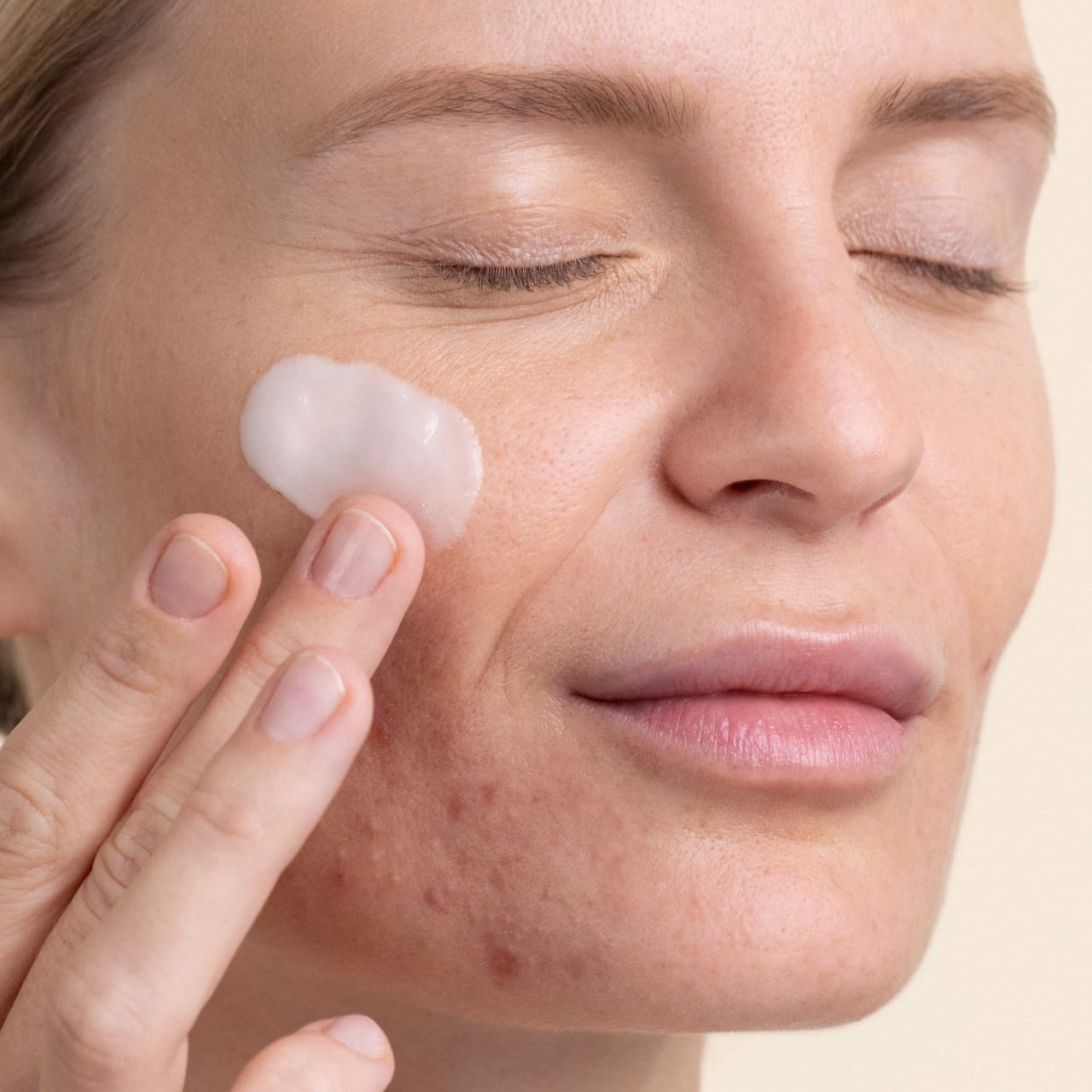
Apply it as a facial toner: This toner restores the skin’s pH balance after cleansing while tightening pores and removing makeup residue or impurities. Dilute one tablespoon of apple cider vinegar in three tablespoons of water (use more for sensitive skin), and apply with a cotton pad after your daily cleansing routine, depending on your skin’s tolerance.
Exfoliating Face Mask : This exfoliating mask removes dead skin cells from the skin’s surface to leave the complexion radiant and even. Mix one tablespoon of apple cider vinegar, two tablespoons of honey, and one tablespoon of fine sugar, and apply to the face. Leave on for 10–15 minutes and rinse with lukewarm water. You can use this mask once a week.
Apple Cider Vinegar Bath: An apple cider vinegar bath is good for the whole body: it balances the skin’s pH and soothes both irritation and inflammation. Add two to three cups of apple cider vinegar to a warm bath, and soak for 15–20 minutes once a week.
Reducing pimples and blemishes: Apple cider vinegar is an excellent way to reduce acne and unsightly pimples as soon as they appear. Apply undiluted or diluted apple cider vinegar to the pimples, leave it on for 5–10 minutes, and rinse with water. Use once or twice a day until improvement is seen.
What are the contraindications, precautions to take, and potential side effects?
While using apple cider vinegar for the skin is effective and natural, certain precautions are necessary to avoid irritation or damage. Here are the precautions to take to use it safely:
Test for tolerance: Always perform a patch test before using apple cider vinegar on your body or face.
Moisturise after use: After any application of apple cider vinegar, be sure to moisturise the skin thoroughly to prevent any feeling of dryness or discomfort.
Dilute if necessary: Never use undiluted apple cider vinegar directly on a large area of skin. Always dilute it according to the manufacturer’s instructions.
Its use is also not recommended for people with hypersensitive skin, on damaged skin, or for those suffering from severe skin conditions (psoriasis, atopic dermatitis, etc.). Be sure to consult your doctor or dermatologist before using vinegar on your body or face.
Expert Advice
Apple cider vinegar is rich in nutrients! To maximise its benefits for your skin and hair, consider using it in the kitchen as well. However, be careful not to consume too much, as it can cause heartburn.
Spotlight on Our Writer, Laura Almeras

Laura is a health, beauty and lifestyle writer. Passionate about travel and gastronomy, she shares all her nutritional advice on how to combine pleasure with well-being. Through her articles, she is committed to providing you with meaningful information and practical advice to nourish your body and mind.
Bibliography
https://www.medicoverhospitals.in/fr/sur-notre-blog/vinaigre-de-cidre-de-pomme
https://www.medisite.fr/beaute-les-bienfaits-du-vinaigre-de-cidre-pour-nettoyer-son-visage.1055264.99.html
Vinegar intake reduces body weight, body fat mass, and serum triglyceride levels in obese Japanese subjects
Kondo T. et al., Bioscience, Biotechnology, and Biochemistry, 2009.
Vinegar: medicinal uses and antiglycemic effect
Johnston C.S., Gaas C.A., MedGenMed, 2006.
Apple cider vinegar improves lipid profile in subjects with hyperlipidemia
Shishehbor F. et al., Journal of Functional Foods, 2017.
Functional properties of vinegar
Budak N.H. et al., Journal of Food Science, 2014.
Potential roles of vinegar in health
Johnston C.S., Nutrition Reviews, 2018.

Frequently Asked Questions

Associated tips
Face care tips

Face care tips


