
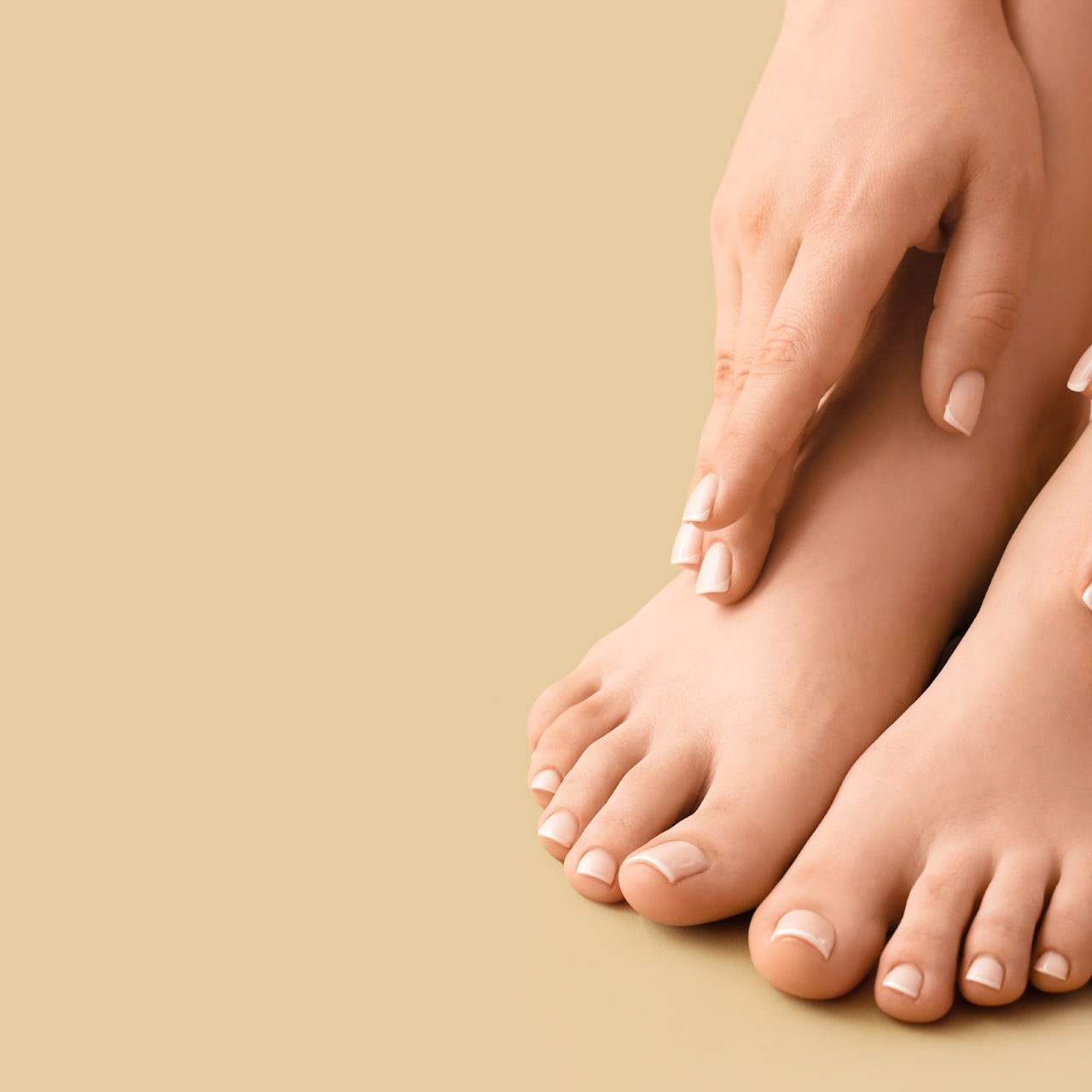
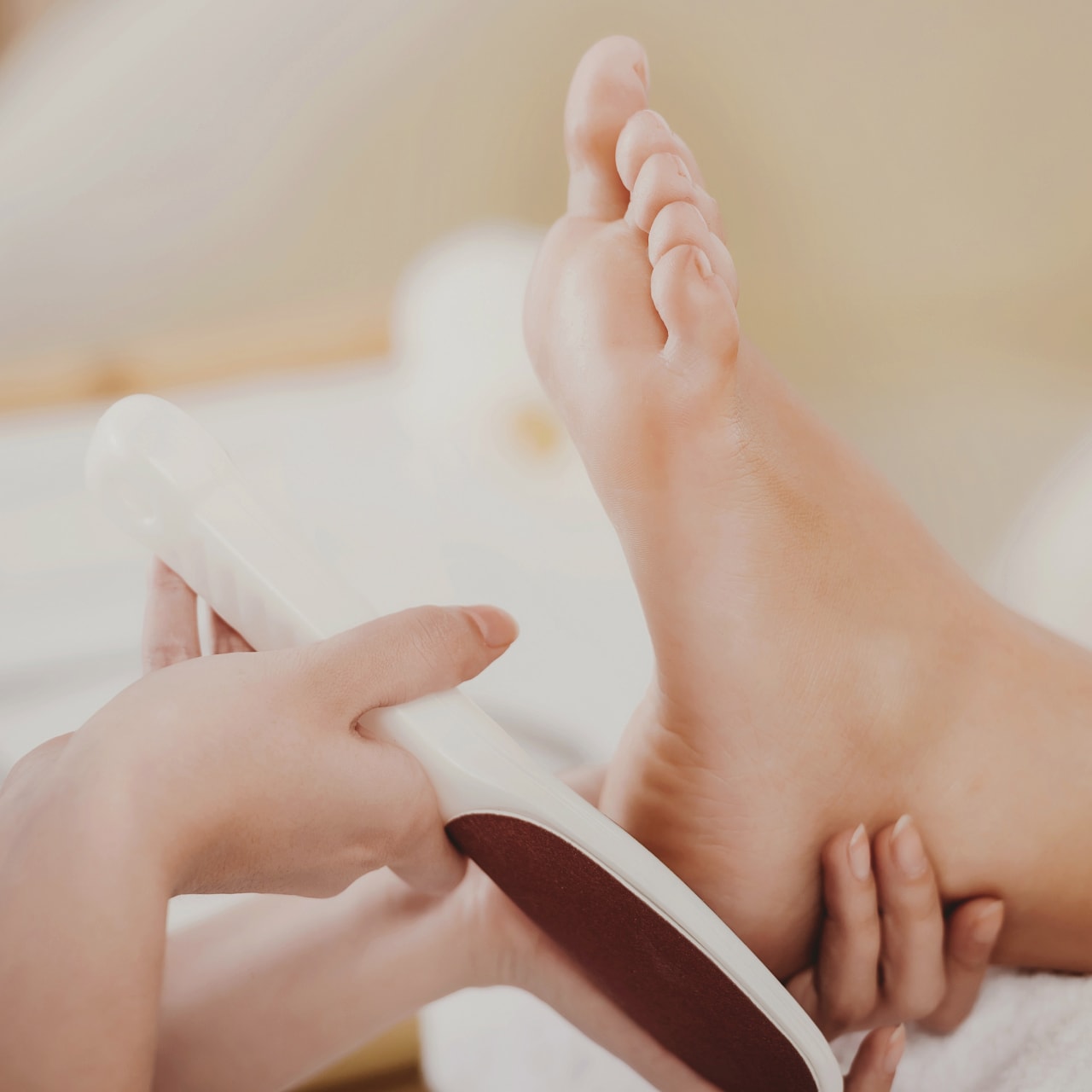
Calluses on the feet, sometimes referred to as hard skin, occur when the outer layer of skin thickens, mainly due to repeated pressure or friction. This often develops in areas of contact such as the heels, the soles of the feet and the sides of the toes. The skin forms this protective layer as a defence against external stress. The build-up of dead skin cells creates a hard, rough surface that can become uncomfortable and sometimes painful.
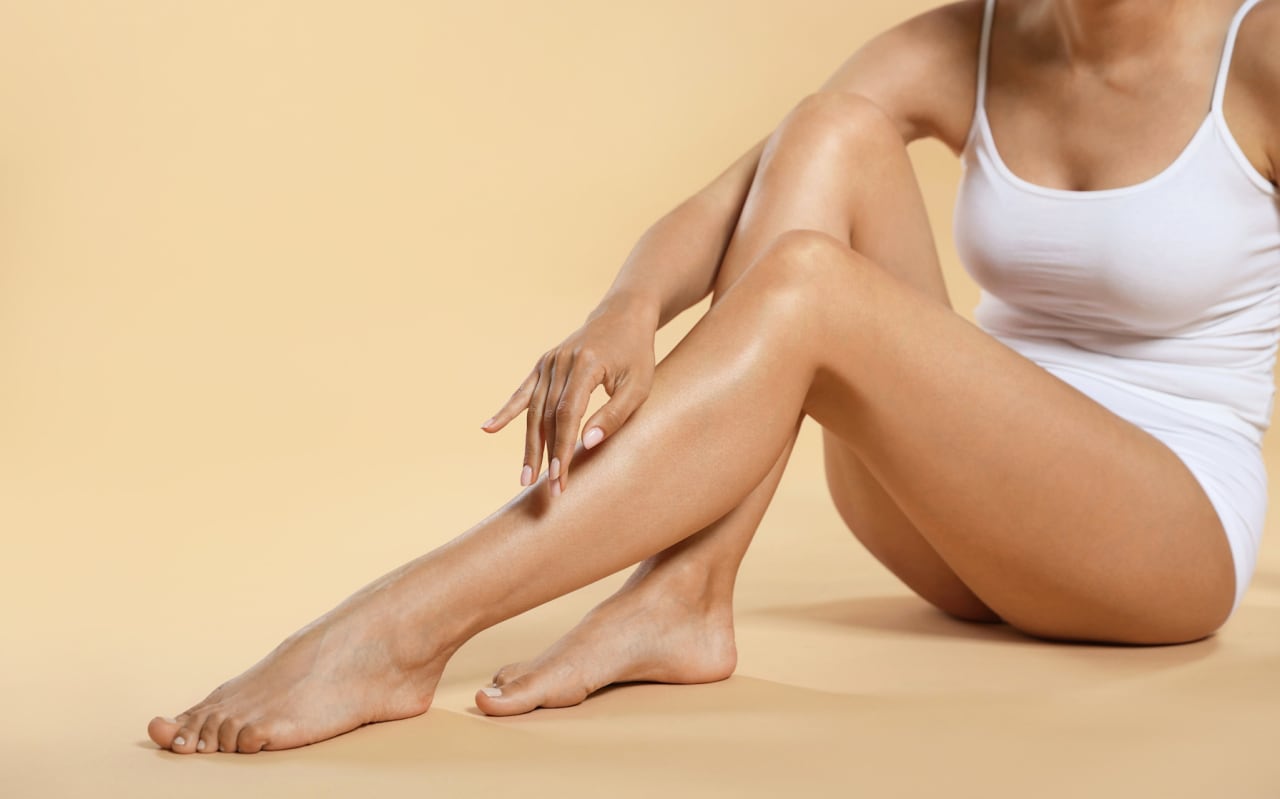
How to Get Rid of Calluses on Your Feet with Baking Soda
Published on: Friday, June 28, 2024, Updated on: Wednesday, October 07, 2026
As summer arrives, who isn't tempted to walk barefoot on rocks and terraces? While it would be a shame to give up this carefree pleasure, it has to be said that it takes a toll on your feet, leading to calluses that are unsightly and uncomfortable, even painful. Though often neglected, your feet deserve the same attention as the rest of your body, remember, they carry your weight all day long! With that in mind, bicarbonate of soda, an essential ally in your kitchen, can also become the key to soft, smooth feet. Let's take a closer look in this article.
Contents
Related products
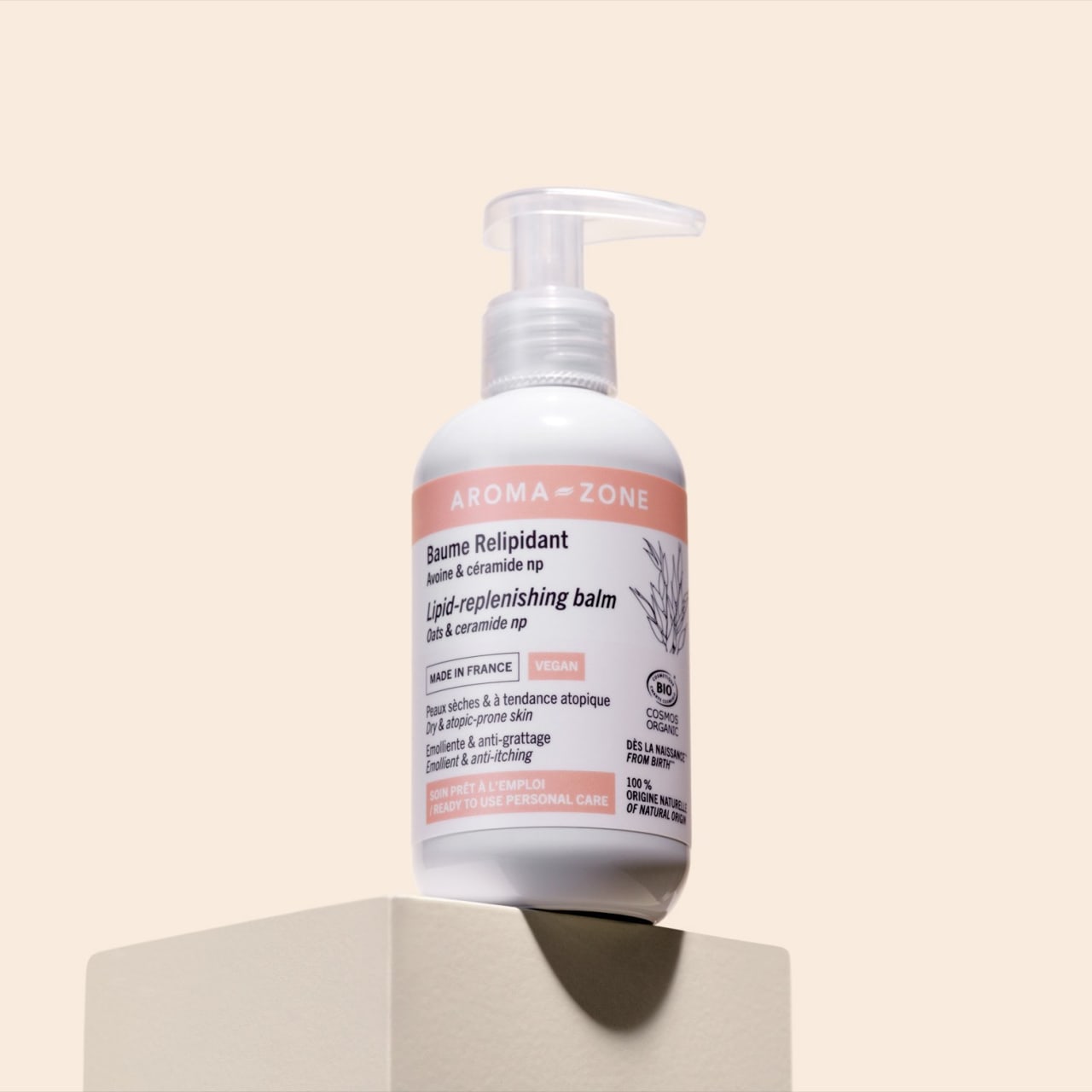
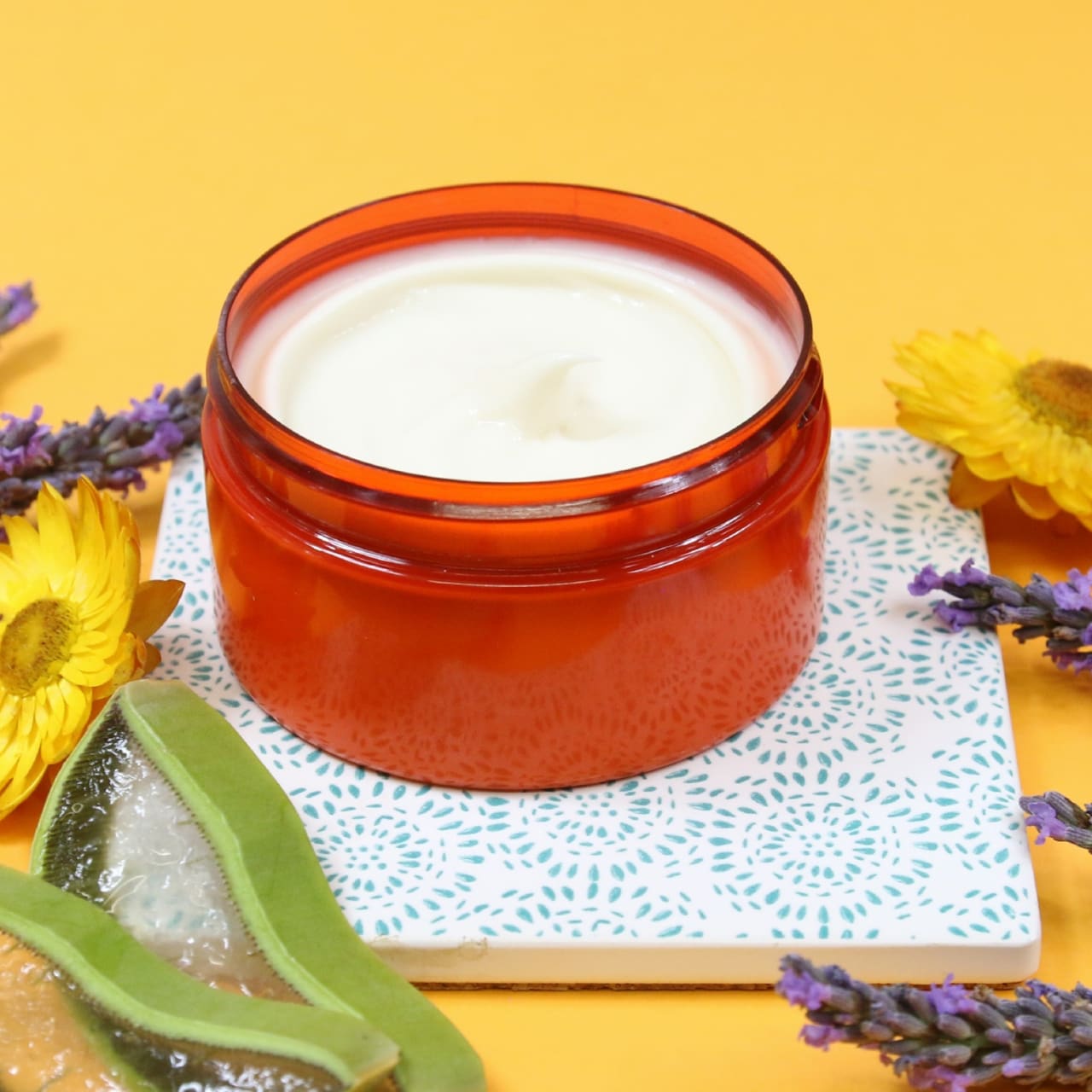
Lipid-Replenishing Balm With Oats & Ceramide NP
Repairing
Nourishing
£12.00
200 ml
£10.85
£15.50
500 ml
3 options
In brief
Baking soda helps soften hard skin on the feet and makes it easier to remove thanks to its exfoliating and softening properties. However, it should be incorporated into a regular foot-care routine.
In practice, it can be used in a foot bath or as an exfoliating paste with lukewarm water. Complete the routine by keeping your feet well moisturized.
The article points out that baking soda does not replace mechanical methods such as a foot file or pumice stone. Be careful to avoid overly aggressive exfoliation. It is also essential to keep your foot-care tools clean and hygienic.
What Is Hard Skin on the Feet?
Why Do I Have Hard Skin on the Soles of My Feet?
Let’s summarise the main causes of calluses on the feet:
Dehydration: Dry skin is more likely to thicken and form calluses on the soles of your feet. Therefore, not staying hydrated from the inside or failing to moisturise your feet can contribute to worsening the condition.
Age: As we age, the skin which has matured inevitably loses its elasticity and natural moisture, thereby increasing callus formation.
Wearing ill-fitting shoes: Shoes that are too tight or poorly fitted can cause friction and excessive pressure on certain areas of the feet, inevitably leading to the build-up of hard skin.
Intense physical activity: Sports and, in particular, high-impact activities increase the likelihood of developing hard skin due to repeated movements and continuous pressure on the feet.
Foot deformities: Hammer toes, flat feet, or bunions can cause the skin to thicken in certain areas, again due to pressure.
Hard Skin on the Feet: Associated Symptoms
Calluses on the feet are generally accompanied by:
Thickened skin: Commonly found on the heels, soles of the feet or sides of the toes. This skin is usually rough to the touch and may feel dry or flaky. It often appears discoloured, yellowish or grayish, compared to the surrounding skin.
Discomfort or pain: This is especially noticeable when walking or standing for long periods. In more severe cases, hard skin may crack, leading to painful fissures that can increase the risk of infection. Recognising these symptoms early allows you to treat and prevent hard skin, helping to keep your feet soft, comfortable and healthy.
What Are the Risks of Having Hard Skin on Your Feet?
Beyond its unsightly appearance, hard skin on the feet can lead to complications if left untreated. Possible consequences include discomfort, pain, changes in the way you walk, difficulty wearing shoes, and, in people with diabetes or severe circulatory disorders, an increased risk of foot ulcers.
Why Is Baking Soda Effective for Removing Hard Skin from the Feet?
Thanks to its exfoliating and softening properties, baking soda is effective at removing calluses from the soles of your feet. Baking soda first acts as a gentle exfoliant, helping to remove dead skin cells and reduce the thickness of hard skin. When mixed with water, it creates a paste that helps soften rough, hardened skin, making it easier to remove. Baking soda also has antibacterial properties, which may help prevent potential infections caused by cracks in hard skin. When used regularly, it helps maintain the skin’s pH balance, promoting a healthy environment for the feet.
Focus on Baking Soda for Tackling Hard Skin on the Feet
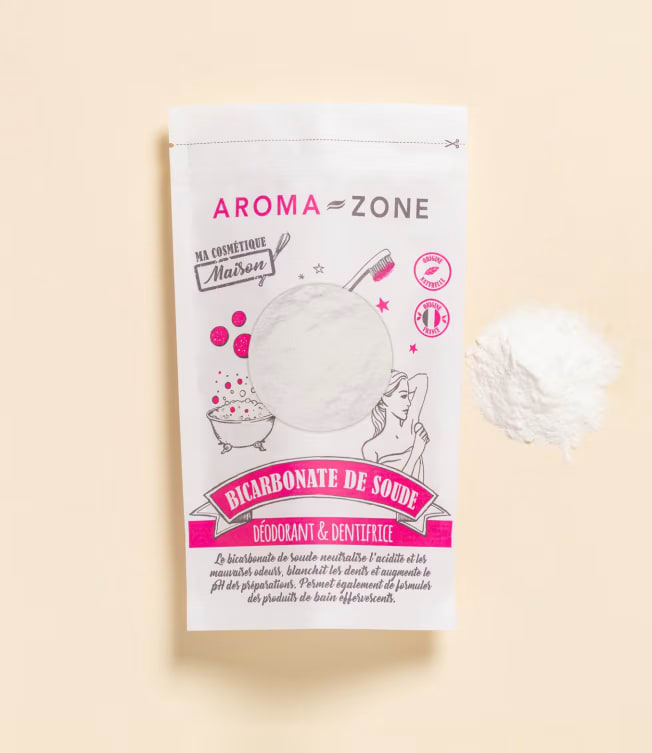
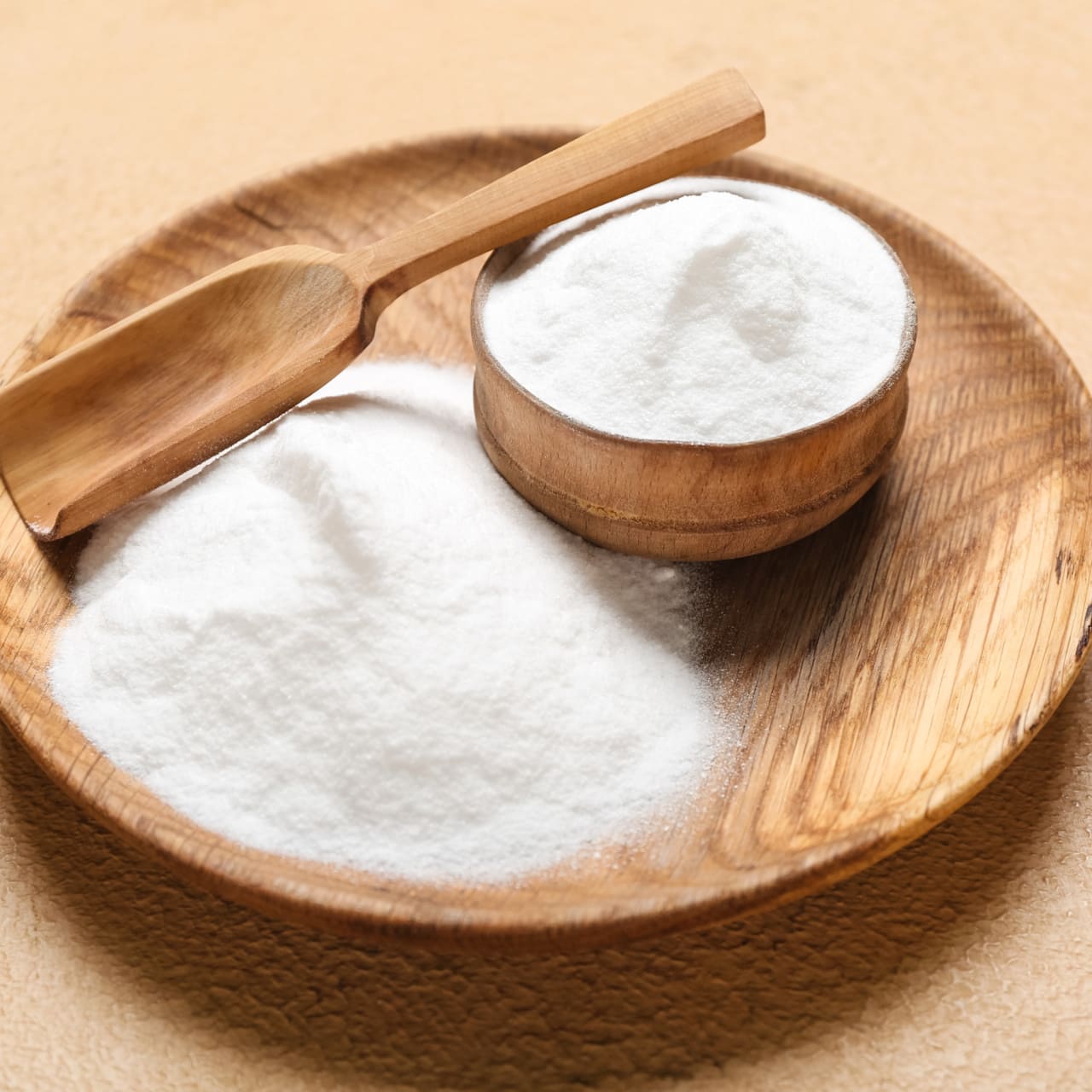
The ultimate multi-purpose product, baking soda (or sodium bicarbonate) is used in cosmetics, cooking, household cleaning, and gardening alike... Here are two examples of how to use it to treat calluses on your feet:
To soften hard skin on your feet, soak them in a warm water and baking soda solution: 1 part baking soda to 4 parts water.
To effectively exfoliate your feet, make a paste with baking soda and water, then gently rub the thickened areas before rinsing thoroughly.
How to Get Beautiful Feet Without Hard Skin: A Baking Soda Bath and Scrub Routine
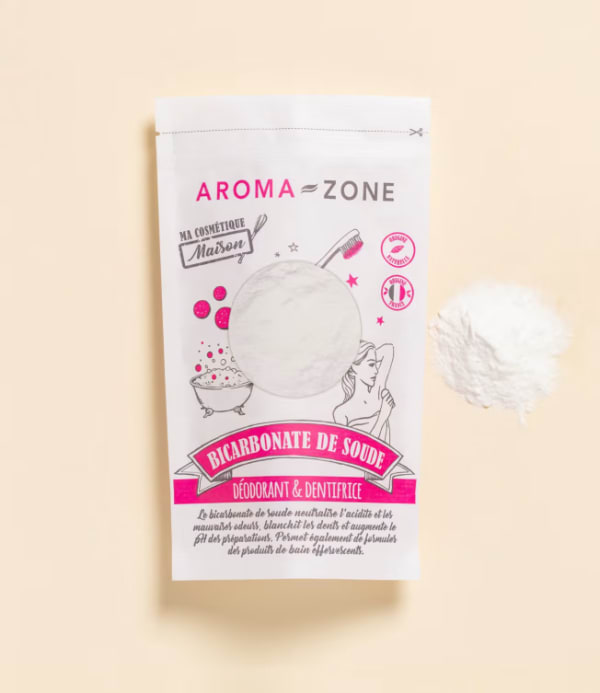
1. Take foot baths : To soften thick calluses, start by soaking your feet in a solution of baking soda in warm water (1 part baking soda to 4 parts water). Soak your feet for 5 to 10 minutes maximum to avoid drying out your skin.
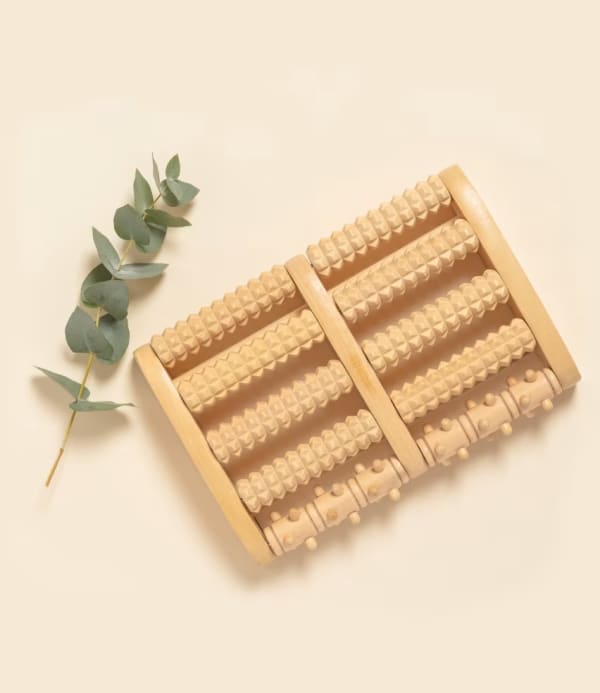

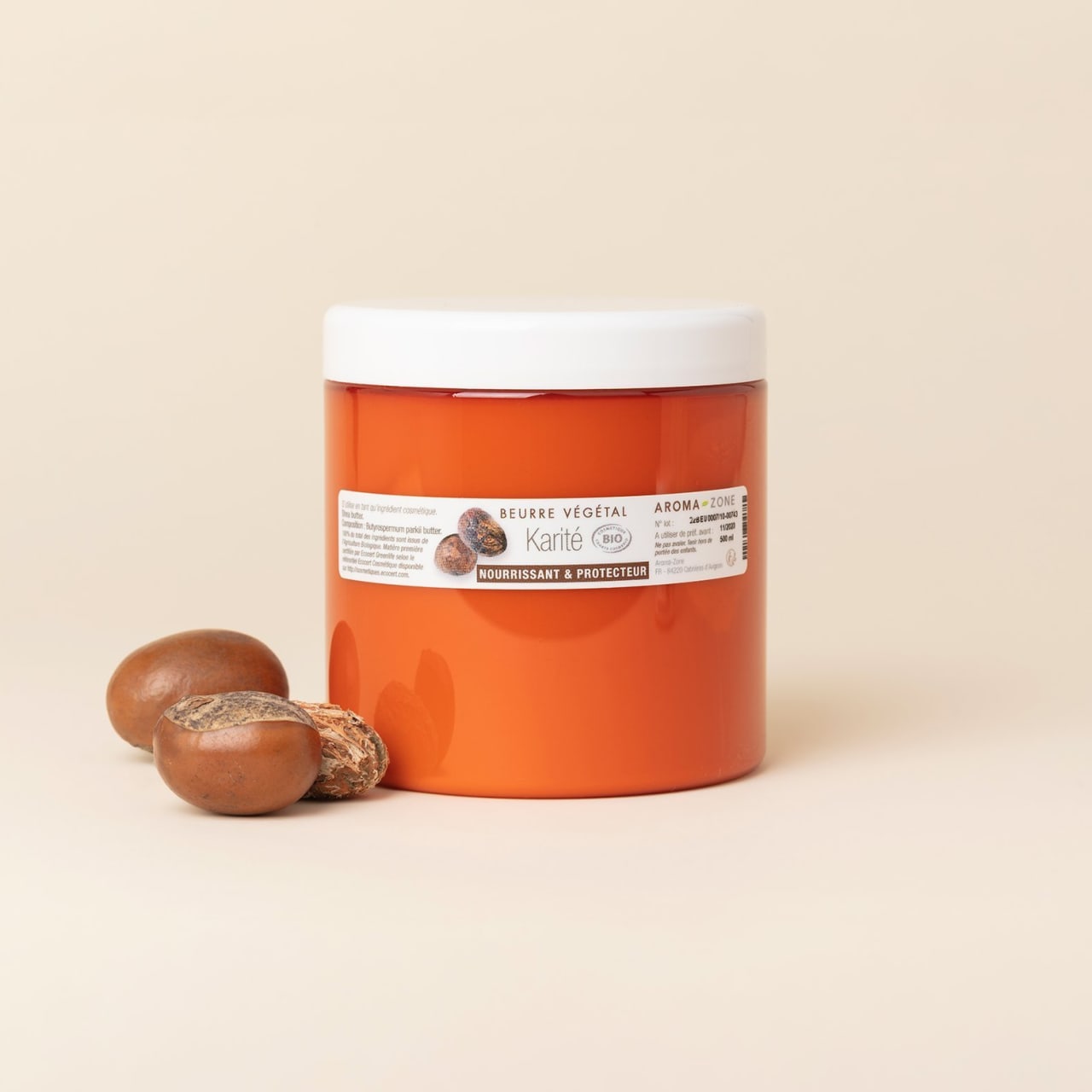
3. Moisturise the skin on your feet: Use a foot moisturiser every day, especially after a shower or bath. Some options to consider: the Oat and Ceramide NP Lipid-Restoring Balm, the All-Purpose Cream, or the Shea Butter, either in their pure form or customised.
Discover the Oat and Ceramide NP Lipid-Restoring Balm, the All-Purpose Cream or the Vegetable Shea Butter
Precautions For Use
Avoid rubbing hard skin too vigorously with a pumice stone to prevent damaging the skin.
Maintain good hygiene of the tools used.
Do not use overly harsh products or those not recommended for the skin, and avoid using excessive amounts of baking soda or applying it too frequently. If you have diabetes, circulatory problems or an infection, consult a healthcare professional before trying any at-home treatment.
Expert Tip
For an even more pleasant and soothing experience, add a few drops of true lavender essential oil to your baking soda foot soak. Lavender is known for its relaxing and soothing properties, ideal after a long day. In addition to its benefits for the skin, it will provide your feet with a well-deserved moment of relaxation. Warning: this product is not recommended during the first three months of pregnancy.
Spotlight on Our Writer: Louise Hourcade

After graduating from ESCP Business School in 2020, Louise began her career as a writer in 2021. Today, she writes a newsletter where she shares cultural recommendations and more personal articles, such as dating apps, therapy, and career guidance. She also writes for the media, brands and agencies on subjects such as well-being, mental health, culture, and society.
Bibliography
https://www.ameli.fr/assure/sante/bons-gestes/quotidien/prendre-soin-pieds
https://www.medisite.fr/soins-des-pieds-comment-enlever-la-corne-au-pied-avec-du-bicarbonate-de-soude.5493058.524219.html
Frequently Asked Questions
Associated tips
Body Care Tips
Body Care Tips

Respiratory and ENT discomfort solutions
Household tips

Article of the day


