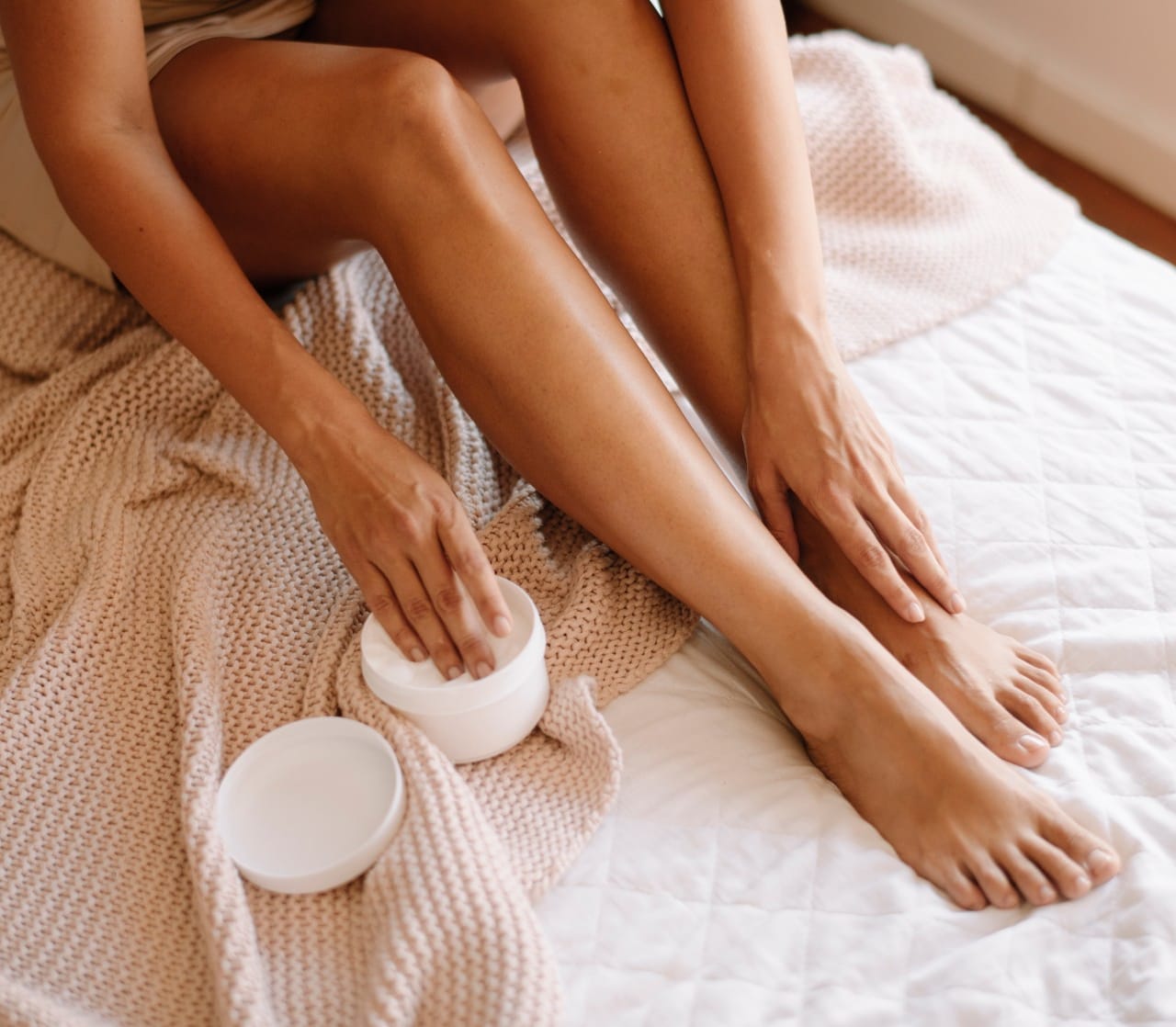
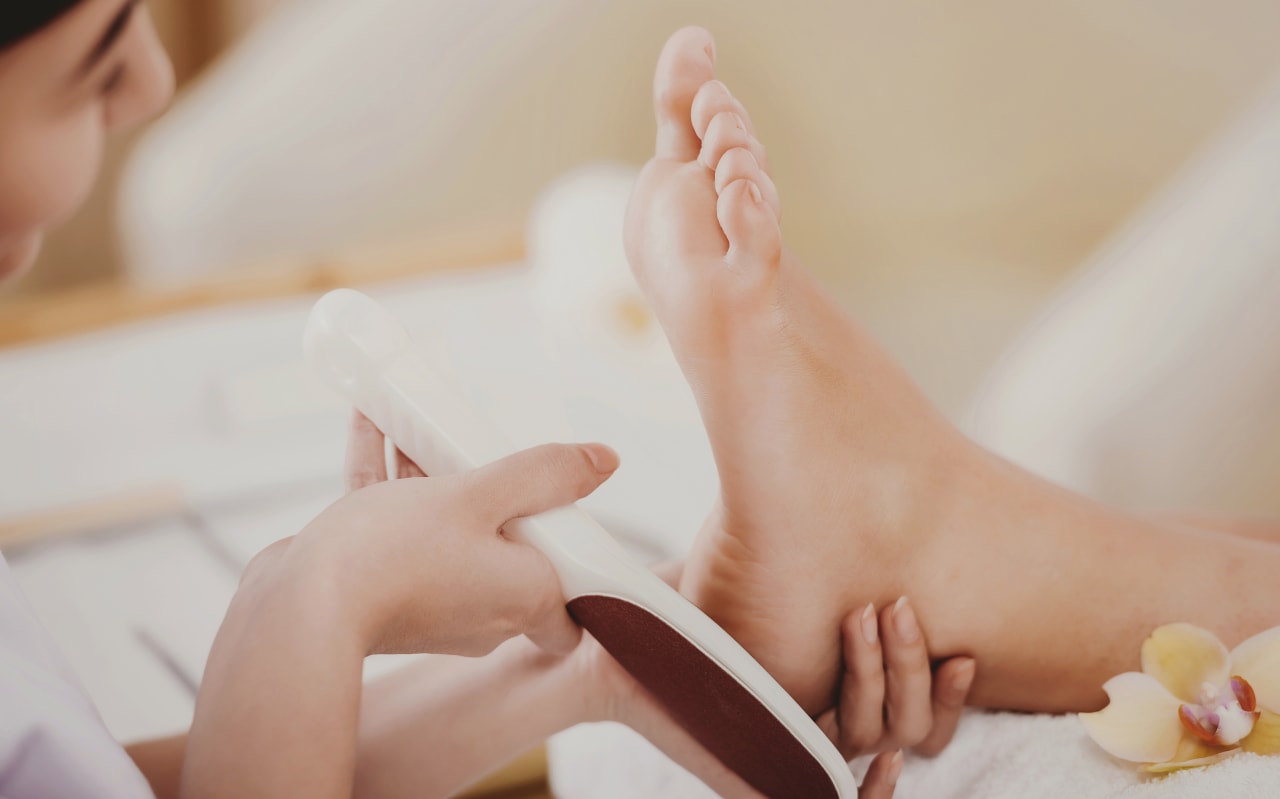
Is it really a good idea to file away dead skin from your feet?
Published on: Monday, June 01, 2026, Updated on: Wednesday, September 30, 2026
As summer approaches, feet are once again appearing in sandals, and many people are pulling out their foot files to remove calluses and dead skin. However, this beauty routine, as common as it may be, isn’t always the best solution. Does filing your feet really make your skin softer? Can you do it too often? And why do some calluses keep coming back? Dermatologists and podiatrists offer answers that may surprise you.
Contents
Related products
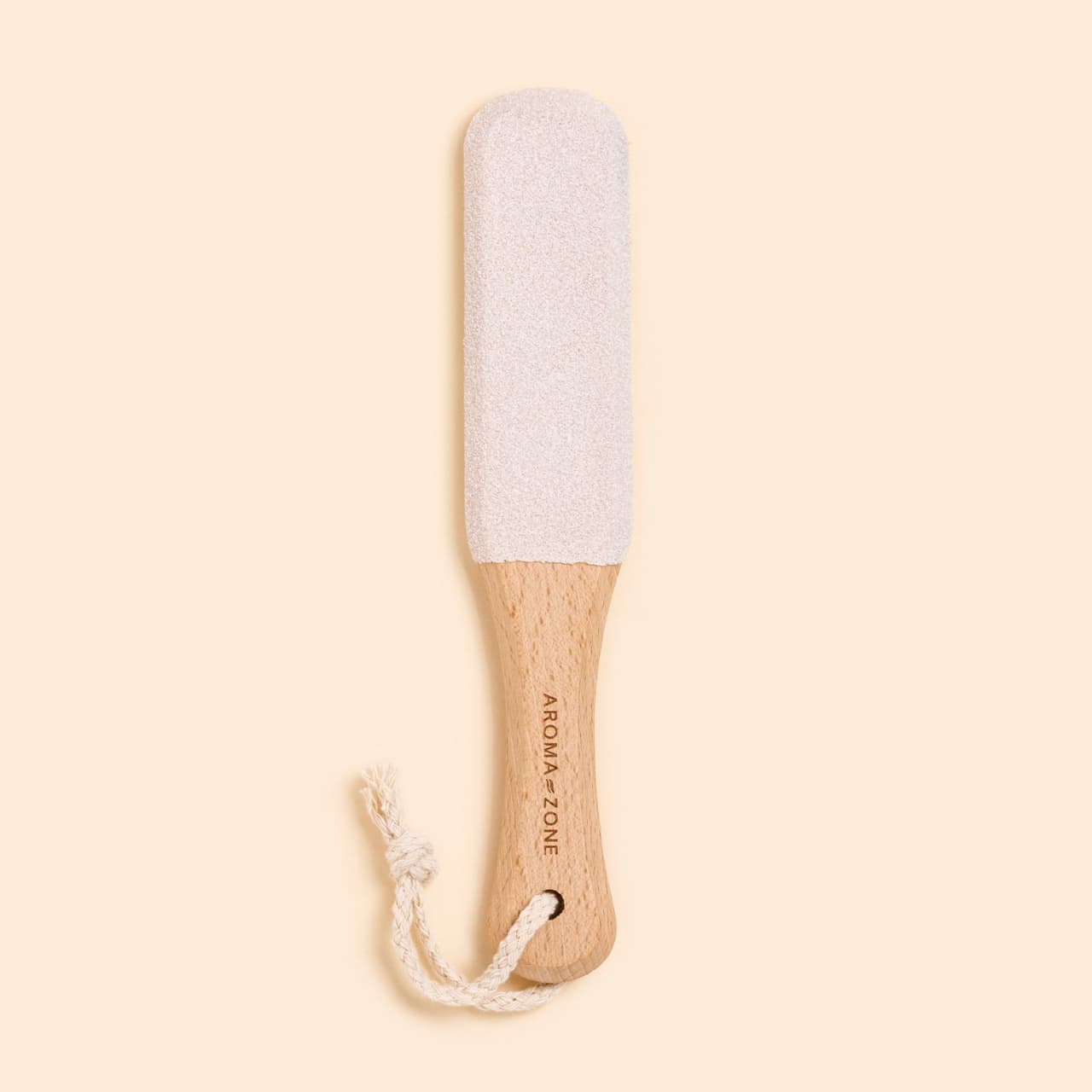
£5.00
1 article
Repairing
Nourishing
£7.00
90 ml
Why does the skin on the feet become thicker?
Contrary to popular belief, calluses are not a problem caused by dead skin accumulating due to poor hygiene.
They are actually a natural protective mechanism. Under the effect of repeated friction, mechanical pressure, or wearing certain shoes, the skin produces more keratin and gradually thickens.
This reaction is particularly common on the heels, the forefoot, or under the big toes.
In other words, calluses are primarily a defensive response by the skin.
Foot filing: a good or bad idea?
The answer is nuanced. When done in moderation, a foot file can help reduce excess calluses and temporarily improve the appearance of the feet.
However, podiatrists warn against overly aggressive techniques. Excessive removal of the stratum corneum can cause irritation, micro-cracks, and sometimes even stimulate the skin to produce even more keratin as a protective measure.
The result: the more intensely you file, the faster calluses can return.
This is a vicious cycle that many professionals observe regularly.
Why do calluses always come back?
A foot file treats the symptom, but rarely the cause.
If friction persists, if shoes aren’t properly fitted, or if the skin remains insufficiently moisturized, thickened skin will naturally reappear.
According to foot specialists, the best strategy is therefore to combine gentle exfoliation with regular moisturizing to limit excessive callus buildup.
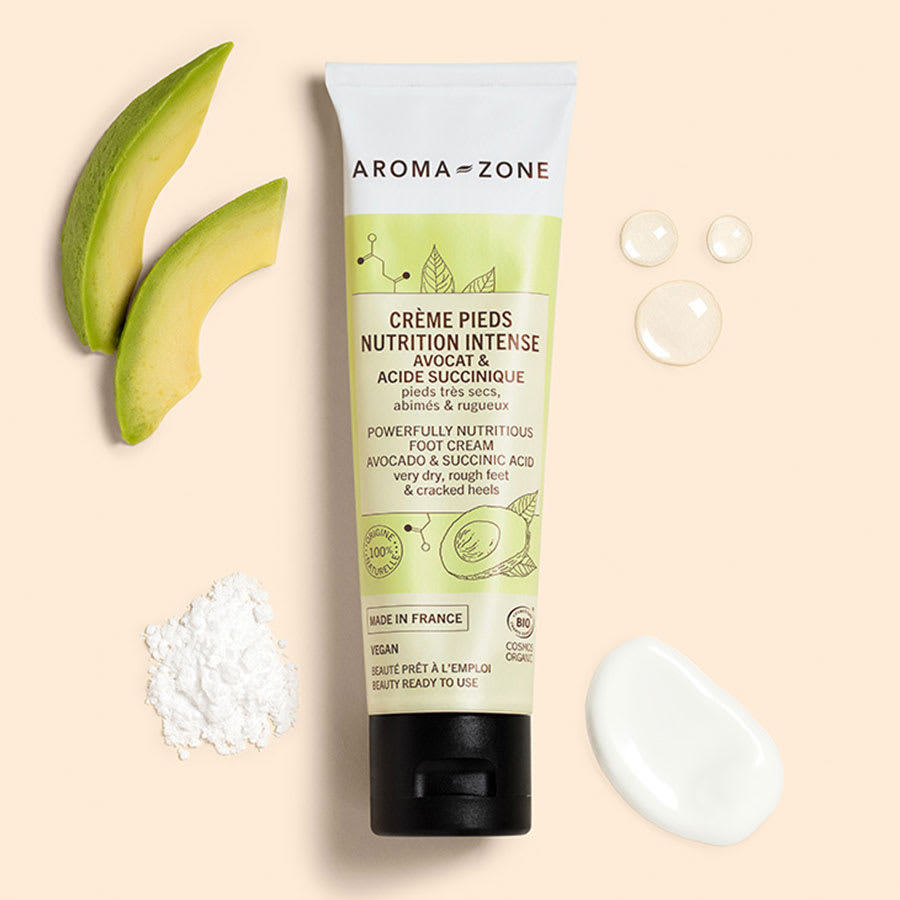
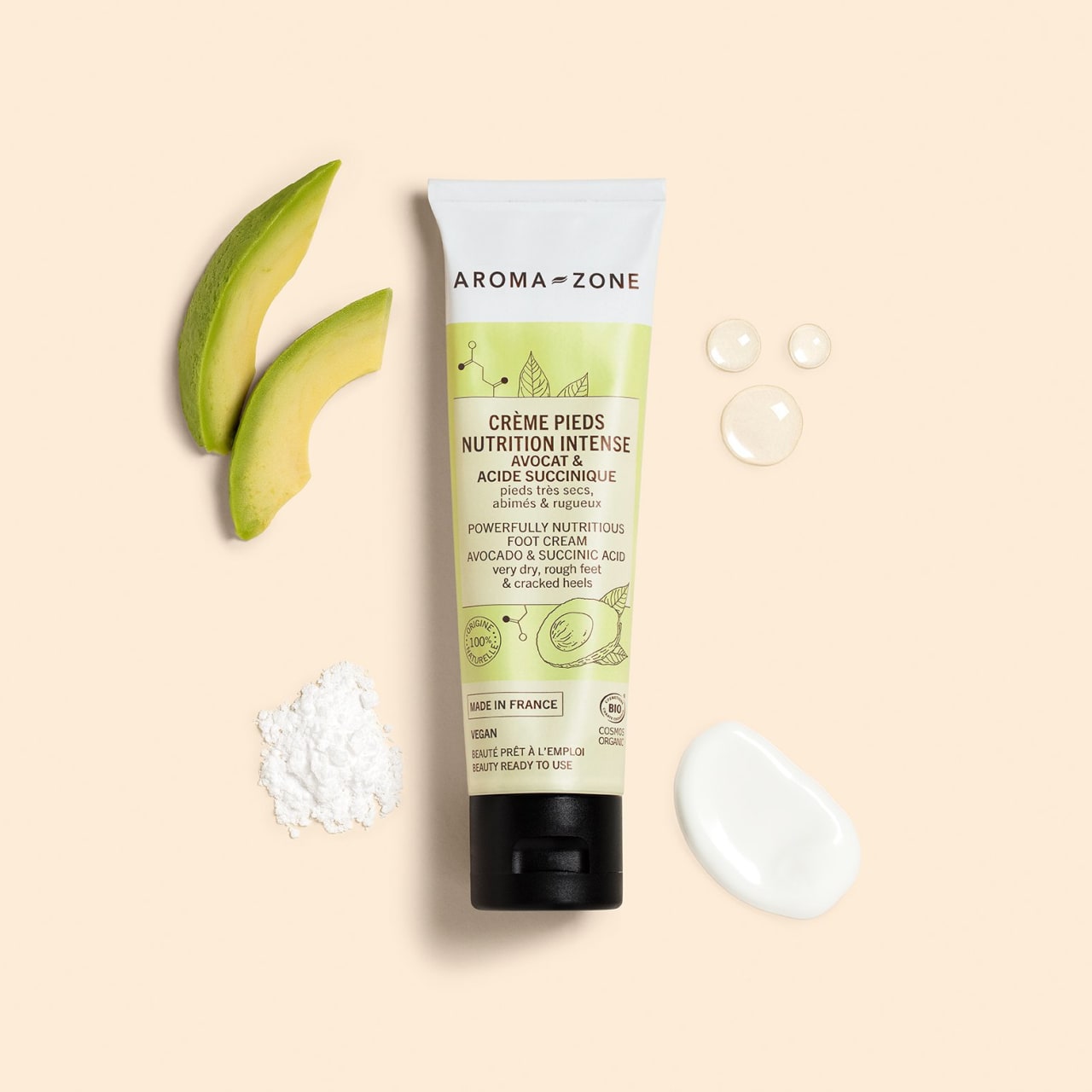
Product Spotlight: Foot Cream - Avocado & Succinic Acid
Highly restorative, this certified organic cream nourishes and protects the feet thanks to its natural formula enriched with hyaluronic acid and avocado oil; it softens calluses while soothing dry and damaged feet, offering immediate regeneration and lasting comfort with its enveloping balm texture that stimulates the skin barrier.
Moisturizing: the step that’s often overlooked
When the skin on the feet is dry, it becomes stiffer and more prone to developing cracks or fissures. Dermatologists recommend regular use of products rich in moisturizing agents and gentle keratolytics such as:
urea;
glycerin;
lactic acid;
certain nourishing plant butters.
Urea is particularly beneficial because it helps both moisturize the skin and soften thickened areas.
Some studies show that a concentration between 10% and 25% can significantly improve foot dryness and reduce the thickness of calluses.
How often should you file your feet?
For most people, once or twice a week is more than enough.
Ideally, you should treat skin that has been softened beforehand with a warm shower or foot bath, without trying to remove all the calluses.
The goal is not to achieve completely smooth feet but to preserve a functional protective layer.
Highly abrasive metal files or blades designed to cut away calluses should be used with caution, or even avoided without professional guidance.
Situations where it’s best to avoid filing your feet
Some people need to be especially careful.
This is especially true for people with diabetes, circulatory problems, or reduced sensitivity in their feet. For them, even a small injury can sometimes lead to serious complications.
If you have deep cracks, persistent pain, or very thickened skin, consulting a podiatrist is still the best option.
So, should we stop filing our feet?
Not necessarily.
Used occasionally and gently, a foot file can help improve the appearance of your feet. But it is not a long-term solution on its own.
To keep feet supple and comfortable, specialists now favor a more comprehensive approach: moderate exfoliation, regular moisturizing, and preventing the friction that causes calluses.
Because ultimately, the key isn’t to remove all the calluses… but to maintain the skin’s natural balance.
Meet our writer, Solène Bonnet

Solène Bonnet, former editorial director of Marie Claire Idées, brings specialised expertise in editorial strategy and writing. For eight years, she led the editorial team, ensuring the production of innovative content. As a mother of two, she pays particular attention to product ingredients and all the little details that can improve daily life. Passionate about an authentic and health-conscious approach, Solène favours products with healthy ingredients that align with an eco-friendly philosophy.
Bibliography
American Academy of Dermatology (AAD).
Recommendations for dry skin and callus care.
Levy SB, Goldsmith LA.
Management of hyperkeratosis and xerosis of the feet. Dermatologic Therapy, 2004.
Loden M.
Role of topical emollients and moisturizers in the treatment of dry skin barrier disorders. American Journal of Clinical Dermatology, 2003.
Panahi Y. et al.
Efficacy of urea-containing formulations in the treatment of xerosis and hyperkeratosis. Journal of Dermatological Treatment, 2012.
International Working Group on the Diabetic Foot (IWGDF).
Guidelines on foot care and prevention of foot lesions.