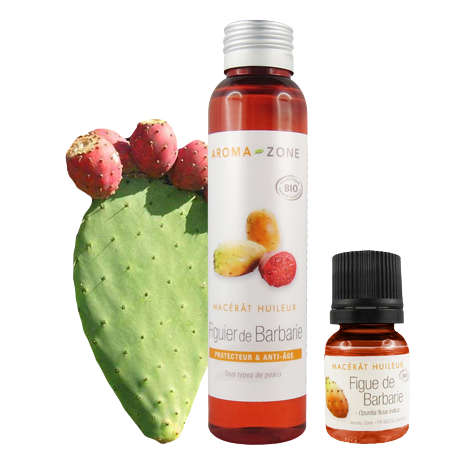
Prickly pear oil: discover its benefits for the skin

Oils play a key role as a source of raw materials in cosmetics, thanks to their moisturising and nourishing properties. Thanks to their richness in essential fatty acids and nutrients, they help to maintain the skin's moisture balance, preventing dryness and promoting a healthy appearance. What's more, some oils, such as prickly pear oil, are known for their anti-ageing and antioxidant properties.

Reading time: 0 min.

The use of prickly pear over the centuries

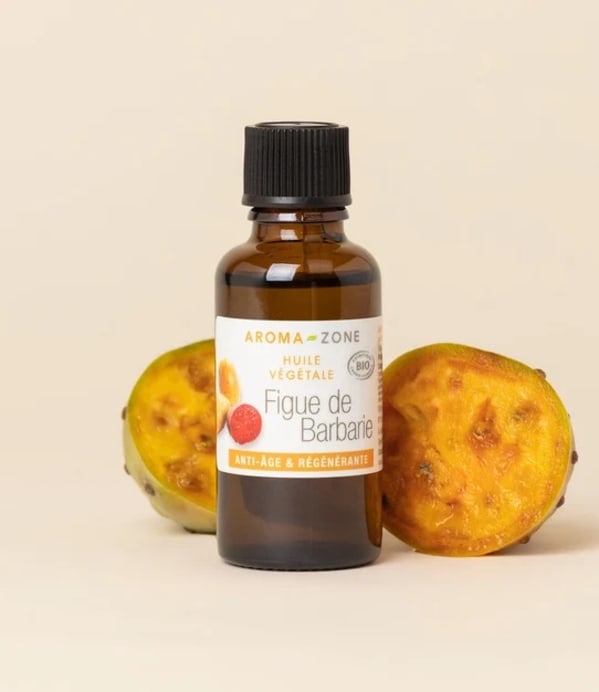
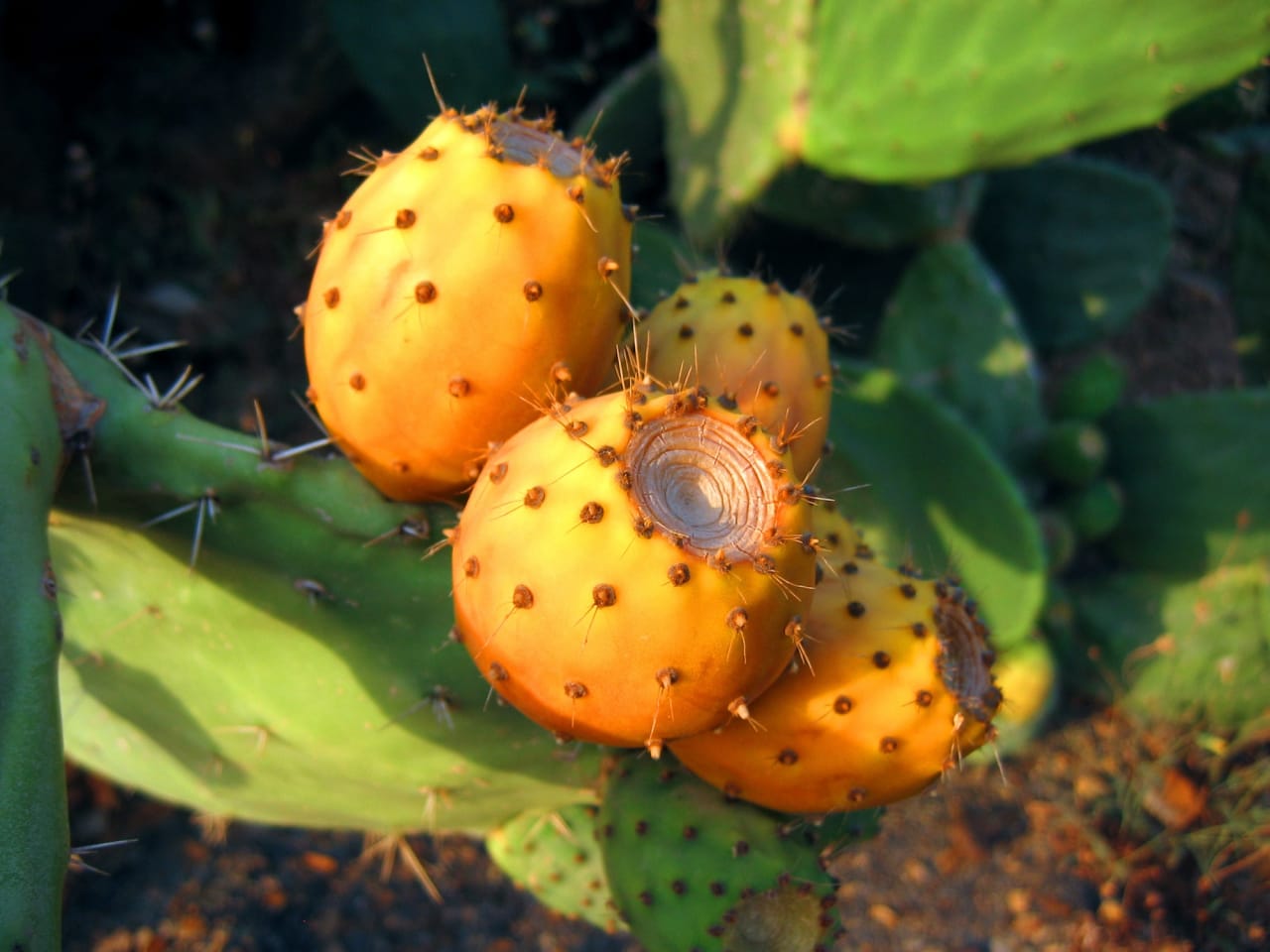
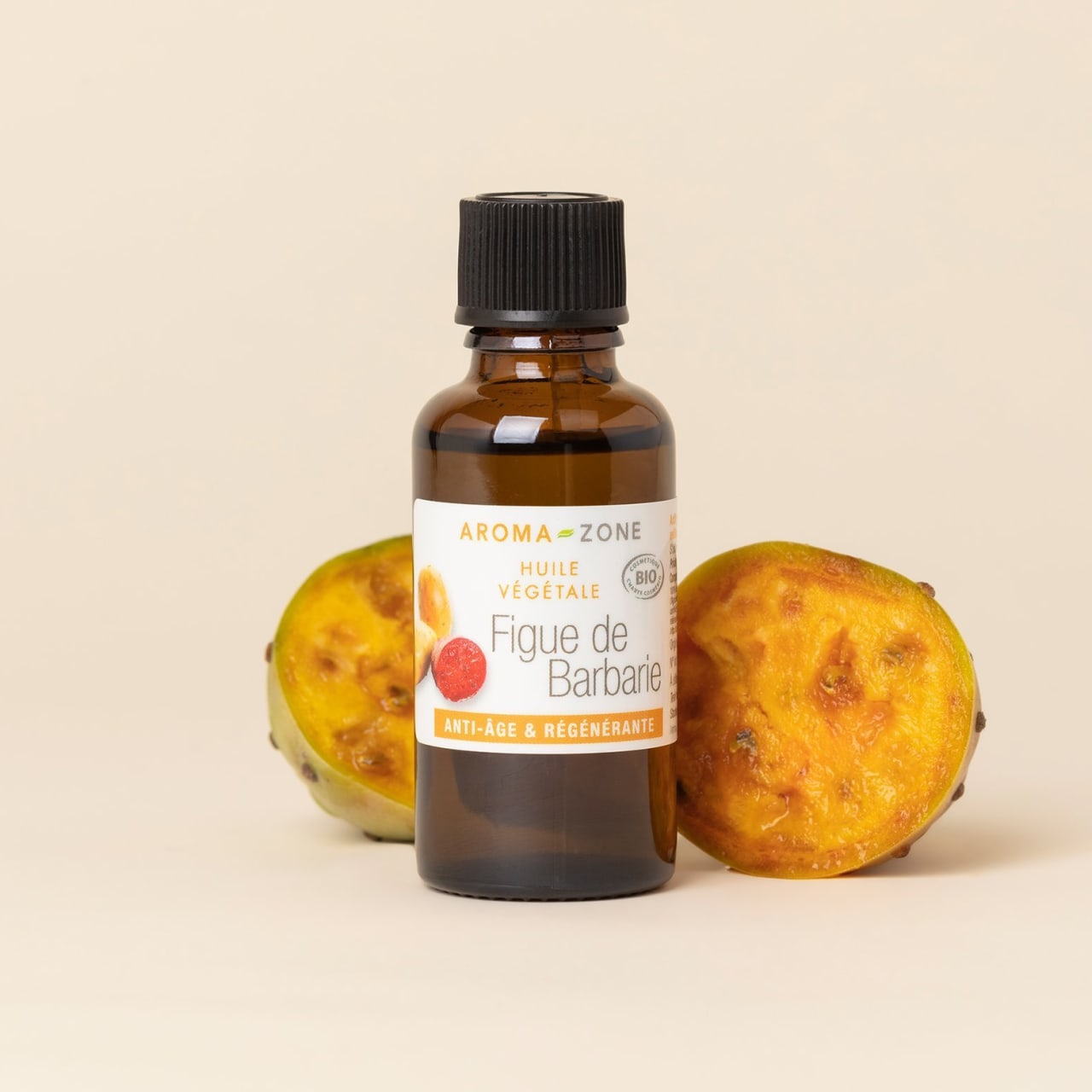
The prickly pear, also known by its botanical name Opuntia ficus-indica, originated in the arid and semi-arid regions of Mexico. This refreshing and nutritious fruit is rich in vitamin C, albumin, crystallisable sugar and mucilage. It was originally used to combat drought and erosion, and is now used for both human consumption and livestock feed. However, in addition to its traditional uses, the seeds of the fruit can also be pressed to extract a premium oil, widely used in the pharmaceutical and cosmetics fields. The whole prickly pear fruit contains 9-10% seeds. Virgin prickly pear seed oil, obtained by cold pressing, is renowned for its moisturising, antioxidant and anti-ageing properties, thanks to its exceptional richness in vitamin E and sterols, which protect against free radicals and stimulate cell renewal.

The prickly pear, a xerophytic plant belonging to the Cactaceae family, often remains little-known despite numerous studies carried out worldwide which have revealed its many potential benefits in a variety of areas. The fruit, its juice and its pulp have antioxidant properties. Opuntia cladodes are an excellent source of fibre for both animal and human consumption.
How is prickly pear seed oil extracted?

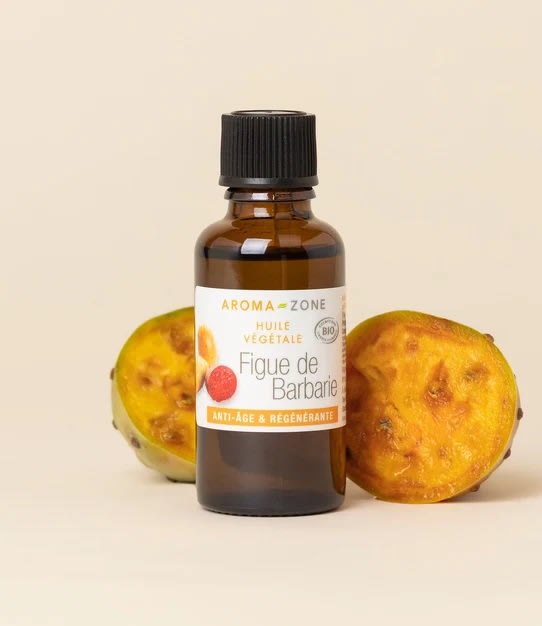
Prickly pear oil is extracted from the seeds. Three methods can be used: pressure extraction, solvent extraction or mixed extraction (pressure and solvent). Here is a description of the two main methods:

  1. Pressure extraction: this method consists of separating the liquids from a product composed of solids and liquids by applying external pressure. The product is supported by a wall or cloth through which the liquid can pass. Pressing is often less expensive than other alternatives, and is more specifically more energy-efficient than solvent extraction. The oil obtained by pressing is known as first pressing. The rejected cake contains differing proportions of the residual oil. Second-press oil can be extracted from the cake by solvent or by pressing after heating.

  2. Solvent extraction: solid-liquid extraction, also known as solvent extraction, is a fundamental operation aimed at extracting, separating or dissolving one or more components, whether liquid or solid, mixed with a solid. This operation is carried out by immersing or percolating a liquid into the material to be treated, thus establishing a transfer or exchange of matter between a solid phase (containing the substance to be extracted) and a liquid phase (the extraction solvent). Industrially, solvent extraction is achieved by bringing the oleaginous material to be treated into close contact with an appropriate solvent. This process generates a solution of oil in the solvent, known as miscella, the oil concentration of which varies according to the quality of the solvent and the oil content of the oilseed being treated.

The many benefits of prickly pear oil for the skin

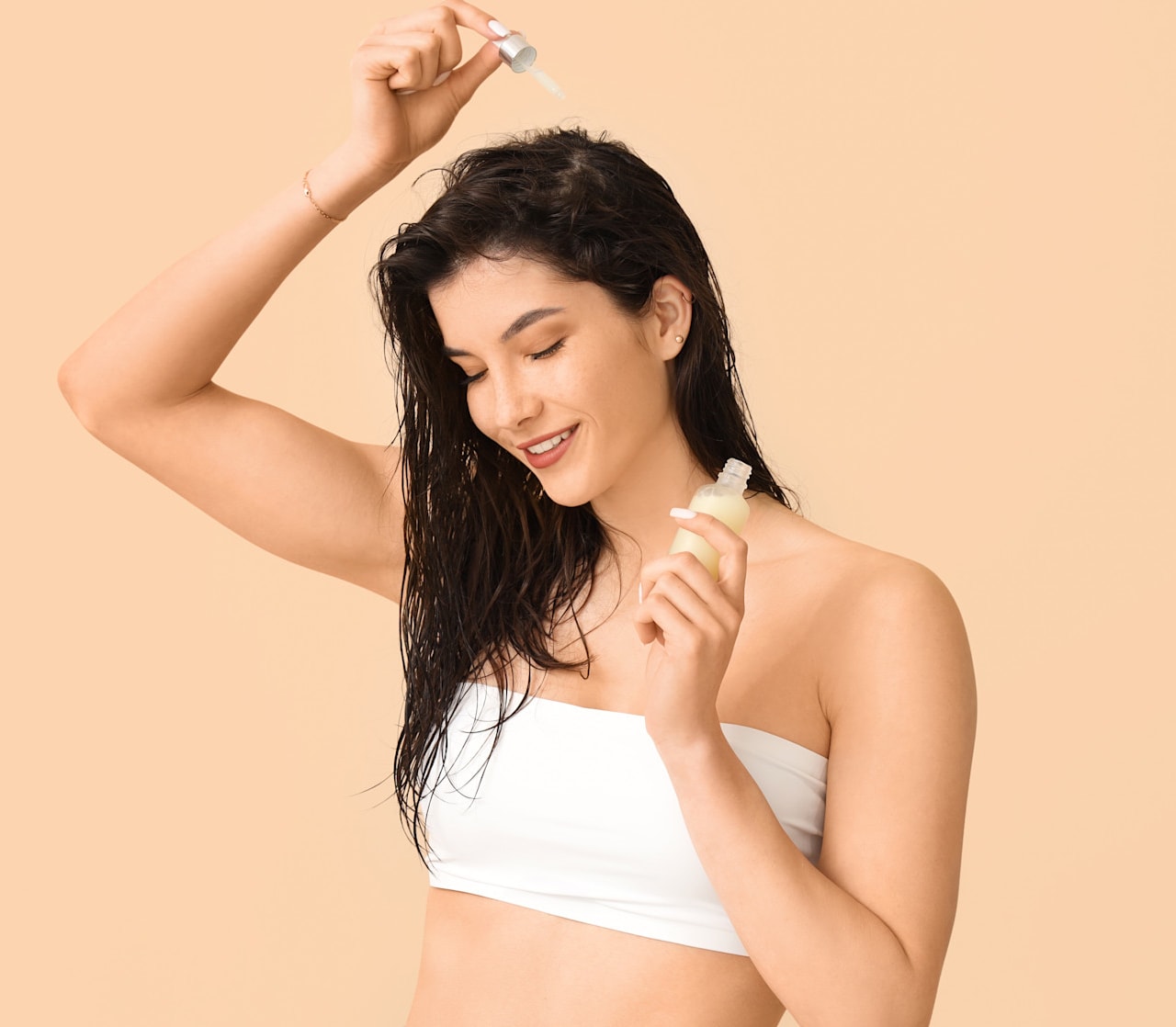
Prickly pear seed oil is an extremely premium substance that is truly exceptional in the natural world. Thanks to its unique composition, this oil has the remarkable ability to penetrate quickly and deeply into the layers of the epidermis. Enriched with unsaturated fatty acids and sterols, elements rarely found in carrier oils, it is renowned for its revitalising properties and effective protection against free radicals. It penetrates the skin quickly and completely, leaving it radiant and satin-smooth. Studies have shown that over weeks of use, wrinkles fade and fine lines disappear, leaving the face radiant and incomparably soft. This oil is particularly recommended for mature, dehydrated skin.

Prickly pear oil to combat skin ageing

Premium and rare, prickly pear oil offers an incomparable solution for countering the signs of skin ageing. Its exceptional vitamin E content makes it an excellent anti-ageing agent. Combined with musk rose oil, renowned for its exceptional anti-ageing properties, it is the perfect combination for reducing the effects of time on mature or devitalised skin. Their combined effects promote the regeneration of skin cells, improves skin suppleness and effectively protects it from damage caused by free radicals.

Prickly pear oil as an anti-stretch mark treatment

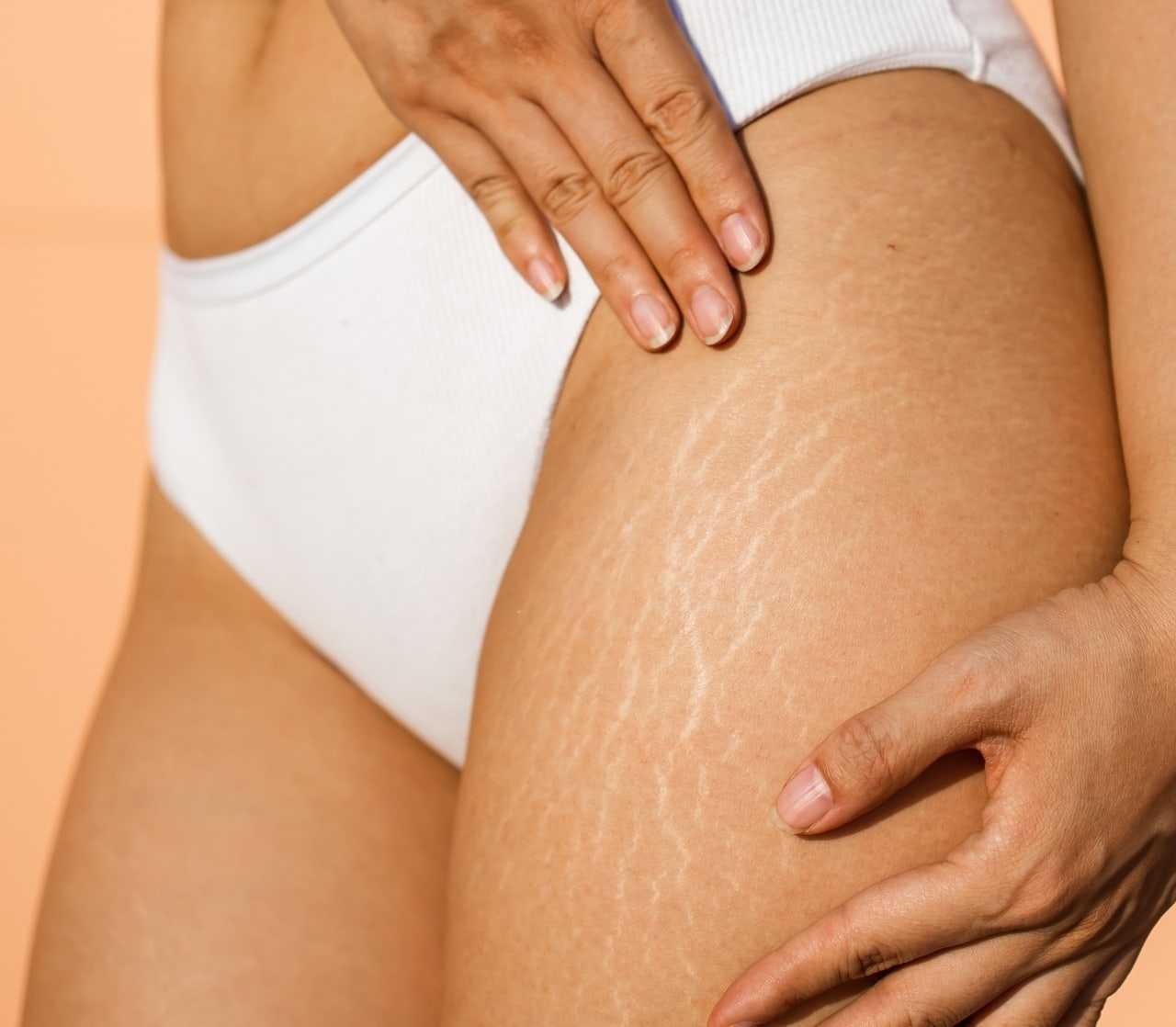
Prickly pear oil is often recommended as an anti-stretch mark treatment due to its high vitamin E content, an antioxidant that promotes cell regeneration. Thanks to its intensive moisturising properties, it helps to maintain the skin's elasticity, helping to prevent the appearance of stretch marks. Its essential fatty acids help to deeply nourish the skin, offering a natural solution for reducing and preventing these skin marks, especially when used in conjunction with other beneficial oils such as rose hip oil.

Prickly pear oil is expensive due to several factors linked to its production process and intrinsic properties:

  1. Laborious production: extracting prickly pear oil is a laborious process. The seeds are very small, and the amount of oil they contain is relatively small. A large quantity of seeds is needed to produce a small quantity of oil, which increases the cost of production.

  2. Delicate harvesting: harvesting prickly pears is a delicate task, often done by hand because of the thorns on the plants. This is labour-intensive, which also contributes to production costs.

  3. Specific growing conditions: prickly pears grow in specific conditions, mainly in arid and semi-arid regions. The plants require special care to adapt to these environments, which can make cultivation more costly.

  4. Beneficial properties for the skin: prickly pear oil is highly prized in the cosmetics industry for its beneficial properties for the skin, particularly its high content of vitamin E, essential fatty acids and antioxidants. These characteristics make it the ingredient of choice for top-of-the-range skincare products, contributing to its demand and high cost.

Spotlight on our editor: Gipsy Dauge

Gipsy is a graduate of ESJ Paris. After 10 years' experience in the general and women's press, she decided to move into writing about health and well-being. With a certificate in yin yoga, she now puts her pen, as well as her yoga mat, to excellent use. She cares deeply about what she writes. She has a deep commitment to helping readers incorporate tips into their daily lives to take care of both themselves and their environment. She hopes to inspire you to follow a balanced and fulfilling lifestyle with her writing.

Article published on 5 December 2023

Bibliography

1

Extraction des huiles des graines de figue de barbarie

2

EXTRACTION ET CARACTERISATION PHYSICO-CHIMIQUE DES HUILES DES GRAINES DE FIGUE DE BARBARIE

3

Mes savons faits maison: Recettes et petits secrets