

What Is the Difference Between Omega-3, Omega-6 and Omega-9?

What Is the Difference Between Omega-3, Omega-6 and Omega-9?


By Christine Barris

Published on: Thursday, November 21, 2024, Updated on: Thursday, October 29, 2026

Polyunsaturated fatty acids, including omega-3, omega-6 and omega-9, are building blocks of our cells, and their role in keeping the body working properly is well established. This article looks at each of them in more detail: what sets them apart, what they do and how much we should be getting every day.

Contents

Related products

What Are Omega-3s?

Omega-3 are polyunsaturated fatty acids essential for health; they are considered micronutrients because they occur in small quantities in the body. They are known as essential fatty acids because the body cannot produce them: they must therefore be obtained through diet or supplements. Omega-3s are found in several forms: ALA, EPA and DHA.

  • ALA – Alpha-linolenic acid: A short-chain omega-3 used as a precursor for the body’s production of long-chain omega-3s (EPA and DHA).

  • EPA (eicosapentaenoic acid) and DHA (docosahexaenoic acid) are long-chain omega-3s that the body can use directly.

Where Can They Be Found?

It is preferable to consume EPA and DHA directly, as their conversion from ALA is limited: between 5 and 10 per cent for EPA, and even less for DHA. Omega-3s are found in oily fish (salmon, mackerel, sardines, etc.), nuts and certain vegetable oils (rapeseed, linseed, camelina).

What are the benefits of omega-3s?

Omega-3s are particularly beneficial for:

  • The proper functioning of the cardiovascular system: they help to increase HDL (good cholesterol) levels and lower triglycerides in the blood, an important factor in preventing the risk of cardiovascular disease.

  • Brain health: ithey have a positive effect on cognitive functions such as concentration, memory, learning ability and reasoning.

  • Vision: DHA is a component of the retina, so it has an impact on the quality of vision.

  • Inflammation: Omega-3s play an important anti-inflammatory role by reducing the production of molecules responsible for inflammation and promoting the production of those that alleviate it.

  • Mood: They regulate mood by reducing inflammation in the brain and supporting the production of neurotransmitters linked to well-being, such as serotonin, known as the ‘happiness hormone’. They may help to prevent or combat depression.

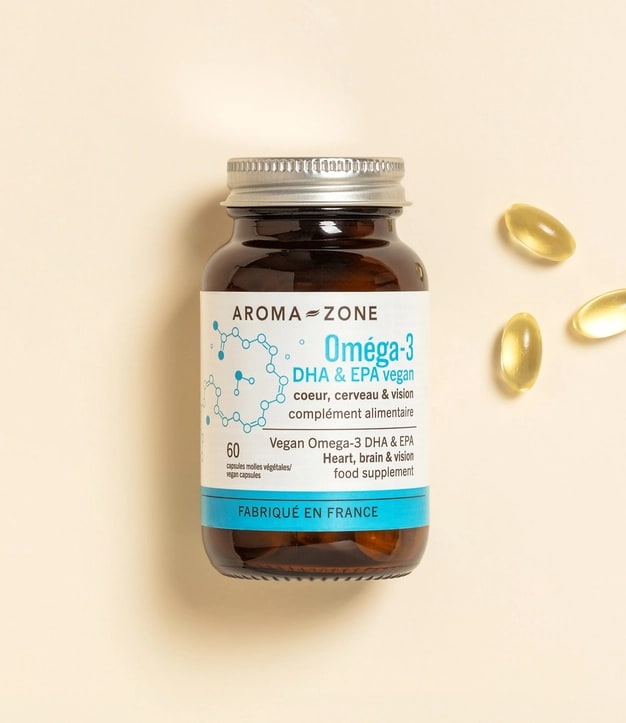
Focus on our Vegan Omega-3 dietary supplement

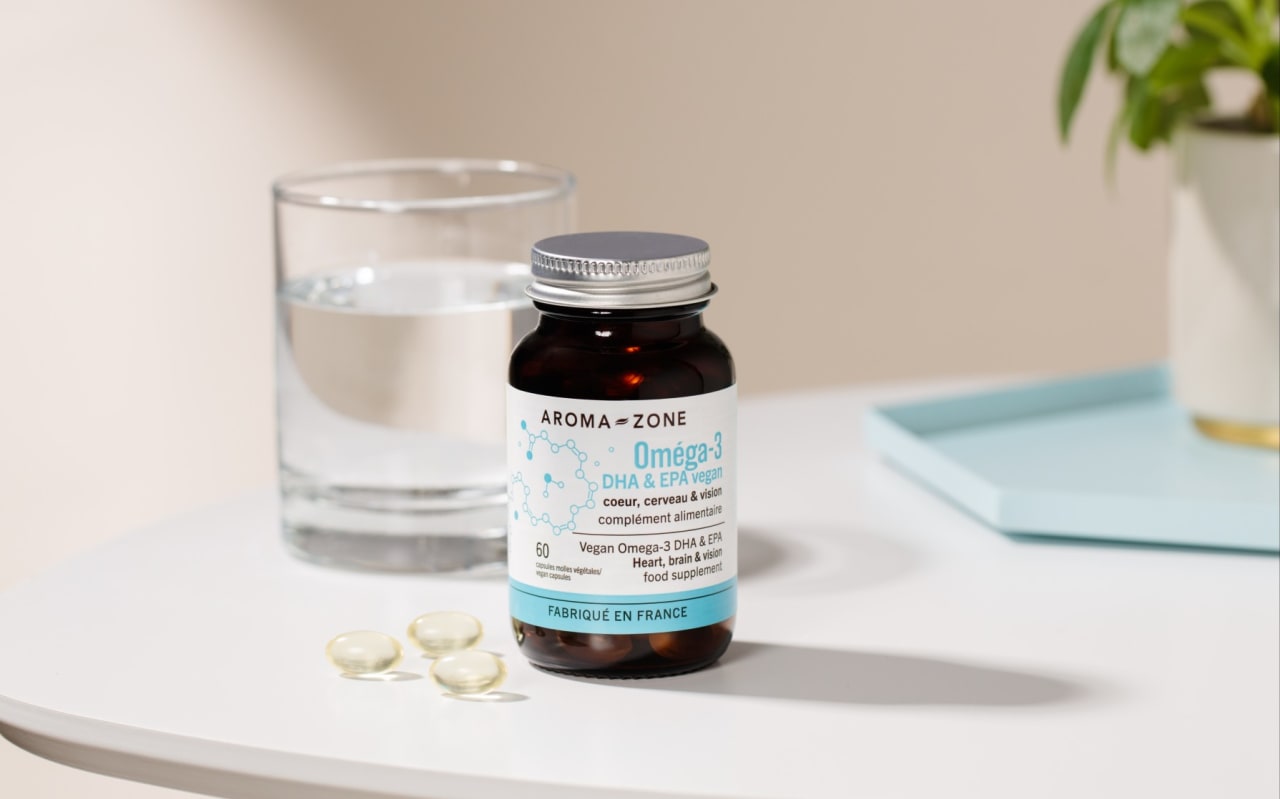
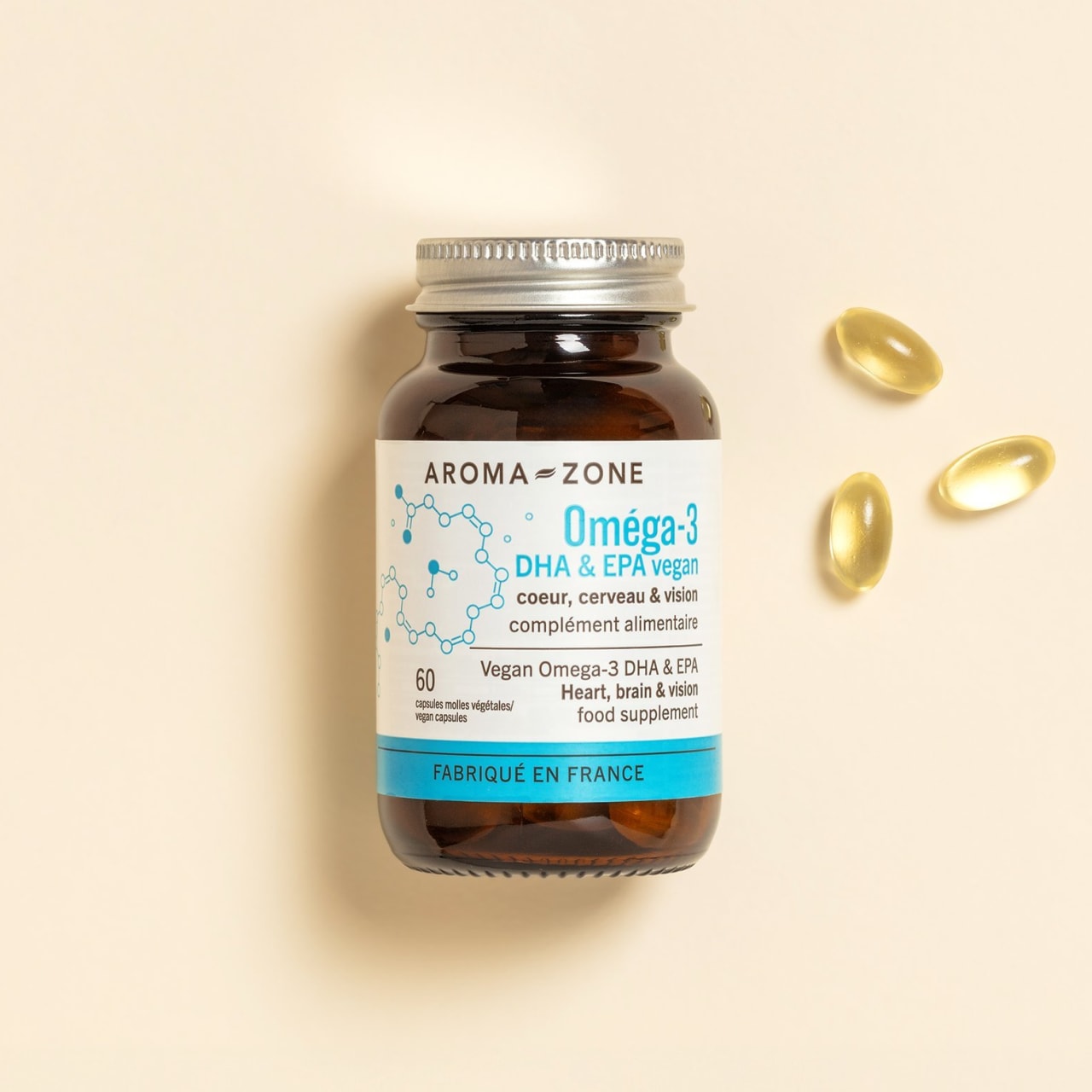
With high levels of DHA and EPA derived from Schizochytrium sp. microalgae, these vegan omega-3 capsules are a natural food supplement to support brain function, vision and cardiovascular wellbeing. The algae oil is manufactured in France using a patented process that helps ensure high quality and good stability against oxidation. Omega-3s are polyunsaturated fatty acids that contribute to good health.

Discover the Vegan Omega-3 Dietary Supplement

Why Take Omega-3 Supplements?

It may be worth taking a specific omega-3 supplement as well as ensuring an adequate dietary intake in the following situations:

High cholesterol or triglyceride levels: These factors increase the risk of cardiovascular disorders; an omega-3 supplement helps to prevent this risk by acting directly on these conditions.

Children, students and older adults: By influencing cognitive function, omega-3s help to improve their attention, memory and learning ability.

Depression or temporary low mood: Omega-3s promote a positive mood, which can help with seasonal low mood, for example.

Vegetarians and vegans, who do not consume animal products: to address any potential deficiencies, as the directly absorbable forms of omega-3s (EPA and DHA) are found exclusively in animal products.

For vision problems: This may interest older people or those with a specific vision problem.

Inflammatory conditions: Such as arthritis, osteoarthritis, tendinitis, where omega-3s can alleviate inflammatory symptoms.

What is the recommended dosage?

The French Agency for Food, Environmental and Occupational Health & Safety (ANSES) recommends the following daily intakes of omega-3s for an adult consuming 2,000 kcal per day:

  • Alpha-linolenic acid (ALA): 1 per cent of total energy intake, i.e. approximately 2 g per day.

  • Eicosapentaenoic acid (EPA): 250 mg per day.

  • Docosahexaenoic acid (DHA): 250 mg per day.

What Are Omega-6s?

Like omega-3s, omega-6s are polyunsaturated fatty acids that are essential for our bodies. There are two main types of omega-6:

  • Linoleic acid (LA): This is the most common form of omega-6 and acts as a precursor to other longer-chain omega-6 fatty acids, such as arachidonic acid (AA).

  • Arachidonic acid (AA): This long-chain omega-6 plays an important role in many bodily functions, particularly within the nervous system.

Where can they be found?

Omega-6 fatty acids are found in certain vegetable oils (sunflower, maize, soya), certain seeds (sunflower, sesame), certain nuts and cereals.

Good to know: Although omega-6s are as essential as omega-3s, an excess of omega-6s relative to omega-3s can promote inflammation in the body.

What Are the Benefits of Omega-6s?

Omega-6 fatty acids are particularly beneficial for:

  • Growth and development: They are essential for healthy cell development during children’s growth. 

  • Cardiovascular health: In optimal proportions alongside omega-3s, they also contribute to healthy cardiovascular function.

  • Immunity: They support our body’s natural defence mechanisms and help us fight off infections. 

  • Skin health: Like all fatty acids, they help maintain good skin hydration. 

  • Brain function: They play a role in the transmission of nerve signals to the brain and can therefore support healthy cognitive function.

Why Take Omega-6 Supplements?

Approach omega-6 supplementation with caution and under medical supervision. Indeed, the body’s proper functioning relies on a precise balance between omega-3s and omega-6s, as excess omega-6s can contribute to certain chronic conditions. Furthermore, a normal daily diet generally meets one’s omega-6 requirements. However, a course of supplementation may be considered in specific cases:

For skin conditions: Omega-6s help to strengthen the skin barrier, thereby promoting better hydration and increased protection against inflammation and external irritants. They can be particularly helpful for dry skin or eczema.

For a weakened immune system: Omega-6 fatty acids play a key role in proper immune function. Supplements may help if you are susceptible to infections. Please seek advice from your doctor.

What is the recommended dose?

Recommended intake (ANSES)

  • Approximately 4 per cent of total energy intake for linoleic acid (LA), which corresponds to 8–10 g per day for a 2,000 kcal diet.

  • Approximately 500 mg per day for arachidonic acid (AA).

  • Omega-6 to omega-3 ratio: It is advisable to maintain a ratio of 5:1 to 4:1 between omega-6 and omega-3, as an excess of omega-6 relative to omega-3 can promote chronic inflammation.

What Are Omega-9s?

Omega-9, like omega-3 and omega-6, is a fatty acid that is essential for our bodies. However, unlike the others, our bodies can produce them, so they are not considered essential. 

Where can they be found?

Oleic acid is the best-known form of omega-9, found in olive oil, avocados, macadamia nuts and certain seeds. However, it also includes erucic acid, found in unrefined rapeseed oil (which can be toxic in high doses), and nervonic acid, found in certain fish oils.

To find out more, see our feature: Which foods are rich in omega-9?

What Are the Benefits of Omega-9s?

Omega-9s are particularly beneficial for:

  • Cardiovascular health: Omega-9s have a positive impact on cholesterol levels by helping to increase ‘good’ cholesterol (HDL) and reduce ‘bad’ cholesterol (LDL). They also positively affect blood pressure. 

  • Healthy brain function: They help to improve certain cognitive functions such as memory. 

  • Prevention of cellular ageing: By acting as antioxidants, they help combat oxidative stress caused by an excess of free radicals.

  • Skin health: Thanks to their moisturising and anti-inflammatory properties, omega-9 fatty acids help to maintain the skin’s suppleness.

Omega-9 supplements: are they necessary?

Unlike omega-3 and omega-6, omega-9 fatty acids (primarily oleic acid) are not considered essential, as the body can produce them from other fats. However, moderate consumption is beneficial, and they often make up a significant proportion of fat intake, particularly through olive oil. A course of supplementation may be beneficial for certain people following a very restrictive diet, such as strict vegans, for example. In such cases, it will be necessary to seek medical advice.

What are the differences between omega-3, 6 and 9?

The main differences between these three fatty acids at a glance:

  • Intake and synthesis: Omega-3 and 6 are considered essential and must be obtained from the diet as the body cannot synthesise them; this is not the case for omega-9, which can be produced from other fatty acids.

  • Dietary sources : omega-3, 6 and 9 are found in nuts and seeds. Vegetable oils are rich in omega-6 (sunflower) and omega-9 (olive). Oily fish are an excellent source of omega-3s (salmon, mackerel, sardines, etc.). 

  • Roles: These three fatty acids play significantly different roles in the body’s proper functioning. Among the main ones, it is worth noting that omega-3s are widely recognised for their anti-inflammatory properties and their impact on triglyceride levels, omega-6 fatty acids are essential for growth, and omega-9 fatty acids help to prevent cardiovascular risks and skin ageing. 

Precautions

Vegan omega-3s: not to be used by children under 12 years of age. Pregnant or breastfeeding women and children: seek advice from a healthcare professional.

Expert Advice

A varied and balanced diet generally provides us with sufficient quantities of these different types of fatty acids. However, as our modern diet is a significant source of omega-6s and therefore carries a risk of an imbalance with omega-3s, a course of omega-3 supplements may be beneficial in certain cases, particularly for the prevention of or as a complementary treatment for, chronic inflammatory conditions. 

Spotlight on Our Naturopathic Writer: Christine Barris

Christine Barris

After completing a master’s degree in management, Christine spent 20 years working for leading companies in the food supplement and natural cosmetics sectors. She then turned her passion for nature into a career. Today she practises naturopathy for people and animals, as well as sophrology, and mentors aspiring naturopaths and sophrologists at various schools.

Bibliography

  1. https://doctonat.com

  2. https://www.allodocteurs.fr

Frequently Asked Questions

Frequently Asked Questions

Associated tip
