Olive Leaves: Their Benefits, Properties, and Uses

Olive Leaves: Their Benefits, Properties, and Uses


By Hélène Betoux

Published on: Monday, February 17, 2025, Updated on: Friday, October 02, 2026

If you were already convinced of the benefits of olive oil, were you aware of the virtues of olive leaves? For whilst the olive tree is a symbol of immortality and prosperity, it owes this status to its leaves as well. Used since ancient times for their medicinal properties, the leaves of Olea europaea are remarkable natural reservoirs of bioactive compounds, including polyphenols. Highly prized throughout the Mediterranean for their antioxidant properties, they are also favoured by people with diabetes or high cholesterol. Whether as a herbal tea, in capsules, or as a liquid extract, they promote our well-being in a variety of forms, from the simplest and most traditional to the most convenient. 

Contents

Related products

The Olive Tree: A Plant-Based Remedy Dating Back to Antiquity

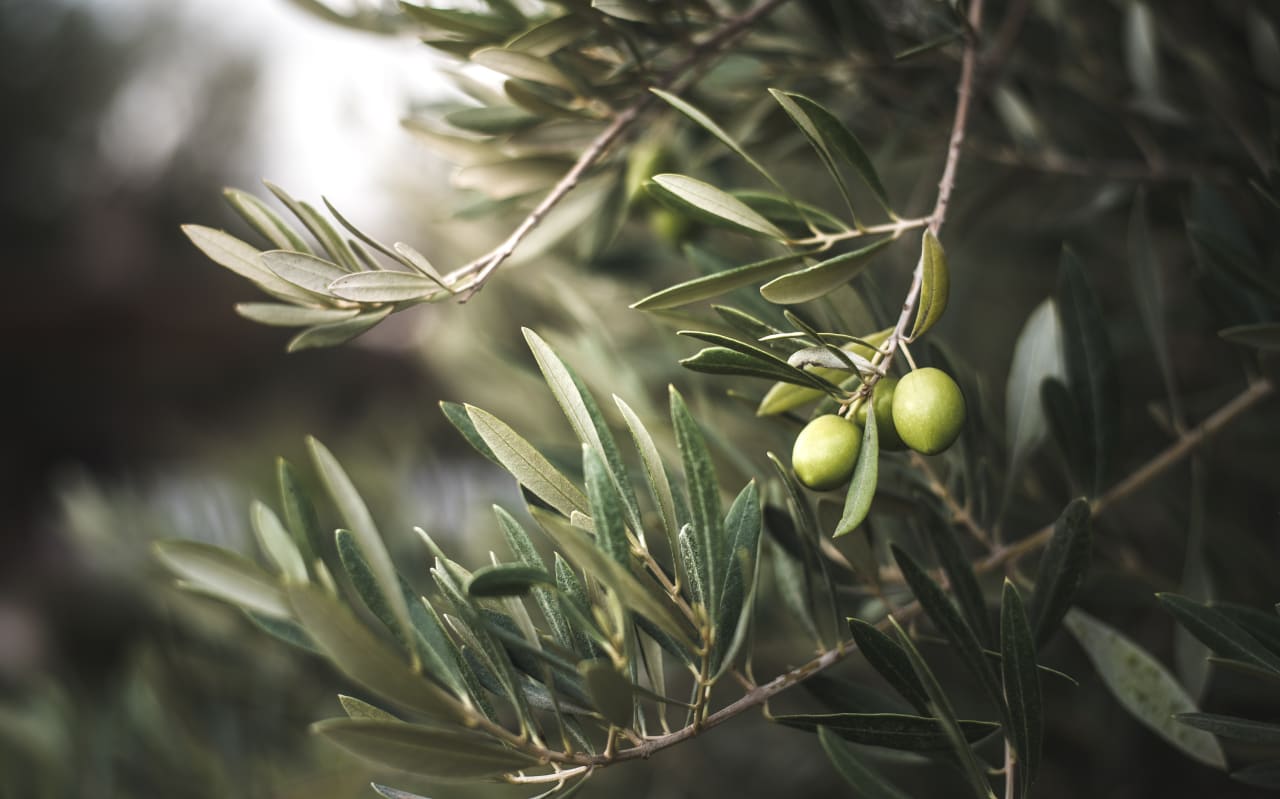
The olive tree (Olea europaea) is a tree of the Oleaceae family and one of the symbols of the Mediterranean region. Cultivated for 7,000 years, it was once revered by the Greeks and remains at the heart of the Mediterranean diet to this day. The olive tree's indispensable olive oil, to name but one, is commonly associated with a reduced risk of cardiovascular disease. Its powerful medicinal properties have been known since ancient times. Our ancestors already used olive leaves to dress wounds, to invigorate the body and to combat fever. Since then, science has highlighted the exceptional phytotherapeutic properties specific to olive leaves. This explains the growing demand for powders, infusions, extracts, and traditional preparations made from the stems of this tree, which is reputed to be immortal.

Read also: The Benefits of the Cretan Diet (rich in olive oil!)
What Are the Properties of Olive Leaves?

The olive leaf is the part of the tree that contains the bulk of its antioxidant properties. This is due to its high content of phenolic compounds. Polyphenols are known for their antioxidant, anti-hypertensive, blood-sugar-lowering, cholesterol-lowering, and antimicrobial properties. The predominant polyphenol in this attractive silvery leaf is oleuropein: it can contain up to 14 per cent of it, whereas olive oil contains no more than 0.12 per cent. It is, in fact, this compound that is responsible for the characteristic bitterness of the leaves and green olives. The leaves of Olea europaea also have the advantage of being rich in triterpenic acids, particularly oleanolic acid. Triterpenes possess anti-inflammatory and antimicrobial properties. Some are also being studied for their potential anti-tumour and antiviral effects.

Good to Know: The concentration of bioactive compounds in olive leaves varies depending on several factors, such as their geographical origin, how they are grown, climatic conditions, storage methods, and drying techniques. So be sure to choose your leaves carefully!

What Are the Benefits of Olive Leaves?

  • It is thought to protect our bodies against the pro-oxidant effects of free radicals. These are implicated in the deterioration of our cells and premature ageing

  • It may help lower blood glucose levels, i.e., the concentration of glucose in our blood. This is why it is sometimes recommended for people with diabetes

  • It is thought to help combat bad cholesterol, by reducing plasma levels of LDL and VLDL. By extension, it is thought to play a role in the prevention of cardiovascular risks

  • It helps to lower blood pressure, in particular by increasing the flexibility and dilation of the arteries. It use is beneficial in cases of high blood pressure.

  • It is thought to promote diuresis, meaning that it may increase urine production. This property makes it a natural ally in cases of oedema or kidney failure. 

How Should Fresh and Dried Olive Leaves Be Used?

Olive Leaf Tea: This is undoubtedly one of the simplest ways to enjoy the benefits of olive leaves using the raw material itself! Example of a herbal tea recipe: boil around twenty leaves in the equivalent of a large pot of water until the volume of liquid has reduced by half. Strain the mixture, add a little honey and enjoy up to twice a day (morning and evening).  

Olive Leaf Extract: You can find this type of product in organic shops or those specialising in herbal medicine. The most common extraction method involves the use of solvents, such as ethanol (or ethyl alcohol), in which the olive leaves are left to macerate for a long time in order to extract the main active ingredients. It comes in liquid form and can be taken neat or diluted in water.

Olive Leaf Capsules: Olive leaf extracts are also available in capsule form. Simply swallow them with a glass of water as part of a wellness course of treatment. This method of consumption has the advantage of being simple and convenient. However, it is always best to check that the product contains no additives or other excipients to which you might be allergic or which you would simply prefer to avoid.

Our 100% Natural Olive-Based Products

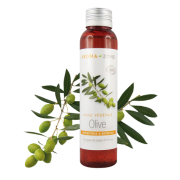
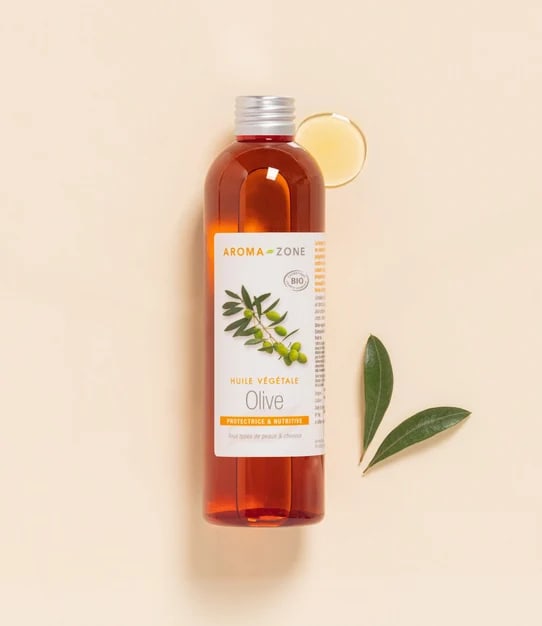
Organic Olive Oil

Suitable for both cosmetic and food use, this extra virgin vegetable oil is produced using a first cold-pressing process to help preserve its active ingredients. In the kitchen, it is ideal for seasoning fish dishes, grilled meats, and Mediterranean vegetables. It is also one of the key ingredients in the famous pistou, the southern French version of pesto.

Discover Organic Olive Oil

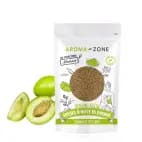
Olive Stone Powder Scrub

Use these finely ground fruit kernels to make your own homemade scrub. For example, you could mix 10g of powder with a tablespoon of olive oil. The resulting mixture can be used on your face and body (by increasing the quantities). It leaves the skin feeling smoother, more radiant, and toned.

Discover the Olive Stone Powder Exfoliator
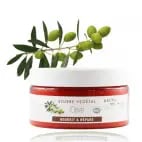
Olive Butter

Olive Butter

Use this plant-based butter as a cosmetic ingredient to nourish, protect, and soften your skin. Naturally rich in antioxidants, it helps prevent the appearance of signs of ageing and maximises comfort after harsh weather conditions. It is ideal for dry, mature, and irritated skin.

Discover Olive Butter

To find out more: discover the Benefits of Olive Oil for Hair.

Our Olive Oil-Based Recipes

Did you Know? Olive oil, like the olive leaf, has numerous benefits for our well-being. It is sometimes recommended for liver problems, gallstones, or irritation of the digestive tract. It is rich in omega-9 (oleic acid), a monounsaturated fatty acid known for its beneficial effects on cholesterol levels.

Precautions for Use

Food supplements are not a substitute for a varied and balanced diet or a healthy lifestyle. Follow the recommended dosage. Consult your doctor before taking olive leaf products internally. Bear in mind that they may be incompatible with your state of health, pregnancy, or any medication you are taking. This precaution applies to all medicinal plants.

Expert Advice

Would you like to try an olive leaf herbal tea? Make sure you choose high-quality dried leaves (preferably organically grown). The drying process is a critical stage, as it causes the plant cells to break down, exposing the leaves’ valuable phenolic compounds to enzymes. Once broken down by these enzymes, the phenols lose some of their beneficial properties.

Focus on Our Writer: Hélène Betoux

Hélène Betoux is a French beauty journalist specialising in web media. Every day she writes tips, advice, and guides to help consumers choose the right beauty products. With a strong interest in natural, organic, and clean cosmetics, she analyses and shares trends and innovations in the sector.

Bibliography

  1. Ibrahim E. H. et al., ‘Chemical and nutritional evaluation of olive leaves and selection of the optimum conditions for the extraction of their phenolic compounds’, J. Agric. Res. Kafr El-Sheikh Univ., pp. 445–459, Vol. 42(1), 2016.

  2. Ramirez E. M. et al., ‘Olive Leaf Processing for Infusion Purposes’ in Foods, volume 12, issue 591, 2023.

  3. Sedef N. El, Sibel Karakaya, ‘Olive tree (Olea europaea) leaves: potential beneficial effects on human health’ in Nutrition Reviews, volume 67, issue 11, 2009, pp. 632–638.

  4. Zafer Erbay, Filiz Icier, ‘The Importance and Potential Uses of Olive Leaves’ in Food Reviews International, volume 26, issue 4, October 2010, pp. 319–334.

  5. Gérard Debuigne, François Couplan, *Petit Larousse des plantes médicinales*, Larousse, 2009.

Frequently Asked Questions

Frequently Asked Questions

Associated tip