
Lipoedema is a condition characterised by an excessive and abnormal accumulation of subcutaneous fat, most commonly located in the lower part of the body, without affecting the feet. Unlike conventional weight gain, this condition develops symmetrically on the hips, thighs and sometimes the buttocks, giving the impression that the lower body is significantly wider than the upper body. This excess fat is particularly resistant to dietary changes and physical exercise. Those affected often report increased sensitivity, or even significant pain on touch, as well as a tendency to bruise easily. There are several stages of severity. In the early stages, the skin appears fairly smooth, but palpation already reveals small fatty nodules. As the condition progresses, the skin takes on an irregular appearance, marked by larger nodules. In advanced forms, the skin becomes leathery and thickened, and lymphatic oedema may also develop. This latter factor exacerbates functional discomfort and the sensation of heaviness.
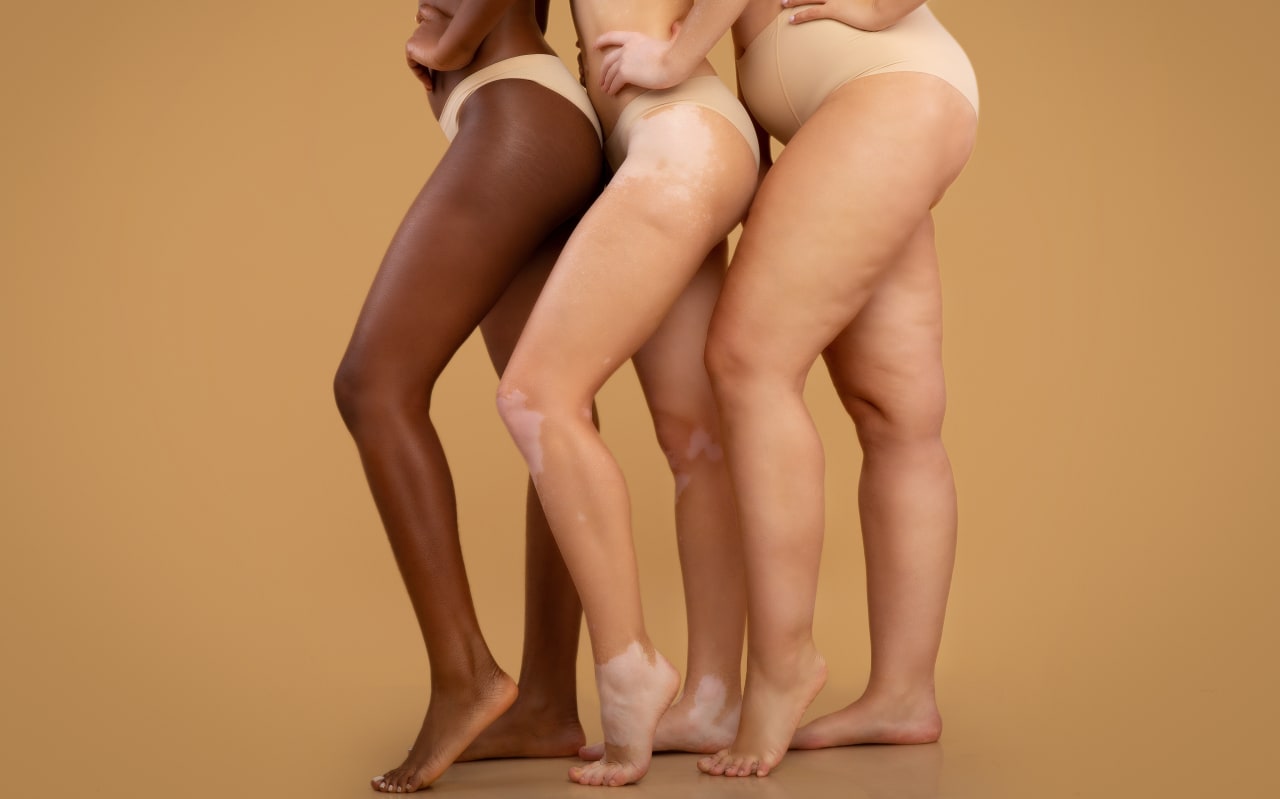
Lipoedema: causes and symptoms
Published on: Wednesday, February 19, 2025, Updated on: Friday, November 13, 2026
Abnormal swelling of the thighs, calves or even the ankles… Could it be lipoedema? This condition, which can be mistaken for being overweight or obese, can affect people of normal weight. Diagnosis is not always straightforward, hence the need for reliable information. Pain, tenderness to the touch and the appearance of bruises at the slightest pressure significantly disrupt the lives of those affected. An overview of its causes and symptoms.
Contents
Related products
£12.00
200 ml
Soothing
Anti-blemishes
£7.50
200 ml
What is lipoedema?
What causes this syndrome?
The exact cause of lipoedema remains poorly understood, although certain indications suggest that several factors may be involved.
A genetic predisposition
Many people affected report a family history of the condition. This hereditary link suggests the transmission of several genes that may alter the normal distribution of fat cells.
Hormonal factors
Lipoedema affects almost exclusively women. It often occurs during puberty, following a pregnancy or around the time of the menopause. Female hormones, particularly oestrogens and their fluctuations, therefore appear to play a major role in the onset and progression of this condition.
Localised inflammation
The abnormal proliferation of fat cells in the thighs or buttocks may be accompanied by the production of inflammatory mediators, such as cytokines. This inflammatory reaction weakens the small blood vessels, thereby promoting the appearance of bruises and discomfort that tends to worsen over time.
What are the associated symptoms?
Lipoedema is usually accompanied by:
Localised fat deposits: leading to a marked disproportion between the lower body (calves, thighs, hips, buttocks) and the upper body, which is often unaffected.
Pain on touch: a burning sensation, discomfort or skin hypersensitivity may occur.
Frequent bruising: bruises are sometimes caused by minor knocks or pressure.
Feeling of heaviness: the legs seem to ‘weigh’ more, especially towards the end of the day
Possible swelling at the end of the day: the ankles, in particular, may swell when the person stands for long periods.
Persistence despite exercise or dietary changes: calorie restriction and physical exercise have a limited effect on the swelling of the affected limbs.
Social withdrawal: the visible nature of this condition can cause significant psychological distress.
Our natural solutions to reduce fluid retention and lighten the body
Alongside medical care, simple, natural approaches can help alleviate the discomfort:
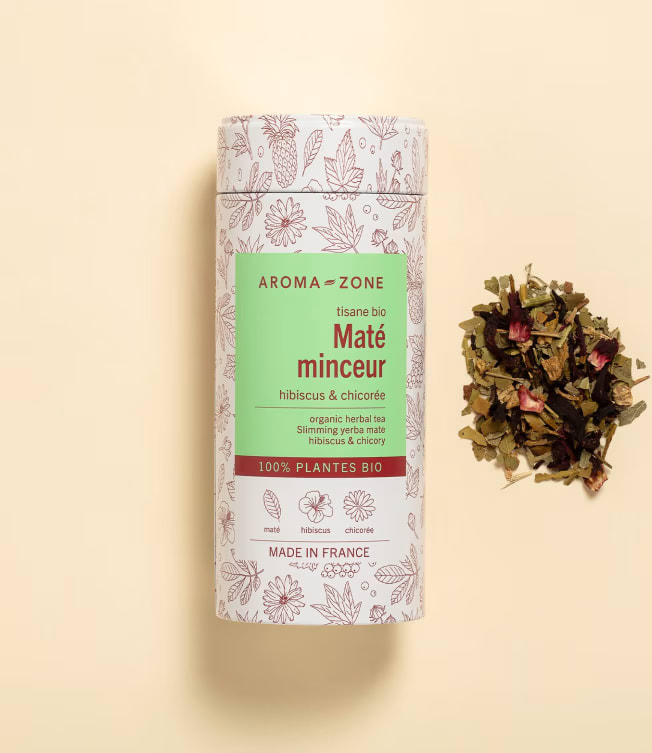
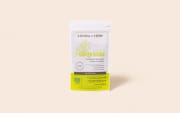
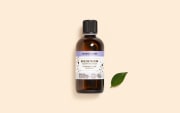
Organic Slimming Maté Herbal Tea: deliciously tangy, this Organic Slimming Maté herbal tea will win you over with its beautiful rosy colour and its fruity, invigorating flavour. It combines maté leaves – known for their stimulating and draining effects – with a blend of organic herbs selected for their detoxifying properties and pleasant flavour: hibiscus flowers, blackcurrant leaves, chicory root and pineapple. With no added flavourings, this Slimming herbal tea, made in France, can be enjoyed hot or cold to support you in your fitness routine.
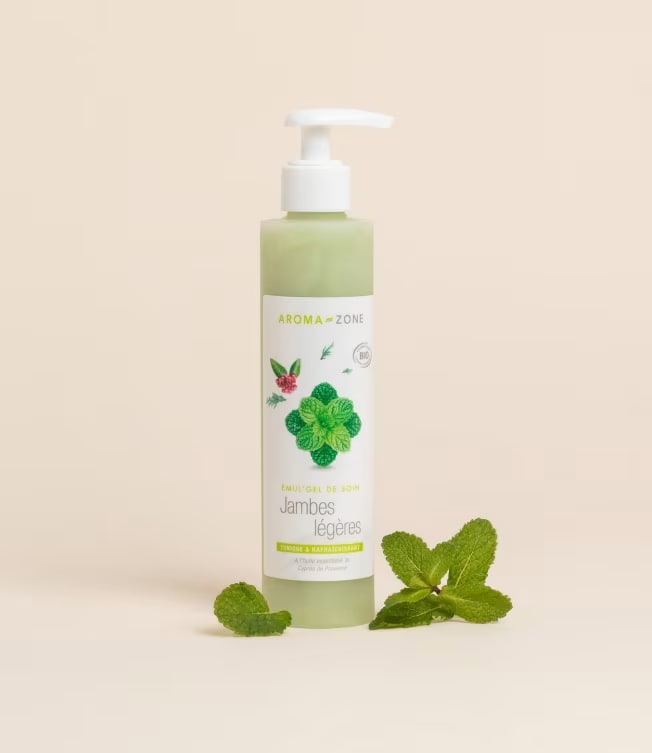
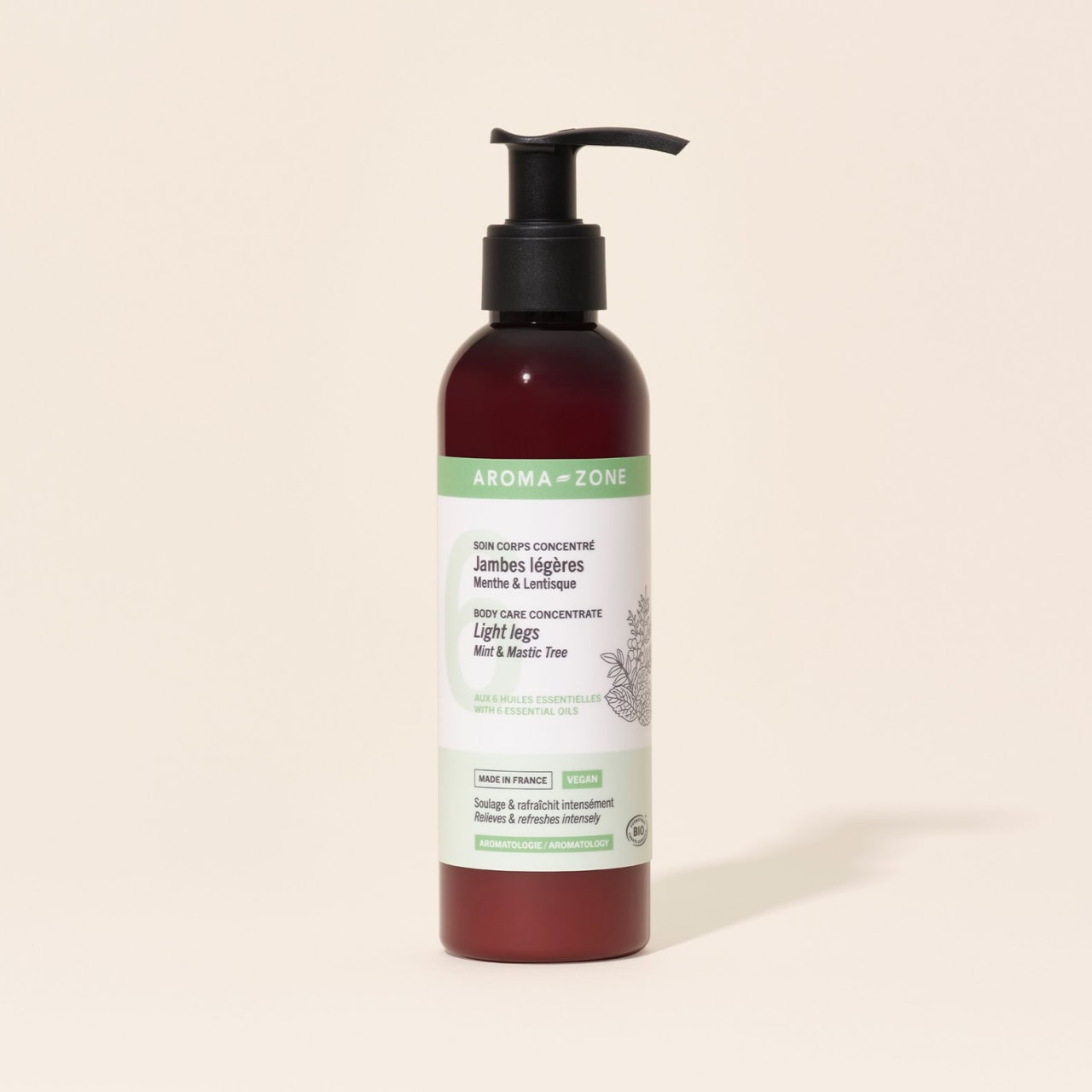
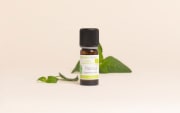
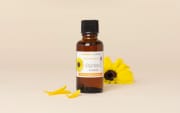
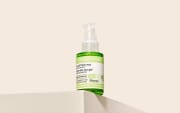
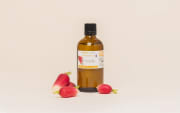
Light Legs Care Gel: this cream gel is a concentrate of natural active ingredients combining the essential oils of mastic, Provençal cypress and peppermint, renowned for their toning, decongestant and refreshing properties. Its melt-in, easily absorbed texture, combined with this blend of essential oils, makes it an ideal choice for a relaxing massage. Do not use on children, or on pregnant or breastfeeding women. Do not use on irritated or broken skin, or on mucous membranes.
What routine should you follow?
A consistent daily routine can help to reduce the discomfort. Here is a suggested routine:
Morning – Lukewarm to cold shower: alternate between lukewarm and cooler water on the legs to stimulate venous return (from the bottom up).
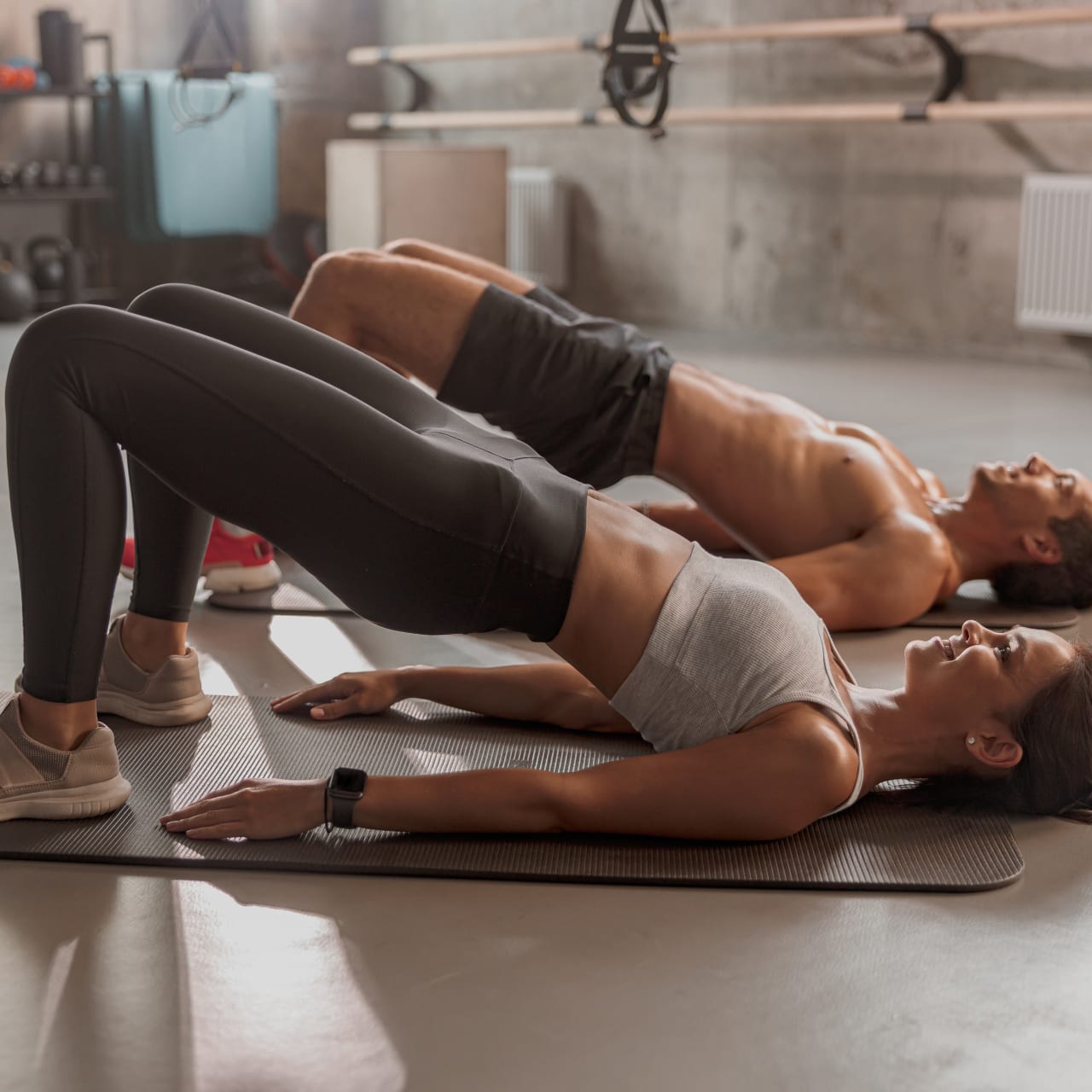
Moderate physical activity: walk for about fifteen minutes or use an exercise bike. The aim is to improve circulation without overexerting yourself.
Lunch break – quick self-massage: whilst seated, make a few circular movements around your knees, then on your thighs.
Late afternoon – foot soak: soak your feet and ankles in lukewarm water with Epsom salts, then pat them dry gently.
Before bed: raise your legs slightly using a cushion. This helps to promote lymphatic drainage and rest.
Related Aroma-Zone recipes to help relieve the sensation of heavy legs


Precautions to take
Lipoedema requires medical supervision to confirm the diagnosis and to consider a comprehensive treatment plan. The products mentioned, whether from Aroma-Zone or traditional remedies, are no substitute for a medical consultation or the treatments recommended by a healthcare professional.
Expert advice
Cold can help relieve lipoedema by reducing inflammation and promoting blood and lymphatic circulation. Applying cold locally reduces the feeling of heaviness and minimises oedema. Although cryolipolysis is sometimes considered, its effectiveness for lipoedema varies from person to person and requires medical advice.
Meet our expert writer: Stéphanie Le Guillou

Stéphanie is a pharmacist (since 2010) and holds a PhD in molecular biology (since 2012). Passionate about writing, she has been producing medical content for nearly 15 years. Her aim is to make information accessible and easy to understand, whilst always maintaining scientific accuracy.
Bibliography
ameli.fr. Lipoedema: symptoms and diagnosis. November 2024.

Frequently Asked Questions
Associated tips
Physical activity tips

Weight management


