
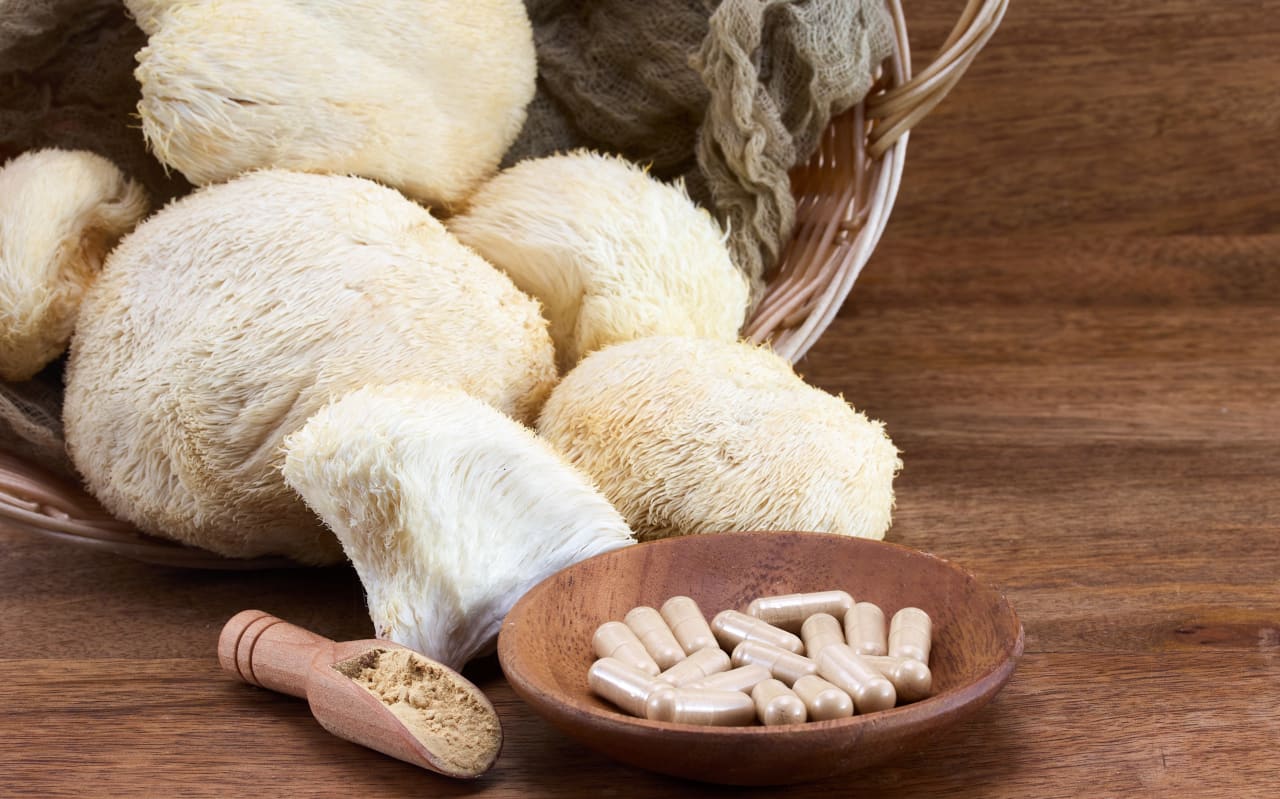
Lion's mane, or Hericium erinaceus, belongs to the Hericiaceae family. This white mushroom, covered in filamentous "tufts," grows naturally on the trunks of deciduous trees in Asia and Europe. The part used is the carpophore (the visible "fruit"), which is dehydrated and then ground into powder or concentrated through hydro-alcoholic extraction. Erinacins and hericenones, diterpenes with an aromatic structure, have shown in vitro an ability to activate the production of nerve growth factor (NGF), a protein factor essential for the survival of neurons. Beta-glucans, polysaccharides found in cell walls, also exert an immunomodulatory effect: they modulate the activity of macrophages (cells responsible for eliminating pathogens) without overstimulating them. Lion's mane is widely marketed as a dietary supplement.
Lion’s Mane: What Are the Benefits?
Published on: Friday, July 18, 2025, Updated on: Wednesday, October 28, 2026
Lion’s mane mushroom is now gaining popularity among the general public. Its nutritional profile, rich in polysaccharides and aromatic compounds called hericenones and erinacines, is attracting the interest of neuroscientists. It is available in powder, concentrated extracts, or capsules. However, clinical studies remain inconsistent, and regulations strictly limit permitted claims. What are the uses and limitations of this mushroom?
Contents
Related products
What is lion’s mane?
When should it be taken? In what situations?
Cognitive support during ageing
Several trials involving adults aged 50 and older with mild memory impairment observed a moderate improvement in recall scores after 12 weeks of supplementation at 3 g/day, compared to placebo.
Periods of intensive learning
For students or professionals required to maintain focus for long periods, occasional use (1 g/day) did not significantly alter information processing speed in a single-dose protocol. Researchers suggest using it over several weeks to achieve a measurable effect.
Mood support
A pilot study in postmenopausal women reported a reduction in irritability and anxiety after 4 weeks at 2 g/day, but the small sample size limits the scope of the conclusion.
Post-surgical digestive recovery
Its high beta-glucan content promotes gut microbiota diversity, which is beneficial when resuming eating after minor surgery. However, no official recommendations currently exist.
What are the benefits of this mushroom?
Here are the main benefits:
Working memory: Modest improvement in performance on delayed recall tests after a 12-week course of treatment.
Mental clarity: Some subjects report a reduction in cognitive fatigue; the subjective effect remains variable.
Support for neural plasticity: Erinacines promote NGF expression observed in cell culture; extrapolation to humans is still debated.
Emotional balance: Lower scores for mild depression in a small controlled trial.
Digestive health: Rich in fibre and non-digestible polysaccharides, sources of fermentation beneficial for the microbiota.
Immune support: Modulation of pro-inflammatory cytokines observed in animals; clinical confirmation required.
What are the possible side effects of lion’s mane? Can this mushroom pose any risks?
Clinical studies mainly report minor gastrointestinal disturbances (bloating, nausea) and occasionally skin reactions in individuals allergic to Basidiomycetes. To date, a daily dose of 1 g to 3 g over 16 weeks is considered well tolerated. Animal data suggest a possible inhibition of platelet aggregation; caution is therefore advised in patients treated with anticoagulants or antiplatelet agents. As a precaution, use is not recommended during pregnancy, breastfeeding, or in children.
Who Can Use the Hericium Erinaceus Mushroom?
Adults for the prevention of cognitive decline
Lion's mane is of particular interest to individuals with mild cognitive impairment associated with normal ageing. In a Japanese randomised trial, 3g of fruiting body powder improved scores on the Mini-Mental State Examination at weeks 8, 12, and 16, with benefits diminishing four weeks after discontinuation, highlighting the need for prolonged use. For adults over fifty, the literature therefore suggests a dosage range of 1g to 3g per day of extracts standardised to contain at least 30% polysaccharides, under medical supervision to verify safety and individual clinical benefit.
Students seeking to improve their concentration
Research conducted in healthy young adults remains exploratory. A double-blind pilot trial involving 41 volunteers aged 18 to 45 showed, after a single dose of 1.8 g, faster completion of the Stroop test at 60 minutes and a trend toward reduced stress after 28 days; however, several cognitive domains were unaffected, and the sample size was limited. For students, regular intake (≥ 4 weeks) of 1 g/day combined with sufficient sleep and a balanced diet is therefore the strategy most consistent with the available data.
Athletes in intensive training
Nutritionally, the dried fruiting body contains approximately 26% protein and a high content of fermentable fibre, a beneficial contribution to supporting muscle repair and the health of the microbiota. Furthermore, lion’s mane is not included on the World Anti-Doping Agency’s 2025 Prohibited List; therefore, it does not expose athletes to the risk of a positive test, provided they choose a product free of contaminants.
People following a vegetarian or vegan diet
Hericium erinaceus is a significant plant-based source of essential amino acids, with a more complete profile than many terrestrial plants; 100g of powder provides up to 22g of protein and nearly 8g of dietary fibre, as well as B vitamins and trace minerals. β-glucan fibres promote the production of short-chain fatty acids (SCFAs) by colonic flora, contributing to the integrity of the intestinal barrier. However, the mushroom contains neither Vitamin B12 nor calcium in significant amounts; it therefore complements, rather than replaces, a well-planned plant-based diet that includes legumes, oilseeds, and fortified foods.
What regimen should you follow?
Here is a suggested regimen for starting Lion’s Mane:
Conduct a basic medical assessment (medications, allergies).
Choose an extract standardized to 30% polysaccharides; check the label.
Start with 1 g in the morning for one week to test tolerance.
Gradually increase to 3 g/day, divided into two doses before main meals.
Schedule a one-week break every eight weeks to limit habituation.
Keep a journal: assess memory, sleep, and digestion; adjust the dose as needed.
What are Aroma-Zone’s natural solutions?
Natural alternatives can offer benefits similar to those of Lion’s Mane:
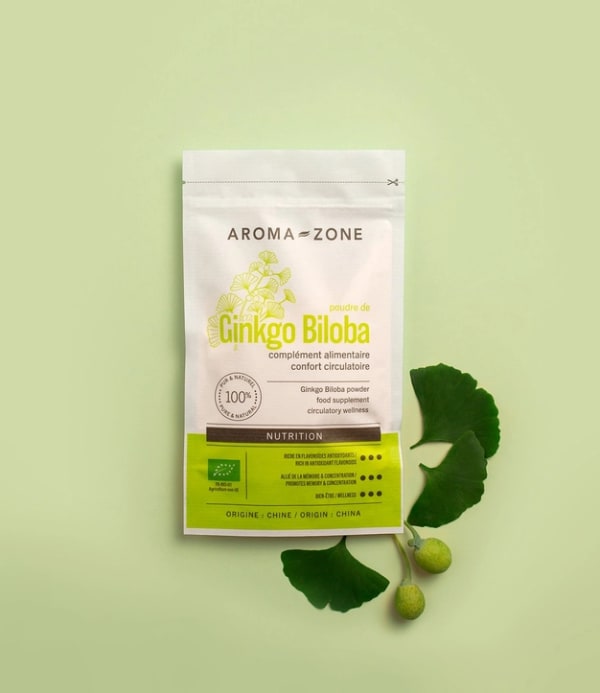
Effects on memory, Organic Ginkgo Biloba Powder: This 100% natural organic Ginkgo biloba powder is rich in flavonoids, known for their antioxidant effects and their tonic action on blood circulation. Traditionally used to support cognitive function, it promotes memory and concentration. The recommended daily intake is ½ teaspoon (500-750mg) in a hot beverage, juice, or as a dietary supplement. Certified organic (Ecocert FR-BIO-01), it comes in an 80g pouch with packaging that is mostly recyclable. For adult use only. Store away from light, heat, and humidity. This product is not a substitute for a varied and balanced diet.
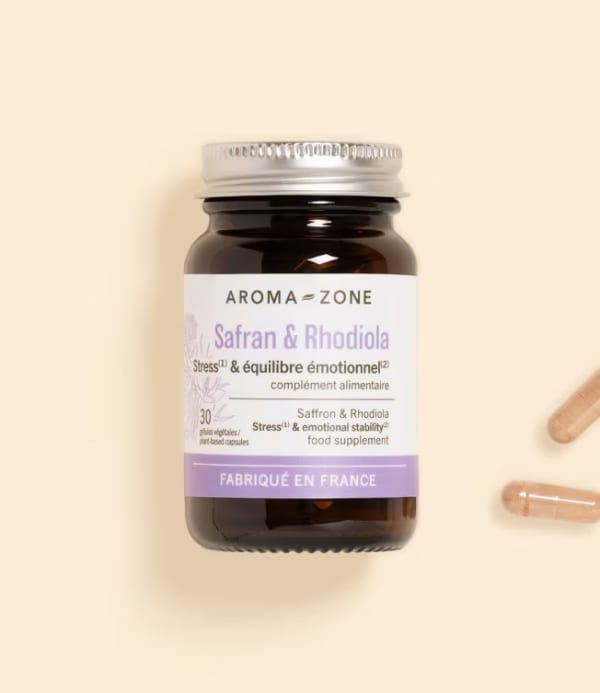
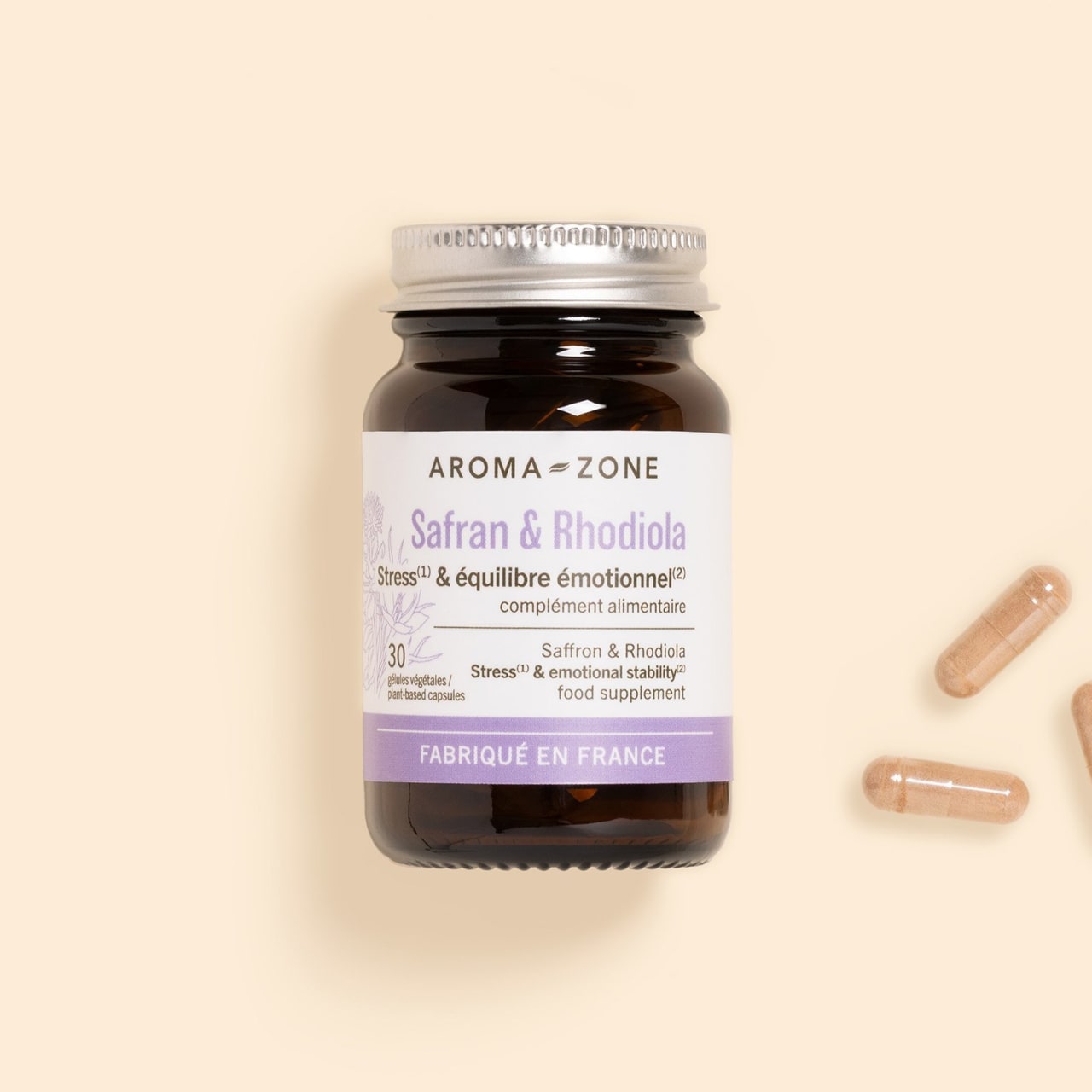
Emotional balance, Saffron & Rhodiola - 30 capsules - Dietary supplement: The saffron and rhodiola synergy consists of 30 vegan capsules, manufactured in France, combining Safr'Inside™, a concentrated saffron extract with proven effects on mood and sleep quality, and Rhodiolife®, a rhodiola extract rich in rosavins and salidroside, known as an adaptogen. This formula is designed to reduce stress, ease tension, stabilise emotions, improve resistance to mental or physical stress, and alleviate mood swings during menstrual cycles or menopause. The recommended dosage is 1 capsule per day, taken with a glass of water. Intended exclusively for adults, this supplement is not recommended during pregnancy, while breastfeeding, or when taking antidepressants.
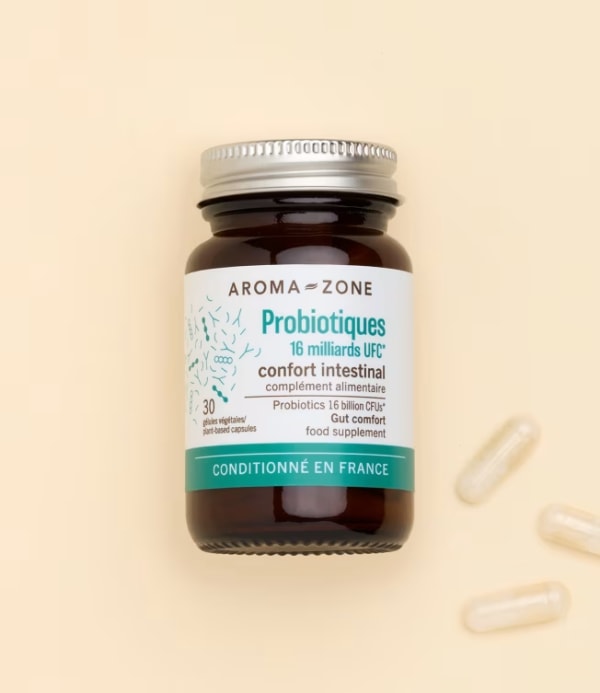
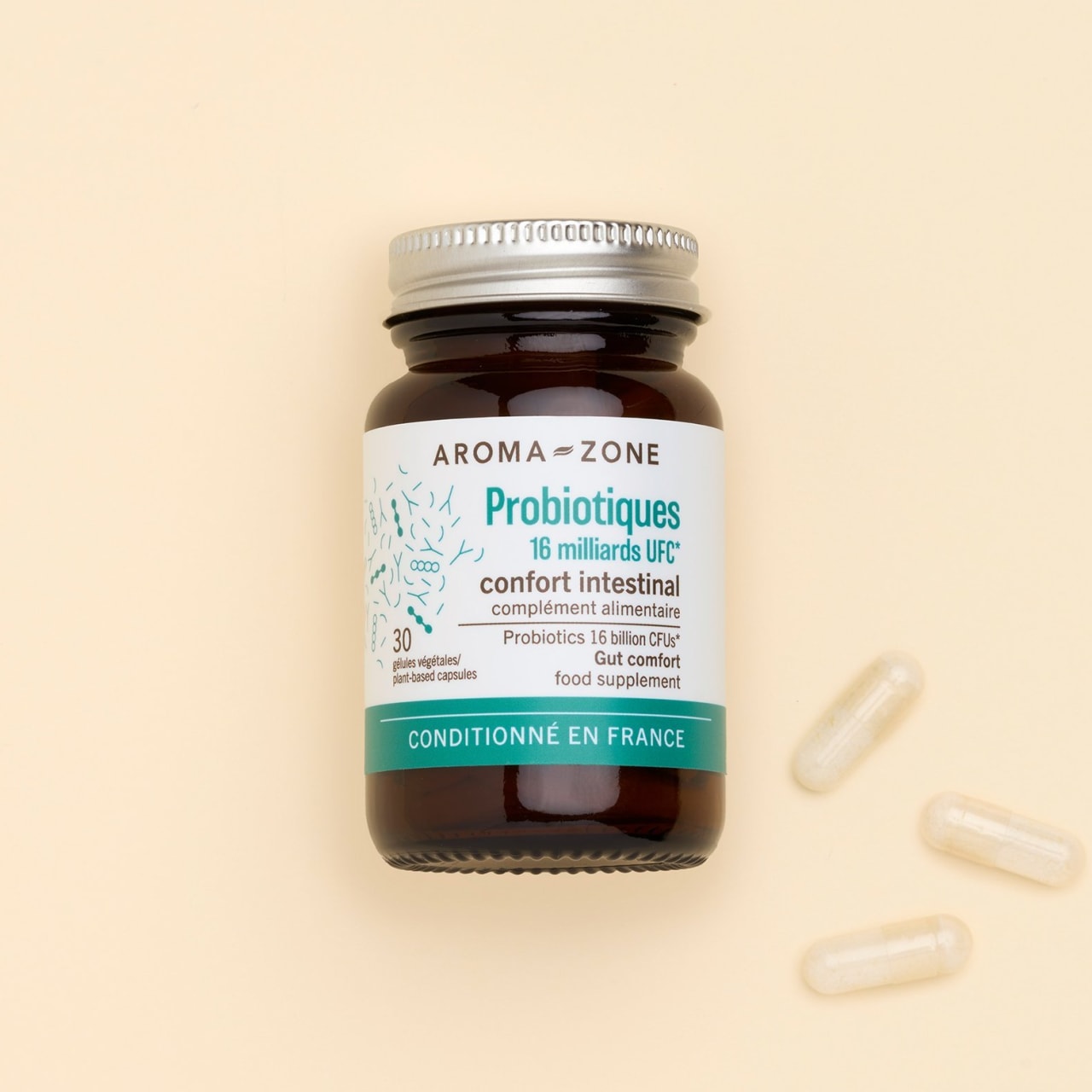
Digestive Health, Probiotics for Digestive Comfort - Dietary Supplement: The Probiotics Intestinal Comfort supplement offers 30 vegan capsules designed and packaged in France. Each capsule contains 16 billion CFU* of probiotics (5 bio-clinically studied strains: Lactobacillus plantarum LP01, Bifidobacterium breve BR03, and the patented SynbÆctive® Smilingut complex with 3 strains) combined with 146mg of prebiotic acacia fibre. These enteric-coated capsules protect the strains until they reach the intestine, promoting smooth digestion, intestinal comfort, and a balanced gut flora, useful for sluggish digestion or when travelling. Dosage: 1 capsule per day, with a glass of water. For adults only; not recommended for pregnant or breastfeeding women; store away from light, heat, and humidity.
Related recipes
Precautions for use
Certain lipophilic fractions of lion's mane, notably hericenone B, inhibit platelet aggregation in vitro, an effect confirmed by a comparative screening of eight edible mushrooms. Although clinical trials have not reported major bleeding, caution is warranted in patients treated with vitamin K antagonists, direct thrombin inhibitors, antiplatelet agents, or those scheduled for surgery. Safety has not been established in cases of thrombocytopenia or advanced liver disease, conditions in which haemostasis is already compromised. Individualised medical advice before starting supplementation is therefore essential, and discontinuation of the supplement two weeks prior to an invasive procedure is generally recommended, similar to other substances with antiplatelet potential. Furthermore, lion's mane mushroom should not be used as a substitute for a varied diet and a balanced lifestyle. Follow the daily doses indicated by the manufacturer and consult a healthcare professional if you are taking other medications or have a chronic condition.
Expert Advice
Lion’s mane is a potential ally for maintaining cognitive function when incorporated into a consistent lifestyle: regular physical activity, a diet rich in a variety of plant-based foods, sufficient sleep, and stress management. Careful monitoring of individual tolerance, the quality of the chosen extract, and consistency of use matter more than marginally increasing the dose. Combining this approach with well-documented adaptogenic herbs, such as ginseng or rhodiola, can create a gentle yet noticeable synergy over the medium term.
Meet Our Expert Writer: Stéphanie Le Guillou

Stéphanie is a pharmacist (since 2010) and holds a PhD in molecular biology (since 2012). Passionate about writing, she has produced medical content for nearly 15 years. Her goal is to make information accessible and easy to understand, without ever sacrificing scientific accuracy.
Bibliography
Maša Černelič Bizjak, Zala Jenko Pražnikar, Saša Kenig, Matjaž Hladnik, Dunja Bandelj, Andrej Gregori, Katja Kranjc. Effect of erinacine A-enriched Hericium erinaceus supplementation on cognition: A randomized, double-blind, placebo-controlled pilot study.
Journal of Functional Foods. Volume 115, 2024, 106120, ISSN 1756-4646.
Cha S, Bell L, Shukitt-Hale B, Williams CM. A review of the effects of mushrooms on mood and neurocognitive health across the lifespan.
Neurosci Biobehav Rev. 2024 Mar;158:105548.
Sara Cha, Lynne Bell, Barbara Shukitt-Hale, Claire M. Williams. A review of the effects of mushrooms on mood and neurocognitive health across the lifespan.
Neuroscience & Biobehavioral Reviews, Volume 158, 2024.
Mori K, Inatomi S, Ouchi K, Azumi Y, Tuchida T. Improving effects of the mushroom Yamabushitake (Hericium erinaceus) on mild cognitive impairment: a double-blind placebo-controlled clinical trial.
Phytother Res. 2009 Mar;23(3):367-72.
Docherty S, Doughty FL, Smith EF. The Acute and Chronic Effects of Lion's Mane Mushroom Supplementation on Cognitive Function, Stress, and Mood in Young Adults: A Double-Blind, Parallel-Group Pilot Study.
Nutrients. 2023 Nov 20;15(22):4842.
Meyer F, Hutmacher A, Lu B, Steiger N, Nyström L, Narciso JO. Vegan shrimp alternative made with pink oyster and lion’s mane mushrooms: Nutritional profiles, presence of conjugated phenolic acids, and prototyping.
Curr Res Food Sci. 2023 Aug 19;7:100572.
Mori K, Kikuchi H, Obara Y, Iwashita M, Azumi Y, Kinugasa S, Inatomi S, Oshima Y, Nakahata N. Inhibitory effect of hericenone B from Hericium erinaceus on collagen-induced platelet aggregation.
Phytomedicine. 2010 Dec 1;17(14):1082-5.



