Lemons and bloating: what’s the link?

Lemons and bloating: what’s the link?


By Marine Leleux

Published on: Wednesday, December 11, 2024, Updated on: Wednesday, September 30, 2026

The lemon, that tangy citrus fruit we love so much in our dishes, is much more than just an essential ingredient in our kitchens. It is, in fact, renowned for its beneficial effects on our digestive system, particularly when it comes to bloating. Why is lemon so effective for our digestive wellbeing? What are the best ways to consume it? In this article, let’s explore the link between lemons and bloating, whilst sharing tips and advice on how to make the most of this fruit’s benefits in combating these discomforts.

Contents

Related products

Bloating: what is it?

bloating is characterised by a feeling of tightness and swelling in the abdomen, often associated with excess gas in the intestinal tract.

What causes this gas in the intestines?

This phenomenon generally occurs when food ferments in the gut, which can happen when digestion is too slow. There are several factors that can trigger intestinal fermentation and lead to bloating, such as eating high-fibre foods, pulses (chickpeas, lentils, split peas, beans), cabbage or dairy products. Frequent consumption of fizzy drinks can also cause bloating. It should be noted that bloating can also be a sign of a more underlying imbalance, such as irritable bowel syndrome or food intolerances. Although bloating is generally a benign symptom, it can cause significant discomfort, particularly when it becomes chronic. Fortunately, there are simple, natural solutions to relieve the feeling of bloating and restore optimal digestion: lemon is one of them.

Why should you eat lemons?

There are many reasons to consume lemons:

Because it is rich in vitamin C and antioxidants

Lemons are renowned for being rich in vitamin C,, which is essential for supporting your immune system, maintaining good energy levels and promoting the synthesis of collagen for clear, radiant skin. In addition to vitamin C, lemons contain many other antioxidants such as flavonoids, which protect your cells against free radicals, thereby reducing the risk of premature ageing.

Because it aids digestion and has an alkalising effect

Thanks to its acidity, lemon can gently stimulate bile production, thereby aiding the digestion of fats and helping to reduce bloating and nausea. Although it tastes sour, it has an alkalising effect on the body, helping to restore the body’s acid-base balance. Be careful, however: its acidity can sometimes irritate sensitive stomachs.

Because it helps to detoxify the body

Lemons are recognised for their detoxifying properties thanks to their high content of vitamin C, antioxidants and organic acids, which support the liver’s natural detoxification functions. By stimulating bile production, they help eliminate accumulated toxins and improve digestive transit. Its diuretic properties also help the kidneys flush out waste products. By incorporating lemon into a balanced routine, it can contribute to a more radiant complexion, increased energy and a general feeling of lightness.

Because it improves the appearance of the skin

Rich in vitamin C, lemons promote optimal collagen production, which is essential for firm, smooth and radiant skin. Its purifying properties also make it a great ally for reducing excess sebum and soothing skin prone to acne.

Because it has benefits for weight management

Lemons support an active metabolism and help to eliminate toxins effectively, thereby promoting optimal bodily balance. What’s more, its mild appetite-suppressing effect makes it a valuable ally for anyone wishing to control their appetite or lose weight.

The benefits of lemon for digestion and excessive flatulence

Lemons are particularly beneficial for our digestive system:

  • It stimulates bile production: thanks to its natural acidity, lemon supports liver function, thereby aiding the digestion of fats

  • It soothes nausea: when consumed diluted in lukewarm water, it can relieve mild nausea or digestive discomfort

  • It helps reduce bloating: it helps to relieve feelings of heaviness after a heavy meal

  • It supports acid-base balance: although it tastes acidic, it has an alkalising effect after digestion

  • It improves bowel function: its soluble fibre content, particularly in the peel, can promote healthy bowel function.

Please note, however, that if you experience persistent abdominal pain, do not hesitate to consult your GP to discuss your health.

Bloating and lemons: what’s the link?

Lemons can be a valuable ally in relieving bloating . They contain active compounds that work effectively on digestive processes, providing noticeable relief. Very often, the build-up of gas in the gut is the result of poor digestion. When the body struggles to digest fats, they can become trapped, leading to fermentation and the production of gas. By promoting the release of bile by the liver, lemon helps to facilitate the digestion of high-fat foods, thereby reducing gas and discomfort. But that’s not all! Lemon also has a diuretic effect thanks to its potassium content, which helps eliminate excess fluids and toxins, helping to reduce the feeling of abdominal bloating. In short, lemon is a real ally in improving digestion and alleviating digestive discomfort.

How can you use lemons to support liver health and combat bloating?

Lemons can be consumed in various forms, allowing you to tailor your intake to your preferences and current needs: 

  1. As a tea: Lemon tea is one of the simplest and most enjoyable ways to enjoy its benefits. It is made using dried lemon zest, which is rich in beneficial active ingredients. To make it, pour 200 ml of boiling water over half a teaspoon of zest, then leave to infuse for around 10 minutes before drinking. To enhance the effects of lemon, do try combining it with ginger.

  2. As fresh lemon juice: Drinking fresh lemon juice is a straightforward and effective way to reap all the benefits of this fruit. Simply squeeze half a lemon into hot water, and you’ll have a comforting drink, ideal for stimulating the digestive system and boosting hydration first thing in the morning. Take care, however, if you have a sensitive stomach.

  3. As an essential oil: Lemon essential oil is ideal for those looking for a concentrated way to enjoy the benefits of lemon. It can be used in aromatherapy, via a diffuser, or diluted in vegetable oil for massages. Opt for the furocoumarin-free version for use on the skin.

  4. As zest: Lemon zest is full of aroma and nutrients. You can grate it fresh over your dishes, salads or even desserts to add a touch of freshness and flavour.

How should I store my lemon juice so I can drink it first thing in the morning on an empty stomach?

To save time during the week, you can easily prepare your lemon juice in advance. To preserve its nutritional value, you can freeze the lemon juice in ice cube trays. In the morning, all you need to do is take a lemon juice ice cube and add hot water to it to prepare your digestive drink in no time at all.

Is it good to drink lemon water every day?

Drinking lemon water daily can aid digestion and boost your intake of vitamin C, an antioxidant essential for immune health. Ideally, lemon juice mixed with lukewarm water can be taken on an empty stomach or after a heavy meal to relieve feelings of heaviness and bloating. However, lemon can weaken tooth enamel over the long term. To avoid this problem, it is advisable to rinse your mouth with plain water after drinking it and to use a protective toothpaste. For people with a sensitive stomach, particularly those suffering from gastro-oesophageal reflux or gastritis, the acidity of lemon can irritate the stomach lining and aggravate symptoms. In such cases, it is best to limit or avoid this practice and consult a healthcare professional for suitable alternatives.

Our natural lemon-based remedies that can help reduce bloating

Organic Sicilian Lemon Essential Oil.jpg

Organic Sicilian Lemon Essential Oil: this essential oil is recognised as a digestive tonic, appetite stimulant, carminative, general purifier and liver function regulator. Avoid exposure to sunlight for at least 8 hours after applying this highly photosensitising oil. For topical use, it is recommended to use lemon essential oil without furocoumarins. Irritating when used undiluted; use well diluted. Not recommended during the first three months of pregnancy.

Organic Lemon Detox Herbal Tea: fresh, lemony and aromatic, the Organic Lemon Detox herbal tea combines a blend of herbs renowned for supporting liver function and promoting detoxification. A blend of rosemary, blackcurrant, peppermint, nettle, lemon and lemongrass, this delicious herbal tea is made mainly from plants grown in France using organic farming methods. A true ally for your detox regimes, this caffeine-free herbal tea can be enjoyed throughout the day.

To complement the beneficial effects of lemon on digestion when suffering from bloating, here are a few tried-and-tested natural remedies to try to soothe your stomach in the event of excessive intestinal gas. 

Activated vegetable charcoal: Charcoal has a microporous structure that allows it to naturally absorb gas, thereby reducing the feeling of a bloated stomach. It also promotes the growth of good bacteria in the gut. To reap its benefits when suffering from bloating, take up to half to one tablespoon of powdered charcoal mixed into a glass of water with each meal. 

Discover activated vegetable charcoal

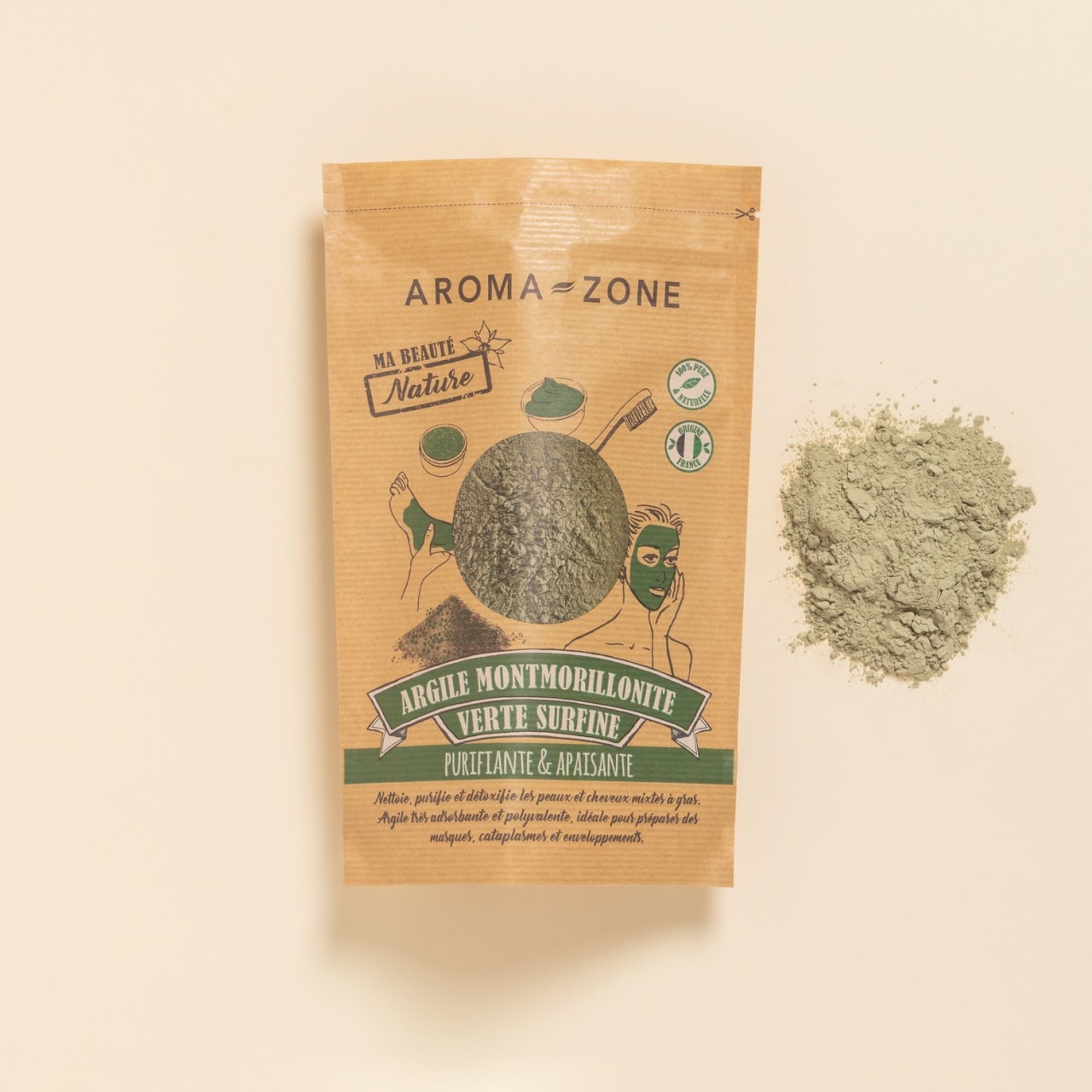
Green clay: Rich in minerals, green clay acts as a digestive soother, calming intestinal irritation and absorbing the gas responsible for bloating. To make the most of it, dissolve a teaspoon of clay in a glass of water, leave to stand for a few hours, then drink only the water (without the clay sediment).

Discover ultra-fine green montmorillonite clay

Mint herbal tea: Peppermint (Mentha piperita) contains menthol, an active ingredient that acts as a natural antispasmodic, relaxing the intestinal muscles and helping to expel gas. To prepare your herbal tea, steep 1 teaspoon of tea in 200 ml of boiling water and drink after each meal. 

Discover the Organic Digestive Mint Herbal Tea

Bicarbonate of soda: Thanks to its alkaline properties, bicarbonate of soda can neutralise excess acidity in the stomach and reduce the risk of putrefaction in the gut, making it easier to pass excess gas. To prepare it, dissolve half a teaspoon of bicarbonate of soda in a glass of lukewarm water, stir well, then drink slowly if you’re experiencing discomfort.

Find out more about bicarbonate of soda

Our best Aroma-Zone recipes featuring lemon

Precautions for use

Sicilian lemon essential oil:

  • Not recommended during the first three months of pregnancy

  • Avoid exposure to sunlight for at least 8 hours after applying this highly photosensitising oil.

Activated vegetable charcoal:

  • For adult use only.

  • Pregnant or breastfeeding women and those taking medication should seek advice from a healthcare professional before taking any supplements.

  • Take at least 2–3 hours apart from any medication or the contraceptive pill. This is because, due to its absorbent properties, charcoal may reduce the effectiveness of active ingredients.

Montmorillonite green clay: due to its high adsorption capacity, clay may reduce the effectiveness of medicines and the contraceptive pill: always take them at least 3–4 hours apart from taking the clay.

Expert advice

Don’t hesitate to add a few seeds of fennel to your dishes, alongside lemon, to benefit from their subtle yet effective digestive properties. A small amount is enough to aid digestion and prevent digestive problems after a meal. For a more intensive effect, fennel seeds can also be taken in capsule form, available online or from organic shops.

Spotlight on Our Naturopathic Writer, Marine Leleux

Marine is a naturopath specialising in children's well-being and is also a parenting coach. With 10 years' experience in supporting families, she draws on her experience to help her community by sharing natural, caring advice.

Bibliography

  1. Digestive Disorders: Understanding and Treating Them with Herbs by Michel Pierre,

    Éditions du Dauphin, 2018.

  2. Natural Digestive Health, by Dr Jean-Paul Curtay,

    Terre Vivante, 2016.

Frequently Asked Questions

Frequently Asked Questions