Konjac: what is it?

Konjac: what is it?


By Stéphanie Catrysse

Published on: Thursday, February 29, 2024, Updated on: Thursday, November 05, 2026

Have you heard of konjac? This plant, native to South Asia, offers a multitude of health benefits, ranging from weight management to blood sugar regulation and digestive health. In this guide, let’s dive together into the world of konjac, its benefits, and its various uses for weight loss. Discover this ally for your well-being with us!

Contents

Related products

Konjac: what is it?

Konjac, also known scientifically as Amorphophallus konjac, is a plant native to Southeast Asia, primarily Japan, China, and Korea. Cultivated for centuries in this region, konjac is valued there both for its culinary uses and its medicinal properties.

The part of the plant primarily used is the tuber. It is rich in soluble fibre, including glucomannan, which is particularly renowned for its exceptional ability to absorb water and form a viscous gel in the stomach, giving it unique properties for weight management and blood sugar regulation.

Konjac: what are its benefits?

Konjac offers numerous benefits, mainly due to its high content of glucomannan, a soluble fibre derived from its tuber.

Proven effects on cholesterol and weight: According to the EFSA, consuming at least 4 g/day of glucomannan helps maintain normal cholesterol levels, and taking 3 g/day, divided into three 1-g doses before meals, can contribute to weight loss as part of a low-calorie diet.

Potential prebiotic: Some research suggests that konjac fibre may feed beneficial gut bacteria and promote a balanced microbiota, but these effects have yet to be confirmed.

Possible support for bowel regularity: Due to its high water-retention capacity, glucomannan can increase stool volume and promote bowel movement, which explains its traditional use against constipation.

Effects on blood sugar levels: Some studies suggest that glucomannan may slow the absorption of carbohydrates and thus contribute to better postprandial blood sugar control, but these results should be interpreted with caution as they depend on the overall dietary context.

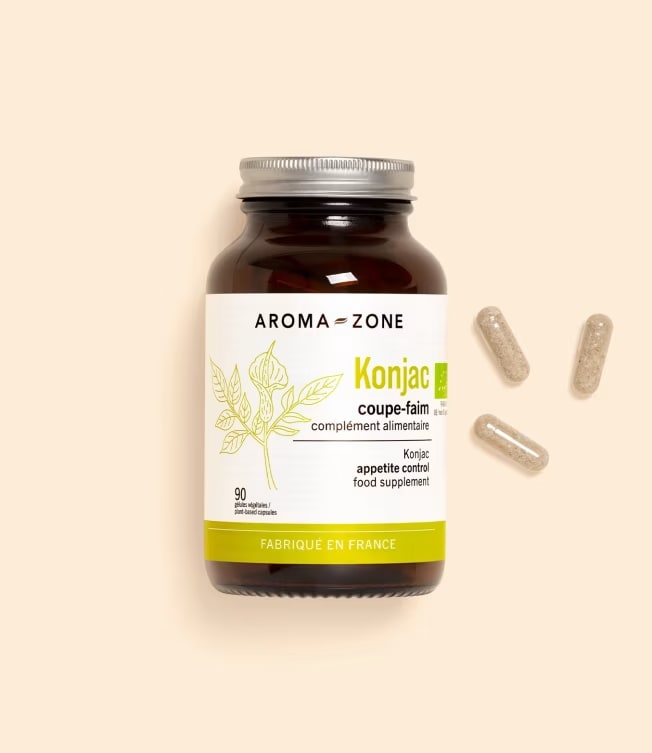
Spotlight on our Organic Konjac Appetite Suppressant dietary supplement

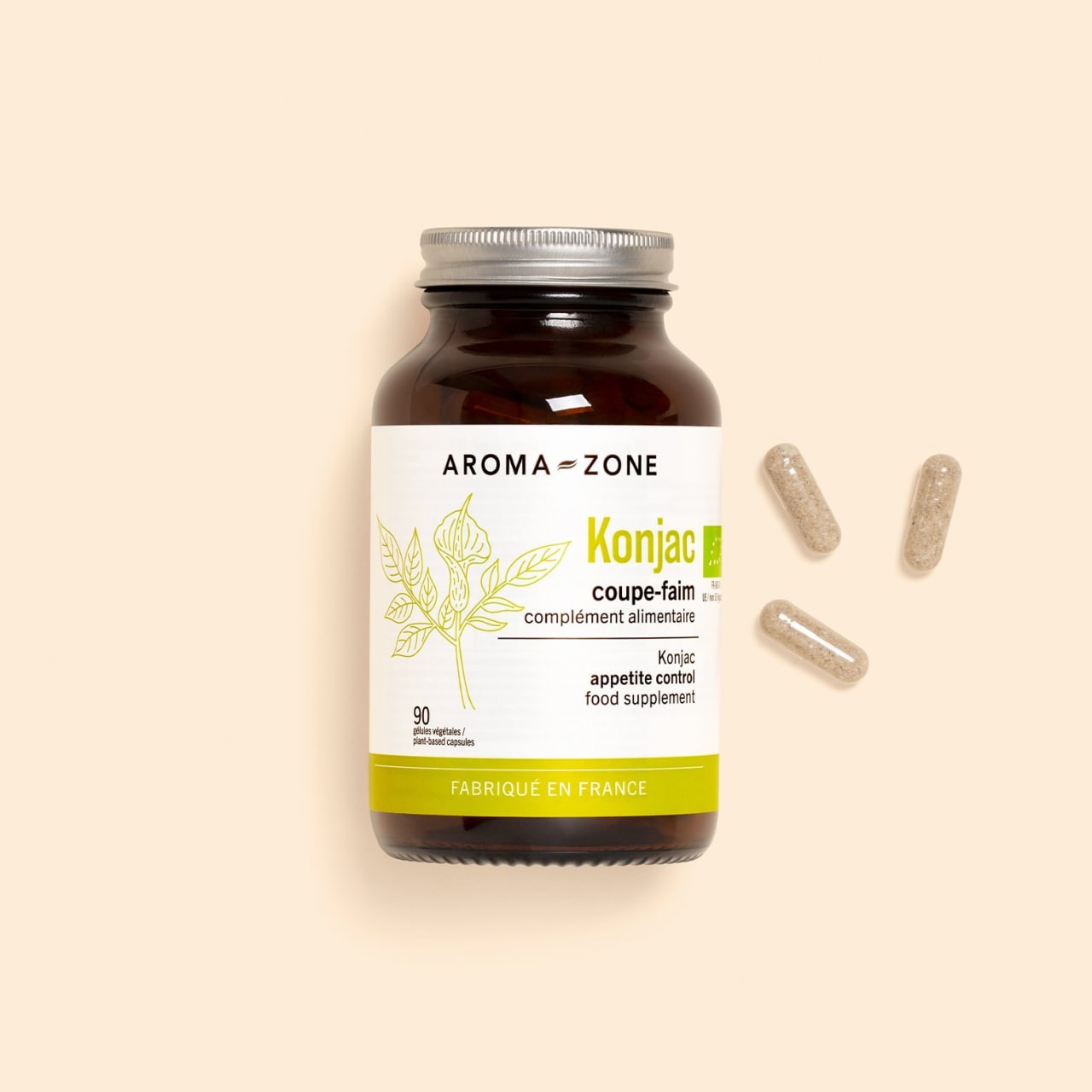
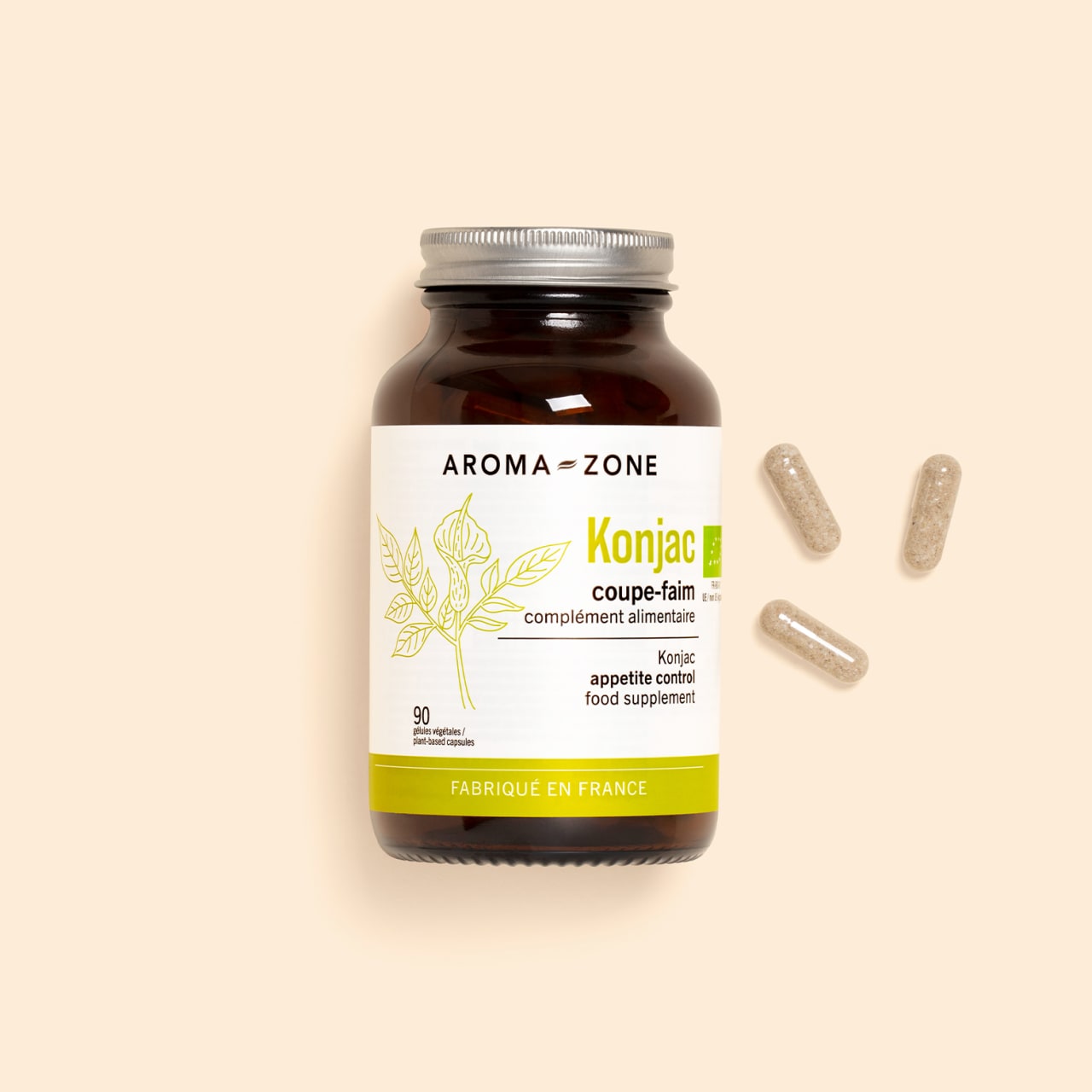
Organic Konjac Appetite Suppressant CA

Ideal for promoting weight loss, these organic Konjac capsules—high in glucomannan and free of controversial additives—are used as a dietary supplement to curb appetite, fight cravings, and promote satiety. Rich in fibre, konjac has a natural appetite-suppressing effect, making it an essential dietary supplement for weight loss when used as part of a balanced and appropriate diet.

Discover our Organic Konjac Appetite Suppressant dietary supplement

Does konjac help you lose weight?

Konjac can be an excellent food to support the weight loss process.

When it comes into contact with a significant amount of water, the glucomannan in konjac absorbs water and forms a viscous gel in the stomach. This gel increases the volume of the food bolus and can lead to a prolonged feeling of fullness. This can help curb cravings, to reduce appetite, to control food intake, and to reduce overall calorie intake.

However, it is important to note that konjac is not a meal replacement. It is a tool to help you with weight loss, but to achieve lasting results, we remind you that it should be used as part of a healthy lifestyle. For healthy and sustainable weight loss, it is essential to combine its consumption with a balanced diet and regular physical activity. Check out our guide on the best physical activities for healthy and sustainable weight loss.

Don’t hesitate to seek professional guidance for your weight loss journey and consult a doctor if needed, especially if you have specific medical conditions.

Weight loss with konjac: how long does it take?

Weight loss with konjac can vary depending on various factors, including your diet, your level of physical activity, and your individual metabolism. Some people may see results within the first few weeks of use, while others may need a little more time to see significant changes on the scale. It’s important to keep in mind that sustainable weight loss takes time, patience, and consistency. Konjac can be a helpful tool on your weight loss journey, but it does not replace adopting healthy eating habits and regular physical activity.

How can I use konjac to lose weight?

You can use konjac in various ways as part of a weight loss program by incorporating it wisely into your diet.

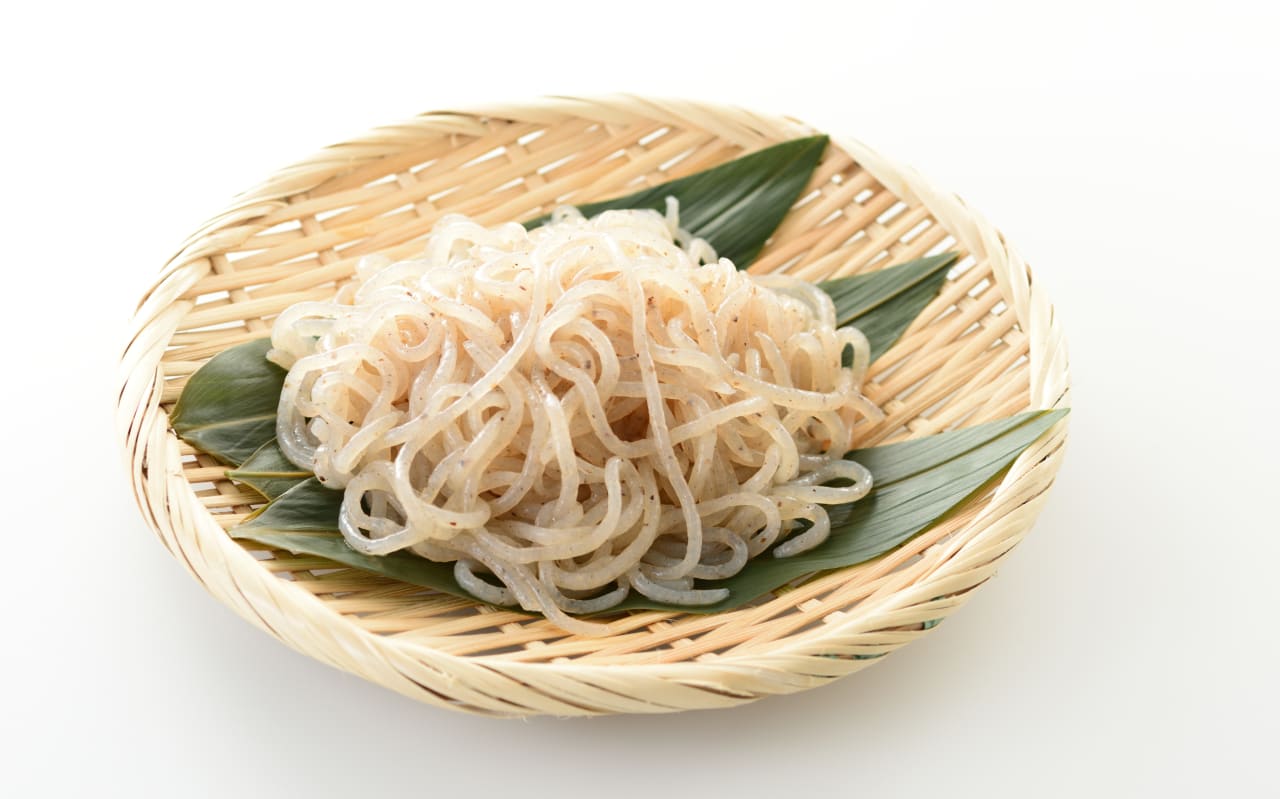
Konjac is available in various forms, including tablets, capsules, pasta, rice, and flour, allowing you to mix things up and choose the options that best suit your preferences.

The main idea is to replace certain foods in your meals or recipes—such as pasta, rice, or flour—with konjac to benefit from its satiating power and low-calorie content.

To maximise its effects, be sure to consume konjac with plenty of water to aid digestion, facilitate the absorption of its soluble fibre, and reap its benefits. 

Here are various ways to incorporate it into your diet to enjoy its many health benefits while promoting weight loss:

  • Konjac pasta: Konjac pasta is a low-calorie, low-carb alternative to traditional pasta. It can be used as a substitute in classic pasta dishes such as spaghetti, lasagna, or stir-fried noodles. Konjac pasta is rich in soluble fibre, which promotes a feeling of fullness and helps control appetite.

  • Konjac Rice: Like pasta, konjac rice is a light, low-calorie alternative to traditional rice. It can be used in dishes such as stir-fries, soups, or side dishes to reduce the meal’s total calorie intake while still satisfying hunger.

  • Konjac capsules or tablets: Konjac capsules or tablets are a convenient option, especially for those who are not particularly fond of the taste and texture of konjac. They can be taken with a large glass of water before meals to increase feelings of fullness and reduce appetite.

  • Konjac flour: Konjac flour can be used as a substitute for wheat flour in baking and pastry recipes. For example, you can incorporate it into your bread, cake, and cookie recipes to reduce the carbohydrate and calorie content of the finished products.

  • Konjac gum: Konjac gum is a natural thickener that can be used in soups, sauces, and smoothies to add body without adding extra calories.

Regardless of the form you choose, we remind you that it is important to follow the recommended dosage instructions.

We also recommend that you seek guidance from a professional during your weight loss journey and consult a doctor if you have any medical conditions, are undergoing medical treatment, or have specific health concerns.

For more information on the konjac diet, see our article How to Follow the Konjac Diet?

Konjac or nopal: which one should you choose?

Konjac and nopal are two plants used for their health-promoting properties, particularly regarding weight management and digestive support.

Konjac is rich in glucomannan, a soluble fibre recognised for its effectiveness in helping maintain normal cholesterol levels when consumed at a rate of 4 g/day. By swelling and forming a viscous gel in the stomach upon contact with water, it can also promote satiety and help control appetite. As for nopal, also known as prickly pear, its high content of fibre, antioxidants, and essential amino acids gives it a beneficial role in regulating bowel movements and the absorption of certain nutrients, while supporting digestive health. Nopal can also act as an appetite suppressant and help reduce calorie intake, much like konjac.

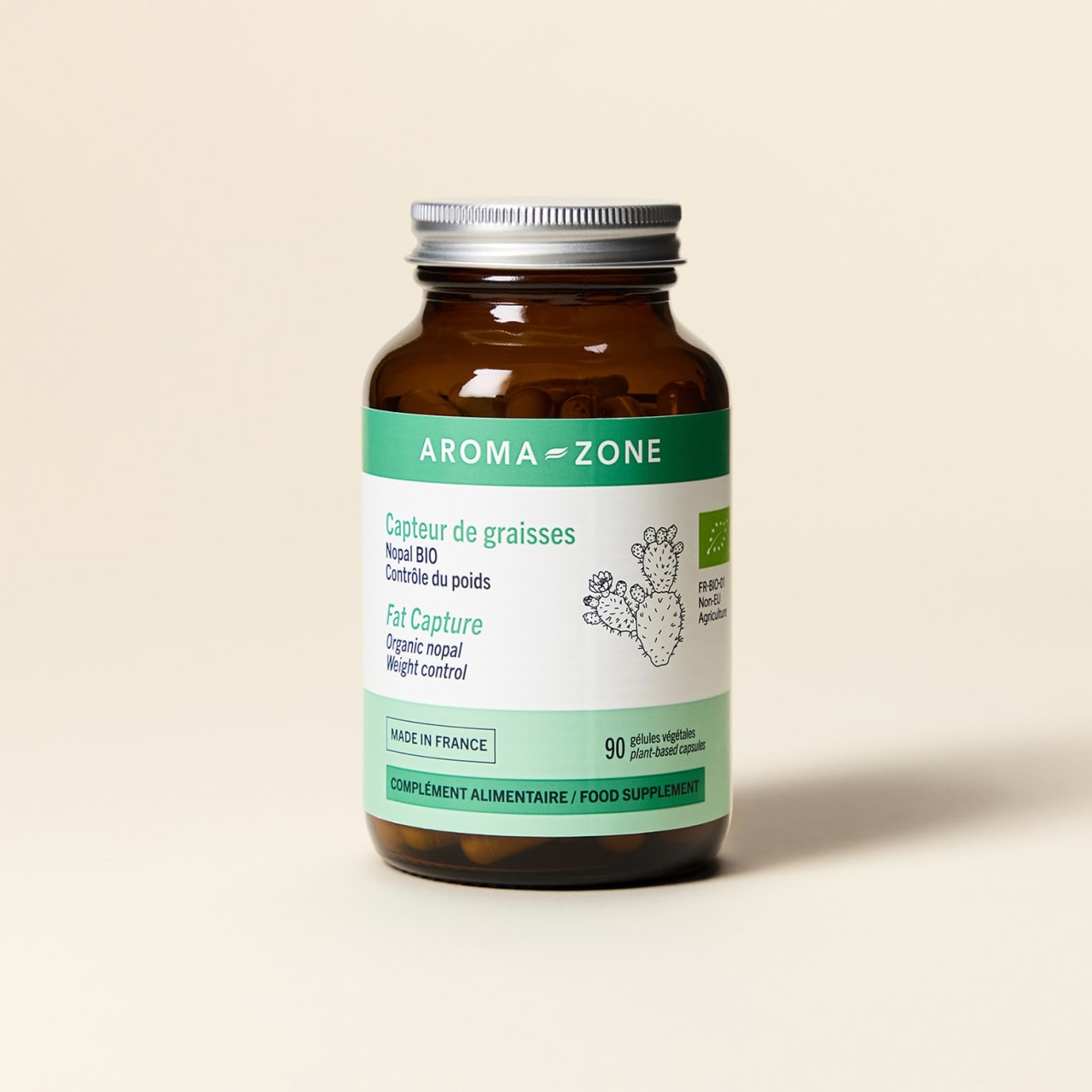
To learn more about nopal, we invite you to discover our fat-binding dietary supplement—Nopal Aroma-Zone.

The choice between konjac and nopal will therefore depend on your individual needs and preferences. 

Other natural options can also be considered, such as:

  • Flaxseeds: Flaxseeds are rich in dietary fibre, particularly in mucilage, which swells upon contact with water in the stomach, thereby promoting a feeling of fullness. In addition, they are a significant source of omega-3 fatty acids, which contribute to cardiovascular health and overall well-being.

  • Chia Seeds: Beyond their high protein and omega-3 content, chia seeds are also rich in soluble fibre, making them effective at prolonging the feeling of fullness while being particularly beneficial for health.

To learn more about the effects of chia seeds, check out our guide: Taking chia seeds to lose weight: does it really work?

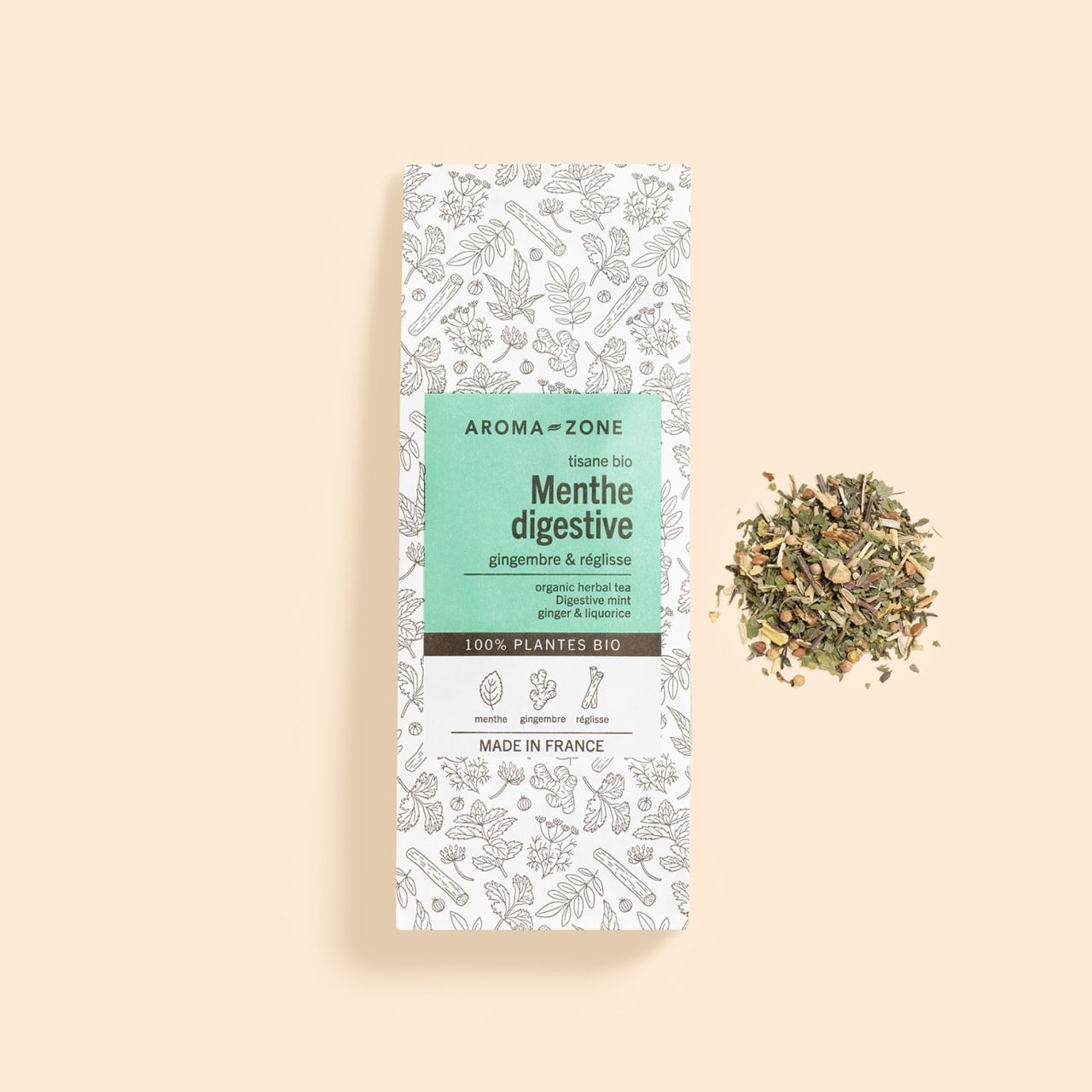
  • Herbal teas: Herbal teas can also be an effective option for reducing appetite and promoting satiety. We recommend making yourself a cup of chamomile, fennel, or mint tea to curb your cravings and regulate your appetite.

  • Certain fresh fruits: Certain fresh fruits, such as apples, pears or berries, are rich in fibre and water, making them particularly filling while being low in calories and rich in nutrients. They make excellent snacks for controlling appetite and promoting weight loss. These foods not only provide a feeling of fullness but also supply a variety of nutrients essential for a balanced diet.

Discover our natural solutions

Organic Fat Blocker – 90 capsules – Dietary supplement

Organic Fat-Binding Dietary Supplement

Ideal for helping to control your weight, the natural dietary supplement Organic Fat Blocker is made from a selected and patented organic nopal powder with proven effectiveness. Known for its high fibre content and its effects on the absorption of fats and sugars, nopal can also act as an appetite suppressant and help reduce calorie intake. A true natural ally for weight management—give it a go! Available in capsule form, this slimming dietary supplement is convenient to take after meals.

Discover our Organic Fat-Binding Dietary Supplement – 90 capsules
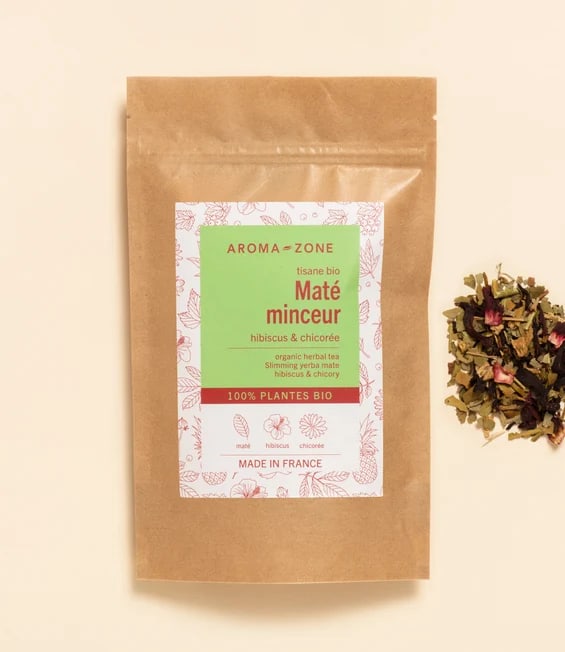
Organic Slimming Mate Tea

Organic Slimming Mate Tea

Deliciously tangy, the Organic Slimming Mate Tea will charm you with its beautiful pink hue and its fruity, invigorating taste. It combines mate leaves—known for their stimulating and detoxifying effects—with a blend of organic herbs selected for their detoxifying properties and pleasant flavour: hibiscus flowers, blackcurrant leaves, chicory root, and pineapple. With no added flavourings, this Slimming herbal tea, made in France, can be enjoyed hot or cold to support you in your fitness routine. Combining pleasure, beauty, and balance!

Discover our Organic Slimming Mate Herbal Tea

Is it good to eat konjac?

Yes, eating konjac can be beneficial for your health when consumed appropriately and as part of a balanced diet. konjac is naturally low in calories and carbohydrates, making it an ideal choice for those looking to control their weight or manage their blood sugar levels.

Additionally, konjac is rich in soluble fibre, particularly glucomannan, which supports digestive health by promoting bowel regularity and fostering the growth of beneficial gut bacteria. 

However, we remind you of the importance of consuming konjac in moderation, incorporating it into a healthy lifestyle, and drinking plenty of water to avoid any risk of intestinal blockage.

Contraindications: what are the side effects of konjac?

Although konjac is considered safe when consumed as part of a balanced diet, some people may experience unwanted side effects including bloating, flatulence, and gastrointestinal issues. These symptoms are generally mild and temporary, and disappear when you stop consuming it.

However, it is important to note that konjac may potentially interact with certain medications, particularly treatments for diabetes and blood clotting disorders. 

Finally, there is also a risk of choking if you have difficulty swallowing or if you consume it with an inadequate liquid (as a reminder, plenty of water is needed to aid digestion).

We therefore recommend that you consult a healthcare professional before starting to use konjac, especially if you are taking medications or have health issues.

Expert tip

Listen to your body and adjust your konjac intake accordingly. When you start incorporating konjac into your diet, pay close attention to how your body reacts. Some people may tolerate this new food without any issues, while others may experience gastrointestinal discomfort such as bloating or digestive issues. Listening to your body and adjusting your intake accordingly will help you enjoy the benefits of konjac while minimising any potential discomfort.

Spotlight on Our Naturopathic Writer: Stéphanie Catrysse

Stéphanie Catrysse is a naturopath (certified by the FENA), a wellness massage and lymphatic drainage practitioner, and a personal development coach. She is passionate about alternative medicine and practices a holistic approach to health.

Bibliography

  1. EFSA Panel on Dietetic Products, Nutrition and Allergies (NDA)

    Scientific Opinion on the substantiation of health claims related to glucomannan and maintenance of normal blood cholesterol concentrations (ID 836, 1487, 4699), reduction of body weight (ID 835, 1412, 1413, 3725), and maintenance of normal blood glucose concentrations (ID 834, 3724) pursuant to Article 13(1) of Regulation (EC) No 1924/2006. EFSA Journal. 2010;8(10):1798.

  2. The Roles of Glucomannan in Health Maintenance and Disease Prevention: A Review of Recent Evidence

    Chen H, Chen T, Giudici P, Chen F. Nutrients. 2022;14(7):1259.

  3. Glucomannan and Obesity: A Critical Review

    Keithley J, Swanson B. Altern Ther Health Med. 2005;11(6):30-34.

  4. Effect of glucomannan on plasma lipid and glucose concentrations, body weight, and blood pressure: systematic review and meta-analysis

    Sood N, Baker WL, Coleman CI. Am J Clin Nutr. 2008;88(4):1167–1175.

Frequently Asked Questions

Frequently Asked Questions