
How to follow a melatonin regimen

How to follow a melatonin regimen


By Christine Barris

Published on: Monday, January 22, 2024, Updated on: Wednesday, September 30, 2026

Melatonin, also known as the “sleep hormone,” is a natural molecule produced by the pineal gland. In this article, we’ll explore exactly what melatonin is, the role it plays in our sleep and circadian rhythm, and how to take an Aroma-Zone melatonin regimen to reap all its benefits.

Contents

In brief

  • A melatonin regimen can help you fall asleep and improve sleep quality, especially in cases of temporary sleep disturbances or jet lag, but it is not a universal solution for chronic insomnia.

  • It is recommended to take melatonin about 30 minutes before bedtime, following the recommended dosage and limiting the treatment to a few weeks, unless otherwise advised by a healthcare professional.

  • The article notes that melatonin has contraindications (pregnancy, children, drug interactions) and that side effects are possible, which is why it is important to consult a healthcare professional before starting.

What is melatonin?

Melatonin is a hormone naturally present in our bodies.

It is secreted by the pineal gland, also known as the epiphysis, located in our brain. It is called the sleep hormone because it plays an essential role in regulating our body’s sleep-wake cycles.

The human body operates on a 24-hour biological rhythm, known as the circadian rhythm, which regulates numerous physiological functions throughout the day and night. Melatonin helps adjust this rhythm in response to the natural alternation between light and darkness.

This hormone is synthesised from an amino acid, tryptophan, which is found in our diet. It is present in significant amounts in animal products such as meat, poultry, and fish, as well as in legumes, bananas, and other foods.

The tryptophan found in our diet is converted by the pineal gland into serotonin, a hormone that regulates our mood. Serotonin is then converted into melatonin. We can therefore say that serotonin is the precursor to melatonin.

Its production generally begins at dusk, when light levels decrease, which helps signal to the body that it is time to prepare for rest. It peaks during the night (between 1 a.m. and 4 a.m.), helping to maintain quality sleep and regulate the different sleep phases. These phases consist of an alternation between REM sleep and deep sleep, ensuring restorative sleep. Levels then gradually decrease at dawn. This natural variation helps regulate the sleep-wake cycle in response to the environment.

Since melatonin secretion is directly influenced by exposure to light, particularly blue light, it can be disrupted by certain lifestyle factors (screen use in the evening, irregular schedules, night work), which can affect the sleep-wake cycle.

What are the benefits of a melatonin regimen with our dietary supplement?

  • Natural form

Melatonin is obtained 100% naturally. It comes from a plant known for its relaxing properties, St. John’s Wort (Hypericum perforatum). It is therefore perfectly suited to our bodies.

  • No extended-release formula

Some melatonin-based dietary supplements offer extended-release of the active ingredients that affect sleep, to ensure their effects last all night. The downside of this approach is that it can make waking up difficult and cause drowsiness in the morning. 

Our Natural Plant-Based Melatonin does not feature extended-release of its active ingredients, which avoids these inconveniences while ensuring a long-lasting, restorative sleep and improved daytime energy. Because the benefit of sleeping well is also the pleasure of feeling fully refreshed upon waking.

  • No additives or unnecessary ingredients

The plant-derived melatonin is encapsulated in a vegetable cellulose-based capsule, supplemented with organic acacia gum (essential for ensuring precise melatonin dosage). Acacia gum is also a natural prebiotic fibre.

  • Vegan

Since 100% of its composition is plant-based: the melatonin, the capsule, and the acacia gum.

A melatonin regimen can last 1 to 2 months, depending on your needs. It is not recommended to extend it beyond that.

The supplement should be taken at the same time every day, which helps regulate the body’s natural secretion and restore a regular sleep rhythm.

If sleep disturbances persist despite the treatment, it is recommended to consult a therapist.

Where can you find melatonin?

As we’ve seen, melatonin is naturally produced by our brain. However, it’s common to experience insufficient or disrupted secretion for several reasons:

  • Excessive exposure to light in the evening, which is a time when we should actually be in darkness. For example, when we are exposed to screen light before going to sleep: televisions, computers, and phones emit light, which disrupts our sleep-wake cycle.

  • Traveling across time zones different from those we are accustomed to (jet lag), which disrupts its secretion

  • Older adults, as melatonin secretion slows down as we age. It is generally believed that the effects of this decline begin to be noticeable around age 50.

However, certain foods can help increase its secretion. These are foods rich in tryptophan, an amino acid that is a precursor to serotonin, which itself is a precursor to melatonin, as we saw earlier.

Often, when natural melatonin production is disrupted, dietary intake of tryptophan is insufficient to raise melatonin levels, making it necessary to use melatonin supplementation in the form of a dietary supplement.

Which melatonin supplement is the most effective?

There are two types of melatonin available as dietary supplements:

  1. Synthetic melatonin => produced in a laboratory

  2. Natural plant-based melatonin => obtained from molecules extracted from a plant

In both cases, it is indeed melatonin, effective in helping to improve difficulty falling asleep or sleep disturbances. 

Naturally derived melatonin, also known as phytomelatonin, comes from a plant source. Melatonin is thus extracted from plants or algae such as St. John’s wort, rice, alfalfa, or chlorella. Synthetic melatonin, on the other hand, is manufactured through chemical synthesis processes.

Melatonin is available in various forms: tablets, capsules, liquids, sprays, and more. The form does not affect its effectiveness; it is simply a matter of personal preference and ease of use.

A closer look at Natural Plant Melatonin - 60 capsules

A natural melatonin extracted from St John's Wort, with a high dose and no controversial additives, to be used as a food supplement to help you fall asleep or reduce the effects of jet lag. Essential for sleep disorders, this plant-based melatonin helps you to fall asleep without waking up the next morning feeling drowsy, and without causing any kind of dependency or addiction.

In addition to its effectiveness, this dietary supplement in capsule form offers many advantages:

  • Natural form

Melatonin is obtained 100% naturally. It comes from a plant known for its relaxing properties, St. John’s Wort (Hypericum perforatum). Melatonin is naturally present in its plant matrix.

  • No extended-release formula

Some melatonin-based dietary supplements offer extended-release of the active ingredients that affect sleep, to ensure a prolonged effect throughout the night. The downside of this approach is that it can make waking up difficult and cause drowsiness in the morning. 

Natural plant-based melatonin does not have extended-release properties, which avoids these inconveniences while ensuring deep, restorative sleep and improved daytime energy.

  • No additives or unnecessary ingredients

Plant-derived melatonin is encapsulated in a vegetable cellulose-based capsule, supplemented with organic acacia gum (essential for ensuring precise melatonin dosage). Acacia gum is also a natural prebiotic fibre.

  • Vegan

Since 100% of its composition is plant-based: the melatonin, the capsule, and the acacia gum

  • No dependency or habituation

The treatment can be stopped at any time without experiencing any signs of dependency. Nor is it necessary to increase the dosage over time to continue experiencing all its benefits. This is unlike what is sometimes observed with certain sleeping pills.

The dosage of Natural Plant-Based Melatonin can be adjusted depending on the desired effect: 

  • To alleviate the effects of jet lag

1 capsule (0.95 mg of melatonin) per day

Take half an hour to one hour before bedtime on the day of departure, and for the following few days.

  •  To reduce the time it takes to fall asleep and promote better sleep

2 capsules (1.9 mg of melatonin) per day (the maximum dose recommended by health authorities is 2 mg).

Take half an hour to an hour before going to bed, for a few weeks

This corresponds to the optimal doses of melatonin to ensure the desired effect in either case.

What are the contraindications for taking melatonin?

Like most dietary supplements, taking melatonin may not be recommended for certain individuals. 

In the following cases, it is recommended to seek medical advice before taking melatonin:

  • This supplement is intended for adults only.

  • If you have sleep concerns regarding adolescents or children, consult your doctor.

  • Not recommended for pregnant or breastfeeding women, in cases of inflammatory or autoimmune diseases, or without medical advice for people with epilepsy, asthma, or mood, behavioral, or personality disorders.

  • Individuals taking medication should avoid this product to prevent any risk of interaction between melatonin and their medications

  • Do not drive in the hours following use.

Furthermore, taking melatonin does not usually cause side effects. However, as with any supplement, some people may occasionally experience side effects of varying severity: difficulty waking up, daytime drowsiness, irritability, headaches, and dizziness. If you experience any of these symptoms after taking melatonin, it is advisable to stop the treatment and consult your doctor.

To learn more about side effects, see our dedicated article: Melatonin treatment: what are the long-term effects?

Is it okay to take melatonin every day?

In cases of insomnia or temporary or chronic difficulty falling asleep, it is possible to take melatonin for a limited period, lasting a few weeks.

It is recommended to take melatonin daily as a course of treatment for one to two months, at the same time each day.

This is not the case if you wish to use melatonin to regulate the effects of jet lag. In this case, it should only be taken for a few days, until everything returns to normal.

What happens if you take too much melatonin?

As we’ve seen, a lack of melatonin is associated with a disruption of our biological clock, leading to difficulty falling asleep and sleep disturbances. But what about taking too much of this hormone?

As with any other dietary supplement, it is strongly advised against exceeding the doses indicated on the packaging, which have been specifically formulated to ensure optimal effects and comfort. 

In its report assessing the risks associated with melatonin supplementation, ANSES—the French Agency for Food, Environmental and Occupational Health & Safety—recommends consuming no more than 2 mg of active ingredient per day.

Taking too much melatonin can also cause the side effects listed above, so it is strongly recommended that you adhere to the recommended dosage.

What other supplements can I take to improve my sleep naturally?

Other natural dietary supplements can help you fall asleep more easily and restore quality sleep.

These include:

Our top 6 products to naturally improve your sleep

017-pack-aromazone-0167-1

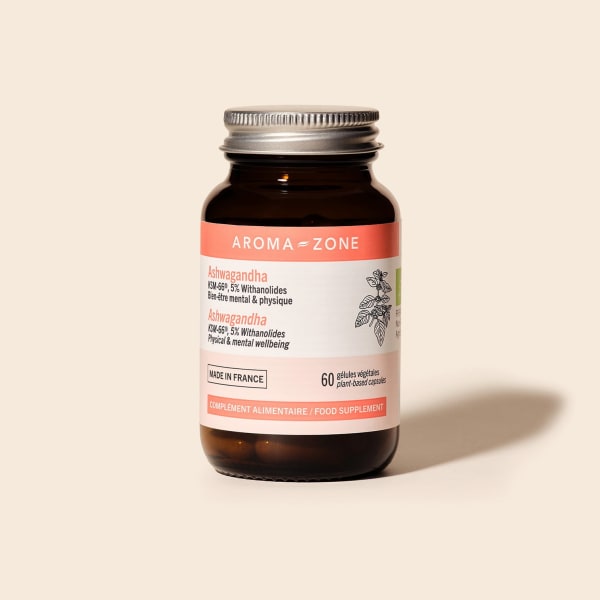
Organic Ashwagandha is an adaptogenic plant, meaning it helps our body better adapt to stressful conditions. It also improves sleep quality.

Sleep Essential Oil Roll-On

The Sleep Essential Oil Roll-On offers a blend of soothing and comforting essential oils that will help you regain peaceful, restorative sleep.

The Essential Oil Trio Set—Anti-Stress and Sleep offers a selection of three essential oils known for their relaxing properties and ability to promote better sleep.

Organic Chamomile Dreams Herbal Tea , with its mild and comforting flavour, combines organic herbs selected for their relaxing properties and recognised benefits for sleep. This herbal tea is perfect for helping you unwind in the evening before bedtime

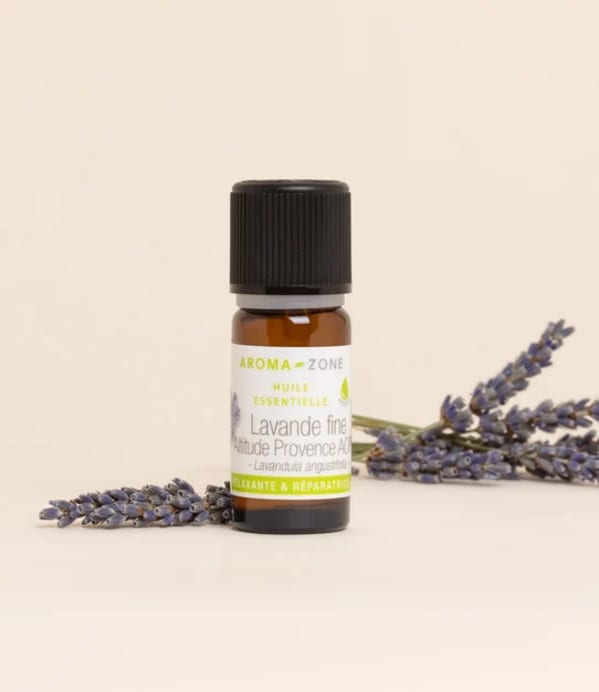
Fine lavender essential oil, known for its powerful calming properties, promotes sleep and helps relieve tension and stress.

To learn more about sleep disorders and natural ways to manage them, you can read our article explaining the importance of getting a good night’s sleep, and discover in this second article other natural solutions to help you fall asleep faster.

Sleep is essential for our body’s regeneration and mental recovery. 

Melatonin is essential for maintaining or restoring the quality of our sleep. It is therefore an indispensable ally for our well-being and our physical, mental, and emotional balance.

Spotlight on Our Naturopathic Writer: Christine Barris

Christine Barris

After completing a Master’s degree in Management, Christine spent 20 years working for leading companies in the food supplement and natural cosmetics sectors. She then turned her passion for nature into a career. Today, she practises naturopathy for people and animals, as well as sophrology, and mentors aspiring naturopaths and sophrologists at various schools.