Night sweats: causes and natural solutions?

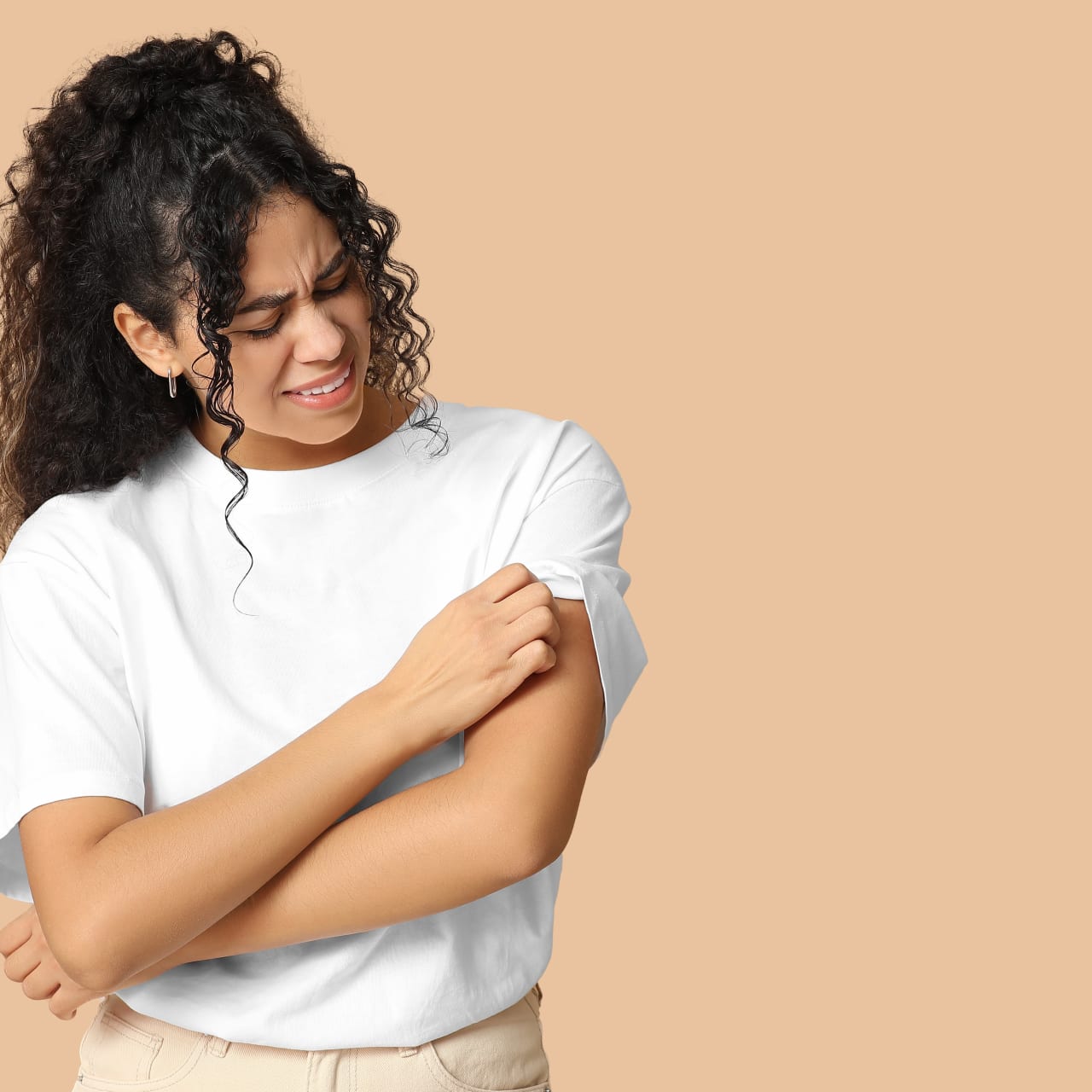
Night sweats, also known as nocturnal sweating, are a common issue affecting many people. They are characterised by excessive perspiration during sleep. People who experience night sweats often wake up with soaked sleepwear and bedding, sometimes needing to change clothes or replace bed linen during the night. This disruption to sleep can lead to daytime fatigue, drowsiness and difficulty concentrating. Night sweats can have a significant impact on quality of life. With Aroma-Zone, discover natural ways to help manage and reduce these symptoms.

Reading time: 0 min.

In short:

  • Night sweats, or nocturnal sweating, are a common occurrence known to disrupt sleep and cause fatigue, discomfort and sometimes anxiety. They may be linked to a variety of factors, including stress, hormonal fluctuations or certain underlying medical conditions.

  • This article outlines a natural approach combining healthy lifestyle habits, stress management techniques and the targeted use of plants and essential oils. In particular, it highlights solutions based on sage and palmarosa essential oil, with dosage and application frequency tailored to the severity of symptoms and individual needs.

  • The article also explains when medical advice should be sought, such as in cases of persistent fever or confirmed hormonal disorders, and details important precautions for the use of essential oils, including recommendations for pregnant women.

What are night sweats?

Night sweats, or nocturnal sweating, refer to excessive perspiration during the night. They can occur even in the absence of heat or physical exertion. In some cases, sweating may be so intense that it disrupts sleep and requires a change of sleepwear or bedding.

Night sweats may be temporary or chronic and can affect people of all ages and genders. Understanding this phenomenon involves exploring its potential causes, associated symptoms and the various strategies that may help manage it.
Why do I sweat at night?

Several factors can cause night sweats. Among the most common are hormonal causes. 

Menopause: Hot flashes are common during menopaus due to hormonal fluctuations, particularly a decrease in oestrogen levels.

Andropause: In men, a decrease in testosterone levels can cause night sweats.

Hyperthyroidism: An overactive thyroid gland can increase metabolism and cause excessive sweating. 

Chronic diseases and associated medications: Certain drugs can have side effects that include night sweats. Likewise, hormonal treatments can also influence the occurrence of night sweats.

Night Sweats: What are the symptoms?

The symptoms of night sweats can vary in intensity and frequency, but they generally share certain common traits:

  • Excessive sweating: The hallmark symptom of night sweats is excessive perspiration, often enough to soak sleepwear and bedding. Sweating may be localised to specific areas or affect the entire body.

  • Frequent awakenings: Sweating episodes can cause repeated awakenings during the night. The moisture caused by sweat may make it difficult to sleep and sometimes require changing clothes or bed linen.

  • Difficulty falling back asleep: Once awake, it can be difficult to fall back asleep quickly due to discomfort and the need to dry off or change clothes.

  • Intense feelings of heat: A sudden sensation of intense heat may occur before or during an episode of sweating. This may be localised to areas such as the face or chest, or felt throughout the body.

  • Chills or feelings of cold: Following heavy sweating, some people may experience chills or a sensation of coldness. This is caused by the evaporation of sweat from the skin, which can rapidly lower body temperature.

  • Daytime fatigue and drowsiness: Sleep disturbed by episodes of night sweats can lead to significant fatigue and drowsiness during the day.

  • Clammy or sticky skin: After an episode of sweating, the skin may remain clammy or sticky, adding to discomfort and sometimes causing skin irritation or rashes.

  • Morning headaches: Frequent sleep interruptions can lead to headaches upon waking, often due to poor sleep quality or muscle tension.

  • Palpitations: Some people may experience palpitations or a notably faster heart rate.

  • Muscle aches: Restless nights and insufficient restorative sleep can lead to muscle aches or tension upon waking.

  • Psychological symptoms: Frustration and anxiety associated with ongoing poor-quality sleep may contribute to psychological symptoms such as irritability, low mood or increased anxiety.

How long do night sweats last?

The duration of night sweats can vary considerably depending on the underlying cause. When linked to an acute infection, they may resolve once the infection has been treated. However, when associated with long-term conditions such as menopause or hormonal imbalances, they may persist over an extended period and require ongoing management. In some cases, night sweats can be intermittent, occurring in episodes that alternate with symptom-free periods.

Is it more common in women than in men?

Night sweats appear to be more common in women, particularly due to the hormonal fluctuations associated with menopause. However, men can also be affected, especially during andropause or when living with certain medical conditions. Studies suggest that women report episodes of night sweats more frequently than men, particularly those between the ages of 45 and 55, when menopausal symptoms are most common.

What are some natural solutions for limiting night sweats?

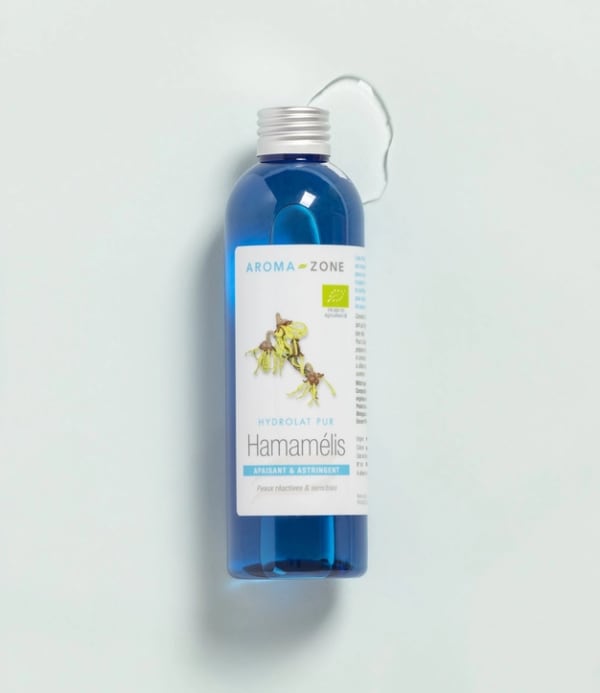
Witch Hazel: Apply witch hazel to areas prone to excessive sweating to benefit from its natural astringent properties.

Discover Organic Witch Hazel Hydrosol

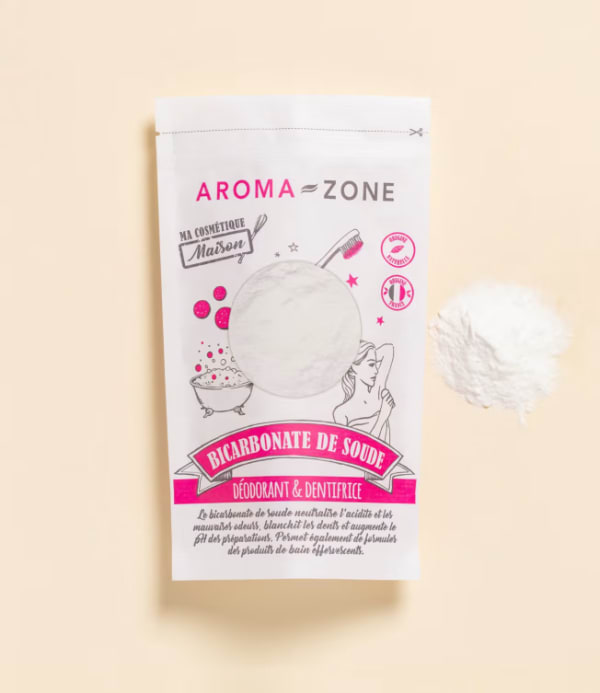
Baking soda and water: Mix baking soda with a small amount of water to form a paste. Apply the paste to the affected areas, leave on for a few minutes, then rinse thoroughly.

Discover baking soda

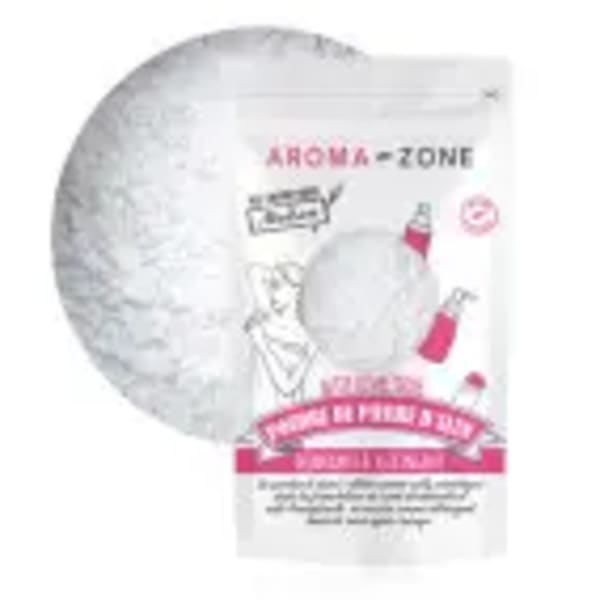
Alum stone: Use an alum stone as a natural deodorant. Alum acts as a natural astringent, reducing perspiration and eliminating odor-causing bacteria.

Discover alum stone

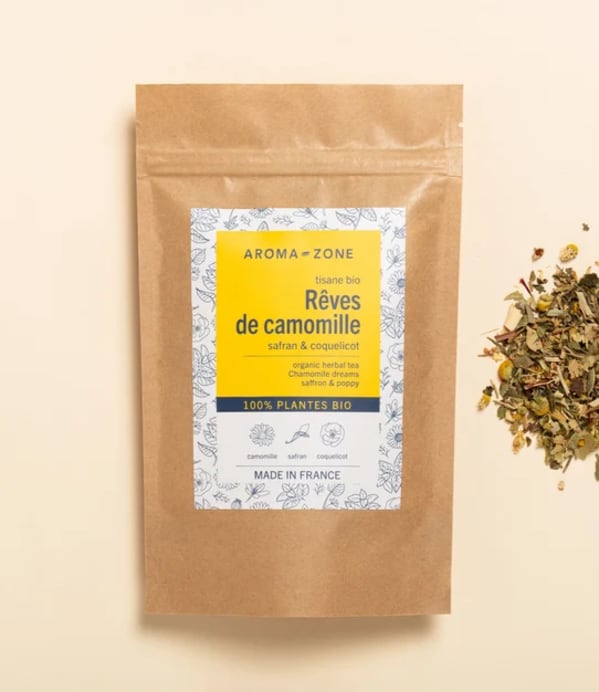
Chamomile tea: Chamomile has soothing properties which may help reduce stress and promote restful night's sleep. Enjoy a cup of chamomile tea before bed.

Discover Organic Chamomile Dream Herbal Tea

Our Favourite Traditional Remedy: Apple Cider Vinegar

External Use: Mix one part apple cider vinegar with one part water. Using a cotton pad, apply the mixture to the underarms before bedtime.

What routine should you adopt to avoid sweating at night?

Here are some simple measures that can help reduce the discomfort associated with excessive night sweats:

  • Personal hygiene: Take a lukewarm shower before bedtime and apply an antiperspirant deodorant before going to sleep.

  • Hydration: Drink enough water throughout the day to help maintain a stable body temperature.

  • Diet: Avoid heavy meals, spicy foods, alcohol and hot drinks in the hours leading up to bedtime.

  • Healthy weight: Maintaining a healthy body weight may help reduce certain risk factors associated with excessive sweating.

  • Bedroom environment: Keep the bedroom cool, ideally between 60 to 65 degrees Fahrenheit. Use a fan or air conditioning if needed.

  • Nightwear: Choose sleepwear made from natural fabrics such as cotton.

  • Bedding: Opt for breathable cotton or linen sheets and avoid layering too many duvets or blankets.

  • Relaxation and stress management:Practice breathing exercises or meditation, and establish a calming bedtime routine such as reading or listening to soothing music.

Excessive Night Sweats and Natural Solutions: Precautions to Take

Before starting any herbal treatment, it is important to consult a healthcare professional, particularly if you are taking other medications. Some plants may interact with certain medicines. It is also essential to seek medical advice if your symptoms do not improve after following the recommendations outlined above.

Expert Advice

Certain fabrics, particularly synthetic materials, can encourage sweating and the build-up of unpleasant odours. Opt for pyjamas and bed linen made from natural fibres such as cotton or linen—you may notice a significant improvement in night-time comfort and a reduction in night sweats.

Learn More

When should you be concerned about night sweats?

Occasional night sweats are generally not a cause for concern. However, it is advisable to consult a doctor if:

  • They are frequent or severe

  • They are accompanied by unexplained weight loss

  • You experience fever or chills with no obvious cause

  • You have chest pain, a persistent cough or difficulty breathing

  • They significantly disrupt your sleep or have a serious impact on your quality of life

Can Stress Cause Night Sweats?

Yes, stress and anxiety can contribute to night sweats. Stress activates the sympathetic nervous system, which can increase sweat production. People experiencing anxiety disorders may notice excessive sweating not only during the day but also while sleeping. Managing stress through relaxation techniques, such as meditation, deep breathing exercises or yoga, as well as engaging in regular physical activity, may help reduce these symptoms and improve overall sleep quality.

A closer look at our pharmacist and doctor of molecular biology editor, Stéphanie LE GUILLOU

Stéphanie is a pharmacist (since 2010) and has a doctorate in molecular biology (since 2012). A keen copywriter, she has been writing medical content for nearly 15 years. Her aim is to make information accessible and understandable, without ever losing scientific accuracy.

Bibliography

1

Assurance Maladie (ameli.fr) — Hyperhidrosis: symptoms, consequences and causes (January 2024)