Griffonia, or Griffonia simplicifolia, is a climbing plant native to West and Central Africa. It belongs to the Fabaceae botanical family. In current uses, it is mainly its seeds that are exploited, as they naturally contain 5-hydroxytryptophan. 5-hydroxytryptophan is an amino acid, i.e., a molecule involved in many biological reactions. In humans, it plays a special role as it is the direct metabolic precursor of serotonin.

Griffonia: origins, benefits, and precautions for use
By The Aroma-Zone editorial team
Published on: Tuesday, October 31, 2023, Updated on: Wednesday, October 21, 2026
Griffonia is an African plant that is now widely discussed in the field of food supplements. This interest is based on a well-identified compound found in its seeds: 5-hydroxytryptophan, better known as 5-HTP. This molecule is involved in biological mechanisms that have been clearly described in humans. However, the available scientific studies remain limited in both number and scope. Their interpretation therefore requires a rigorous approach, with careful attention to the context of the studies, the populations involved and their methodological limitations, in order to avoid any over-interpretation of the results.
Contents
Related products
What is griffonia?
What are its main properties?
The properties attributed to griffonia are based almost entirely on its content of 5-hydroxytryptophan (5-HTP). From a biological perspective, this substance is involved in a well-established metabolic pathway: once absorbed, it is converted into serotonin by a specific enzyme.
Serotonin is a neurotransmitter, that is, a chemical messenger responsible for transmitting signals between nerve cells in the brain. It plays a role in several functions of the central nervous system, particularly those related to sleep, mood and certain cognitive processes.
This mechanism is recognised independently of any nutritional application and is well documented in pharmacological research, notably through data derived from oxitriptan, the medicinal form of 5-HTP.
What are its benefits?
The effects attributed to griffonia are based exclusively on clinical studies conducted using 5-hydroxytryptophan (5-HTP), rather than the whole plant. These studies were carried out in defined populations and under specific experimental conditions.
In older adults, 5-HTP supplementation has been associated with a reduction in sleep onset latency, measured using objective assessment tools. This effect was observed after four and eight weeks of supplementation, but was no longer statistically significant after twelve weeks of follow-up.
In a different clinical context, individuals with Parkinson’s disease and REM sleep behaviour disorder exhibited changes in certain sleep parameters, without any reported worsening of nocturnal symptoms. In addition, a 12-week controlled trial conducted in elderly participants reported a moderate increase in scores on the Montreal Cognitive Assessment (MoCA), a standardised test used to evaluate overall cognitive function. The same study also observed an increase in circulating serotonin levels.
These findings must be interpreted within their specific experimental frameworks. They cannot be generalised to the broader population, nor can they be used to substantiate health claims.
How should it be used?
In the context of food supplements, griffonia is available in various forms, most commonly as capsules containing a standardised extract of 5-hydroxytryptophan (5-HTP). The clinical studies available to date have used clearly defined doses of 5-HTP, for example 100 mg per day in certain trials conducted in older adults. It is important to clearly distinguish these uses from those of medicinal products containing oxitriptan, for which dosages are significantly higher and strictly regulated under a marketing authorisation.
Why take griffonia in the evening?
Griffonia is generally taken in the evening because of its physiological mode of action, which is directly linked to the presence of 5-hydroxytryptophan (5-HTP). During the evening and night, serotonin acts as a precursor to melatonin, a hormone involved in the regulation of the biological clock and sleep–wake cycles.
From a chronobiological perspective, evening intake is therefore consistent with the body’s natural rhythms, supporting the mechanisms involved in preparing for sleep and regulating circadian timing. This timing may be relevant when the intended use is to support sleep onset or contribute to sleep quality.
What similar natural solutions are available?
Other natural substances can produce similar effects.
Effect on sleep
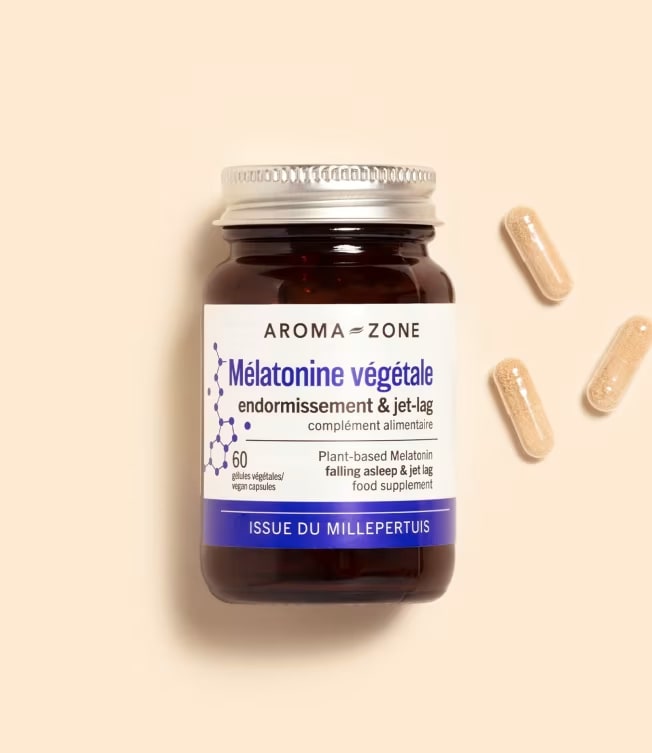
The dietary supplement Natural Melatonin
The Natural Plant Melatonin dietary supplement is formulated from a plant source of melatonin, a hormone naturally produced by the body that plays a key role in regulating the sleep-wake cycle. This product comes in the form of easy-to-take tablets, providing a supplement of melatonin when daily rhythms are disrupted, for example in cases of jet lag or temporary difficulty falling asleep. Melatonin helps reduce the time needed to fall asleep and regulates the biological clock, contributing to more regular sleep. This plant-based format is suitable for people looking for a natural solution to support sleep balance, with a simple dose that can be easily integrated into an evening routine. To reduce the time it takes to fall asleep: take 2 capsules with a glass of water just before going to bed. The beneficial effect is obtained by taking 1 mg of melatonin before bedtime. To reduce the effects of jet lag: take 1 capsule with a glass of water. The beneficial effect is obtained by consuming at least 0.5 mg just before bedtime on the first day of travel and for a few days after arrival at the destination. Store away from light, heat, and humidity in a tightly closed container. Keep out of reach of children. Not a substitute for a varied and balanced diet and a healthy lifestyle. Do not exceed the recommended daily dose. For adults only. Not recommended for pregnant or breastfeeding women, people with inflammatory or autoimmune diseases, or people with epilepsy, asthma, mood, behavioral, or personality disorders without medical advice, or people undergoing medical treatment. For occasional use only. Do not drive for several hours after taking.
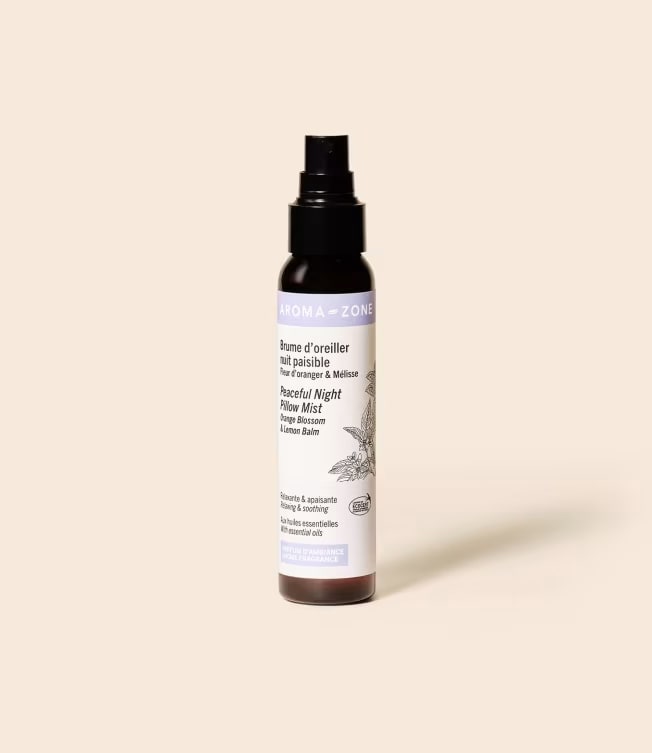
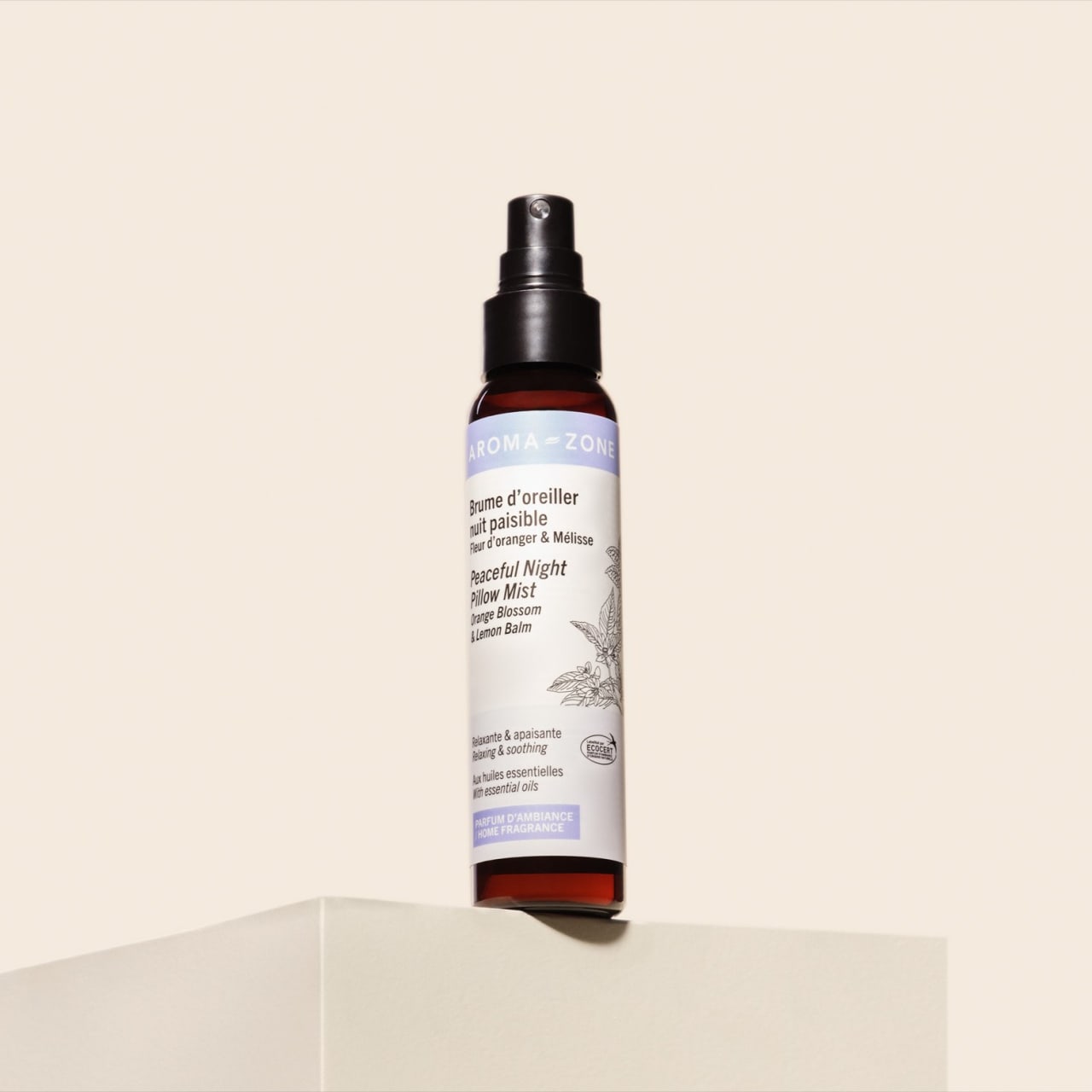
Peaceful Night Pillow Mist Orange Blossom & Lemon Balm
The Peaceful Night Orange Blossom & Lemon Balm Pillow Mist is a scented solution designed to promote an environment conducive to relaxation and sleep. Formulated with natural extracts of orange blossom and lemon balm, it diffuses a soft and soothing scent when sprayed on the pillow or in the bedroom before bedtime. These aromatic plants are traditionally associated with relaxing effects on the mind, helping to create a serene atmosphere after a busy day. The mist helps transform the sleeping space into a pleasant olfactory environment, inviting the body and mind to prepare for rest. Thanks to its soft and delicate composition, it fits easily into an evening routine focused on quality sleep, while offering a comforting sensory experience. Spray in the bedroom and on the pillow a few minutes before bedtime. This mist can also be used to perfume linens and clothing. Store away from heat. Contains sweet orange essential oil and linalool. May produce an allergic reaction. Highly flammable liquid and vapor. Causes severe eye irritation. Keep out of reach of children. Keep away from heat, hot surfaces, sparks, open flames, and other sources of ignition. No smoking. Wear protective gloves and eye protection.
Discover Peaceful Night Pillow Mist Orange Blossom & Lemon Balm
Effect on mood
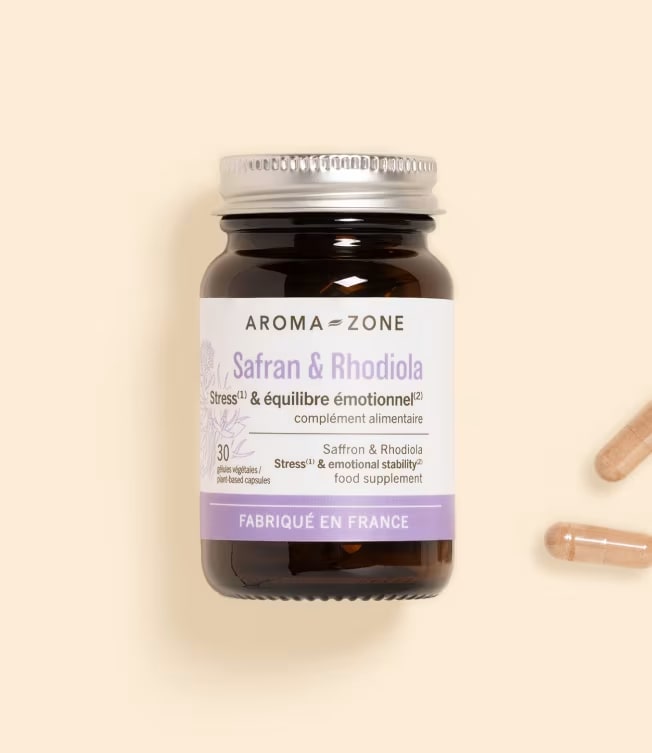
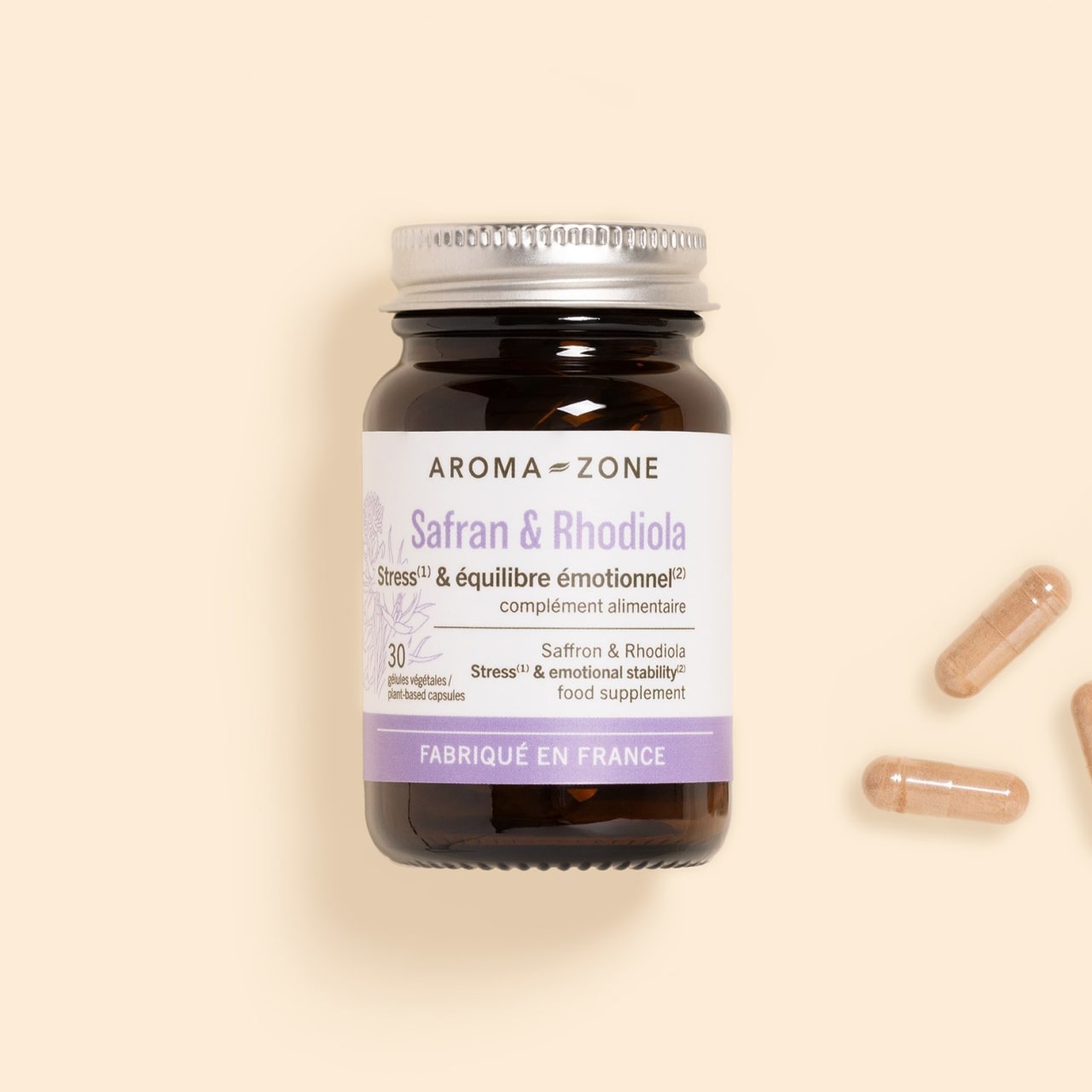
The Safran & Rhodiola dietary supplement
The Safran & Rhodiola dietary supplement combines two plant extracts known for their effect on emotional balance and mood. Saffron, rich in crocins and safranal, is traditionally used to support a positive mood and help manage emotional stress, while rhodiola, an adaptogenic plant, plays a role in the body's response to mental and physical fatigue. Together, these extracts help support psycho-emotional well-being, promoting a feeling of lightness and vitality on a daily basis. The capsule format makes it easy to take daily for those who wish to strengthen their emotional stability during periods of low energy, nervous tension, or psychological stress. This product is part of a natural approach to supporting mood and resilience in the face of stressors. Take 1 capsule per day with a glass of water. Store away from light, heat, and humidity in a tightly closed container. Not a substitute for a varied and balanced diet and a healthy lifestyle. Do not exceed the recommended daily dose. For adult use only. Do not use during pregnancy or while breastfeeding. Not recommended for people taking antidepressants. Keep out of reach of children.
Effect on cognitive functions
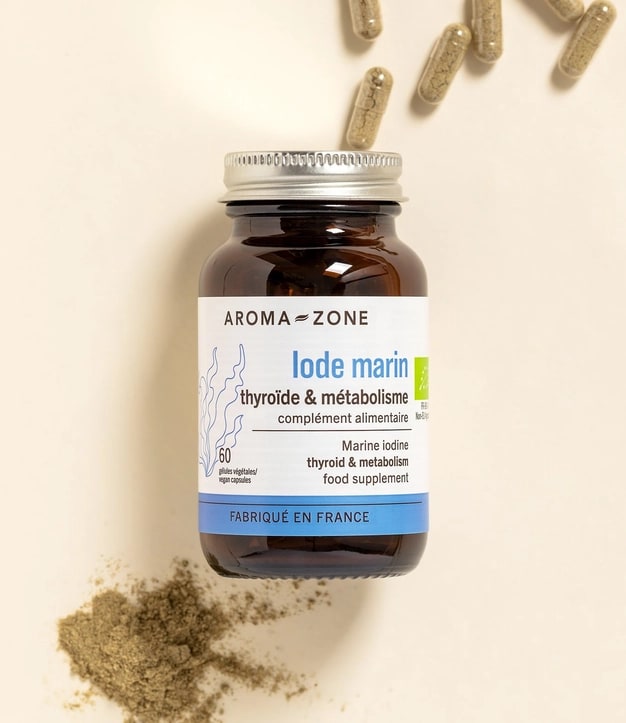
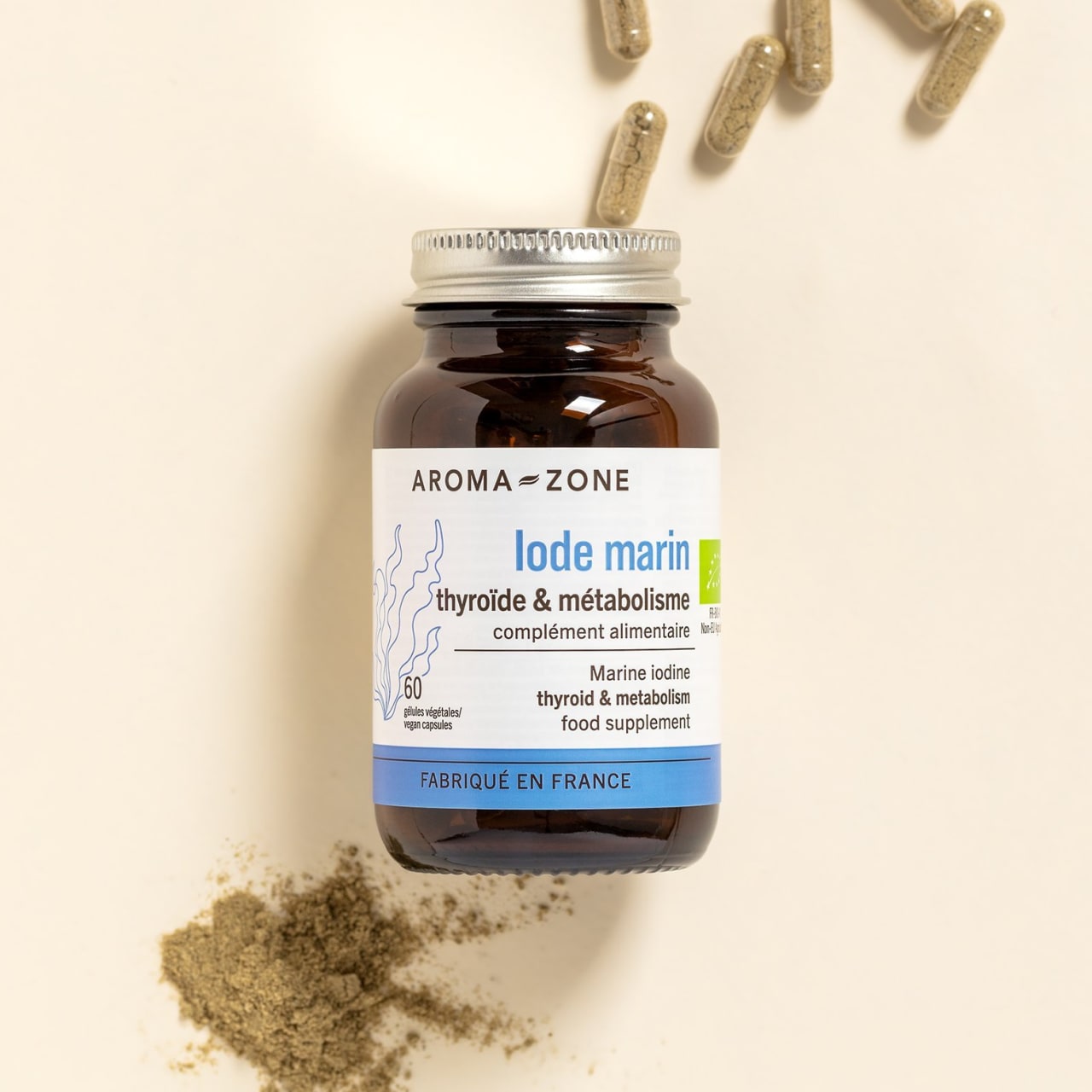
The organic marine iodine dietary supplement
The Organic Marine Iodine dietary supplement is formulated from marine iodine, derived from algae harvested and processed in accordance with organic farming standards. Iodine is an essential trace element that contributes to the normal functioning of cognitive functions, including memory, concentration, and intellectual abilities. It also contributes to the normal functioning of the nervous system and the production of thyroid hormones, which are involved in the regulation of many metabolic functions. This supplement is particularly suitable in cases of insufficient dietary intake, especially for people who consume few seafood products. Presented in the form of easy-to-take tablets, it can be easily incorporated into a daily routine to support intellectual performance and overall physiological balance. Take 1 capsule per day, swallowed with a glass of water. Store away from light, heat, and humidity, in a tightly closed container. Keep out of reach of children. Not a substitute for a varied and balanced diet and a healthy lifestyle. Do not exceed the recommended daily dose. For adults only. Consult your doctor if you have thyroid problems or are taking anticoagulant medication. Suitable for pregnant or breastfeeding women under medical supervision.
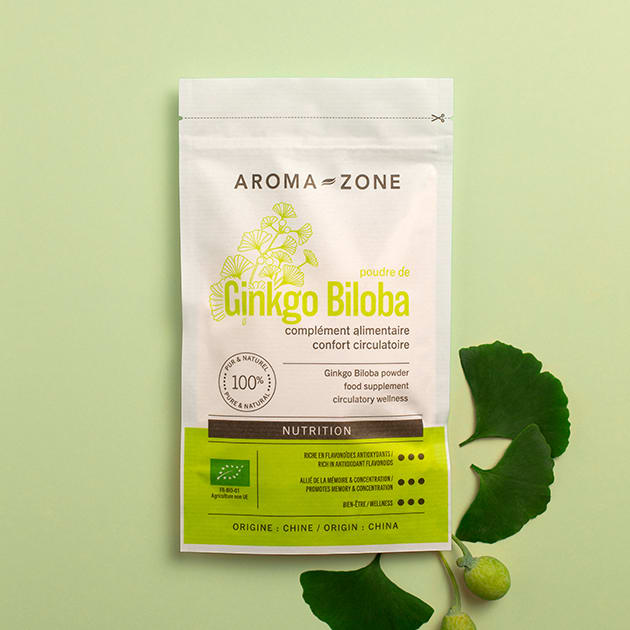
Organic Ginkgo biloba powder
Organic Ginkgo biloba powder is obtained from the leaves of Ginkgo biloba grown organically, finely ground into powder for easy incorporation into food or culinary preparations. Ginkgo is a plant traditionally recognized for its effect on cognitive functions, particularly in supporting memory, concentration, and intellectual performance. This powder can be added to drinks or recipes to enrich their nutritional profile while taking advantage of its bioactive compounds. In addition to its role in mental capacity, ginkgo is also associated with improved microcirculation, which can support oxygen delivery to tissues. Its fine texture and pale green color make it easy to incorporate into your daily routine, offering a natural way to support cognitive function as part of a balanced diet. Take 1/2 level teaspoon (500 to 750 mg) per day in herbal tea, a glass of water, fruit/vegetable juice, or sprinkle on your food. Store away from light, heat, and humidity in a tightly closed bag. Keep out of reach of children. Not a substitute for a varied and balanced diet and a healthy lifestyle. Do not exceed the recommended daily dose. For adult use only. Do not use during pregnancy or while breastfeeding. Consult your doctor if you are taking anticoagulants or antidepressants at the same time.
Discover Organic Ginkgo biloba powder
What are its side effects?
The most robust tolerance data concern 5-HTP used as a medication. In this context, the reported side effects are mainly digestive, with nausea and vomiting frequently described. Serotonin syndrome is also mentioned as a very rare side effect. This is a set of clinical manifestations related to excessive serotonin activity in the central nervous system. It can include agitation, digestive disorders, increased heart rate, and neuromuscular abnormalities. These factors highlight the need for increased vigilance when several substances acting on serotonin are combined.
What are the contraindications for griffonia?
The contraindications for griffonia are mainly related to its main active ingredient, 5-hydroxytryptophan (5-HTP), an amino acid naturally present in the body and a direct precursor of serotonin, a neurotransmitter involved in regulating mood, sleep, and appetite.
Griffonia is contraindicated when taken concomitantly with drugs that act on serotonin, such as serotonin reuptake inhibitors, serotonin and norepinephrine reuptake inhibitors, monoamine oxidase inhibitors, or certain migraine treatments. This combination exposes the patient to a risk of serotonin syndrome, a rare but potentially serious condition linked to excess serotonin in the nervous system.
Its use is also not recommended in people with a history of severe psychiatric disorders, particularly bipolar disorder, due to the risk of mood imbalance. As a precautionary measure, griffonia is not recommended during pregnancy and breastfeeding, as there is insufficient clinical data. Finally, anyone suffering from a chronic condition or undergoing medical treatment should seek medical advice before taking it, to ensure appropriate and safe use.
Precautions
Certain situations warrant particular attention. When used as a medication, 5-HTP is contraindicated in cases of severe renal failure, small intestine carcinoid tumors, or when combined with non-selective monoamine oxidase inhibitors. Drug interactions have been documented with several treatments that increase serotonergic activity, exposing patients to a risk of serotonin syndrome. These data must be taken into account when using dietary supplements containing griffonia, particularly in people undergoing treatment.
Expert advice
Griffonia is an interesting example of an ingredient whose biological mechanism is well documented, as 5-hydroxytryptophan is a direct precursor of serotonin. The available clinical data provide encouraging evidence in certain targeted contexts, even though they are still based on studies of limited duration and small sample sizes. Safety analysis, particularly when combined with other substances that act on serotonin, remains an essential focus for safe use.
Bibliography
Maffei ME. 5-Hydroxytryptophan (5-HTP): natural occurrence, analysis, biosynthesis, biotechnology, physiology, and toxicology. Int J Mol Sci. 2020;21(5):1810.
https://pmc.ncbi.nlm.nih.gov/articles/PMC7796270/
ANSM. Public database of medicines. Summary of product characteristics for LEVOTONINE (oxitriptan).
https://base-donnees-publique.medicaments.gouv.fr/
MSD Manuals Professional Edition. Serotonin syndrome.
https://www.msdmanuals.com/fr/professional
Sutanto C, et al. The impact of 5-HTP supplementation on sleep quality of older adults: a randomized controlled trial. Nutrients. 2021;13(5):1526.
https://pmc.ncbi.nlm.nih.gov/articles/PMC8181734/
Meloni M, et al. Effects of 5-HTP on REM sleep behavior disorder in Parkinson’s disease. Sleep Med. 2021;84:235-241.
https://pmc.ncbi.nlm.nih.gov/articles/PMC9418091/
Sutanto C, et al. The impact of 5-HTP supplementation on cognitive function and mood in older adults. Nutrients. 2025.
https://pmc.ncbi.nlm.nih.gov/articles/PMC12430700/