How Much Protein Do You Need per Day? Guidelines and Natural Tips

How Much Protein Do You Need per Day? Guidelines and Natural Tips


By Alice Blanchard

Published on: Thursday, July 17, 2025, Updated on: Wednesday, October 28, 2026

Would you like to tailor your diet to your metabolism and stage of life? You've probably heard of protein, the essential macronutrient involved in so many of the body's vital functions. So how much protein do you need each day? And how do you adjust that to your age, your activity level or your goals, whether that's building muscle, maintaining muscle or looking after your general health? Discover our guide, with practical benchmarks, natural ways to get the right amount of protein each day, and a simple way to work out your own protein needs.

Contents

Related products

What Is Protein?

Proteins are large molecules made up of units called amino acids. Of these, nine are known as essential amino acids, which our bodies cannot produce, so they must be obtained from our diet. Proteins play a fundamental role in building and repairing tissues (muscles, skin, organs), producing enzymes and hormones, and ensuring the proper functioning of the immune system. They also contribute to energy production when needed.

Good to Know: Proteins are found in animal sources (meat, fish, eggs, dairy products) and plant sources (legumes, grains, seeds, nuts). Plant-based proteins are particularly beneficial due to their high fibre content and the fact that they are easier to digest.

Take a closer look at our minced meat recipes to boost your protein intake.

Why Do You Need the Right Amount of Protein Each Day?

To Ensure Cell Renewal

The body is constantly renewing its tissues and cells. Protein provides the amino acids needed for these processes, helping to maintain and regenerate the skin, hair, nails, muscles, and internal organs. For example, the skin renews itself about every 28 days, while intestinal cells renew every 2 to 5 days. Protein also supports blood cell production and wound healing. Insufficient protein intake can slow these processes and contribute to loss of skin firmness, brittle hair, or slower wound healing. These symptoms may indicate a chronic protein deficiency, so it is important to know how much protein you need each day.

To Maintain Muscle Mass

Adequate daily protein intake helps to maintain muscle mass, particularly as we age or lead a sedentary lifestyle. Athletes may need more protein than less active people, as their bodies need to repair muscle tissue after exercise. A protein-rich diet can also support muscle mass gain when combined with appropriate physical activity. Muscles are mainly composed of contractile proteins, including actin and myosin. Every day, the body breaks down and rebuilds some of these muscle proteins. If dietary protein intake is too low, muscle mass can decrease, a process known as protein catabolism. In older people, this loss can be more pronounced as muscle protein synthesis slows down. The risk of sarcopenia, characterised by a loss of muscle mass and strength, also increases with age and can contribute to a higher risk of falls and loss of independence.

To Support the Proper Functioning of Your Organs

Proteins help produce enzymes that facilitate chemical reactions such as food digestion and energy production. They also play a role in hormone production, as certain hormones, including insulin and glucagon, are proteins that help regulate blood sugar levels and metabolism. Proteins are also involved in the immune system, as antibodies that help defend the body against infections are made of proteins. If intake is insufficient, immune defences decrease, making you more vulnerable to infections. It is also common to see a slowdown in metabolic functions. The body therefore needs a regular intake of protein, even if you do not take part in sporting activities.

To Help Promote Satiety and Support Energy Metabolism

Protein has a high satiating effect: it stimulates the production of certain hormones, including peptide YY and GLP-1, which help regulate appetite and prolong the feeling of fullness. It can therefore be included in weight-management diets, as a protein-rich meal may reduce cravings and limit excessive calorie intake. Digesting protein also requires more energy than digesting carbohydrates or fats, a phenomenon known as the thermic effect of food. Finally, protein helps maintain muscle mass, which contributes to resting energy expenditure. An adequate protein intake can therefore help regulate hunger and support metabolism as part of a balanced diet.

What Are the Benefits of Protein?

Protein therefore offers numerous benefits to the body:

  • Tissue Repair: Protein ensures the regeneration of muscle tissue following exercise, injuries or micro-tears

  • Immune Health: It helps produce antibodies and enzymes that protect against infections

  • Hormonal Balance: They are involved in the synthesis of numerous hormones that regulate the body’s major functions

  • Bone Support: Together with calcium, they help maintain bone health

  • Long-Lasting Satiety: They prolong the feeling of fullness and help to better control appetite

How Much Protein Do You Need Each Day, Depending on Your Stage of Life and Activity Level?

How Much Protein Should an Athlete Consume Each Day?

Athletes, whether amateur or professional, need more protein. This is because protein enables their bodies to repair muscles. It also supports sporting performance. An athlete’s protein requirements vary depending on their weight and the intensity of their training. Generally, this ranges from 1.2 to 2g per kg of body weight, or even more when aiming to gain muscle mass.

What Is the Recommended Daily Protein Intake for Older People?

As we age, protein synthesis naturally decreases, which contributes to sarcopenia (muscle loss). Healthcare professionals recommend 1 to 1.2g of protein per kg of body weight per day to prevent muscle loss and maintain strength and mobility.

How Much Protein Should a Woman (pregnant, breastfeeding, active) Consume Each Day?

The daily protein requirement for women varies according to age, physiological status (pregnancy, breastfeeding), and level of physical activity. For a healthy adult woman, the average reference value is 0.83g of protein per kilogram of body weight per day. For example, a woman weighing 60kg needs around 50g of protein per day. However, this requirement increases in certain situations, as outlined below.

Pregnant Women

How much protein does a pregnant woman need per day? During pregnancy, protein is used to build maternal tissues (the uterus, mammary glands, increased blood volume) and to support foetal growth. According to ANSES, the recommended intake increases by:

  • 1.2g/day in the first trimester

  • 6.1g/day in the second trimester

  • 10.7g/day in the third trimester

Therefore, in the third trimester, a pregnant woman may need 70 to 80g of protein a day, or even more if she takes part in regular physical activity. Sources should be varied to provide all the essential amino acids.

Breastfeeding Women

Breastfeeding also increases protein requirements. The body then uses this protein to produce rich, nourishing breast milk. ANSES recommends an additional 19g per day for the duration of exclusive breastfeeding. So, how much protein does a breastfeeding woman need per day? In practical terms, a breastfeeding woman should consume at least around 70g of protein per day. This intake helps to meet her high energy requirements, maintain the mother’s protein reserves and support the production of antibodies passed on to the baby.

Active and Sporty Women

Physical activity increases muscle protein turnover. Depending on the intensity and frequency of training, daily requirements amount to:

  • 1.2 to 1.4g/kg/day for endurance activities (running, swimming)

  • 1.5 to 2g/kg/day for strength training or competition preparation

For a 60 kg female athlete, this equates to 72 to 120g of protein per day. Spread this intake evenly across meals and snacks to support muscle recovery, maintain lean body mass, and minimise fatigue.

How Much Protein Per Day for a Woman – in Summary:

  • Sedentary adult woman: 0.83g/kg/day

  • Pregnant women (in the third trimester): Approximately 1.3g/kg/day

  • Breastfeeding Women: Approximately 1.1 to 1.3g/kg/day

  • Active Women: 1.2 to 2g/kg/day depending on intensity

To maximise absorption, choose a variety of sources and stay well hydrated. Also be mindful of red meat consumption , which should be moderated to avoid overloading the liver, the production of free radicals and chronic inflammation.

The case of Vegetarians and Vegans

Vegans and vegetarians need to combine different sources of plant-based protein in order to meet all their essential amino acid requirements (legumes and oilseeds, or grains and legumes). Plant-based protein powders, such as those made from hemp, oats, and almonds, can be an effective supplement when needed, but a healthy, balanced diet is usually enough to meet your requirements.


Daily Protein Requirements: What Values Should You Keep in Mind?

It’s best to spread your protein intake across the day’s meals: breakfast, lunch, dinner and, if necessary, a protein-rich snack. This ensures that protein is absorbed more effectively and provides a steady supply to your metabolism. Here’s a summary table of the recommended daily intakes for different situations:

Profile

Recommended intake (g/kg body weight/day)


Children aged 1–3 years


1.05


Children aged 4–13

 0.95


Teenagers aged 14–18


 0.85


Sedentary adult       


 0.8


Elderly person


 1 – 1.2


Pregnant woman


 +10 to 20 g


Breastfeeding women

 +15–20 g


Recreational sports enthusiast


 1.2 – 1.5


Weight training / muscle building


 1.5 – 2


These figures are general guidelines and may vary depending on an individual’s state of health, level of physical activity and specific goals. They are intended to indicate the average daily protein requirement.

Our Natural Plant-Based Protein Solutions

Organic hemp protein – a superfood

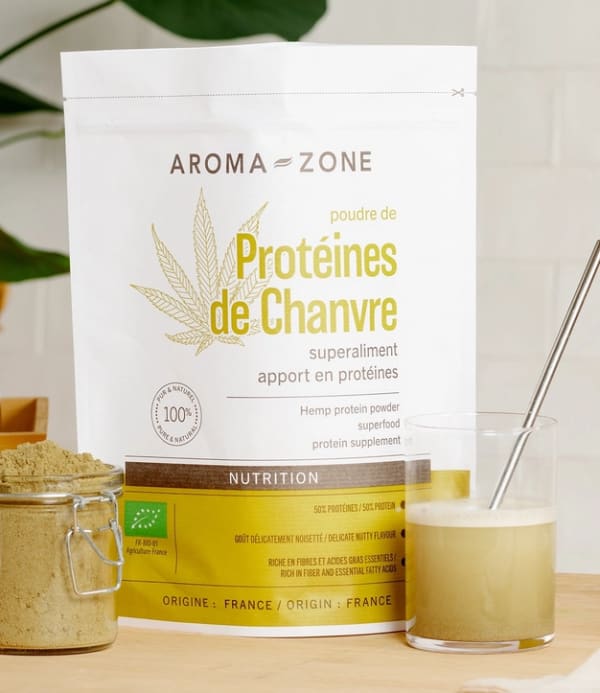
Organic Hemp Protein: Rich in easily digestible plant-based protein (minimum 50%), this powder made from hemp grown in France provides a complete profile of essential amino acids. It mixes easily into your shakes, energy balls, or smoothies. Store in a cool place to preserve its nutritional qualities.

Discover Organic Hemp Protein

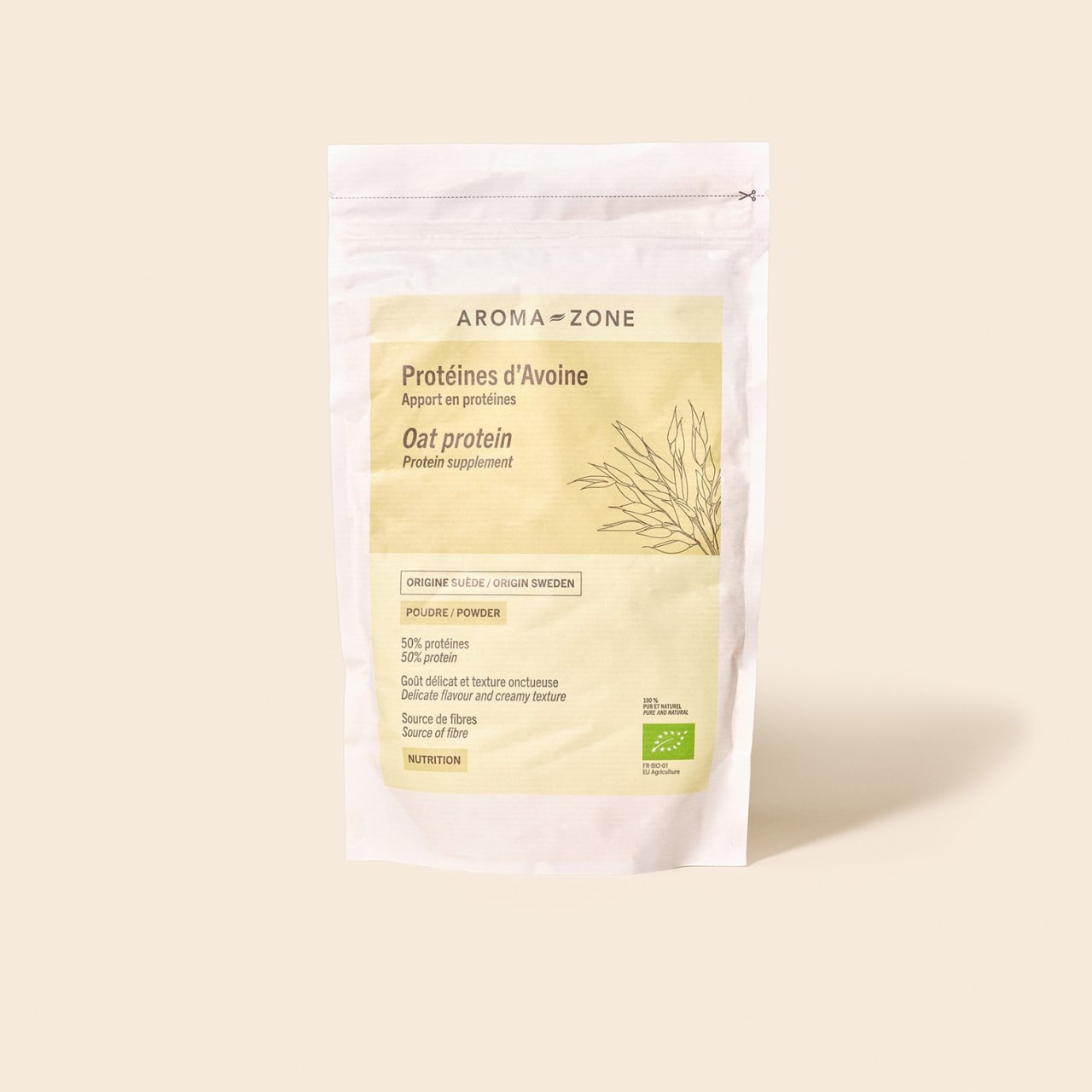
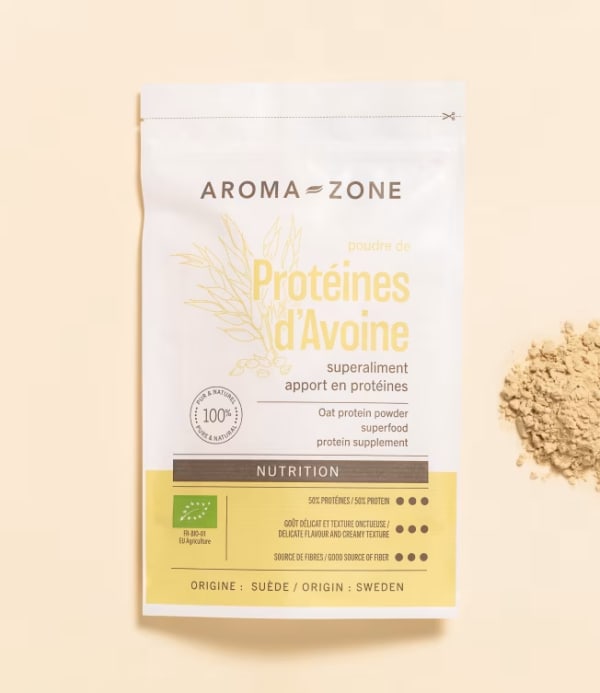
Organic Oat Protein: Made from Swedish organic oat bran, this powder provides protein (minimum 50%) and fibre to support digestion. Ideal for shakes and smoothies or as a partial substitute for flour.

Discover Organic Oat Protein

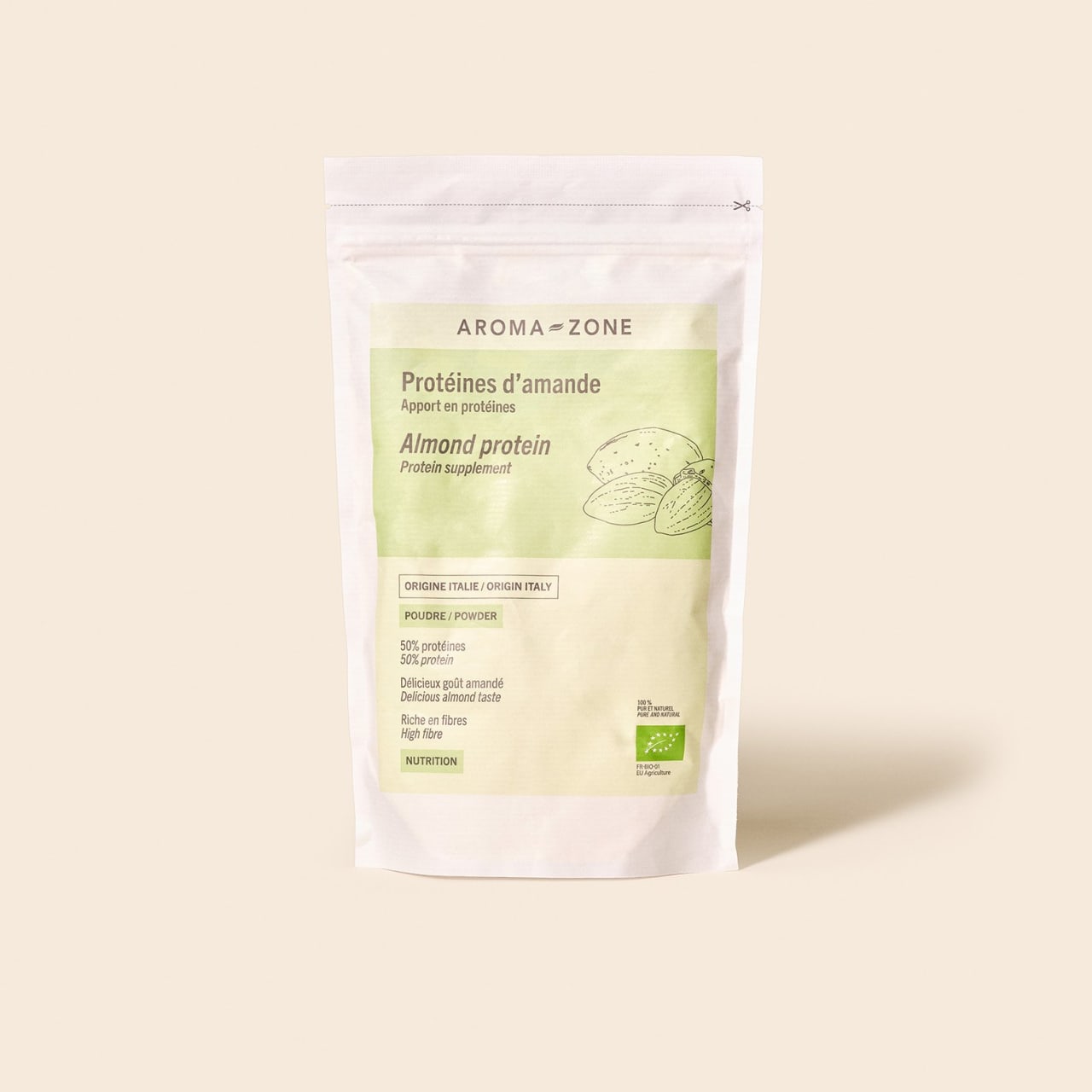
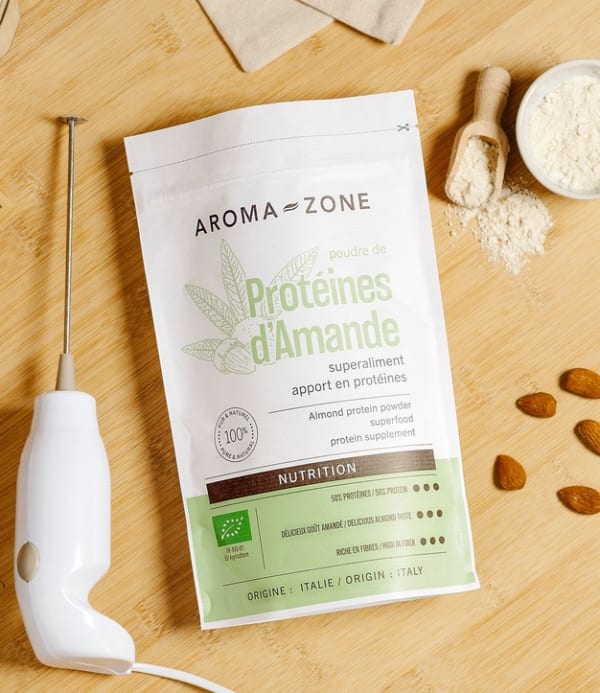
Organic Almond Protein: A fine powder with a subtle almond flavour, rich in protein (minimum 50%) and fibre. Perfect for healthy recipes, such as shakes, desserts, and protein bars.

Discover Organic Almond Protein

What Good Habits Should You Adopt?

  1. Start the Day With a Protein-Rich Breakfast: Include plant-based proteins in a smoothie or porridge for a sustained energy boost

  2. Combine Plant-Based Sources Throughout the Day: Pair legumes with grains for a complete amino acid profile

  3. Support Physical Activity With a Protein Bar: Have a protein-rich snack within an hour of your workout

  4. Ensure You Stay Properly Hydrated: The breakdown of protein produces nitrogenous waste that the body needs to eliminate

Protein-Rich Recipes from Aroma-Zone

Precautions for Use

Consuming excessive amounts of protein over a long period can put a strain on the kidneys, particularly in people with kidney failure. This is why it is vital to know how much protein you should consume each day. Protein powders should form part of a varied and balanced diet, and they should not be used as the sole source of protein.

Expert Advice

Choose a variety of high-quality proteins from natural, whole-food sources. Tailor your intake to your activity level and metabolism. Don’t focus only on how much protein you should consume each day. Listen to the signals your body sends you when it’s full! Above all, spreading your intake throughout the day is the key to long-term balance.

Spotlight on Our Beauty Writer: Alice Blanchard

Alice Blanchard

Formerly a manager at an organic shop, Alice spent several years helping her customers choose healthy products that respect both their health and the natural world. Having suffered from endometriosis since her teenage years, she chose to prioritise natural solutions to ease her symptoms and improve her day-to-day well-being. Drawing on her knowledge of naturopathy, she has always explored the benefits of plants and nutrition. Passionate about ecology and deeply connected to nature, Alice makes her own cosmetics and household products to reduce her impact on the planet and all its inhabitants.

Bibliography

  1. Protein

    ANSES, 2013

  2. Do you really need to eat more protein when you’re involved in high-level sport?

    INSERM, 2024

  3. What are our protein requirements?

    VIDAL, 2019

  4. A protein intake that is too high could increase the risk of cardiovascular events

    Observatoireprevention.org, 2024

  5. Protein Explained

    INRAE, 2021

  6. What nutrition and supplements are recommended for pregnant women?

    N. W INER, P. PARNET, D. DARMAUN – Nantes University Hospital – Department of Gynaecology and Obstetrics and Hôtel Dieu University Hospital – University of Nantes

Frequently Asked Questions

Frequently Asked Questions