How Can You Naturally Manage Pityriasis Versicolor?

How Can You Naturally Manage Pityriasis Versicolor?


By Agathe Aoun

Published on: Monday, March 06, 2023, Updated on: Monday, November 16, 2026

Pityriasis versicolor is a very common skin condition which can present in various ways depending on skin tone. In this article, we’ll look at what causes it, how it presents, how it can be treated, and what natural remedies are available.

Table of contents

Related products

Pityriasis Versicolor: What Is It?

Pityriasis versicolor appears as flat, slightly scaly patches (i.e. patches that flake), which are lighter in colour (particularly on olive or dark skin) or buff-coloured (particularly on fair skin).

Pityriasis versicolor typically affects the back, the torso, and sometimes the face. It does not usually cause itching and progresses relatively slowly. However, flare-ups can be frequent. Pityriasis versicolor is less common on the face.

Pityriasis versicolor often appears after prolonged sun exposure and is more common in hot, humid countries or during the summer months.
What Causes Pityriasis Versicolor?

Pityriasis versicolor is considered to be a fungal infection and is caused by the overgrowth of a yeast of the genus Malassezia, which is normally present in our skin’s commensal flora (skin microbiota). In some people, this microbiota is disrupted (due to lifestyle, stress, antibiotics, etc.) and this yeast proliferates abnormally; however, this is not a contagious disease but rather a form of skin hypersensitivity to the abnormal abundance of this fungus. Pityriasis versicolor is therefore not contagious. 

Pityriasis versicolor on dark skin: The temporary skin depigmentation visible on dark skin may be due to the production of dicarboxylic acid by Malassezia, which is toxic to melanocytes, the cells that produce skin pigment.

What Factors Contribute to the Development of Pityriasis Versicolor?

Pityriasis versicolor can develop due to several factors. It is more common in hot and humid regions, particularly in summer. Sun exposure can also contribute to its onset, as heat and humidity create an environment conducive to the proliferation of the fungus responsible for pityriasis versicolor.

Sometimes, frequent use of greasy or oily products on the skin, excessive sweating, and wearing synthetic clothing can contribute to the onset of this skin condition.

Finally, the skin depigmentation associated with pityriasis versicolor is temporary and is more commonly seen in people with darker skin.

How Is Pityriasis Versicolor Diagnosed?

The diagnosis of pityriasis versicolor is primarily clinical, meaning that it is usually established by visual examination of the characteristic lesions.

However, in some cases, a superficial skin swab may be taken to identify the presence of the yeast-like fungus Malassezia furfur, which causes pityriasis versicolor. This swab is usually taken by gently scraping the affected skin. The doctor or dermatologist can then examine the samples under a microscope to confirm the diagnosis.

If you have symptoms of pityriasis versicolor, it is essential to consult a healthcare professional for an accurate diagnosis and appropriate treatment recommendations.

How Can I Usually Treat Pityriasis Versicolor?

Traditionally, anti-fungal soaps or lotions are sufficient, to be applied over several days or weeks. Sometimes, particularly in cases of extensive spread or resistance, systemic anti-fungal treatment in tablet form may be recommended. Finally, in cases of frequent recurrence, a maintenance treatment (topical or systemic) may be prescribed.

It should be noted that once treatment has finished, the patches may take some time (several weeks or even months) to fade (particularly the light-coloured patches, which are common on darker skin): in such cases, daily exposure to the sun (around fifteen minutes, in the morning or late afternoon sun, without sun protection) can help speed up repigmentation.

Finally, changes to lifestyle habits may sometimes be necessary, such as stopping the use of oily emollients, improving one’s diet, etc.

Pityriasis Versicolor: Natural Treatment

Moisturising the skin with gels rather than creams or oils/butters (including avoiding sun oils) helps to prevent recurrence.

00829_Aloe_vera_gel.webp

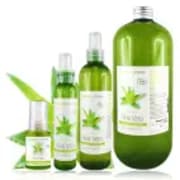
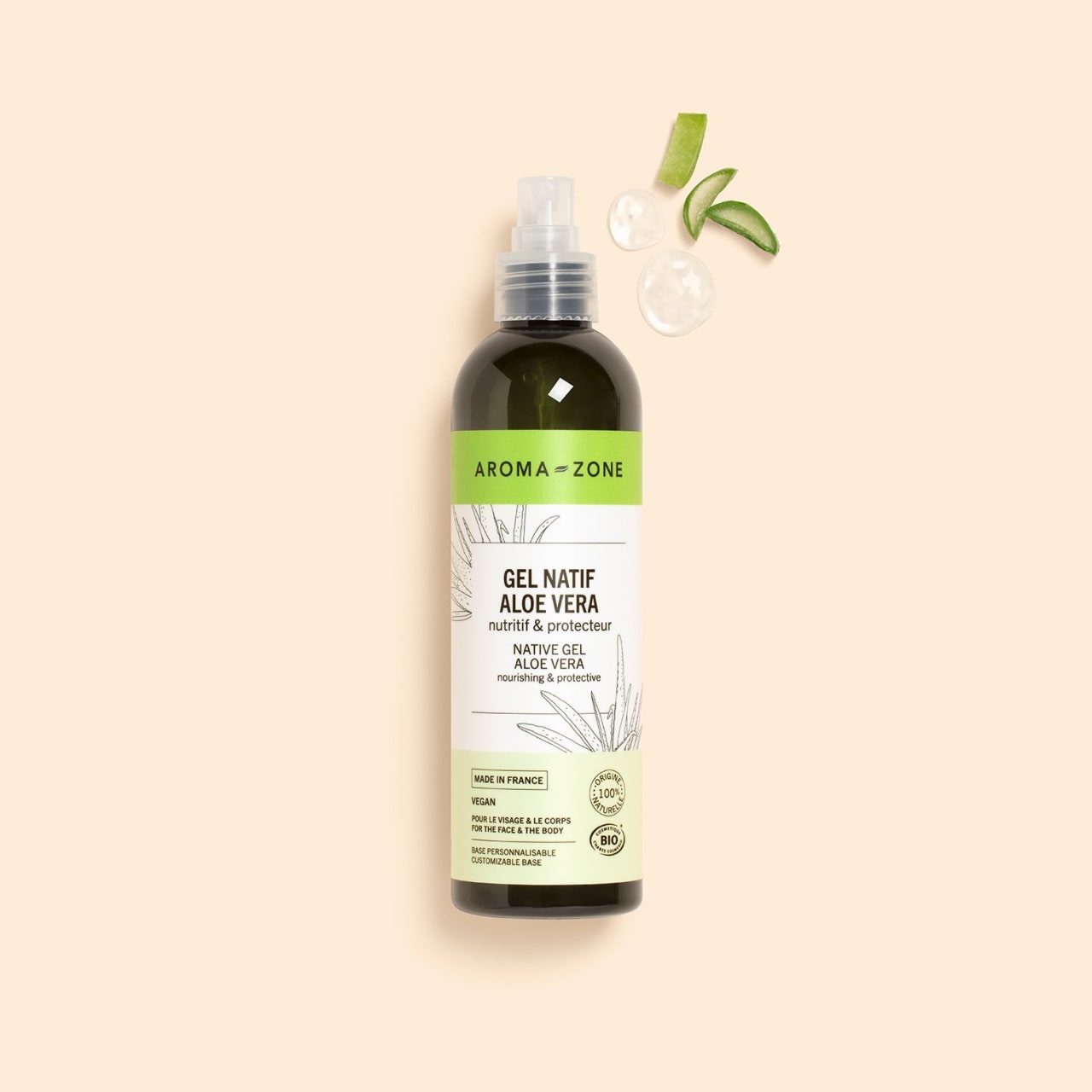
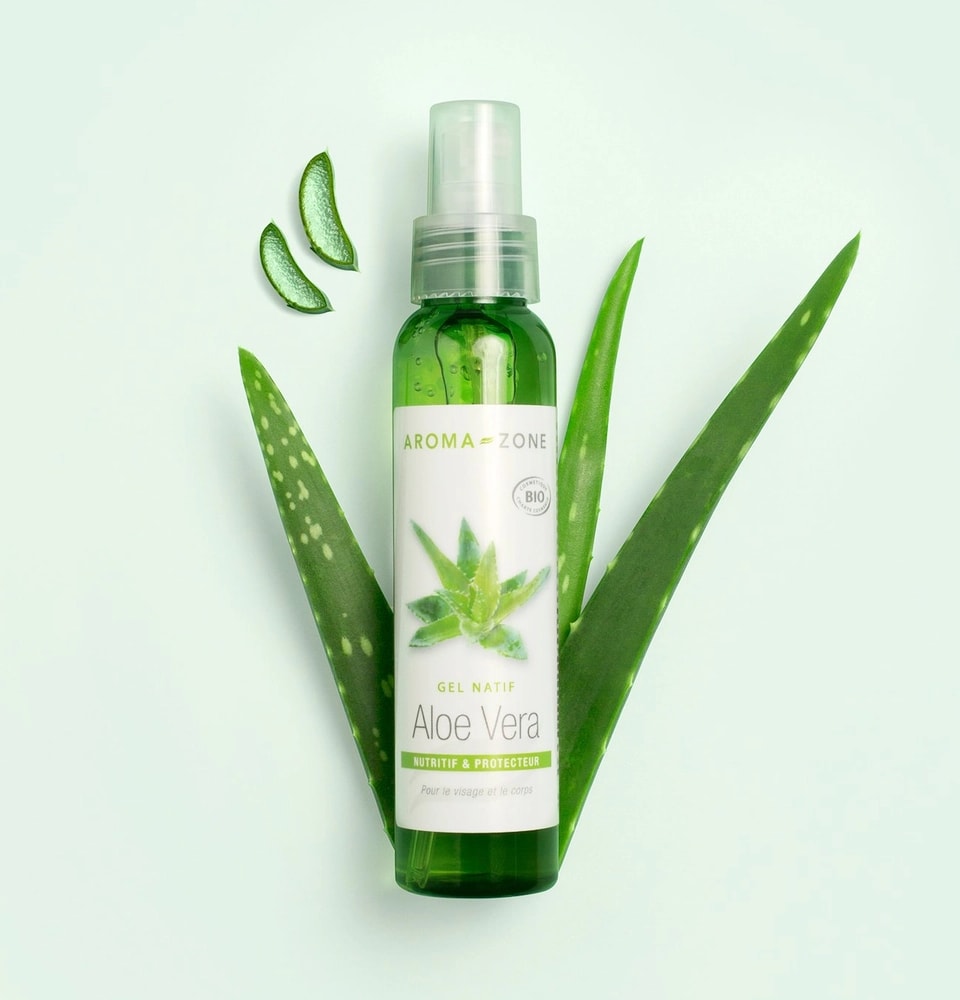
Aloe Vera Gel

This may be a good option, as it moisturises the skin without leaving it feeling greasy. It also has antiseptic and skin-soothing properties that may help support the skin's recovery.

Discover Aloe Vera Gel

Another advantage is the possibility of adding keratolytic and anti-inflammatory active ingredients such as salicylic acid and zinc.

 Plant-based salicylic acid

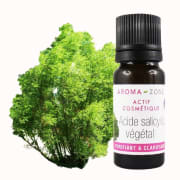
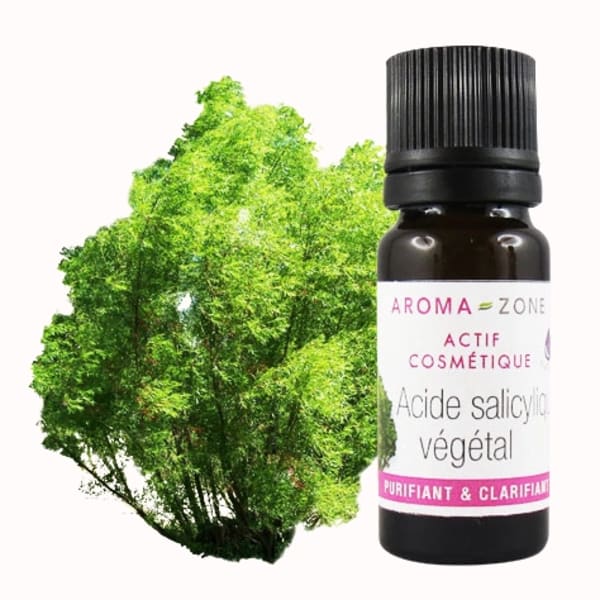
Plant-Based Salicylic Acid

Extracted from black willow bark, this ingredient has keratolytic properties – in other words, it helps smooth the skin by stimulating the removal of dead skin cells and promoting cell renewal. It is particularly suitable for oily skin, which may be more prone to pityriasis versicolor.

Discover Plant-Based Salicylic Acid

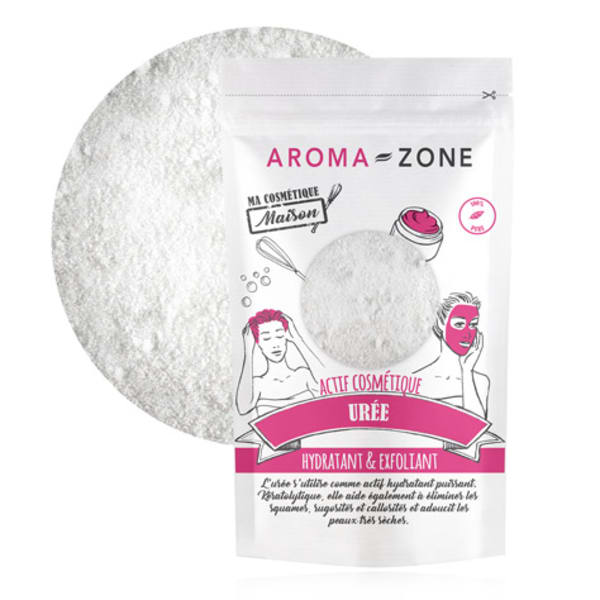
catalogue_cosmetic-ingredients_urea_7

Urea

Urea has both keratolytic and moisturising properties. It helps hydrate the skin without leaving it feeling greasy, while also gently exfoliating.

Discover Urea

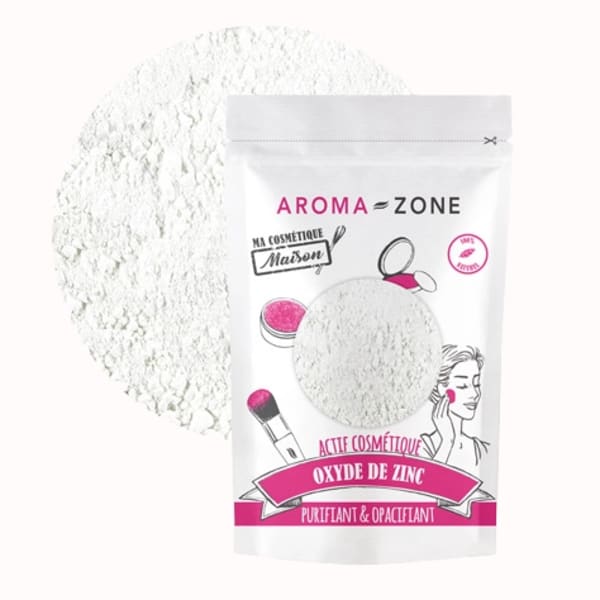
catalogue_cosmetic-ingredients_zinc-oxide_5.webp

Zinc

Zinc has anti-inflammatory and soothing properties. It also helps regulate sebum and purify the skin, acting in particular on Malassezia.

Discover Zinc

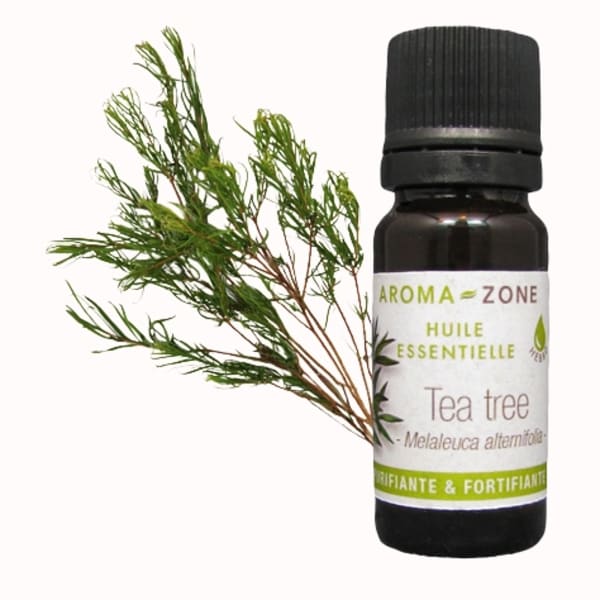
Tea tree essential oil

Tea Tree Essential Oil

It has antifungal and anti-inflammatory properties, so it is perfectly possible to incorporate it into an aloe vera gel-based preparation (by adding Solubol, which helps disperse the essential oil in the aloe vera gel). 

Discover Tea Tree Essential Oil

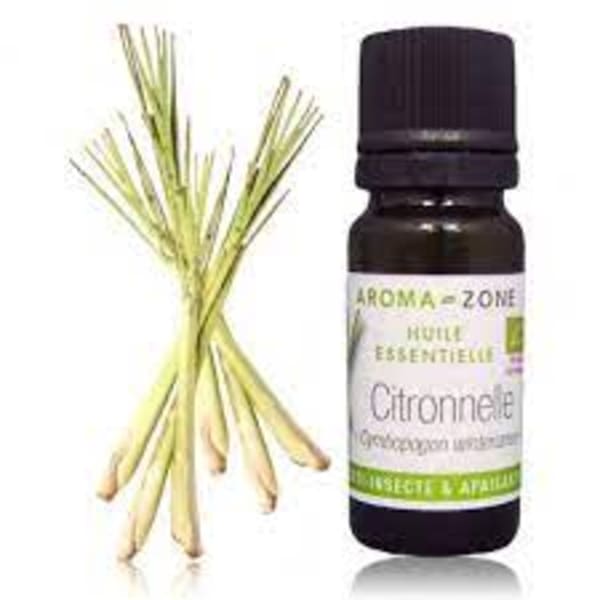
Lemongrass essential oil

Citronella Essential Oil

This essential oil is just as effective as certain topical antifungals.

Discover Lemongrass Essential Oil (Cymbopogon winterianus Jowitt)

Is Pityriasis Versicolor Contagious?

Pityriasis versicolor is not contagious; it is simply a skin hypersensitivity that varies from person to person. So there’s no risk in sharing your bath or beach towels!

What Are the Best Ways to Relieve Pityriasis Versicolor?

To minimise the risk of recurrence as much as possible and help restore your skin’s microbiome as effectively as possible, here are some practical tips:

  1. Step 1

    Eat a diet based on minimally processed foods wherever possible (choose fresh, seasonal ingredients and avoid ready-made products).

  2. Step 2

    Avoid excessive consumption of animal dairy products, which increase inflammation, and opt for plant-based sources of calcium (dark green leafy vegetables, calcium-enriched plant-based milk, legumes, calcium-rich mineral waters, etc.)

  3. Step 3

    Try to manage your stress as effectively as possible by following a daily anti-stress routine where possible: physical activity, yoga, breathing exercises, keeping a journal, etc.

  4. Step 4

    Avoid sun oils and opt for a sun lotion instead.

Precautions to Take When Treating Pityriasis Versicolor with Essential Oils

If you are considering treating pityriasis versicolor with essential oils, it is essential to take a few precautions. Essential oils are powerful substances and must be used with care, particularly on the skin. Here are some important recommendations:

  1. Dilution: It is essential to dilute essential oils in a carrier oil before applying them to the skin. Coconut oil, sweet almond oil, or olive oil are good options for carrier oils. A standard mixture involves adding a few drops of essential oil to a tablespoon of carrier oil

  2. Skin Test: Before applying a new essential oil to a large area of skin, always carry out a skin test. Apply a small amount of the diluted mixture to a small patch of skin to check for any allergic reaction. Wait 48 hours to ensure there is no redness, itching or irritation

  3. Suitable Age: Certain essential oils are not suitable for young children, pregnant or breastfeeding women, or people with specific health conditions. It is essential to check the safety of each essential oil for use in each specific situation. For example, tea tree essential oil is often used to treat pityriasis versicolor, but it must be used with caution and only after consulting a healthcare professional, particularly in children

  4. Avoid Contact with the Eyes and Mucous Membranes: Essential oils must never be applied directly to the eyes, nose or other sensitive areas. Take extreme care when using essential oils near the face

  5. Consult a Healthcare Professional: If you have any doubts about using essential oils to treat pityriasis versicolor, consult an aromatherapist or a qualified healthcare professional. They will be able to provide advice specific to your situation, including on suitable essential oils and dosages

  6. Medical Follow-Up: If pityriasis versicolor persists or worsens despite natural treatment, it is essential to consult a doctor or a dermatologist. In some cases, conventional medical treatment may be necessary to resolve the problem

By following these precautions, the use of essential oils can be a natural and effective approach to treating pityriasis versicolor.

Further Reading: Soothing Ointment for Skin Prone to Atopic Conditions

Article Written by Dr Aoun, Dermatologist

Dr Aoun -2.webp

Dr Agathe Aoun-Coussieu is a dermatologist based in Martinique, specialising in general, surgical and cosmetic dermatology. With a particular interest in skin health and well-being, she also offers advice and treatments that are as natural as possible, tailored to sensitive skin and specific skin concerns. She has also created an Instagram account where she shares her favourite products, information about skin conditions and skincare advice (@dragatheaoun).

Bibliography

  1. Tinea Versicolor

    Karray M, McKinney WP.

  2. Malassezia-Associated Skin Diseases: The Use of Diagnostics and Treatment

    Saunte DML, Gaitanis G, Hay RJ.

  3. Artemisia sieberi Besser essential oil and the treatment of fungal infections

    Mahboubi M.

  4. Treatment of pityriasis versicolor with topical application of Cymbopogon citratus (DC) Stapf essential oil – a therapeutic pilot study

    Carmo ES, Pereira Fde O, Cavalcante NM, Gayoso CW, Lima Ede O.