
Glutathione is a tripeptide naturally produced by the body, composed of glycine, glutamate, and cysteine. Present in all cells, it acts as a major endogenous antioxidant, protecting tissues from the effects of oxidative stress. It plays a role in several key functions: neutralising free radicals, recycling other antioxidants, supporting enzymatic functions, and eliminating certain toxic compounds. Its active form, known as the reduced form (GSH), is particularly effective at maintaining cellular balance. However, the natural production of glutathione can decrease with age, certain lifestyle habits, or periods of intense fatigue.
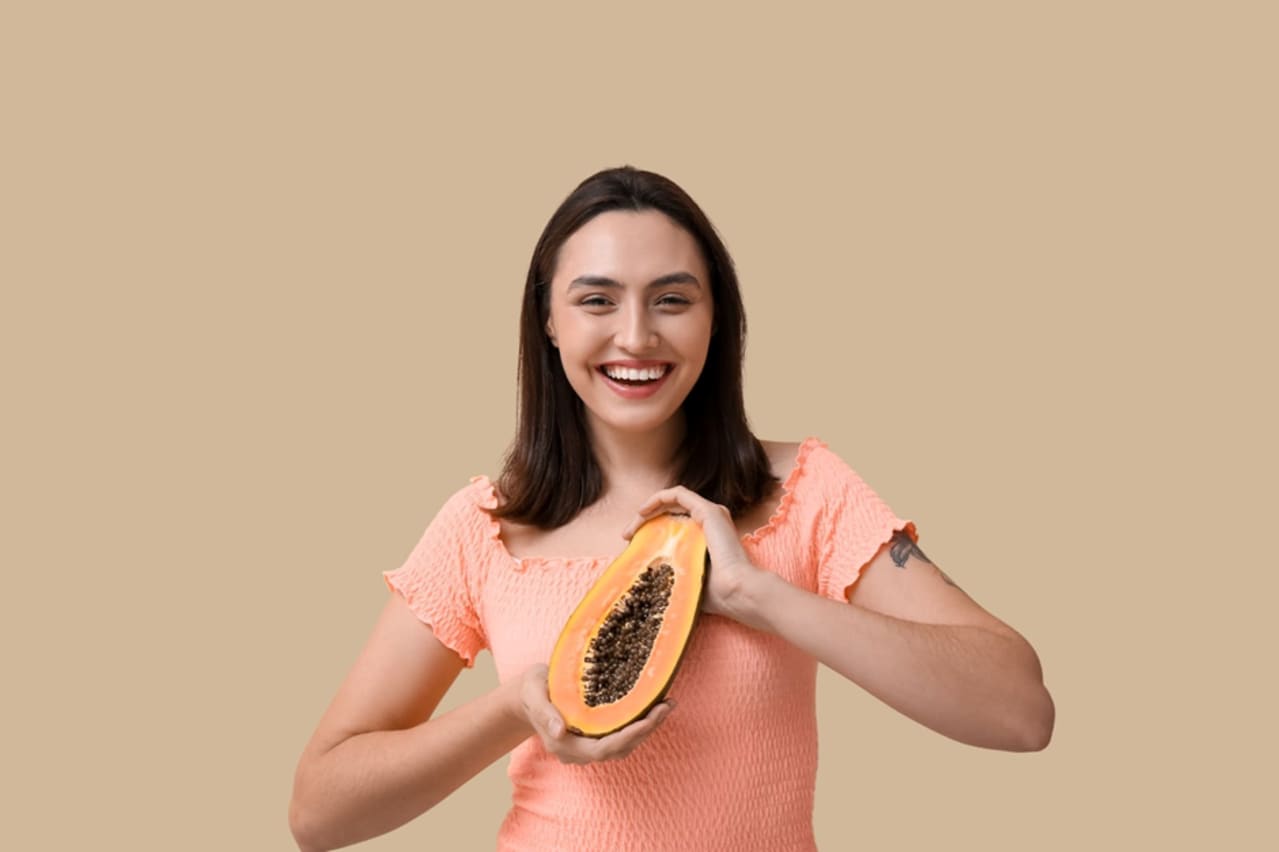
Glutathione: What Are the Benefits of This Antioxidant?
Published on: Tuesday, June 17, 2025, Updated on: Wednesday, October 28, 2026
Glutathione is an antioxidant naturally produced by our cells, essential for the body's oxidative balance. It plays a role in neutralising free radicals and supporting the proper functioning of many biological processes. How does it work day to day? What are its benefits for the body and vitality? Discover its key role in maintaining our internal balance, and why interest in it is growing.
Contents
Related products
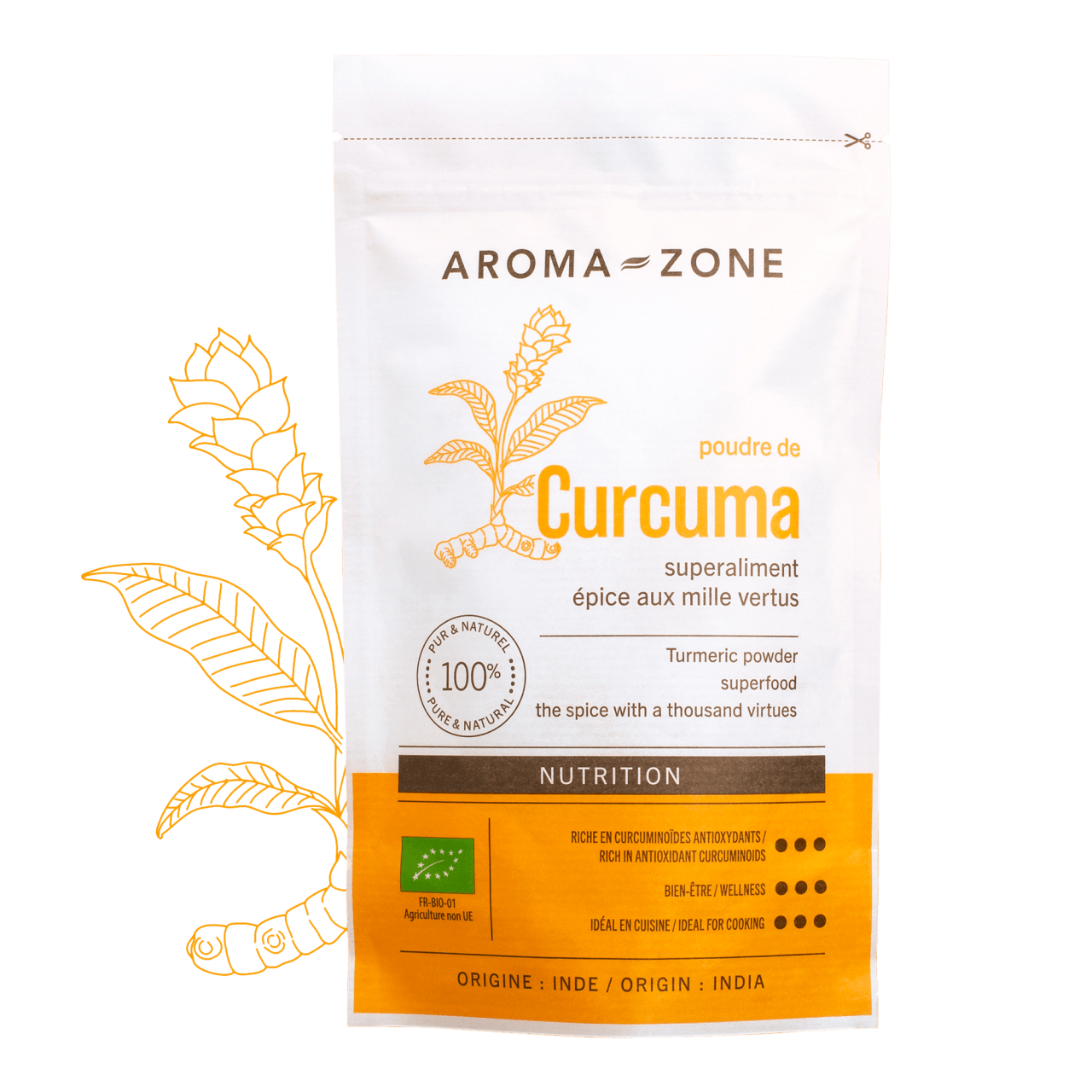
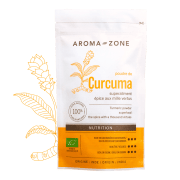
Organic Turmeric Powder
Rich in antioxidants
£4.00
100 g

Resveratrol & Grape Seed OPC - 60 Capsules
Anti-ageing
£19.00
23.2 g
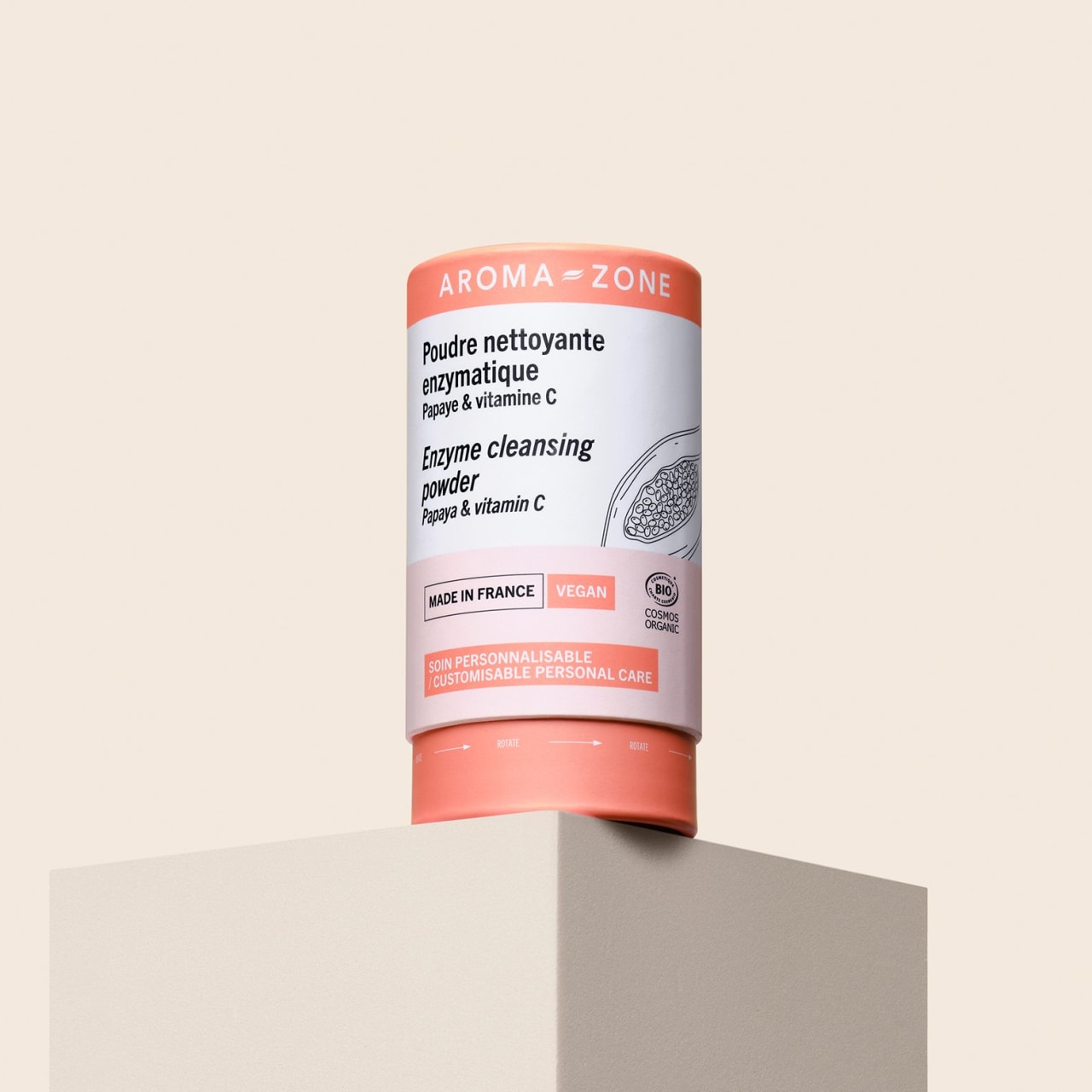
Papaya & Vitamin C Enzyme Cleansing Powder
Cleansing
Exfoliating
£8.00
30 g
What is glutathione?
Why is it beneficial to use this active ingredient?
Naturally present in the body, glutathione plays a role in several essential mechanisms related to cellular protection, vitality, and the proper functioning of major physiological processes:
Support against oxidative stress
Glutathione acts as a major endogenous antioxidant. It helps protect cells against excess free radicals, which are produced in particular by pollution, sun exposure, tobacco, and chronic stress. Its action helps limit the oxidation of cell membranes and preserve tissue integrity.
An ally for the body’s natural defenses
By helping to regulate certain immune cells, it promotes a balanced response from the body. In particular, it supports lymphocyte activity and plays a role in ensuring immune responses proceed smoothly, especially during periods of fatigue or seasonal changes.
A role in detoxification
Glutathione plays a role in liver detoxification pathways by promoting the elimination of certain undesirable compounds, such as drug residues or environmental pollutants. It is notably mobilised by the liver to neutralise reactive substances and facilitate their removal.
What are the benefits of glutathione?
Considered one of the most powerful antioxidants produced by the body, glutathione plays a fundamental role in cellular protection and balance. Its effects are manifold and affect various essential biological functions:
Neutralisation of oxidative stress: It limits the effects of free radicals, thereby protecting cells from premature ageing.
Support for immune function: It helps modulate the immune response during periods of fatigue or exposure to external stressors.
Regeneration of other antioxidants: It helps recycle vitamin C and vitamin E, prolonging their protective action.
Liver detoxification: It plays a role in the elimination of toxic substances, particularly in the liver.
Support for overall vitality: By maintaining cellular balance, it contributes to a feeling of energy and proper metabolic function.
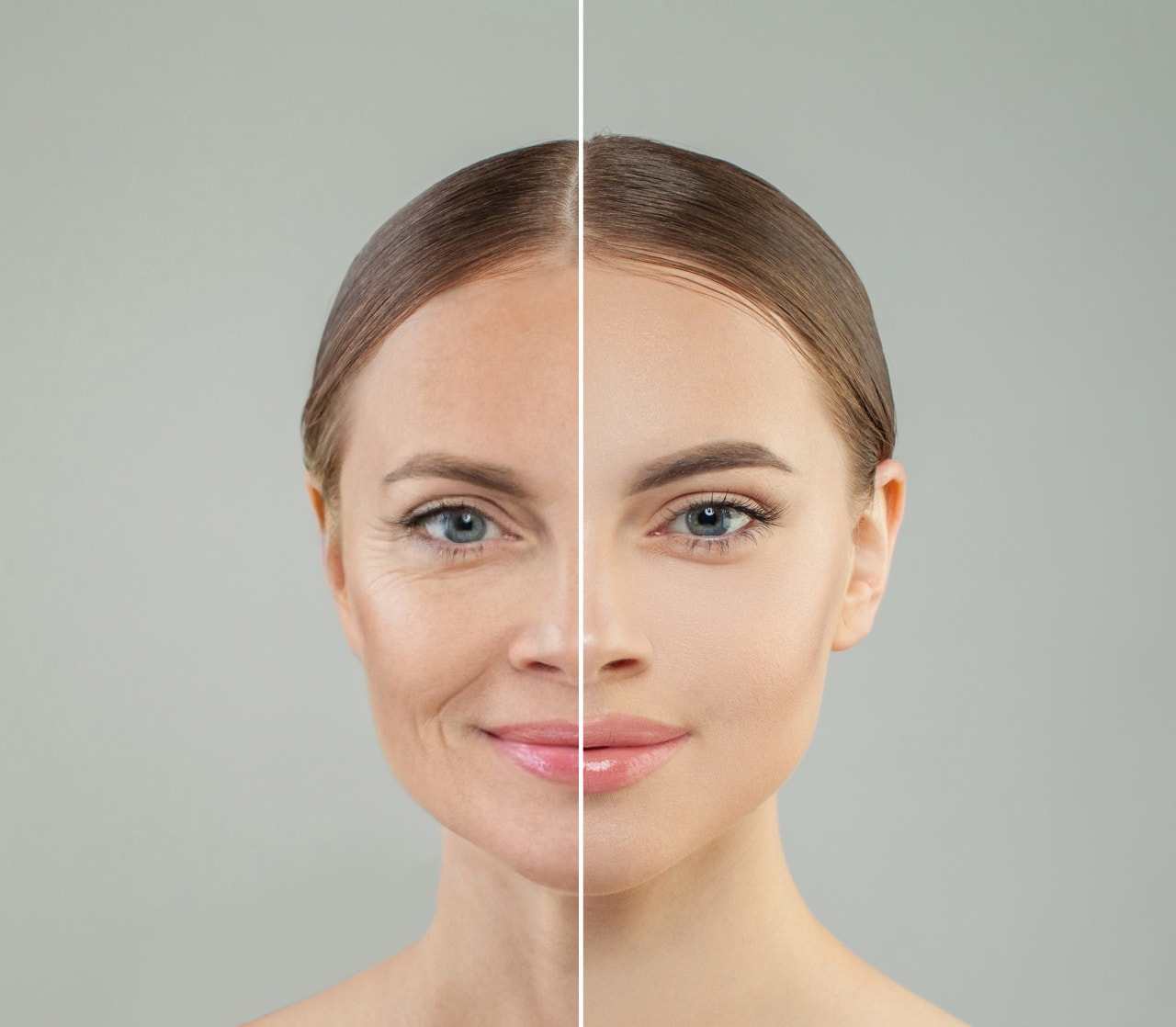
Benefits for the skin: By combating oxidative stress, it helps preserve the skin’s radiance and quality against external aggressors.
Support for the scalp: By supporting cellular balance and the response to oxidative stress, it helps maintain an environment conducive to hair vitality.
Where does this antioxidant come from?
Glutathione is naturally synthesized by the body, primarily in the liver, from three amino acids: glycine, cysteine, and glutamic acid. Its production depends on many factors: diet, lifestyle, stress, exposure to toxins…
Certain foods can support the body’s natural production of glutathione or strengthen its overall antioxidant environment:
Alliaceae: Garlic, onion. Rich in sulfur compounds that contribute to glutathione synthesis.
Cruciferous vegetables: Broccoli, cauliflower, Brussels sprouts. Sources of sulphur and sulforaphane.
Green vegetables: Spinach, asparagus, avocado. Rich in folic acid, magnesium, and glutamate.
Spices: Turmeric, known to support the enzymes involved in glutathione regeneration.
Fruits rich in vitamin C: Papaya, melon. They promote the recycling of active glutathione.
Red berries: Blueberries, raspberries, blackberries, highly concentrated in antioxidant polyphenols that protect cells from oxidative stress.
Note
However, the glutathione found in food is partially broken down during digestion. This is why people sometimes turn to forms that are better absorbed or to supplements containing precursors.
In what forms is it available as a dietary supplement?
When used as a dietary supplement, glutathione is available in several forms and absorption methods. Each form offers specific benefits depending on individual needs and the desired level of absorption:
Reduced glutathione (GSH): A biologically active form that the body can use directly. It has the highest antioxidant potential. It is often recommended for targeted support during periods of oxidative stress or persistent fatigue.
Liposomal glutathione: Encapsulated in liposomes (lipid vesicles), it offers better bioavailability and more efficient absorption at the cellular level to fully benefit from its effects. This form is preferred when seeking rapid and well-absorbed action.
Glutathione precursors: Some supplements do not provide glutathione itself, but rather the amino acids necessary for its synthesis (cysteine, glycine, glutamic acid) or cofactors such as vitamin C and selenium, which support its recycling.
Combination with vitamin C: Often recommended to prolong the action of reduced glutathione and stabilise its active form in the body.
The choice of form depends on personal goals, lifestyle, and digestive sensitivity. A short course of treatment may be appropriate during occasional periods of imbalance, while a more gradual approach is possible using precursors or mild formulations.
How can you tell if you’re deficient in glutathione?
There is no single symptom indicating a glutathione deficiency, but certain signs may suggest an increased need by the body. This need may arise in cases of chronic fatigue, significant stress, or repeated exposure to oxidative factors (pollution, tobacco, an unbalanced diet, etc.).
Here are some possible symptoms to watch for:
Persistent fatigue, difficulty recovering
Dull complexion, sensation of less resilient skin
Increased vulnerability to external stressors (seasonal changes, frequent infections)
Sensitivity to stress, nervousness, or lack of concentration
A busy lifestyle or a diet lacking in essential micronutrients
Note
These signs are not specific, but they may indicate a need to support the body’s natural defences, particularly through diet or lifestyle habits that promote antioxidant balance.
Skin and hair: what effects have been observed?
As an endogenous antioxidant, glutathione plays an important role in protecting skin cells and the scalp from the effects of oxidative stress.
Several clinical studies have shown that taking it orally every day can reduce the melanin index and improve skin radiance, helping to create a more even skin tone.
Its protective action against free radicals, enhanced by certain precursors, also helps the skin better withstand environmental aggressors such as UV rays or pollution.
Experimental studies also suggest that glutathione supports follicular cell activity, thereby promoting a balanced scalp and an environment conducive to hair growth.
What routine should you adopt to strengthen your antioxidant defenses?
Certain plants, powders, and vegetable oils are known for their high content of natural antioxidants, which can support the body’s defences. Here is a five-step routine, based on active ingredients available at Aroma-Zone, to gently support your daily needs:
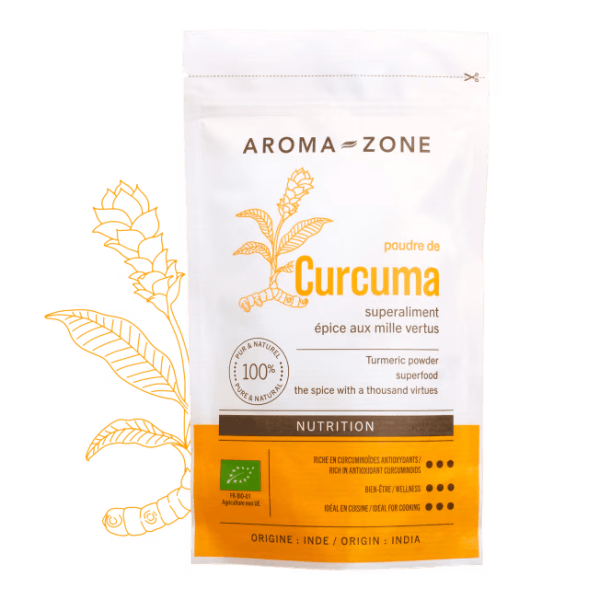
1. Start the day with digestive antioxidant support
Organic Turmeric Powder is naturally rich in curcumin, an antioxidant pigment with recognised properties. Traditionally used for its protective and soothing effects, turmeric helps support liver and digestive functions while contributing to cellular balance.
2. Providing a stimulating plant concentrate
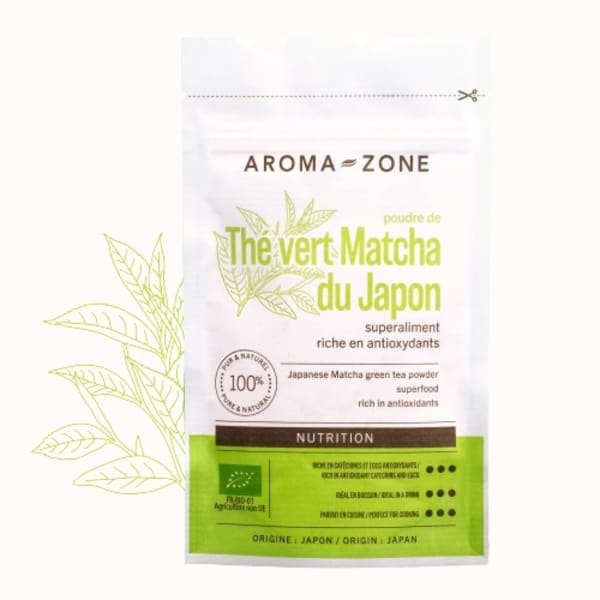
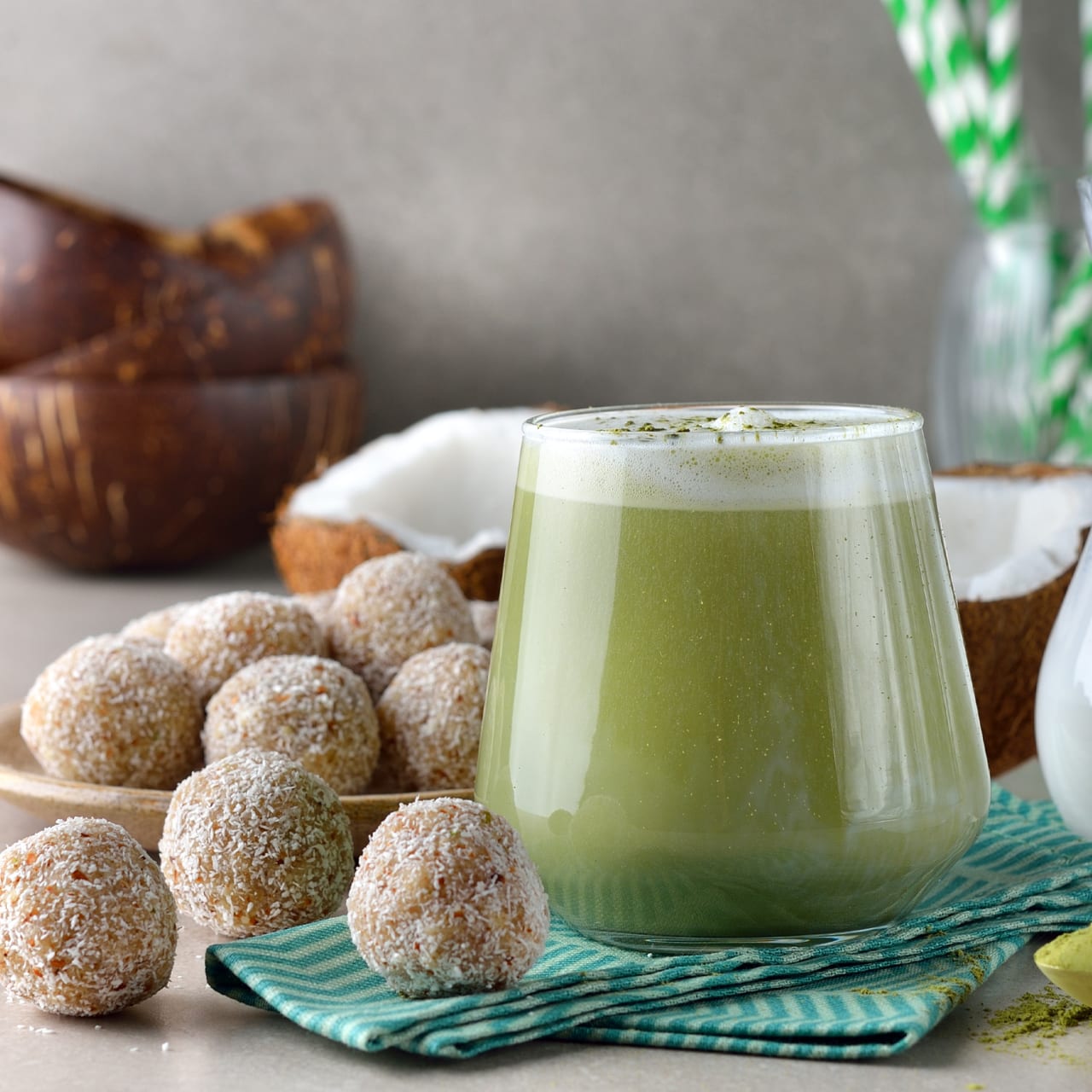
Matcha Tea Powder is made from finely ground leaves rich in catechins and chlorophyll. It is ideal for supporting the body’s natural defences and provides excellent relief during periods of fatigue or temporary stress.
3. Boost cellular protection with Vitamin C
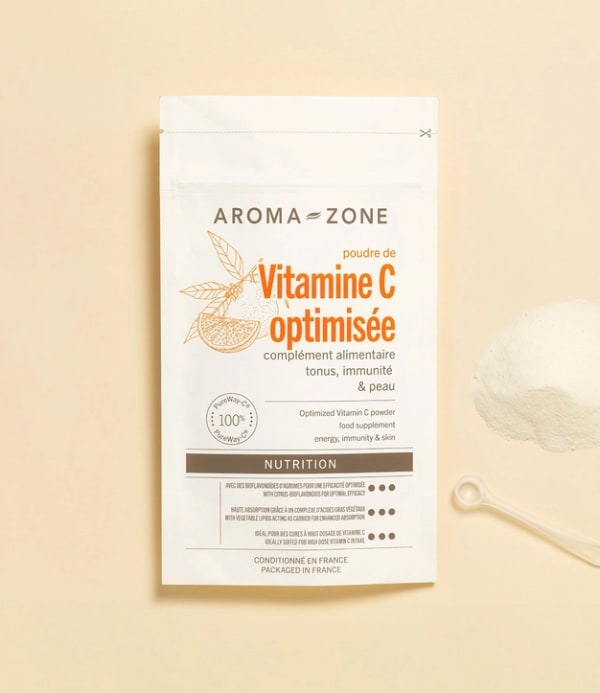
Vitamin C powder, extracted from L-ascorbic acid, is a powerful antioxidant. It helps regenerate glutathione in its active form, prolonging its protective action at the cellular level.
4. Supplement your intake of cofactors with enriched brewer’s yeast
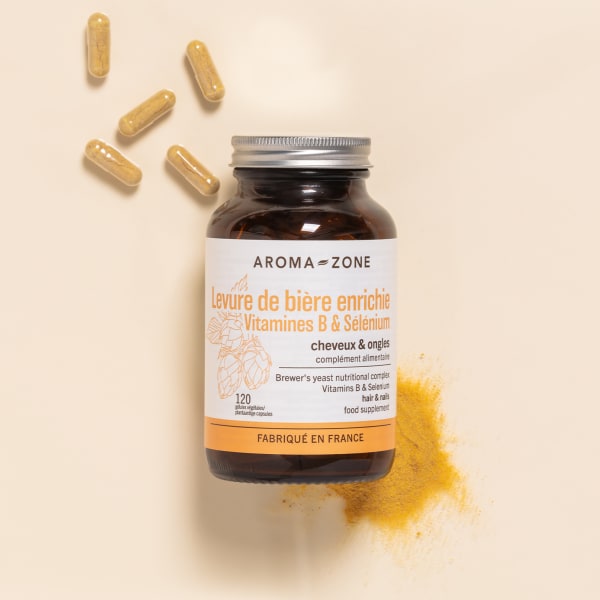
Brewer’s yeast enriched with B vitamins and selenium provides essential nutrients for glutathione synthesis and recycling. B vitamins, particularly B2 and B6, play a role in energy metabolism and cellular protection, while selenium supports the action of antioxidant enzymes. Regular use can help strengthen the body’s natural defense mechanisms and fortify hair.
5. Extend cellular defense at the end of the day
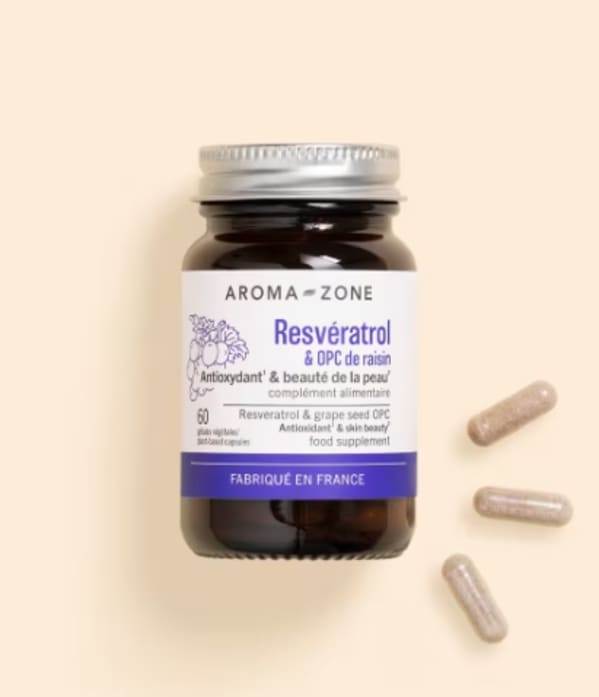
The Resveratrol & Grape OPC supplement combines three active ingredients known for their antioxidant efficacy: Veri-te™ trans-resveratrol, extracted from grapevines, supports cardiovascular function and helps limit the effects of cellular aging; grape seed OPCs, rich in polyphenols, help improve skin appearance and maintain hydration; vitamin C derived from acerola boosts immunity, promotes collagen formation, and protects cells from external aggressors. This trio targets imbalances linked to oxidative stress and supports overall vitality, both physical and mental.
Our recipes to try at home



Precautions for use
Glutathione is generally well tolerated when produced naturally by the body or obtained through diet. However, when taken as a supplement, certain precautions are necessary. Adverse effects may occur in some individuals, such as mild digestive issues (nausea, abdominal discomfort) or temporary headaches.
As a precaution, its use is not recommended:
For pregnant or breastfeeding women, unless advised by a doctor.
If you are currently undergoing medical treatment, due to possible interactions.
For individuals with a sensitivity to sulphur (due to the presence of cysteine).
If taken in excess, for an extended period, or in the wrong dosage, it could cause digestive issues.
It is always recommended to consult a healthcare professional before considering a course of treatment, especially if you are undergoing medical treatment or have a chronic condition.
Expert Advice
Glutathione is a valuable ally in supporting the body’s natural defence mechanisms, particularly against oxidative stress. Rather than immediately turning to isolated supplementation, it is often more effective to start by improving diet and lifestyle.
Increasing intake of natural precursors (such as cysteine from garlic or broccoli), engaging in regular physical activity, getting good sleep, and limiting exposure to pollutants are all simple yet effective steps.
When needed, supplements may be considered, ensuring you choose a form that is easily absorbed, such as reduced or liposomal glutathione. As with any active ingredient, the key lies in listening to your body and adopting an approach tailored to your own pace.
Spotlight on Our Nutrition and Food Expert, Marie-Anne Vion

Faced with digestive disorders such as IBS and SIBO, Marie-Anne turned to nutrition and natural solutions. Passionate about wellbeing, she is now studying dietetics and nutrition. She shares her expertise through articles that offer accessible advice and insights. Drawn to the brand's natural approach, she helps promote a balanced diet and self-reliance in health matters.
Bibliography
Wikipedia
https://fr.wikipedia.org/wiki/Glutathion
PubMed
https://pmc.ncbi.nlm.nih.gov/articles/PMC5413479/
PubMed
https://pmc.ncbi.nlm.nih.gov/articles/PMC11292124/
OnlineLibrary
https://onlinelibrary.wiley.com/doi/full/10.1111/jdv.19717

Frequently Asked Questions
Associated recipe
Associated tip
Nutrients, Vitamins, Minerals & Antioxidants


