


Everything You Need to Know About Magnesium Carbonate

Everything You Need to Know About Magnesium Carbonate


By Laura Almeras

Published on: Monday, February 26, 2024, Updated on: Friday, October 02, 2026

Calcium carbonate, also known as “magnesia powder,” is much more than just a substance that improves adhesion. Like traditional magnesium, this form of magnesium is used in many products for its anti-caking and anti-acid properties. We’ll tell you everything you need to know about magnesium carbonate, including when to use it and how it benefits you.

Contents

Related products

What is magnesium carbonate?

Magnesium carbonate is a chemical compound represented by the formula MgCO3. It is closely related to calcium carbonate but differs in that it contains magnesium (Mg) atoms instead of calcium (Ca) atoms. Like calcium carbonate, it appears as a fine, odorless white powder.

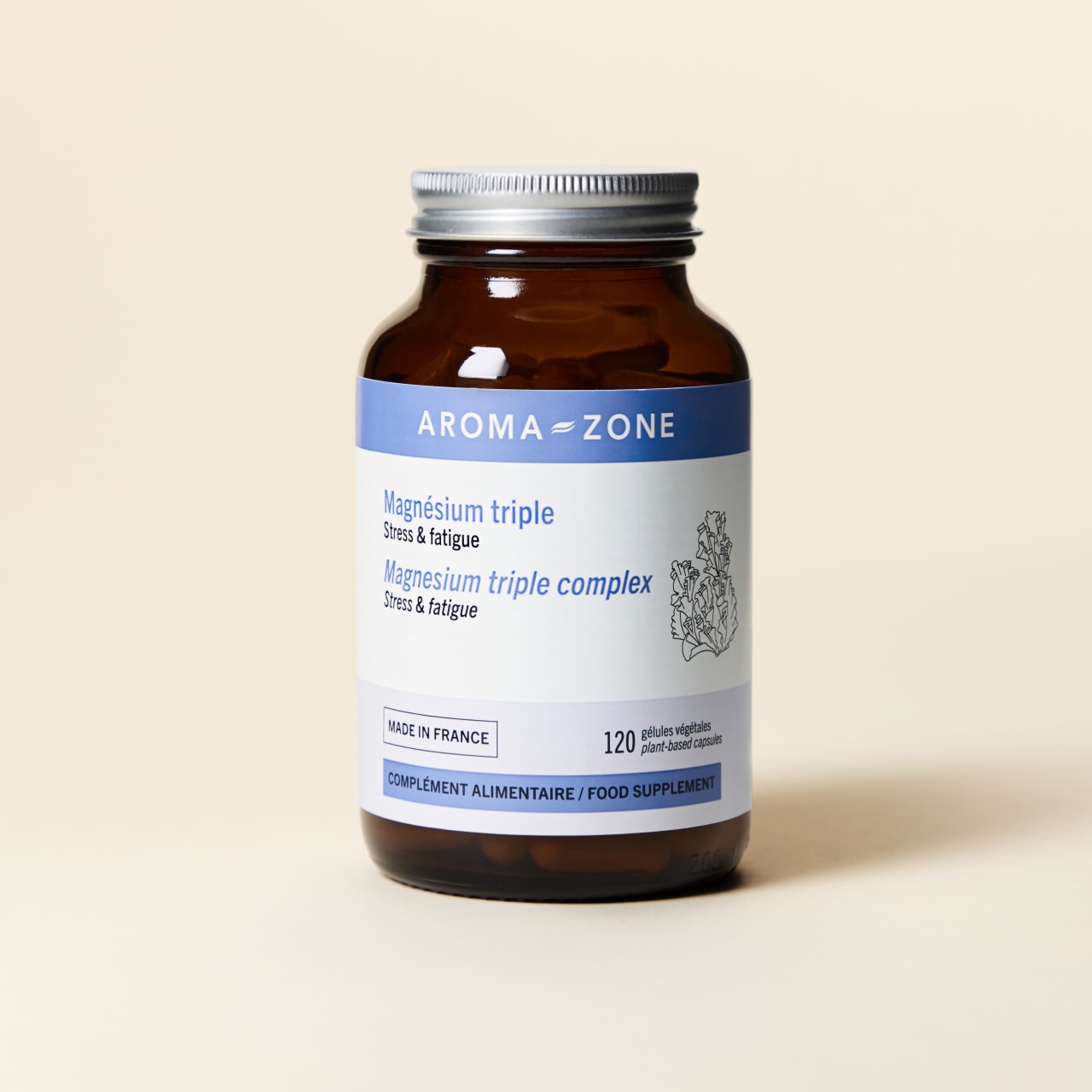
Physiologically, magnesium carbonate is an excellent source of magnesium. It is involved in many vital biological processes, such as regulating muscle function, transmitting nerve signals, maintaining bone health, managing stress, and supporting cardiovascular health. As such, magnesium carbonate is often used as a dietary supplement to provide magnesium to people whose dietary intake of magnesium is insufficient.

Check out our article on: Everything you need to know about magnesium, here.

Beyond its uses in the health sector, magnesium carbonate is also used in the food industry as a food additive, in the cosmetics industry, and in the sports industry. Its versatility and health benefits make it a widely appreciated chemical compound used across many sectors.


What are the benefits of magnesium carbonate? Is it good for your health?

Magnesium carbonate is often recognized for its many health benefits. Here are some of the most notable advantages associated with its use:

  • Muscle support: Magnesium carbonate is particularly effective at supporting muscle function. It helps relax tense muscles and can reduce the risk of muscle cramps, especially after intense physical exercise.

  • Stress and Anxiety Management: Magnesium carbonate is often used to promote relaxation and reduce stress and anxiety. By regulating magnesium levels in the body, it can help calm the nerves and promote a calmer state of mind.

  • Improved Sleep: By promoting relaxation and reducing stress, magnesium carbonate can also help improve sleep quality. Regular consumption may promote deeper, more restorative sleep.

  • Heart health: Magnesium is important for cardiovascular health, and magnesium carbonate is no exception. It can help maintain a regular heart rate and normal blood pressure, thereby helping to reduce the risk of cardiovascular disease.

  • Bone health: Magnesium carbonate plays a role in bone health by helping to regulate bone mineral density. It can help prevent osteoporosis and maintain strong, healthy bones.

  • Relief from constipation: Magnesium carbonate also has mild laxative properties and can be used to relieve occasional constipation . It helps soften stools and promote bowel movement.

  • Antacid action: When ingested, it reacts with the hydrochloric acid in the stomach to form calcium chloride, water, and carbon dioxide. This chemical reaction helps neutralize stomach acid and thus relieve symptoms of heartburn, gastroesophageal reflux, and other gastrointestinal issues associated with excess stomach acid.

Magnesium carbonate should be taken as part of a balanced diet. Too much magnesium can be harmful, just as a magnesium deficiency can be, so don’t hesitate to ask your doctor or pharmacist for advice. Healthcare professionals are best suited to advise you and guide you in your supplementation.

How is it used?

This compound is frequently used across various sectors, including the pharmaceutical, food, cosmetic, and sports industries. Here are some of its main uses:

  1. As a dietary supplement: Magnesium carbonate is often used as a dietary supplement to provide magnesium, a mineral essential for many bodily functions, including bone, muscle, and nervous system health.

  2. As an anti-caking agent: Due to its ability to absorb moisture, magnesium carbonate is used as an anti-caking agent in various foods such as spices, condiments, and protein powders

  3. As an absorbent in cosmetic applications: In the cosmetics industry, magnesium carbonate is used as an absorbent in mattifying face powders and as an ingredient in deodorants.

  4. To improve grip in sports: Also known as "magnesium powder," athletes use it to improve grip during rock climbing, gymnastics, and other activities where good traction is necessary.

Magnesium carbonate, whether used in food or cosmetics, is generally considered safe. However, precautions should be taken to avoid excessive consumption, particularly when taken as a dietary supplement. An overdose could lead to an electrolyte imbalance or other potential complications.

In what form should you take it?

Magnesium carbonate can be consumed in various forms, depending on your preferences and goals. Here are some of the most common forms of magnesium carbonate:

Tablets or capsules: Magnesium carbonate is often available in tablet or capsule form, making it a convenient and quick option.

Powder: This powder form can be mixed with water or other liquids to create a drink. Magnesium carbonate powder can be added to your smoothies, juices, or any other beverages you enjoy.

Topical: In addition to oral forms, magnesium carbonate is sometimes used topically, meaning it is applied directly to the skin. Topical products containing magnesium carbonate can be used as creams, lotions, or sprays to relieve muscle pain, promote relaxation, and reduce stress, for example.

Liquid supplements: Some brands offer liquid dietary supplements containing magnesium carbonate. These solutions may be ready-to-drink or diluted in water according to the manufacturer’s instructions.

It is important to follow the manufacturer’s usage recommendations or consult a healthcare professional to determine the appropriate dosage for you. Finally, be sure to adhere to the recommended daily dosages to avoid any risk of overdose or adverse effects.

Why take magnesium carbonate or citrate? What’s the difference?

Magnesium carbonate and magnesium citrate are two common forms of magnesium supplements, each with its own benefits. Here are the main differences between these two forms:

  • Magnesium carbonate: This form of magnesium is often preferred for its mild laxative properties. It is generally better tolerated by the stomach than other forms of magnesium.

  • Magnesium citrate: Magnesium citrate is better absorbed by the body than magnesium carbonate. It is often chosen for its fast and effective results, particularly for relieving muscle cramps, promoting relaxation, and supporting cardiovascular health.

The choice between magnesium carbonate and magnesium citrate will depend on your individual needs and preferences. If you suffer from constipation, you may prefer magnesium carbonate. On the other hand, if you want fast-acting effects and better bioavailability, we recommend opting for magnesium citrate.

Spotlight on our wellness editor, Laura Almeras

The_Luuxx_Photographer_-_Pro_Shoot_Laura-15.jpg

Laura is a health, beauty, and lifestyle writer. Passionate about travel and gastronomy, she shares all her nutrition tips for combining pleasure with well-being. Through her articles, she is committed to providing you with meaningful information and practical advice to nourish your body and mind.

Bibliography

  1. https://www.vidal.fr/parapharmacie/complements-alimentaires/magnesium.html

  2. https://fr.wikipedia.org/wiki/Carbonate_de_magn%C3%A9sium

  3. https://www.nationalgeographic.fr/sciences/medecine-sante-alimentation-la-vitamine-d-pas-la-seule-a-pouvoir-renforcer-vos-os

Frequently Asked Questions

Frequently Asked Questions