Eating a Banana in the Evening: Good or Bad Idea?

Eating a Banana in the Evening: Good or Bad Idea?


By Laetitia De Rosa

Published on: Friday, August 01, 2025, Updated on: Friday, October 30, 2026

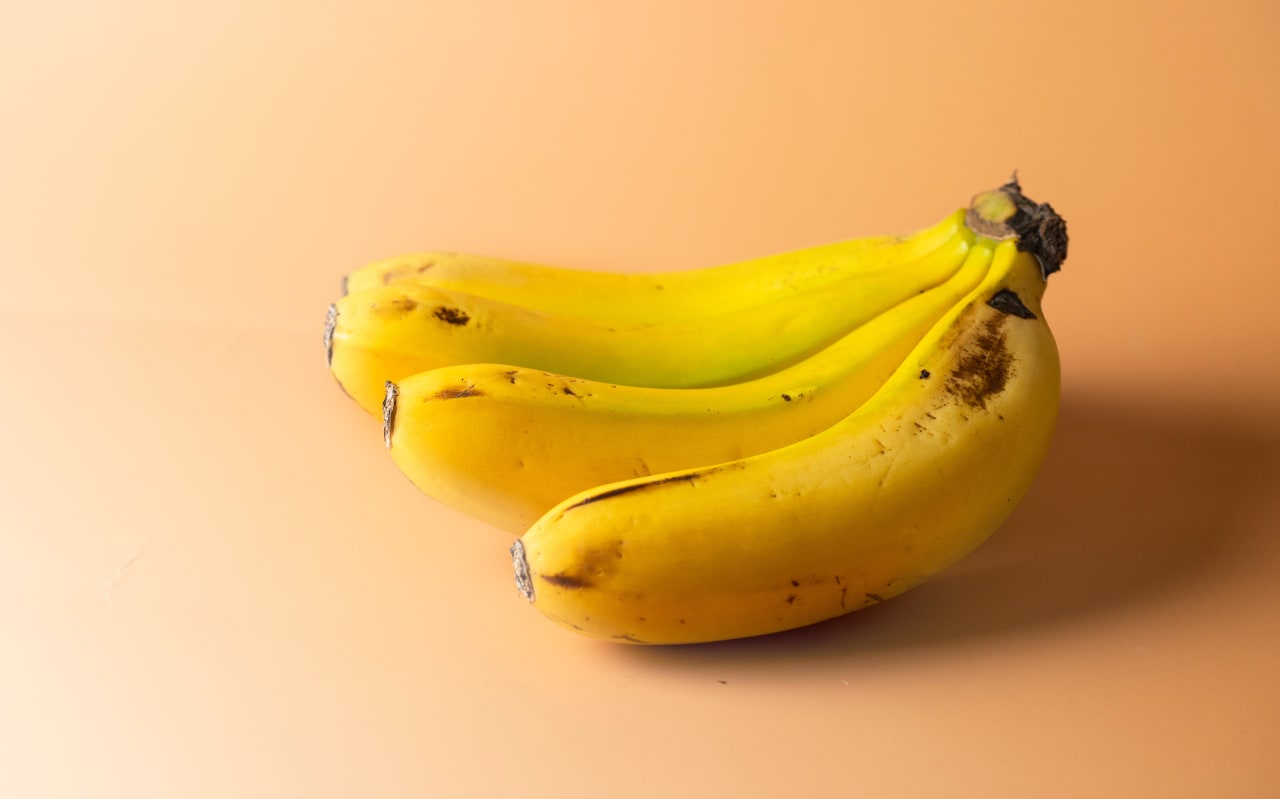
Sweet and comforting, the banana is one of the most popular fruits in the world. But is it really a good idea to eat one in the evening? Sometimes seen as too sugary, it's also known for its calming and satisfying properties. Rich in fibre, magnesium, and tryptophan, it offers real nutritional benefits. That said, timing and how you eat it still matter. Here's our advice for getting it right.

Contents

Related products

The banana: a fruit with many benefits

The banana is the edible fruit of the banana tree (genus Musa), a tropical plant native to Southeast Asia, now cultivated in over 130 countries, including Africa, Latin America, the Caribbean, and Asia. As the quintessential climacteric fruit, it continues to ripen after harvest, allowing it to be transported and consumed year-round at various stages of ripeness.

It stands out for how its carbohydrates change as it ripens. When unripe, the banana is rich in resistant starch, a type of fibre with beneficial effects on the gut microbiome. As it ripens, this starch breaks down into simple sugars (glucose, fructose, sucrose), altering its taste, texture, and glycaemic impact. Firmer and more filling when young, it becomes sweeter and more easily digestible as it ripens. A versatile source of energy, well-tolerated as a snack or at the end of the day.

In terms of micronutrients, it is rich in:

  • dietary fibre, including pectin, which contributes to digestive comfort and regulates bowel movements

  • B vitamins (particularly B6, which supports nervous system balance), as well as Vitamin C and provitamin A

  • essential minerals, particularly magnesium and potassium, which support muscle, heart, and nerve function

  • tryptophan, an amino acid precursor to serotonin and melatonin, key hormones for well-being and sleep

Versatile, the banana works well in many sweet and savoury dishes: whole, mashed, dried, or powdered. Sweet, nourishing, and easy to digest, it fits easily into a daily diet. Eaten in the evening, it can support bedtime routines thanks to its naturally soothing properties.

Why eat them?

The quintessential everyday fruit, the banana appeals for its convenience and sweetness. Easy to eat, though often relegated to the status of a simple snack, the banana is actually highly nutritious. Rich in fibre, minerals, and tryptophan, it provides the energy and nutrients needed to meet your daily requirements. Here are three good reasons to include it in your diet.

An energy intake that varies depending on ripeness

Rich in carbohydrates, bananas provide an energy boost that varies depending on their ripeness. When they’re still slightly green, they contain resistant starch, which has satiating and prebiotic properties, making them a great snack or addition to a light meal. When riper, they provide a quick source of glucose and fructose, which are helpful for temporary fatigue or after physical exertion. They can thus be enjoyed in a variety of dietary contexts, depending on individual needs.

Support for gut flora

A natural source of fibre, particularly pectin, bananas support healthy gut function. They promote regular bowel movements without irritating the intestines and help maintain a balanced gut microbiome. Their soft texture, low acidity, and excellent digestibility make them a fruit often recommended for those with digestive issues.

A fruit that supports nervous and muscular balance

Bananas naturally contain several key micronutrients: potassium, magnesium, vitamin B6, and provitamin A. These nutrients support nervous, muscular, and metabolic functions and help regulate mood. This balanced nutritional profile makes it a fruit particularly well-suited for periods of stress, intense activity, or recovery.

What are its benefits?

Loved for its creamy texture and nutritional richness, the banana is a well-rounded fruit that combines moderate energy content, digestive comfort, and essential nutrients. It can be enjoyed at many times of the day, whether for breakfast, as a snack, or after a meal, with recognised benefits for nutritional balance as well as overall well-being. It is credited with the following benefits in particular:

  • Energy supply: Depending on its stage of ripeness, the banana provides energy at varying rates: rich in resistant starch when still green, it releases its carbohydrates gradually; when ripe, it becomes a source of readily available energy.

  • Digestive comfort: Rich in soft fibres such as pectin, it contributes to healthy digestion and helps maintain a balanced gut microbiome. Its high tolerability makes it a fruit often recommended for people prone to digestive issues.

  • Nervous system support: Thanks to its high content of magnesium, potassium, and Vitamin B6, it contributes to proper neuromuscular function and mood regulation. These elements also play a role in recovery and stress management.

  • Nutritional balance: Thanks to its content of Vitamins C, B6, Provitamin A, and Manganese, the banana supports immune function, energy metabolism, and tissue regeneration.

  • Easy to incorporate into your diet: Convenient to carry, quick to eat, they can be enjoyed as is or easily incorporated into both sweet and savory recipes. They are suitable for most diets, including vegetarian and gluten-free.

Evening meals: what you need to know

The evening meal plays a key role in daily balance. It directly impacts digestion, sleep, and recovery capabilities. At the end of the day, the body begins to slow down: its needs change, and an ill-suited dinner can disrupt this transition phase. 

If it is too rich, too fatty, or too sweet, it can make it difficult to fall asleep and slow down digestion. Conversely, a meal that is too light or unbalanced may trigger cravings or impair sleep quality.

For a restful end to the day, it is recommended to:

  • choose foods that are easy to digest (cooked vegetables, whole grains, legumes, mild fruits),

  • avoid stimulants such as coffee, black tea, or sugary drinks,

  • limit your intake of animal proteins, which take longer to digest,

  • limit ultra-processed foods, which are sources of additives, hidden sugars, and saturated fats,

  • allow at least 1.5 to 2 hours between dinner and bedtime.

A fruit like a banana, eaten alone or as part of a balanced meal, can play a useful role: satisfying small hunger pangs without weighing down digestion, and supporting the body during its recovery phase.

Should You Eat a Banana at Night?

In most cases, yes. When fully ripe and eaten at the right time, the banana can naturally fit into an evening routine. Low in fat and easy to digest, it makes for a satisfying snack, perfect for the end of the day. Their high content of tryptophan, magnesium, and vitamin B6 can help you relax and ease the transition to sleep. 

To get the most out of it:

  • Choose a ripe but still firm banana: It will be easier to digest and contain less simple sugars than a very spotted one.

  • Eat it 1 to 2 hours before bedtime, either on its own or as part of a light snack (oatmeal, plant-based yoghurt, warm fruit compote).

  • Avoid pairing it with fatty or very sugary foods, which may slow down digestion.

  • Pay attention to how you feel: If you experience a feeling of heaviness or discomfort, adjust the portion size or the time of consumption.

For some people (those with diabetes, on a specific diet, or with particular digestive issues), it may be helpful to consult a healthcare professional.

What should your evening eating routine look like?

At the end of the day, the body enters a phase of slowing down. The evening meal therefore plays a special role: combining lightness and comfort, aiding digestion and preparing the body for sleep. Certain ingredients, incorporated at the right time, can help ease this transition.

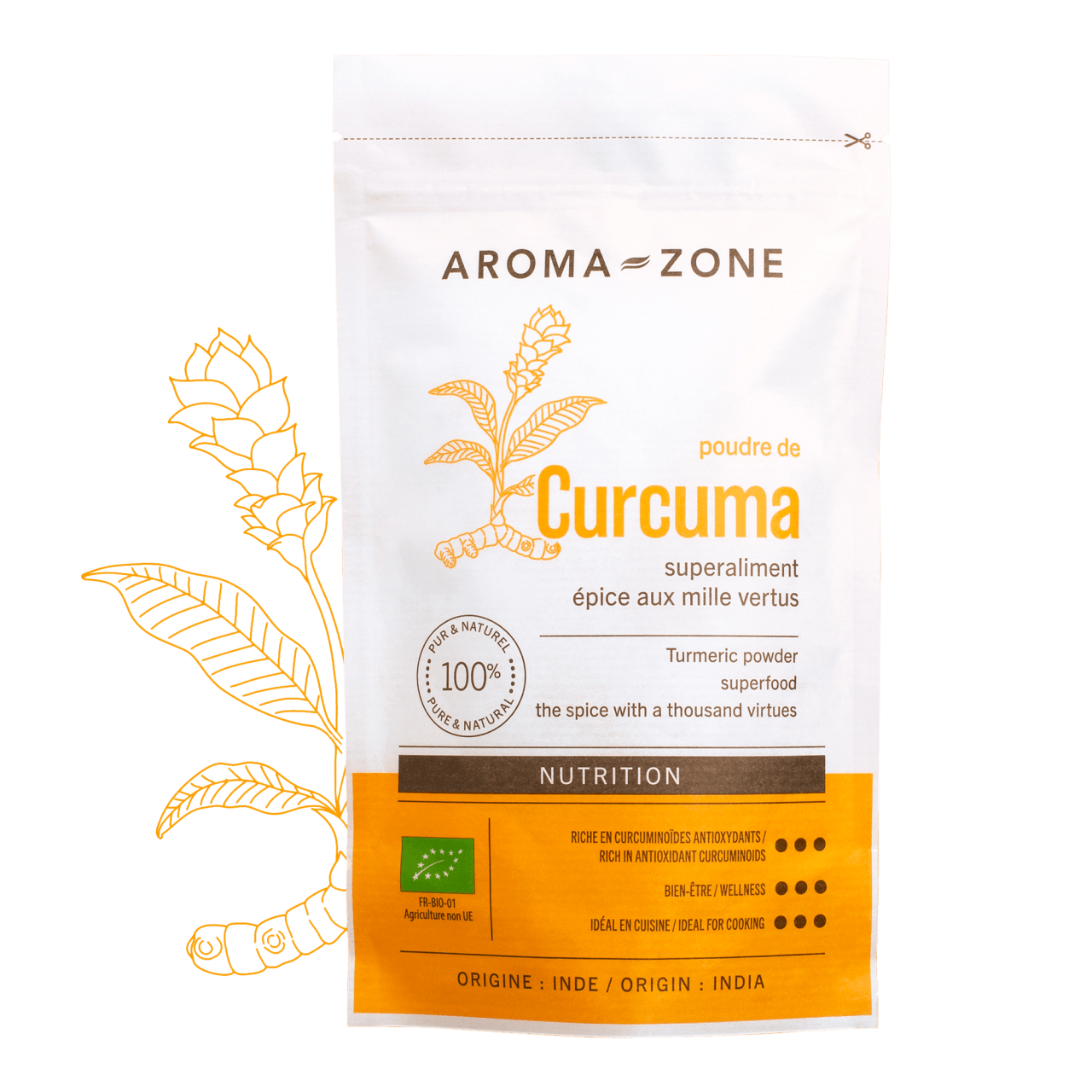
  1. Lighten up your evening meal with turmeric powder: at dinnertime, it’s best to opt for gentle cooking methods and vegetable-based dishes that are light yet satisfying. Turmeric powder, thanks to its antioxidant and digestive properties, blends easily into a creamy squash soup, vegetable purée, or broth. Its warm, mild flavor aids digestion and adds a comforting touch. A pinch is enough, ideally added at the end of cooking, along with a drizzle of plant-based oil rich in Omega-3 to aid absorption.

  2. End the meal on a sweet note with Banana Powder for dessert: The end of the meal is the perfect time to incorporate a light dose of natural carbohydrates and tryptophan, a precursor to melatonin. Banana Powder supports this intake without disrupting digestion. It can be added to warm apple or pear compote, porridge, or a hot plant-based beverage. At a dose of one to two teaspoons, it helps combine digestive comfort with a feeling of fullness.

  3. Promote sleep with a soothing herbal tea before bed: before bed, a hot drink made with herbs known for their relaxing properties, such as Tulsi, Ashwagandha, or Lemon Balm, can help release tension. Their gradual action promotes relaxation without causing drowsiness. Enjoy it in a calm setting, 30 to 60 minutes after a meal, to ease the transition to rest and gently wind down the day.

What are some natural alternatives to bananas in the evening?

Rich in fibre, tryptophan, magnesium, and potassium, bananas are often enjoyed in the evening for their soothing and satisfying effects. But other plants or plant extracts can also promote relaxation at the end of the day, with comparable benefits:

Organic Provence Lemon Balm Hydrosol

Organic Provence Lemon Balm Hydrosol

A gentle plant-based alternative to bananas at the end of the day, lemon balm hydrosol is known for its calming properties. Distilled from lemon balm grown in Provence, it helps soothe the nervous system and release tension.

Discover Organic Provence Lemon Balm Hydrosol
Organic Ayurvedic Ashwagandha (powder)

Organic Ashwagandha Powder

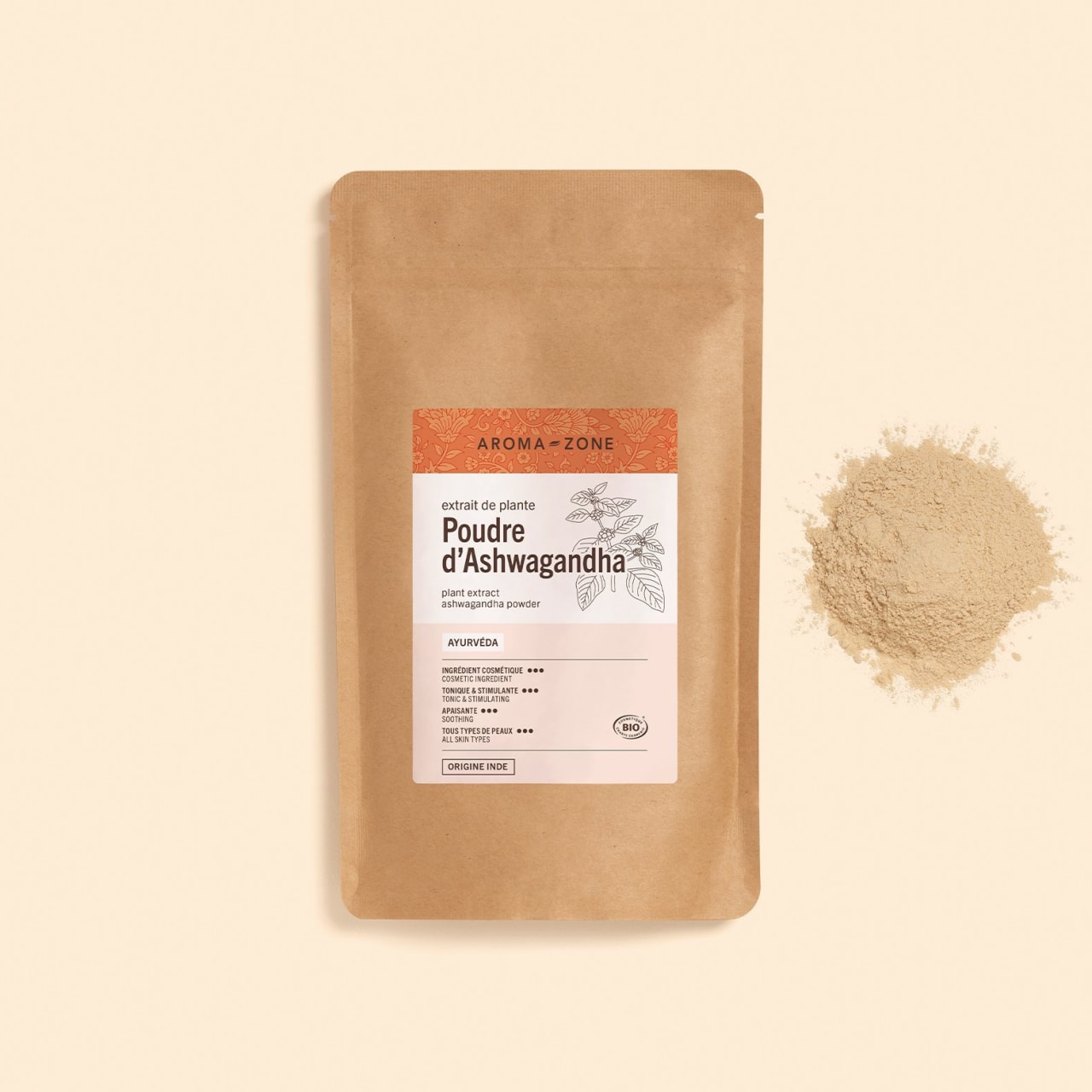
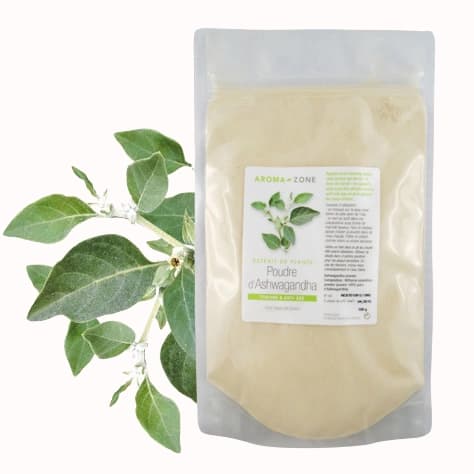
Renowned in Ayurveda for strengthening exhausted bodies, ashwagandha powder is an interesting plant-based alternative to bananas during periods of fatigue or sleep disturbances. Nicknamed “Indian ginseng,” this adaptogenic root helps soothe the nervous system while supporting vital energy. It is traditionally used at the end of the day to promote sleep and support physical and mental recovery. Add half a teaspoon to a warm beverage (plant-based milk, herbal tea) or to an evening wellness blend. Its slightly bitter taste can be softened with a touch of honey or vanilla.

Discover Organic Ashwagandha Powder
Organic Orange Blossom Hydrosol

Organic Orange Blossom Hydrosol

Known for its soothing properties, orange blossom hydrosol is a delicious alternative to bananas for unwinding at the end of the day. Its comforting floral scent helps release tension and gently prepare you for sleep.

Discover Organic Orange Blossom Hydrosol

Our homemade banana recipes

Rich in fibre, magnesium, and tryptophan, bananas lend themselves to many simple, easy-to-digest, and comforting recipes, ideal for the evening. Whether in a warm smoothie, homemade compote, or a lighter version of banana bread, they let you enjoy their benefits in a gentle way. Paired with ingredients like pears, coconut, or raw cacao nibs, they make for balanced evening snacks, perfect for enjoying in the evening:

Precautions for use

Bananas are generally well-tolerated in the evening, but certain situations may require adjustments. For people with diabetes, their natural sugar content means it’s best to limit portions or pair them with a source of fibre or protein. Those with sensitive digestion may have a harder time digesting them when they’re not quite ripe. Finally, when eaten in large quantities or too late in the evening, they can slow digestion and make it harder for some people to fall asleep.

Expert Tip

If you wake up at night due to a drop in blood sugar, a banana can be a helpful evening snack. Paired with a small portion of fat (almond butter, yoghurt, a handful of nuts), it helps stabilise blood sugar levels overnight and reduces cravings or low energy upon waking. This combination slows the absorption of sugars and prolongs the feeling of fullness.

Spotlight on Our Specialist Writer, Laetitia de Rosa

Laetitia de Rosa 3.jpg

Laetitia is an editorial communications consultant specialising in beauty and wellness content. Passionate about natural cosmetics, she works with brands that share her vision of authentic and responsible beauty. Always on the lookout for the latest developments, she enjoys analysing trends and innovations in the sector.

Bibliography

  1. Bananas – 25 recipes featuring bananas

    Laura Veganpower, 2019

  2. My Guide to Healing Foods

    Sophie Lacoste, 2025

  3. The Banana - Flavors and Benefits

    Laurence Golstenne, 2013

Frequently Asked Questions

Frequently Asked Questions