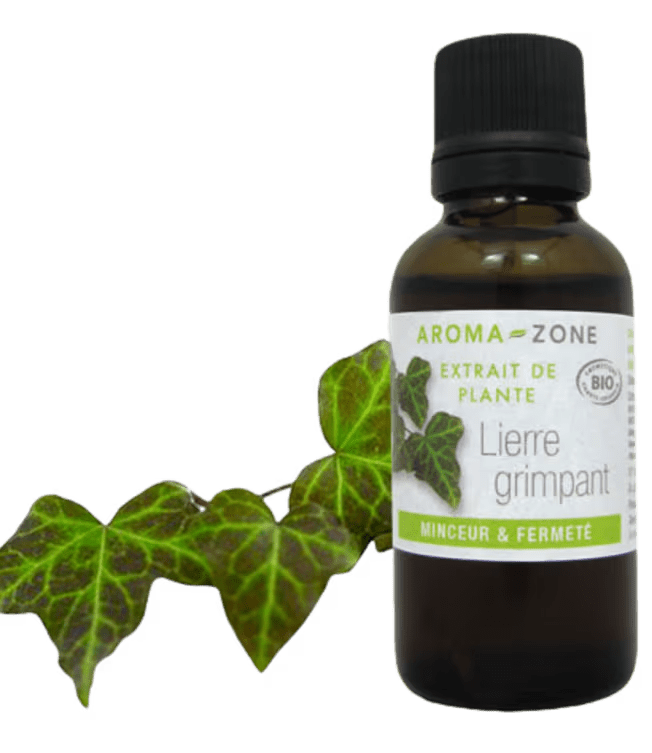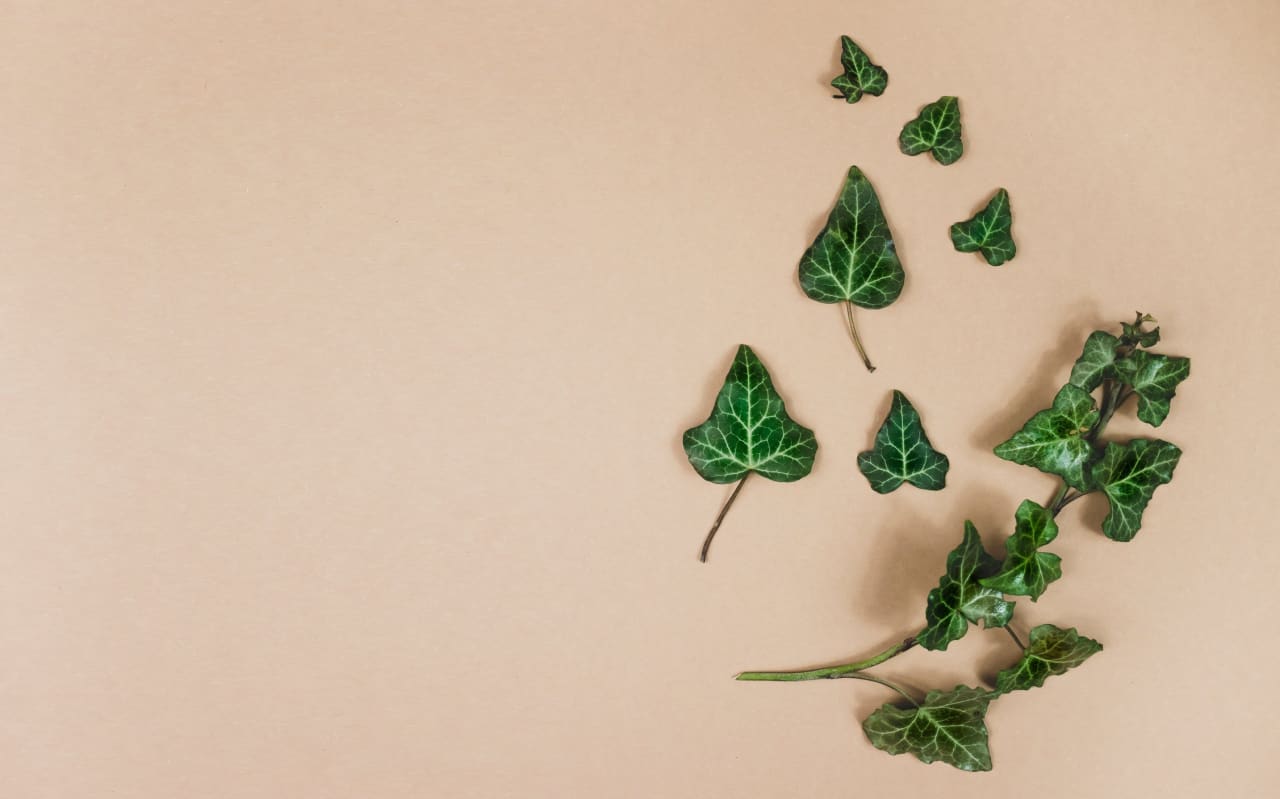
Common ivy, Hedera helix, also known as English ivy and sometimes creeping ivy, is a woody climber belonging to the Araliaceae family, like ginseng (Panax ginseng). It is a very common species, found throughout the temperate regions of Eurasia in the Northern Hemisphere. Its Latin name comes from hedera, meaning "to be attached", and helix, meaning "spiral" or "tendril". Ivy may have a tropical ancestor, as hot, humid summers suit it well. It begins life creeping along the ground, then climbs a vertical support to rise upwards. It grows quickly and can easily cover an area of 10m or more, in all directions, because it layers itself naturally. This climbing plant has strong roots that provide its nourishment.
It is a hardy species that can live for several centuries, and its woody stems can cling to trees and building façades alike thanks to tenacious aerial roots. Its thick stems carry evergreen foliage that stays green even in winter. Ivy has two types of leaves, depending on their role in the plant: the leaves along the stem have 5 lobes and are dark green with lighter mottling. Those on the flowering stems, which are more exposed to the light, are spade-shaped and a brighter green. Flowering takes place from September to October. The flowers, very small and grouped in umbels, are pale yellow tinged with green and attract many foraging insects. Fruiting takes place in late winter or early spring. Ivy produces clusters of tiny blue-black berries. Take care: These berries are highly toxic to mammals that eat them, including humans, although birds such as passerines enjoy them as a food source. Birds spread the seeds through their droppings, allowing the plant to establish itself in other places.
Since ancient Greece, ivy has suffered from a bad reputation. It is called the "tree killer" and is said to damage building façades. But ivy is not a parasite of the tree. It simply needs a support to climb. It helps regulate its host's temperature and protects its bark. It also protects it from parasites. Only a tree that is too sick or too old will perish under the weight of ivy.
Ivy is also an air-purifying plant that absorbs benzene. It is also used for its medicinal and cosmetic properties.
Good to know: Contact with ivy leaves can cause dermatitis due to the presence of falcarinol and didehydrofalcarinol. We recommend wearing gloves when touching it.
The Symbolism of Climbing Ivy – Leaves, Flowers and Fruits
As a whole, this climbing plant symbolises fidelity, because as long as it stays attached to its tree, it lives on! The heart shape as we usually see it drawn is also often said to be inspired by the leaf of common ivy.