What home remedies are there for naturally stronger hair?

What home remedies are there for naturally stronger hair?


By Charlie Morel

Published on: Wednesday, September 11, 2024, Updated on: Friday, October 30, 2026

Back in the day, when the cosmetics market wasn’t as developed, our grandmothers used simple methods to look after their hair: vegetable oils, cider vinegar, scalp massages and homemade hair masks. These are easy ways to help keep hair looking beautiful and strong at home. Even today, these traditional remedies for strengthening hair still have a place in any hair care routine. These natural solutions nourish the hair shaft, protect the lengths and reduce breakage, while being gentle on the scalp.

Contents

Related products

Why does hair lose its strength over time?

The strength of a hair strand depends mainly on the quality of its keratin, the protein that makes up nearly 90 per cent of its structure. When this structure is weakened by repeated damage, the hair fibre gradually loses its mechanical strength, becomes more porous and breaks more easily.

Everyday mechanical stress

Brushing too vigorously, very tight hairstyles, unsuitable hair ties, and even friction against clothing and pillows put strain on the hair shaft. Repeated day after day, these actions create tiny, invisible cracks that gradually weaken the hair.

Heat styling tools

Straighteners, curling tongs or hairdryers used at high temperatures strip away some of the moisture naturally present in the hair shaft. Over time, the hair becomes drier, less supple and more prone to breakage.

Chemical treatments

Colouring, bleaching, perms and chemical straightening profoundly alter the hair’s structure. By opening the protective scales of the cuticle, they make the hair shaft more vulnerable to external damage.

Environmental stressors

Sun, wind, pollution, sea water and even chlorine also contribute to the gradual deterioration of the hair fibre. UV rays, in particular, promote the oxidation of the proteins and lipids naturally present in the hair.

An unbalanced diet

Hair is mainly made up of protein. A diet low in protein, zinc, iron, B vitamins or certain essential fatty acids can affect the quality of new hair produced by the hair follicles.

Natural ageing

As we age, the activity of the hair follicles gradually changes. Sebum production decreases, and hair can sometimes become finer, drier and less resistant to external stresses.
How can you tell if your hair needs strengthening?

Step 1: Examine your hair lengths

Does your hair feel coarse, dull or difficult to style? Hair that lacks suppleness is often the result of a loss of cohesion within the hair fibre.

Step 2: Check for broken hairs

If you find lots of broken hairs of different lengths after brushing or on your clothes, this is probably a sign of weakened hair that breaks easily, rather than hair loss.

Step 3: Check your ends

Split ends or very dry ends are often the first signs of weakened hair that needs repairing and strengthening.

Step 4: Assess your hair’s resistance to styling

When hair tangles easily, breaks while detangling or is difficult to style, this usually indicates that its structure has been weakened.

Step 5: Notice how shiny it is

Healthy hair naturally reflects light thanks to its well-aligned cuticles. Conversely, a persistent loss of shine may indicate a more porous hair fibre.

What are the best traditional remedies for strengthening hair naturally?

  • Making nourishing hair masks: vegetable oils such as olive or coconut oil, shea butter or avocado flesh are naturally rich in lipids that help nourish the lengths, improve their suppleness and reduce breakage. Apply your hair mask to the lengths and ends and leave it on for several hours or overnight before shampooing

  • Rinse with apple cider vinegar: long used in hair care, apple cider vinegar helps remove styling product residue while smoothing the hair cuticle. Dilute one tablespoon in a glass of water and use this mixture as a final rinse to restore shine to your hair

  • Wash your hair with lukewarm water, then finish with a splash of cool water: water that is too hot can dehydrate the hair fibre. Conversely, a final rinse with cool water helps close the cuticles, improves the softness of your hair and gives it extra shine

  • Massage your scalp regularly: a few minutes’ massage every day stimulates local microcirculation and promotes an environment conducive to healthy hair follicle function. This pampering routine can be carried out using your fingertips, with or without vegetable oil

  • Choose gentle shampoos: shampoos that are too harsh can weaken the hair with repeated washing. Opting for gentle shampoos allows you to cleanse effectively while preserving the natural hydrolipidic film on the scalp and hair shaft

  • Limit the use of heat styling tools: high temperatures gradually damage keratin, the hair’s main protein. Reducing your use of hairdryers, straighteners or curling tongs helps to preserve the strength of the hair shaft. If you cannot do without them, always apply a heat-protective product and avoid the highest temperatures

  • Support your hair with a balanced diet or suitable dietary supplements: healthy, beautiful hair also comes from within. Protein, zinc, iron, B vitamins – particularly biotin (vitamin B8) – as well as certain antioxidants help to maintain healthy hair. If you have specific needs, a suitable dietary supplement can be taken alongside a varied diet

  • Finish washing by rinsing with cool water: this traditional practice remains one of the simplest hacks for healthy-looking hai. Cool water helps to smooth the cuticle scales, reduces frizz and promotes better light reflection, resulting in visibly shinier hair

  • Space out washes where possible: washing too frequently can strip away some of the naturally protective sebum. Adjusting the frequency of washes to suit your hair type helps to maintain its balance. Two to three washes a week are generally suitable for many hair types, but every scalp has its own specific needs

  • Opt for hair care products made from natural ingredients: products formulated with natural ingredients, without overly harsh cleansing agents, are gentler on the scalp’s natural balance. They help to preserve the hair’s moisture.

Which natural ingredients are most effective at strengthening the hair fibre?

Certain natural ingredients are particularly well-known and valued for their nourishing, protective or strengthening properties. Although they do not all work in the same way, they can effectively complement haircare products designed to minimise breakage and preserve the beauty of the hair.


Natural ingredient

Traditionally recognised benefits

Hair type

Castor oil

Nourishes, coats the hair fibre and helps to strengthen damaged hair

All hair types, particularly fine and brittle hair

Coconut oil

Protects the hair fibre from dehydration and improves the suppleness of the lengths

Dry, thick, curly or frizzy hair

Olive oil

Intensely nourishes and leaves hair soft and shiny

Very dry or sensitised hair

Shea butter

Protects the hair fibre and reduces dryness

Frizzy, curly or very dry hair

Aloe vera gel

Moisturises the hair fibre and soothes the scalp

All hair types

Cider vinegar

Smooths the cuticle and adds shine

All hair types

Hydrolysed rice proteins

Coats the hair fibre, improves its elasticity and reduces breakage

Fine, limp or damaged hair

Field horsetail powder

Traditionally used to promote the beauty and strength of hair

All hair types

What should an anti-breakage hair routine involve?

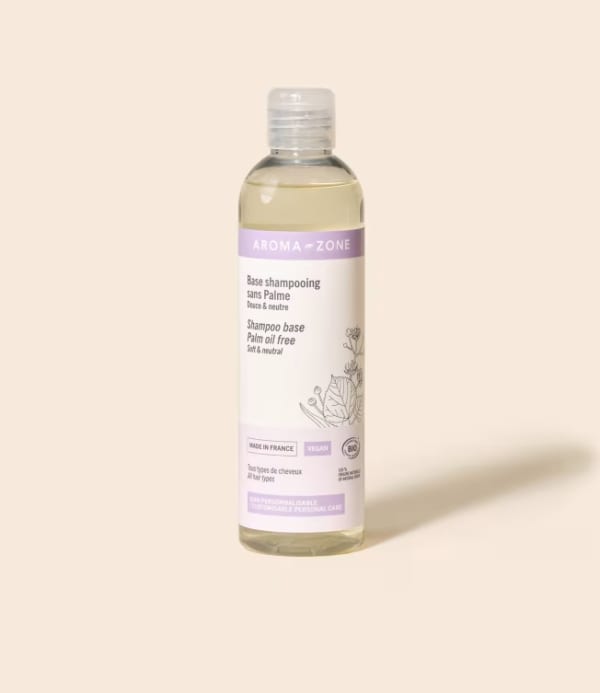
Palm-free neutral shampoo base

Step 1 – Cleanse the hair

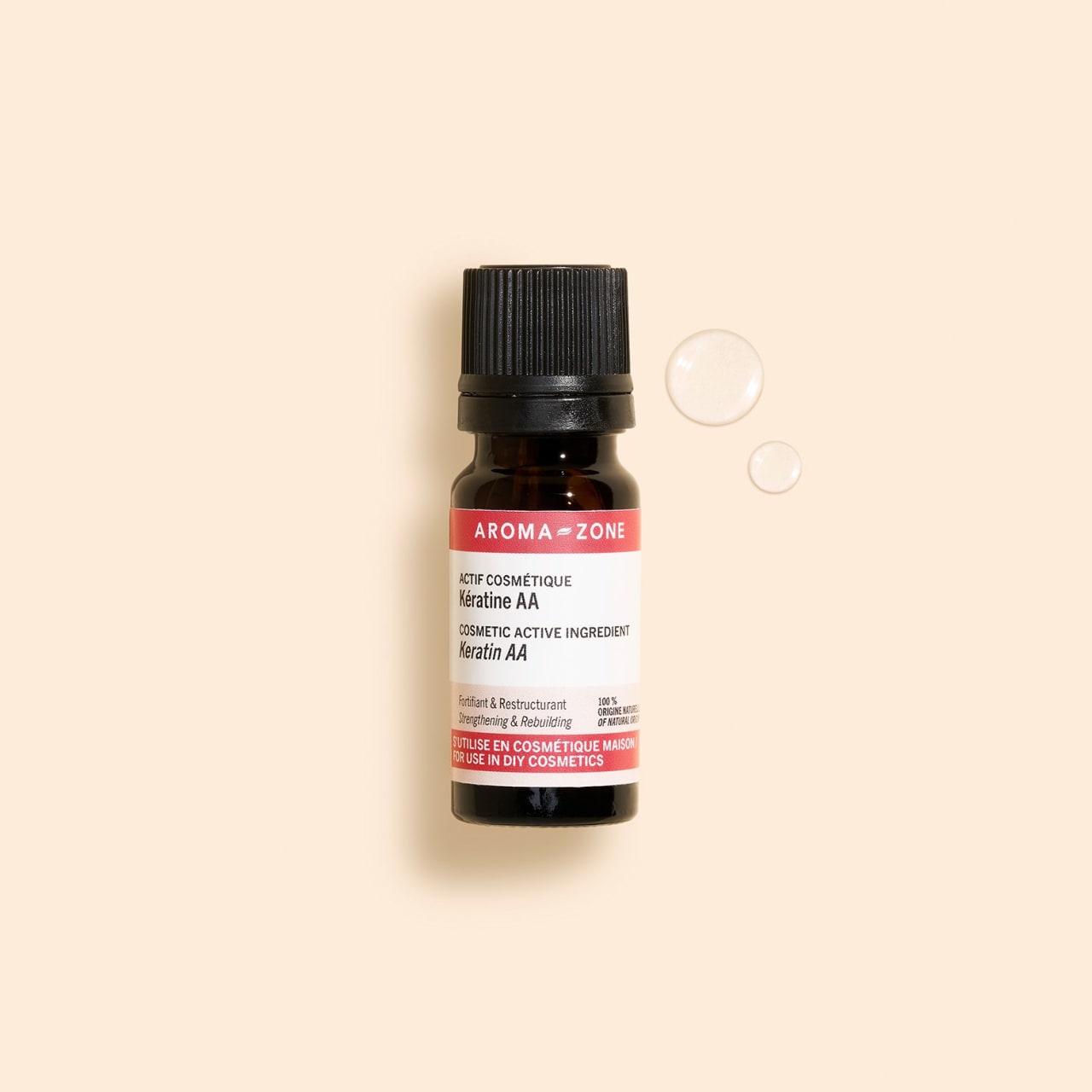
Palm-free neutral shampoo base + Keratin AA active ingredient: This shampoo base gently cleanses without damaging or drying out the hair. Combined with the Keratin AA active ingredient, it strengthens the hair fibre, improves resistance to breakage and boosts shine.

How to add Keratin AA Active to your shampoo base: Add 10 ml of Keratin AA Active directly into the 250 ml shampoo bottle and shake thoroughly to ensure it is well mixed. Then apply a small amount of shampoo to wet hair, gently massage the scalp and rinse.

Discover the palm-free neutral shampoo base + AA Keratin Active Ingredient

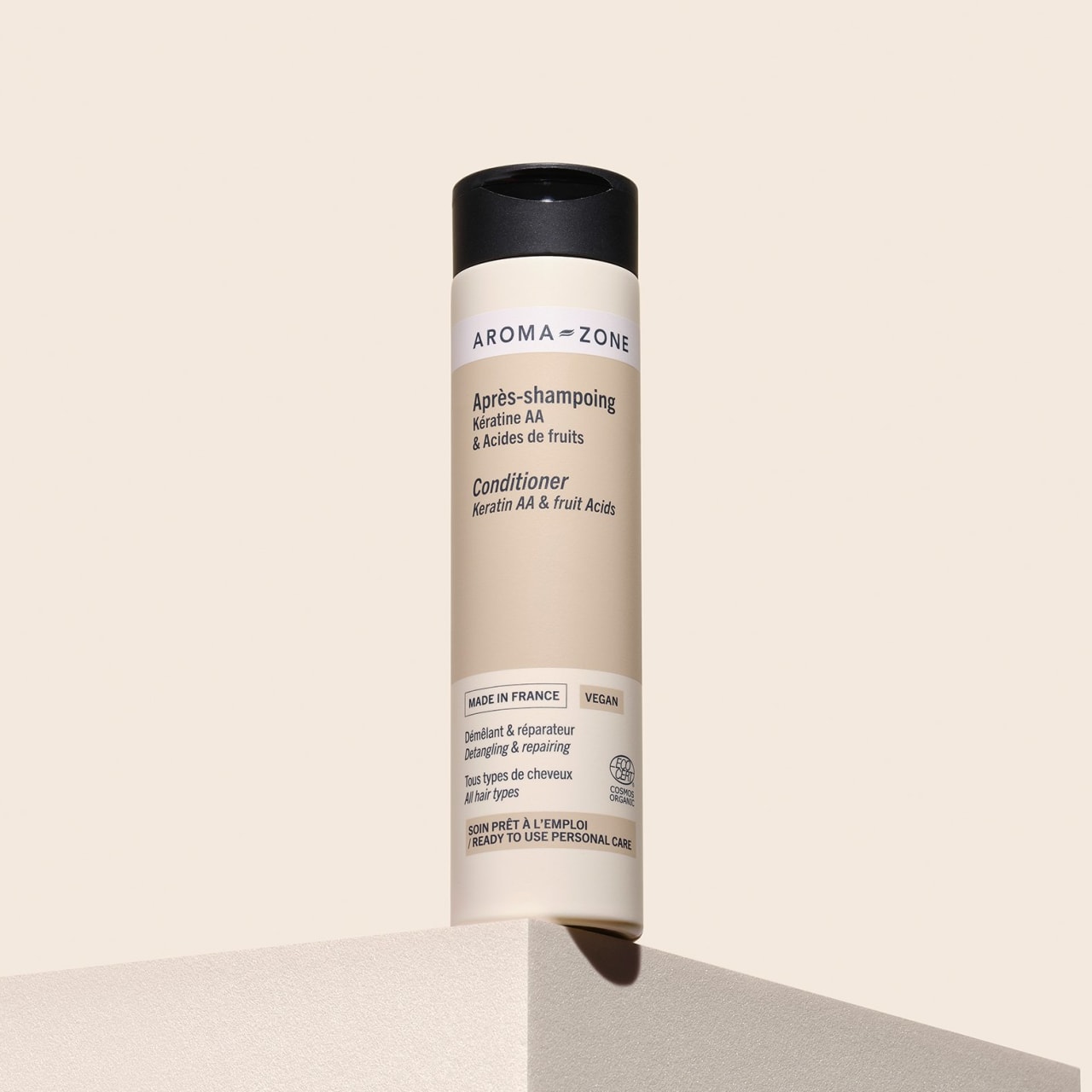
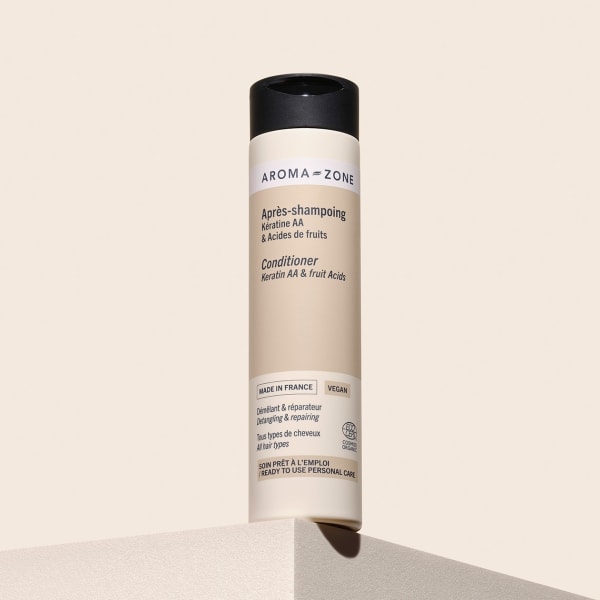
Keratin AA & Fruit Acids Detangling and Repairing Conditioner

Step 2 – Detangle and repair the lengths

Keratin AA & Fruit Acids Detangling and Repairing Conditioner: This formula combines a complex of fruit acids, biomimetic vegan keratin and arginine – innovative active ingredients recognised for protecting, rebuilding and strengthening the hair fibre, whilst making styling easier. Hair is left stronger, soft, shiny and light, without feeling weighed down.

Recommended use:

For dry, curly or textured hair: Apply generously to wet hair, from roots to ends. Leave on for 3 to 5 minutes for enhanced results, then rinse thoroughly

For normal, fine or oily hair: Apply only to the lengths and ends, avoiding the roots. Leave on for 3 to 5 minutes, then rinse thoroughly. Avoid applying to the roots if you have an oily scalp

Discover the AA Keratin & Fruit Acids Detangling and Repairing Conditioner

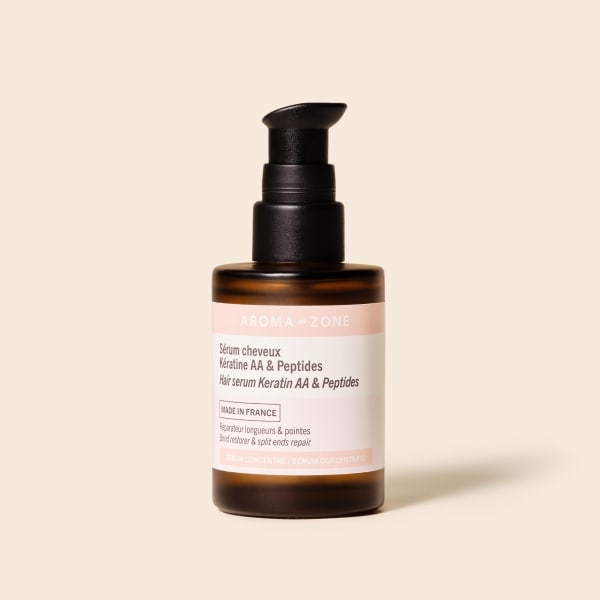
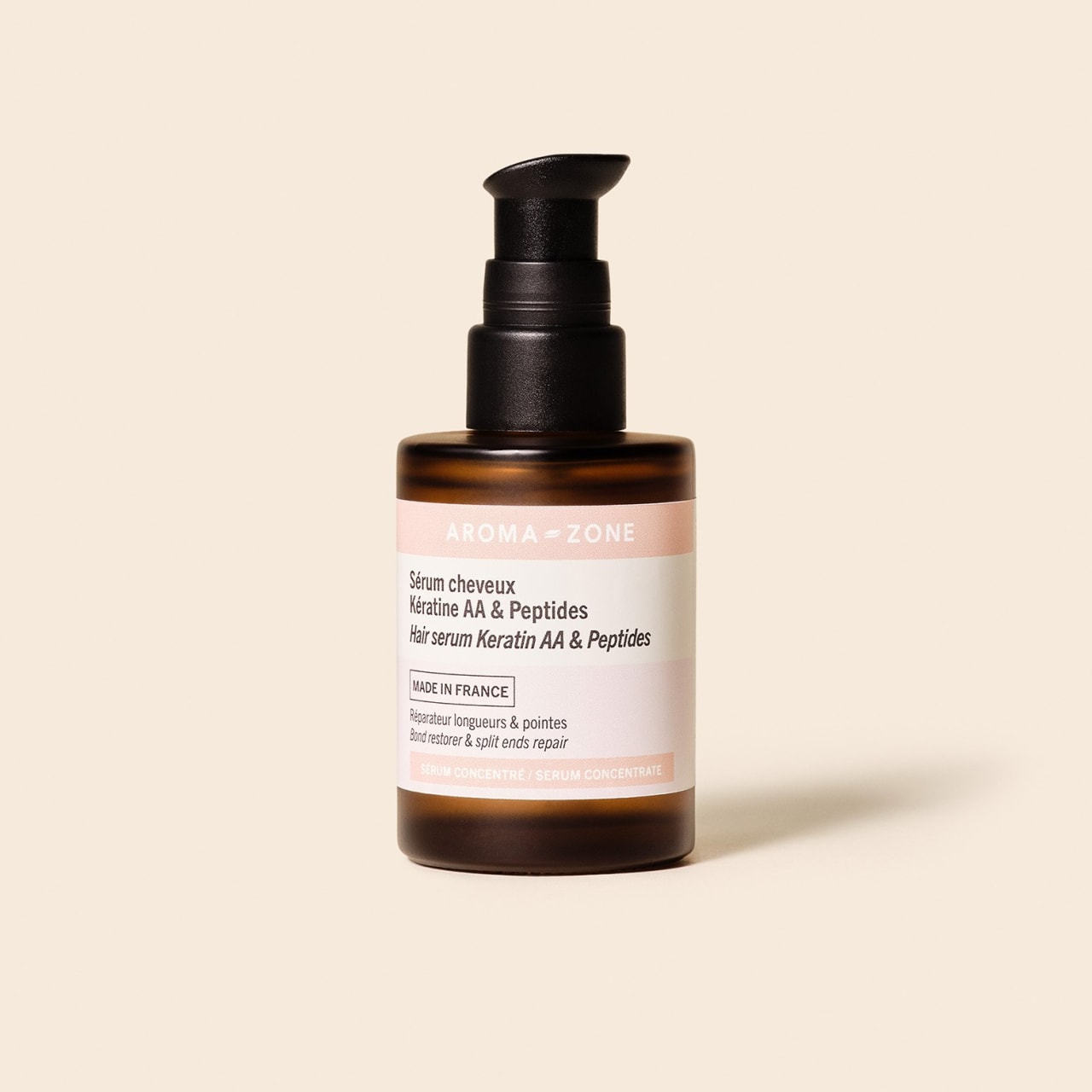
Hair_Serum_Keratin_AA_&_Peptides

Step 3 – Repair the hair fibre

Keratin AA & Peptides Hair Serum: This leave-in serum repairs the hair’s structure thanks to a complex of amino acids and biomimetic keratin peptides. It acts directly on the hair fibre to restore its cohesion and minimise breakage.

Recommended use: Apply a few drops to the lengths and ends, on damp or dry hair. Do not rinse.

Discover the Keratin AA & Peptides Hair Serum

Capture d'écran 2026-07-28 113529

Step 4 – Strengthen your hair from within

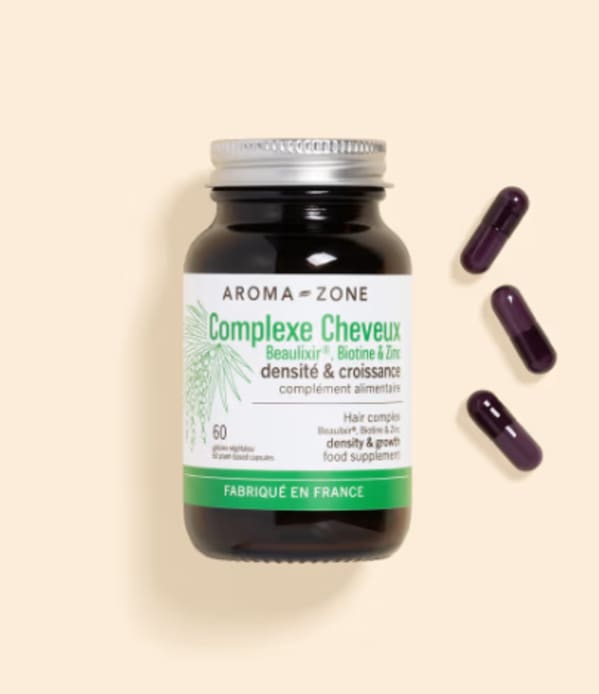
Hair Complex – 60 capsules – Food supplement: Formulated with the active ingredient Beaulixir®, clinically proven to reduce hair loss and improve the appearance of the hair, zinc and natural biotin (vitamin B8) strengthen the hair fibre and promote hair growth.

Discover the Hair Complex – 60 capsules – Food supplement

What mistakes should you avoid when trying to strengthen your hair?

To keep your hair strong in the long term, it’s essential to adopt certain daily habits. Even the best hair care products will have limited effectiveness if the hair shaft continues to be weakened by repeated damage. Here are the mistakes to avoid:

  • Using heat-styling tools every day: frequent use of straighteners, curling tongs or a hairdryer set to a high temperature gradually weakens the hair shaft and leads to breakage

  • Brushing your hair too vigorously: vigorous brushing, particularly on wet hair, can break the hair shaft, which is more fragile when damp

  • Wearing hairstyles that are too tight: very tight ponytails, plaits or buns put excessive strain on the roots and weaken the hair over time

  • Using shampoos that are too harsh: these formulas can damage the scalp’s protective hydrolipidic film and dry out the hair shaft

  • Frequent chemical treatments: repeated colouring, bleaching or straightening weakens the hair’s structure and increases the risk of breakage

  • Neglecting aftercare following exposure to the sun, chlorinated water or sea water: damaging environmental factors dry out the hair shaft and make it more vulnerable

  • Leaving damaged ends untreated: split ends can travel up the hair shaft and further weaken the lengths

  • Washing your hair too frequently: washing your hair too often can upset the balance of the scalp and cause the hair to dry out, depending on its type

  • Using unsuitable hair ties: hair ties that are too thin or have a metal component increase friction and lead to breakage

  • Neglecting your diet: an insufficient intake of protein, vitamins and essential minerals can affect the quality of new hair and make it more brittle.

Precautions for use

Home remedies are generally well tolerated when used with high-quality ingredients suited to your hair type. However, certain precautions are still recommended: carry out a patch test before using a new ingredient and avoid applying homemade preparations to an irritated scalp or one with open sores. If your hair suddenly becomes very brittle or if this brittleness is accompanied by significant hair loss, it is best to seek advice from a healthcare professional to identify the cause.

Expert advice

These traditional remedies are excellent additions to your hair care routine, but their effectiveness depends above all on regular use. Hair grows, on average, one centimetre per month: it is normal for results to appear gradually. Combining nourishing treatments, strengthening active ingredients such as biomimetic keratin, a balanced diet and protective measures helps to address all the factors responsible for hair fragility. If your hair breakage occurs suddenly, is very severe or is accompanied by unusual hair loss, it is advisable to seek advice from a healthcare professional.

Spotlight on Our Specialist Writer: Charlie Morel

charlie.jpg

Charlie holds a Master’s degree in cosmetic formulation. Passionate about cosmetology and a lover of words, she decided in 2020 to become a web editor specialising in cosmetics and beauty. Her desire for a career change inspired her to go freelance, giving her the freedom to work from anywhere in the world.

Bibliography

  1. Qu, W., Guo, X., Xu, G., Zou, S., Wu, Y., Hu, C., Chang, K., & Wang, J. (2022)

    Improving the mechanical properties of damaged hair using low-molecular weight hyaluronate. Molecules, 27(22), 7701.

  2. Samoylenko, D., Su Whelan, L., Yale, A., Marty, G., Santoprete, R., Polacchi, L., & Taylor, D. (2026).

    Hair anisotropy and damage: Understanding hair cracking and fracture via the moving loop test. Journal of the Mechanical Behaviour of Biomedical Materials, 175, 107320.

  3. Robinson, V. (1976). A study of damaged hair. Journal of the Society of Cosmetic Chemists, 27.

    Chemists, 27.

Frequently Asked Questions

Frequently Asked Questions