What Traditional Home Remedies Firm the Skin?

What Traditional Home Remedies Firm the Skin?


By Louise Hourcade

Published on: Monday, December 09, 2024, Updated on: Friday, November 06, 2026

Traditional home remedies for firming the skin are proving increasingly popular with those who wish to restore their skin’s tone naturally. Over time, following a weight loss or simply as a result of skin ageing, it is common to notice sagging in the face, chest, arms, stomach or even the buttocks. Rest assured, there is no shortage of natural remedies and traditional tips to help maintain tissue firmness and preserve the skin’s elasticity. In this article, discover our top tips for restoring your skin’s tone and helping it retain its suppleness.

Contents

Related products

What does it mean to firm the skin?

Skin sagging, also known as cutaneous ptosis, gives the skin a distended, flaccid and wrinkled appearance. This phenomenon results from a deterioration of the subcutaneous tissues, combined with the effects of gravity. When the skin’s supporting structures become less effective, the skin tends to sag under the weight of the body. This explains why some people notice the appearance of jowls when they tilt their head. On the body, this loss of firmness can result in sagging areas, such as the batwing effect on the arms. Furthermore, this loss of tone accentuates existing folds and creases, such as marionette lines or nasolabial folds.

The areas most affected include: the face and neck, as well as the stomach, thighs and arms.

Why Can Skin Lack Firmness?

Loss of skin firmness is a common occurrence that can affect both the face and the body. Whilst skin ageing is one of the main causes, other factors can also contribute to sagging skin. Understanding these different mechanisms helps you to better preserve your skin’s elasticity and adopt the right habits to maintain its firmness over time. Let’s take a look at the causes of sagging skin:

Rapid weight loss or gain

Weight loss requires the stretched skin to produce more collagen in order to tighten up and adapt to the body’s new shape. Similarly, water retention, weight gain or pregnancy place intense strain on the tissues and can contribute to skin sagging.

Sun Exposure

Among the skin’s main enemies, exposure to the sun is known to fuel oxidative stress and to break down the elastic and collagen fibres in the connective tissue. This degradation contributes to a loss of firmness. The skin barrier is weakened, dryness is exacerbated and the skin’s texture becomes more prone to irregularities.

Hormonal Changes

Hormonal changes, particularly during the menopause, lead to a decrease in the production of oestrogen, which exacerbates skin dryness. In fact, the drop in oestrogen leads to a reduction in the natural production of collagen and elastin, which are essential for maintaining the skin’s moisture levels and structure. The result? Visible sagging of the skin, particularly on the face and neck.

An Unbalanced Lifestyle

An unbalanced lifestyle can significantly accelerate skin sagging. Excessive consumption of tobacco or alcohol reduces oxygenation of the cells and disrupts microcirculation, leaving the skin dull and saggy. A diet low in antioxidants, vitamins and essential fatty acids deprives the skin of the nutrients it needs to regenerate.


Which areas are most commonly affected by sagging?

Skin sagging does not affect all areas of the body equally. Certain areas, which are under greater strain or are naturally more delicate, are particularly prone to loss of firmness. It is important to be aware of these areas so that you can better target the skincare and lifestyle habits needed to maintain firm skin: 

  • The face: sagging blurs the contours of the face, deepens the wrinkles around the eyes and mouth, and can lead to sagging cheekbones

  • The stomach: following pregnancy or significant weight fluctuation, the skin on the abdomen often loses its firmness, resulting in noticeable sagging in this area

  • The arms: the back of the arms may be characterised by sagging skin beneath the biceps, commonly known as bat wings

  • The neck: over time, mature skin develops what is known as a ‘turkey neck’, characterised by a marked loss of firmness

  • Breasts: hormonal changes or pregnancies can lead to changes in volume, resulting in gradual sagging of this sensitive area

  • Thighs and buttocks: these areas of the body, which are predisposed to fat storage in women, are particularly prone to cellulite and an orange peel appearance

What routine should you follow to firm up your skin naturally?

In addition to home remedies for firming the skin naturally, it's also possible to put in place a targeted, effective routine to help maintain toned skin while reducing the signs of cellulite:

Step 1 – Boost circulation or stimulate microcirculation

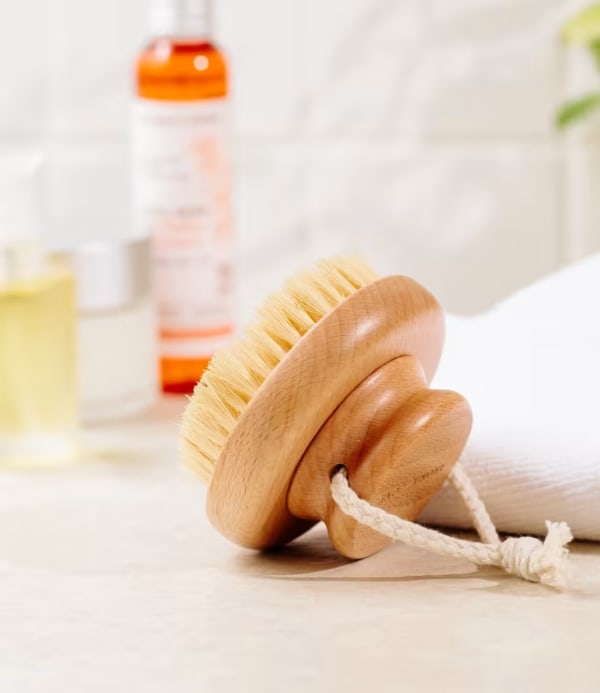
Wooden lymphatic drainage brush: dry brushing stimulates microcirculation and lymphatic circulation, helping to improve the appearance of cellulite.

Recommended use : on dry skin, brush for 5 to 10 minutes using gentle movements, always working towards the heart: from the feet up the legs, and from the fingers towards the shoulders. On the stomach, use small circular movements around the navel in a clockwise direction. After brushing, take a lukewarm or cool shower, then apply your body oil or moisturiser.

Discover the wooden lymphatic drainage brush

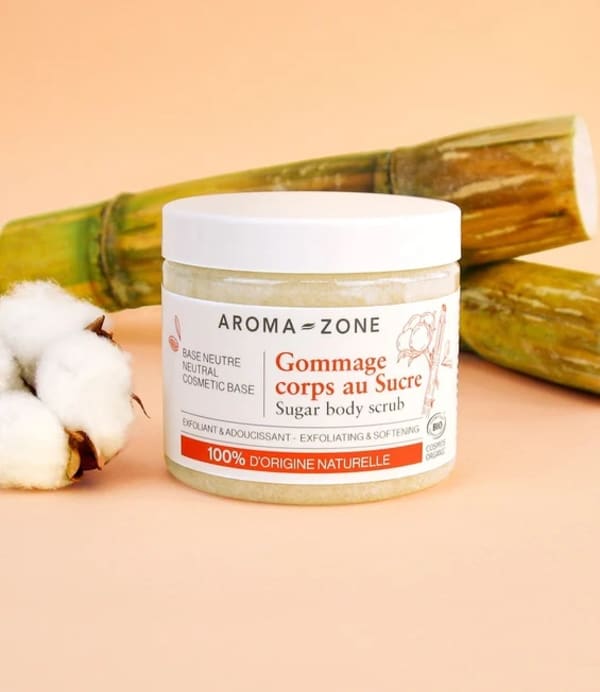
Organic sugar body scrub

Step 2 – Smooth and Prepare the Skin

Organic Sugar Body Scrub: this scrub gently exfoliates, smooths the skin and prepares the skin for further treatment. Its formula combines sugar and organic plant oils for soft, supple skin.

Recommended use : Once or twice a week, on damp skin, apply the scrub to the relevant areas using circular movements, then rinse off with clean water.

Discover the Organic Sugar Body Scrub

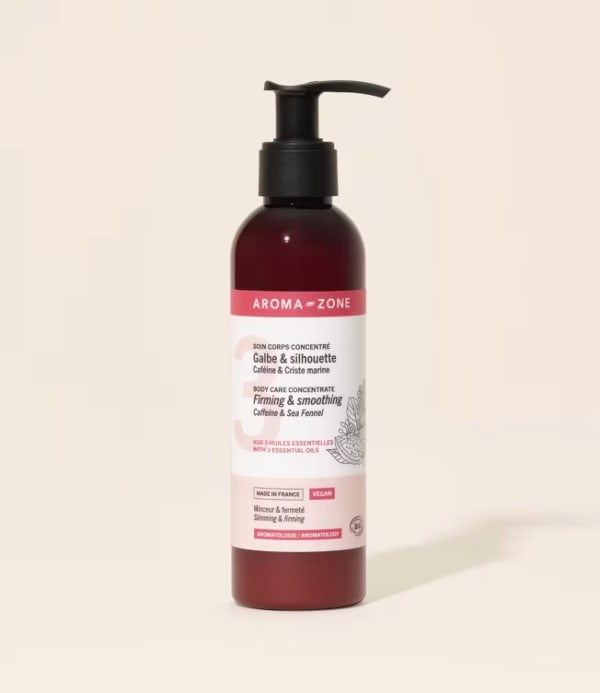
Organic Concentrated Body Care: Shape & Silhouette

Step 3 – Targeting cellulite or orange-peel skin

Organic Concentrated Body Care for Contour & Silhouette: This treatment combines caffeine, seaweed extracts and essential oils of grapefruit and sea fennel, known to help smooth the appearance of orange peel skin and support skin firmness.

Recommended use : Apply in the morning and/or evening to the affected areas (thighs, buttocks, hips, stomach) using circular, upward movements until fully absorbed.

Discover the Organic Concentrated Body Care for Contouring & Silhouette

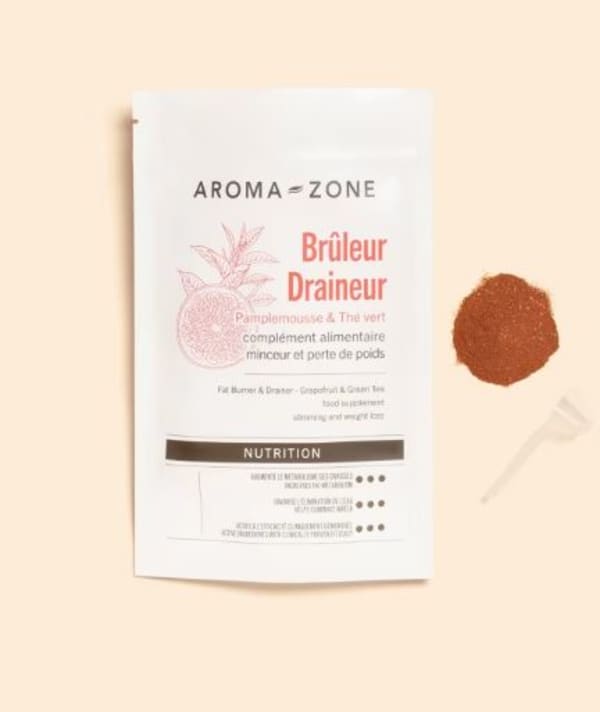
Fat-Burning and Detoxifying Dietary Supplement – 120 G.JPG

Step 4 – Boost drainage, promote fat metabolism and support the body’s natural drainage

Fat Burner & Drainage Support – 120 g – Dietary supplement: Formulated with two patented active ingredients, this dietary supplement combines Sinetrol®, Cactinea™ and green tea to support fat metabolism and promote drainage, helping to reduce feelings of bloating and improve the appearance of the skin.

Recommended use: dilute 2 measuring spoons (4 g) in 1 L to 1.5 L of water and drink throughout the day, preferably in the morning.

Precautions: Store the product away from light, heat and moisture, ensuring the sachet is carefully resealed after use. Follow the instructions for use and the recommended dose, and seek advice from a healthcare professional if you are under medical supervision or have any specific health conditions.

Discover the Fat Burner & Detox

Step 5 – Smooth and Boost the anti-cellulite action

Cellulite Control dietary supplement: a dietary supplement specifically targeting cellulite, containing the active ingredient Celluvine™, which combines a grape extract standardised for polyphenols, coenzyme Q10 and vitamin C, with proven efficacy: reduction in the appearance of orange peel skin, reducing the sensation of bloating, and a more sculpted figure. Recommended use: Take 1 capsule per day, to be swallowed with a glass of water.

Precautions: This food supplement is not a substitute for a balanced diet or a healthy lifestyle. Adhere to the recommended doses, keep out of reach of children and seek advice from a healthcare professional if you are pregnant, breastfeeding or taking anticoagulant medication.

Discover the Cellulite Control dietary supplement

slimming-massage-oil-mc

The complementary toning massage

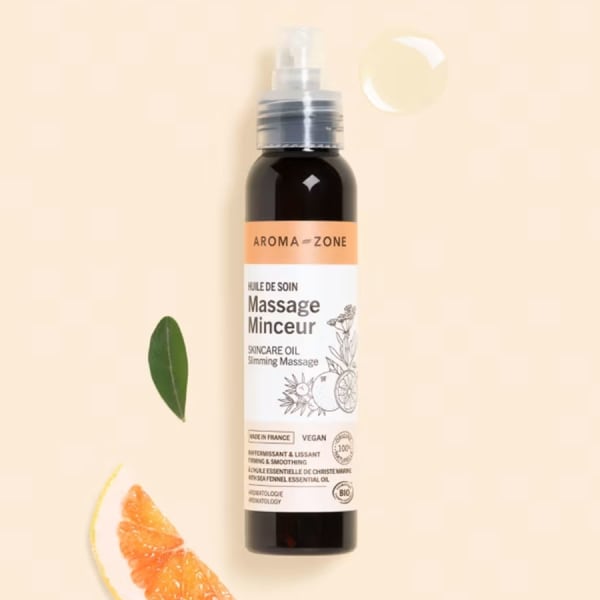
Slimming Care Oil: used alternately with the Organic Contouring & Silhouette Concentrated Body Care, the Slimming Care Oil is perfectly suited to toning massages designed to enhance your curves and support skin firmness. It targets the appearance of cellulite thanks to a blend of organic grapefruit, organic sea fennel and cedar essential oils, renowned for their firming properties. 

Directions for use: Apply daily to the affected areas during a body massage until the product is fully absorbed, alongside physical exercise and a healthy, balanced diet. 

Discover the Slimming Massage Oil

The AROMA solution

Essential oils are particularly useful in an anti-cellulite routine thanks to their affinity with lipids, which helps them penetrate deep into the tissues. Some, such as Grapefruit, Atlas Cedar or Rosemary, are used for their effect on the appearance of dimpled skin and their toning properties. When incorporated into a massage oil, they combine the effectiveness of active ingredients with massage techniques – two essential elements for tackling the appearance of orange peel skin. They can be found in Aroma-Zone’s Slimming Massage Oil. To find out more, read our article: Our top-rated anti-cellulite treatments, approved by our experts.

What steps should you take, area by area, to improve skin firmness?

Each area of the body has its own specific needs. The techniques used to firm up each area must therefore be carefully chosen and tailored to that area. Here are our tips for naturally firming the skin, depending on the area of the body you wish to target:

How can you tone your facial skin?

The skin on your face is particularly exposed to the effects of ageing, the sun and oxidative stress. To maintain a more harmonious facial contour and supple skin, the best approach is to combine daily skincare with stimulating treatments.

  1. Moisturise your skin daily: morning and evening, apply a moisturiser suited to your skin type to maintain its suppleness and comfort. Well-moisturised skin generally looks plumper and more radiant.

  2. Do some facial exercises: a few exercises carried out for a few minutes a day help to engage the underlying muscles and maintain facial tone. Try to fit these few minutes of daily exercises into your day, whilst waiting at a red light or doing the washing-up!

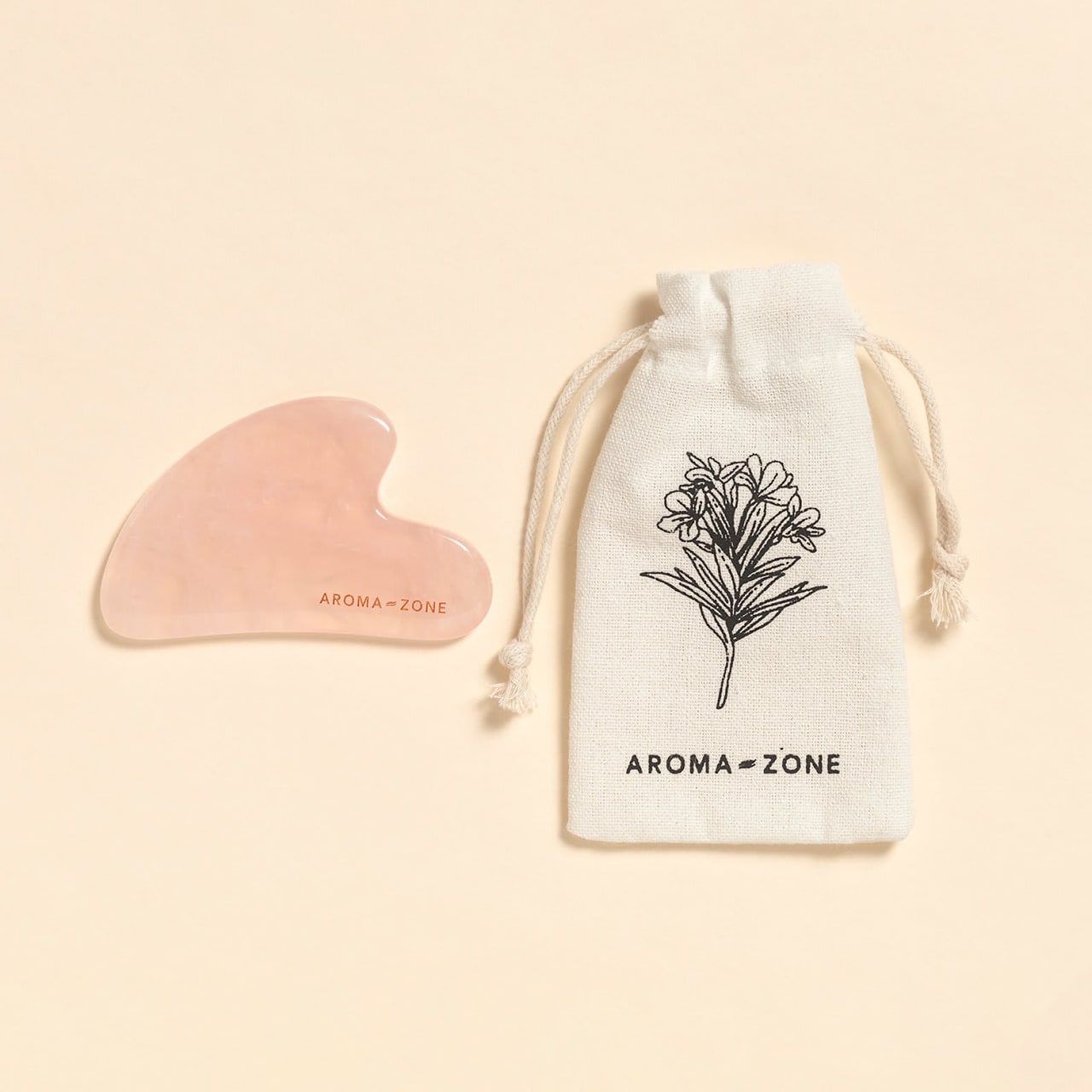
  3. Take a few minutes for self-massage: by using upward strokes with your fingers or a massage tool, you stimulate microcirculation and enhance the skin’s natural radiance. You could also try Gua Sha, which is both pleasant and effective for the skin on your face.

  4. Protect your face from the sun: uncontrolled exposure to UV rays accelerates skin ageing and contributes to collagen breakdown. Suitable sun protection is not only essential for your health but is also one of the best ways to prevent sagging.

  5. Opt for a varied and colourful diet: foods rich in antioxidants, vitamin C and protein help support the skin’s natural renewal process and maintain its quality.

How can you tighten the skin on your tummy?

The tummy is an area particularly prone to sagging after pregnancy, weight loss or as we get older. A few simple habits can help you manage this change gently.

  1. Strengthen your core: core training, Pilates or certain strengthening exercises help to support the underlying tissues and gradually restore a firmer tummy.

  2. Opt for a high-fibre diet: vegetables, fruit, whole grains and high-quality protein promote digestive comfort and reduce abdominal bloating, which can exacerbate sagging over time.

  3. Make sure you stay well hydrated: staying well hydrated helps preserve the skin’s natural suppleness and supports healthy tissue function, which helps to slow down skin sagging.

  4. Get into the habit of massaging your tummy: a few minutes’ massage with a plant-based oil gently softens the skin and turns this routine into a real moment of well-being.

How can you achieve firmer arms?

The back of the arms naturally tends to lose firmness over time. By combining exercise with a regular skincare routine, it’s possible to achieve more shapely arms.

  1. Gently work your triceps: suitable push-ups, exercises with resistance bands or small dumbbells help to strengthen the muscles at the back of your arms and improve their tone, making the skin in this area visibly firmer.

  2. Take part in a full-body workout: swimming, yoga or Pilates gently engage the upper body and help maintain muscle mass, giving the backs of your arms a more toned appearance.

  3. Finish your shower with a splash of cool water: this habit – which can sometimes be difficult to get into but is so beneficial – helps to tone the skin and provides an immediate sensation of freshness and vitality.

  4. Exfoliate your skin regularly: gentle exfoliation once or twice a week promotes skin cell renewal and leaves your skin smoother and softer.

  5. Massage your arms using upward strokes: this simple gesture helps to care for your skin whilst stimulating local microcirculation.

How can you firm up the skin on your thighs?

The thighs are particularly prone to sagging skin and the appearance of cellulite. A holistic approach combining exercise, massage and tissue stimulation generally yields the best results.

  1. Do targeted exercises: squats, lunges or stair climbing strengthen the leg muscles and help maintain better tone.

  2. Incorporate regular cardio exercise: brisk walking, cycling or swimming promote better circulation and generally result in a more toned figure.

  3. Have toning massages: whether done by hand or with a suitable tool, these help to stimulate the tissues and visibly improve the appearance of the skin.

  4. Avoid long periods of inactivity: getting up regularly, walking for a few minutes or simply stretching throughout the day helps to maintain circulation in the legs and prevent skin sagging.

How can you keep your breasts firm?

Over the years, the bust changes, which is completely normal and to be expected. However, a few simple steps can help to gently preserve the skin’s elasticity and maintain the firmness of the surrounding tissue:

  1. Gently massage your breasts: a few circular, upward strokes every day help to care for this sensitive area whilst promoting skin suppleness.

  2. Strengthen your chest muscles: a few simple exercises done regularly can tone the muscles beneath the breasts, which improves their natural support.

  3. Wear a suitable sports bra whilst exercising: good support reduces strain on the supporting tissues and helps maintain the shape of the bust.

  4. Avoid significant weight fluctuations: repeated fluctuations place a heavy strain on the supporting fibres. This can lead to sagging over time and make the bust less firm.

  5. Maintain good posture in your daily life: keeping your shoulders back and your back straight helps to enhance your bust and create a balanced silhouette.

Find more tips in our feature on maintaining a firm bust.

What home remedies are there to combat sagging skin?

Traditional home remedies rely on simple, natural techniques to restore a little firmness to the skin. Whilst they don’t work miracles, they’re primarily based on gentle, consistent care, passed down from generation to generation. Here are a few ideas for traditional home remedies to firm the skin naturally: 

  • Massage the skin with warm oil: take a little vegetable oil, warm it slightly between your hands, then apply it using slow, upward strokes. This is an age-old, almost instinctive technique that nourishes the skin whilst restoring its firmness. Note that vegetable oils should be used in blends, diluted as part of a skincare preparation

  • Finish your shower with a splash of cool water: this slight thermal shock, often recommended down through the generations, gives the skin a real ‘boost’ and helps to stimulate circulation

  • Egg white as a quick treatment: applied in a thin layer, it dries quickly and provides that immediate tightening effect that people used to seek out before going out. It should be noted, however, that its effect is temporary and remains anecdotal, not scientifically proven

  • Homemade sugar or coffee grounds scrub: by gently rubbing the skin, you remove dead skin cells and restore softness. Coffee, in particular, is often used for its stimulating effect on the skin

  • Shea butter as a nourishing treatment: a staple of traditional beauty advice, particularly for dry or sagging areas, to soften and protect the skin

  • Dry brushing before showering: a few strokes of the brush over dry skin are enough to stimulate the tissues and give the skin a firmer feel

  • A little olive oil as part of your evening skincare routine: simple and readily available, this oil has long been used as a basic beauty ritual to nourish the skin before bed.

Precautions for use

The advice provided in this article is for information purposes only and is in no way a substitute for the advice of a healthcare professional. Everyone’s skin reacts differently, and it is important to adapt your routine and skincare products according to your skin’s sensitivity and any allergies you may have. When using natural remedies, be sure to follow the recommendations on the product information sheet. Before using any product for the first time, always carry out a patch test 48 hours in advance on the inside of your elbow to check your skin’s tolerance and minimise any risk of an adverse reaction. If in doubt, or if you have sensitive skin or a skin condition, it is recommended that you seek advice from a healthcare professional before adopting any new skincare routines. Finally, when it comes to taking plants or dietary supplements internally, always seek advice from your GP.

Expert Advice

When it comes to firming up your body, nothing beats regular exercise! To maintain a well-defined face, try facial yoga. Exercises such as dancing, gymnastics or swimming are ideal for toning the thighs. To strengthen your abs and tighten the skin on your tummy, try an elliptical trainer, running or sets of sit-ups. And don’t forget the most important thing: staying active every day. Try to walk for 30 minutes a day, take the stairs instead of the lift, and if you can, go and speak to people in person rather than sending a message. These are all easy habits to adopt to stay in great shape.

Spotlight on Our Writer: Louise Hourcade

louise.jpg

A 2020 graduate of ESCP, Louise began her career as a writer in 2021. Today, she mainly shares her thoughts in an intimate newsletter, where she writes cultural recommendations as well as more personal articles (on dating apps, therapy and career guidance). Alongside this, she writes for media outlets, brands and agencies on topics such as wellbeing, mental health, culture and society.

Bibliography

  1. Baumann, L. (2007). Skin ageing and its treatment. Journal of Pathology.

    https://pubmed.ncbi.nlm.nih.gov/17200942/

  2. Fisher, G. J., Varani, J., & Voorhees, J. J. (2008). Looking older: Fibroblast collapse and therapeutic implications. Archives of Dermatology.

    https://pubmed.ncbi.nlm.nih.gov/18490597/

  3. Rawlings, A. V. (2006). Cellulite and its treatment. International Journal of Cosmetic Science.

    https://pubmed.ncbi.nlm.nih.gov/18489274/

  4. Shuster, S., Black, M. M., & McVitie, E. (1975). The influence of age and sex on skin thickness, skin collagen and density. British Journal of Dermatology.

    https://pubmed.ncbi.nlm.nih.gov/1220811/

  5. Varani, J., Dame, M. K., Rittie, L., et al. (2006). Decreased collagen production in chronologically aged skin. The American Journal of Pathology.

    https://pubmed.ncbi.nlm.nih.gov/16723701/

  6. Moyer, C. A., Rounds, J., & Hannum, J. W. (2004). A meta-analysis of massage therapy research. Psychological Bulletin

    https://pubmed.ncbi.nlm.nih.gov/14717648/

  7. Sun, M., Deng, Y., Cao, X., Xiao, L., Ding, Q., Luo, F., Huang, P., Gao, Y., Liu, M., & Zhao, H. (2022). Effects of natural polyphenols on skin and hair health: A review. Molecules

    https://pmc.ncbi.nlm.nih.gov/articles/PMC9695112/

  8. Mine, Y. (1995). Recent advances in the understanding of egg white protein functionality. Trends in Food Science & Technology.

    https://www.sciencedirect.com/science/article/abs/pii/S0924224400890834

  9. Honfo, F. G., Akissoé, N., Linnemann, A. R., Soumanou, M. M., & van Boekel, M. A. J. S. (2014). Nutritional composition of shea products and chemical properties of shea butter. Food Science & Nutrition.

    https://pubmed.ncbi.nlm.nih.gov/24261539/

Frequently Asked Questions

Frequently Asked Questions