What causes muscle soreness?

What causes muscle soreness?


By Marine Leleux

Published on: Friday, July 19, 2024, Updated on: Wednesday, October 28, 2026

Muscle soreness, the pain often felt after exercise, can have multiple causes. To better prevent and relieve muscle soreness, it is essential to fully understand the factors that contribute to its onset. Whether it's due to a poor warm-up before exercise, insufficient sleep, or a lack of hydration, identifying the causes of muscle soreness will allow you to take the necessary steps to restore your muscle health. Let's take a closer look at the various causes of muscle soreness and the underlying mechanisms that lead to this discomfort.

Contents

Related products

What is muscle soreness?

Muscle soreness is defined as acute, localised muscle pain resulting from micro-injuries within the muscle fibres. It generally occurs 24 to 72 hours after intense or unusual physical exertion.

When muscles are overworked, micro-injuries or "micro-lesions" occur within the fibres that make up the muscle. Once the activity is over, the body initiates an inflammatory muscle recovery process, also known as DOMS (Delayed Onset Muscle Soreness), to repair these minor injuries. This process sensitises the nerve endings in the muscles and causes the sensation of pain and muscle stiffness typically experienced with muscle soreness.

How long does muscle soreness last?

Muscle soreness generally lasts between 2 and 3 days after physical exertion. However, this duration can vary from person to person and depending on the situation. Certain measures such as rest after exercise, optimal hydration, proper nutrition, and stretching can help reduce the duration of muscle soreness.
What causes muscle soreness?

Muscle soreness results from micro-tears in muscle fibres following excessive muscular exertion. Here are the risk factors that may contribute to the onset of muscle soreness:

Intense physical exercise: When we engage in particularly intense or unusual physical activity, our muscles can be overworked. Muscle soreness can also occur from non-athletic muscle strain. Simply sleeping in a poor position or making a sudden, awkward movement can lead to muscle pain.

Lack of warm-up: When muscles aren't properly prepared for the upcoming exertion, muscle soreness is more likely to occur. Similarly, forgetting to stretch after a workout can contribute to muscle soreness.

Nutritional deficiencies: A lack of essential nutrients such as iron, magnesium, or B vitamins can contribute to muscle soreness. An unbalanced diet can therefore be an aggravating factor in muscle soreness and involuntary muscle spasms.

Lack of hydration: Not drinking enough before and after physical activity can lead to dehydration. When the body isn't sufficiently hydrated, muscles struggle to detoxify properly and can accumulate lactic acid, which is responsible for muscle cramps. Certain conditions, such as chronic muscle inflammation or fibromyalgia, can cause widespread muscle pain that may be mistaken for muscle soreness. Consult your doctor if you experience persistent muscle pain.

What are the symptoms of muscle soreness?

Muscle soreness is often accompanied by various symptoms that can make daily activities difficult. Here are the main symptoms of muscle soreness: 

  • Pain in the muscles used 

  • A feeling of stiffness in the muscles 

  • Feeling of loss of strength 

  • Sensitivity to touch 

  • Reduced range of motion 

  • General fatigue

Note

Muscle soreness is often associated with a feeling of fatigue. Muscle repair requires a lot of energy from the body and can lead to a temporary decrease in energy levels.

Everything You Need to Know About Muscle Soreness

Muscle soreness and muscle spasms: what’s the difference?

Muscle soreness and muscle spasms are two types of muscle pain that are often confused: Muscle soreness stems from the body's inflammatory response aimed at repairing micro-tears in muscle fibres. In contrast, with muscle spasms, the pain arises from excessive muscle tension that makes it difficult for the muscle to relax. Muscle soreness goes away on its own after a few days, whereas a muscle spasm may require a combination of interventions, such as stretching and massage, to resolve.

What is the link between fatigue and muscle soreness throughout the body?

It is common to experience temporary fatigue when we have muscle soreness. Muscles feel weakened, and overall energy levels are reduced. However, intense general fatigue accompanied by persistent muscle pain may be a sign of an underlying medical condition. If in doubt, do not hesitate to consult your GP.

What deficiency causes muscle soreness?

The most common deficiency in cases of chronic muscle soreness is a magnesium deficiency. This mineral is essential for maintaining proper contraction and relaxation processes. When the body lacks magnesium, muscles can become overly excitable, leading to spasms, cramps, and soreness. 

Check out our article: How to Prevent and Relieve Cramps Naturally.

Why do you get muscle soreness without having exercised?

Muscle soreness can occur even if you haven’t exercised! Simply overstimulating a muscle group can lead to micro-tears, which in turn cause the inflammation responsible for muscle discomfort. Here are some situations that can cause muscle soreness without exercise: 

  • Sleeping in a position that puts excessive strain on certain muscles (often the back and neck muscles).

  • Maintaining an unnatural posture for a long period of time (at the office, for example). 

  • Performing repetitive movements in daily life.

  • Experiencing muscle tension due to stress (often in the shoulders and neck).

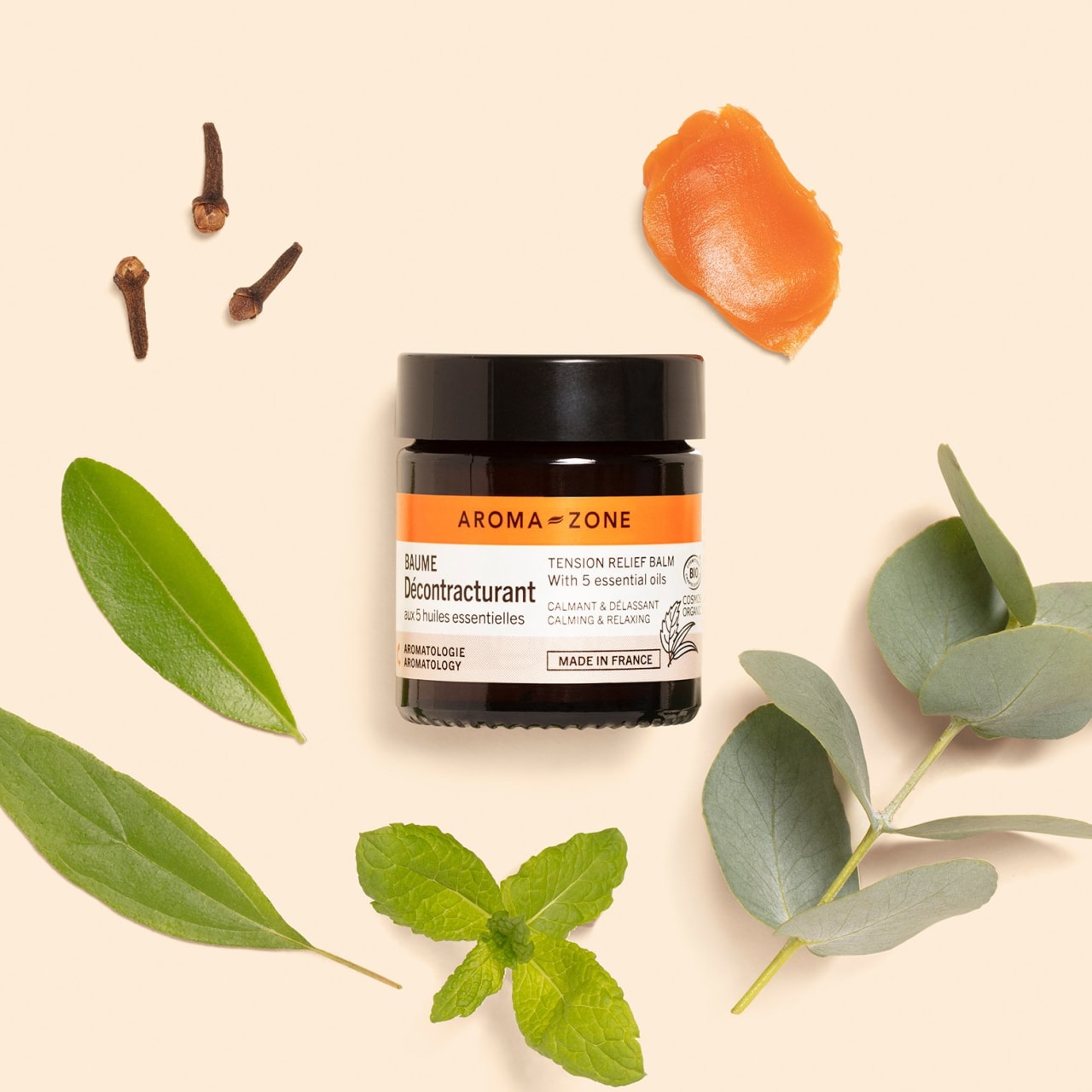
Focus on our Relaxing Aromatherapy Balm with 5 Essential Oils

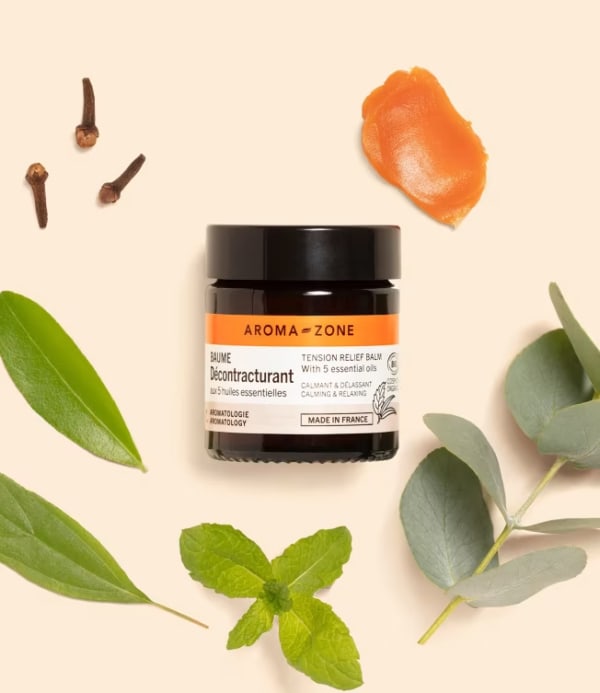
Muscle-relaxing balm with 5 essential oils

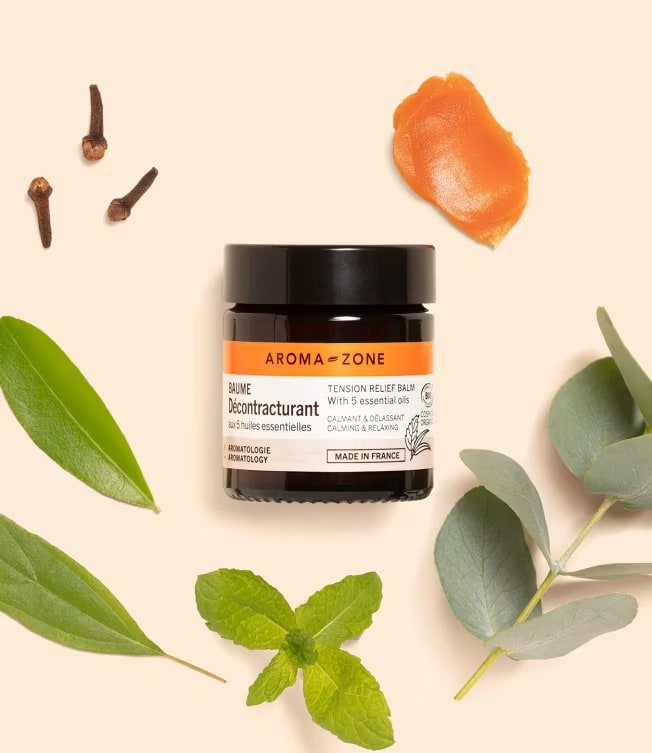
Our relaxing balm is a natural formula concentrated with essential oils, camphor, and organic menthol. It relieves muscle tension, soothes post-workout discomfort, and relaxes muscle spasms. Organic essential oils of peppermint, cajeput, cinnamon, eucalyptus radiata, and clove work in synergy to soothe muscle pain and help relax sore muscles. Organic camphor and menthol provide a hot-cold effect that delivers immediate relief.

Discover the Relaxing Aromatherapy Balm with 5 Essential Oils

Muscle soreness: what are the natural solutions?

Muscle soreness can be uncomfortable and negatively impact the daily lives of those affected. Here are our natural solutions to prevent and relieve muscle soreness.

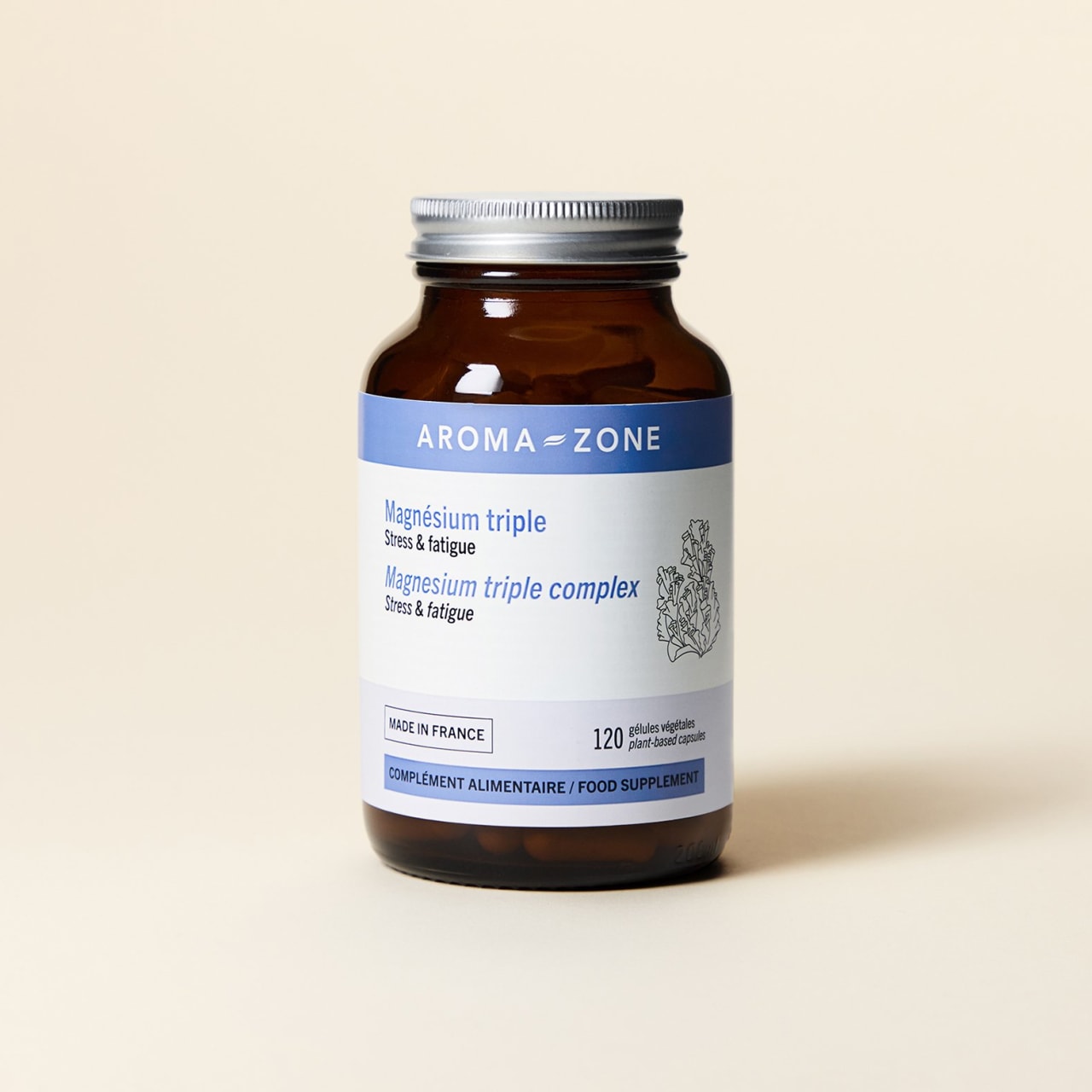
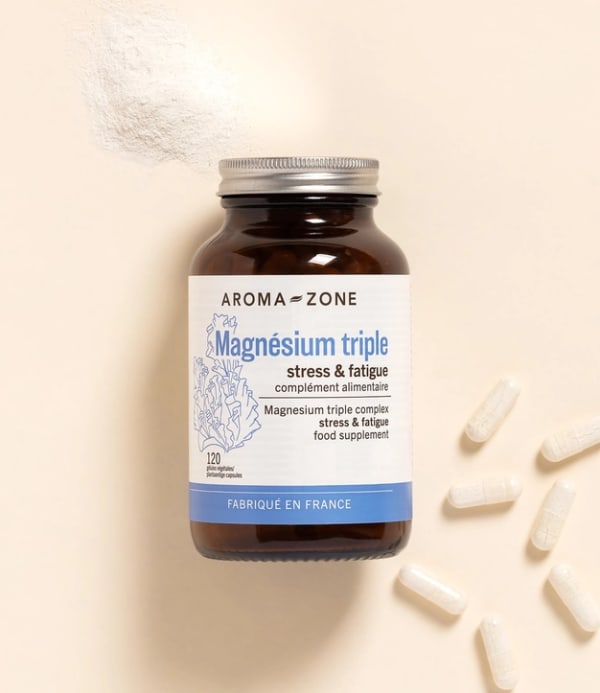
1. Prevent muscle soreness with magnesium supplementation, which helps prevent cramps and supports muscle function, especially important for athletes with higher magnesium needs. Omega-3 is also an ally for muscle recovery.

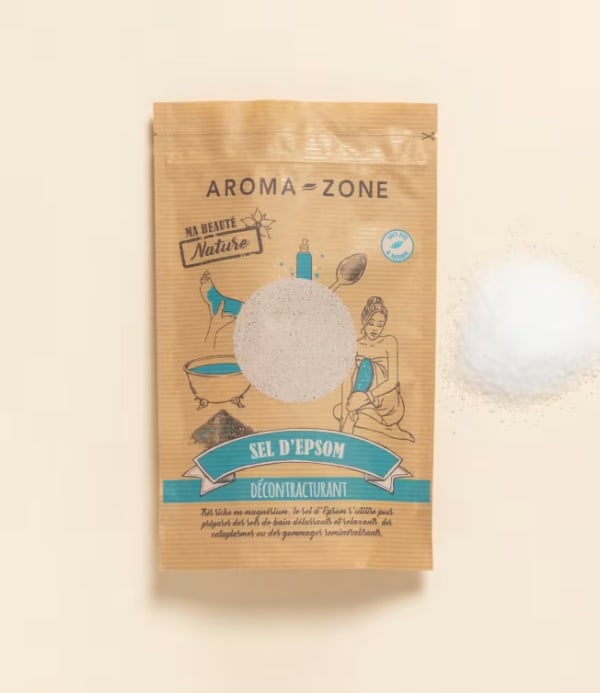
Epsom salt

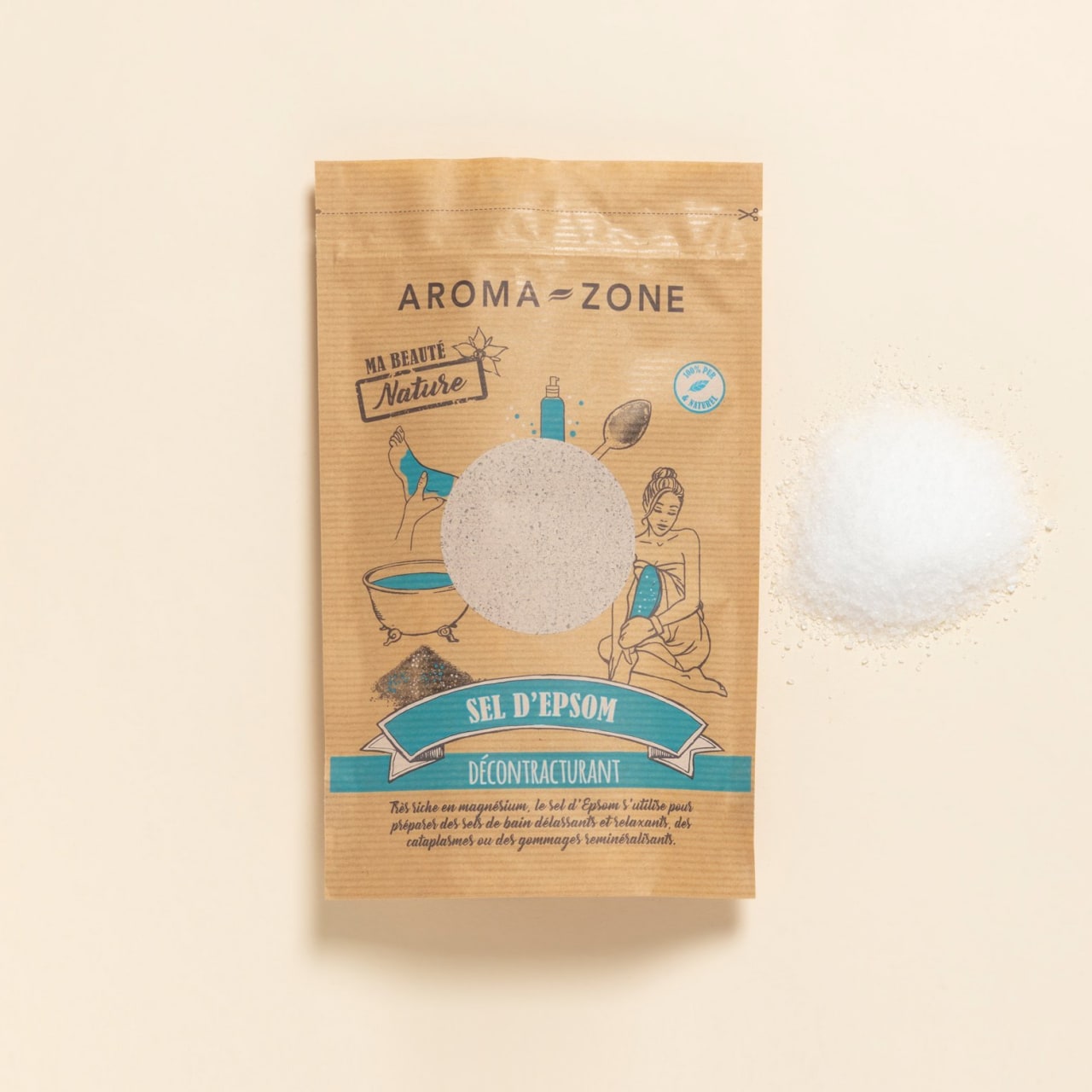
2. Relax after exercise with an Epsom salt bath. Epsom salt is rich in magnesium and helps you achieve optimal muscle relaxation after exercise. Add a cup of Epsom salt to your bath and enjoy its benefits for 15 to 20 minutes.

Muscle-relaxing balm with 5 essential oils

3. A muscle massage can help relax muscles and improve blood circulation. The relaxing balm with essential oils, with its soothing hot-cold effect, quickly relieves discomfort thanks in particular to a blend of 5 essential oils known for their effectiveness against tension, muscle spasms, and stiffness.

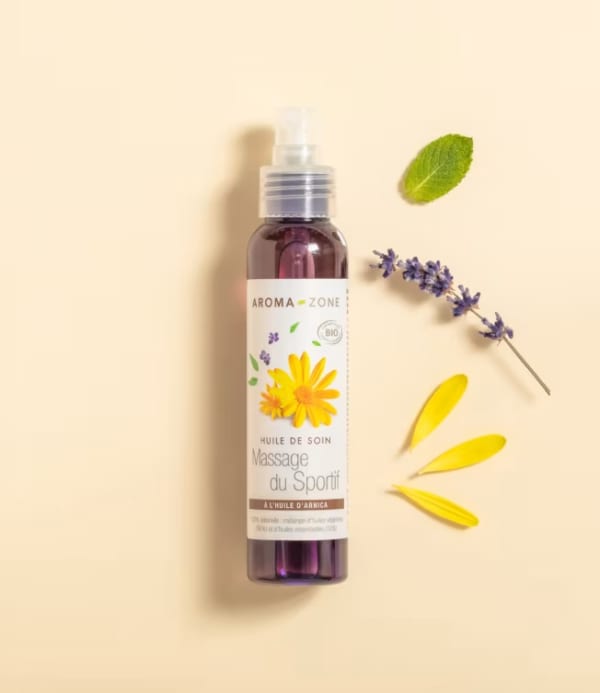
Sports Massage Care Oil

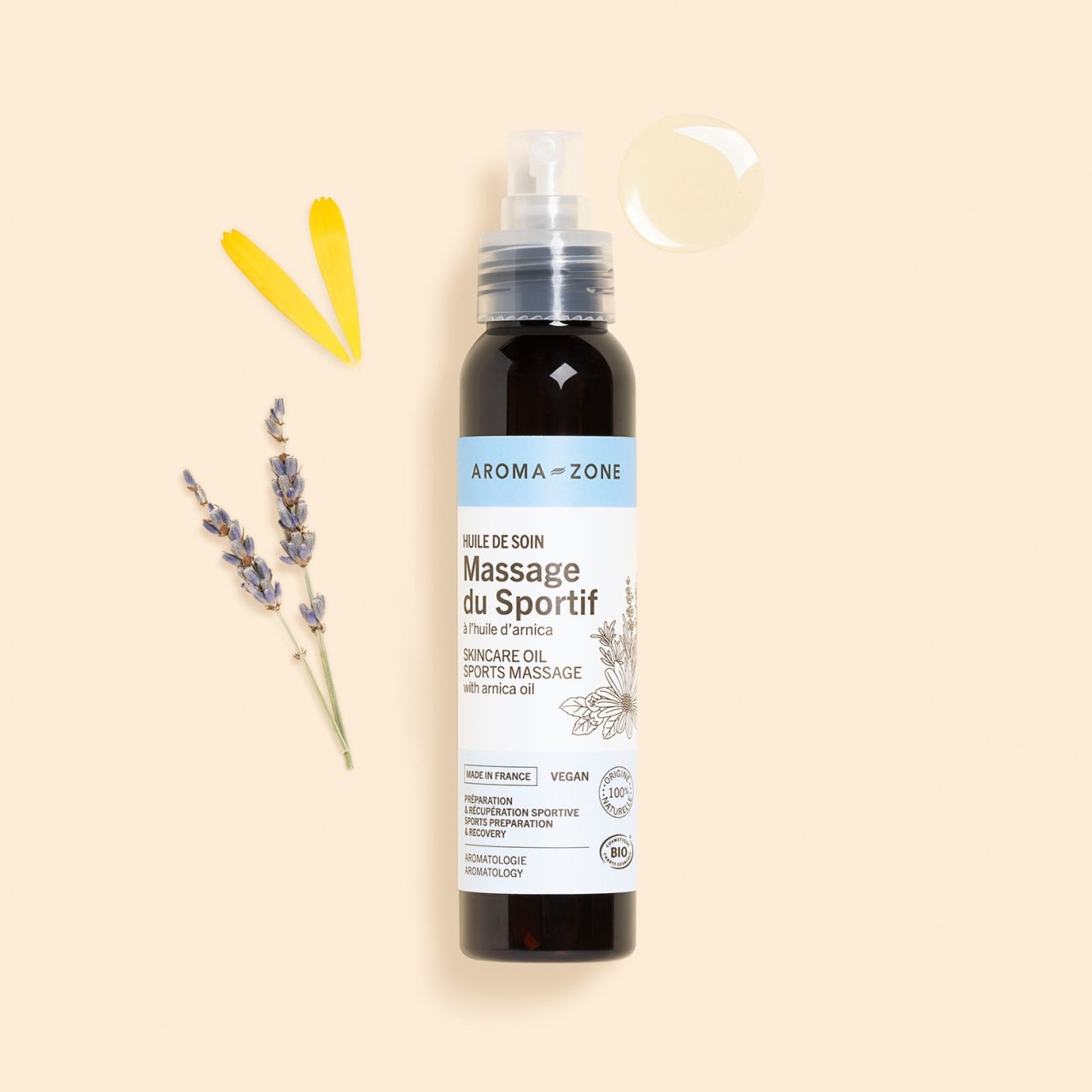
4. You can also massage yourself using massage oil to perform relaxing massages after exercise and leave your skin supple, nourished, and silky smooth.

Check out our article: Soothing Muscle Soreness and Pain with Essential Oils.

Our routine for preventing muscle soreness

It is possible to prevent muscle soreness by taking a few preventive steps. Here are our tips for avoiding muscle soreness:

  1. Stay hydrated: Make sure to hydrate before and after your workout to help flush out toxins and support muscle recovery.

  2. Warm up before exercising: Remember to warm up your muscles thoroughly before starting your physical activity to prevent muscle soreness.

  3. Opt for muscle compression: Wear compression garments to promote optimal blood circulation and prevent the buildup of lactic acid in your muscles.

  4. Get enough rest: Make sure to get adequate rest after exercise to allow your muscles to recover.

What type of massage should you use to relieve very painful muscle soreness?

To relieve particularly intense muscle soreness, a gentle drainage massage is recommended. 

Start with light circular movements to warm up the muscles and relax the affected area. 

Continue by applying firmer pressure to the painful area using the palms of your hands to stimulate blood flow to the micro-injuries in the muscles. This massage will help your muscles gradually release tension and eliminate accumulated toxins.

Check out our article: The Benefits of Massage Therapy

Precautions for use

Using Magnesium

Be sure to follow the manufacturer’s recommended dosage to avoid digestive side effects associated with excessive intake.

Our natural remedies to prevent muscle soreness

Here are our Aroma-Zone recipes to effectively prevent muscle soreness: 

Expert Advice

The naturopathic approach to muscle soreness is prevention! To avoid muscle soreness after exercise, adequate fluid intake is essential. To prevent dehydration, be sure to consume electrolyte-rich beverages before and after exercise, such as coconut water or cucumber water.

Spotlight on Our Naturopathic Writer: Marine Leleux

Photo_Marine_Leleux.jpg

Marine is a naturopath specialising in children’s well-being and a parenting coach. With 10 years’ experience supporting families, she now channels her passion into serving her community by sharing natural and caring advice.

Bibliography

  1. https://www.vidal.fr/maladies/appareil-locomoteur/douleurs-musculaires-crampes-courbatures/autres-causes.html#:~:text=What%20are%20the%20causes%20of,(for%20example%20interferons).

  2. https://pasteur-lille.fr/2022/10/18/douleurs-musculaires-causes-traitements/

Frequently Asked Questions

Frequently Asked Questions