Wasp Sting: What Should You Do?

Wasp Sting: What Should You Do?


By Lou Dumas

Published on: Wednesday, June 14, 2023, Updated on: Monday, November 16, 2026

It’s summer and the wasps are back. They’re buzzing round the table, swarming in the garden, or drinking from the edge of the swimming pool. 

To make sure your holidays aren’t ruined, it’s worth knowing a few natural remedies and tips in case you get stung, which can be painful and even dangerous for those with allergies.

With Aroma-Zone, learn the right steps to take to protect yourself or relieve wasp stings naturally.

Contents

Related products

Why Do Wasps Sting?

Wasps have a slender body with yellow and black stripes. In the wild, wasp venom is designed to paralyse other insects, which the wasp then carries back to the nest to feed the larvae.

Wasps are not aggressive when left undisturbed. It is only when they feel threatened that they sting in self-defence. This is particularly true near their nest.

As with the rest of its hymenopteran cousins (bees, bumblebees, and hornets), the male wasp is unable to sting. Only females have a stinger and can sting.

Be careful: wasps can sting several times, unlike bees, which sting only once and die because part of their abdomen is torn off along with their stinger.

How Can You Avoid Wasp Stings?

When searching for food for themselves, wasps are attracted to sugar, particularly in fruit, but also in meat or fish. The first tip for keeping them at bay is therefore to avoid leaving these foods out in the open and to make sure you seal drinks properly.

You can also crush cloves in saucers to keep wasps away.

Indoors, clove essential oil, diluted in milder essential oils to a maximum of 5-10%, is highly effective at repelling wasps. Do not use in the presence of pregnant or breastfeeding women, or on children under 6 years of age. Contraindicated in cases of liver failure.

Avoid walking barefoot in the grass or near a body of water. Be aware that certain perfumes or coloured clothing may attract wasps. Finally, have any wasp nests near your home located and removed.

Generally speaking, if you spot a wasp in your vicinity, try to stay calm and keep your movements to a minimum until it flies away, so that it does not feel threatened. Everything should then be fine!

What Does a Wasp Sting Look Like?

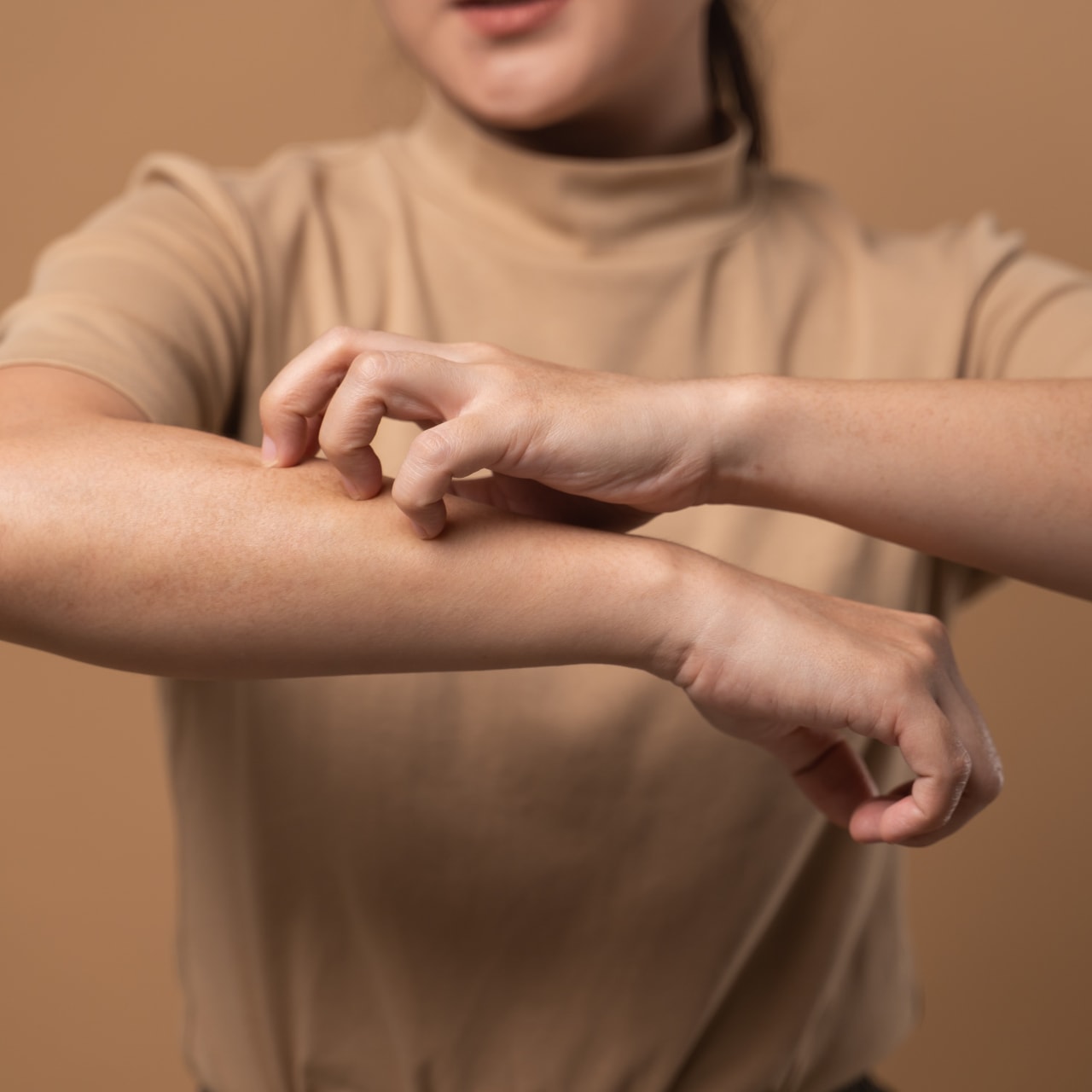
In most cases, a wasp sting causes localised pain followed by swelling, redness, and sometimes induration (hardening of the skin). Itching may occur.

All of these symptoms gradually subside after a few hours, or two days at most.

What Happens When a Wasp Stings You?

A wasp sting can cause swelling and may be particularly dangerous if it occurs inside the mouth or throat, as the swelling can obstruct the airways and cause breathing difficulties. If this happens, contact the emergency services immediately.

Multiple stings can also constitute a medical emergency – particularly more than five stings in children or more than 20 in adults – due to the potential toxic effects of wasp venom.

Finally, certain symptoms may indicate an allergic reaction, including swelling of the lips, eyes or throat; difficulty swallowing or breathing; nausea; vomiting; diarrhoea; feeling faint or unwell; hives; fever; chills; unusual paleness; or bluish discolouration of the skin.

This is a medical emergency. Contact the emergency services immediately, particularly if there are signs of a severe allergic reaction (anaphylaxis).

How to Tell a Wasp Sting from Other Insect Bites and Stings

At the moment of the sting, it is not always easy to identify all the relevant details, particularly as the insect responsible is sometimes out of sight (trapped under a shoe, in a swimsuit, etc.). Here are a few tips to help you tell the difference between a wasp sting and other common stings.

How Can You Tell the Difference Between a Wasp Sting and a Bee Sting?

A wasp’s stinger can be removed from the skin very easily; it is completely smooth. Whereas a bee’s stinger has barbs, known as a ‘barbed’ stinger, which keep it embedded in the skin.

How Can You Tell the Difference Between a Wasp Sting and a Bumblebee Sting?

Bumblebees rarely sting. When they do, they do not leave their stinger in the skin.

How Can You Tell the Difference Between a Wasp Sting and a Hornet Sting?

A hornet’s stinger is longer than that of a wasp, honeybee or bumblebee because this insect is much larger. The sting can therefore reach a blood vessel. Consequently, the swelling is generally much more severe.

As with wasps, hornets can sting several times and their stinger comes out of the skin very easily.

What Should You Do If You’re Stung By a Wasp?

The first thing to do if you’re stung by a wasp is to get to safety to avoid further stings, then remove the stinger, clean the area with a mild antiseptic, and keep an eye out for any further symptoms.

If you experience severe pain, ask your pharmacist for advice on taking painkillers. Similarly, if you experience severe itching, a healthcare professional can advise you on taking antihistamines.

How Can You Relieve a Wasp Sting? The Top 10 Natural Remedies

It's happened - you've been stung! What should you put on a wasp sting? Aroma-Zone brings you some foolproof natural remedies to relieve the pain.

1. First, Use Heat on the Wasp Sting

Start by holding a heat source (a match, a lighter, a glass filled with hot water) close to the stung area. This seemingly simple action helps to neutralise the wasp’s venom. Be careful not to burn yourself; move very gently, getting as close as possible to the skin without touching it.

2. Extract the Venom through Mechanical Methods

Having a mechanical suction pen such as Aspivenin to hand can be very helpful in the event of a wasp sting. One to three minutes of suction is enough to remove the wasp venom.

3. Use Bicarbonate of Soda Poultice as a Supplementary Treatment

It’s very common to have bicarbonate of soda at home, amongst your basic household products. Don’t hesitate to use it on a wasp sting! Bicarbonate of soda helps to combat localised inflammation. 

Dissolve a little powder in a small amount of water and apply as a thick poultice to the sting. Relief guaranteed.

4. Use Vinegar (in all its forms) as a good remedy for wasp stings

Did you know? The acidic pH of vinegar, whatever type it is, helps to soothe the pain caused by a wasp sting. 

For example, soak a cotton pad in 12°C spirit vinegar and leave it on the stung area for a few minutes. Repeat this as many times as necessary.

5. Lemon Juice: An Acidic Alternative for Wasp Stings

If you don’t have any bicarbonate of soda or vinegar to hand, lemon juice is known to neutralise the effects of the alkaline agents in wasp venom locally.

Apply a few drops to the affected area and leave it to work.

6. Spike Lavender Essential Oil (The Number One Essential Oil for Wasp Stings)

An essential item in any first-aid kit, this oil, with its regenerating and healing properties, is traditionally used for insect stings. If you only need to remember one remedy for wasp stings, this is the one.

Apply 1 drop directly to the sting, very regularly until the symptoms subside.

Contraindications:

  • Do not use during pregnancy or while breastfeeding, or on children under 7 years of age or people with epilepsy.

  • Use with caution in people with asthma due to its 1,8-cineole content; avoid inhalation and diffusion.

For children aged over 3 and under 7, apply 1 drop of fine lavender essential oil.

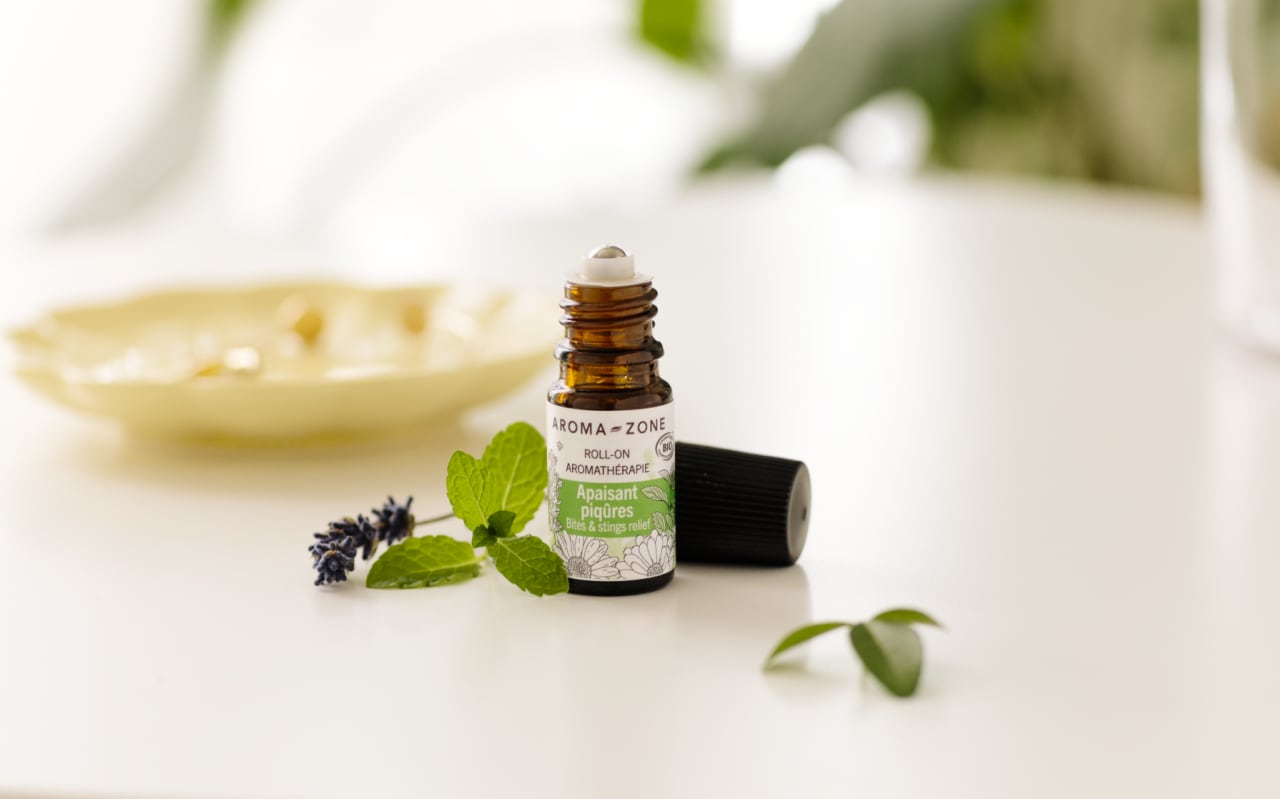
7. A Complete Essential Oil Blend for Wasp Stings

For even greater effectiveness, you can use a complete blend of essential oils, which you can prepare in advance in larger quantities as and when needed. Bonus: this blend is also effective against the vast majority of insect bites.

8. Onions and Garlic: Two Little-Known Natural Remedies for Wasp Stings

Don’t have any of these at home? Head to the pantry. Quickly cut an onion or a clove of garlic in half and apply it directly to the sting.

Their enzymes will neutralise the wasp’s venom. And, believe us, it’s far better than nothing!

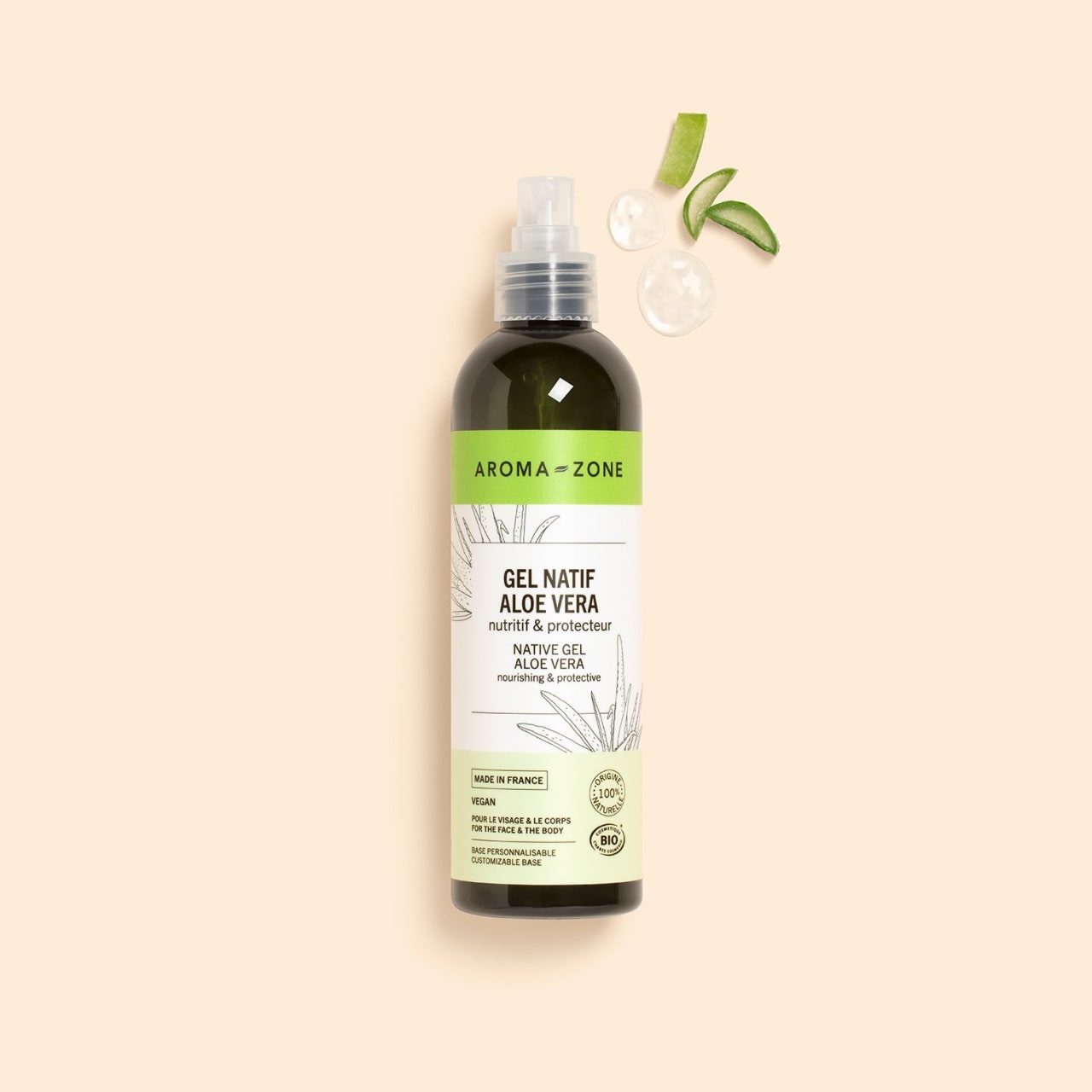
9. Aloe Vera Gel: The Ultimate Soothing Skincare Product

Soothing, purifying, and restorative, pure aloe vera gel provides long-lasting relief for skin prone to irritation and itching, especially after a wasp sting.

Kept in the fridge, it is even more soothing when applied to the sore area. As it contains no essential oils, it is suitable for young children as well as pregnant and breastfeeding women.

10. Honey: A Valuable Aid to Healing After a Wasp Sting

This old-fashioned remedy works with any type of honey! Why not give it a go? Apply directly to the sting and massage gently. 

This remedy is suitable for all ages, unless you are allergic to bee products.

When Should You Be Concerned About a Wasp Sting?

Although most wasp stings are minor and resolve within a few hours or days, certain situations require immediate medical attention. It is crucial to seek help if the person who has been stung shows signs of a severe allergic reaction, such as significant swelling of the face, lips, or tongue, extensive oedema, breathing difficulties, dizziness, headaches, or fainting, a rapid heartbeat or a widespread rash. These symptoms may indicate anaphylactic shock, a medical emergency requiring rapid intervention, often via an adrenaline injection.

You should also seek medical advice if the sting causes severe or persistent pain, if an infection appears to be developing around the sting site (redness, warmth, pus) or if systemic symptoms such as a fever develop. Finally, people with a history of allergy to insect stings, or those with multiple stings, should also seek medical advice.

What Should You Do If You Experience Swelling Caused By a Wasp Sting?

As mentioned previously, swelling from a wasp sting is normal provided it does not affect the mouth, throat, lips, or eyes, or if it is less than ten centimetres in size. 

If there is no allergic reaction and the swelling remains significant after 48 hours, do not hesitate to seek medical advice. The purpose of this consultation is to rule out an infection at the site of the sting.

What Should You Do If You’re Allergic to Wasp Stings?

If you have a confirmed allergy to wasp stings, it is a good idea to carry an adrenaline auto-injector with you at all times to counter any rapid and severe allergic reaction, also known as anaphylactic shock. Finally, you can begin a (long) desensitisation process with an allergist, with success rates of around 80 to 90% for wasp stings.

Spotlight on Our Naturopathic Writer: Lou Dumas

Lou_Dumas_02.JPG

Lou graduated from HEC in 2012. She gained ten years’ experience in marketing within the cosmetics and perfumery sectors before setting up as an independent consultant in this field. She recently completed a three-year course in naturopathy at the European College of Holistic Naturopathy (CENATHO, Paris) with the aim of supporting the physical and mental health of the people she works with through a holistic approach to lifestyle.