How to Soothe a Mosquito or Insect Bite

How to Soothe a Mosquito or Insect Bite


By The Aroma-Zone editorial team

Published on: Monday, August 01, 2022, Updated on: Thursday, October 29, 2026

In this guide, you’ll find the essential oils traditionally used to relieve and soothe the skin after an insect bite. Some essential oils may also help limit complications, which are usually mild (skin inflammation, redness and itching). You’ll also find explanations of the possible symptoms and complications, and of why these little creatures like to make our lives a misery. Enjoy the great outdoors with peace of mind.

Contents

In brief

  • To soothe a bite, the page highlights several approaches: essential oils, bicarbonate of soda and spirit vinegar. It also covers common symptoms and possible complications to help readers better assess the situation.

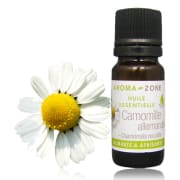
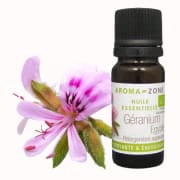
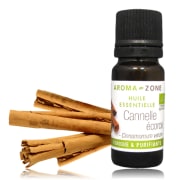
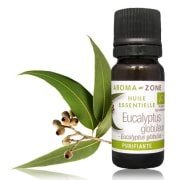
  • On a practical note, two blends are presented. One combines spike lavender, tea tree, German chamomile and rose geranium; the other combines spike lavender, Kaliteri oregano, tea tree, Ceylon cinnamon bark and eucalyptus globulus. The article sets out the quantities and instructions for use.

  • Caution is advised when using these products: a dedicated section outlines the precautions associated with essential oils. The page also covers preventing stings and using vinegar to disinfect bites and stings.

What should you use for a mosquito bite?

Mosquito bites are not only annoying because of the itching they cause, but they can also transmit serious diseases, particularly in certain parts of the world. That is why it is essential to treat them promptly.

Essential oils are valuable allies for relieving mosquito bite symptoms. Spearmint essential oil, for example, helps to soothe itching whilst disinfecting the area. True lavender, meanwhile, helps reduce the inflammation caused by the bite, relieving heat and discomfort. Furthermore, certain essential oils such as field mint have pain-relieving properties, making them a sensible choice for alleviating the pain associated with mosquito bites.

By using these essential oils correctly, you can quickly relieve the symptoms of mosquito bites and prevent any potential complications, whilst enjoying the benefits of nature.
What Are the Possible Symptoms and Complications of Insect Bites and Stings?

In most cases, bites from insects and other animals are harmless and do not lead to complications. They may cause redness, unpleasant itching, swelling, pain of varying intensity or, in some cases, stinging (from jellyfish, for example).

However, certain complications may occur:

  • Stings from bees, wasps, hornets... can trigger an allergic reaction in susceptible individuals. In some exceptional cases, angioedema or anaphylactic shock may occur, the most serious manifestation of an allergy. Symptoms such as feeling unwell, itching, chills, sweating, paleness, facial flushing, a drop in blood pressure, vomiting or even an asthma attack should all be monitored and not ignored.

  • The main complication of tick bites is Lyme disease, which should be suspected if widespread redness follows the bite.

  • A bite can also be dangerous if it occurs in a critical area, such as the throat or tongue, where it may cause breathing difficulties.

  • If a bite causes itching, there is also a risk of infection.

Bicarbonate of soda: your other ally for soothing bites

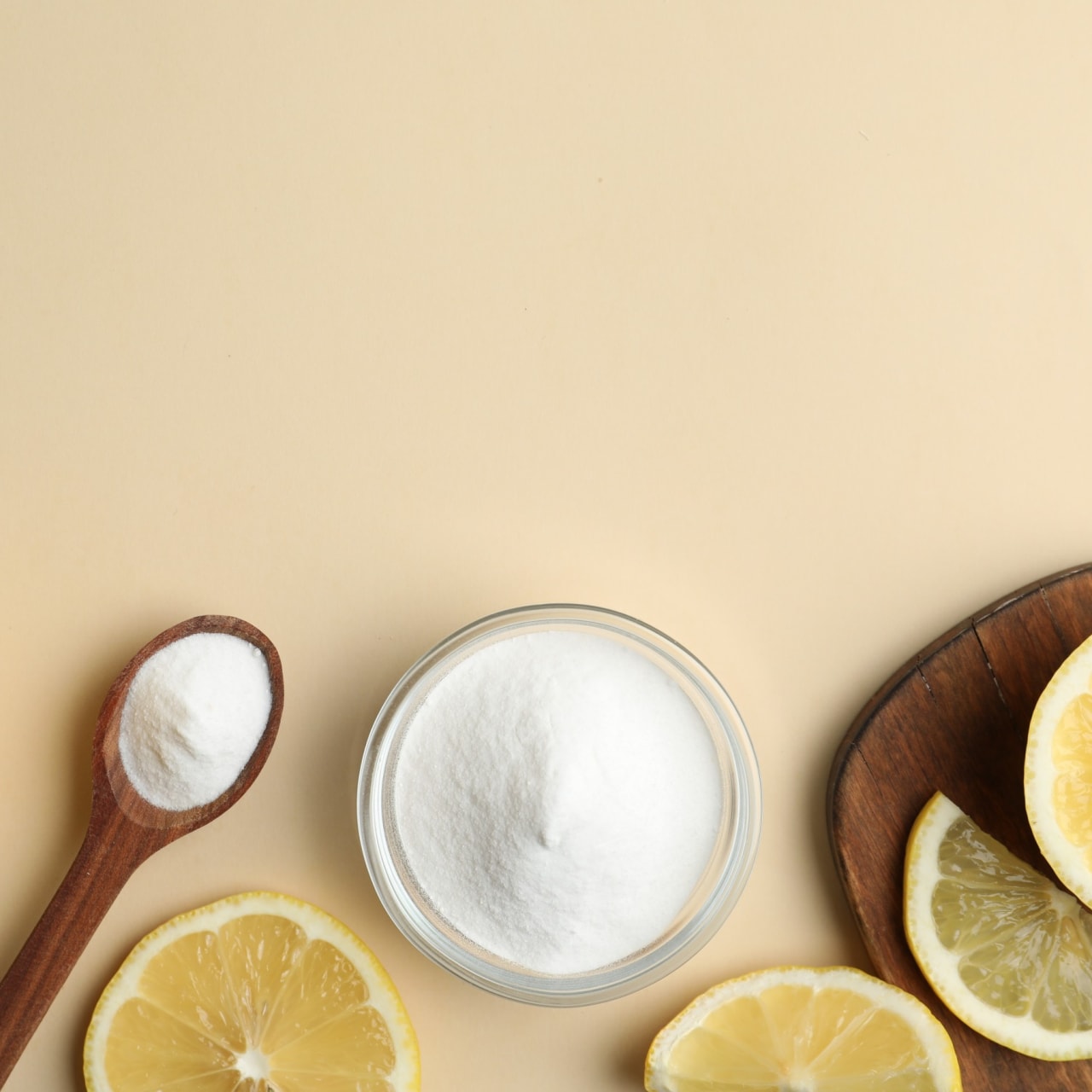
Well known as a household product, bicarbonate of soda also works wonders on minor skin problems. To curb inflammation and relieve itching, there’s nothing quite like a soothing solution made with 3 tablespoons of Bicarbonate of soda mixed with a glass of water. Soak a compress in this solution and apply it directly to the painful bites.

Use white vinegar to disinfect bites and stings

Consisting mainly of acetic acid, 12° spirit vinegar has antiseptic properties that are useful for disinfecting minor wounds. Mix a little of it in a bowl with water, soak a compress in the solution and apply it directly to the bite. This solution quickly soothes the itching around the bite and disinfects the area to prevent infection.

How can you avoid insect bites?

There are some simple and cost-effective tips that can help prevent potential insect bites:

  • Avoid walking barefoot, wearing perfume and wearing light-coloured or colourful clothing, which attract bees and wasps. Keep drinks and sugary foods, as they also attract hornets

  • Dry your skin after getting out of the water, as horseflies are attracted to wet skin

  • When out walking in the woods or in fields, wear long clothes to prevent ticks from clinging on

  • Wash your bedding and your clothes regularly, and vacuum every nook and cranny of the room to get rid of fleas and bedbugs

  • Essential oils are ideal for relieving bites from insects and other animals. Choose essential oils such as Lemongrass, Rose geranium or even Lemon eucalyptus to keep mosquitoes at bay and enjoy a peaceful summer’s evening. Choose true lavender essential oil, which fleas dread, or even cloves to keep wasps away.

A Few Remedies to Soothe Bites and Stings

Precautions Regarding Essential Oils

Spearmint Essential Oil: Do not use on pregnant or breastfeeding women, children under 6 years of age, or people with epilepsy. For internal use only in limited doses and for short periods, on the advice of a therapist. Avoid contact with the eyes and mucous membranes. Always dilute before applying to the skin.

Tea Tree Essential Oil: Do not use in pregnant or breastfeeding women or in children under 6 years of age. Not recommended in cases of kidney failure. Always use diluted. Avoid contact with the eyes and mucous membranes.

German Chamomile Essential Oil: Not recommended for pregnant or breastfeeding women, or children under 6 years of age. Internal use is restricted to therapists. Risk of drug interactions. Consult a healthcare professional if taking medication at the same time, particularly sleeping tablets. Avoid contact with the eyes and mucous membranes. Avoid exposure to sunlight after application. Always use diluted.

Rose Geranium Essential Oil: Do not use on pregnant or breastfeeding women, children under 6 years of age, or people with epilepsy. Keep out of reach of children. Avoid contact with the eyes and mucous membranes. Internal use is restricted to therapists. Risk of drug interactions. Always dilute for topical application.

Precautions regarding essential oils

Spike lavender essential oil: Do not use on pregnant or breastfeeding women, children under 6 years of age, or people with epilepsy. For internal use only in limited doses and for short periods, on the advice of a therapist. Avoid contact with the eyes and mucous membranes. Always dilute before applying to the skin.

Kaliteri oregano essential oil: Do not use in pregnant or breastfeeding women, children under 6 years of age, or people with kidney or liver failure. As it is very potent, use in low doses and for a limited period only, on the advice of a therapist. Keep out of reach of children. Avoid contact with the eyes and mucous membranes.

Tea tree essential oil: Do not use in pregnant or breastfeeding women or in children under 6 years of age. Not recommended in cases of kidney failure. Always use diluted. Avoid contact with the eyes and mucous membranes.

Ceylon cinnamon bark essential oil: Do not use in pregnant or breastfeeding women, or in children under 6 years of age. Not recommended in cases of stomach ulcers or gastritis. Seek advice from a healthcare professional if taking anticoagulant or oral antidiabetic treatments, or if you have a blood clotting disorder. Internal use should be limited to short courses of treatment at low doses. Do not use for prolonged periods without medical advice. This essential oil is dermocaustic. Avoid contact with the eyes and mucous membranes. Always use diluted.

Precautions

Essential oils are powerful natural concentrates. Please refer carefully to the intended uses and precautions for use on each product information sheet. Store them in a suitable glass bottle, away from light and air. Keep out of reach of children. Do not use on pregnant or breastfeeding women, or on children under 6 years of age. Avoid contact with the eyes and mucous membranes. Please consult the General Safety Information Sheet for Essential Oils as well as the specific information sheet for each essential oil.

Expert Advice

If you are bitten by a tick, do not under any circumstances apply essential oil or ether to the tick, as this will cause it to reflexively inject its saliva. Instead, remove it as quickly as possible using a tick remover or fine-tipped tweezers, then apply a drop of a suitable essential oil blend to disinfect the area.

Aude Maillard

Doctor of Pharmacy, graduate of the Faculty of Pharmacy in Tours.

Bibliography

  1. Essential oils: Warnings and precautions for use

    https://www.aroma-zone.com/public/pdf/GC019.pdf