Natural fly repellent: effective repellent solutions

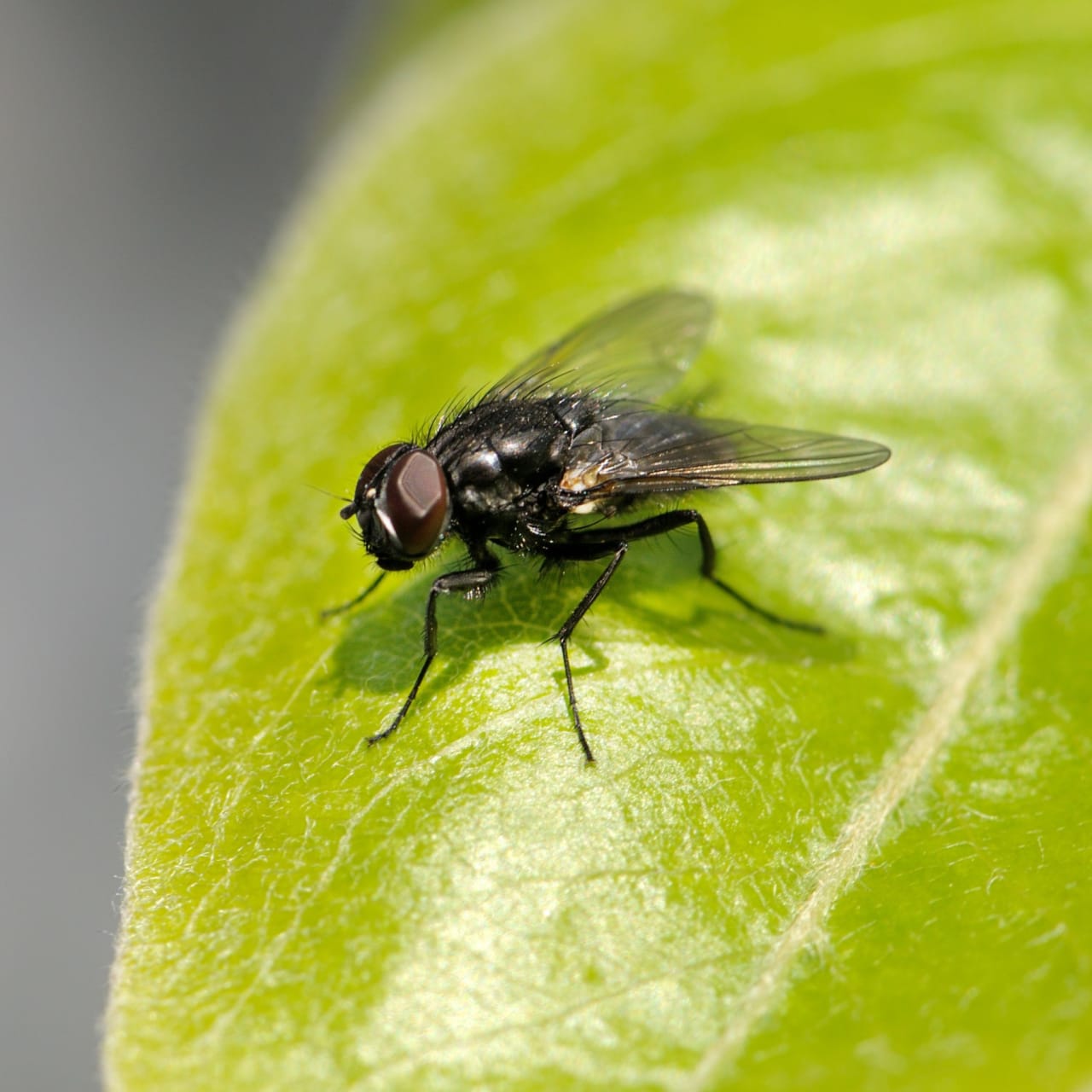
Although they can be annoying, flies are nonetheless essential to the balance of our ecosystem and to biodiversity. If they suddenly seem to increase or become a nuisance, it can be beneficial to use a natural fly repellent. In this article, we explore the benefits of natural fly repellents and the most effective traditional remedies you can use to get rid of them and clear your home.

By The Aroma-Zone editorial team

Reading time: 0 min.

Why are there flies in my house?

Flies in the home can become a nuisance and are often caused by environmental issues or certain habits. The main factors in their spread include food left uncovered, such as food scraps or over-ripe fruit. In addition, poorly covered bins, especially those containing organic waste, are a breeding ground for these insects. Finally, flies can easily enter the home if windows or doors are not properly closed, or if mosquito nets are damaged, making it easier for them to get in.

Signs to look out for

As well as the visible presence of flies, certain signs can indicate a more serious infestation, such as the presence of larvae (maggots) in damp areas like dustbins. You should also keep an eye out for abnormally large amounts of flies in certain places. Finally, remain vigilant if you notice a strange odour. Forgotten food or rubbish can smell of decomposition and then attract flies.
Why use a natural fly repellent?

A natural fly repellent is a solution designed to repel or eliminate flies using ingredients of natural origin rather than synthetic chemicals. These solutions are often based on plants or other eco-friendly, non-toxic substances.

Unlike conventional products, natural fly repellents based on plants, vinegar or other ingredients do not necessarily get rid of flies, but act as repellents and discourage flies from settling in your home. The aim is to create an unpleasant environment for flies.

In contrast, many conventional fly repellents are designed to neutralise flies and are therefore much more aggressive, particularly on your respiratory tract and pets.

There are two main types of fly repellent: the aforementioned repellents and those designed to trap flies the traditional way, without using products that are toxic for your health.

The benefits of natural fly repellents

  • Less invasive: natural fly repellents are generally safe for humans and pets, preventing exposure to potentially toxic chemicals found in conventional repellents.

  • Environmentally friendly: natural ingredients break down more easily and do not pollute the air, water or soil.

  • Long-lasting effectiveness: natural remedies can be just as effective as chemical products at repelling flies.

  • Reduced allergies and irritations: natural solutions minimise the risk of allergies and rashes that are often caused by irritating and aggressive products.

What natural solutions do you recommend for flies?

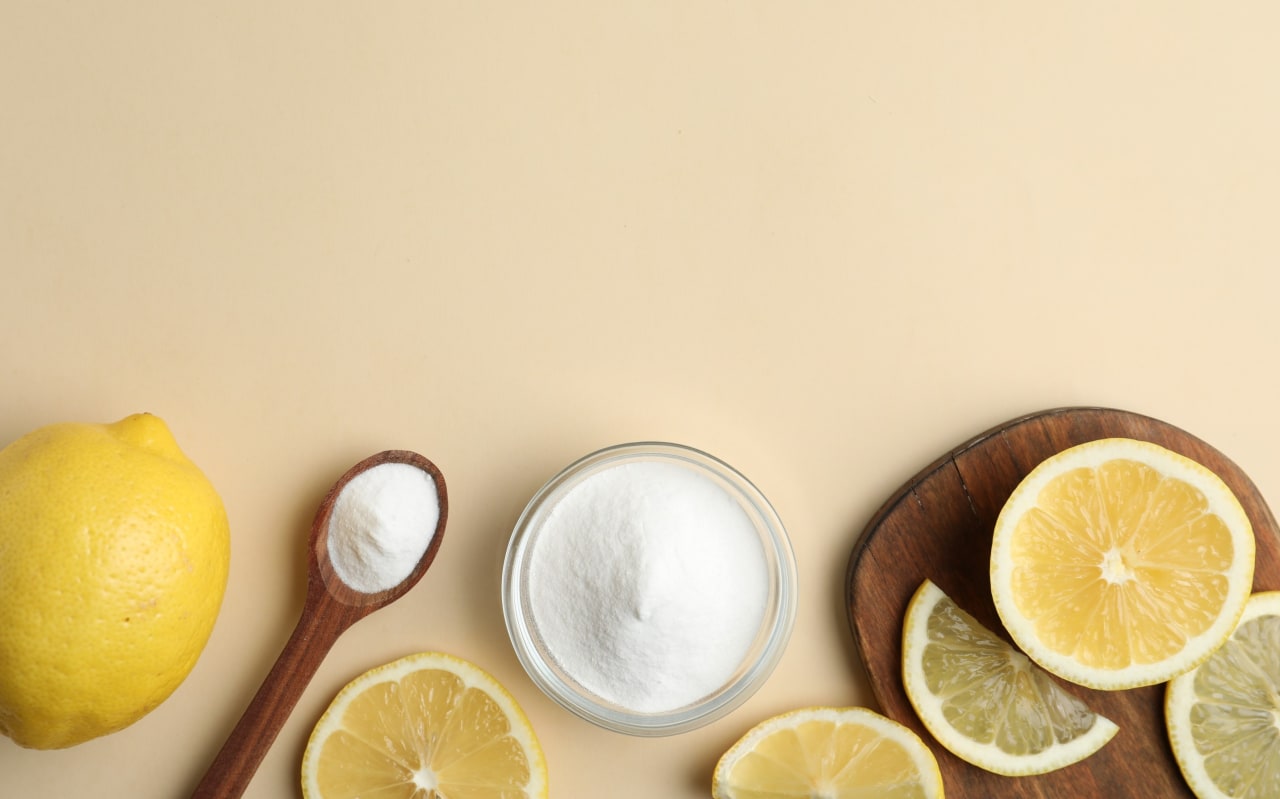
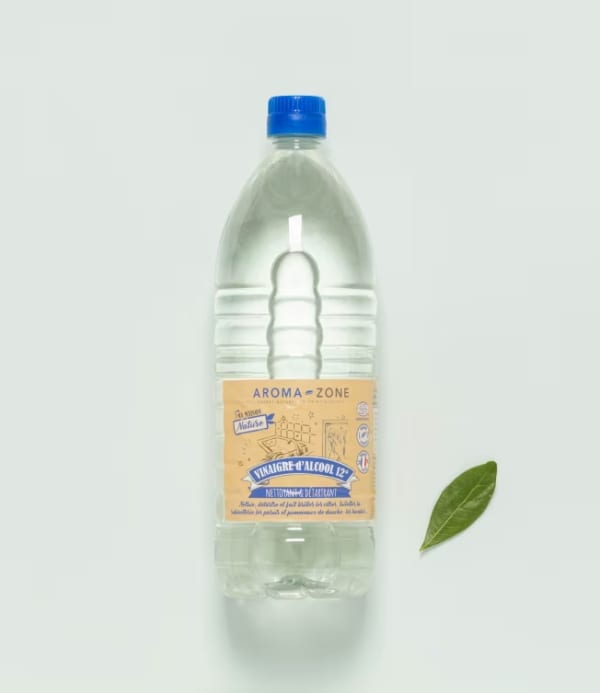
White vinegar

this is very effective for getting rid of flies, which don't like the smell. Make a mixture of water and white vinegar in a spray and spray it around windows and doors.

Discover Aroma Zone white vinegar

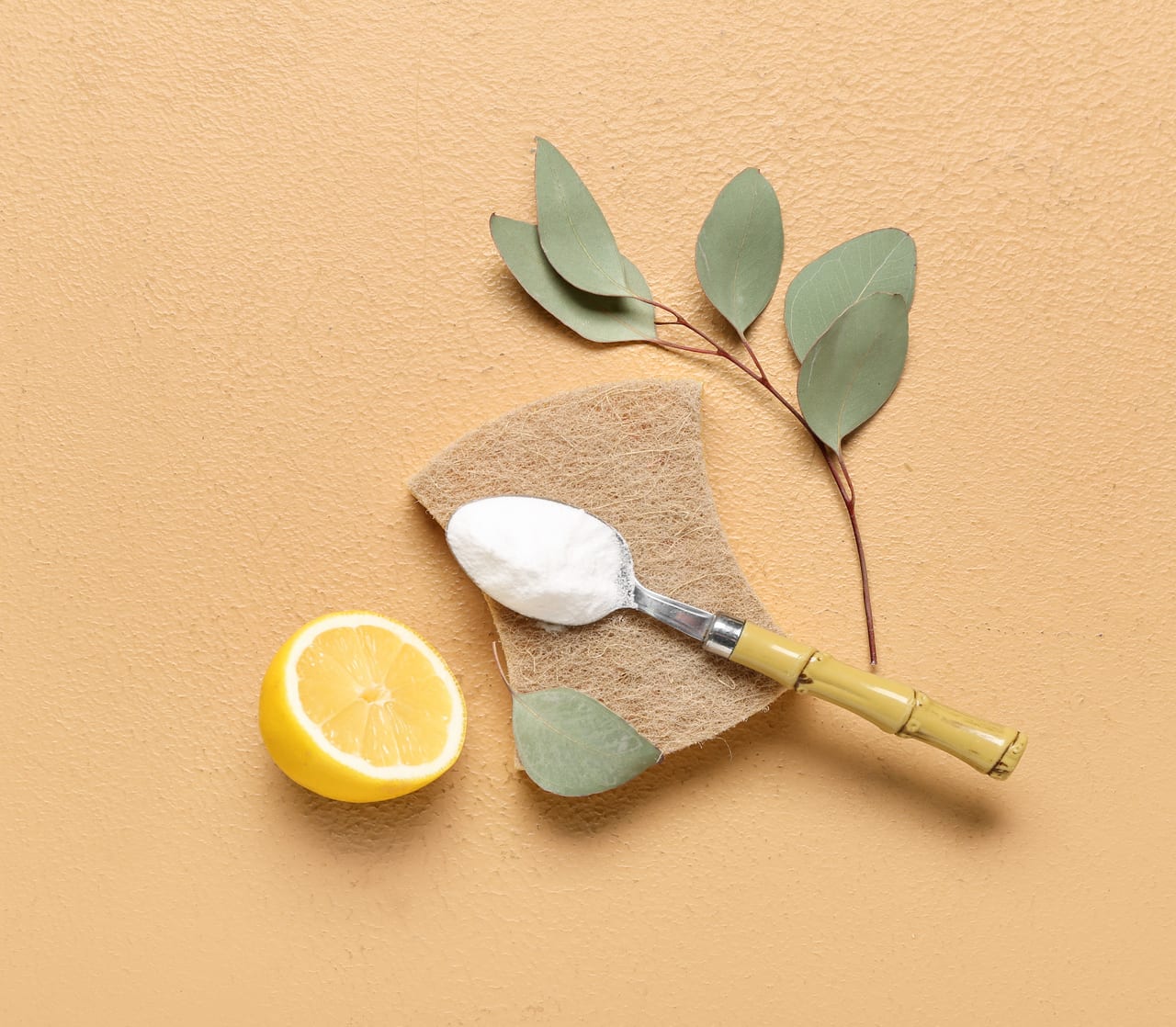
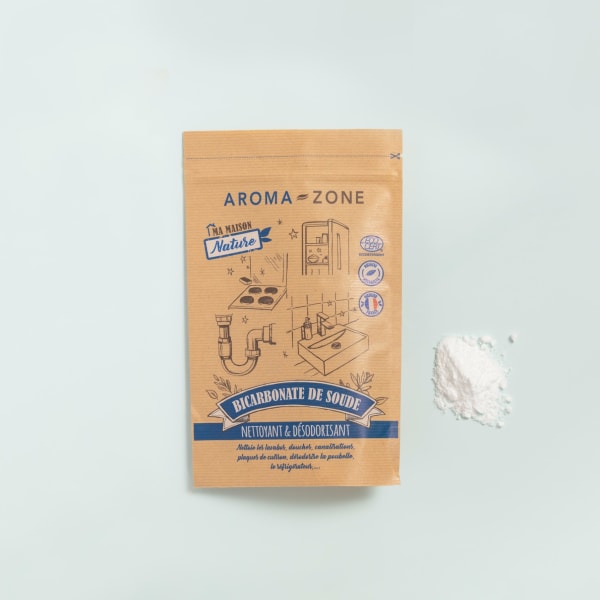
Baking soda or sodium bicarbonate

Combined with white vinegar, it produces an unpleasant odour that repels flies.

Discover ecodetergent sodium bicarbonate

Black household soap

Black household soap works simply because of its viscosity, which smothers all kinds of small insects and larvae. This is very effective on plants that have been infested by flies and midges.

It has no preventive effects, but can be used as often as necessary.

Find out more about plant-based black liquid soap

Natural fly repellents: advice for making your own

Best natural fly repellent: fly-repelling plants for your home

Plants are the easiest natural fly repellents you can use. These are often aromatic plants and flowers, which give off powerful scents that repel flying insects. You can place one or more of them in strategic areas of your home, such as the kitchen.

A sprig of basil for repelling flies: fresh Basil releases aromatic molecules that repel most flying insects, including flies and mosquitoes. Place a pot of basil on your kitchen windowsill and crumple up the leaves regularly.

Rosemary, due to its leaves: rosemary releases natural compounds, such as eucalyptol, which act as a repellent against flies and other flying insects. Keeping dried rosemary in your kitchen can help repel these insects.

Lavender flowers: lavender flowers are high in linalool and thus effective at repelling flies. Place sachets of dried lavender in your cupboards to repel flies, moths and other flying insects.

Cloves: place cloves in multiple places around your kitchen (near your fruit basket, in cupboards, etc.) as their strong aroma will repel flies. You can also use them with lemons to double their effectiveness.

How can I repel flies naturally?

1. Maintain strict standards of cleanliness and eliminate all sources of food: flies are attracted to food scraps, over-ripe fruit or dustbins. Clean the kitchen regularly and keep food well covered.

  1. Natural fly trap: fill a bowl with a mixture of cider vinegar and a few drops of washing-up liquid. The flies will be attracted by the smell of the vinegar and trapped by the washing-up liquid.

These steps will repel flies naturally and without harming the environment.

Our anti-fly recipes

Would you prefer a repellent spray or a mixture you can diffuse to keep flies away from your cosy home? With our natural recipes, you can make your own fly repellent in just a few minutes and affordably as well. If you've never made any DIY household products before, don't wory, we're here to guide you.

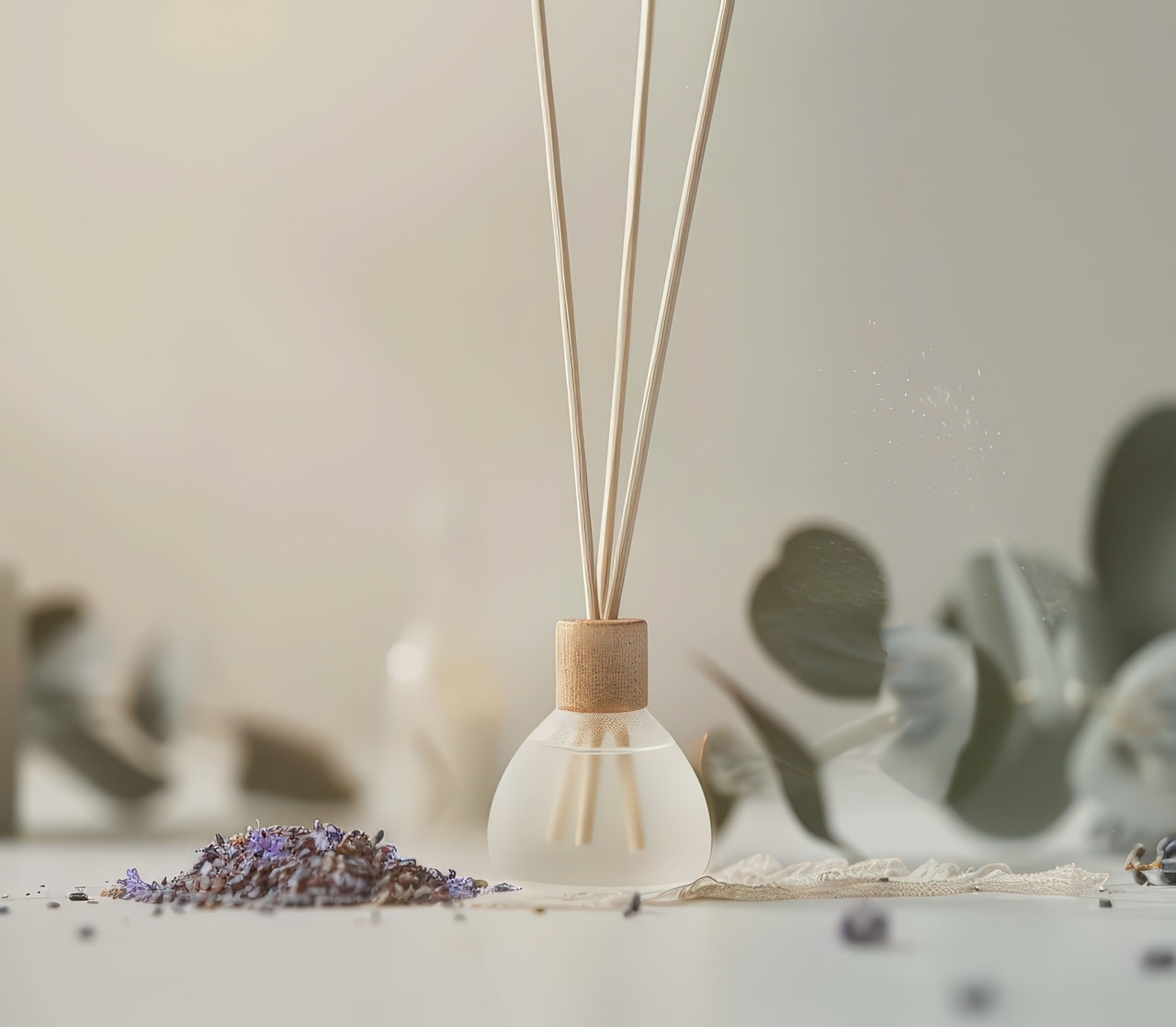
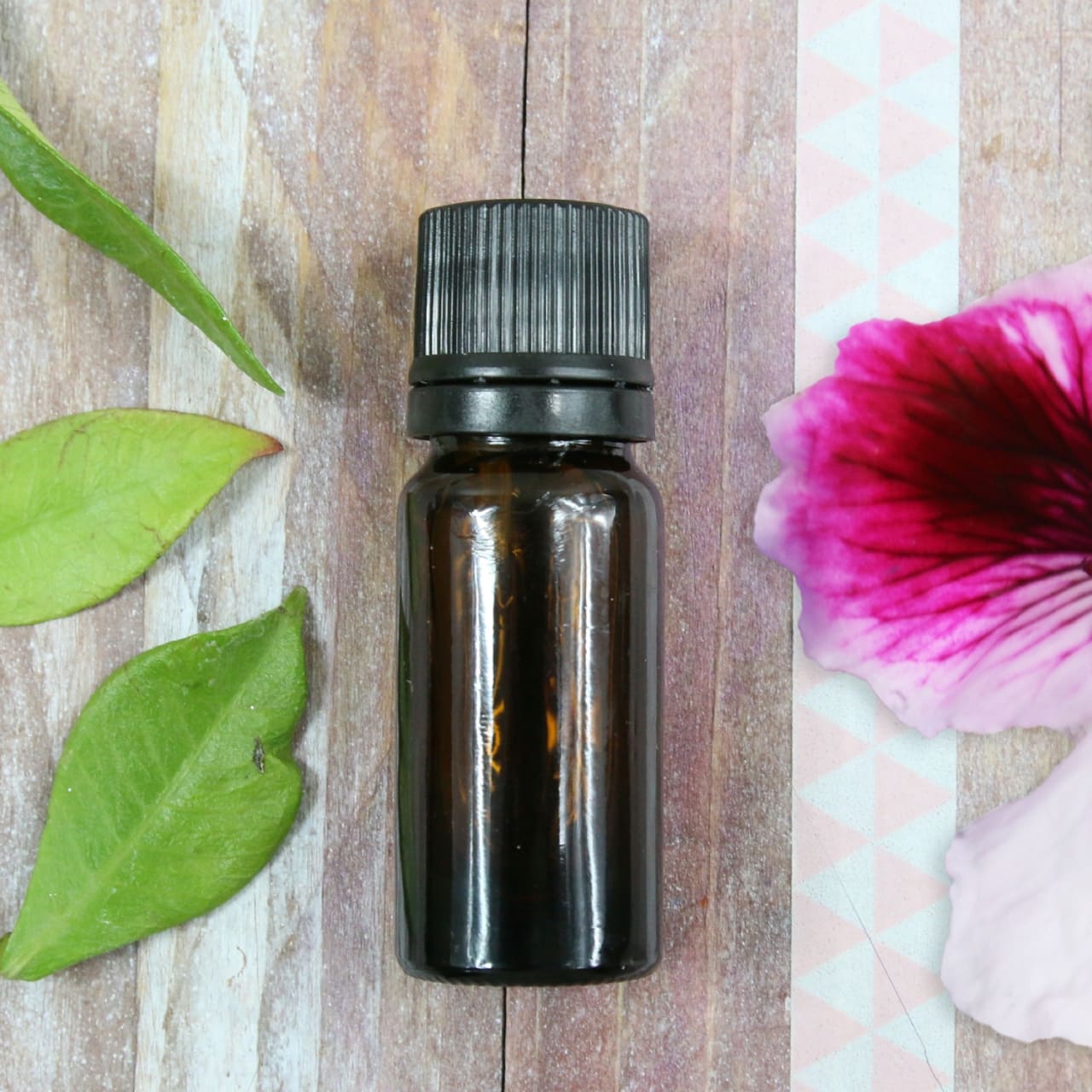
Synergy of essential oils to be diffused to repel mosquitoes and insects

Preparation

1

Pour the essential oils directly into a 10 ml dropper bottle or diffuser.

Precautions for use

White vinegar, when used in excess or in poorly ventilated areas, can cause irritation, particularly in sensitive people.

It is also not recommended for use on certain surfaces, such as marble or granite, as its acidity can damage them. Sodium bicarbonate can irritate the skin and eyes if handled carelessly, and should not be inhaled in large quantities. It's also important not to mix it with acidic products such as vinegar in enclosed spaces, as this can create unpleasant or irritating fumes.

Expert advice

When using natural fly repellents, the key is consistency. Make sure you reapply or renew your natural solutions regularly to maintain their effectiveness. Whether you use essential oils, repellent plants or other natural remedies, regular maintenance ensures ongoing protection against flies. By incorporating these practices into your routine, you can create a pleasant, fly-free environment that remains that way.

Find out more

Is white vinegar a good natural fly repellent?

White vinegar is an excellent insect repellent, both effective and economical. However, never use cider vinegar as it's naturally sweet and actually attracts flies.

Do these tips also apply to drosophila?

Yes, that's right. Drosophila or wine flies generally get into our homes because something attracts them. Often it's a piece of fruit that's been opened, a piece of fruit that's gone bad or a rubbish bag that hasn't been sealed properly. The best way to prevent an invasion is to keep an eye on your rubbish bins and fruit baskets.

Bibliography

1

Meyer, M., & Le, T. (2013). "Immunomodulation by helminths: how the parasite modifies the immune system." Parasite, 20(1), Article 15.