
A natural mosquito repellent is a product or method used to repel mosquitoes without resorting to synthetic chemicals. These solutions are generally made from plant-based or mineral ingredients known for their repellent properties.
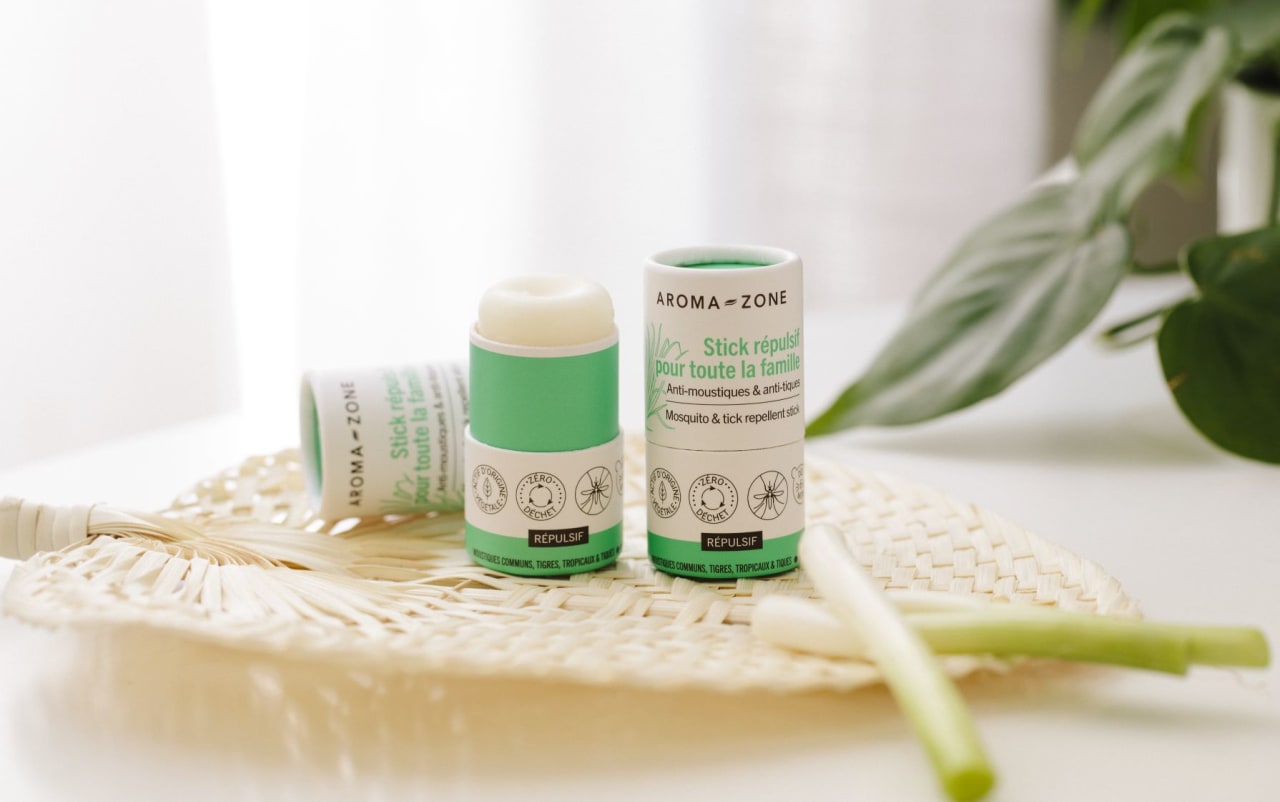
Natural Mosquito Repellents: Effective Solutions
Published on: Wednesday, June 14, 2023, Updated on: Wednesday, September 30, 2026
We all dread them: mosquitoes make their annual return every summer and disrupt our meals, naps, and sunbathing. To keep them away, there are many products with synthetic ingredients: sprays, aerosols, mosquito coils, bracelets, and even electric diffusers… but they are often harmful to both our health and the environment. In this article, we suggest ten 100% natural solutions for repelling mosquitoes, as well as some popular home remedies. You’re sure to have a mozzie-free summer!
Contents
Related products
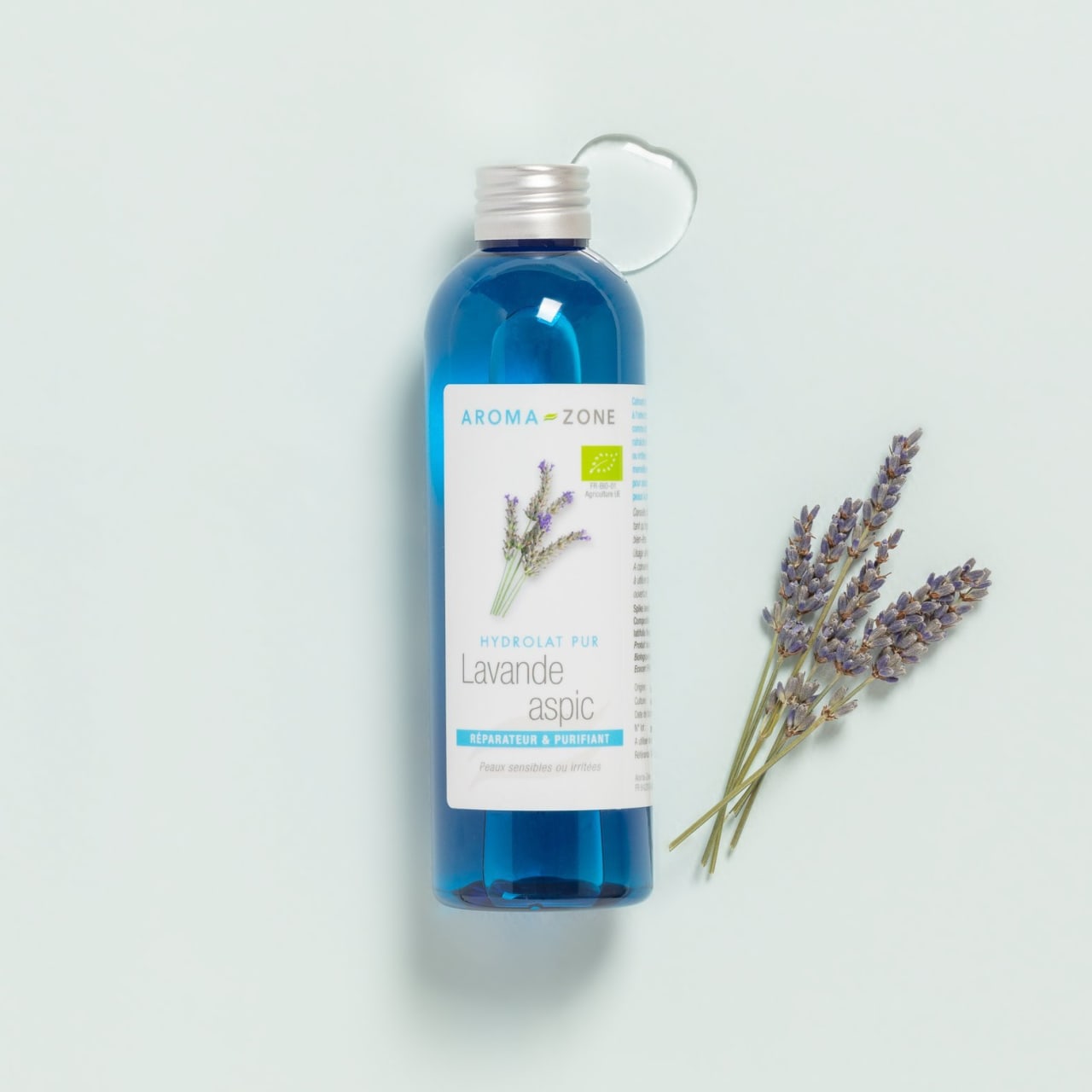
Organic Provençal Spike Lavender Hydrosol
Purifying
Soothing
£4.50
200 ml
What is a natural mosquito repellent?
Why choose natural mosquito repellents?
The repellents and insecticides available on the market use various active ingredients, all of which are regulated and evaluated for their effectiveness and safety. However, some formulas may contain components that are less well-tolerated by sensitive skin or not well-suited for prolonged use.
Natural alternatives—based on essential oils, hydrosols, or plants—offer a different, gentler, and more sensory approach. They help repel mosquitoes while limiting exposure to certain synthetic substances and fit easily into a holistic approach to well-being and environmental responsibility.
What are the benefits of a natural mosquito repellent?
Using a natural mosquito repellent has several advantages:
Gentle: Natural ingredients are often safer for the skin and the body, reducing the risk of irritation or allergic reactions.
Pleasant scent: Essential oils like citronella, lavender, or geranium give off pleasant scents while being effective against mosquitoes.
Versatile: Natural mosquito repellents can be used in various ways, such as in diffusers, applied to the skin (diluted in a vegetable oil), or incorporated into candles.
Gentle on the skin: They are often better tolerated by sensitive skin, avoiding a burning sensation or discomfort.
Easy to make at home: If you wish, you can create your own repellents using simple, readily available ingredients, allowing you to customise them according to your preferences.
How can you repel mosquitoes naturally?
When temperatures rise, mosquitoes can make life difficult for us, especially on balmy summer evenings. Beyond their bites—which cause an inflammatory reaction on the skin, appearing as a slightly red, swollen bump that itches to varying degrees and is sometimes painful—mosquitoes can carry viral or parasitic diseases such as chikungunya, malaria, dengue fever, yellow fever, the Zika virus, and West Nile virus… This depends on the geographic region and the species of mosquitoes found there. Understandably, we all prefer to avoid them as much as possible.
To repel them effectively, there are various natural solutions and old wives’ tales.
Focus on our natural mosquito repellents
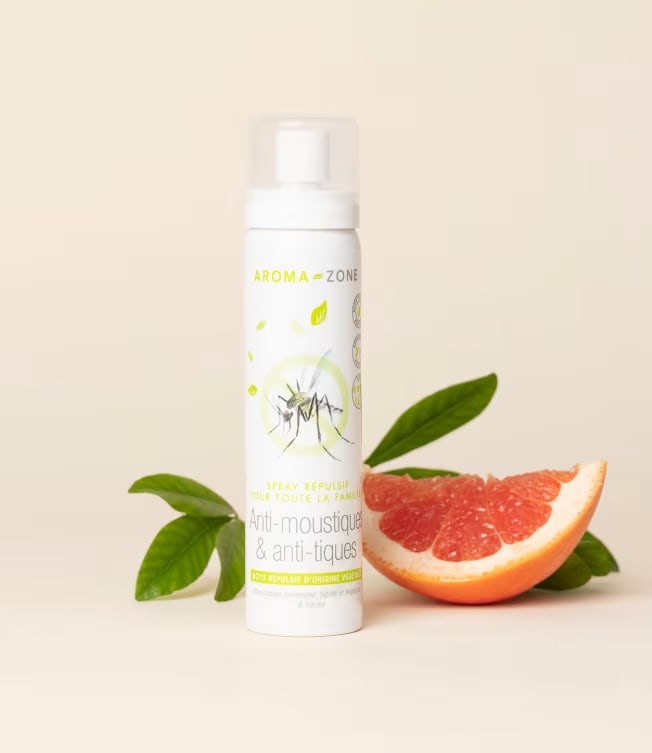
Mosquito Repellents for Adults and Children
Keep mosquitoes and ticks at bay with this effective, plant-based mosquito repellent spray. Suitable for the whole family, it can be used on children as young as 6 months. Formulated with an active ingredient derived from citronella, this spray contains no neurotoxic insecticides and leaves a soft, pleasant scent reminiscent of grapefruit. Extremely effective, it has a proven repellent action lasting up to 7 hours against tiger mosquitoes and common mosquitoes, and up to 6 hours against tropical mosquitoes.
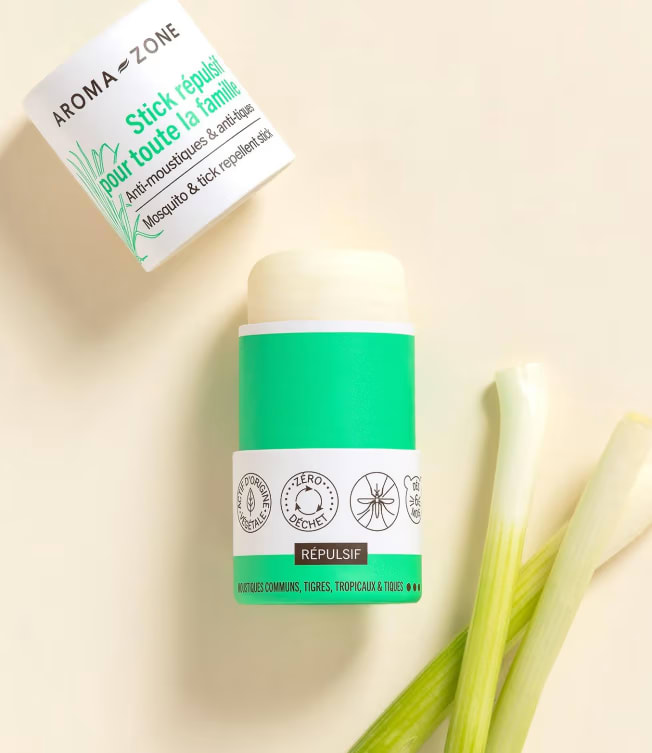
Mosquito and tick repellent stick
This mosquito and tick repellent stick, with proven effectiveness, keeps mosquitoes and ticks at bay for a long time. Its solid formula allows for easy and precise application, providing optimal protection against mosquito and tick bites. Suitable for the whole family, it can be used on children from 6 months of age. Formulated with an active ingredient derived from citronella, this stick contains no neurotoxic insecticides and leaves a mild, pleasant scent reminiscent of grapefruit. Its proven repellent action keeps common mosquitoes at bay for up to 5 hours and tiger and tropical mosquitoes for up to 4 hours. Its cardboard packaging is recyclable.
Our natural solutions for mosquitoes
Repellent plants and scents
Many plants have a natural repellent effect against mosquitoes, which cannot tolerate certain active compounds found in them, such as basil, lavender, lemongrass, peppermint, carnation, lemon verbena, geranium, thyme, and rosemary… Plant them near your windows, on your patios, and in your gardens to enjoy their insect-repelling qualities, their beauty, their scents, and their aromatic properties. You can also use hydrosols, thanks to their aromatic compounds, to diffuse the scents of these plants and enjoy the same benefits.
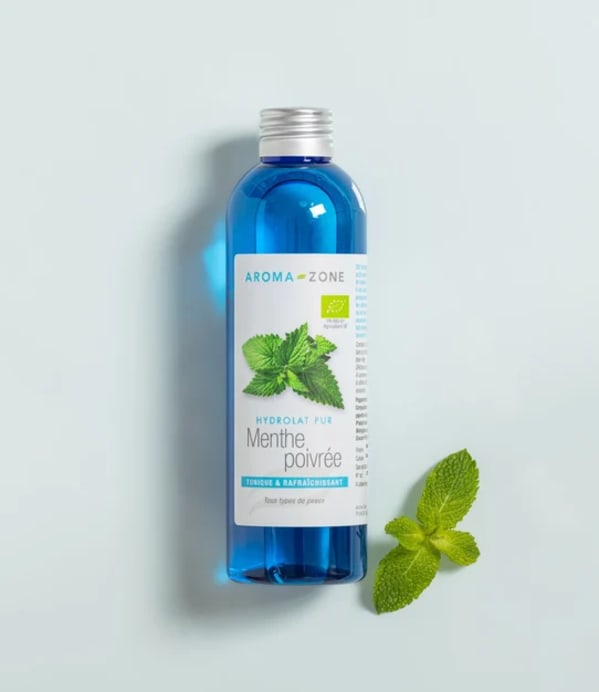
Peppermint Hydrosol
Invigorating and refreshing, this active ingredient tightens pores and revitalises dull complexions. It is also known to soothe skin irritations and is used to address excessive sweating.
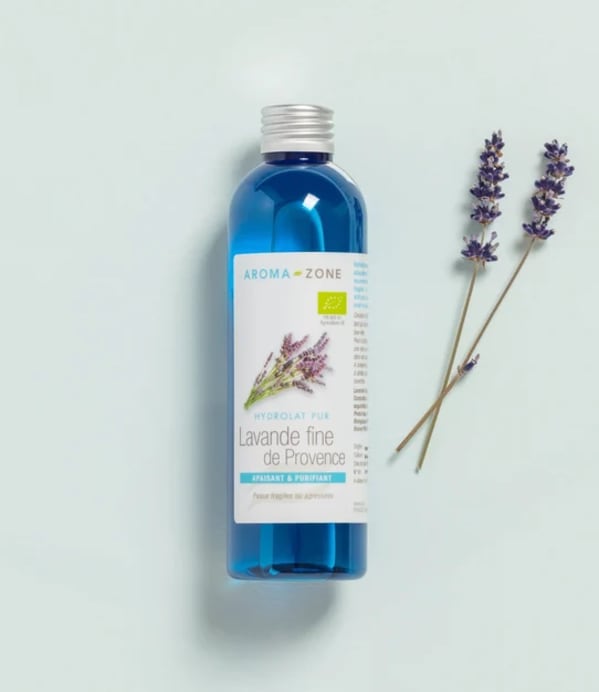
Lavender Hydrosol
Soothing and purifying, Provence spike lavender hydrosol is used as an active ingredient to soothe and refresh heated or irritated skin. Traditionally used to relieve sunburn or insect bites, this hydrosol with its Provençal scent also works wonders in homemade cosmetics to cleanse and regenerate problem skin.
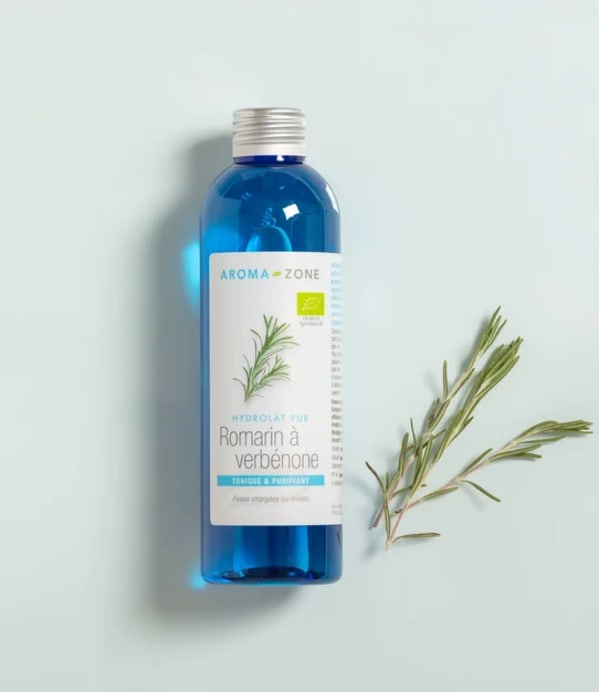
Rosemary Hydrosol
Purifying and balancing, Rosemary Hydrosol with verbenone is known to be effective for blemish-prone, oily, and acne-prone skin. It is also used in hair care products to prevent hair loss and combat dandruff.
Essential oils for diffusion
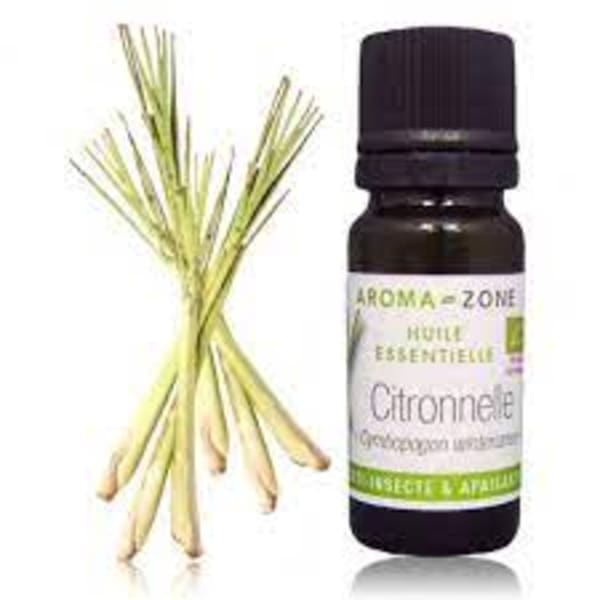
Citronella Essential Oil
Known and recognised for its mosquito-repelling properties, this is the ideal essential oil for summer. You can diffuse it for about 15 minutes 2 to 3 times a day.
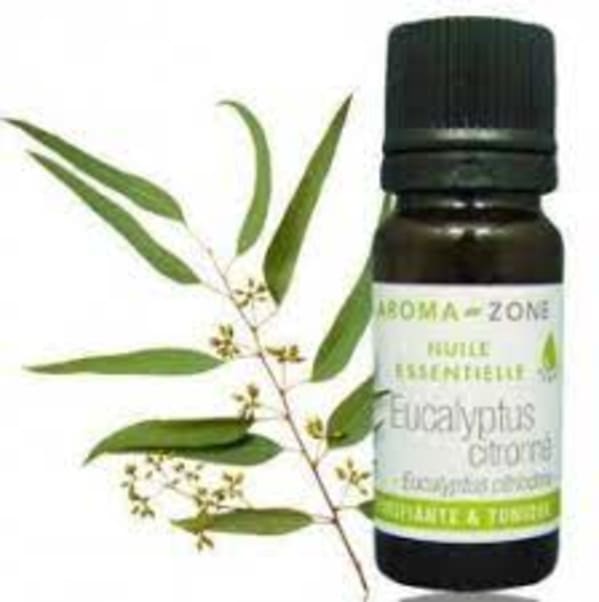
Lemon Eucalyptus Essential Oil
It also has highly effective mosquito-repelling properties; you can diffuse it to keep them away.
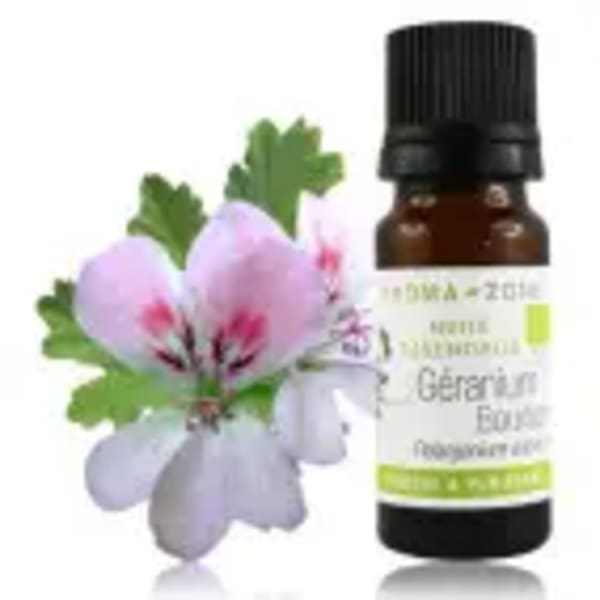
Bourbon Geranium Essential Oil
It has a notable insect-repelling effect against mosquitoes. Add a few drops to your diffuser
Precautions for using essential oils
We do not recommend these essential oils for children under 6 years of age, pregnant women, or nursing mothers. Do not diffuse them in their presence. Keep out of reach of children. Do not apply them to the skin. Avoid contact with the eyes. Do not ingest them. We advise you to refer to the precautions for each one. Consult a specialist if in doubt.
Home remedies for keeping mosquitoes away
Cloves: Cloves: Pierce a few oranges or lemons with cloves and place them in the rooms of your home that you want to protect from mosquitoes.
Monoï: The Polynesians have long known it: monoï helps repel mosquitoes. Nourishing and soothing, this oil deeply moisturises and repairs the skin: apply it before bed to enjoy these benefits and naturally keep mosquitoes away at night.
Coffee grounds: Let the grounds dry, then burn them near doorways, on windowsills, or on your patio table.
Apple cider vinegar: You can place a glass of apple cider vinegar on a windowsill to deter mosquitoes from entering your cozy home. It can also soothe your bites if the smell doesn’t bother you.
Showering before bed: Since mosquitoes are also attracted to sweat (specifically the lactic acid it contains), you’ll typically get fewer bites while sleeping after a good shower.
Eat garlic: Once ingested, garlic is said to repel mosquitoes with its scent, thus providing protection against bites.
Lemon balm or mint leaves: Mosquitoes don’t like them; you can crumple fresh leaves and rub them on your skin to protect it.
White vinegar: Safe for humans, white vinegar is an effective mosquito repellent. In a spray bottle, mix equal parts white vinegar and water, and spray your door and window frames, taking care not to inhale the mixture.
You can also read our editor Isabelle's tips on mosquitoes.
How to avoid mosquitoes?
Avoid standing water: Make sure not to leave standing water near your home, as it’s the ideal breeding ground for mosquitoes.
Long clothing: Nothing beats covering up to avoid mosquito bites. We recommend wearing long, lightweight clothing so you don’t get too hot. However, this won’t actually keep mosquitoes away.
Mosquito nets: Ultimately, there’s nothing like a removable mosquito net on your windows and doors to let fresh air into your home while keeping these little insects out!
The mosquito trap: We recommend always opting for repellents rather than solutions aimed at eliminating them. However, if you find yourself near an area with a high concentration of mosquitoes or near a water source, you may need to make a natural, homemade mosquito trap. To do this, cut a plastic bottle in half and pour in water, brown sugar, and yeast (preferably baker’s yeast). Mix everything together, then cover the mixture with the top half of the bottle, with the opening facing down. It’s ready! This mixture will produce carbon dioxide that mimics human breathing and will attract mosquitoes inside.
Our natural mosquito repellent recipes
Standard precautions
Always perform a skin tolerance test before applying a solution to a large area of skin.
Do not apply to the skin before sun exposure to avoid the risk of photosensitisation.
Avoid inhaling the vapours of certain products.
Keep natural products out of reach of children.
Consult a healthcare professional if you have any doubts about the use of certain substances, especially for people with specific medical conditions.
Expert advice
To maximise the effectiveness of natural mosquito repellents, consider alternating methods. For example, use hydrosols during the day and diffuse essential oils in the evening. This rotation prevents mosquitoes from getting used to a single scent and enhances your protection.
Spotlight on Our Naturopathic Writer: Stéphanie Catrysse

Stéphanie Catrysse is a naturopath (certified by the FENA), a wellness massage and lymphatic drainage practitioner, and a personal development coach. She is passionate about alternative medicine and practices a holistic approach to health.
Bibliography
Günter C. et al., Efficacy of the botanical repellents geraniol, linalool, and citronella against mosquitoes, Journal of Vector Ecology, July 2009, https://doi.org/10.1111/j.1948-7134.2009.00002.x
Frequently Asked Questions
Associated recipe
Associated tip

Aromatherapy advice


