Static, dull, flat hair: the one mistake you’re making in Autumn

Static, dull, flat hair: the one mistake you’re making in Autumn


By Dimitri K

Published on: Tuesday, September 30, 2025, Updated on: Wednesday, October 28, 2026

When the temperature drops and the heating comes on, many people simply let their hair air-dry after washing it. This is often seen as a natural, gentle, even healthy habit to protect the hair. In Autumn, however, doing this can backfire: it exposes the hair shaft to prolonged moisture in a warm and often dry environment, leading to dullness, static, and brittle hair. We've combed through recent studies to show why this habit may be the biggest Autumn mistake and how to replace it with good habits to protect your hair.

Contents

Related products

Why air-drying your hair in autumn only seems like a good idea

A silent form of heat damage

Autumn marks the return of indoor heating. However, letting your hair air-dry in a heated room is effectively exposing it to a constant source of heat, but uncontrolled. Unlike a hairdryer, where you can adjust the temperature and distance, dry ambient air dehydrates the hair fibre deep down, which exacerbates static electricity and frizz.

Oily roots and dry ends

This method of drying causes an imbalance in the scalp: the roots, which are often left damp for too long, become oilier, whilst the mid-lengths and ends become dehydrated. The result: your hair looks dull, heavy at the roots and dry along the lengths. An unflattering combination that tempts you to wash your hair more often… which only makes the problem worse.

Leads to breakage and a ‘flat hair’ effect

When hair remains wet for too long, it becomes more vulnerable. The cuticle swells and its structure is compromised, making it more prone to breakage, particularly during styling. Then, without a protective coating, the hair loses volume and goes flat right from the roots.

What the studies show: the risks to your hair from prolonged air-drying

The role of the Cell Membrane Complex (CMC) and internal damage

A Korean study has compared damage to the hair’s surface and internal structure (including the cuticle) based on different drying methods, temperatures, distances, etc. It shows that whilst blow-drying increases visible damage to the cuticle at high temperatures, air-drying at room temperature without forced airflow weakens the CMC, particularly because the hair remains damp for too long.

Humidity-induced fatigue: what is it, and how does it show up?

The concept of hygral fatigue (or ‘water-related fatigue’) describes what happens when the hair undergoes repeated cycles of swelling on contact with water and subsequent drying out. This alternating process weakens the cuticle and the CMC, leading in particular to:

  • loss of shine,

  • reduced elasticity,

  • a ‘soft’ or ‘wavy’ texture even on straight hair,

  • breakage and split ends.

Air-drying: less visible damage, but longer exposure time

A study entitled “Hair Shaft Damage from Heat and Drying Time of Hair Dryer” compares several conditions: natural air-drying, blow-drying at varying distances with increasing temperatures, etc. It reports that:

  • the higher the temperature of the hairdryer / the shorter the distance, the more the cuticle suffers from cracking, lifting and splitting.

  • However, natural air-drying, because it is very slow, causes more significant damage to the hair cuticle than certain methods of drying at moderate heat at a reasonable distance.

Why these effects are worse in autumn

Heated indoor air: a sharp drop in relative humidity

When the heating is on, the air indoors loses its moisture. Hot, dry air accelerates surface evaporation but also causes the lengths and ends to dry out, whilst retaining residual moisture at the roots for a long time if the hair remains wet. This causes internal moisture stress, and leads to ‘hygral fatigue’.

Cold outside, heat inside: a distinct thermal shock that shouldn’t be overlooked

When you step out of the shower, even if the room is heated, it’s not uncommon for your hair to go from being warm (from the shower or humid ambient air) into a hot, dry room. This contrast, combined with the prolonged time spent air-drying, causes the hair shaft to swell repeatedly, which wears down the cuticle and the CMC.

Increased mechanical stress whilst the hair is wet

Wet hair is more fragile, more prone to stretching and more likely to break due to friction (against your neck, pillow or clothing). If left damp for a long time, these risks increase.

How to dry your hair more safely: recommended techniques and care tips

Reducing the time spent air-drying

If you prefer to let your hair air-dry, do so in a less heated environment, or one with better ventilation, to avoid the air being too dry. As soon as your hair is no longer dripping wet, gently pat it dry with a microfibre towel to remove excess moisture, without rubbing.

Limited use of the hairdryer with heat protection

A hairdryer set to medium heat, held at a good distance (around 20 cm) and moved continuously, is often less damaging to the hair cuticle than allowing the hair to air-dry very slowly.

Tried and tested hair care: protein + cuticle care

Maintaining a healthy cuticle helps to limit excessive water penetration and, consequently, water-related damage. Use products containing plant-based proteins, gentle pH-balanced shampoos and nourishing conditioners. Also avoid going to bed with damp hair or brushing it too vigorously while it is still wet.

To find out more about drying techniques, see our feature How to dry your hair properly

Correcting this habit: simple steps to protect your hair

Gentle pre-drying: start with a microfibre towel

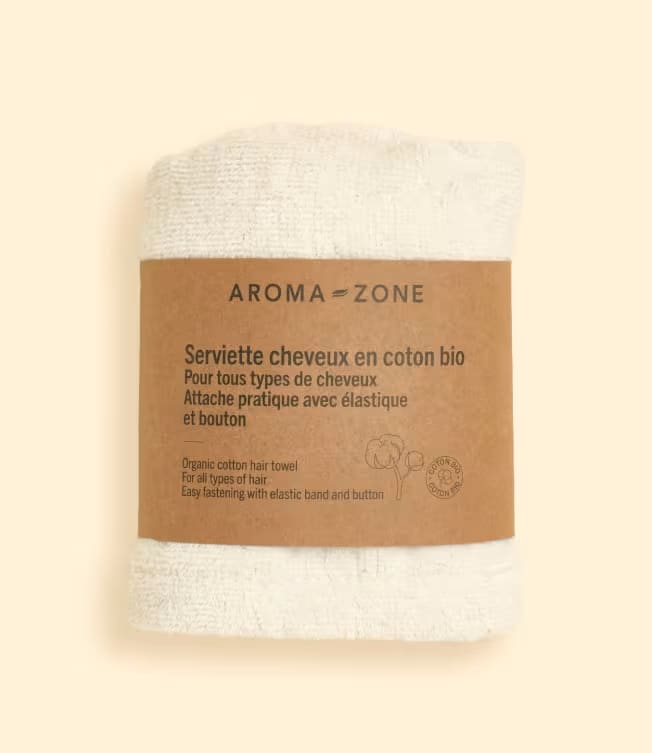
Before you even use a hairdryer, remember to blot away excess water without rubbing. A Microfibre cotton hair towel is ideal for this: it is gentle on the hair shaft and minimises harsh rubbing. In just a few minutes, it helps prevent your hair from being dried for too long or at too high a temperature.

Spotlight on our organic cotton hair towel

This soft, turban-shaped towel wraps perfectly around your hair for convenient and flawless drying. With its button fastening, it stays securely in place whilst you enjoy a moment to yourself. Made from natural organic cotton, it features a soft cotton velour side and an absorbent terry cloth side to gently blot your hair dry.

Discover our organic cotton hair towel

A hairdryer set to a medium heat setting with heat protection

You don’t need to banish the hairdryer altogether, provided you use it properly. Choose a model with adjustable temperature settings and use it on a moderate heat setting, holding it 20–30 cm away from your hair. To protect your hair, apply a homemade Keratin’protect heat-protective spray before using the dryer.

The right time to wash your hair

Avoid washing your hair in the evening if you aren't likely to dry it thoroughly afterwards. Sleeping with damp hair, or spending a long time indoors in a heated environment whilst your hair is still wet, exacerbates the ‘static’ effect and increases the risk of breakage. Opt for washing your hair in the morning or afternoon if possible.

Find out more: Washing your hair without damaging it using soap nuts

Opt for moisturising ingredients

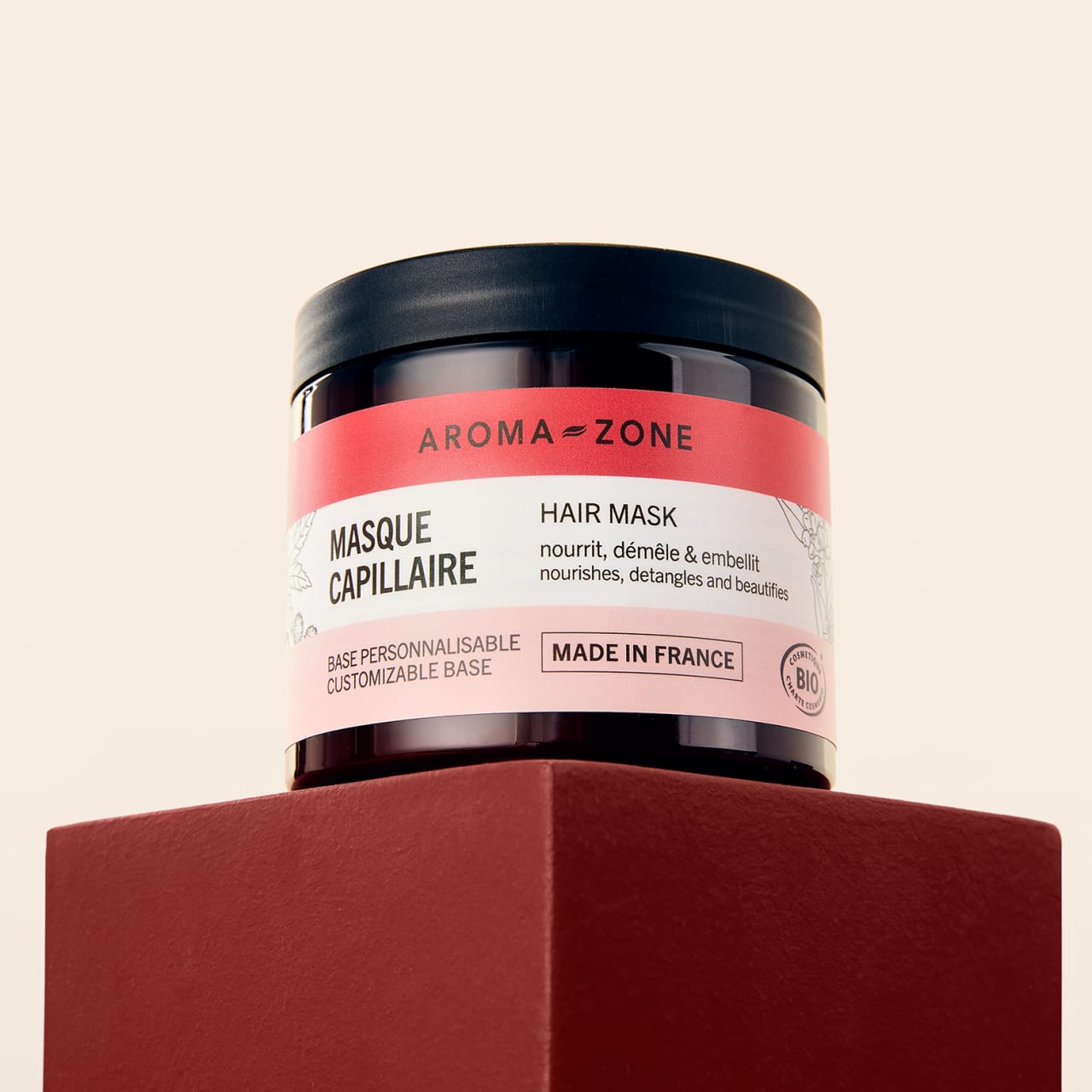
In autumn, the hair shaft needs gentle care. A Hair mask that nourishes and protects helps to strengthen the hair’s structure whilst restoring its elasticity.

It is rich in shea butter and jojoba oil, to deeply nourish without leaving the hair feeling heavy.

Combating static naturally

Rather than using harsh hairsprays, opt for a Hydrating and nourishing leave-in hair spray made at home using hydrosol and vegetable oil to nourish your hair.

Adding volume without suffocating the scalp

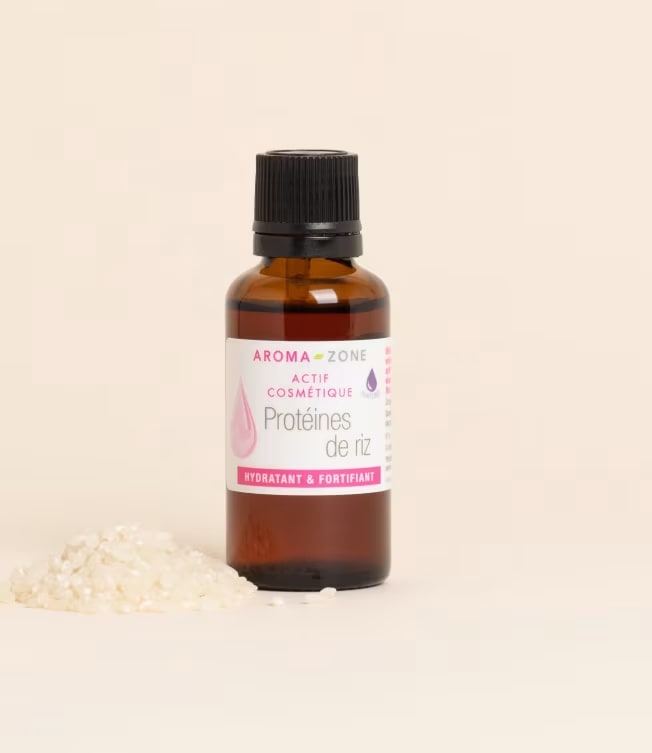
If your hair goes flat due to residual damp and central heating, consider a light, homemade volumising treatment enriched with Hydrolysed rice proteins applied to the roots and ends.

Focus on our Hydrolysed Rice Protein Active Ingredient

Rice proteins are a particularly valuable active ingredient in hair care products, where they play a strengthening and volumising role. They can also be used in your homemade skincare treatments for a moisturising* and softening effect* on the upper layers of the epidermis.

Discover our Hydrolysed Rice Protein Active Ingredient

Spotlight on Our Writer: Dimitri K

Dimitre Krammer

Dimitri has been interested in the connections between nature, health, and well-being for several years. As a writer, he loves to make complex topics accessible, with a strong preference for simple, natural, and effective approaches. Whether the topic is cosmetics, nutrition or wellness routines, he enjoys sharing practical and informed advice for a healthier everyday life.

Bibliography

  1. Lee WS, Kim YD, Hyun HJ, Pi L‑Q, Jin X, Lee WS.

    Hair Shaft Damage from Heat and Drying Time of Hair Dryer. Annals of Dermatology 2011;23(4):455–462. The study compares damage to the hair fibre caused by different drying methods (air-drying versus hairdryer use at various temperatures and distances). It notes that the CMC (Cell Membrane Complex) is damaged in the group that underwent prolonged air-drying.

  2. Dias MFRG, et al. Hair Cosmetics: An Overview. PMC, 2015.

    This article focuses in particular on the concept of ‘hygral fatigue’ (cycles of swelling and dehydration of the hair) as a factor contributing to brittleness, dullness and damage to the cuticle.

  3. Healthline — What Is Hygral Fatigue and How Does It Affect Hair? By Daniel Yetman, reviewed by Cynthia Cobb, November 2020.

    Explanations of the symptoms, causes and visible effects of hair hydration fatigue (hygral fatigue): loss of shine, frizz, brittleness, etc.