
Retinoids are a family of chemical compounds derived from vitamin A. They work by supporting skin cell renewal and influencing collagen production. Their mechanism of action and effectiveness vary depending on their chemical structure and potency. There are several types of retinoids: Retinol: Retinol is one of the most commonly used retinoids in cosmetics. When applied to the skin, it undergoes several oxidation reactions, first converting into retinal and then into retinoic acid, its active form. It can help improve the appearance and texture of the skin, but it may also cause irritation, particularly at higher concentrations. It is best avoided on sensitive skin. Retinaldehyde (retinal): Retinal is the oxidised form of retinol and requires just one conversion to become retinoic acid, the active form of vitamin A. It is often used as an alternative to retinol and may appeal to those seeking visible results sooner. It may also be better tolerated than retinol, although it can still cause irritation depending on the formulation and your skin type. Retinoic acid (tretinoin): Retinoic acid is the active form of vitamin A. Unlike retinol, it is prohibited in cosmetic products and is used as a prescription treatment for skin conditions such as acne. It can cause skin irritation, particularly when treatment begins. Other retinoids (adapalene and tazarotene): These are synthetic retinoids used in dermatology. Tazarotene is prescribed to treat skin conditions such as psoriasis and acne. Adapalene is commonly prescribed to treat acne and helps regulate skin cell turnover and reduce inflammation. Both should be used according to medical advice and the applicable prescribing instructions. Retinol esters: Retinol esters are generally considered gentler forms of vitamin A and may be suitable for people starting to use retinoids. In INCI ingredient lists, you may find retinol esters under the following names: Retinyl Palmitate, Retinyl Acetate, Retinyl Propionate and Retinyl Linoleate.
Retinoids: What Are They?
Published on: Thursday, February 06, 2025, Updated on: Wednesday, October 28, 2026
Reading time: ++4 min
Retinoids are active ingredients widely used in skincare to help improve the appearance of wrinkles and blemishes. Derived from vitamin A, they help support skin cell renewal, leaving skin looking smoother and helping to reduce the visible signs of ageing. However, they can also cause side effects, so it’s important to use them with care. How do they work? What benefits can they offer your skin? And how can you incorporate them into your skincare routine? This article tells you everything you need to know about retinoids.
Contents
Related products
Anti-ageing
Anti-wrinkle
£9.00
30 ml
2 options
Makeup remover
Nourishing
£9.00
100 ml
Smoothing
Anti-ageing
£12.00
50 ml
2 options
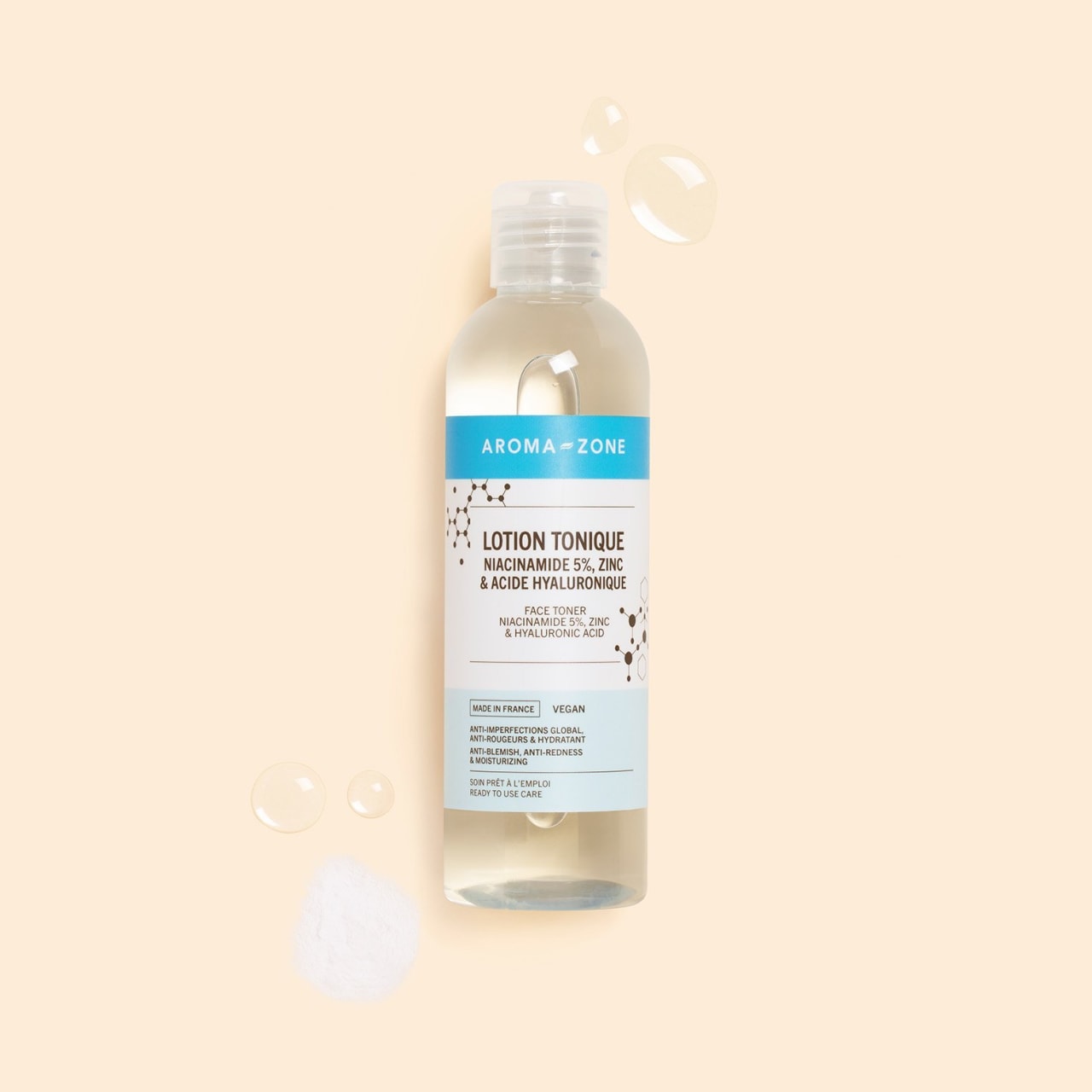
Soothing
Anti-blemishes
£7.50
200 ml
What are retinoids?
What are the effects of retinoids on the skin?
Retinoids are commonly used in skincare to target visible signs of ageing and blemish-prone skin. Depending on the type of retinoid and its formulation, they can have several effects on the skin:
Supporting skin cell renewal: Retinoids have keratolytic properties, helping remove dead skin cells and promote skin cell renewal, which can improve skin texture and radiance.
Reducing the signs of ageing: Some retinoids help smooth fine lines and wrinkles by stimulating collagen production, which helps maintain skin firmness.
Reducing blemishes: Certain retinoids help regulate skin cell turnover and prevent clogged pores, helping reduce the appearance of spots, blackheads and other blemishes.
Improving uneven skin tone: Retinoids can help reduce the appearance of pigmentation and post-acne marks, leaving the skin looking more even.
Calming inflammation: Some retinoids, such as adapalene, have anti-inflammatory properties that can help reduce inflammation associated with acne.
Refining skin texture: By supporting skin cell renewal, retinoids can help smooth the skin’s appearance and improve its overall texture.
For which skin types?
Retinoids are particularly well-suited for mature skin and acne-prone skin thanks to their anti-aging and blemish-reducing properties. Oily skin benefits from their sebum-regulating, blemish-fighting effects, while mature skin benefits from their anti-aging properties to firm and smooth the skin.
Other skin types can also incorporate retinoids into their skincare routine, depending on their individual needs and skin tolerance. However, retinoids can cause irritation, particularly on sensitive skin. Retinol esters are generally considered gentler alternatives and may be a more suitable option for those new to retinoids or concerned about irritation.
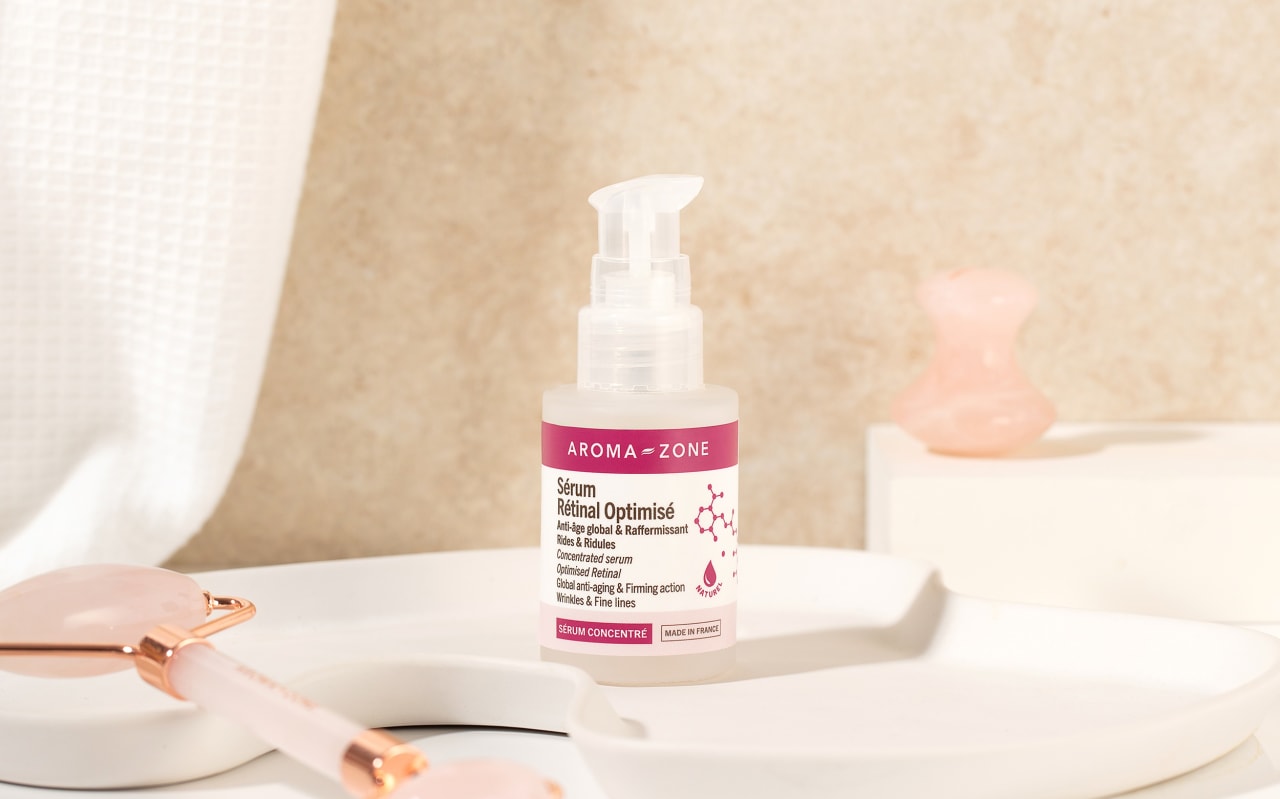
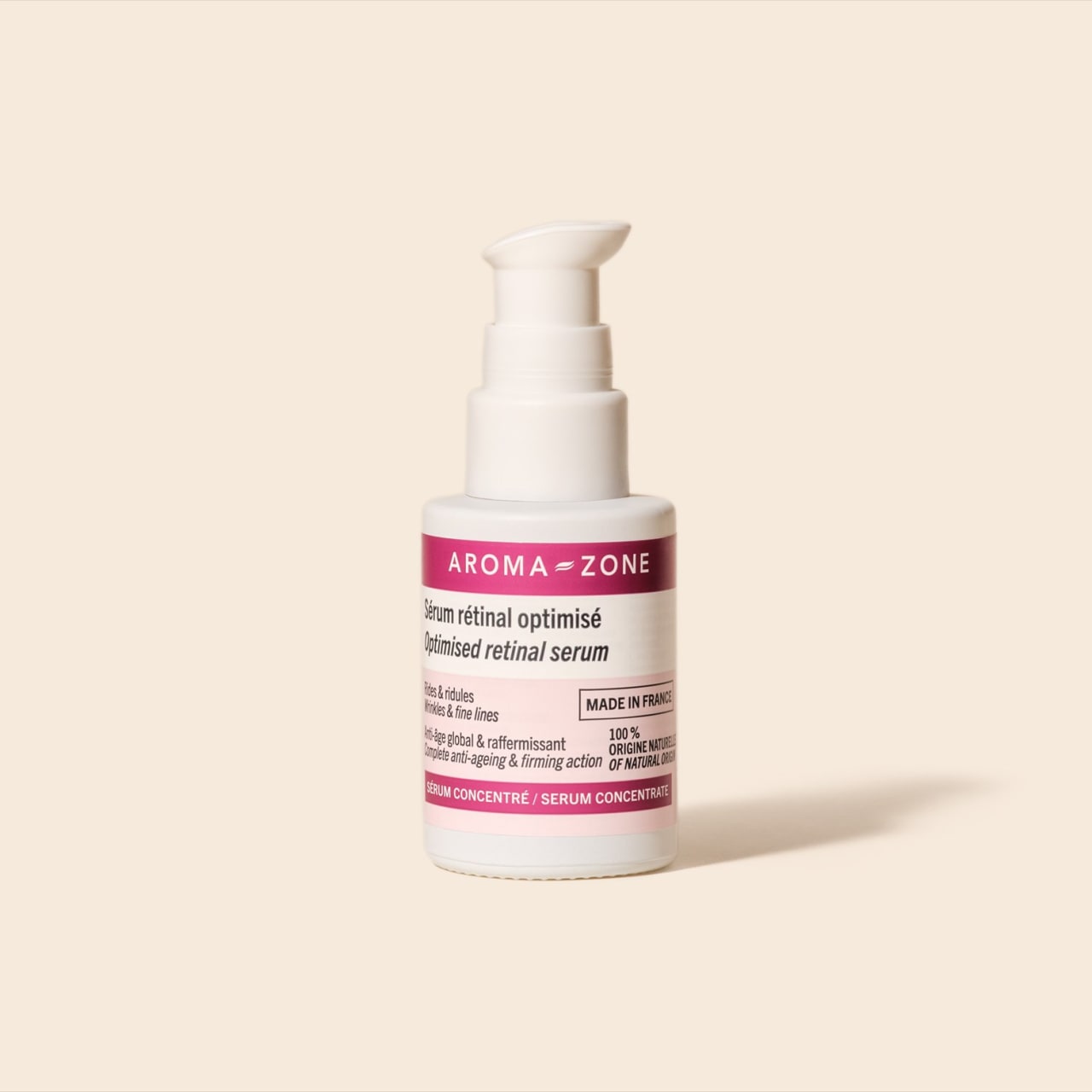
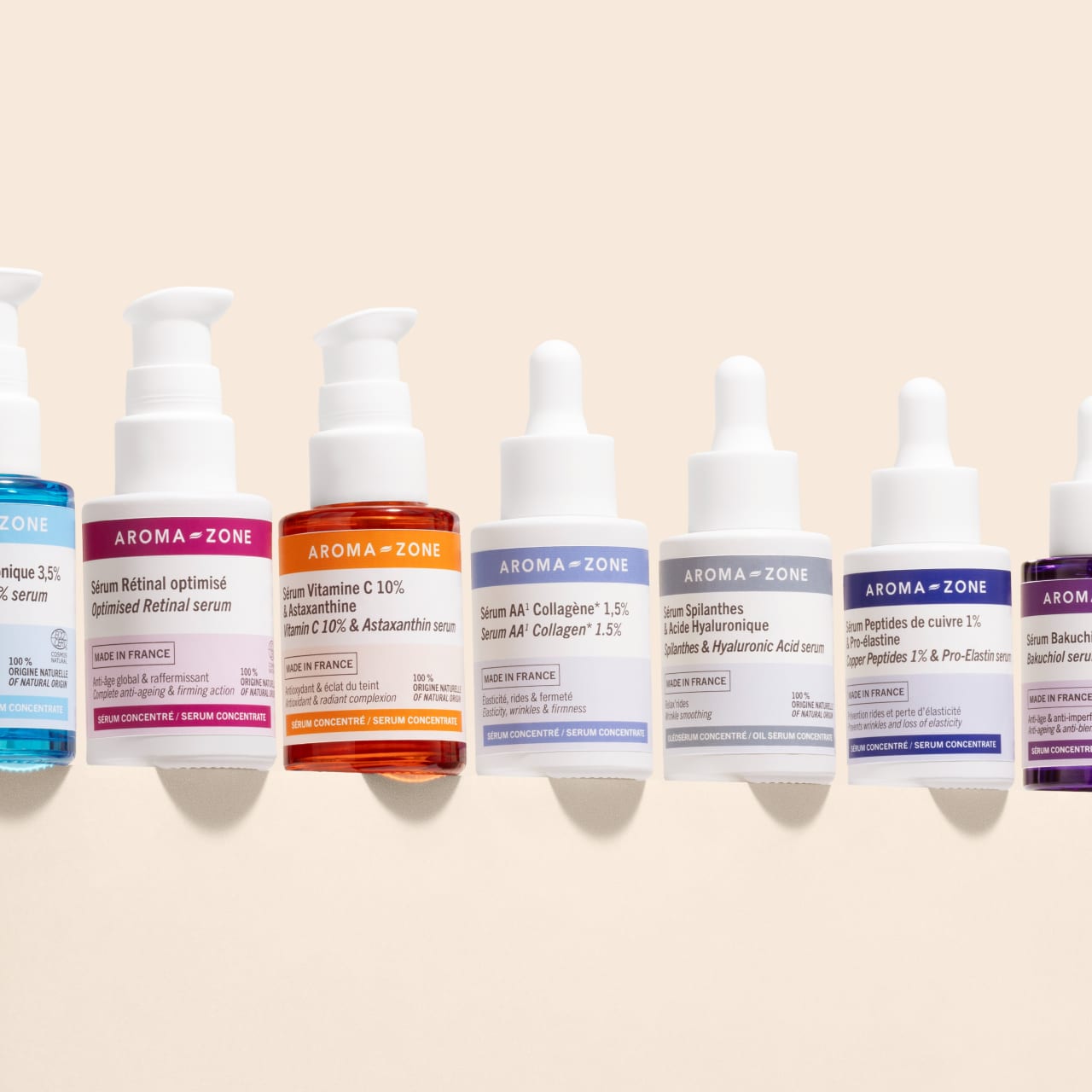
Our Optimized Retinal Concentrated Serum
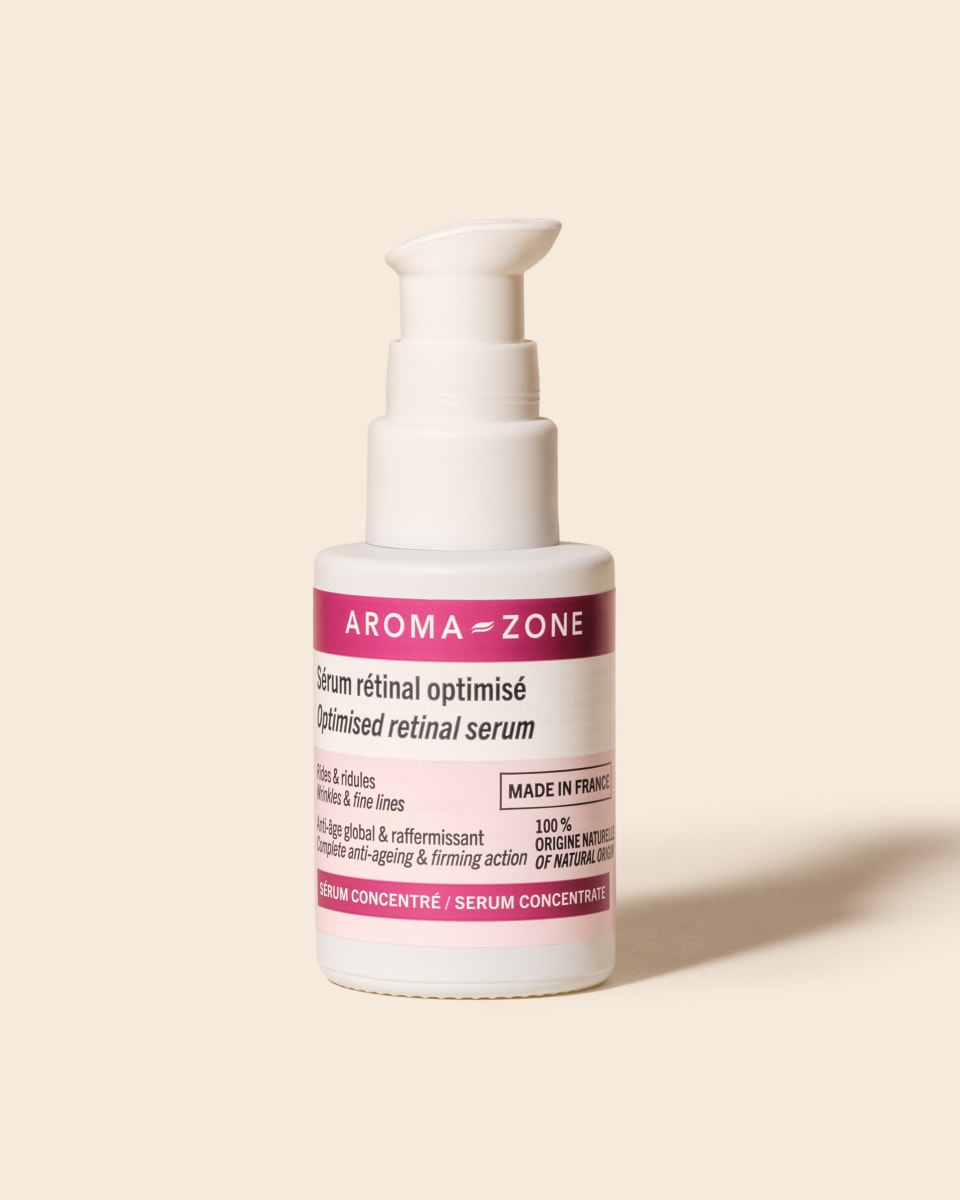
This serum offers comprehensive anti-aging benefits. Concentrated in retinal, a precursor to retinoic acid, the only active form of vitamin A, it helps combat the signs of ageing. Retinal helps firm the skin, reduce the appearance of fine lines and wrinkles, fade pigmentation spots and brighten the complexion. Mastic tree extract helps protect retinoic acid naturally present in the skin from degradation, optimising the effectiveness of retinal.
Thanks to retinal’s keratolytic properties, this serum is also effective on acne-prone skin. Its anti-inflammatory properties help reduce inflammation, while it helps eliminate impurities, purify the skin, improve skin tone and regulate oily skin.
What routine should you follow?
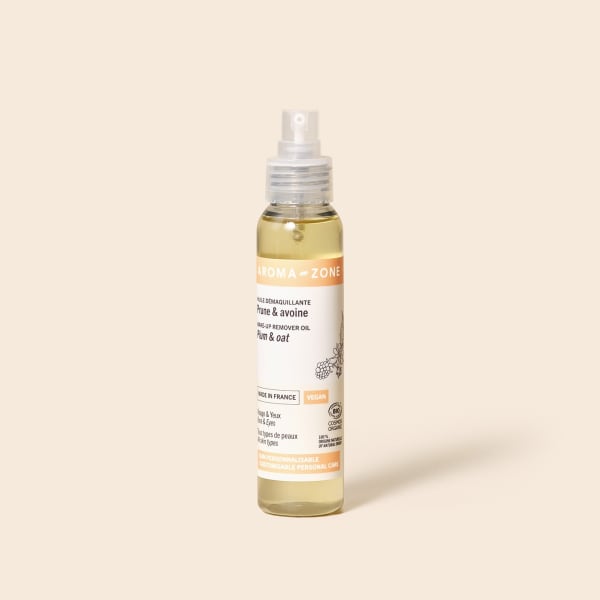
1- Cleanse your skin
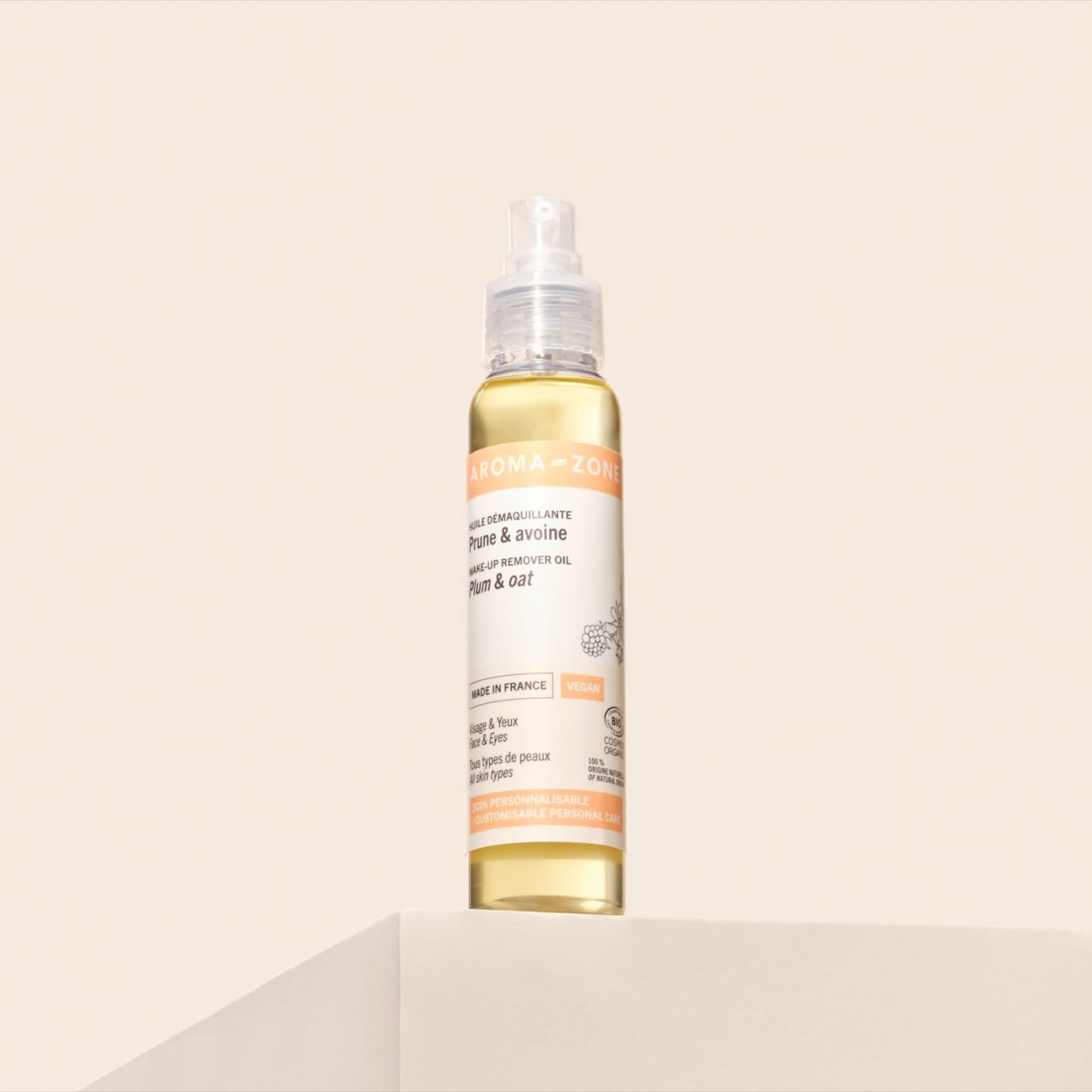
Before applying a retinoid-based product, it’s important to cleanse your skin thoroughly to enhance the product’s effectiveness and help the active ingredients penetrate the skin. For optimal cleansing, start by removing your makeup (in the evening), then use a gentle cleanser suited to your skin type to remove any remaining impurities. For example, you can use our Plum & Oat Cleansing Oil, followed by the Gentle Prebiotic Cleansing Gel with Zinc & Cucumber, which is ideal for all skin types.
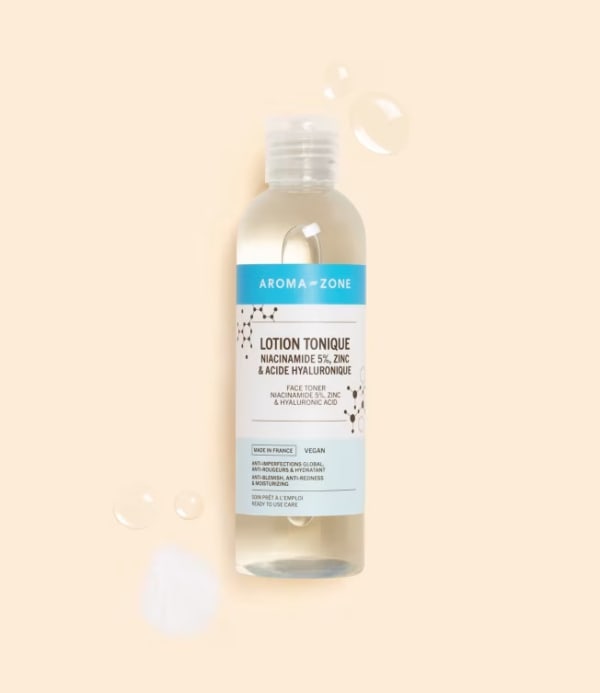
2- Apply a toner
A toner helps rebalance the skin’s pH and acts as the first step in your skincare routine, thanks to the active ingredients it contains. Our Niacinamide 5%, Zinc & Hyaluronic Acid Toner is suitable for all skin types and is particularly effective for blemish-prone skin.
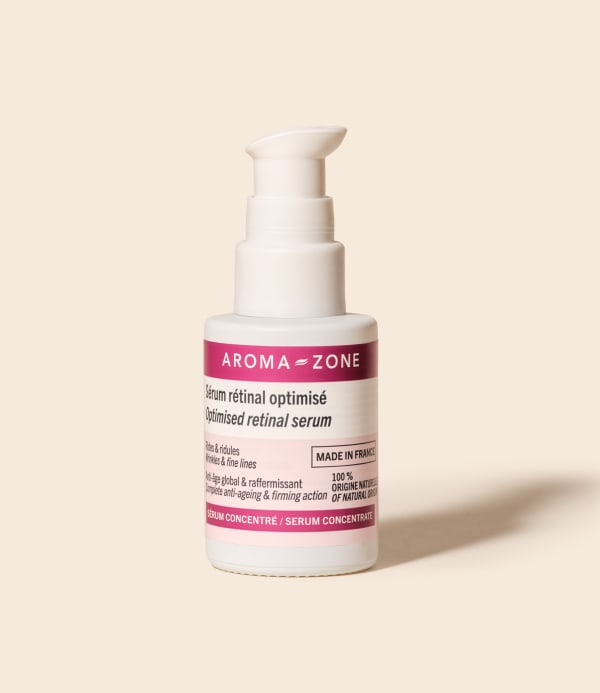
3- Apply your retinoid serum Apply a small amount of the Optimized Retinal Concentrated Serum to clean, dry skin, avoiding the eye and lip areas. Gently massage in circular motions to help the product absorb.
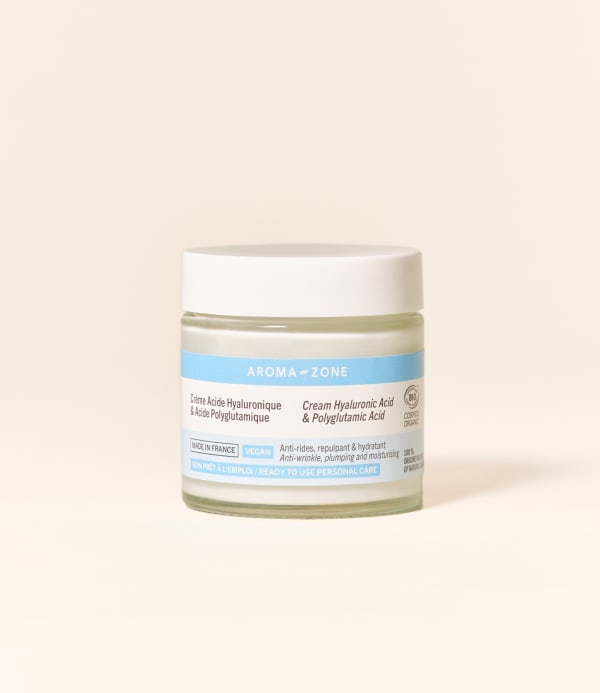
4- Moisturise your skin
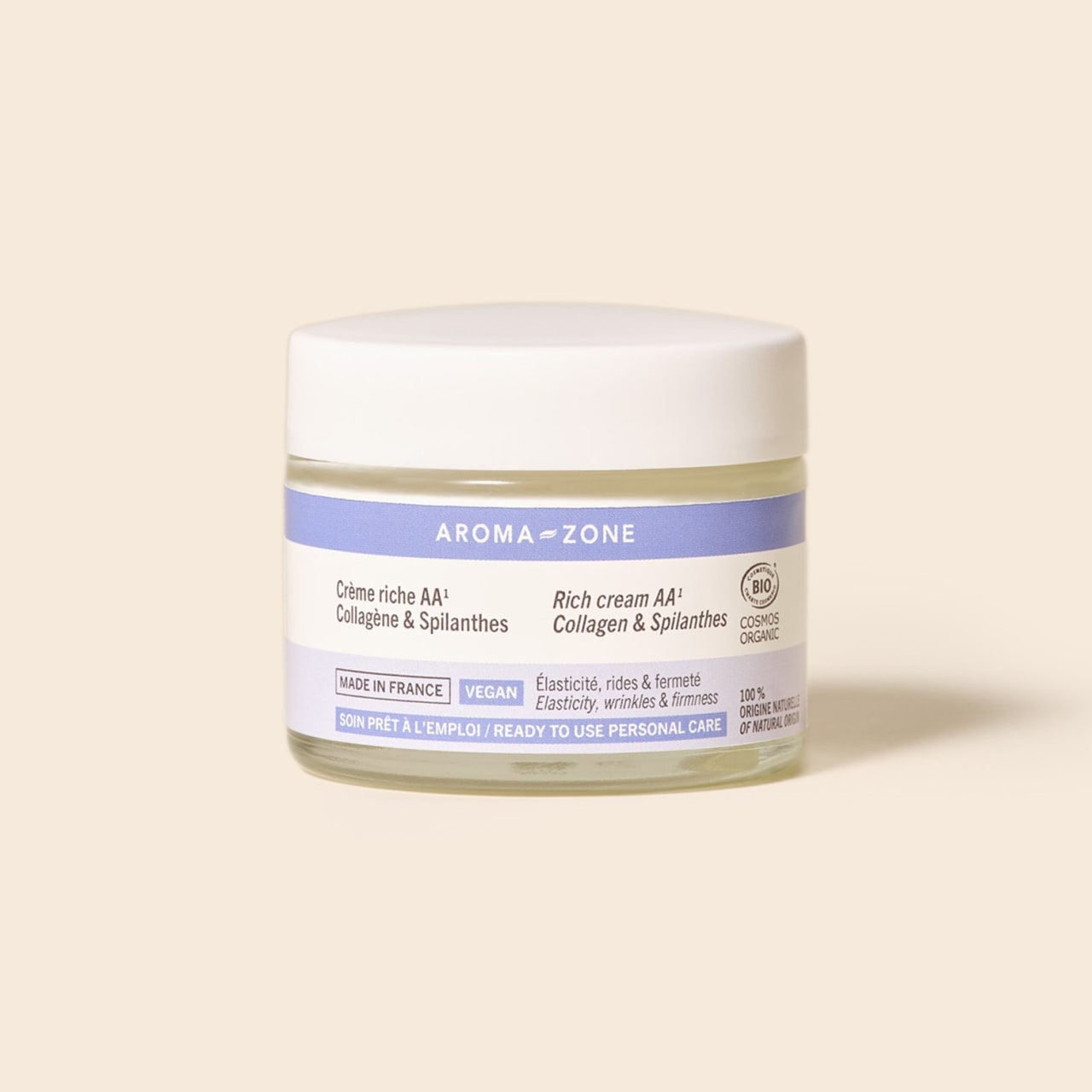
Once the serum has been absorbed, apply a moisturiser to nourish and protect your skin, helping to strengthen the skin barrier. If you have mature skin, you could opt for our Vegan Collagen & Spilanthes Rich Cream.
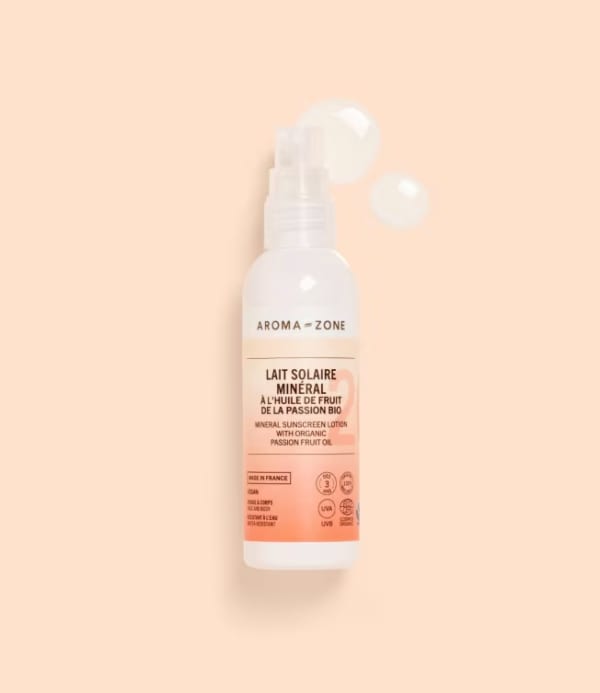
5- Protect your skin from the sun
In the morning, finish your skincare routine by applying sunscreen to protect your skin from UV rays throughout the day.
Recipe

Contraindications & Precautions
Retinoids are powerful active ingredients that can be effective, but certain precautions should be taken when using them. Retinoids are not recommended for women who are pregnant or breastfeeding due to potential risks to fetal development. A skin patch test should be carried out before regular use. It is also important to protect your skin from the sun, as using retinoids without adequate sun protection may increase the risk of irritation and pigmentation changes.
Expert Advice
Retinoids are effective active ingredients, but they should be used with caution. If you’re new to retinoids, it’s best to start with a low-concentration product before moving on to stronger formulations. Always combine their use with adequate moisturisation and daily sun protection to help maintain healthy-looking skin.
Spotlight on Our Specialist Writer: Charlie Morel

Charlie holds a Master’s degree in cosmetic formulation. Passionate about cosmetology and a lover of words, she decided in 2020 to become a web editor specialising in cosmetics and beauty. Her desire for a career change inspired her to go freelance, giving her the freedom to work from anywhere in the world.
Bibliography
Retinoids. Cyril Leven, August 2018. Website: pharmacomedicale.org
What are the different types of retinoids? Léa Fillion, December 2022. Website: www.docmorris.fr

Frequently Asked Questions
Associated tips
Face care tips
Face care tips
Natural actives

Health and nutrition
Nutrients, Vitamins, Minerals & Antioxidants


