Relieving Tendinitis with Natural Remedies

Relieving Tendinitis with Natural Remedies


By Aude Maillard

Published on: Wednesday, March 22, 2023, Updated on: Wednesday, October 28, 2026

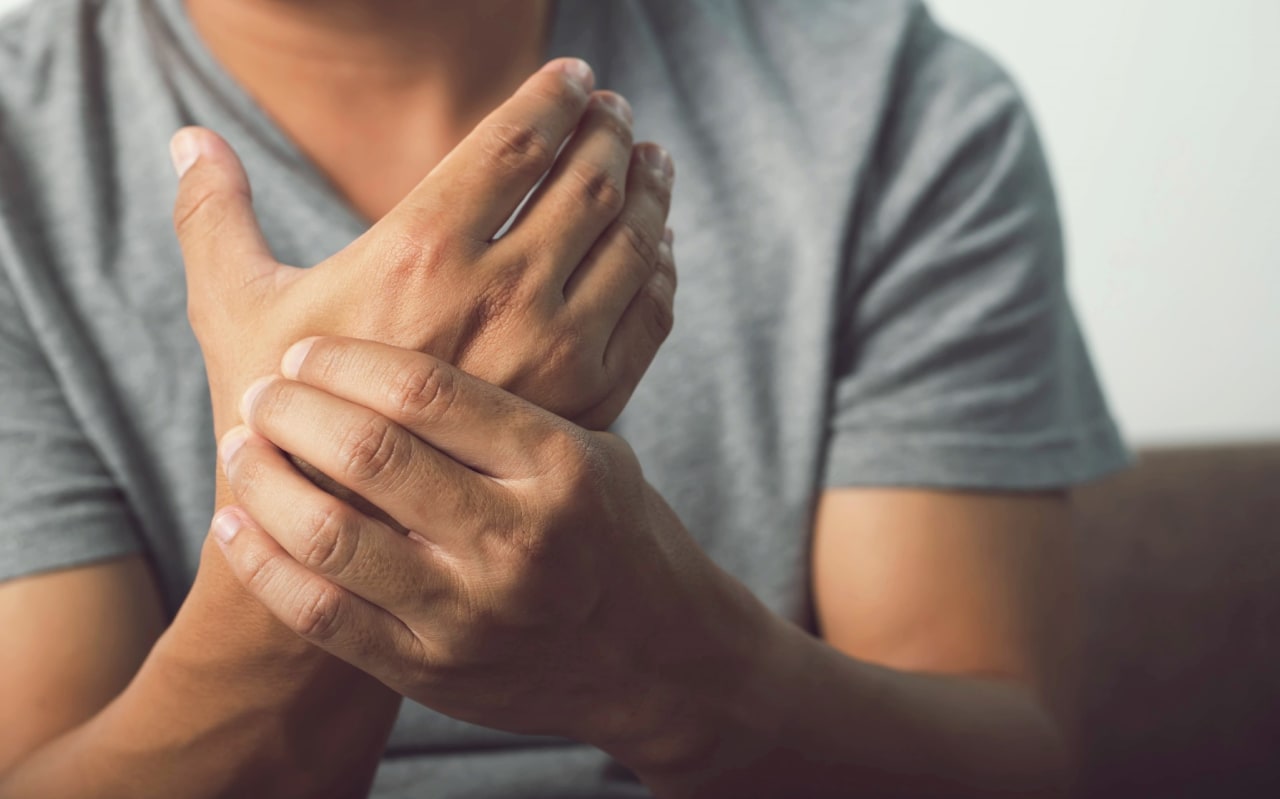
Tendinitis literally means inflammation of a tendon. Tendons attach muscle to bone, letting the joints move by passing the muscle’s contraction on to the bone. Many cases are stubborn and hard to relieve, and they can drag on for months, leaving people with limited movement and pain that is hard to cope with. If you are looking for relief, it helps to understand what is causing the problem and to choose essential oils to match. Heat, ice, massage, rest, physiotherapy and essential oils are all options, but it isn’t always easy to know which to choose.

Contents

Related products

In brief

  • Essential oils can help relieve tendonitis, but the choice of oil depends on the cause and stage of the condition. Heat, ice, rest, massage and physiotherapy are also options worth considering.

  • For acute tendinitis, the article presents blends containing, in particular, peppermint, wintergreen, lemon eucalyptus, blue gum eucalyptus and Italian helichrysum. It recommends first checking that the condition is indeed tendinitis, then tailoring the treatment accordingly.

  • Persistent pain may be indicative of chronic tendinopathy and require a more holistic approach, including hydrolat therapy or dietary supplements. Essential oils require precautions when used, and the article outlines when professional advice is advisable.

Acute Tendonitis

A tendon can suddenly become inflamed after overuse from sport or a new activity.

For example, a new job that puts heavy strain on the hands, wrists, and/or arms can cause inflammation in the tendons of the thumb or elbow. Another example is a marathon runner or sprinter who resumes intensive training, which can trigger Achilles tendinitis due to the high intensity of their training.

Tendinitis, an inflammatory condition of the tendons, presents as burning pain radiating from the affected joint along the tendon. It is most pronounced in the morning and worsens with movement of the muscle and joint. This condition requires reduced joint movement and rest, as well as applying cold for the first few hours.

In this context, the most soothing aromatherapy options are essential oils with anti-inflammatory properties, which have a cooling effect on the affected area. For example, always use wintergreen essential oil with peppermint essential oil, which has a cooling effect, because wintergreen is very warming and shouldn’t be used on its own. Combined with lemon eucalyptus and Eucalyptus globulus, they make a dream team. You can dilute them in copaiba balm.

Self-massage is not pleasant during this period of extreme pain; diluting the oils in a vegetable oil, which requires massage to ensure absorption, can hinder the blend's effectiveness. Diluting them in Copahu balm provides a light texture that is quickly absorbed and, what’s more, has powerful anti-inflammatory properties. Copahu balm has a very mild biochemical profile in terms of toxic risk; it is often used in rheumatology as a diluent when a dry texture is desired.

Precautions regarding essential oils

Wintergreen: For external use only; do not swallow. Do not use during pregnancy or whilst breastfeeding, or on children under 7 years of age. Irritating when undiluted: always dilute thoroughly; maximum concentration of 20 per cent in your oil-based preparation for localised applications, and a maximum of 5 per cent for more extensive application. Dilute this essential oil very heavily in your water-dispersible formulation before using it in an aromatic bath. Reserve for localised application; avoid applying to large areas, particularly at high concentrations. Not to be used by people allergic to aspirin or salicylate derivatives. Due to its potential blood-thinning effects, do not use in people undergoing anticoagulant treatment. Do not use in a diffuser.

Peppermint: Do not use in pregnant or breastfeeding women, or in children under 6 years of age. May stimulate ovarian function and, therefore, oestrogen levels. Not recommended in cases of oestrogen-dependent conditions: mastosis, endometriosis, fibroids or oestrogen-dependent cancer (breast, ovary, endometrium). At high doses, may cause skin irritation. For internal use only in limited doses and for short periods, on the advice of a therapist. Avoid contact with the eyes and mucous membranes. Always use diluted.

Eucalyptus globulus: Do not use if you are pregnant or breastfeeding, or on children under 6 years of age. Not recommended for people with asthma and/or epilepsy due to its high 1,8-cineole content (particularly when inhaled or diffused). Keep out of reach of children. Preferably use topically or via diffusion or inhalation. This essential oil is not suitable for oral use. It may interact with medication, as its 1,8-cineole content can induce certain enzymes. If you are taking medication, seek medical advice before using it. Because it is very potent, it may irritate some people when diffused. If so, mix it with milder essential oils (true lavender, balsam fir, etc.) or use Eucalyptus smithii or Eucalyptus radiata instead. Avoid contact with the eyes and mucous membranes. Always dilute before use.

Lemon Eucalyptus: Do not use during pregnancy or while breastfeeding, or on children under 6 years of age. May be irritating to the skin; always dilute thoroughly for topical application. Keep out of reach of children.

Italian helichrysum: Do not use in pregnant or breastfeeding women, in children under 6 years of age, or in people with epilepsy. For internal use only in limited doses and for short periods, on the advice of a therapist. Avoid contact with the eyes and mucous membranes. Always dilute before applying to the skin. Can be incorporated into your cosmetic preparations at a concentration of up to 2 per cent.

Is It Really Tendinitis?

Many cases of tendon pain do not respond to anti-inflammatory treatments or rest. In these cases, consulting a sports doctor may help identify the cause of the pain, such as poor daily habits that may cause repeated friction on the tendon.

Over time, does tendon pain that is initially inflammatory progress to a degenerative condition of the tendon? The tendon gradually loses its integrity, the arrangement of its fibres becomes disorganised, and the pain becomes chronic, suggesting tendinopathy rather than tendinitis. In this context, the tendon is severely weakened and more prone to rupture; the joint must therefore be protected and strengthened. Muscle strengthening is essential, alongside pain management.

Indeed, the muscles adjacent to the joint help stabilise it and support the tendon under strain. Functional rehabilitation with a sports physiotherapist is essential. Therefore, note that the term ‘tendinitis’ is not always accurate and is often used empirically to describe chronic tendon pain.

This degenerative condition of the tendon tissue requires essential oils that not only relieve pain but also help restore and protect the tissue structure. We should therefore avoid Wintergreen, which has a strong warming effect, particularly when not combined with Peppermint.

We will focus on the following essential oils: Italian helichrysum from Corsica (tissue-repairing), Katrafay (a specific pain reliever for chronic pain), Eucalyptus globulus (a powerful joint pain reliever), and mountain savoury (a topical pain reliever known for its immune-boosting properties in degenerative conditions such as osteoarthritis).

Precautions regarding essential oils

Mountain savory: Do not use on pregnant or breastfeeding women, children under 6 years of age, or people with liver problems. This essential oil is dermocaustic. Avoid contact with the eyes and mucous membranes. Always use diluted. Keep out of reach of children. Seek advice from a healthcare professional in the event of gastro-oesophageal disorders. Do not use internally for prolonged periods.

Katafray: Do not use on pregnant and/or breastfeeding women, or on children under 6 years of age. Do not take internally. Avoid contact with the eyes and mucous membranes. Always dilute before applying to the skin. Keep out of reach of children.

Chronic Tendinopathy: Tips for Improving Your Overall Health

It is clear that in cases of chronic and/or multi-joint pain, the problem does indeed originate from within. To restore health and balance, it's important to consider the body as a whole to understand why it is experiencing localised pain in the tendon tissue.

Tendinitis: More Than Just Tendon Pain

In TCM (Traditional Chinese Medicine), the tendon is an extension of the muscle; both are linked to the ‘wood’ energy principle: the energy of movement, expansion, spring and rising heat. The liver also belongs to this same energy element. If the liver is suffering or sluggish, all the tissues and organs associated with it may also suffer.

Here are some signs suggestive of a weakness in liver energy: consistently waking up at 2 or 3 am, a tendency towards constipation, irritability, impatience and anger, red and burning eyes, and unstable ankles. This energetic logic makes perfect sense when we also realise that joints and tendons can retain waste products when the body is saturated with toxins.

So the key here is to support the liver through detoxification, lightening the load, elimination, and deacidification.

Hydrolatherapy

Here is a simple hydrolatherapy treatment that is perfectly suited to rehydrating the body whilst stimulating the elimination of toxins:

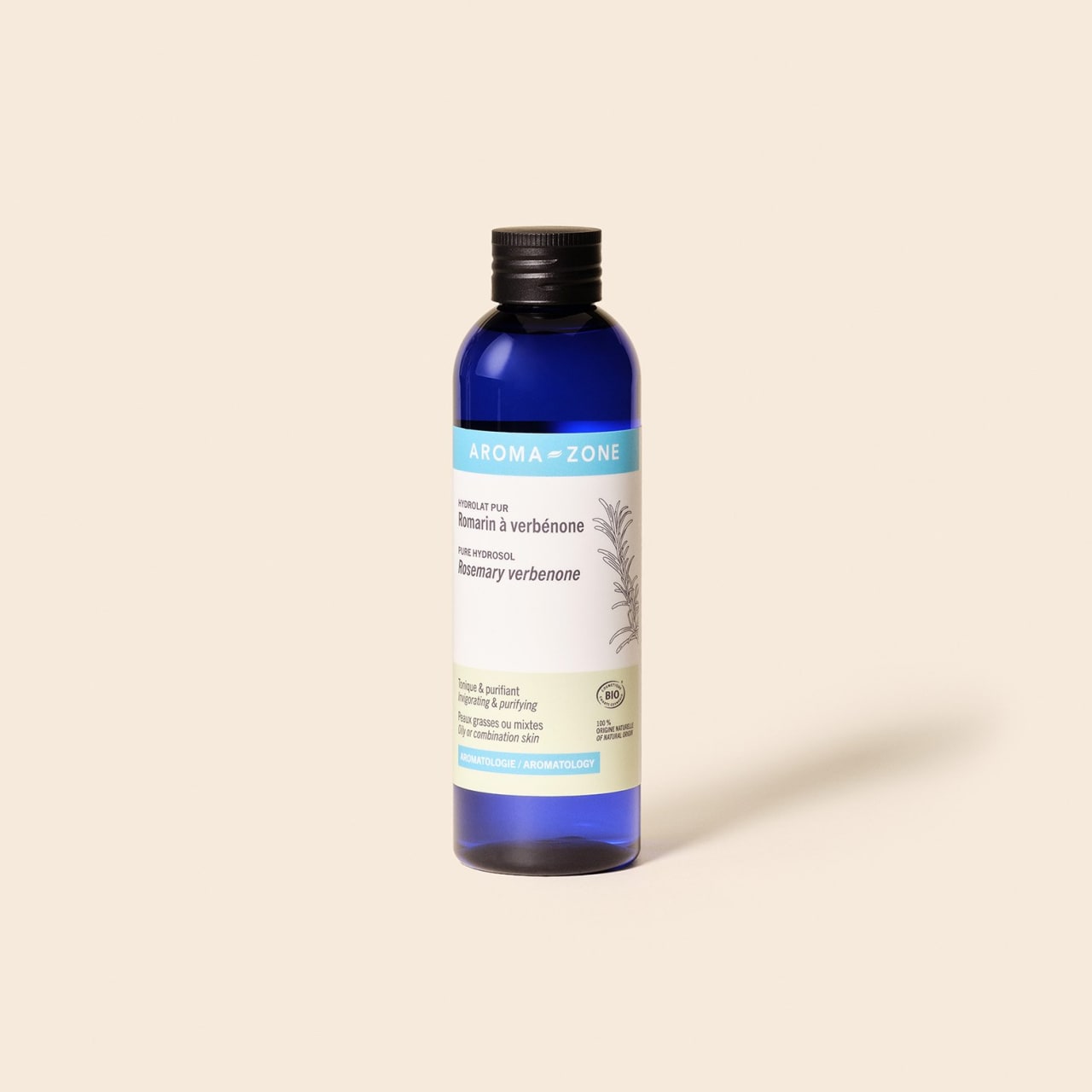
Pour 50 ml of verbenone-rich rosemary hydrosol and 50 ml of common juniper hydrosol.

This combination will help flush the liver and kidneys, respectively, and has a diuretic and deacidifying effect that complements local pain-relieving treatments well.

Drink 2 tablespoons of the mixture, diluted in 1.5 litres of low-mineral-content water (such as Mont Roucous), every day for 30 to 40 days.

At the same time, try to eliminate or at least reduce all foods that are difficult for the liver to metabolise, such as all alcoholic drinks, dairy products, and very sugary foods such as desserts, fizzy drinks, pastries and cakes; opt for a bread-free, plant-based diet with not too much meat.

Tendinitis and the Menstrual Cycle

Hormonal factors: All women experiencing musculoskeletal pain coinciding with signs of declining oestrogen levels, such as loss of skin tone, sleep disturbances, dry eyes or vaginal dryness, hair loss, low mood and longer menstrual cycles with changes in menstrual flow, may benefit from an endocrine-focused approach and could, for example, try clary sage essential oil applied to the skin.

Start by applying 1 drop under each foot each morning for the first 14 days of the cycle (or the first 14 days of the lunar cycle if you no longer have a menstrual cycle). The following month, increase to 2 drops under each foot if the results regarding the symptoms mentioned above are not satisfactory. Follow this 14-day course with each cycle, repeating it as long as needed to restore overall health and balance.

This clary sage essential oil has oestrogen-like properties that help to counteract the drop in oestrogen levels. It is not recommended in cases of a history of oestrogen-dependent cancer (seek confirmation from your oncologist), endometriosis, mastosis, PCOS or fibroids, and is strictly contraindicated during pregnancy and whilst breastfeeding.

Oestrogens play a key role in collagen synthesis. They thus indirectly contribute to skin tone and joint health. During the menopause, women may experience prolonged periods of rheumatic pain, which must be considered from a holistic perspective. Furthermore, remineralising the body is another highly complementary aspect of management.

Dietary Supplements to Relieve Tendinitis

A number of nutritional supplements are strongly recommended in cases of tendinitis or tendinopathy, such as:

  • Low molecular weight (2,000 to 4,000 daltons) hydrolysed marine or bovine collagen: Promotes the synthesis of the body’s connective tissues (skin, cartilage, bones, hair, ligaments, tendons, etc.): 5 to 10 grams per day

  • Organic silicon or organic colloidal silica found in horsetail or stinging nettle (improves the absorption of micronutrients and enhances joint flexibility): 75 mg in 2 or 3 doses per day as an intensive course of treatment for 3 to 6 months, followed by 25 mg per day as a maintenance dose.

  • Zinc bisglycinate or citrate: To protect cells against oxidative stress, 15 mg in the evening

  • Liposomal vitamin C or acerola: A powerful antioxidant that promotes the elimination of toxins and collagen synthesis, at a dose of 500 mg per day or 140 mg of acerola.

  • Omega-3s are essential fatty acids that people are often deficient in and which help to combat inflammation; they are strongly recommended throughout the period of pain.

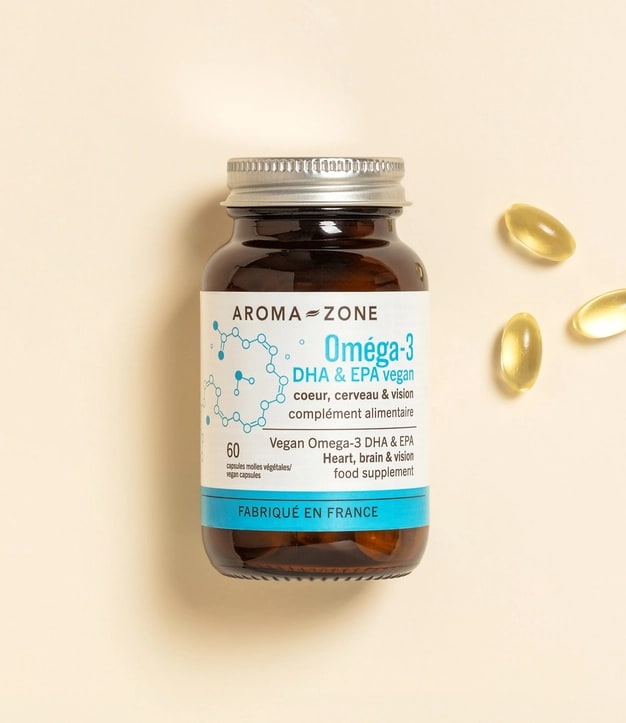
Vegan Omega-3 capsules

High in DHA and EPA in triglyceride form for optimal absorption, these 100% vegan capsules contain omega-3 derived from the microalgae Schizochytrium sp. The recognised benefits of omega-3 include support for cardiovascular function, brain health and vision.

1 capsule per day with a large glass of water.

Precautions : Not suitable for children under 12 years of age. Pregnant or breastfeeding women, and children: seek advice from a healthcare professional.

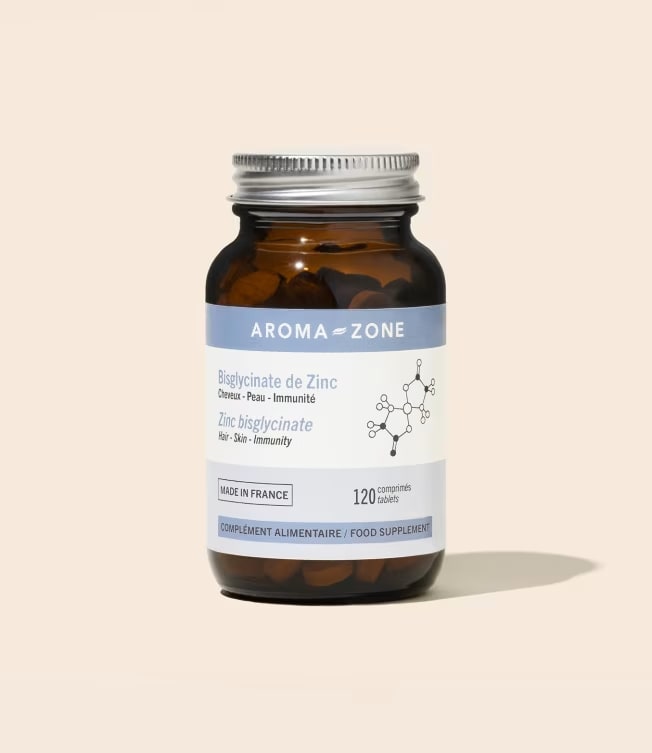
Zinc Bisglycinate - 120 tablets - Dietary supplement

Zinc Bisglycinate

A highly bioavailable form of zinc in a tablet formulated to provide 100 per cent of the recommended daily intake. Essential for the body to function properly, zinc has recognised benefits for immunity and fertility, as well as for the health of hair and skin. It helps protect our cells against oxidative stress.

1 tablet per day.

Precautions : Use should be limited to a few weeks or months. Pregnant or breastfeeding women are advised to consult a healthcare professional before taking any supplements.

Precautions

Essential oils are powerful natural concentrates. Please refer carefully to the intended uses and precautions for use on each product information sheet. Store them in a suitable glass bottle, away from light and air. Keep out of reach of children. Do not use on pregnant or breastfeeding women, or on children under 6 years of age. Avoid contact with the eyes and mucous membranes. Please refer to the General Safety Information Sheet for Essential Oils as well as the specific information sheet for each essential oil.

Aude Maillard, Doctor of Pharmacy, Aromatherapist, and Reflexologist

Expert Aude Maillard

Aude is a practitioner and graduate in scientific aromatherapy, foot reflexology, and olfactotherapy; she takes a comprehensive approach to essential oils, combining scientific and energetic perspectives. She is passionate about essential oils and eager to share her knowledge. Aude now leads aromatherapy workshops at Aroma-Zone and is also available for personalised consultations.

Bibliography

  1. Essential oils: Warnings and precautions for use

    https://www.aroma-zone.com/public/pdf/GC019.pdf