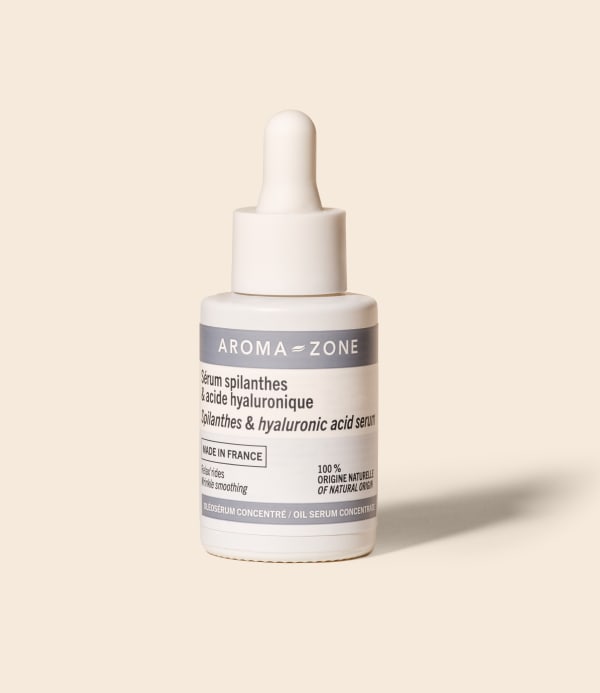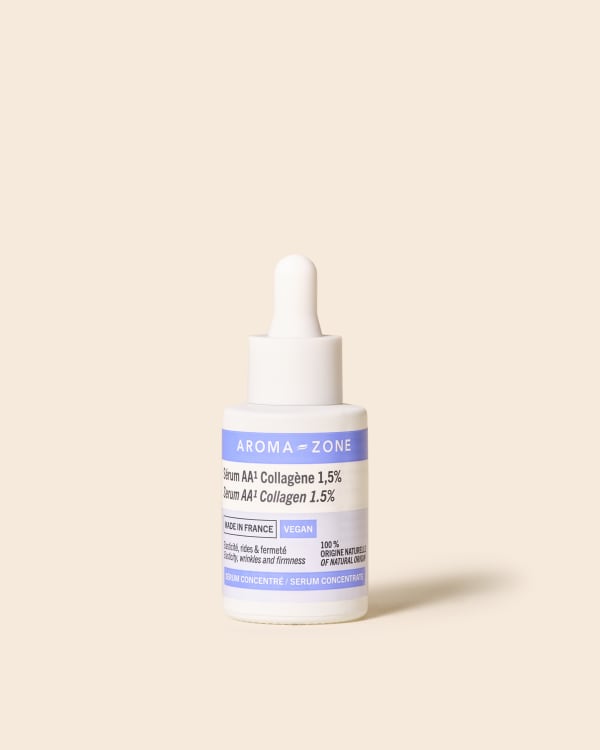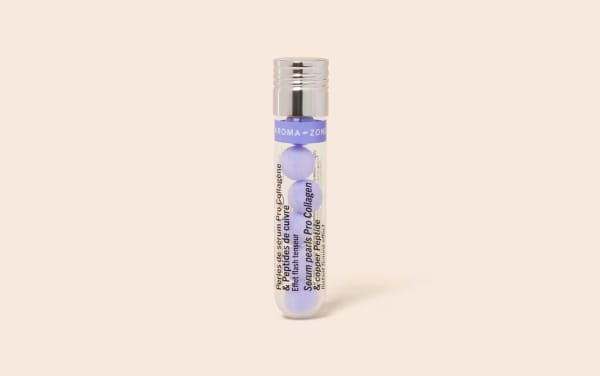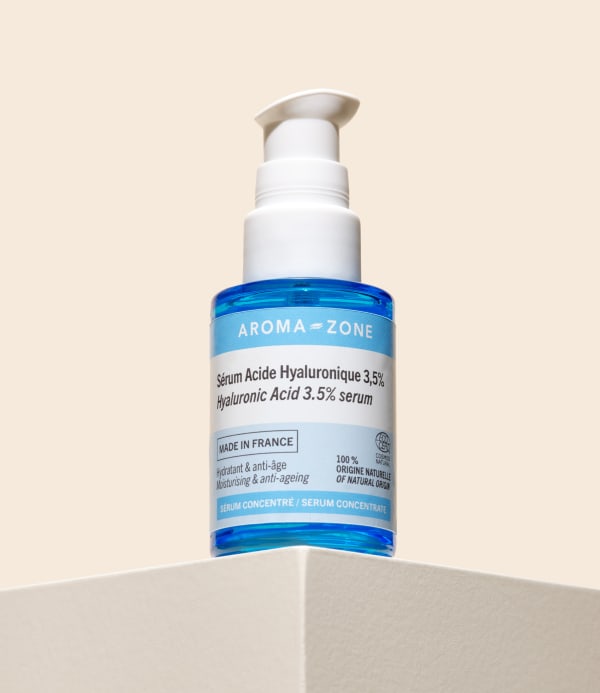
Several mechanisms, both internal and external, combine to accelerate the appearance of these first signs of ageing.
The natural slowdown in collagen production
From the mid-twenties onwards, fibroblasts – the cells responsible for producing collagen and elastin – gradually become less active. This so-called ‘intrinsic’ ageing is accompanied by an increase in the enzymes that break down these structural proteins (matrix metalloproteinases), which gradually weakens the dermis and its support structure (1). The result is that the skin loses firmness and elasticity, which encourages the appearance of the first fine lines.
Skin dehydration
Hyaluronic acid, which is naturally present in the skin, also decreases over time, reducing the skin’s ability to retain water. Less hydrated skin is more prone to showing creases and appears duller, which visually accentuates the dehydration lines, particularly around the eyes and mouth (4).
Cumulative exposure to UV rays
Unlike intrinsic ageing, photoageing is an external factor linked to repeated sun exposure over the years. UV rays penetrate deep into the dermis, break down existing collagen fibres and inhibit the production of new fibres, which significantly accelerates the appearance of wrinkles compared with natural ageing alone (1).
Expression lines
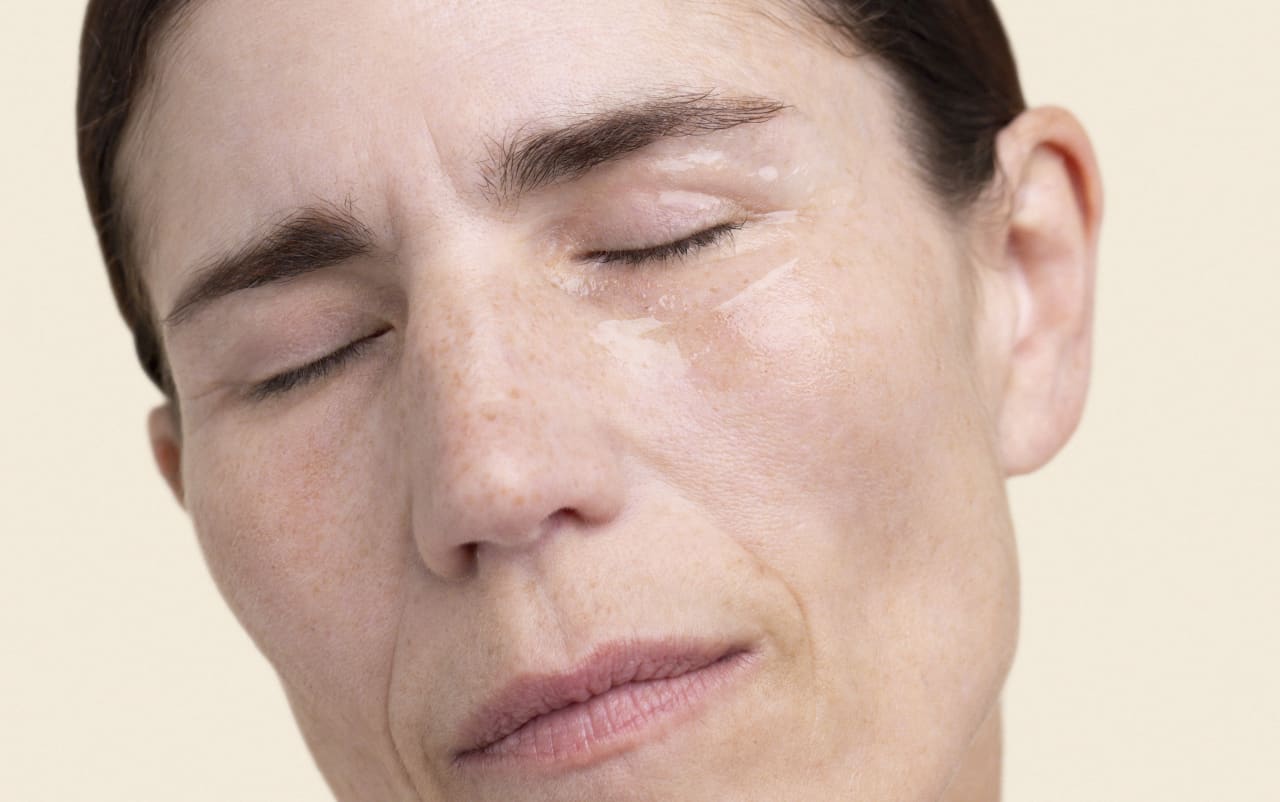
Smiling, frowning, squinting… every facial expression repeated thousands of times creates a crease in the skin known as expression line. As long as the skin is young and supple, it returns to its original shape. But as elasticity decreases, these creases eventually become permanently etched, particularly around the eyes (crow’s feet) and in the nasolabial folds.
Oxidative stress
Pollution, smoking and unprotected exposure to the sun generate free radicals – unstable molecules that damage skin cells and accelerate the breakdown of collagen. This oxidative stress acts in synergy with other factors, which explains why skin exposed to multiple aggressors ages more quickly than protected skin (1).
Thus, these intrinsic and extrinsic factors accumulate and explain why the skin never reacts quite in the same way at two identical ages. The good news is that, as many of these mechanisms can be influenced, it is possible to take preventative action using targeted routines and active ingredients to minimise them or prevent them from appearing.