Skin ageing is a natural process linked to gradual changes within the skin. However, the rate and appearance of ageing vary from person to person, influenced by internal, environmental, and lifestyle factors (1).
The Decline in Collagen, Elastin and Hyaluronic Acid
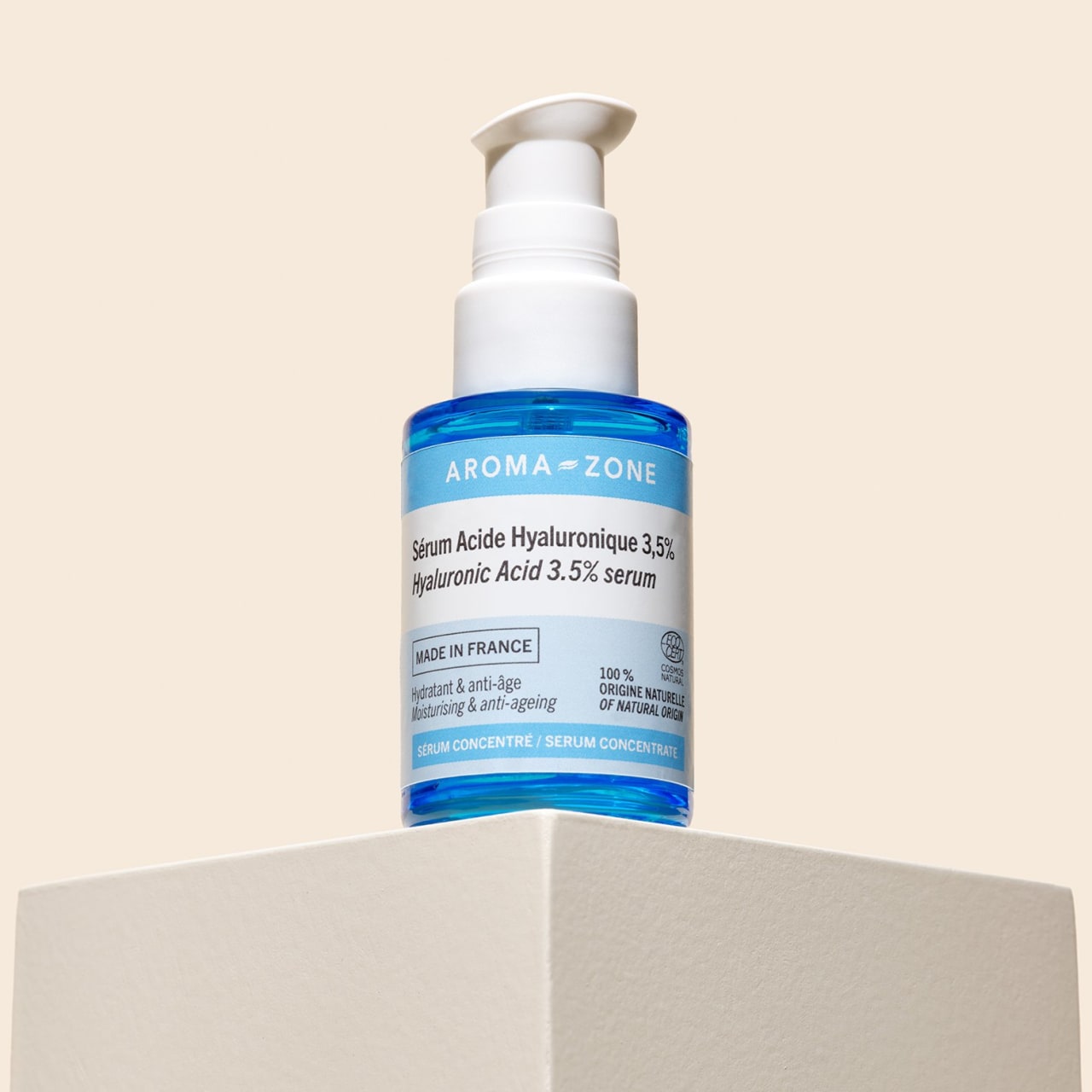
Over time, the dermis renews itself less rapidly. The production of collagen and elastin – two proteins that contribute to the skin’s firmness and suppleness – gradually decreases. The hyaluronic acid naturally present in the skin also tends to become scarcer: the skin therefore retains less water, which can accentuate its loss of plumpness and make fine lines more visible (1,2).
Hormonal Changes
Hormones also influence skin quality. At certain stages of life, particularly as menopause approaches and during menopause itself, a drop in oestrogen levels can be accompanied by reduced skin density, elasticity, and hydration. Wrinkles may then become more pronounced, and the skin may appear thinner or less firm (3).
Repetitive Facial Movements
Smiling, frowning, squinting or even speaking: the facial muscles are in constant use throughout the day. Over time, these repeated contractions can create expression lines, often on the forehead, between the eyebrows or around the eyes and mouth.
Oxidative Stress and External Aggressors
Exposure to UV rays, pollution or tobacco promotes the formation of free radicals. In excess, these can weaken the dermis’s supportive structures and contribute to premature skin ageing (4,6). Appropriate sun protection and antioxidant-rich skincare products help limit the effects of these environmental stressors on the skin.