
How to Soften Expression Lines Naturally

How to Soften Expression Lines Naturally


By Hélène Betoux

Published on: Monday, October 16, 2023, Updated on: Wednesday, October 28, 2026

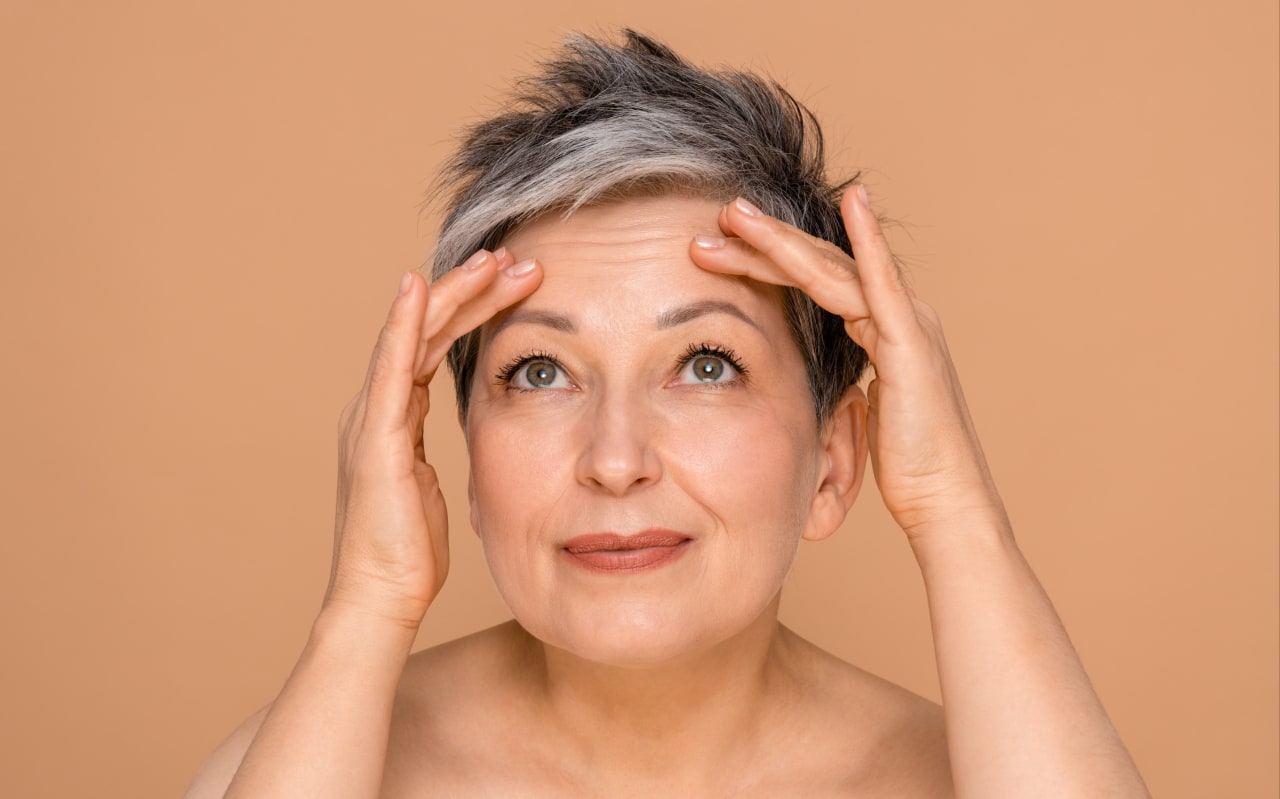
Noticing creases and furrows forming above your eyebrows? There’s no doubt about it: forehead lines are starting to set in. This is a perfectly natural process and nothing to hide. If they bother you, a few simple habits and natural cosmetic actives can help soften expression lines. And let’s not forget the most important thing: before turning to cosmetic procedures, prevention remains your best bet for keeping skin smoother.

Contents

Related products

In brief

 • Forehead wrinkles, which are mainly linked to facial expressions and skin ageing, can be prevented and reduced through a combination of moisturising, natural active ingredients and self-massage. Prevention remains the best strategy before considering cosmetic procedures.

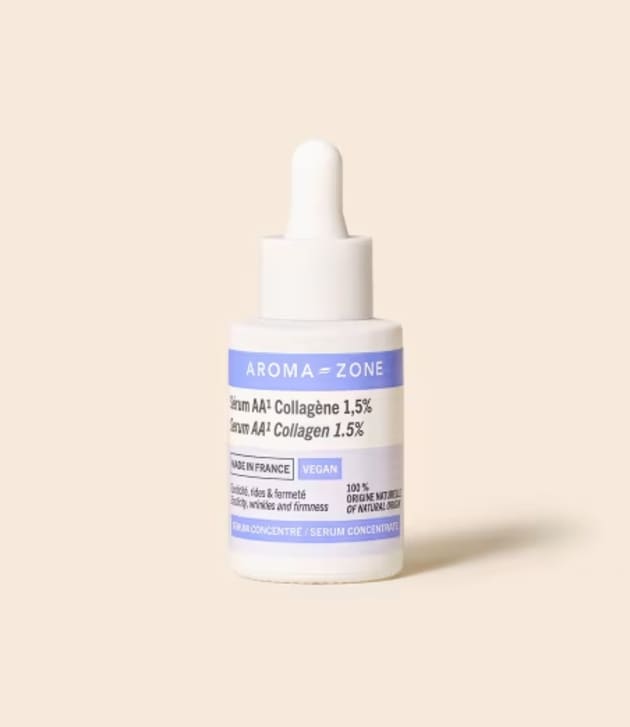
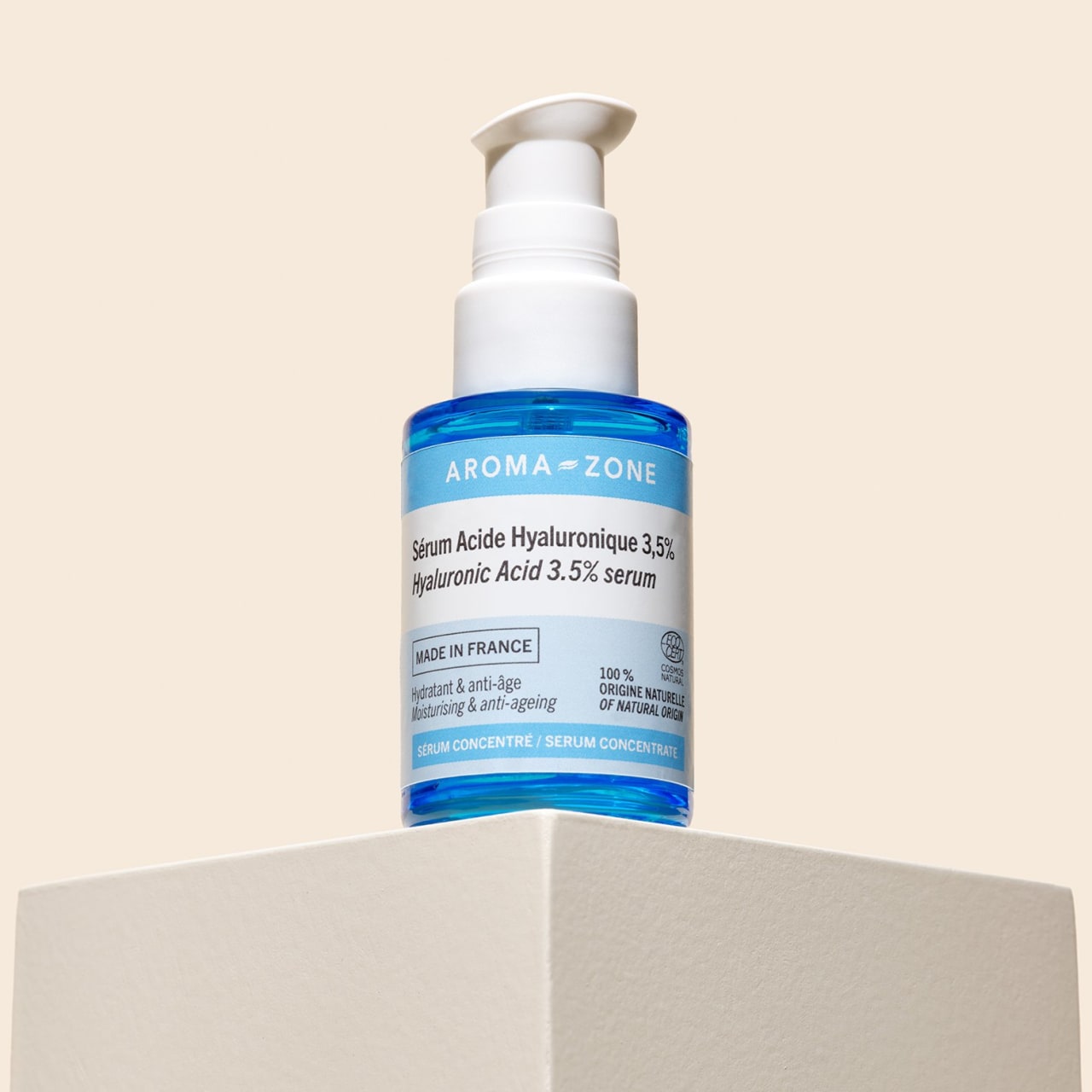
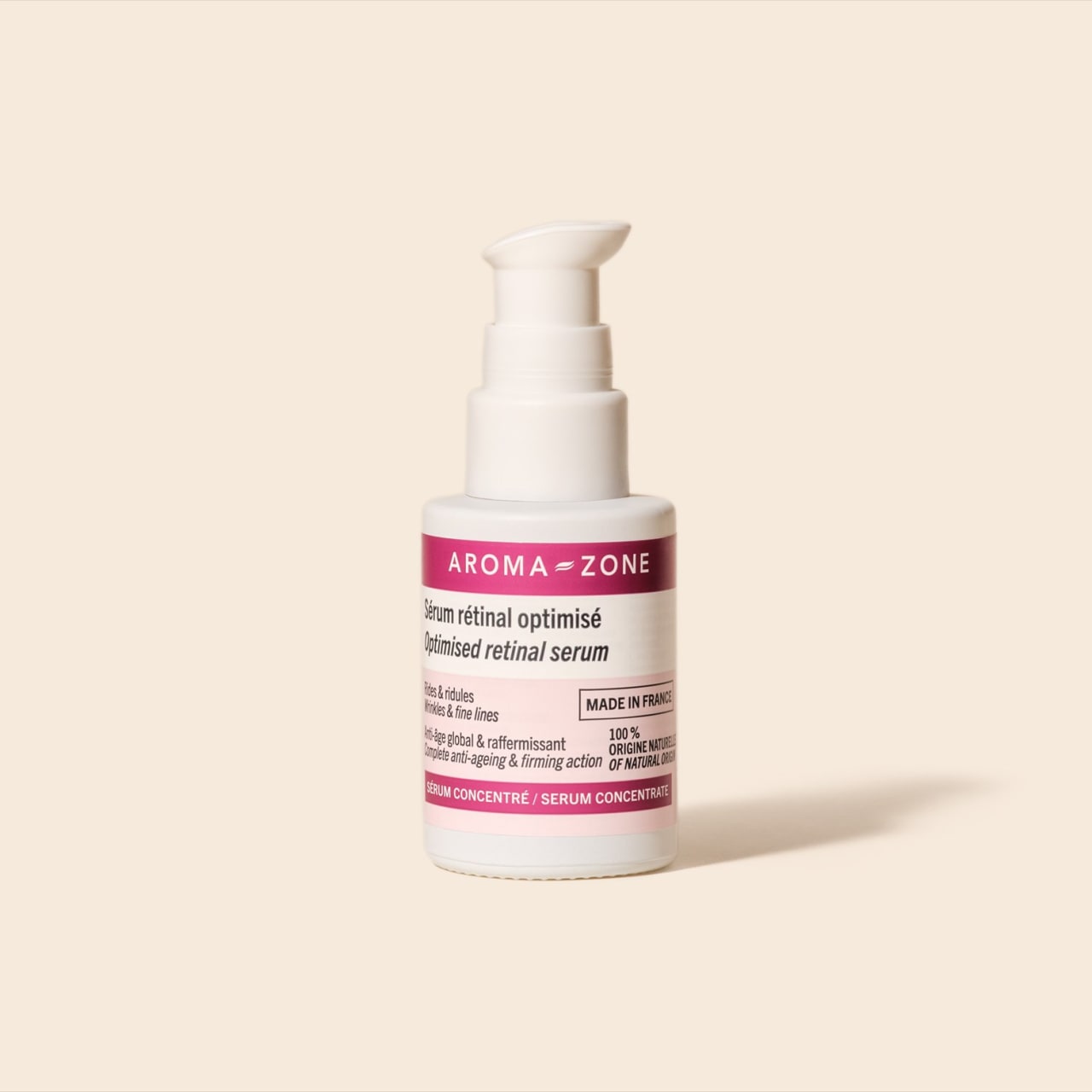
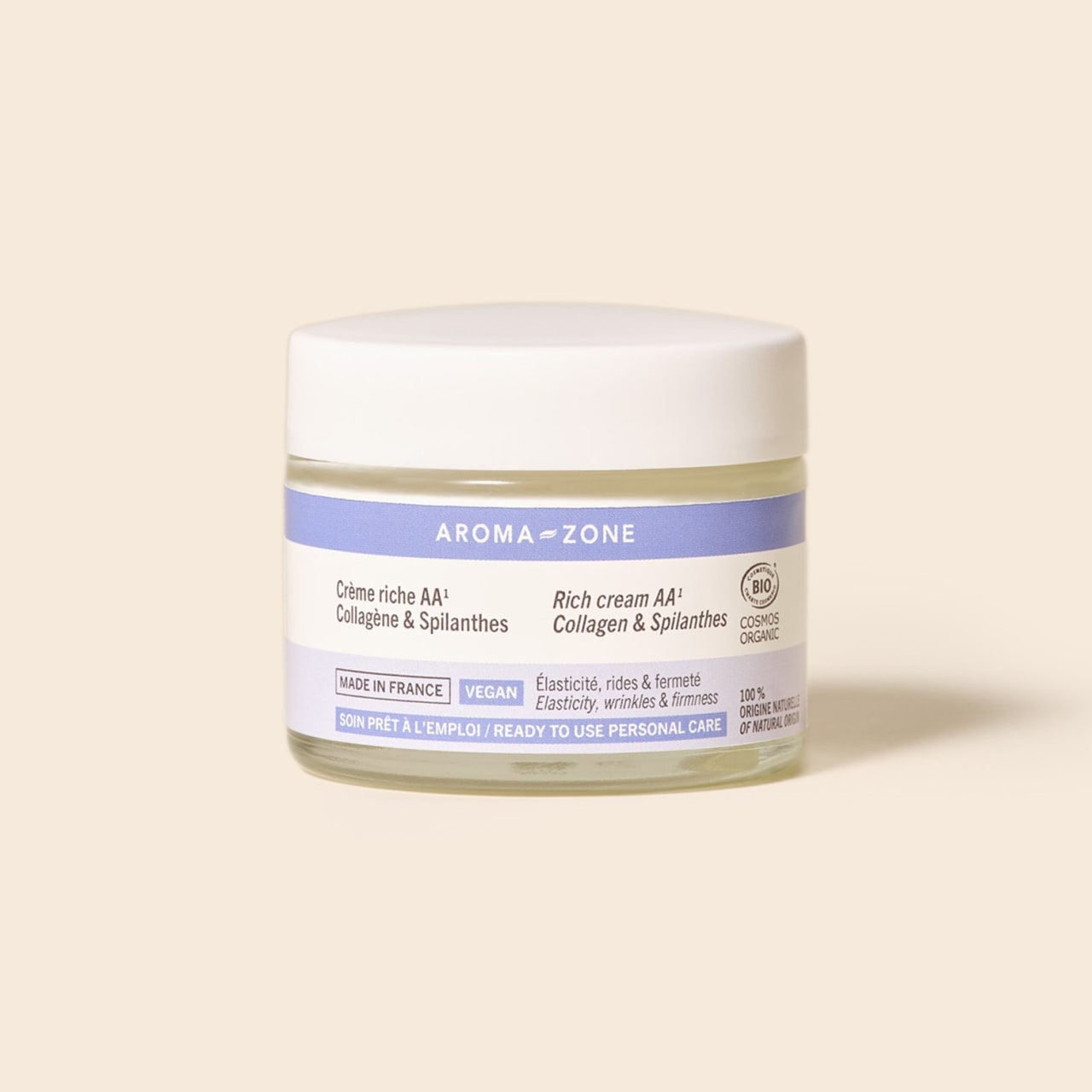
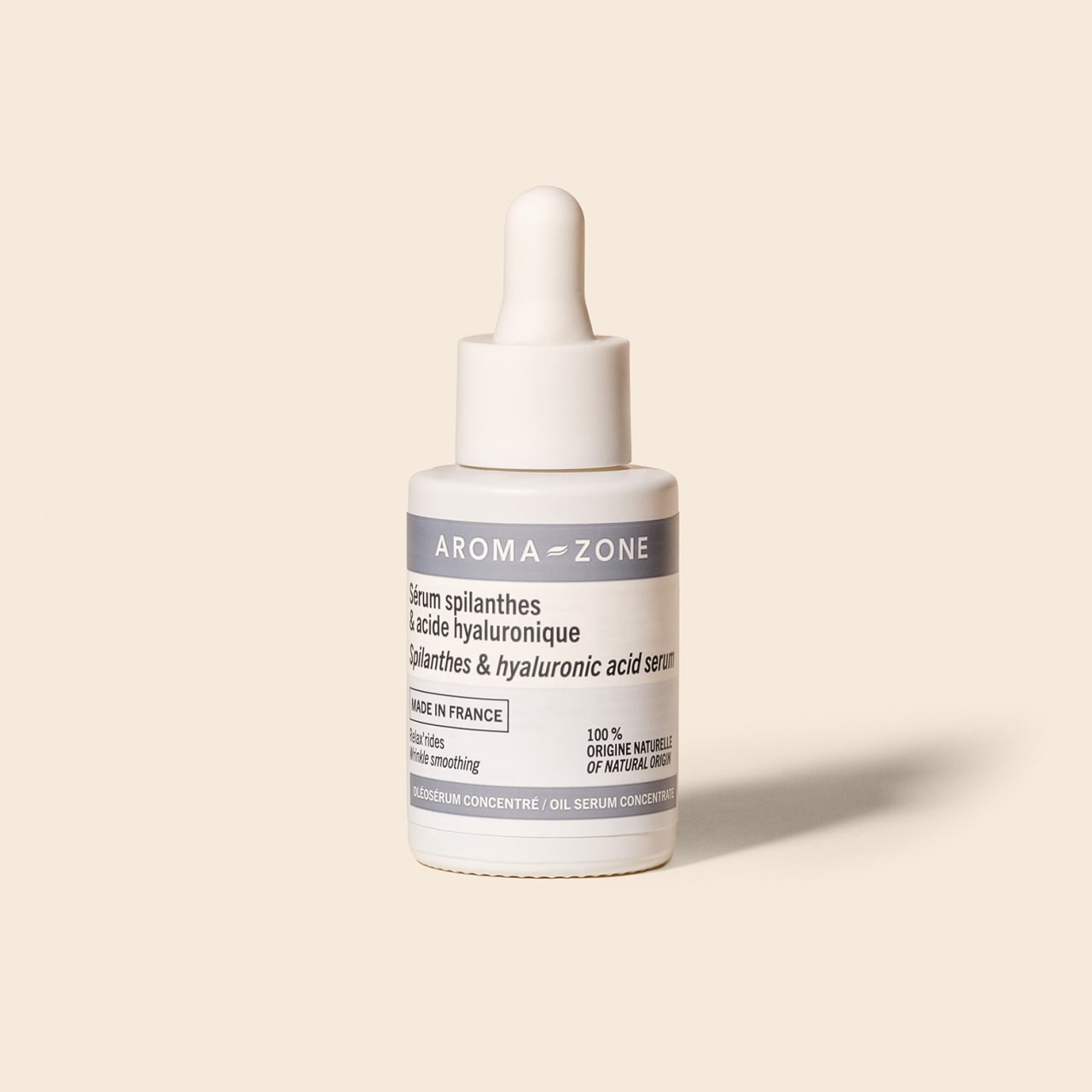
• A specific routine combines a 3.5 per cent hyaluronic acid serum, applied before day or night cream, with Spilanthes-based products targeting expression lines. Self-massage using a gua sha or roller helps to relax the muscles and smooth the skin. The article details optimal techniques and timing and reports a reduction in wrinkles within 28 days with the moisturising serum.

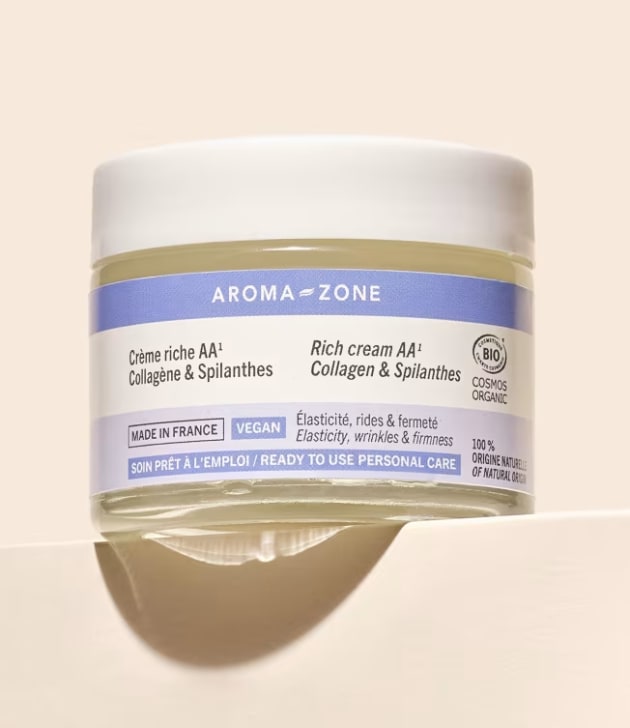
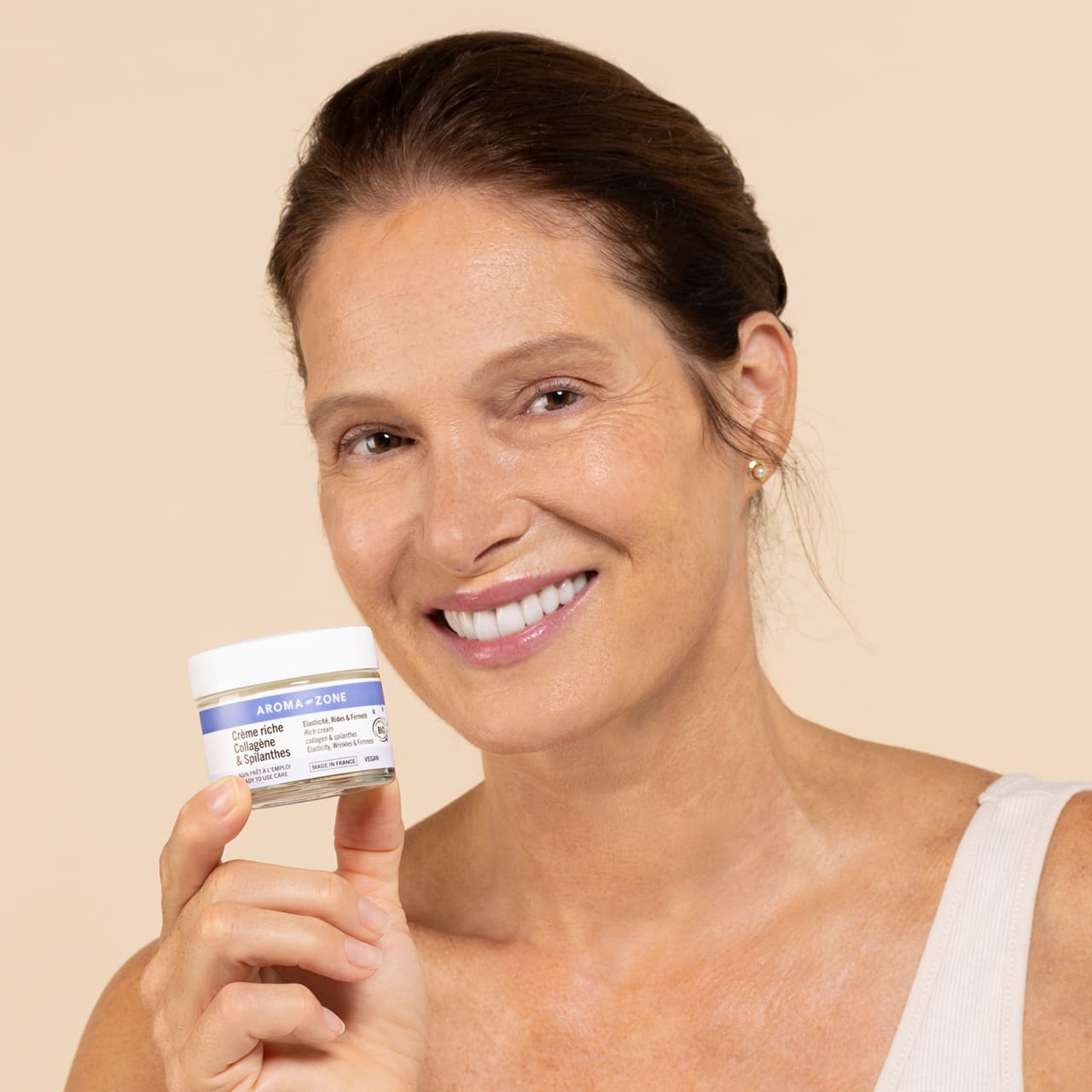
• The article specifies how to use the products according to skin type and skincare goals, notably highlighting that hyaluronic acid is suitable for all skin types, while our Collagen & Spilanthes Cream is designed for mature skin. It also details precautions for using the skincare products and accessories, as well as the finer points of the daily skincare routine.

Forehead Lines: What Are They?

Forehead wrinkles are a type of expression line, also known as dynamic wrinkles. They appear from repeated contractions of the facial muscles during various facial expressions. On the forehead, the frontalis muscle is mainly involved when the eyebrows are raised or furrowed.

Due to its high mobility, the forehead is one of the first areas of the face where these wrinkles become visible. Initially noticeable only when making facial expressions, they eventually remain visible even when the face is at rest. Horizontal wrinkles then appear across the entire width of the forehead, whilst vertical wrinkles may form between the eyebrows: these are frown lines.

To better understand this process, see also our article on Expression Lines.
What Causes Forehead Lines?

Repetitive Facial Movements

Raising or furrowing your eyebrows to express surprise, concentration, or concern strains the frontal muscle every day. When repeated over time, these movements create creases that gradually become etched into the skin.

Skin Ageing Exacerbates This Phenomenon

Over time, the natural production of collagen, elastin and hyaluronic acid decreases. The skin gradually loses its firmness, suppleness and ability to regain its shape after each muscle contraction. The creases then become more pronounced and eventually become permanent (1).

Over time, collagen production gradually decreases. The first forehead wrinkles can therefore appear relatively early, although timing varies from person to person. Thicker skin types, particularly oily skin, generally develop wrinkles a little later (2, 3).

External Factors Can Accelerate Their Appearance

The natural ageing of the skin can be exacerbated by certain lifestyle and environmental factors. The best-known of these are repeated sun exposure, smoking, pollution, an unbalanced diet, and skincare routines that are ill-suited to the skin’s needs.

How to Prevent Wrinkles

1. Choose the Right Skincare Products

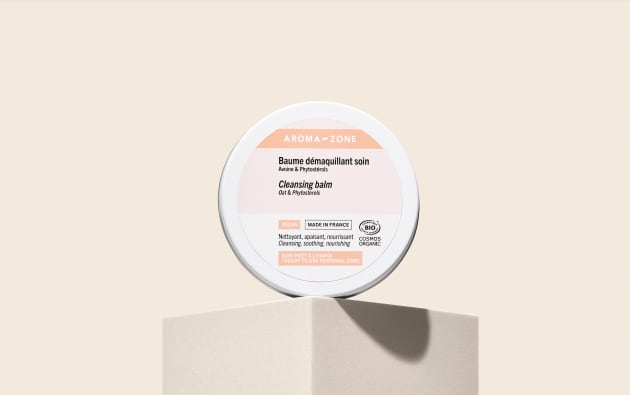
Well-hydrated skin is more supple and better able to withstand the stresses of everyday life. Gently cleanse the skin, then apply a targeted serum followed by a suitable cream to preserve a healthy skin barrier and maintain comfort. Active ingredients such as Collagen or Hyaluronic acid are particularly beneficial for retaining the skin’s moisture and plump appearance.

2. Protect the Skin from External Aggressors

Repeated sun exposure is one of the main factors contributing to premature skin ageing. Applying a suitable sunscreen daily, combined with simple measures such as wearing a hat or seeking shade during the sunniest hours of the day, helps to minimise premature skin ageing.

3. Look After Your Skin Every Day

A varied, balanced diet, staying well-hydrated and a healthy lifestyle all help maintain healthy skin. Limiting tobacco use and adopting a skincare routine suited to your skin type also help to preserve your skin’s suppleness and elasticity for longer.

How can you reduce forehead wrinkles naturally?

1. Add regular self-massage to your routine

When practised regularly, self-massage can complement anti-ageing skincare by helping to relax the facial muscles and soften the skin. To ensure it is pleasant and comfortable, it is best to use a product that glides easily over the skin, such as a serum or a cream suitable for this purpose.

The movements should be adapted to the direction of the wrinkles. For horizontal forehead wrinkles, use upward strokes. For vertical wrinkles between the eyebrows, use gentle strokes from left to right. Then alternate between smoothing, light pinching and tapping.

2. Use a gua sha tool or a roller to complement the massage

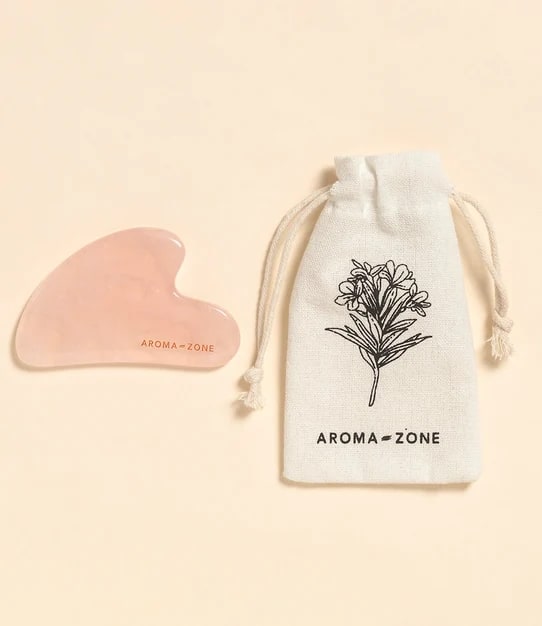
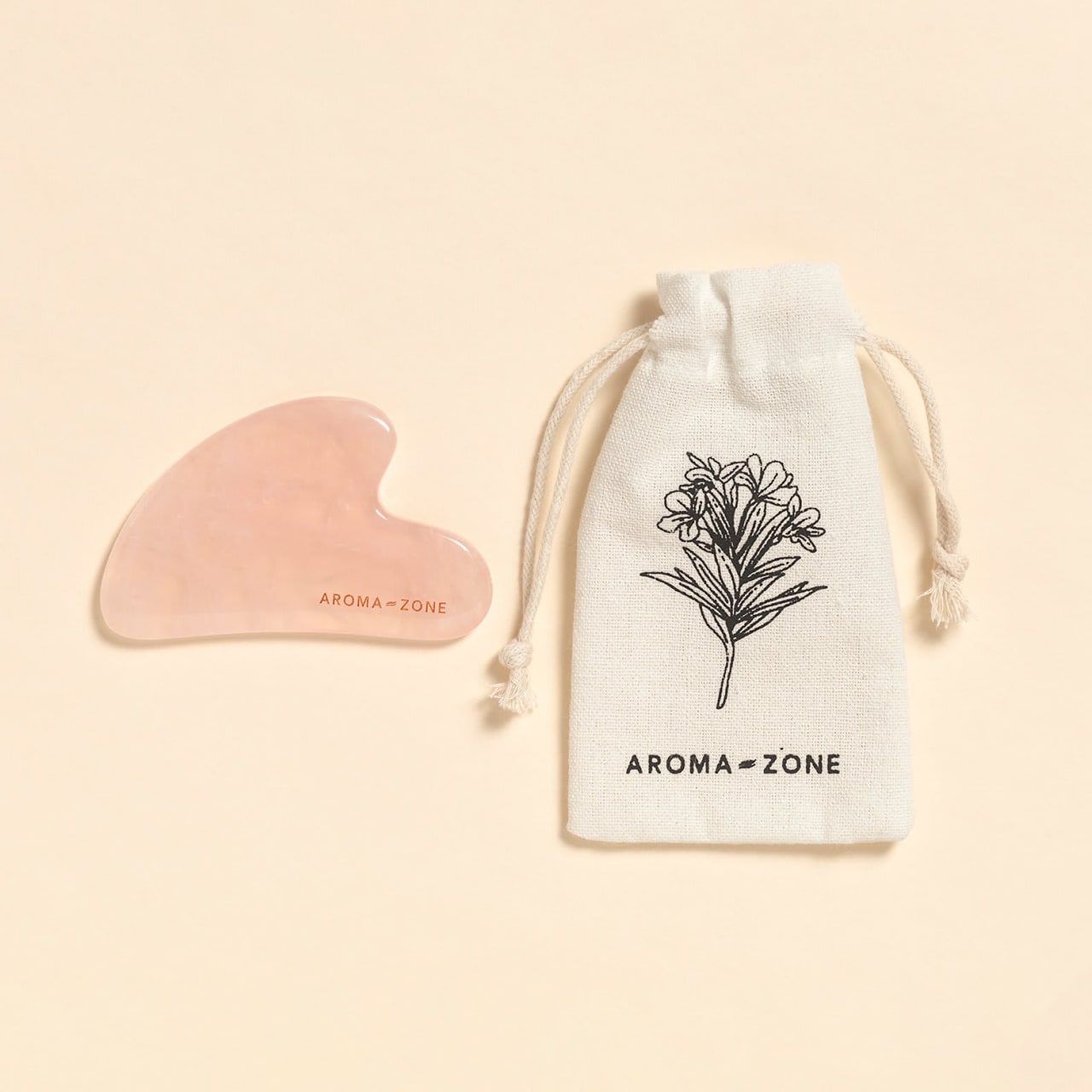
Product spotlight: the Rose Quartz Facial Gua Sha and the Rose Quartz Facial Roller

Gua sha and the roller can make massage techniques easier and slot seamlessly into a skincare routine. Used gently and regularly, they allow you to massage the entire forehead as well as other areas of the face. The gua sha follows the contours of the face, whilst the roller is particularly pleasant for working on large areas such as the forehead.

Discover our Rose Quartz Facial Gua Sha

Jade roller_-IwlEjNad.avif

Spotlight on our Rose Quartz Facial Roller

Reveal your face’s natural beauty! Every day, after applying your skincare oil, cream or serum, massage your face with the Face Roller to help the product penetrate the skin and boost natural collagen production. The gentle, steady movements of its rose quartz stones improve the skin’s elasticity, reduce puffiness around the eyes and give the skin a healthy glow. The Facial Roller is suitable for all skin types, and the rose quartz semi-precious stone works wonders on mature skin.

3. Do some facial exercises

Facial exercises involve simple exercises designed to mobilise the facial muscles. When practised regularly, they can complement other anti-ageing routines.

For example, place your fingertips just above your eyebrows, then apply gentle downward pressure whilst trying to raise your eyebrows. Hold the contraction for a few seconds before releasing.

A second exercise involves placing two fingers between your eyebrows, at the ‘frown line’, then slowly sliding them towards the hairline. Repeat this movement several times, alternating between hands.

Precautions for use

The advice given in this article is for information purposes only and is not a substitute for the advice of a healthcare professional.

Before using a product, please consult its product information leaflet to familiarise yourself with the precautions for use and any possible contraindications.

Dietary supplements must be used in accordance with the stated instructions for use. They are not a substitute for a varied and balanced diet or a healthy lifestyle.

Expert Advice

Many people slightly furrow their brows or keep their foreheads tense without even realising it, particularly when concentrating. Throughout the day, take a few seconds to consciously relax this area: let your eyebrows drop naturally, loosen your jaw and relax your forehead. This simple habit, combined with a regular skincare routine, helps to limit the repeated muscle contractions that gradually leave their mark on the skin.

Spotlight on our writer, Hélène Betoux

HELENE-modified_0.webp

Hélène Betoux is a French beauty journalist specialising in online media. She writes daily tips, recommendations and guides to help consumers choose the beauty products best suited to their needs. A firm advocate of natural, organic and ‘clean’ cosmetics, she closely follows trends and innovations in the sector, which she enjoys analysing and sharing.

Bibliography

  1. Baumann L. (2007) Skin ageing and its treatment. Journal of Pathology. 2007.

    https://pubmed.ncbi.nlm.nih.gov/17200942/4

  2. Farage MA, Miller KW, Elsner P, Maibach HI. (2008) Intrinsic and extrinsic factors in skin ageing: a review. International Journal of Cosmetic Science.

    http://pubmed.ncbi.nlm.nih.gov/18377617/

  3. Shuster S, Black MM, McVitie E. (1975) The influence of age and sex on skin thickness, skin collagen and density. British Journal of Dermatology. 1975.

    https://pubmed.ncbi.nlm.nih.gov/1220811/

Frequently Asked Questions

Frequently Asked Questions