
Oily skin is caused by excessive sebum production by the sebaceous glands, influenced by several factors well documented by dermatological research: hormonal balance, stress, diet and skincare routine, amongst others.
A particularly active hormonal environment: Androgens directly stimulate the sebaceous glands via receptors on their surface, which are more numerous in the T-zone (forehead, nose, chin), which explains the tendency for this area to become shiny in combination with oily skin types. This mechanism, confirmed by studies on people who are insensitive to androgens and who produce no sebum, also explains the acne flare-ups observed during puberty or during hormonal fluctuations associated with the menstrual cycle and pregnancy (5).
Chronic stress: The sebaceous glands have receptors sensitive to stress hormones, causing them to react to nervous tension. A study conducted among adolescents highlighted a correlation between periods of chronic stress, increased sebum production and worsening skin blemishes (6).
An unbalanced diet: Diets with high glycaemic index and the consumption of dairy products have been linked, in several studies, to increased levels of insulin and IGF-1, two factors that stimulate sebum production and androgen levels. However, the results remain mixed depending on the source.
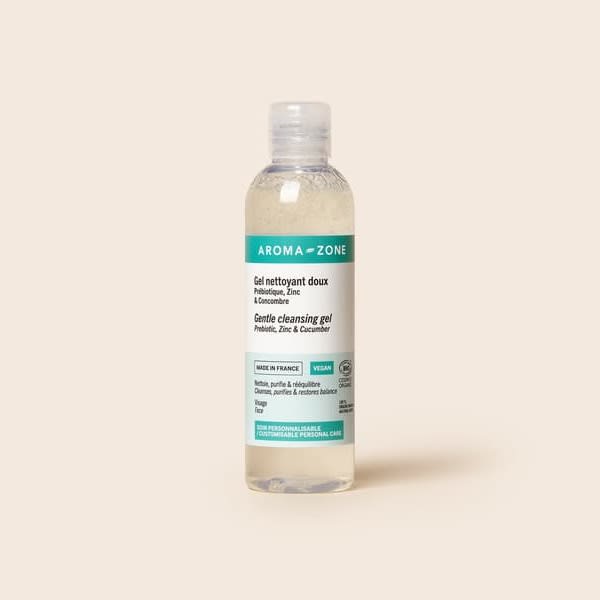
Inappropriate skincare: Cleansers that are too harsh or excessive cleansing weaken the skin barrier, which in turn triggers compensatory sebum production: the skin, seeking to protect itself, produces more sebum (1).