
Folate and folic acid are two forms of vitamin B9, which play an essential role in the body. The term folate comes from the Latin word folium, meaning leaf, due to the high content of this vitamin in leafy green vegetables. Folate is the form naturally found in foods, while folic acid is the synthetic form of the molecule, used in dietary supplements and fortified foods. This water-soluble vitamin B9 is essential for amino acid metabolism, cell division, and tissue regeneration, which is why it is particularly important during pregnancy and growth.

Low Folate Levels: What Should You Do?
By Lila Bouber
Published on: Tuesday, February 25, 2025, Updated on: Wednesday, October 21, 2026
Folate, also known as vitamin B9, plays an essential role in many biological processes. A folate deficiency can lead to fatigue, digestive issues, anaemia and, in pregnant women, serious complications for foetal development. This article explains what to do if your folate levels are low, along with the symptoms and causes.
Contents
Related products

£9.00
30 ml
2 options
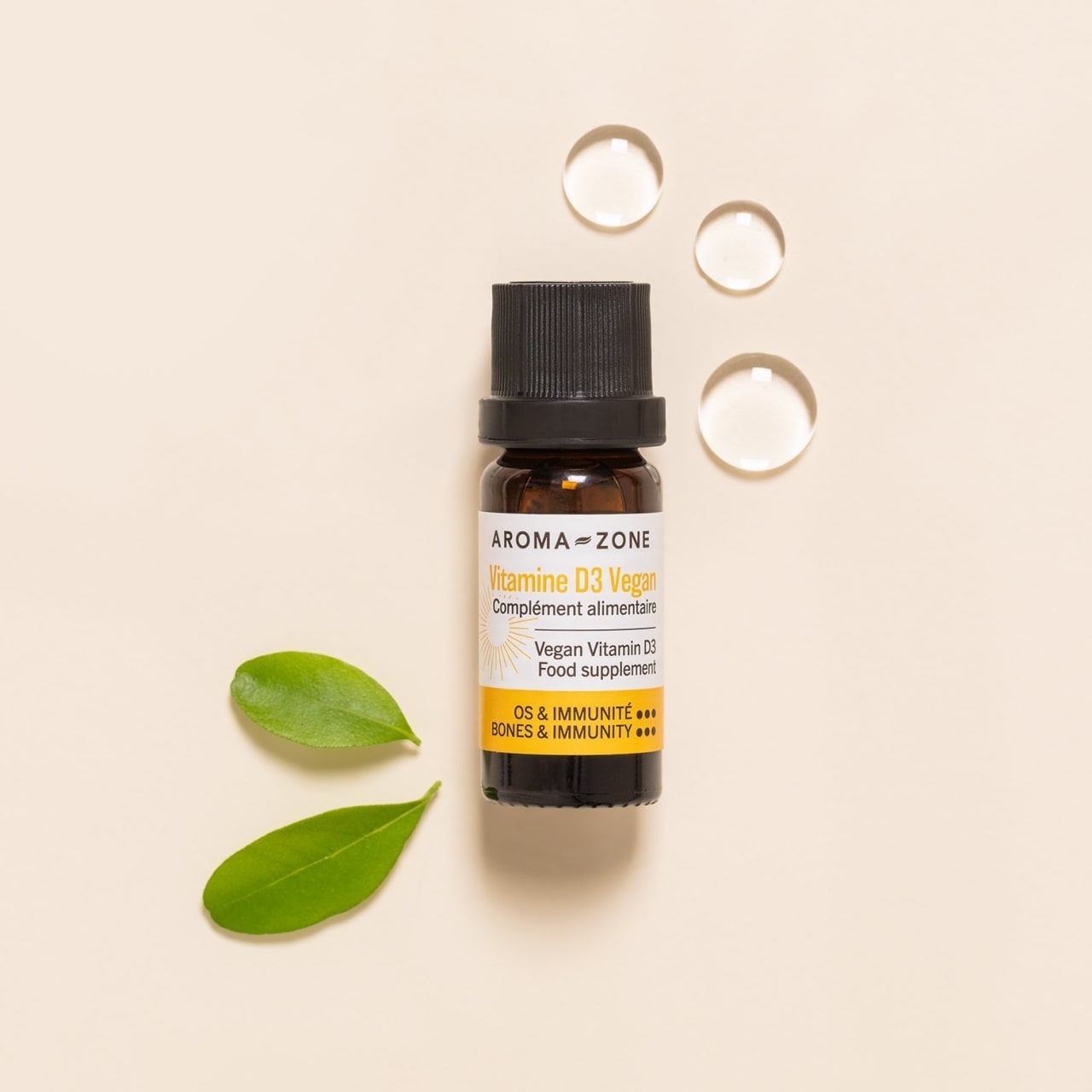
Vegan Vitamin D3
Natural defenses
Bone health
£10.00
10 ml
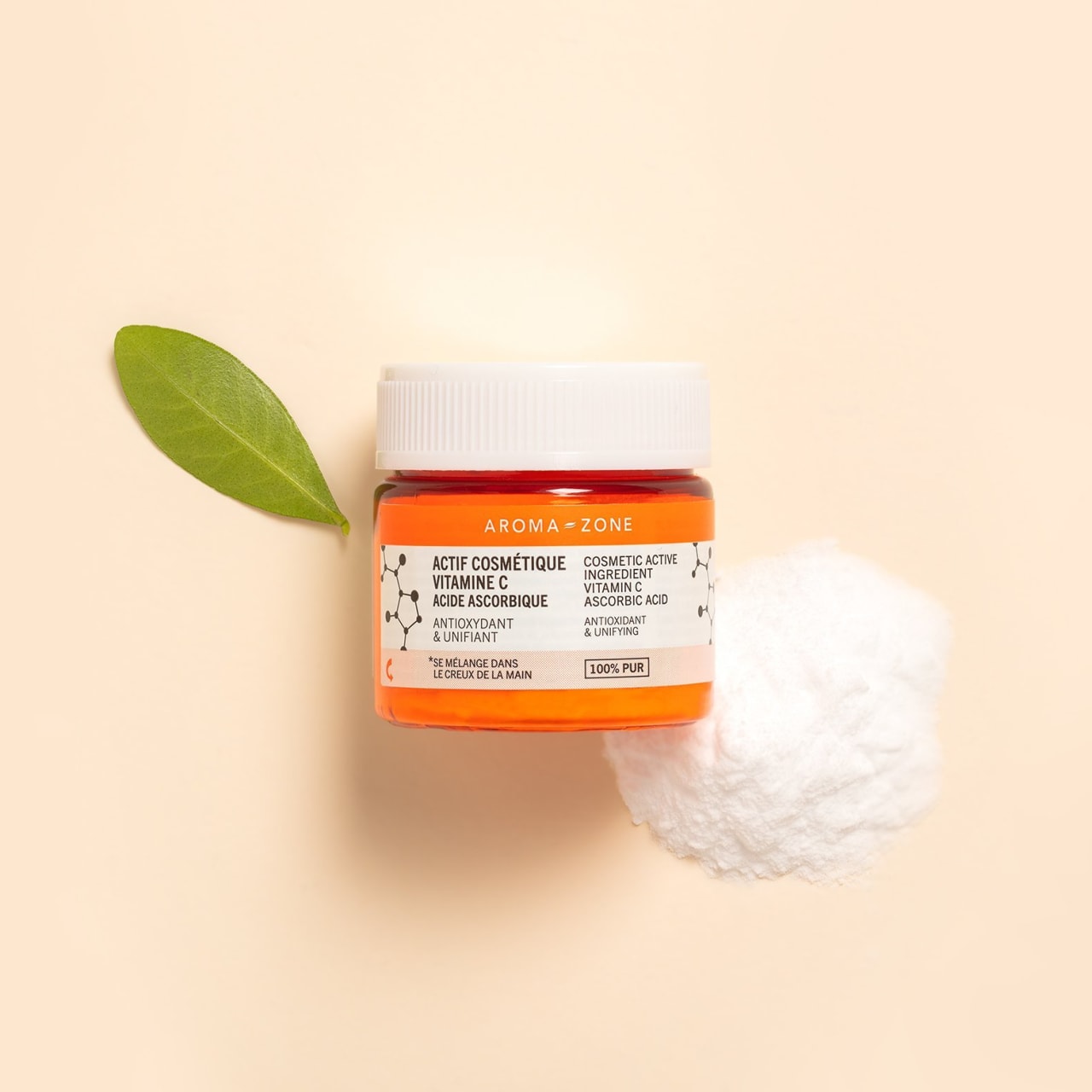
Ascorbic Acid Pure Vitamin C Active Ingredient
Radiant complexion
Antioxidant
£4.00
10 g

£4.00
30 ml
2 options
What is folate?
Note: Folic acid is often recommended as a supplement to prevent deficiencies, particularly in pregnant women.
What is the daily recommended intake of folate?
Daily requirements vary depending on age, gender, and specific circumstances, such as pregnancy or breastfeeding. They are generally expressed in dietary folate equivalents (DFE), as the absorption of natural folate differs from that of synthetic folic acid.
Population group
Nutritional recommendations for folate (ANSES, WHO)
Recommended daily intake (µg EFA)
Bioavailability of Folic Acid vs. Folate
Folic acid is more stable than folate and is better absorbed by the body. Its bioavailability can reach 85%, whereas that of natural vitamin B9 is approximately 50%.
This difference is due to the fact that natural folates must be converted into an active form by the body in order to be used, which reduces their bioavailability.
Certain micronutrients, such as polyphenols or fiber, can slow down their absorption. Furthermore, natural vitamin B9 is highly sensitive to heat, oxygen, and light. As a result, its concentration may decrease in foods that are cooked or stored under improper conditions.
In contrast, synthetic folic acid is directly absorbed by the intestine and converted into an active form more easily, which explains its superior bioavailability and its rapid benefits.
What is the role of folic acid?
Folic acid plays a crucial role in our bodies. It is estimated that this vitamin is involved in over a hundred metabolic reactions and in multiple regulatory pathways:
Red blood cell formation
DNA and RNA synthesis
Prevention of birth defects
Metabolism of neurotransmitters
Protection of the cardiovascular system
Proper functioning of the immune system
Consequently, poor folate status can lead to chronic diseases caused by abnormalities in protein synthesis, DNA synthesis, and gene expression.
Folate requirements during pregnancy
Folate requirements increase by about 50% during pregnancy (600 µg per day). Therefore, an adequate intake of vitamin B9 is crucial during the first months of pregnancy to prevent fetal malformations. Indeed, a deficiency could disrupt the proper development of the embryo’s brain and spinal cord, with a risk of anencephaly or spina bifida (failure of the neural tube to close). To meet these needs, a periconceptional supplement of 400 µg/day is recommended.
According to a report by ANSES (the French Agency for Food, Environmental and Occupational Health & Safety) published in 2024, the prevalence of neural tube closure defects (NTCDs) in France was 13.5 per 10,000 total births between 2012 and 2021. This prevalence varied geographically, with higher rates in Brittany (14.7 per 10,000) and Réunion (18.5 per 10,000). These disparities are thought to be due to insufficient folate intake and inadequate supplementation.
Role in protecting against certain metabolic and cardiovascular diseases
A comprehensive review of meta-analyses on the association between folic acid and its impact on health was conducted in 2020 by Chinese researchers. It highlighted the beneficial effects of folate on numerous conditions, including cardiovascular and metabolic diseases.
In fact, folate helps reduce levels of homocysteine, an amino acid whose excess is associated with an increased risk of cardiovascular disease. Additionally, it helps improve blood circulation and protects blood vessels.
Metabolically, folate plays a role in regulating genes related to metabolism and may help prevent certain diseases such as type 2 diabetes. However, excessive folate intake could have adverse effects, particularly by stimulating the proliferation of certain abnormal cells. It is therefore essential to maintain a balance and ensure appropriate intake.
Benefits for cognitive and nervous system health
Studies have shown that folate plays a role in cognitive function and learning abilities, but the mechanisms by which it does so are not yet clear. According to some research, folic acid supplementation may improve vocabulary development, communication skills, and verbal comprehension by 18 months of age.
Folate supplements, particularly levomefolic acid, have demonstrated improved clinical outcomes in certain mental health conditions, including major depressive disorder (including postpartum and postmenopausal depression), schizophrenia, autism spectrum disorder, attention-deficit/hyperactivity disorder, and bipolar disorder.
Why might folate levels drop?
Folate levels can drop because our bodies do not store it, and if our diet does not provide enough, a deficiency can develop within a few months. This is therefore the main cause of low folate levels. In France, nearly one in two women of childbearing age has a folic acid deficiency, often without knowing it (Santé.Gouv). Here are the various possible causes of low folate levels in the body:
A diet too low in green vegetables and legumes.
Impaired intestinal absorption due to certain digestive disorders, such as celiac disease.
Excessive alcohol consumption, which can interfere with folate absorption.
Increased needs during pregnancy and breastfeeding.
Taking certain medications can interfere with the proper absorption of vitamin B9 (anticonvulsants, treatments for ulcerative colitis, hypertension, diabetes, rheumatoid arthritis, etc.).
What are the symptoms of a folate deficiency?
The main signs of low folate levels are:
Intense fatigue
Feelings of weakness
Paleness
Anemia
Shortness of breath and dizziness
Heart palpitations
In cases of more severe deficiency, other symptoms may appear:
A red, sore tongue
Diarrhea
Altered sense of taste
Loss of appetite
Emotional disturbances (irritability, mood swings)
Cognitive difficulties (difficulty concentrating and memory loss)
How can you raise your folate levels?
There are several ways to naturally increase your folate intake.
Adopt a folate-rich diet
Eat leafy green vegetables, legumes, and whole grains (whole wheat, oats, quinoa, etc.) regularly, as they are natural sources of vitamin B9.
Turn to natural solutions and home remedies
Brewer’s yeast, which is very rich in B vitamins, is an exceptional source of folate.
Nettle leaf teas, rich in various vitamins and minerals, provide a natural boost.
Homemade green juices: made with spinach, watercress, and parsley, they can be a great way to boost your folate intake.
Sprouted seeds: such as those from alfalfa or sunflower, contain vitamin B9.
Limit alcohol and tobacco use
These substances reduce folate absorption and increase its elimination.
Treat any underlying conditions
A digestive disorder may be responsible for the deficiency, so medical monitoring is necessary.
If a deficiency is confirmed, supplementation is initiated in consultation with a healthcare professional.

Enriched brewer’s yeast 120 capsules
Ideal for strengthening and beautifying hair and nails, this dietary supplement is made from brewer’s yeast, yeast enriched with B vitamins, and selenium-enriched yeast, with no unnecessary additives.
Taking 2 capsules a day is enough to meet the recommended daily intake of B vitamins and selenium for enhanced effectiveness. These nutrients are particularly important for the health of the skin and hair, and their combination with brewer’s yeast helps optimize their absorption by the body.
How can you prevent low folate levels?
Low folate levels are relatively common. To prevent this, you should:
Eat a varied and balanced diet.
Avoid restrictive diets.
Get a health checkup to check your folate levels.
Take folic acid supplements if you are planning to become pregnant.
Folic acid: Which foods are richest in it?
The foods richest in folate are not always consumed in large quantities. Their nutritional value therefore depends on the portion size and their place in the daily diet.
Food
Folate content (µg/100g)
1. Baker’s yeast
> 1000
2. Liver and organ meats
> 500
3. Raw leafy vegetables: spinach, watercress, chicory, dandelion greens, lamb's lettuce
Recommendations for folate intake
In addition to the importance of folate intake during the periconceptional period, other specific situations may require preventive folic acid supplementation and medical monitoring:
A history of giving birth to a child with a neural tube defect (due to folate deficiency)
Treatment for diabetes or epilepsy
Overweight
Severe nutritional deficiencies, such as anorexia, anemia, etc.
Vitamin B9 deficiency and vitamin B12 deficiency: What’s the connection?
Vitamins B9 and vitamin B12 (cobalamin) are often linked, as they play complementary roles in several essential biological processes, including red blood cell formation, DNA synthesis, and proper nervous system function.
One of their main links involves the metabolism of homocysteine, an amino acid converted into methionine with the help of vitamin B12. This reaction also activates folates. In cases of B12 deficiency, inactive folates accumulate. They can then cause symptoms similar to a B9 deficiency, such as macrocytic anemia. A lack of B9 and/or B12 can cause neurological disorders. A vitamin B9 deficiency alone can lead to chronic sensory peripheral neuropathy, but a vitamin B12 deficiency is even more harmful neurologically. If vitamin B9 is supplemented without checking vitamin B12 levels, signs of anemia may improve, masking a B12 deficiency, which can delay treatment and risk worsening nerve damage.
Related recipes


Precautions
Vitamin B9 is very fragile. It is easily destroyed by prolonged exposure to light, heat, or water. To preserve the vitamin B9 content of fruits and vegetables, they should be consumed fairly quickly and stored in the refrigerator. Leafy vegetables should not be soaked in water for long periods. Prolonged cooking can cause vegetables to lose 50 to 95% of their folate content. When braised or steamed, they will best retain their folate content.
Expert Advice
Women taking oral contraceptives along with antiepileptic medication may sometimes need to take folic acid supplements to ensure effective contraception. Consult a healthcare professional if this applies to you.
Spotlight On Our Editor, Nutrition Expert Lila Bouber

An agricultural engineer specialising in nutrition and a Doctor of Food Science, Lila is a journalist and science writer. She contributes to B2B trade magazines and works with innovative companies in the health and wellbeing sector. Passionate about sharing knowledge, she is committed to making complex scientific information accessible to everyone. Convinced of the vital role played by micronutrients, plants and the microbiome, she explores the links between science and nature to better understand the foundations of our well-being.
Bibliography
Bo Y, Zhu Y, Tao Y, Li X, Zhai D, Bu Y, Wan Z, Wang L, Wang Y, Yu Z.
Association Between Folate and Health Outcomes: An Umbrella Review of Meta-Analyses. Front Public Health. 2020 Dec 15;8:550753. doi: 10.3389/fpubh.2020.550753. PMID: 33384976; PMCID: PMC7770110.
Cortés-Albornoz MC, García-Guáqueta DP, Velez-van-Meerbeke A, Talero-Gutiérrez C.
Maternal Nutrition and Neurodevelopment: A Scoping Review. Nutrients. 2021 Oct 8;13(10):3530. doi: 10.3390/nu13103530. PMID: 34684531; PMCID: PMC8538181.
Lam NSK, Long XX, Li X, Saad M, Lim F, Doery JC, Griffin RC, Galletly C.
The potential use of folate and its derivatives in treating psychiatric disorders: A systematic review. Biomed Pharmacother. 2022 Feb;146:112541. doi: 10.1016/j.biopha.2021.112541. Epub 2021 Dec 22. PMID: 34953391.
Ebara S. Nutritional role of folate.
Congenit Anom (Kyoto). 2017 Sep;57(5):138-141. doi: 10.1111/cga.12233. Epub 2017 Jul 25. PMID: 28603928.
ANSES. 2024.
ADVISORY from the French Agency for Food, Environmental and Occupational Health & Safety regarding the update on the current state of knowledge on the prevention of neural tube closure defects through folate.
Mandia D. Vitamins B9 and B12 in Neurology. Neurological Practice - Continuing Medical Education. 2024;15(4):223-229.

Frequently Asked Questions
Associated tip

Nutrients, Vitamins, Minerals & Antioxidants


