Lip moisturizer: what should you look for?

Lip moisturizer: what should you look for?


By Louise Hourcade

Published on: Wednesday, December 04, 2024, Updated on: Wednesday, September 30, 2026

Who hasn’t suffered from dry, chapped lips in winter, when the cold and wind put them to the test? All too often, lip hydration takes a back seat in our beauty routines, even though it’s essential for keeping lips supple and comfortable. Discover which lip moisturizers to choose, along with our simple tips for soft, plump lips all year round.

Contents

Related products

What are well-moisturized lips?

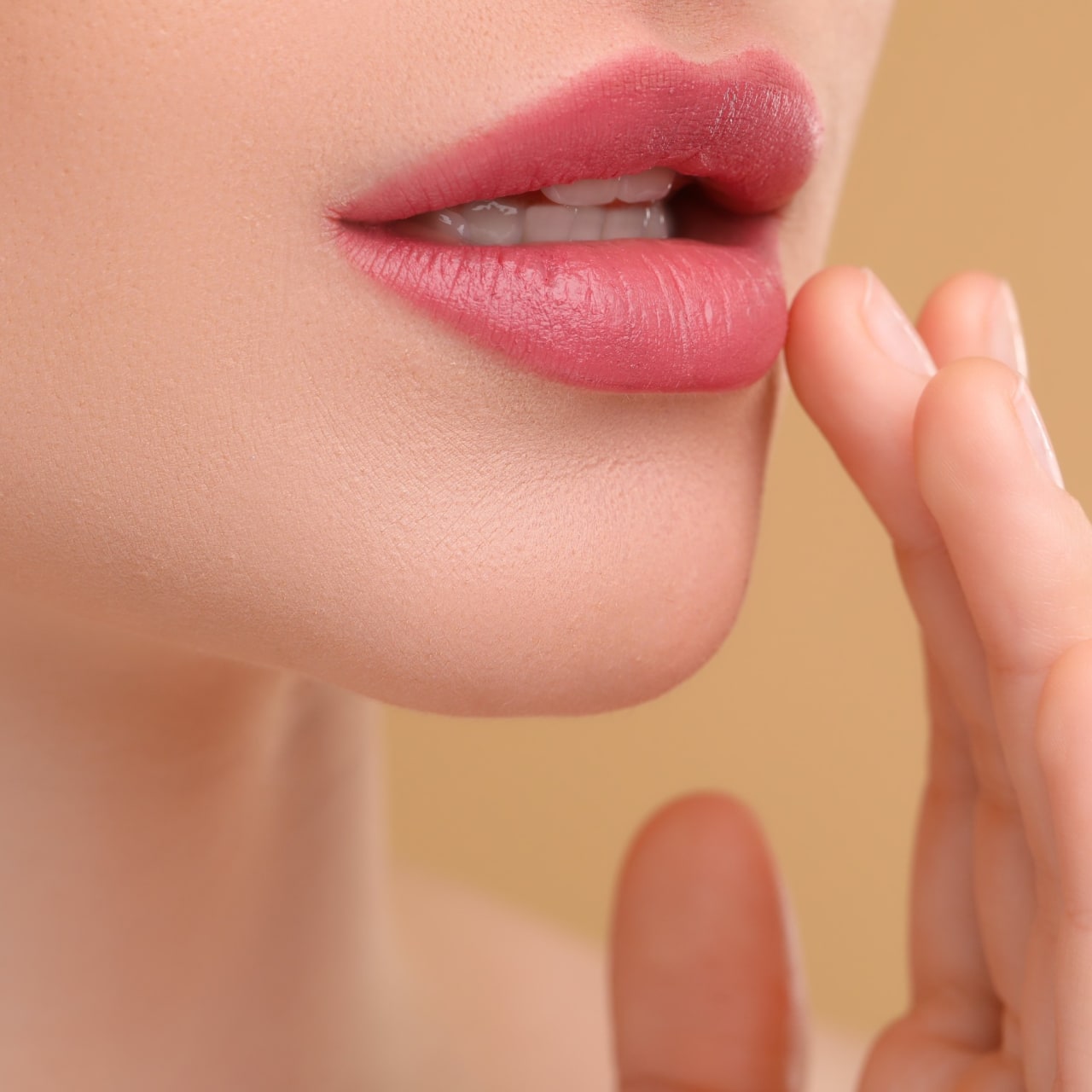
Well-moisturized lips are supple, soft, and comfortable, without any tightness or irritation. They are free of cracks and chapping, and their surface is smooth and even. This optimal hydration allows lips to better withstand external aggressors and climatic changes, such as cold, wind, or sun.

This also means that the cells of the epidermis retain sufficient moisture thanks to a functional skin barrier. Natural hydration is complemented by suitable moisturizing lip care products, such as balms or oils. Rich in nourishing agents, they strengthen this barrier and prevent dehydration. The result: smooth, plump, comfortable, and protected lips, ready to face any season.

Why moisturize your lips?

Protecting a particularly delicate area

Lips have virtually no sebaceous glands, so they lack a natural hydrolipidic film to retain moisture. Without external hydration, they dry out much faster than the rest of the face and are particularly vulnerable to cold, wind, and UV rays. Moisturizing with balms, gels, or oils compensates for this lack of sebum, strengthens the skin barrier, and helps epidermal cells retain water to keep lips supple and comfortable.

Prevent chapping, cracking, and soreness

Lips that aren’t properly moisturized can dry out, crack, and then chap. Regularly moisturizing your lips helps prevent tingling, burning sensations, and small cracks. This helps limit micro-lesions and speeds up their healing when they’ve already formed.

Fighting external aggressors

Cold, wind, dry air, sun, and even pollution exacerbate moisture loss in the lips’ already fragile skin. A well-formulated lip balm or moisturizing stick acts as a protective barrier. It limits water evaporation and shields the lips from the daily environmental aggressors they face.

Improve the appearance and comfort of your lips every day

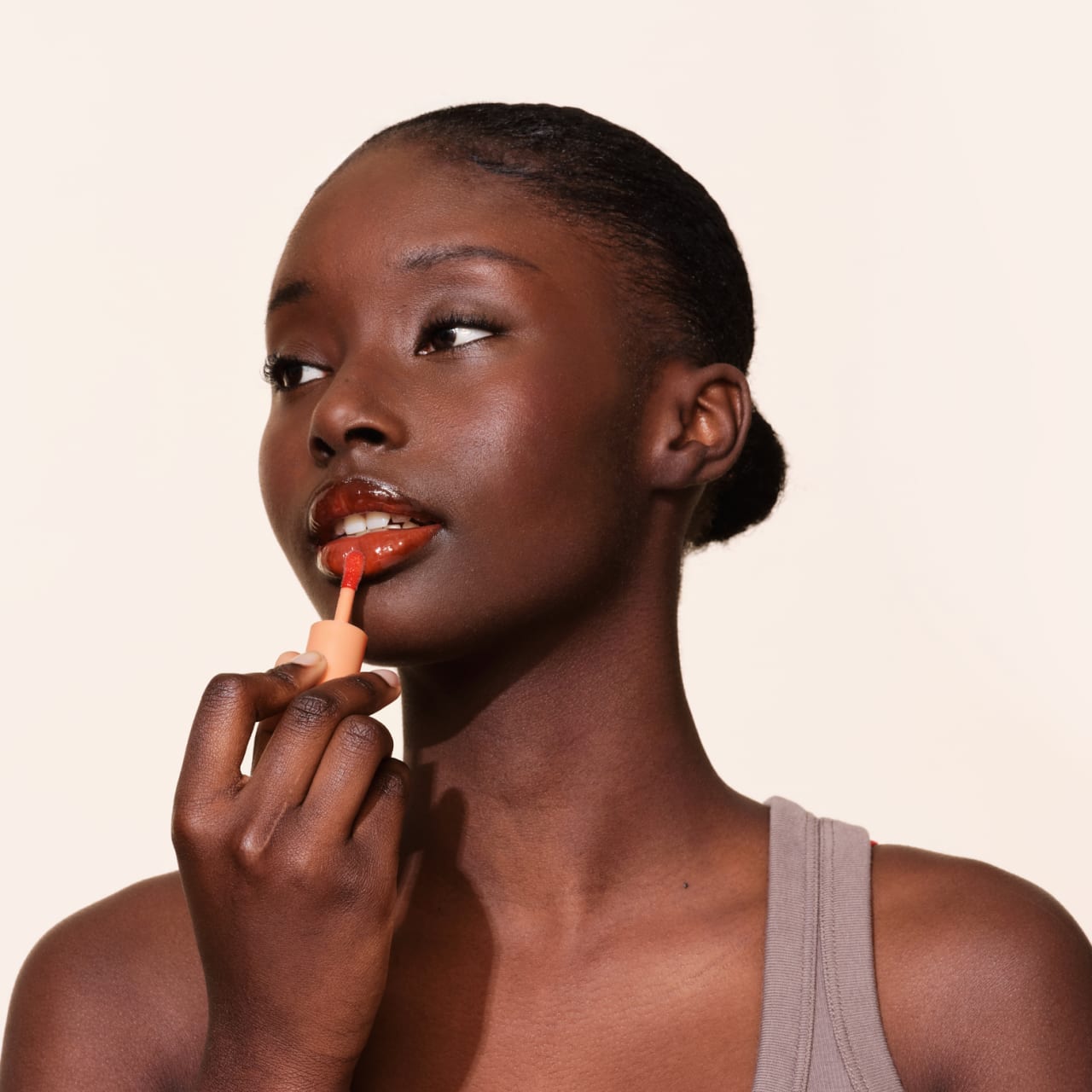
Well-moisturized lips are smooth, soft, and even in color, free of flaky skin or dull patches. Their overall appearance is more "plump" and radiant. This smooth surface also improves makeup staying power. Lipstick and gloss apply more evenly, highlight fewer imperfections, and the finish is cleaner and more uniform for a beautiful smile.

What are the benefits of moisturizing lip protection?

Using a lip moisturizer offers many benefits, both for the health and the appearance of your skin. Here are the main advantages:

  • Prevent chapping: Regular moisturizing helps prevent painful and uncomfortable chapping, especially in winter or during dry weather

  • Maintain softness and suppleness: Lip moisturizers deeply nourish the skin. Your lips feel softer, plumper, and more pleasant to the touch

  • Protect against external aggressors: whether it’s wind, sun, or pollution, a moisturizing lip balm acts as a protective barrier, especially when it contains oils to lock in moisture

  • Accelerate repair : if your lips are already chapped, products enriched with repairing ingredients, such as shea butter or aloe vera, promote healing and regeneration of this delicate area

  • Make makeup application easier: Hydrated lips are smooth and even, providing better hold for lipstick or gloss.

As you can see, adopting a tailored skincare routine ensures your lips stay protected, repaired, soft, and plump in any situation.

Which lip moisturizers should you use?

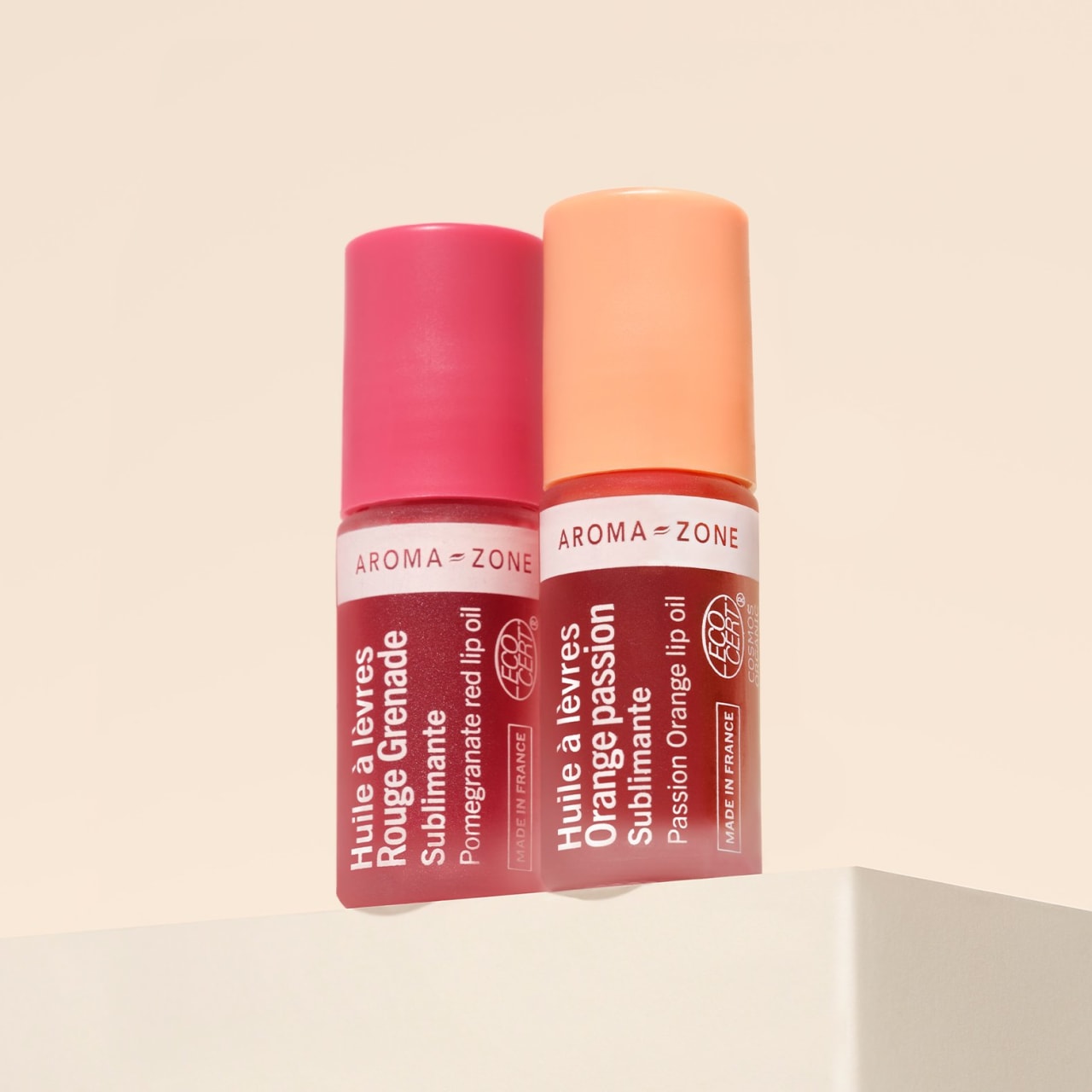
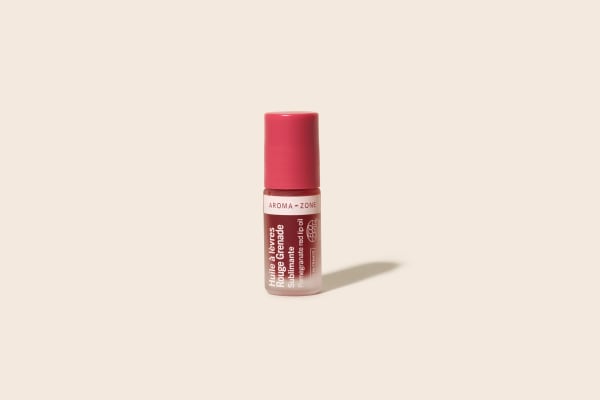
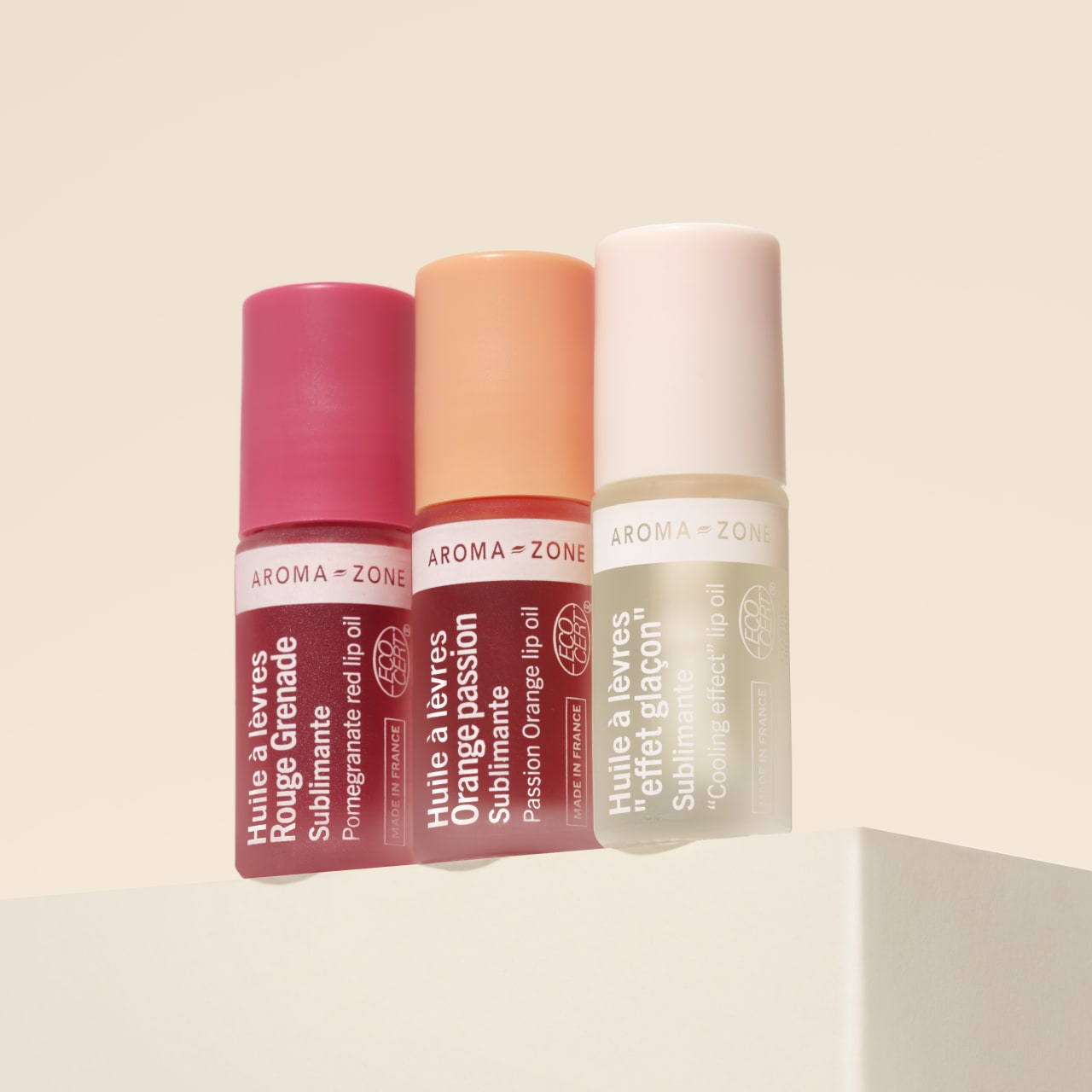
packshot_huile-a-levres_rouge.jpg
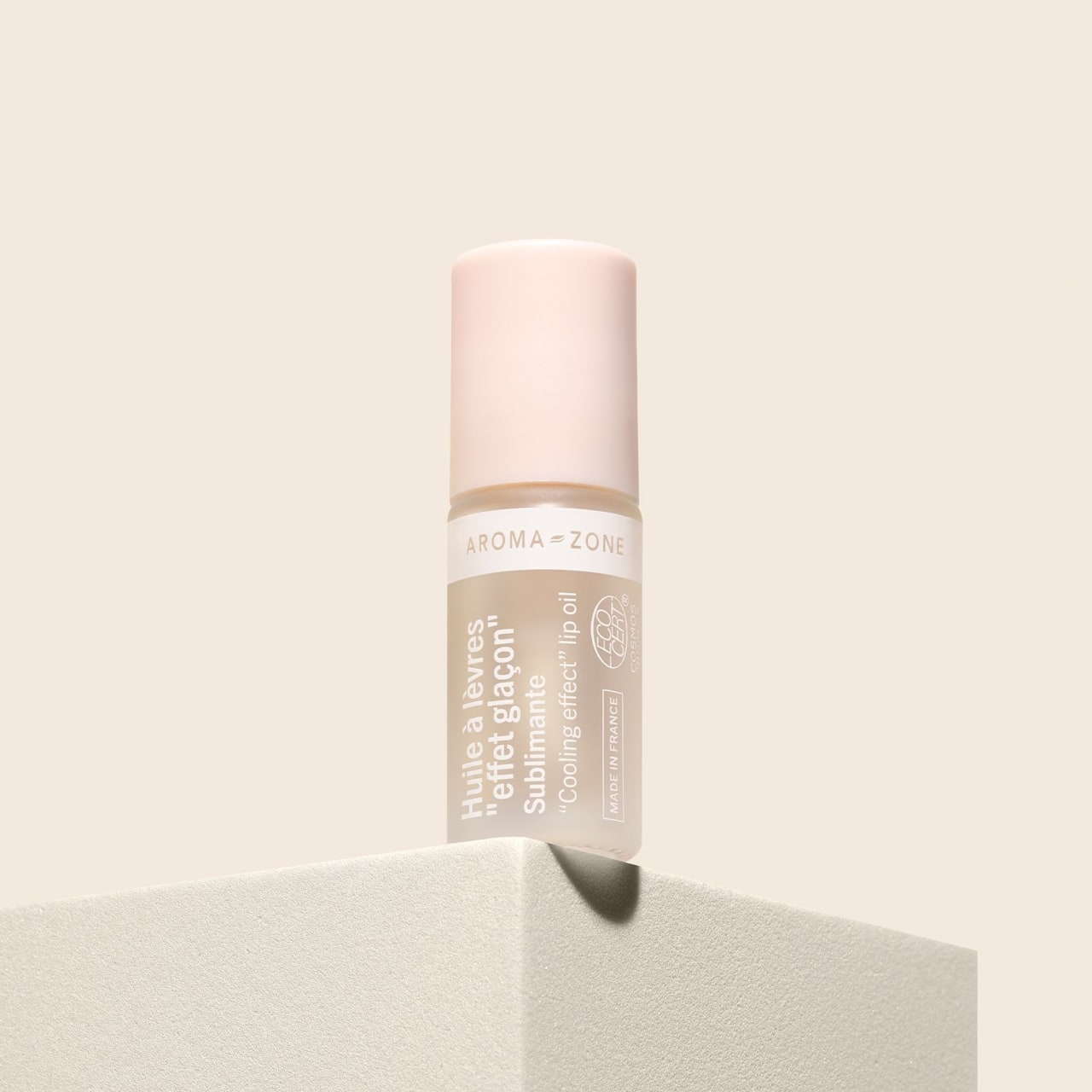
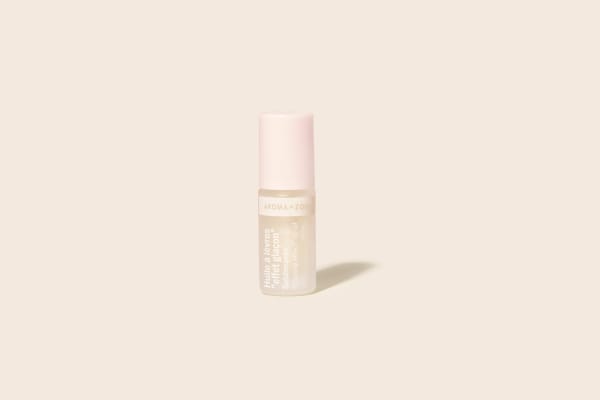
packshot_huile-a-levres_transparente.jpg

Lip balms

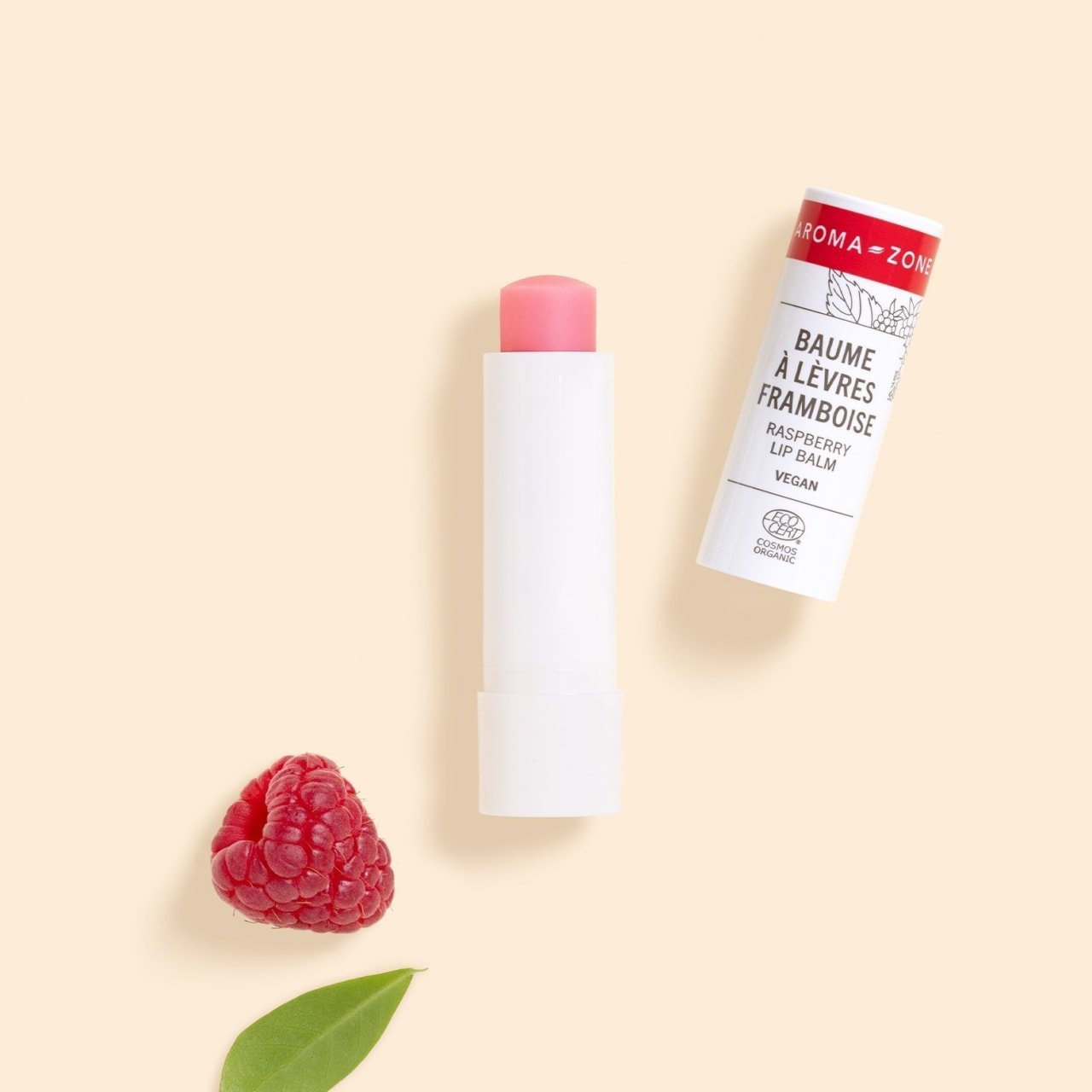
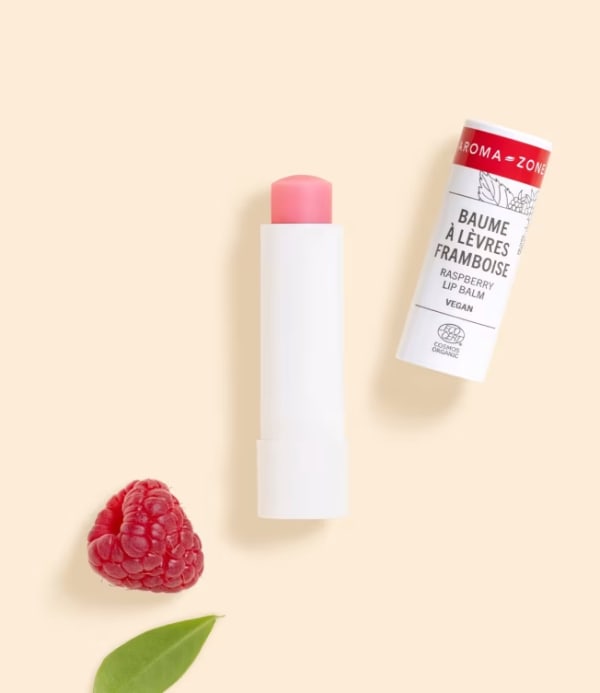
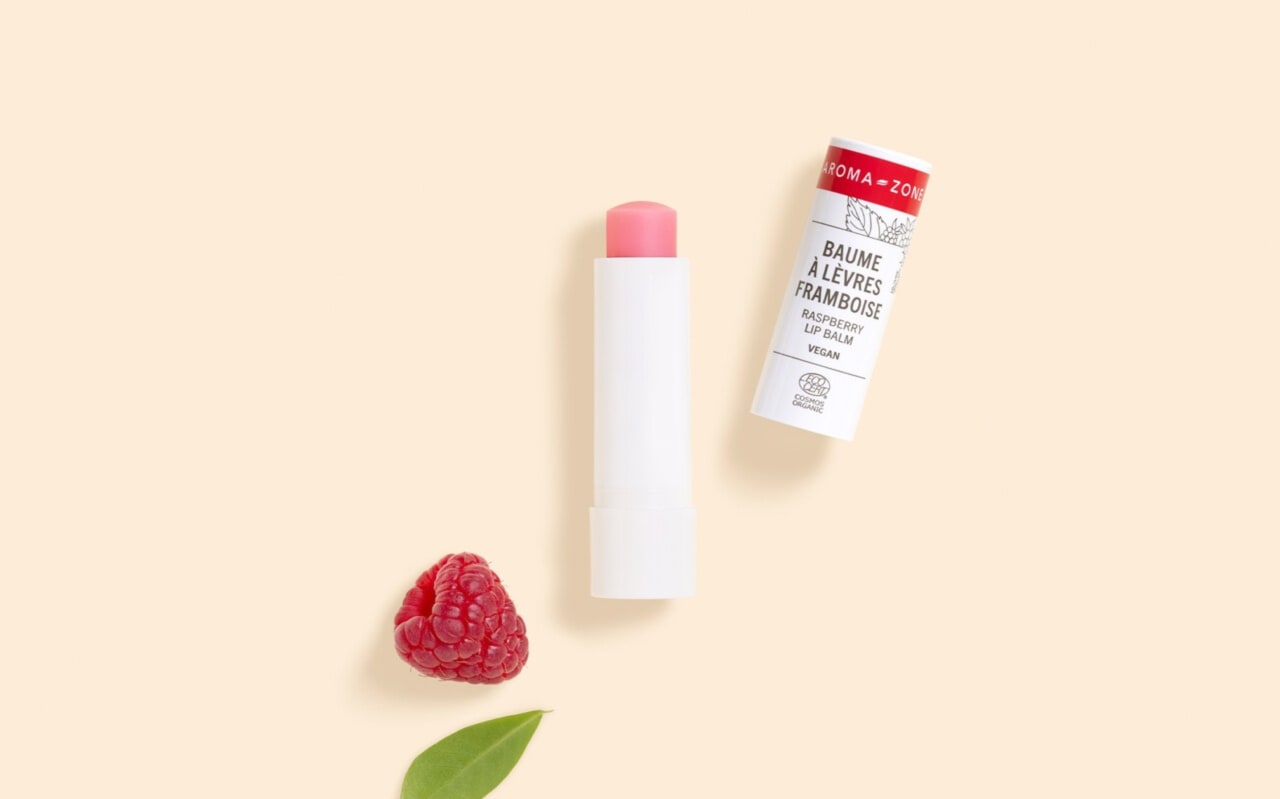
Organic Vegan Raspberry Lip Balm

Organic Vegan Raspberry Lip Balm

Deliciously fruity, this creamy lip balm envelops your lips in pure indulgence! Rich in nourishing organic shea butter and protective raspberry plant oil, this 100% naturally derived, certified organic and vegan lip moisturizer softens and enhances your lips. Its fresh raspberry scent and melt-in-your-lips texture make it an irresistible treat for soft, luscious lips.

Discover the Organic Vegan Raspberry Lip Balm

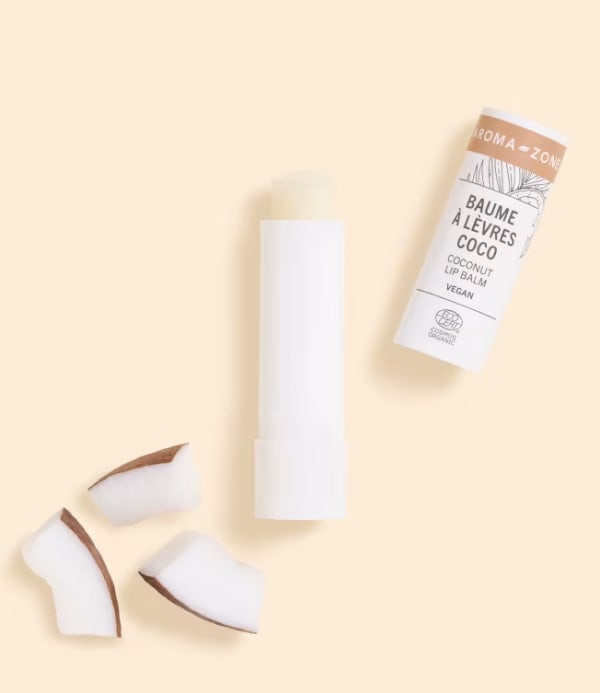
Organic Vegan Coconut Lip Balm

Rich in protective organic shea butter, softening organic coconut oil, and repairing organic bisabolol, this certified organic and vegan moisturizing lip balm nourishes, beautifies, and softens the lips. Delicious, it envelops the lips in a sweet, indulgent scent of fresh coconut pulp.

Discover the Organic Vegan Coconut Lip Balm

Homemade masks

The natural solutions below are excellent ingredients for making your own homemade moisturizing lip masks.

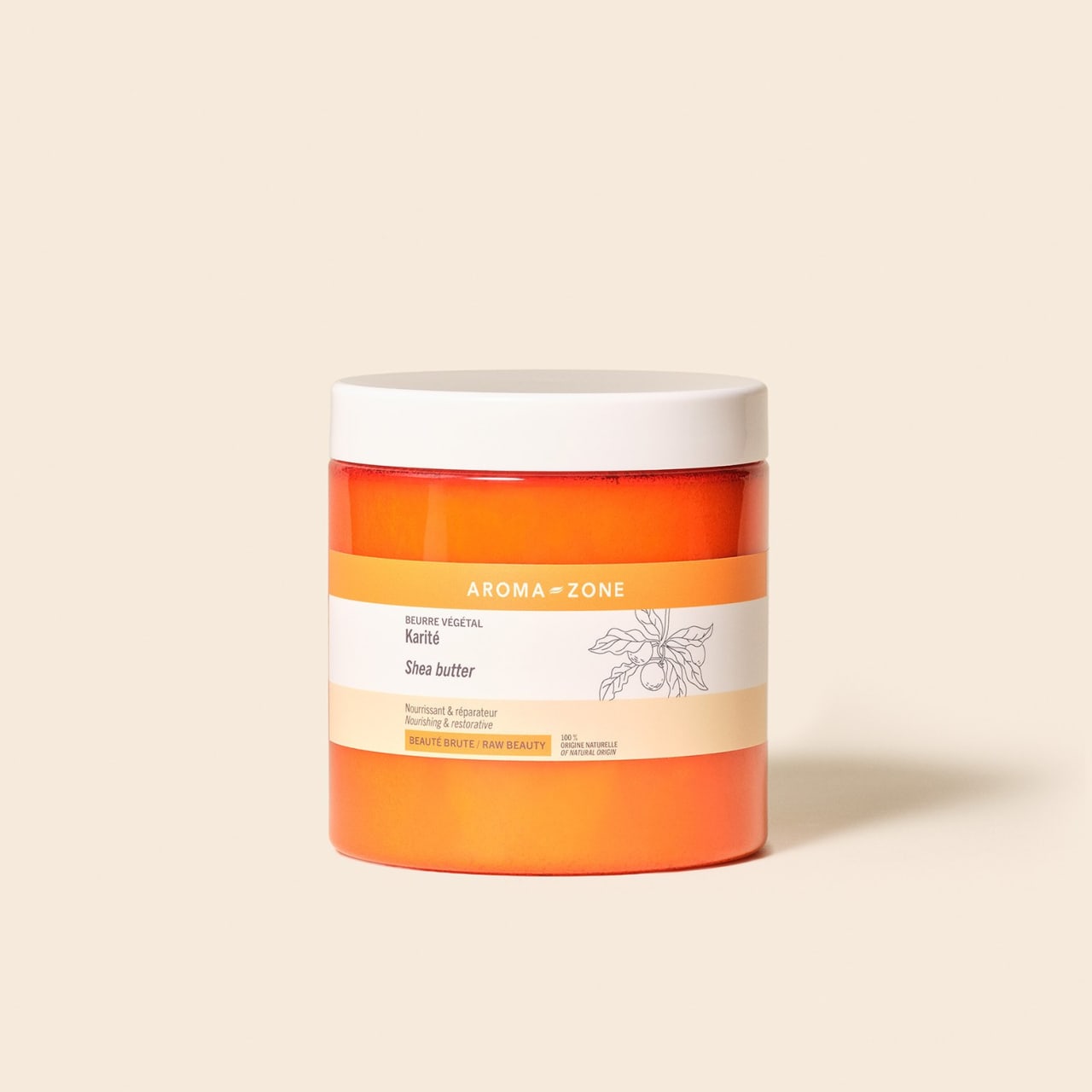
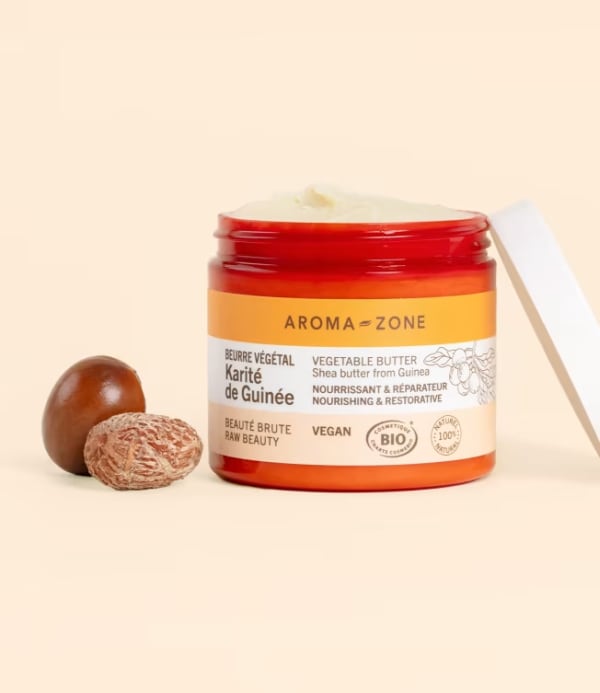
Organic Shea Butter from Guinea

Guinean Shea Butter has ultra-nourishing and restorative properties. It deeply regenerates dry lips.

Discover Organic Guinean Shea Butter

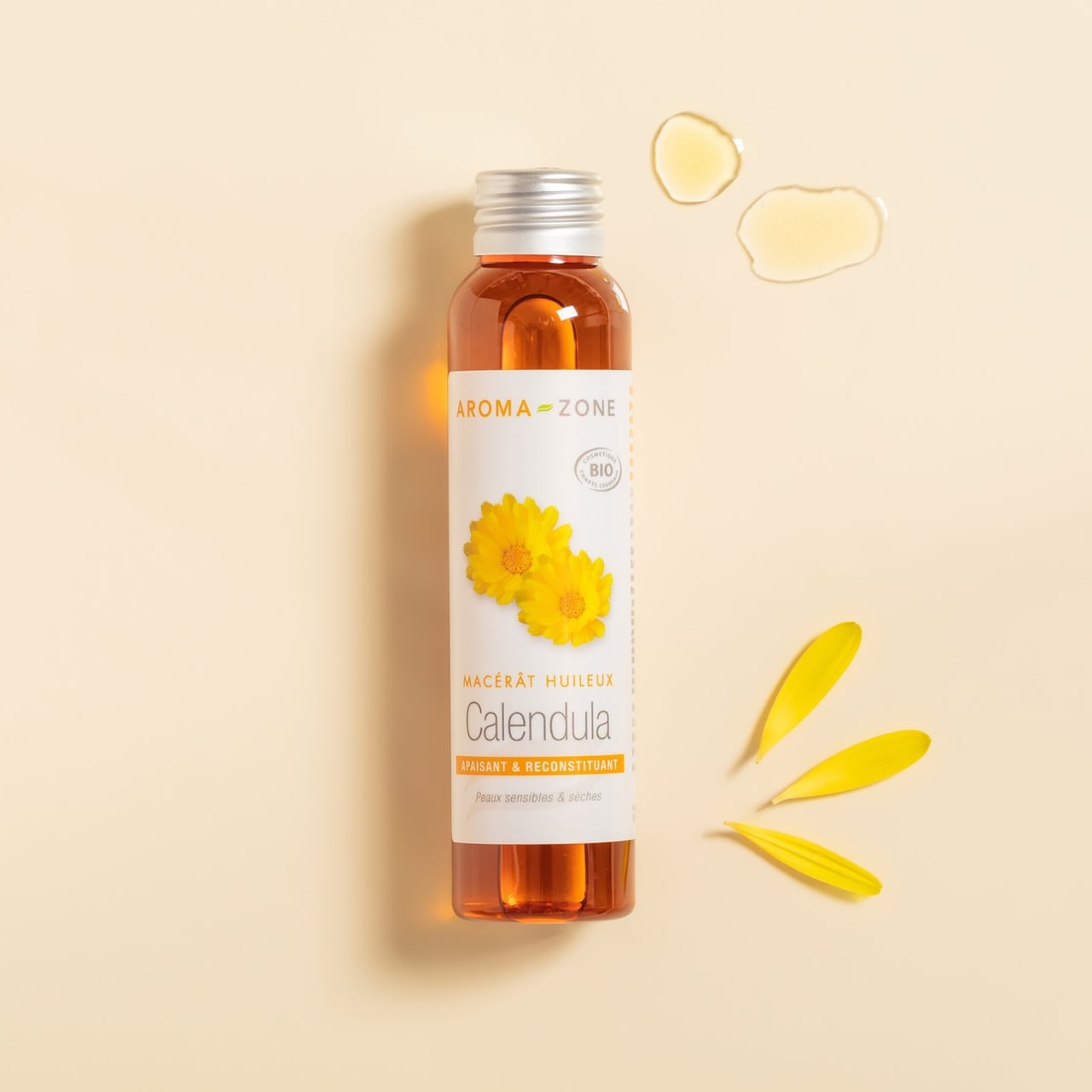
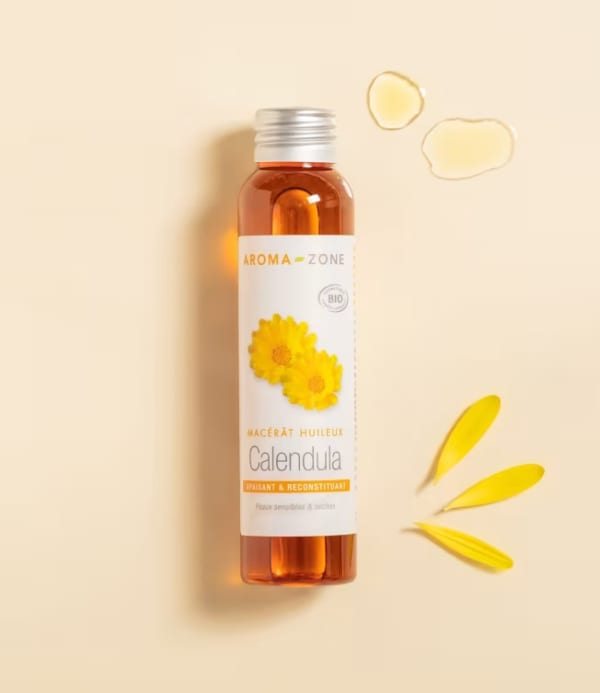
Organic Calendula Oil (oily macerate)

Calendula Oil (oily macerate)

Calendula oil has soothing and healing properties. It helps repair and soften lips while soothing irritation.

Discover Organic Calendula Oil (oily macerate)

Protective treatments

The natural solutions below are excellent ingredients for making your own homemade lip moisturizers.

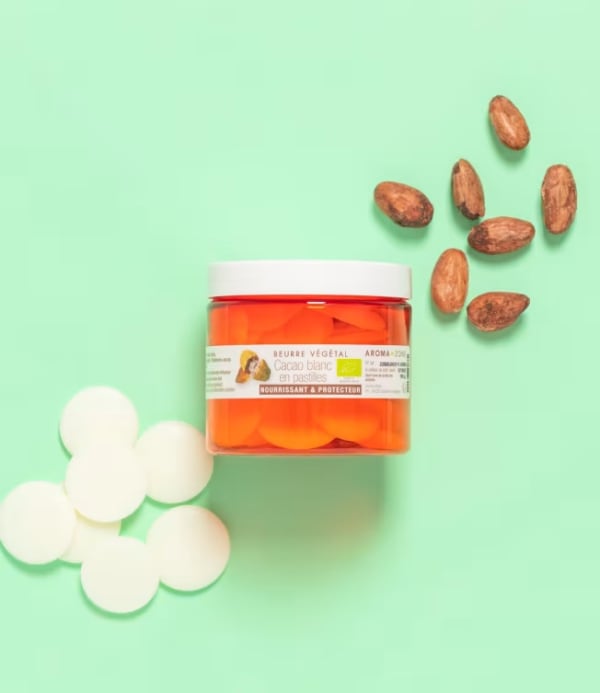
Organic White Cocoa Butter Tablets

Organic White Cocoa Butter Balm

Ideal for protecting lips from the cold and dryness, cocoa butter forms a nourishing layer that locks in moisture. It’s also rich in antioxidants, which help keep lips looking youthful.

Discover Organic White Cocoa Butter Pastilles

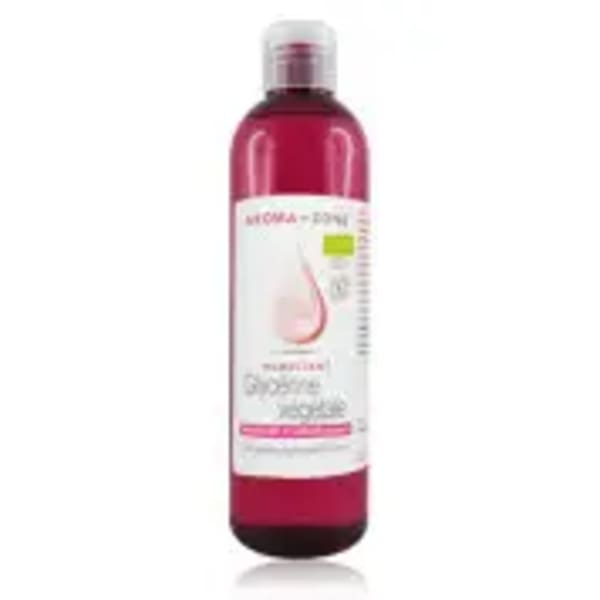
Vegetable Glycerin

Vegetable glycerin has humectant properties. It attracts water and helps maintain the skin’s natural moisture content, thereby preventing dehydration. As an emollient, it softens and smooths the lips, making them feel smoother and softer to the touch. You can incorporate it into a balm or moisturizing cream. Additionally, vegetable glycerin provides a subtle shine, perfect for a natural glossy finish.

Discover Organic Palm-Free Vegetable Glycerin - Emollient

Plant-based oils

The plant-based oils listed below are excellent ingredients for making your own homemade lip moisturizers.

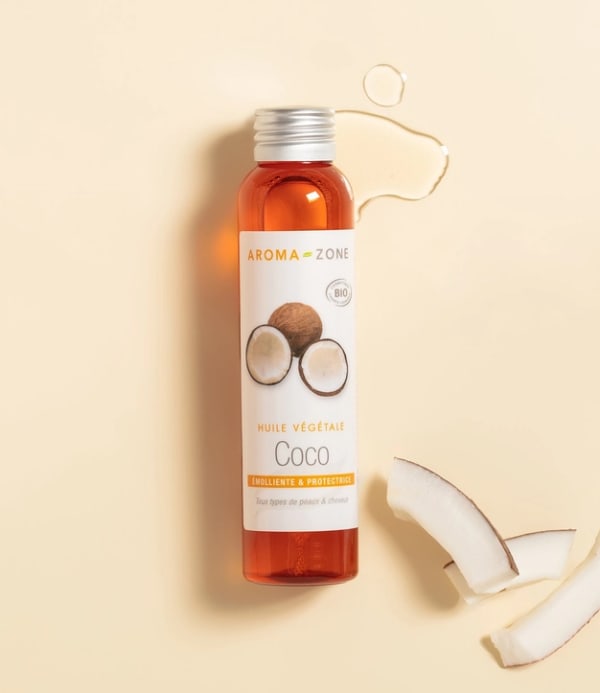
Organic Coconut Oil

Rich in fatty acids, coconut oil deeply nourishes the lips and repairs cracks caused by dryness. It helps restore the lips’ suppleness and forms a protective barrier to prevent dehydration.

Discover Organic Coconut Oil

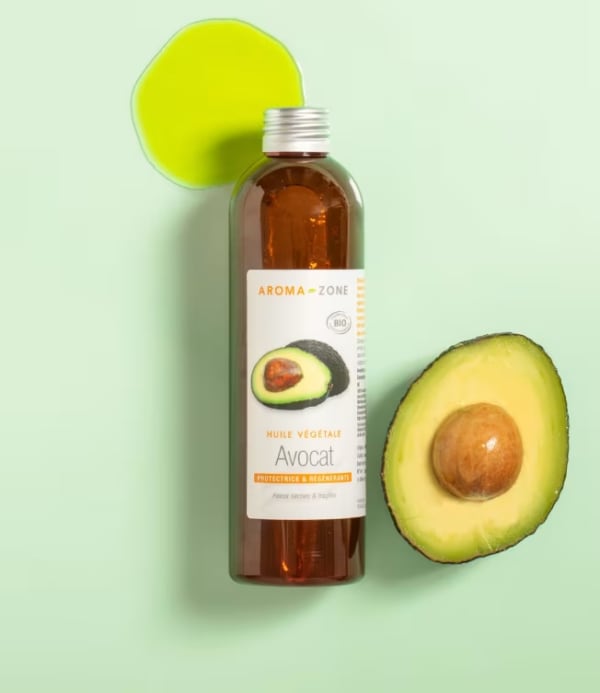
Organic Avocado Oil

Thanks to its ultra-nourishing and regenerating properties, avocado oil repairs dry and chapped lips. It is particularly rich in essential fatty acids and vitamins A and E, making it ideal for creating an intensive treatment.

Discover Organic Avocado Oil

How can you keep your lips well-moisturized?

  1. Gently exfoliate your lips (1 to 2 times a week) : use a gentle scrub to remove dead skin or massage your lips with a soft-bristled toothbrush. This stimulates circulation and prepares your lips to fully absorb the products applied afterward, while giving them a smoother appearance

  2. Pay special attention to the lip contour: since the lip contour is particularly delicate, it deserves specialized care. Before applying your day or night cream, apply a specific lip moisturizer, such as aloe vera or a hydrating lip contour treatment, to nourish this sensitive area and prevent the appearance of fine lines

  3. Deeply nourish your lips: After exfoliating or whenever they feel dry, apply a nourishing balm rich in natural ingredients, such as shea butter. This helps keep your lips soft and hydrated all day long

  4. Treat them to a restorative treatment (1–2 times a week): For intensive care, apply a restorative moisturizing lip mask in the evening, once or twice a week. This treatment targets dry or damaged lips, providing long-lasting comfort and suppleness

  5. Protect them from the sun every day: We too often forget to protect our lips from the sun. When you’re out and about, apply and carry a lip balm with SPF—ideal for water activities and outdoor adventures.

Precautions

Before starting a dedicated lip care routine, it’s important to follow a few essential precautions to avoid any discomfort. First, use scrubs sparingly. Since lips are covered in particularly thin skin, exfoliating too frequently can weaken them. Limit this practice to once or twice a week to prevent irritation and discomfort.

Always perform a patch test before applying a new lip moisturizer. Test it on a small area of your skin, such as the inside of your wrist or behind your ear. Wait 24 hours to ensure no allergic reaction occurs. Finally, consult a professional if necessary. In cases of persistent dryness, chronic chapping, or other unusual symptoms, it is recommended to seek the advice of a dermatologist or healthcare professional.

Expert Advice

When the body is dehydrated, the lips are often the first to suffer! So be sure to drink plenty of water throughout the day—at least 1.5 liters. Proper hydration from the inside is essential for keeping your lips supple and preventing them from drying out. Of course, feel free to add water-rich foods (cucumbers, fruits) to your meals. On the other hand, be careful with dehydrating beverages, such as alcohol or coffee! By choosing water and herbal teas, you help your skin stay beautiful and comfortable. It’s a simple step, but so effective for taking care of yourself.

Spotlight on Our Writer: Louise Hourcade

After graduating from ESCP Business School in 2020, Louise began her career as a writer in 2021. Today, she writes a newsletter where she shares cultural recommendations and more personal articles, such as dating apps, therapy, and career guidance. She also writes for the media, brands and agencies on subjects such as well-being, mental health, culture, and society.

Bibliography

  1. NIH, How to Promote Skin Repair? An In-Depth Look at Pharmaceutical and Cosmetic Strategies, 2023 -

    https://pmc.ncbi.nlm.nih.gov/articles/PMC10144563/

  2. NIH, Deposition of plant lipids after single application of a lip care product determined by confocal Raman spectroscopy, corneometry, and transepidermal water loss, 2019

    https://pmc.ncbi.nlm.nih.gov/articles/PMC6851866/

  3. NIH, Relationship between lip skin biophysical and biochemical characteristics with corneocyte unevenness ratio as a new parameter to assess the severity of lip scaling, 2021

    https://pmc.ncbi.nlm.nih.gov/articles/PMC8251770/

Frequently Asked Questions

Frequently Asked Questions