Chapped lips that won’t heal: What to do?

Chapped lips that won’t heal: What to do?


By Stéphanie Catrysse

Published on: Wednesday, September 25, 2024, Updated on: Tuesday, September 15, 2026

Do you suffer from chapped lips? Lips can quickly become dry and cracked, particularly during the colder months or in dry conditions. Even with regular moisturising, they can sometimes struggle to recover. In this article, discover the reasons why your lips may remain dry and chapped, and explore our gentle yet effective solutions to help restore soft, smooth and comfortable lips.

Contents

Related products

What are chapped lips?

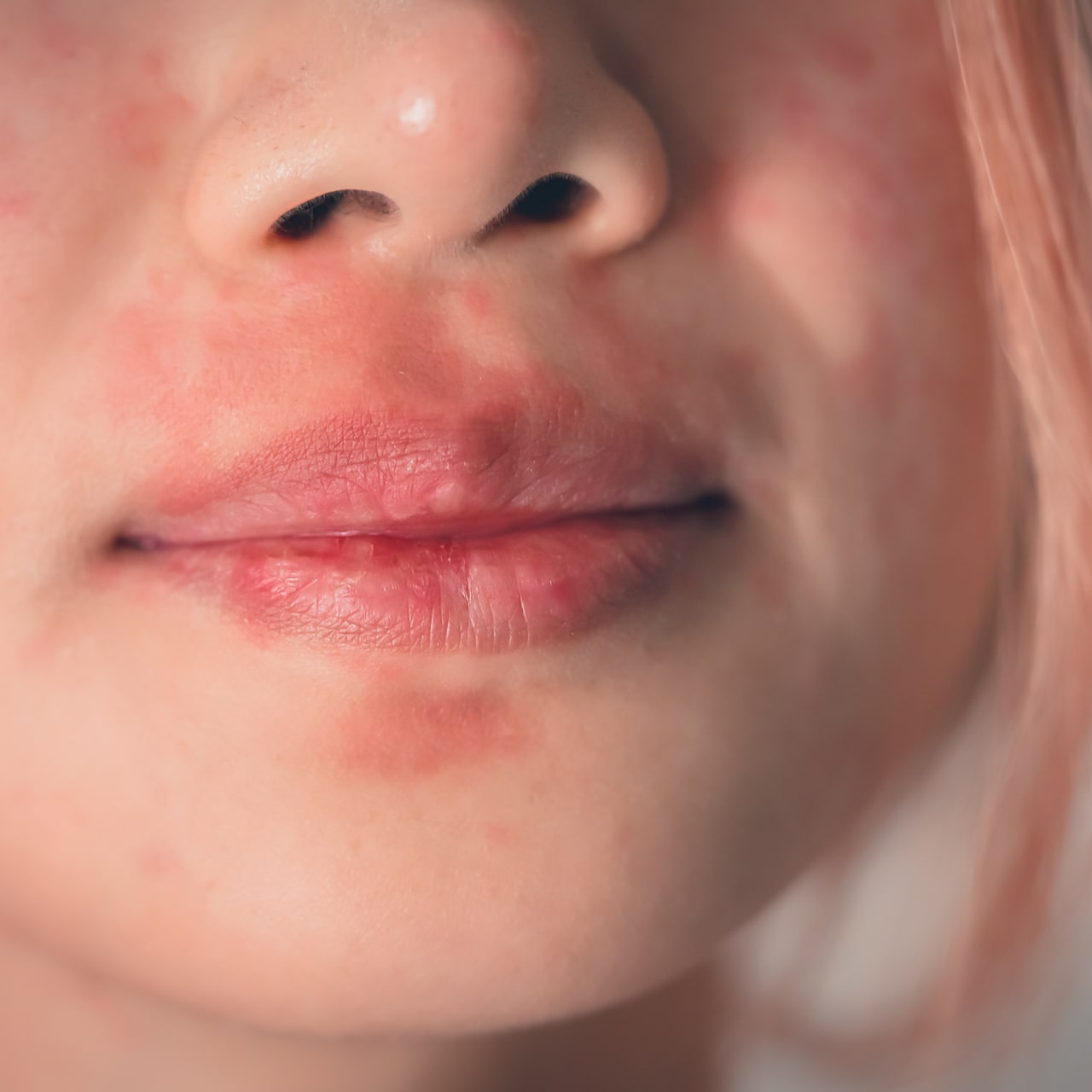
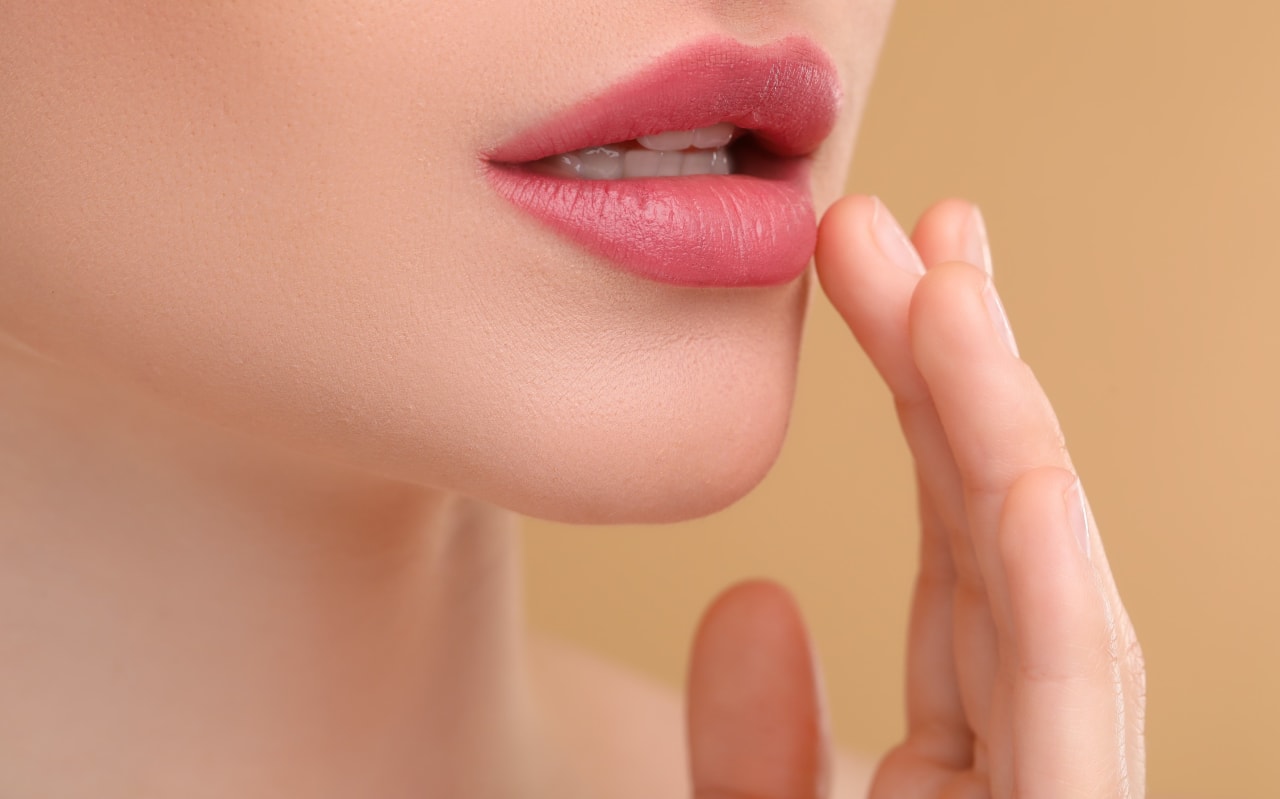
Chapped lips (also known as cheilitis) are characterised by intense dryness, flaking, and sometimes painful cracks on the thin skin of the lips. This can occur due to exposure to elements such as wind, cold, or dry air. Unlike the skin on the rest of the body, the lips do not contain sebaceous glands, making them particularly vulnerable to dehydration. When the lips’ protective barrier is compromised, they become rough, dry, and sometimes painful.

Most of the time, chapped lips are temporary and go away with proper moisturising. However, if the condition persists, this may indicate an underlying issue that is important to identify so it can be treated effectively.
Why don’t they heal?

Various factors can contribute to the onset and persistence of chapped lips:

Lack of hydration: Insufficient water intake dries out both skin and lips. 

Exposure to the elements: Wind, cold, dry air, or even the sun can damage the lips’ natural skin barrier, leading to chapping.

Excessive moisturising of the lips: Although it may feel soothing at the time, frequent licking of the lips strips away natural oils and creates a vicious cycle, drying them out even more.

Allergies or irritations: Certain cosmetics or foods can cause lip irritation or an allergic reaction, leading to persistent chapping.

Nutritional deficiencies: A lack of vitamins, particularly B vitamins, C, and E, can weaken the skin’s ability to regenerate and stay hydrated.

Using unsuitable products: Certain lip balms containing ingredients such as camphor or alcohol can, over time, dry out the lips instead of moisturising them.

Underlying health issues: Certain conditions such as atopic dermatitis, eczema, diabetes, and even thyroid disorders can cause chronic chapped lips.

Side effects of medications: Certain treatments, such as retinoids used to treat acne, can cause dry lips.

What are the characteristics associated with chapped lips?

Chapped lips present a range of symptoms that vary in intensity depending on the severity of the problem. The most common signs are:

  • Dryness: A general feeling of dryness is the first sign

  • Peeling: The lips peel and lose their outer layer, often in the form of small flakes of dead skin

  • Cracks: Painful cracks may form, particularly at the corners of the mouth, making movement difficult and sometimes very painful

  • Redness: The lips may become red or irritated

  • Bleeding: In more severe cases, the lips may bleed, especially when they are very dry or cracked

  • A burning or tingling sensation: Increased irritation or sensitivity may accompany dryness

  • Sensitivity to cold or heat: Lips may become more sensitive to temperature changes, causing discomfort

  • A dull appearance: Lips may lose their natural lustre and appear dry, white, and lifeless.

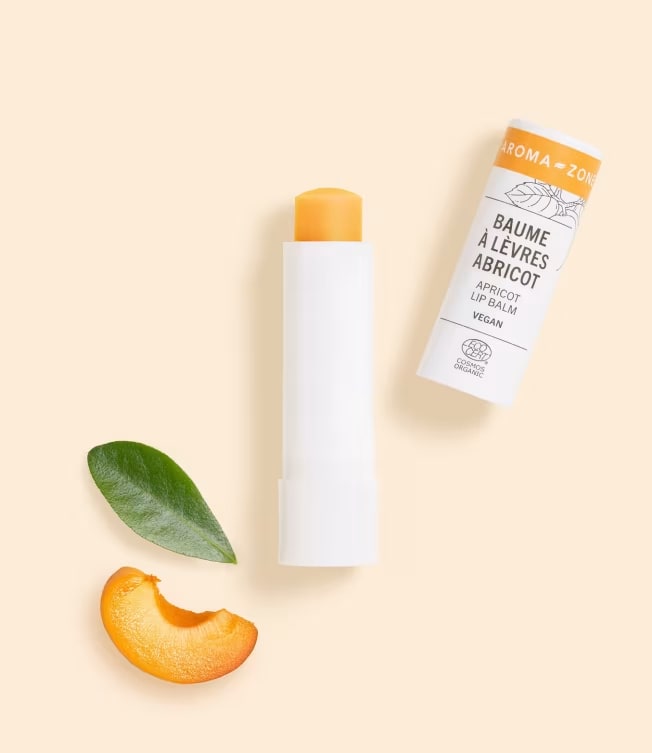
Spotlight on the Organic Apricot Lip Balm

Organic Apricot Lip Balm

A delicious apricot-scented balm for a smile you’ll want to kiss! Rich in softening organic apricot oil, organic shea butter, and organic castor and coconut oils, this 100% natural, certified organic, and vegan treatment nourishes and envelops your lips in softness. Creamy, it enhances the lips and coats them with an irresistible fruity aroma. Very practical, this stick is easy to apply and can be taken anywhere.

Discover the Organic Apricot Lip Balm

What are some natural remedies for chapped lips?

To naturally soothe and moisturise your chapped lips, here are our simple, effective, and gentle solutions:

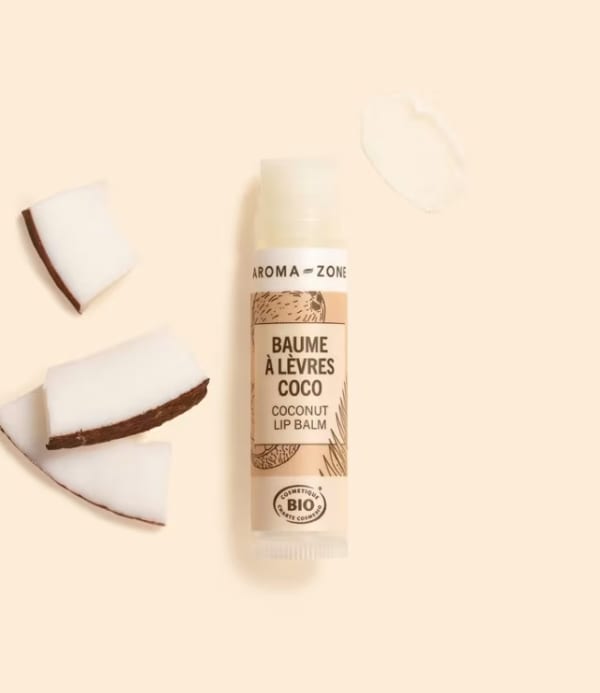
Coconut Lip Balm

Enriched with organic shea butter, organic coconut oil, and organic castor oil, this lip balm moisturises, deeply nourishes, and creates a protective barrier against environmental damage from cold or wind. Thanks to its natural formula, this balm quickly soothes chapped lips while leaving a soft, sweet coconut scent. Apply generously several times a day, especially before going outside, and reapply as soon as you feel your lips drying out.

Discover the Coconut Lip Balm

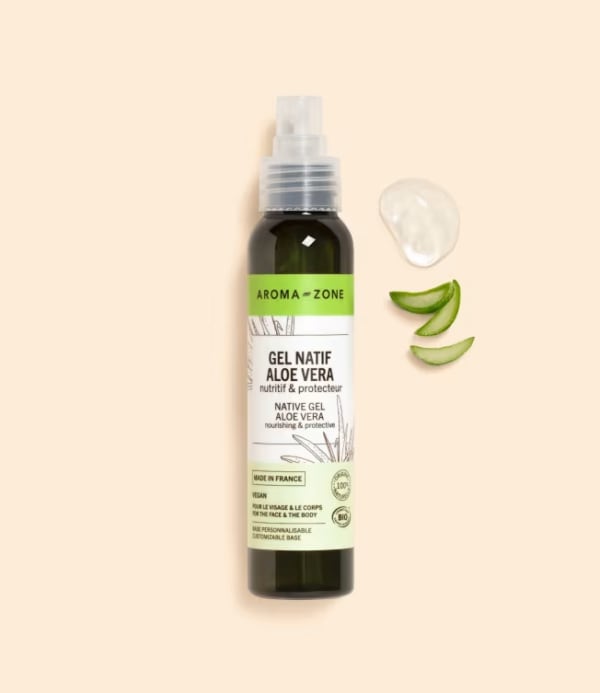
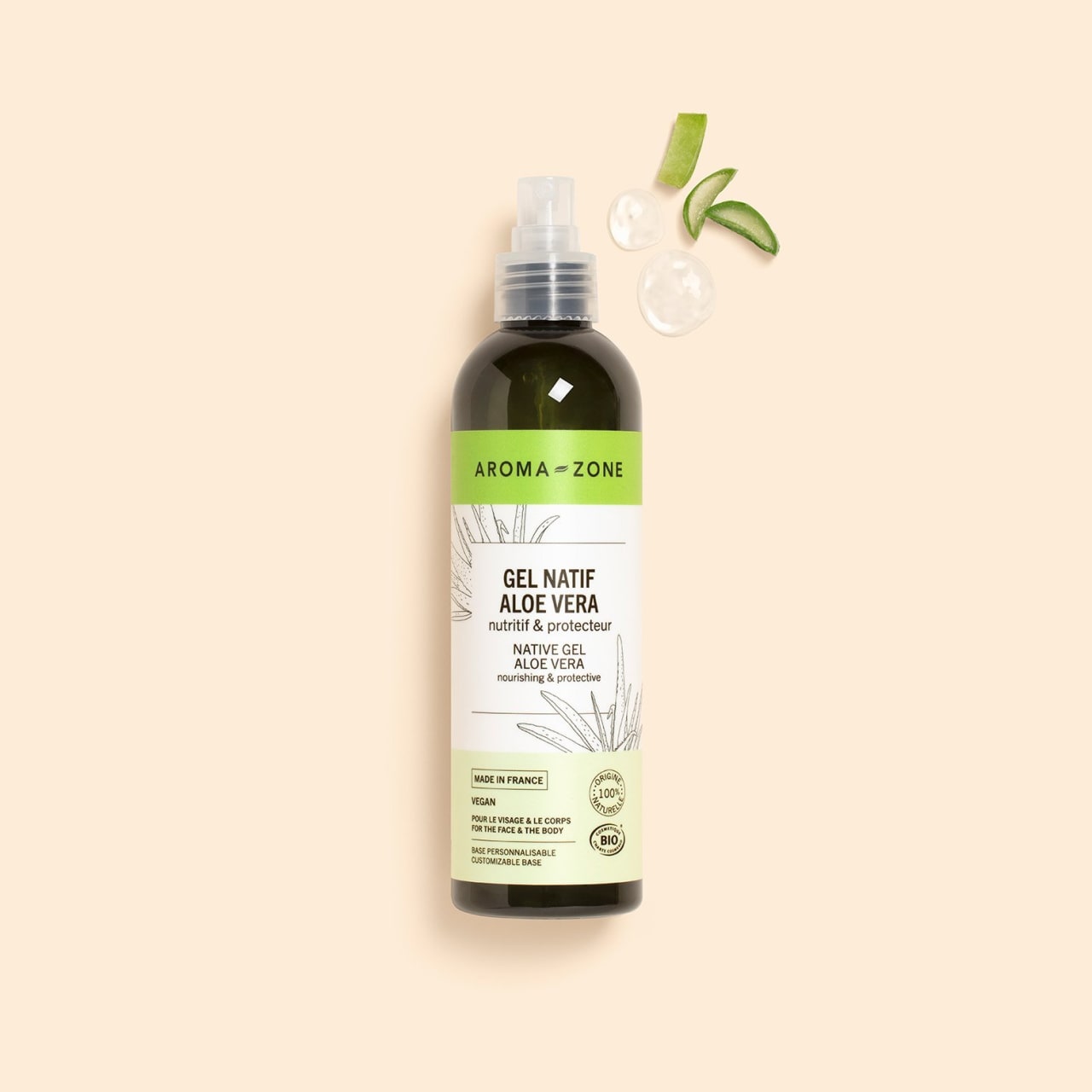
Aloe vera gel

Aloe vera gel has powerful soothing and healing properties. Rich in vitamins and minerals, it instantly relieves irritated or inflamed lips. It is particularly effective if your lips are sore due to deep cracks. You can apply a thin layer of aloe vera gel directly to your lips two to three times a day to soothe inflammation and speed up healing. You can also combine it with other balms to boost hydration.

Discover Aloe vera gel

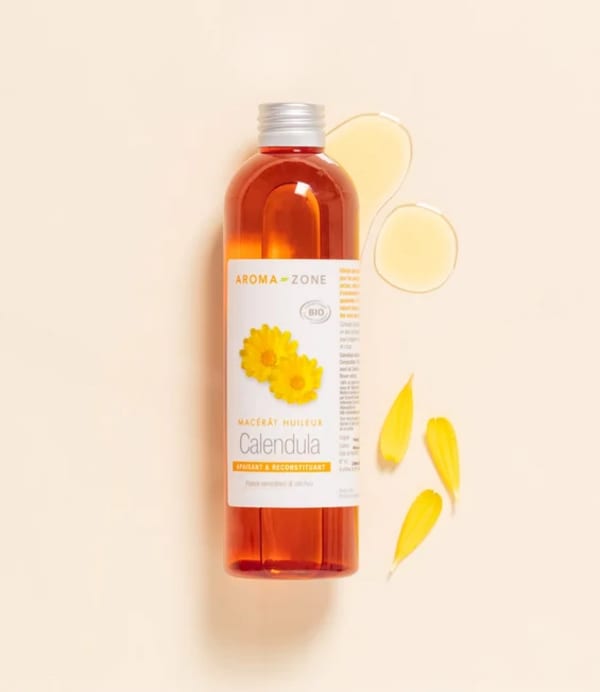
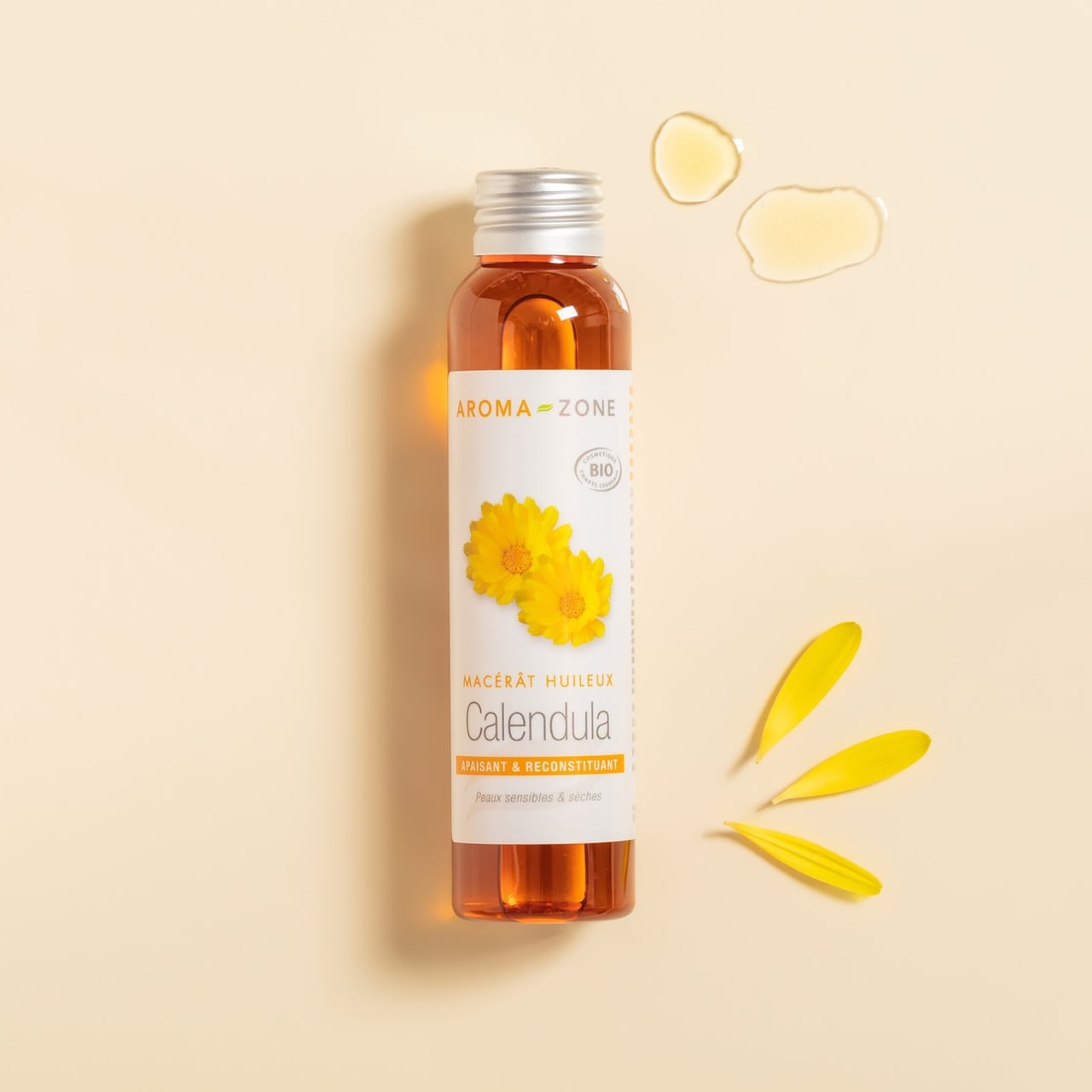
Organic Calendula Oil (infused oil)

Calendula oil is also an excellent remedy for soothing skin irritations. Its anti-inflammatory properties make it a gentle yet effective solution for repairing damaged and very dry lips. It helps restore suppleness to the lips and prevent recurring chapping. Massage a few drops of oil directly onto your lips before going to bed to promote regeneration overnight. You can also use it as a complement to your daily lip balm.

Discover Organic Calendula Oil (oily macerate)

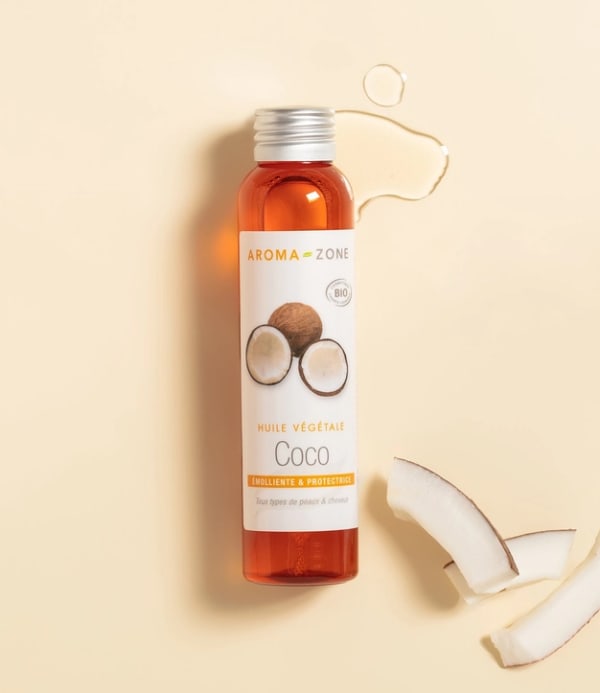
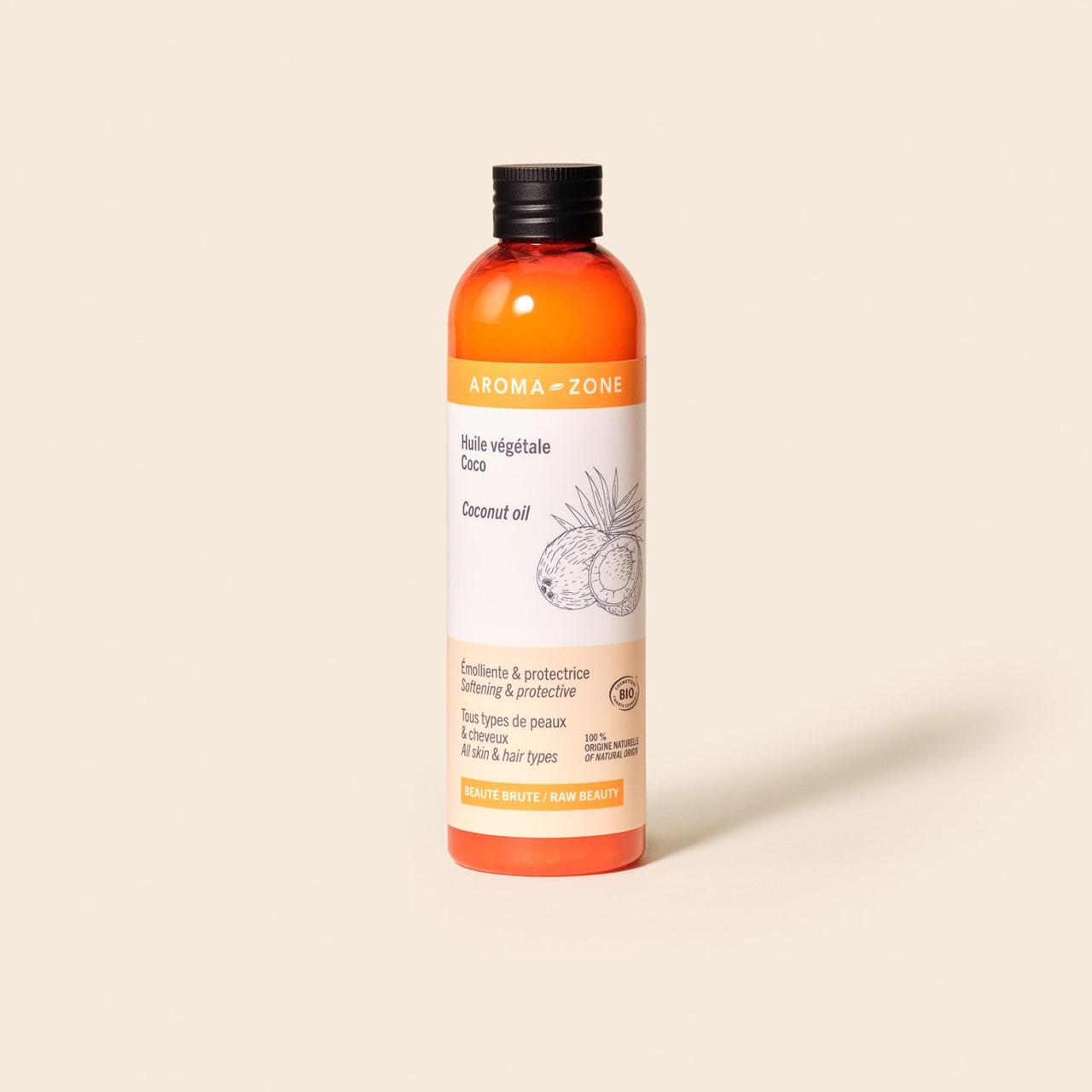
Organic Coconut Oil

Thanks to its moisturising and antimicrobial properties, coconut oil helps repair lips while protecting them from potential infections associated with chapping. Apply a small amount of coconut oil directly to your lips several times a day, especially before going out or going to bed. Its nourishing properties and gentle scent make it a pleasant product to use every day.

Discover Organic Coconut Oil

What are some natural remedies for chapped lips that are slow to heal?

Our grandmothers already knew how to soothe chapped lips using simple, natural ingredients. Here are a few effective remedies:

Honey: Apply a thin layer of pure honey, preferably organic, directly to your lips. Its natural antibacterial properties help prevent infections that can occur when cracks are deep. In addition, honey promotes healing by accelerating skin cell regeneration. Leave it on for 10 to 15 minutes before rinsing or gently blotting away the excess with a soft tissue.

Plain yoghurt: Plain yoghurt, rich in lactic acid, has moisturising and soothing properties. Apply a small amount of yoghurt to your lips and let it sit for about 10 minutes. The lactic acid in yoghurt helps gently exfoliate dead skin cells, while its probiotics and creamy texture provide immediate hydration. This remedy is ideal for particularly dry and sensitive lips.

Olive oil: Rich in essential fatty acids and vitamins, olive oil is a nourishing and protective ingredient for the lips. Massage a few drops of olive oil onto your lips several times a day to deeply nourish them and protect them from environmental damage. It helps restore the skin’s elasticity and prevents new chapping. This remedy is particularly effective when applied before bedtime, for overnight action.

Cucumber: Gently apply a slice of fresh cucumber to your lips and let it sit for 5 to 10 minutes. Rich in water and vitamins, cucumber helps immediately soothe chapped lips while providing natural hydration. This remedy is ideal during hot weather or when your lips need a quick refresh.

Exfoliation: Bonus Tip

Sugar: Sugar is an excellent natural exfoliant. To remove dead skin that builds up on chapped lips, you can make a homemade scrub by mixing a teaspoon of sugar with a little coconut or olive oil. Gently rub it onto your lips in circular motions to smooth the surface and reveal softer lips. This scrub should only be used once or twice a week to avoid irritating the skin.

How can you prevent chapped lips?

Prevention is better than cure. To avoid chapped lips, here are our prevention tips:

  1. Stay hydrated: drink enough water throughout the day to avoid dehydration

  2. Protect your lips from the elements: apply a lip balm containing SPF (sunblock) when you go outside, even in winter

  3. Avoid licking your lips: running your tongue over your lips only worsens dryness by removing the natural oils that protect them

  4. Use natural lip balms: opt for balms that are free of alcohol and artificial fragrances, which could irritate your lips

  5. Humidify your environment: if the air in your home is dry, consider using a humidifier to maintain proper humidity levels

  6. Eat a healthy, vitamin-rich diet: make sure to consume foods rich in vitamins B, C, and E, which are essential for the health of your skin and lips

Our remedies for chapped lips

Precautions for use

If your chapped lips show no improvement despite regular application of moisturisers, or if you notice signs of infection (excessive redness, swelling, oozing), we recommend consulting a healthcare professional (ideally a dermatologist). Some cases of chapped lips may require specific medical treatment.

Expert Tip

If your chapped lips don’t heal despite your care, check the cosmetics you use daily. Some lipsticks, glosses, or tinted balms contain synthetic or allergenic ingredients that can further irritate your lips. Opt for natural and hypoallergenic products for this sensitive area.

Spotlight on Our Naturopathic Writer: Stéphanie Catrysse

Stéphanie Catrysse is a naturopath (certified by the FENA), a wellness massage and lymphatic drainage practitioner, and a personal development coach. She is passionate about alternative medicine and practices a holistic approach to health.

Bibliography

  1. Anti-inflammatory and wound healing activities of Calendula officinalis L. extract, Parente LM, Lino Júnior RS, Tresvenzol LM, Vinaud MC, de Paula JR, Paulo NM — Brazilian Journal of Pharmacognosy (2012)

    https://doi.org/10.3390/cosmetics8020031

  2. Honey in dermatology and skin care: A review, Al-Waili N, Salom K, Al-Ghamdi A, Ansari MJ — Journal of Cosmetic Dermatology (2017)

    https://doi.org/10.1111/jocd.12058

  3. Aloe vera: A Short Review, Surjushe A, Vasani R, Saple DG — Indian Journal of Dermatology (2008)

    DOI: 10.4103/0019-5154.44785

  4. Sun protection for the lips: A review of the efficacy of lip-specific sunscreens, Wang SQ, Lim HW — Journal of the American Academy of Dermatology (2013)

    https://doi.org/10.3390/pr13092864

Frequently Asked Questions

Frequently Asked Questions