What to Do About Eczema Around the Mouth

What to Do About Eczema Around the Mouth


By Lauréna Valette

Published on: Monday, December 18, 2023, Updated on: Wednesday, September 30, 2026

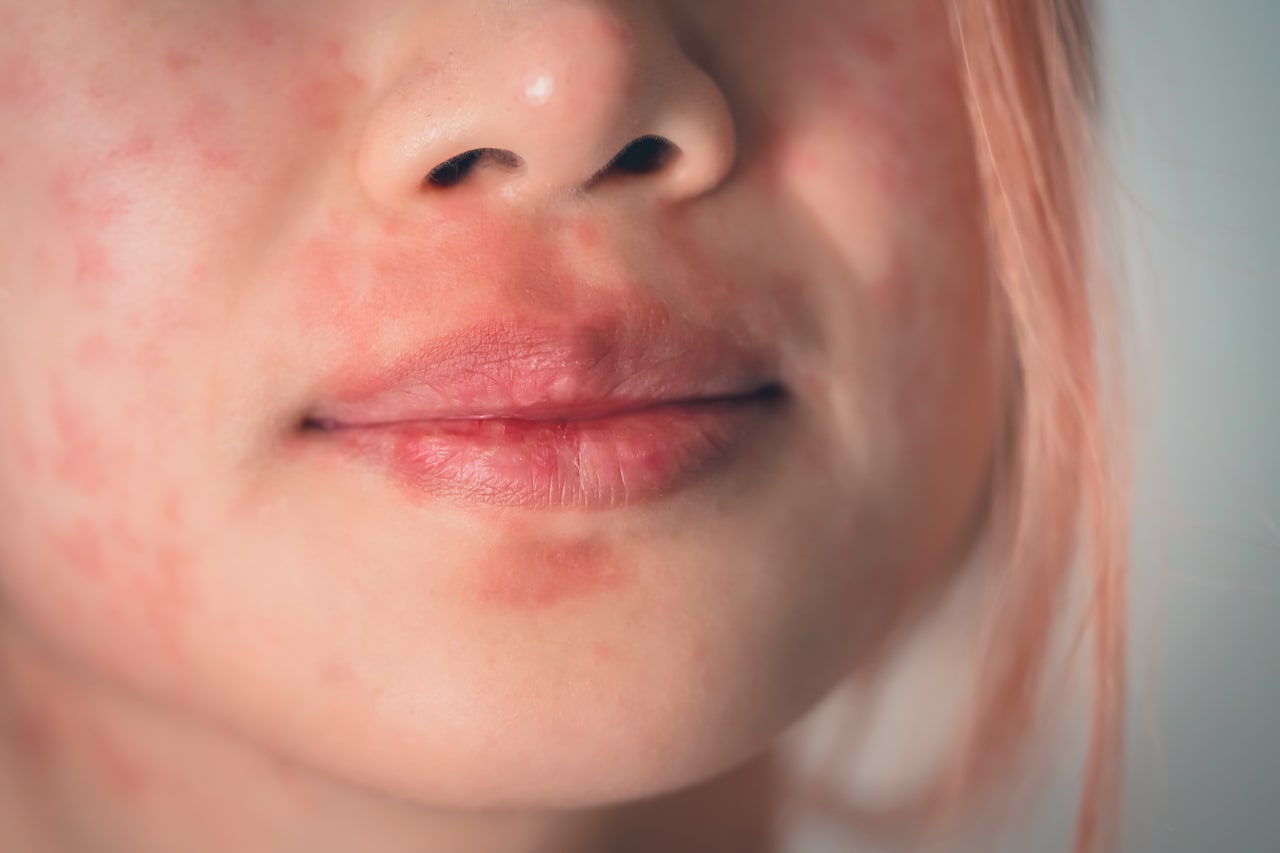
Eczema around the mouth can cause redness, dryness, cracks, itching or a burning sensation. This area is particularly vulnerable: saliva, food, toothpaste, cosmetics, lip balms, cold, wind or friction can weaken the skin. However, not all irritation around the mouth is eczema. A fungal infection, cold sore, perioral dermatitis, angular cheilitis or a reaction to a product can produce similar symptoms. Treatment therefore depends on the cause. If the lesion is persistent, painful, weeping, recurrent, or widespread, seek medical advice to confirm the cause.

Contents

Related products

What Is Lip Eczema (Cheilitis)?

Cheilitis refers to inflammation of the lips. It can affect the vermilion border – that is, the visible red part of the lips – the lip margins or the skin around the mouth. When it is of the eczematous type, it is referred to as eczematous cheilitis or lip dermatitis [1]. It most commonly presents as dryness, redness, flaking, cracks, itching or a sensation of irritation. The lips may become sensitive, uncomfortable and sometimes painful when the skin cracks. Cheilitis may be linked to an atopic predisposition, local irritation or a contact allergy. It can also be confused with other lip conditions, notably a fungal infection of the corners of the mouth, perioral dermatitis or cold sores. This clinical similarity highlights the importance of seeking medical advice if the symptoms persist [1,2,3].

What are the different types?

Here are the different types: 

  • Irritant cheilitis: Caused by repeated contact with irritants, such as saliva, certain toothpastes, acidic or spicy foods, cold, wind or repeated rubbing [1,4]

  • Lip-licking dermatitis: Occurs when the lips are repeatedly licked. Saliva first moistens and then dries out the skin, which perpetuates redness, cracks and tightness, particularly in children [4]

  • Allergic contact cheilitis: An allergic reaction triggered by a substance coming into contact with the lips or the area around them. Cosmetics, lipsticks, lip balms, perfumes, preservatives, toothpastes or certain professional products may be involved [2,5]

  • Atopic cheilitis: Occurs in the context of atopic dermatitis. In this case, other areas of the body are also likely to develop similar symptoms, such as dryness, redness, itching or patches of eczema in skin folds, on the eyelids, hands or other areas of the skin [6,7,8]

  • Angular cheilitis or perleche: Affects the commissures, i.e. the corners of the mouth. It is not always eczematous: it can be triggered by local moisture, a Candida infection, bacteria, dental braces, irritation or certain local vulnerabilities [9,10].
What Are the Most Common Causes of Lip Eczema?

Repeated Licking of the Lips

Frequently licking your lips may relieve dryness temporarily. In reality, saliva evaporates quickly and can exacerbate the irritation. It also contains enzymes that can weaken the skin when they repeatedly contact the area around the mouth [4]. This is common in children, but can also occur in adults, particularly during cold weather, stress, dry air or pre-existing irritation.

Cosmetics and Lip Care

Lipsticks, balms, glosses, perfumes, preservatives, sunscreens, essential oils, flavourings, or certain cosmetic active ingredients may cause reactions in some people. A reaction may be irritant or allergic [2,5]. The link is not always immediately apparent. An allergic contact reaction may develop after several uses of a product, sometimes following a period of apparent tolerance. If flare-ups recur after applying the same product, it may be advisable to stop using the suspected product and seek medical advice if the symptoms persist.

Toothpastes and Oral Hygiene Products

Toothpastes, mouthwashes, menthol-based products, foaming agents or antiseptics can irritate the area around the lips in some people. The corners of the mouth and the lip line are particularly vulnerable, as these products can remain there after brushing. Rinsing thoroughly and gently drying the area around the mouth after brushing can help limit prolonged contact with these products.

Atopic Predisposition

In people with atopic dermatitis, the skin barrier is more fragile. The skin retains moisture less effectively and reacts more readily to everyday irritants. The lips and the area around them may then become dry, red, cracked or pruritic, i.e. itchy [6,7,8]. Atopic cheilitis may form part of a wider clinical picture, with other areas affected by eczema.

Cold Weather, Wind and Dry Air

The lips do not have the same protection as the rest of the skin. They are more exposed to cold, wind, dry air, and temperature fluctuations. These factors can lead to chapping, cracks and irritation. In winter, indoor heating can also dry out the air and make tightness feel worse.

Contact Allergens

Certain allergens can trigger allergic contact cheilitis. Lip products are a common source, but other factors may also be involved: toothpastes, metals, musical instruments, objects placed in the mouth, topical treatments, professional-use products or foodstuffs that are handled and then brought into contact with the lips [2,5]. If the condition is suspected, skin allergy tests, known as patch tests, may be recommended. These involve applying diluted allergens to the skin, often on the back, to check for a delayed reaction [11].

What Are Its Main Characteristics?

Here are the main characteristics: 

  • Redness: This may affect the edge of the lips, the area around the mouth or the corners of the mouth

  • Marked dryness: Lips may become rough and uncomfortable, with a tight, pulling sensation

  • Flaking: Small flakes of skin may peel off the surface of the lips or around the mouth

  • Cracks: Mainly appear when the skin is very dry or when the lips open and close frequently

  • Itching: This may lead to scratching, rubbing or licking the lips, which exacerbates the irritation

  • A burning or stinging sensation: May occur on contact with certain foods, toothpastes or topical treatments

  • Thin scabs: May appear following irritation, scratching or cracking

  • Affected corners of the mouth: Corners of the mouth may be red, cracked or painful, but this location may also suggest an infectious angular cheilitis

  • Recurrent episodes: Symptoms may disappear and then return upon renewed contact with an irritant, allergen or aggravating factor.

Clusters of blisters, sharp pain, rapid spread, pus, yellowish scabs, a fever or lesions inside the mouth should prompt a visit to a doctor. These signs may indicate another cause or a secondary infection [9,10,12].

What Triggers This Type of Eczema?

Eczema around the mouth often develops when the lip skin barrier is compromised. The skin then becomes more sensitive to irritants and allergens. A product applied to the lips, toothpaste, saliva, cold, wind or repeated rubbing can perpetuate the inflammation [1,2,4]. In irritant cheilitis, the mechanism is primarily local: the skin is repeatedly exposed to an external factor. In allergic contact cheilitis, the immune system reacts to a specific substance after sensitisation. In atopic cheilitis, the fragility of the skin barrier and atopic predisposition increase the skin’s reactivity [2,6,7]. This can create a self-perpetuating cycle. Dryness causes discomfort; discomfort leads to licking, rubbing or scratching; and these actions in turn further exacerbate dryness and cracking. Identifying the triggers therefore plays a key role.

What Natural Remedies Can Help Relieve Discomfort?

Cleanse the Skin

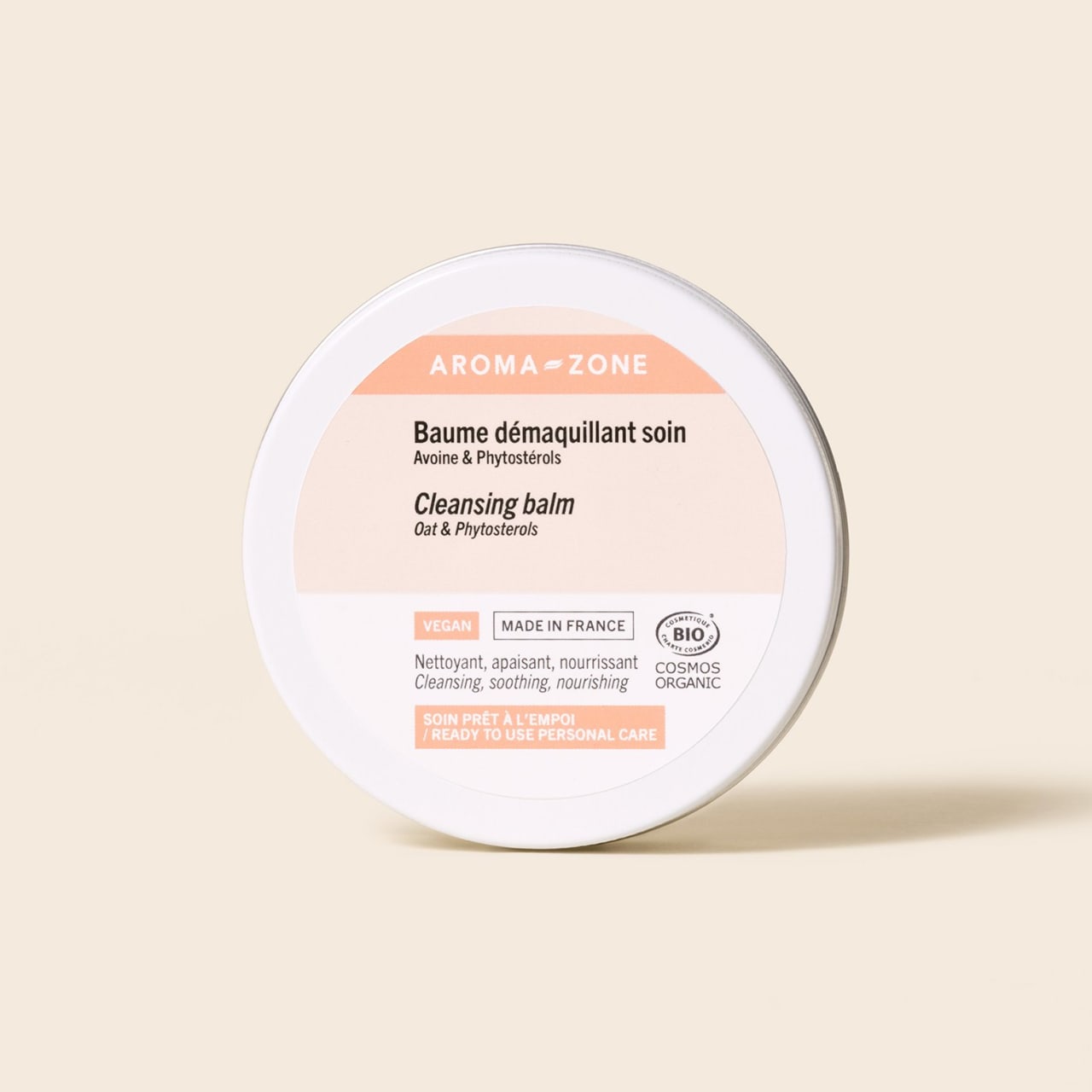
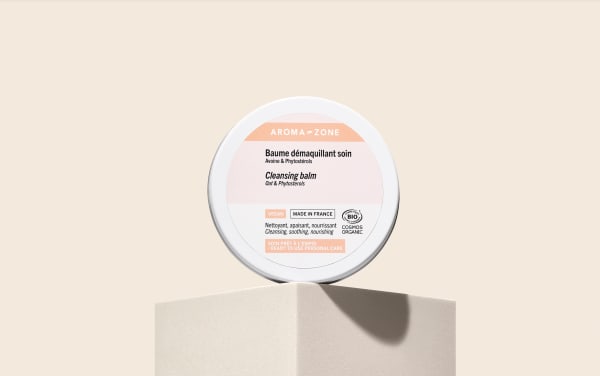
Oat & Phytosterols Cleansing Balm

Oat & Phytosterols Make-up Remover Balm

Enriched with biomimetic active ingredients and oat oil, the Oat & Phytosterols Make-up Removing Balm removes make-up, cleanses and supports the comfort of sensitive skin prone to redness. On contact with water, its enveloping texture transforms into a milky veil to remove make-up and impurities. It is suitable for use as part of a sensitive skin routine, provided there is no active eczema flare-up.

Directions for use: Place a small amount of make-up remover balm in the palm of your hand and warm the product between your hands. Apply to dry skin on the face, lips and eyes, massaging gently in circular motions. Add a little water and massage again: the balm emulsifies and transforms into a milky texture.

Storage: The PAO (Period After Opening) for this product is 9 months. Store away from heat.

Precautions: If exposed to heat, small droplets of oil may appear on the surface without affecting the quality of the product. This is temporary and will disappear at room temperature.

Try the Oat & Phytosterols Make-up Removing Balm

Moisturising the Skin

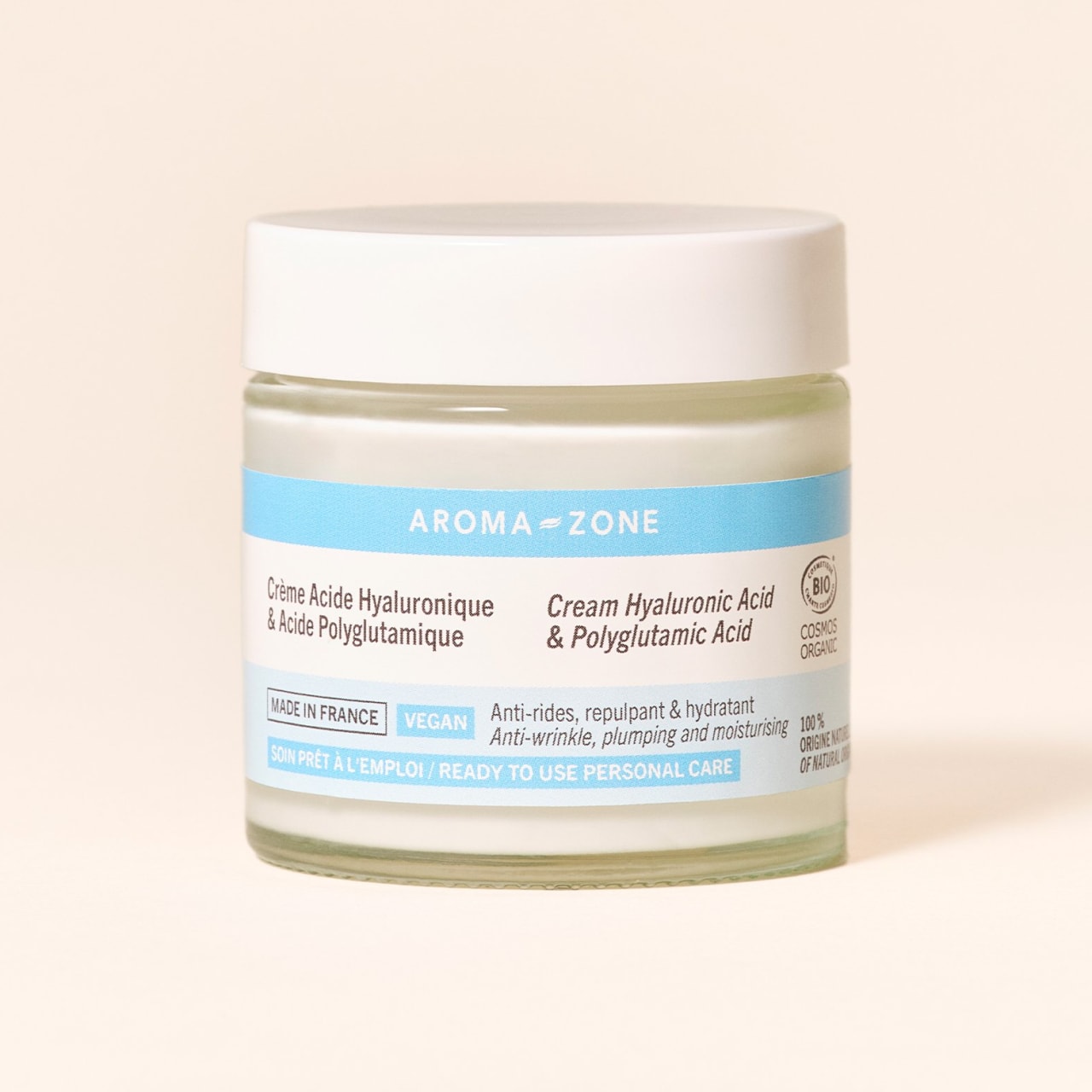
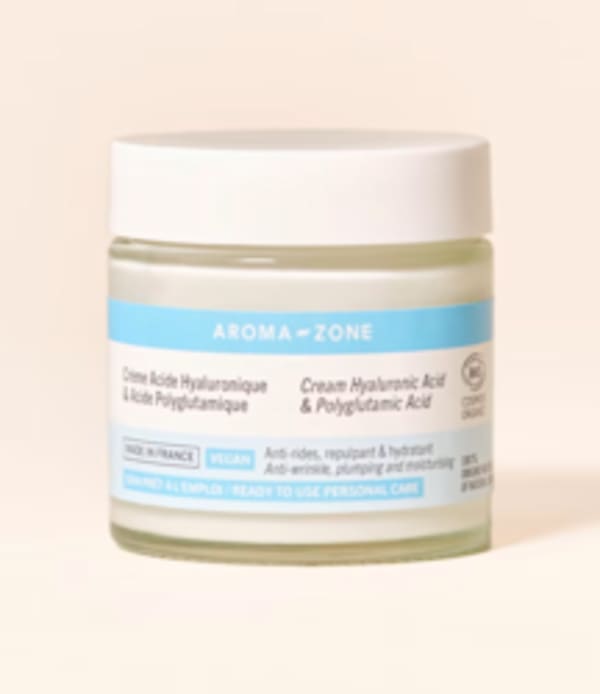
Hyaluronic Acid & Polyglutamic Acid Cream

Hyaluronic Acid & Polyglutamic Acid Cream

The Hyaluronic Acid & Polyglutamic Acid Cream combines hyaluronic acid of various molecular weights with polyglutamic acid. It is designed to hydrate and soothe dehydrated or sensitive skin. It can be used as part of a standard skincare routine, except where there is active eczema, or if the skin reacts or feels tingly.

Directions for use: Apply in the morning and/or evening to the entire face and neck.

Storage: The PAO (Period After Opening) for this product is 9 months.

Precautions: Avoid contact with the eyes; in case of contact, rinse immediately and thoroughly with clean water.

Try the Hyaluronic Acid & Polyglutamic Acid Cream

Treating the Problem from Within

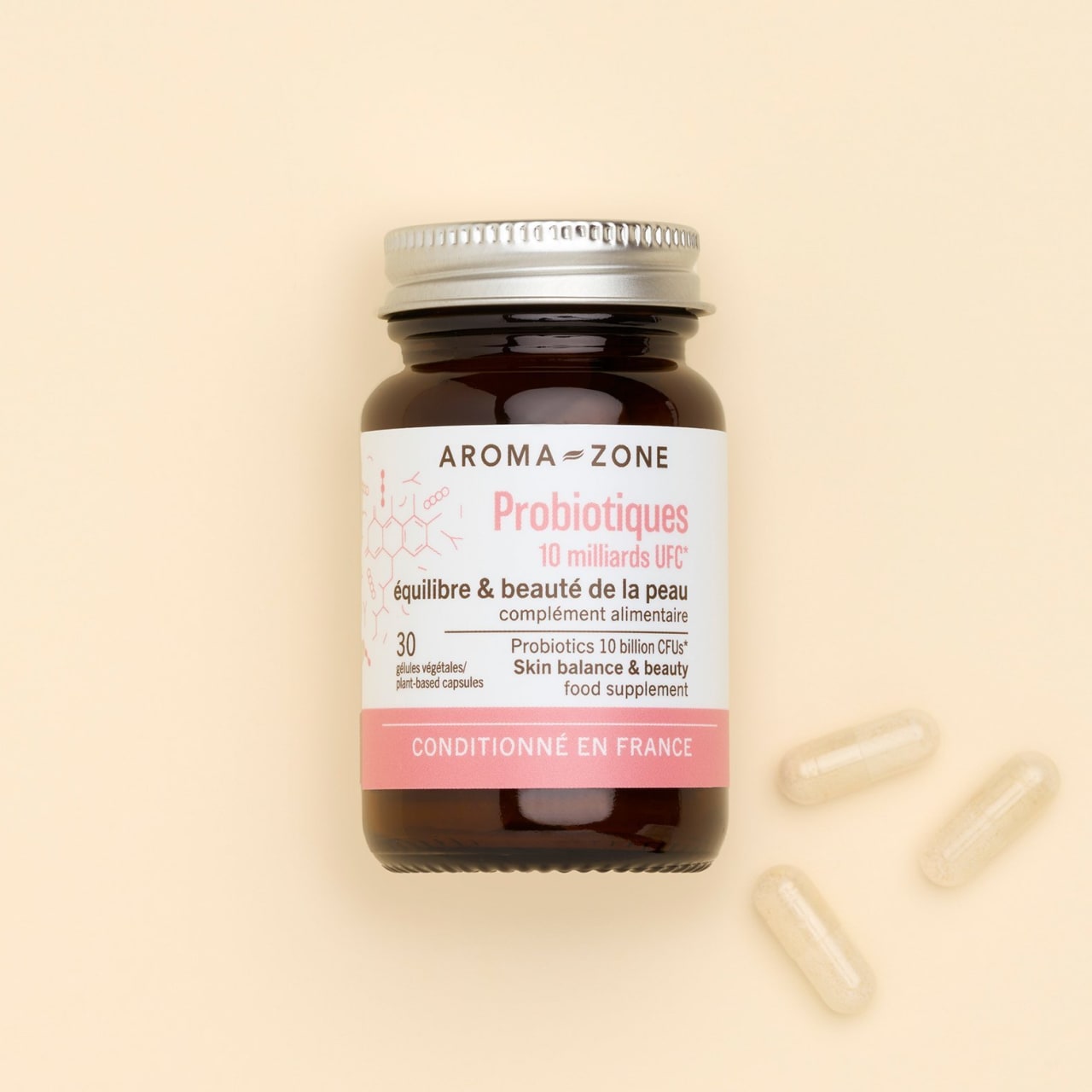
Probiotics Balance & Skin Beauty - 30 capsules - Dietary supplement

Probiotics for Skin Balance & Beauty – 30 capsules – Food supplement

Probiotics are currently being researched in relation to eczema, but the available results remain mixed [12]. The ‘Probiotics: Skin Balance & Beauty’ dietary supplement can be incorporated into an overall routine, without replacing a varied diet, appropriate skincare or prescribed treatments.

Directions for use: 1 capsule per day, to be swallowed with a glass of water.

Storage: Store away from light, heat and moisture. Close the jar tightly after each use.

Precautions: Not a substitute for a varied and balanced diet and a healthy lifestyle. Do not exceed the recommended daily dose. For adults only. Not recommended for pregnant or breastfeeding women. Keep out of reach of children.

Try the Balance & Beauty Probiotics

What Everyday Habits Can Help?

Here are a few tips to help you feel more comfortable: 

  • Avoid licking your lips: Saliva often exacerbates irritation when it remains in repeated contact with the skin [4]

  • Simplify your routine: During a flare-up, reducing the number of products applied around the mouth minimises the risk of irritation or a contact reaction

  • Avoid perfumed products: Perfumes, fragrances, essential oils and certain preservatives may be poorly tolerated on an area that is already irritated [2,5]

  • Check toothpastes and mouthwashes: If flare-ups recur after brushing, it may be worth checking how well the product is tolerated

  • Gently rinse and dry the area around the mouth: After brushing or meals, dabbing the area dry helps to limit prolonged contact with saliva, food or oral hygiene products

  • Do not pick at flaky skin: This can lead to cracks, bleeding and prolonged inflammation

  • Protect from the cold and wind: Changes in weather can exacerbate chapping and dryness

  • Avoid exfoliating around the mouth: Exfoliants, acids, retinoids or irritating active ingredients are often poorly tolerated during a flare-up

  • Identify potential triggers: Lip balms, lipstick, toothpaste, facial care products, face masks, topical medication or irritating foods may sometimes be involved

  • Seek medical advice if lesions persist: A condition that lasts, recurs, spreads or becomes painful warrants medical consultation to rule out a fungal infection, cold sores, perioral dermatitis or a contact allergy [9,10,12,13].

How Is This Type of Eczema Treated?

Before treating eczema around the mouth, first understand what triggered it. Treatment varies depending on whether the condition is irritation, a contact allergy, atopic dermatitis, a fungal infection or cold sores.

  1. Identify the cause: Irritant cheilitis, contact allergy, atopic dermatitis, a fungal infection or cold sores are not treated in the same way [1,2,9,10,12,13].

  2. Treat eczema if the diagnosis is confirmed: If the lesions are consistent with inflammatory eczema, the doctor may recommend an appropriate topical treatment. Topical corticosteroids may be used for certain flare-ups, with a strength and duration suitable for the face and the area around the mouth [3,6,7,8].

  3. Investigate for an allergy in the event of recurrent flare-ups: If flare-ups recur following the use of toothpaste, lip balm or cosmetics, a contact allergy should be investigated. Patch tests can then help to identify the substance responsible [2,11].

  4. Rule out angular cheilitis or a fungal infection: Red, cracked and painful corners of the mouth may suggest angular cheilitis, which is sometimes caused by a microscopic fungus, such as Candida albicans, or by bacteria. Specific treatment can then be prescribed [9,10].

  5. Check that it is not cold sores: Clusters of painful blisters, or those preceded by a tingling sensation, should raise suspicion of cold sores. Antiviral treatment may be indicated in some cases [12].

  6. Limit natural remedies to alleviating discomfort: Natural remedies and cosmetics may help to alleviate discomfort if they are well tolerated. They are not a substitute for a medical diagnosis or treatment if symptoms persist or worsen.

Precautions for Applying Products Around the Mouth

The area around the mouth is sensitive. Products applied to this area can migrate to the lips or the inside of the mouth. Therefore, use fragranced skincare products, essential oils, exfoliating ingredients, homemade remedies, or products very high in natural allergens with caution.

Before applying a new product, you can do a 48-hour tolerance test on a small area of skin, away from the mouth, if your skin is highly reactive. This test involves applying a small amount of the product and then monitoring for any redness, stinging, itching or swelling. It does not guarantee the absence of a reaction, but it can help to identify an immediate or early adverse reaction.

It is best not to apply a new product to skin that is cracked, weeping, infected, very painful or covered in thick scabs. Contact with the inside of the mouth should be avoided, unless the product is specifically intended for this use.

Expert Advice

When you have eczema around your mouth, the first step is to simplify your routine. Using too many products can confuse the issue and perpetuate the irritation. For a few days, it may help to track the products that come into contact with the area: lip balm, lipstick, toothpaste, mouthwash, face cream, sun cream, face masks, topical medication, or irritating foods.

The location also provides clues. Affected lip edges may sometimes suggest contact cheilitis. Cracks at the corners of the mouth may suggest angular cheilitis. Small spots around the mouth, without direct involvement of the lips, may point to perioral dermatitis. Painful clusters of blisters are more likely to indicate cold sores [9,12,13].

If symptoms persist, the aim is not to add further treatments, but to clarify the diagnosis. A consultation helps to avoid inappropriate treatments, particularly on the face where the skin is thin and more sensitive.

Spotlight On Our Writer: Lauréna Valette

Lauréna Valette

Lauréna is a journalist specialising in lifestyle, wellness, and psychology. Between writing articles, she travels around the world, discovering what it has to teach us.

Bibliography

  1. French Eczema Association. Eczema around the mouth.

    https://www.associationeczema.fr/a-propos/conseils/eczema-bouche/

  2. DermNet. Eczematous cheilitis.

    https://dermnetnz.org/topics/eczematous-cheilitis

  3. DermNet. Allergic contact cheilitis.

    https://dermnetnz.org/topics/allergic-contact-cheilitis

  4. DermNet. Lip-licker’s dermatitis.

    https://dermnetnz.org/topics/lip-lickers-dermatitis

  5. French Society of Dermatology. French guidelines for the management of atopic dermatitis.

    https://www.sfdermato.org/upload/recommandations/4_texte-long.pdf

  6. Vidal. Atopic dermatitis in children: recommendations. Updated 2026.

    https://www.vidal.fr/maladies/recommandations/dermatite-atopique-de-l-enfant-1712.html

  7. Vidal. Atopic dermatitis in adults: recommendations. Updated 2025.

    https://www.vidal.fr/maladies/recommandations/dermatite-atopique-de-l-adulte-2731.html

  8. Vidal. Topical treatments for atopic dermatitis. Updated 2026.

    https://www.vidal.fr/maladies/peau-cheveux-ongles/dermatite-eczema-atopique/medicaments.html

  9. American Academy of Dermatology. 7 dermatologists’ tips for healing dry, chapped lips.

    https://www.aad.org/public/everyday-care/skin-care-basics/dry/heal-dry-chapped-lips

  10. American Academy of Dermatology. Patch testing can help identify the cause of your rash.

    https://www.aad.org/public/diseases/eczema/types/contact-dermatitis/patch-testing-rash

  11. French Society of Dermatology. Patient information sheet: Cheilitis.

    https://www.sfdermato.org/upload/fiche/perleche-684889fcaea2768c7aa1303196516cbb.pdf

  12. Vidal. Skin fungal infection: symptoms, causes, treatments and prevention.

    https://www.vidal.fr/maladies/peau-cheveux-ongles/mycose-peau.html

  13. Vidal. Mycostatine range of medicines.

    https://www.vidal.fr/medicaments/gammes/mycostatine-6403.html

  14. Vidal. The symptoms and complications of impetigo.

    https://www.vidal.fr/maladies/peau-cheveux-ongles/impetigo/symptomes-complications.html

  15. British Association of Dermatologists. Perioral dermatitis.

    https://www.bad.org.uk/pils/peri-oral-dermatitis

  16. DermNet. Herpes simplex.

    https://dermnetnz.org/topics/herpes-simplex

Frequently Asked Questions

Frequently Asked Questions