Iron Deficiency and Anxiety: What’s the Connection?

Iron Deficiency and Anxiety: What’s the Connection?


By Stéphanie Catrysse

Published on: Wednesday, August 09, 2023, Updated on: Wednesday, October 28, 2026

Are you experiencing symptoms of stress, anxiety, or distress? Do your blood tests show low iron levels or even a deficiency? As surprising as it may seem, there is a link between these two factors. In this article, we explain the possible causes of iron deficiency and the role iron plays in health and anxiety. You’ll understand the link between iron deficiency and symptoms of anxiety, and we’ll share our best tips for preventing the risks of deficiency and maintaining your mental health and overall well-being.

Contents

What role does iron play in health?

Iron is an essential nutrient for the body to function properly. It plays a role in numerous biological functions, such as haemoglobin production (the protein that transports oxygen in the blood from the lungs to all the body's cells), energy metabolism (energy production), proper immune system function, DNA synthesis, and brain function, particularly cognitive functions and concentration. People with insufficient iron intake often feel exhausted and have difficulty performing their daily activities.

Iron therefore plays a crucial role in maintaining physical and psychological health. We recommend maintaining an adequate iron intake as part of a varied and balanced diet.

What are the possible causes of iron deficiency?

An iron deficiency can occur when the body’s iron stores are no longer sufficient to meet its physiological needs. In more advanced stages, this condition can progress to iron-deficiency anaemia.

Insufficient dietary iron intake

A diet that lacks variety or is very restrictive may not provide enough iron to meet the body's daily needs, especially when meals contain few iron-rich food sources.

An unbalanced vegetarian or vegan diet

In a vegetarian or vegan diet, iron intake relies primarily on plant-based (non-haem) iron, which is absorbed less efficiently. Without paying special attention to dietary diversity, intake may prove insufficient.

Significant blood loss

Certain situations, such as heavy periods, can lead to repeated iron loss and contribute to the gradual depletion of the body's reserves.

From Physiological Conditions to Increased Needs

Pregnancy and breastfeeding are periods during which iron needs naturally increase, which can lead to a deficiency if intake isn’t adequate.

Digestive disorders affecting iron absorption

Certain gastrointestinal disorders can limit iron absorption in the digestive tract, thereby reducing its availability to the body, even when dietary intake is sufficient (such as coeliac disease, inflammatory bowel diseases, irritable bowel syndrome, or gastric ulcers, which can affect iron absorption during digestion).

Taking certain medications

Long-term use of certain medications can interfere with iron absorption or increase digestive losses, thereby contributing to a gradual depletion of iron stores (such as proton pump inhibitors (PPIs) or antacids, for example).

In the absence of specific symptoms, regular blood tests can help assess your iron status and, if necessary, allow for personalised advice and natural solutions in consultation with a healthcare professional.

How can you tell if you have an iron deficiency?

Iron deficiency can manifest through various non-specific signs, the intensity and combination of which vary depending on the individual and the severity of the deficiency. Among the most commonly observed symptoms are:

  • pale skin

  • brittle nails and hair, sometimes looking dull

  • recurring headaches

  • palpitations, especially during exertion

  • restless legs syndrome

  • feelings of dizziness or unusual fatigue

  • frequently cold extremities (hands, feet).

Since these symptoms may also be associated with other health issues, only a blood test can accurately assess iron status and guide personalised recommendations.

Anxiety is an emotional response that leads to feelings of worry, intense unease, and fear in response to stress, negative thoughts, or a perceived threat. Anxiety is normal when experienced occasionally, but it can become debilitating if it becomes chronic. It can develop into a more generalised anxiety disorder when it occurs more intensely, more frequently, and disrupts daily life.

But what is the connection to iron deficiency? The link between iron deficiency and anxiety is considered multifactorial and is based on several physiological mechanisms described in the scientific literature. Iron deficiency can be accompanied by both physical and psychological symptoms, which may influence emotional balance or exacerbate existing anxiety.

Among the main mechanisms cited are:

  • Neurotransmitter synthesis: Iron plays a role in the production of dopamine and serotonin, which are involved in regulating mood and emotions

  • Myelin formation: Essential for the proper functioning of nerve fibres; a deficiency can affect the transmission of nerve impulses between brain cells and impact overall brain function

  • Thyroid gland function: Plays a role in energy management, stress management, and emotional balance

  • Regulation of oxidative stress: Iron helps maintain the balance between free radicals and antioxidant defences.

These mechanisms do not act in isolation and can reinforce one another. This is why a comprehensive and personalised approach is essential to better understand the role of iron in emotional balance.

What natural solutions can help prevent iron deficiency to maintain good emotional health?

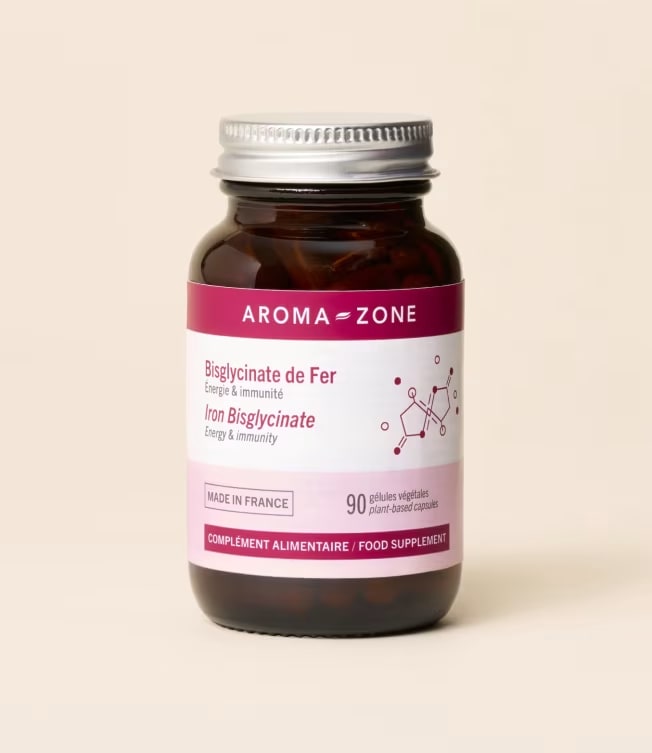
Iron Bisglycinate: Energy, Optimal Absorption, and Vitality

Iron Bisglycinate

Aroma-Zone Iron Bisglycinate combines Ferrochel® iron, a patented chelated form known for its high bioavailability and good digestive tolerance, with PureWay-C® vitamin C, which promotes iron absorption and contributes to protection against oxidative stress. Just one capsule a day provides 100% of the Reference Intake for iron and vitamin C. Iron helps reduce fatigue, supports normal energy metabolism, aids in oxygen transport, and contributes to the normal formation of red blood cells and haemoglobin, which are essential for vitality. This formula is particularly suitable in cases of insufficient iron intake or increased needs.

This dietary supplement is not a substitute for a varied and balanced diet or a healthy lifestyle. It is recommended to follow the recommended daily dose and keep the product out of reach of children. This supplement is intended for adults only and is not recommended for people with conditions related to excessive iron accumulation, such as haemochromatosis or polycythaemia. For pregnant or breastfeeding women, professional advice is recommended before taking any supplements.

Discover Iron Bisglycinate - 90 capsules - Dietary Supplement

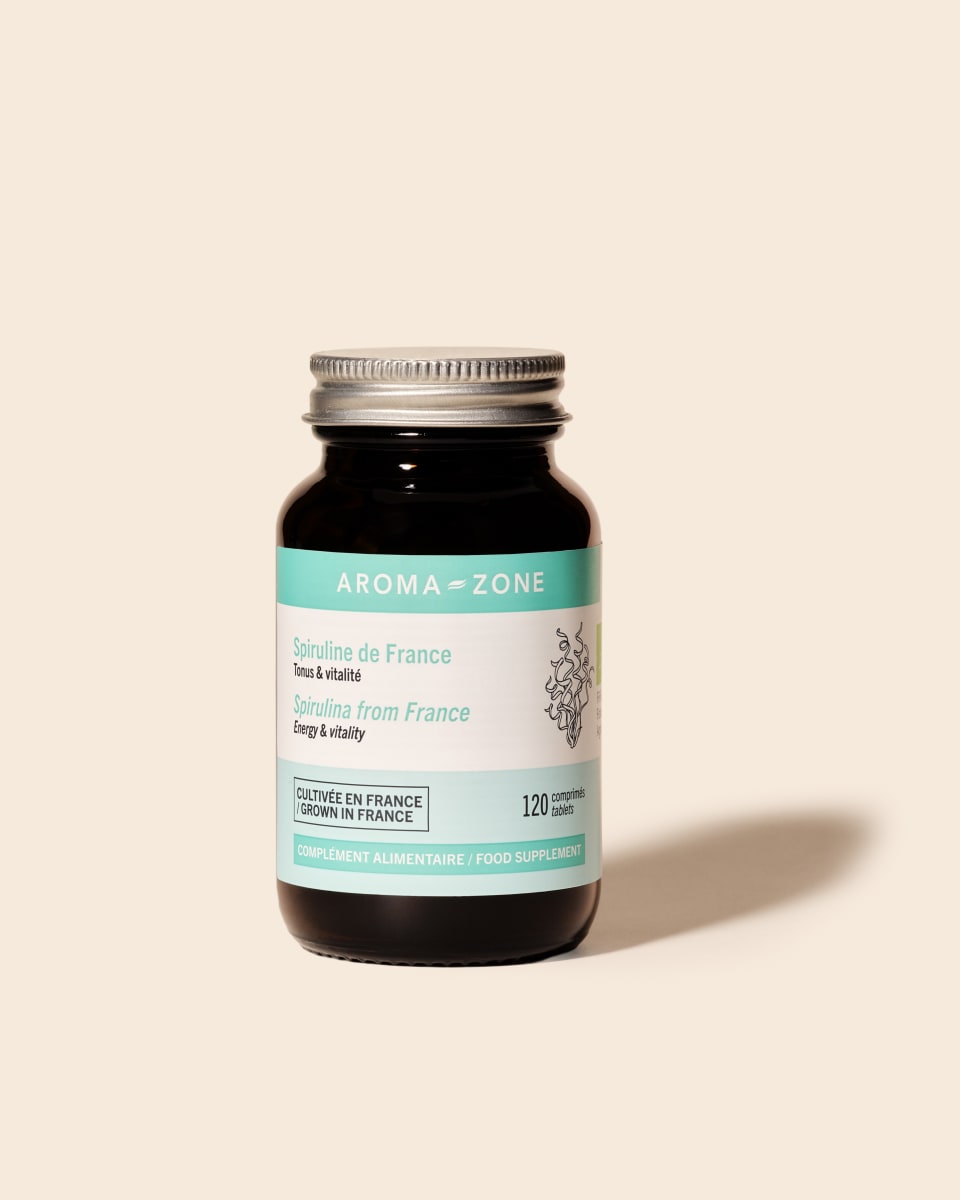
Organic Spirulina from France: Energy and Vitality Every Day

Spirulina_Food_Supplement_France_Organic_120_tablets

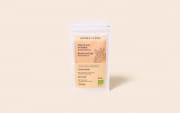
Aroma-Zone Organic French Spirulina is grown in France and processed using cold pressing, without additives. Naturally rich in protein and a source of iron, it contributes to normal energy metabolism and reducing fatigue. Its high content of phycocyanin, a naturally occurring antioxidant, makes it a popular supplement for supporting vitality, particularly in cases of temporary fatigue or as part of a vegetarian diet. It is also used in hair strength and beauty routines.

This dietary supplement is not a substitute for a varied and balanced diet or a healthy lifestyle. It is recommended to follow the recommended daily dose and keep the product out of reach of children. This spirulina is intended for adults only. If you are pregnant or breastfeeding, it is best to consult a healthcare professional before use. Spirulina is not recommended for people with phenylketonuria, haemochromatosis, excess uric acid, or certain muscle or liver conditions. The natural presence of phycocyanin may cause allergic reactions in some sensitive individuals.

Discover Organic Spirulina from France

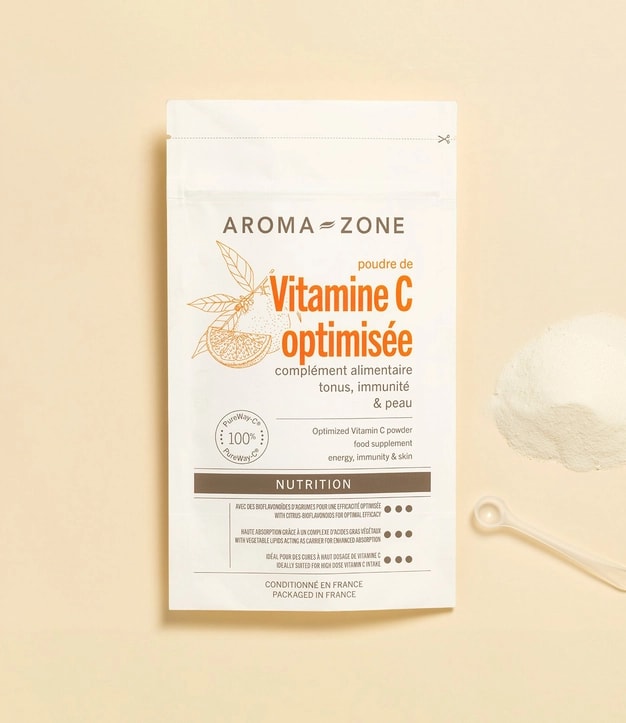
Vitamin C Powder: Energy, Antioxidants, and Iron Absorption

Aroma-Zone Optimised Vitamin C Powder, formulated with PureWay-C®, combines Vitamin C, plant lipids, and citrus bioflavonoids for optimal absorption and good digestive tolerance. It helps reduce fatigue, support the normal functioning of the immune system, and protect cells against oxidative stress. Vitamin C also plays a role in the natural synthesis of collagen, which is essential for the skin, bones, and connective tissues. It is also known to promote iron absorption, making it beneficial when combined with an iron-rich diet, particularly in cases of insufficient intake. Easy to use, it simply dissolves in a beverage.

This dietary supplement is not a substitute for a varied and balanced diet or a healthy lifestyle. It is recommended to follow the recommended daily dose and keep the product out of reach of children. This Vitamin C is intended for adults only. For pregnant or breastfeeding women, it is advisable to consult a healthcare professional before taking any supplements.

Discover Optimised Vitamin C Powder - 150 g - Dietary Supplement

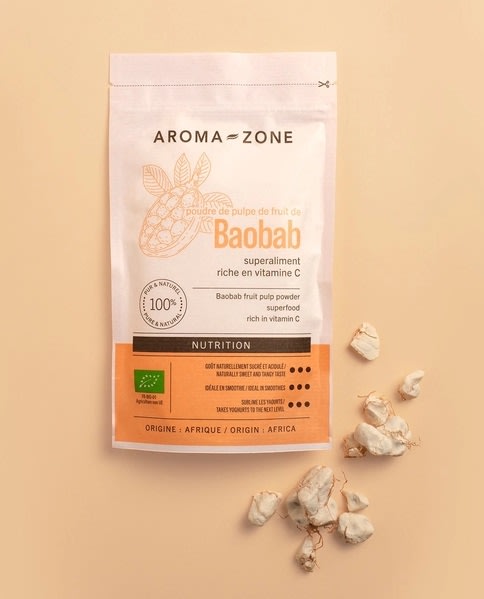
Organic Baobab Fruit Pulp: Natural Vitality and Vitamin C

Organic Baobab Fruit Pulp Powder.jpg

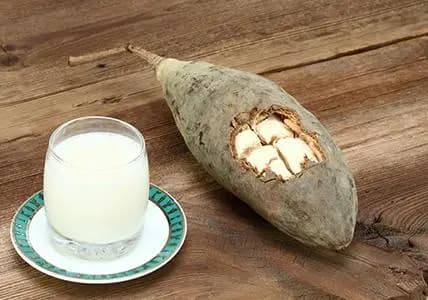
Aroma-Zone Organic Baobab Fruit Pulp Powder, a nutritional treasure from Africa, is naturally very rich in Vitamin C and a source of calcium. It is an excellent ingredient to complement a healthy and varied diet, particularly to support energy and vitality in daily life. Appreciated for its naturally fruity and tangy flavour, this powder mixes easily into beverages, juices, smoothies, or yoghurt, and can replace sugar in certain recipes. It also provides natural antioxidants, which help maintain the body's overall balance.

This dietary powder is part of a varied and balanced diet. It is recommended to keep the product out of reach of children and store it in a cool, dry place away from light, making sure to reseal the bag after opening.

Discover Organic Baobab Fruit Pulp Powder

Tips to Prevent Iron Deficiency

Adopting a few simple daily habits can help ensure an adequate iron intake and support the body’s overall balance, especially during periods of increased need.

  • Ensure a varied and balanced diet: By regularly incorporating foods that are natural sources of iron, whether animal- or plant-based, depending on your dietary habits.

  • Combine iron with foods rich in vitamin C: This promotes its absorption during digestion, especially as part of a predominantly plant-based diet.

  • Limit factors that inhibit iron absorption: Such as excessive consumption of tea or coffee with meals, which can reduce its bioavailability.

  • Pay special attention during periods of increased need: Such as pregnancy, breastfeeding, or heavy menstruation, adjusting your intake if necessary.

  • Take digestive comfort into account: Because proper iron absorption also depends on a healthy digestive system

  • Adopt a healthy and balanced lifestyle: By making room for physical activity, quality sleep, and stress management practices, which help maintain emotional balance

  • Enroll in a personalised monitoring program: This can be done, for example, through periodic blood tests, to tailor advice and natural solutions to your specific needs.

These steps are part of a comprehensive and gradual approach, tailored to your lifestyle and dietary choices.

Some Tips to Help Manage Anxiety

In addition to paying attention to iron intake and lifestyle habits, certain gentle approaches can help you better manage periods of stress and nervousness in your daily life.

  • Support from a sophrologist: A sophrologist practises sophrology, a relaxation technique combining breathing, gentle movement, and visualisation, sessions can help promote emotional calm and greater awareness of your feelings.

  • Psychological support: A personalised space for listening that helps you better understand and cope with anxiety when it becomes chronic or impacts daily life

  • Mindful breathing: Simple, accessible exercises to release tension and regain a calmer rhythm during stressful moments

  • Gentle physical practices: Yoga or meditation encourage refocusing, relaxation, and a deeper connection to one’s sensations

  • Rejuvenating activities: Walking in nature or taking intentional breaks support emotional balance over time

These approaches are gradually integrated, according to your needs and your own pace, into a comprehensive approach to well-being and natural support.

Our recipes to support iron absorption

These recipes, naturally rich in Vitamin C, are ideal for complementing your iron intake, promoting its absorption in a simple, delicious way that fits into your daily routine.

Precautions for use

If you experience persistent fatigue, chronic anxiety, or unusual symptoms, it is essential to consult a healthcare professional to receive advice tailored to your specific situation. Only a healthcare professional can accurately assess your actual needs, particularly through blood tests, and provide personalised guidance. Iron supplementation and natural remedies should always be approached with caution, taking into account individual health profiles, specific life stages, and any medications being taken. This approach ensures safe use while respecting the body's overall balance.

Expert Advice

Iron plays a key role in many bodily functions, including those related to emotional balance. However, its role in anxiety remains multifactorial and depends on numerous individual factors, such as diet, lifestyle, stress, and personal constitution.

Before considering targeted adjustments, it is essential to better understand your actual needs, particularly through a blood test when appropriate. A holistic approach, combining an appropriate diet, a balanced lifestyle, and personalised support, allows you to take action gradually and mindfully.

Taking the time to listen to your feelings and adapt your habits to your own pace remains a key step in sustainably supporting your emotional well-being.

Article written by Stéphanie Catrysse, naturopath

Stéphanie Catrysse is a naturopath (FENA-certified), a practitioner of well-being massage and lymphatic drainage and a personal development consultant.

Passionate about alternative medicine, she takes a holistic approach to health.

Bibliography

  1. ANSES. Everything you need to know about iron. 10/27/2022. Accessed in February 2026.

    https://www.anses.fr/fr/content/tout-savoir-sur-le-fer

  2. ANSES. Nutritional Reference Values for Vitamins and Minerals. 02/21/2025. Accessed in February 2026.

    https://www.anses.fr/fr/content/les-references-nutritionnelles-en-vitamines-et-mineraux

  3. Améli. Symptoms and diagnosis of iron-deficiency anemia. 09/08/2025. Accessed in February 2026.

    https://www.ameli.fr/assure/sante/themes/anemie-par-carence-en-fer/

  4. Lynch SR, Cook JD. Interaction of vitamin C and iron. Ann N Y Acad Sci.

    1980;355:32-44. doi: 10.1111/j.1749-6632.1980.tb21325.x. PMID: 6940487.

  5. Nanri H, Hara M, Nishida Y, Shimanoe C, Iwasaka C, Higaki Y, Tanaka K. Association between green tea and coffee consumption and body iron storage in Japanese men and women: a cross-sectional study from the J-MICC Study Saga.

    Front Nutr. 2023 Aug 10;10:1249702. doi: 10.3389/fnut.2023.1249702. PMID: 37637954; PMCID: PMC10449390.

  6. Sholzberg M, Hillis C, Crowther M, Selby R. Diagnosis and management of iron deficiency in women.

    CMAJ. 2025 Aug 10;197(27):E819-E827. French. doi: 10.1503/cmaj.240570-f. PMID: 40789601; PMCID: PMC12350412.

  7. Agarwal KN. Iron and the brain: neurotransmitter receptors and magnetic resonance spectroscopy.

    Br J Nutr. 2001 May;85 Suppl 2:S147-50. PMID: 11509103.

  8. Talarico V, Giancotti L, Mazza GA, Miniero R, Bertini M. Iron Deficiency Anemia in Celiac Disease.

    Nutrients. 2021 May 17;13(5):1695. doi: 10.3390/nu13051695. PMID: 34067622; PMCID: PMC8156426.

  9. K S, B S, Palaneeswari M S, Devi A J M. Significance of ferritin in recurrent oral ulceration.

    J Clin Diagn Res. 2014 Mar;8(3):14-5. doi: 10.7860/JCDR/2014/7472.4091. Epub 2014 Mar 15. PMID: 24783067; PMCID: PMC4003613.

  10. Imai R, Higuchi T, Morimoto M, Koyamada R, Okada S. Iron Deficiency Anemia Due to the Long-term Use of a Proton Pump Inhibitor.

    Intern Med. 2018 Mar 15;57(6):899-901. doi: 10.2169/internalmedicine.9554-17. Epub 2017 Nov 20. PMID: 29151538; PMCID: PMC5891535.

  11. O'Neil-Cutting MA, Crosby WH. The effect of antacids on the absorption of simultaneously ingested iron.

    JAMA. 1986 Mar 21;255(11):1468-70. PMID: 3005669.

  12. Kassir A. Iron deficiency: A diagnostic and therapeutic perspective in psychiatry.

    Encephale. 2017 Feb;43(1):85-89. French. doi: 10.1016/j.encep.2016.08.002. Epub 2016 Sep 16. PMID: 27644916.

Frequently Asked Questions

Frequently Asked Questions

Associated tips