
Serotonin (5-hydroxytryptamine) is a neurotransmitter. It transmits a chemical message from one neuron to another. Over 90% of total serotonin is produced by enterochromaffin cells in the gut and then stored in blood platelets; the remainder comes from the raphe nuclei in the centre of the brainstem. Its biosynthesis takes place in two stages: hydroxylation of tryptophan (an essential amino acid) to 5-hydroxytryptophan (5-HTP), followed by decarboxylation to serotonin. This pathway is particularly dependent on Vitamin B6. Serotonin does not cross the blood-brain barrier; the brain must therefore produce it locally from circulating tryptophan.

Serotonin: Role, Benefits and Natural Tips to Boost Your Mood
Published on: Wednesday, June 25, 2025, Updated on: Friday, October 30, 2026
Serotonin fascinates. It links brain biochemistry to everyday wellbeing. Synthesised from tryptophan, it is found in the brain, the gut and blood platelets. It is associated with mood, sleep and appetite, including sweet cravings, and a balanced serotonin system is thought to support calm and vitality. How can you support your serotonin balance? Here are our natural tips to boost your mood.
Contents
Related products
What is Seratonin?
What Are the Benefits and Effects of Serotonin on the Body?
Here are the main described effects of serotonin:
Regulation of mood and anxiety: Activation of 5-HT1A receptors promotes emotional stability, whilst low levels are linked to sadness and rumination.
Sleep-wake cycle: A direct precursor of melatonin, serotonin modulates the onset of sleep and the quality of REM sleep.
Appetite control: It curbs the craving for fast-acting carbohydrates after meals and contributes to the feeling of fullness.
Intestinal motility: It triggers peristalsis and reduces the sensation of bloating; hence its nickname, the ‘enteric hormone’.
Vascular functions and coagulation: Released by platelets, it causes transient vasoconstriction following an injury.
What Is the Link Between Dopamine and Serotonin?
Dopamine and serotonin are complementary neurochemicals that influence our behaviour. Whilst dopamine signals reward and drives us to act, serotonin is associated with lasting satisfaction and with impulse control. The two pathways overlap in the striatum, the prefrontal cortex and the hippocampus, which are key areas for motivation and mood.
An excess of dopamine is associated with restlessness and compulsive behaviour, and a balance with serotonin appears to matter here. Serotonin is also thought to influence dopamine release, which may help moderate the pursuit of pleasure. Maintaining a balance between the two therefore supports mental wellbeing.
What Are the Causes of Low Serotonin Levels?
Here are the main causes of a serotonin deficiency.
Reduced Tryptophan Intake
A diet low in high-quality protein (eggs, pulses, turkey, soya) limits the raw materials needed for synthesis.
Chronic Stress and Inflammation
Cortisol diverts tryptophan metabolism towards the kynurenine pathway, to the detriment of the serotonergic pathway. At the same time, intestinal inflammation disrupts enteric production.
Lack of Light
Sunlight stimulates both serotonin synthesis and its conversion to melatonin at night; shorter winter daylight hours therefore reduce this neurotransmitter.
An Unbalanced Gut Microbiota
Certain bacterial strains (e.g. Bifidobacterium infantis) positively regulate tryptophan metabolism; dysbiosis can therefore reduce the availability of serotonin.
Specific Treatments or Conditions
Long-term corticosteroid treatment, vitamin B6 deficiency, malabsorption disorders and excessive alcohol consumption are among the factors identified.
What Are the Symptoms Associated with a Lack of Serotonin?
When the body lacks serotonin, certain signs appear:
Depressive mood and irritability: Loss of zest for life, negative outlook, impulsiveness
Anxiety and night-time rumination: Difficulty falling asleep, frequent waking
Cravings for sweet foods or binge eating: Seeking quick carbohydrate-based compensation
Mild cognitive impairment: Fluctuating attention, slowed working memory
Reduced libido and premature ejaculation in men, reduced sexual desire in women
Morning fatigue not explained by an organic condition
Tension-type headaches and hypersensitivity to pain
Functional digestive disorders: Alternating diarrhoea and constipation, bloating
Where can you find natural serotonin? Which foods contain the most?
It is possible to boost serotonin production by adjusting your diet:
Foods rich in tryptophan: whole eggs, pumpkin seeds, mature Parmesan, fermented soya, turkey and salmon; these provide the amino acid required for biosynthesis.
Fruits and nuts that contain the valuable neurotransmitter directly : ripe bananas (≈ 15 µg/g), pineapple and kiwi; nuts up to 155 µg/g.
Complex carbohydrates: a portion of whole grains eaten as part of the same meal facilitates the uptake of tryptophan into the brain via insulin.
Vitamin B6, magnesium and zinc: chickpeas, sesame seeds and cocoa; these cofactors optimise key enzymes.
What Are the Natural Ways to Boost Serotonin Levels?
A comprehensive strategy also includes:
Morning light exposure: 20 minutes of natural light is often enough to boost central production.
Aerobic exercise: 30 minutes of brisk walking or cycling raises plasma serotonin levels by an average of 50 per cent in the hours that follow.
Breathing techniques and meditation: Cardiac coherence, mindfulness, yoga; these lower cortisol levels and release the ‘happiness hormone’.
Regular sleep: A consistent bedtime, limited screen time; melatonin is derived directly from serotonin.
Sleep and Serotonin
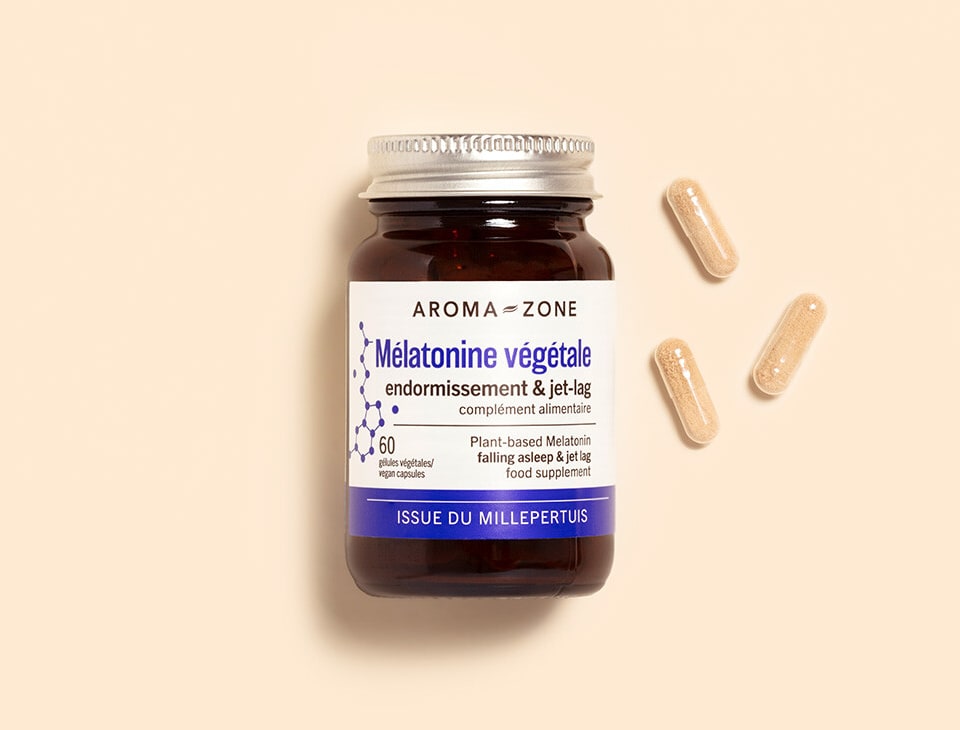
Natural Plant-Based Melatonin – Dietary Supplement
This plant-based melatonin, extracted from St John’s wort and encapsulated without chemical solvents, provides 0.95 mg per capsule – or 1 mg from two capsules – a dosage designed to help you fall asleep more quickly or minimise the effects of jet lag. Melatonin is a hormone the pineal gland releases at night to synchronise the sleep-wake cycle. This 99.5% organic formula uses HPMC capsules and prebiotic acacia gum, is free from controversial additives, carries no risk of dependency, and is manufactured in France. Not recommended during pregnancy or for those with autoimmune diseases; occasional use is recommended.
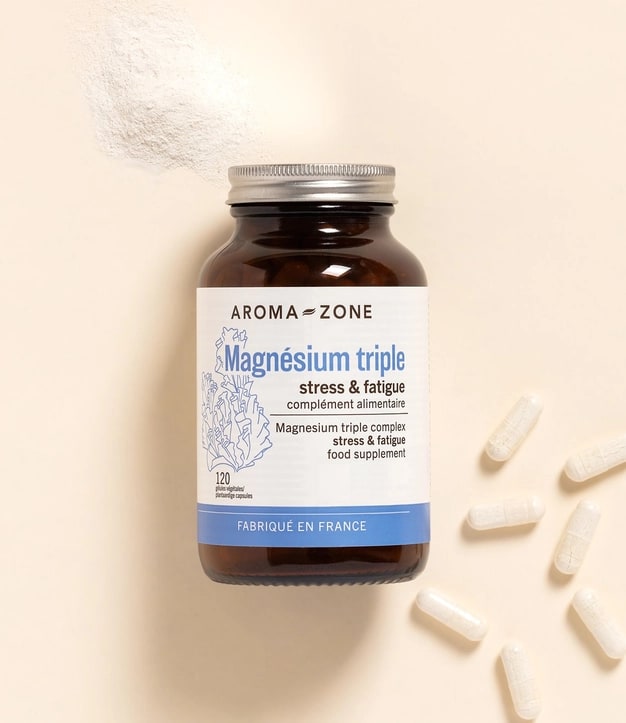
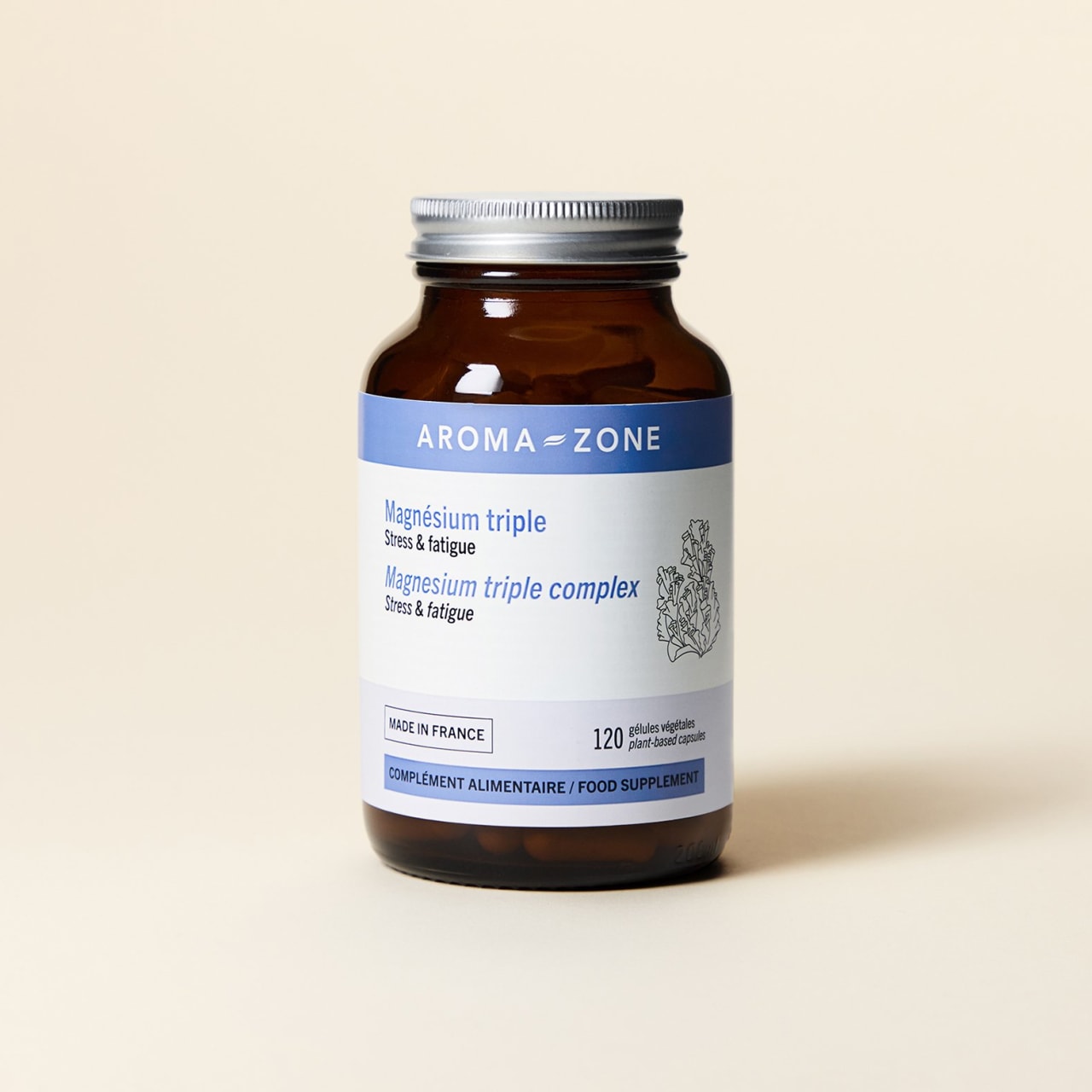
Triple Magnesium – Dietary Supplement
This jar of 120 capsules offers a triple source of magnesium — highly bioavailable bisglycinate, marine magnesium and organic sea lettuce extract — which together provide 300 mg of magnesium per day from three capsules, representing nearly 80 per cent of the recommended daily intake. This mineral, an electrolyte that regulates fluid balance and nerve function, supports energy levels, muscle contraction and bone density. Vegan formula, additive-free, packaged in France, with optimal digestive tolerance, suitable for a forty-day course of treatment, and ideal for periods of stress, fatigue, or training.
What Routine Should You Adopt?
Here is a suggested routine to maintain stable levels of the ‘happiness hormone’:
07.30 – Get some sunlight and practise deep breathing for three minutes.
08.00 – Breakfast: soya yoghurt, porridge, chia seeds, banana.
12.45 – Balanced lunch: red lentil dahl, brown rice, rocket salad.
3.00 pm – Ten-minute walk + snack of dried fruit and nuts.
6.30 pm – Moderate exercise session (cycling, swimming or tai chi).
8.00 pm – Light dinner: spinach omelette, buckwheat bread, kiwi; followed by ten minutes of screen-free reading before lights out.
Related recipes

Precautions
Tryptophan should not be taken on its own as a supplement at high doses, especially in combination with an SSRI antidepressant (selective serotonin reuptake inhibitor), as this can be unsafe. If you have persistent low mood, speak to a healthcare professional before self-medicating.
Expert Advice
Take a whole-system view: serotonin doesn't act alone, but as part of a network with dopamine, GABA and the gut microbiome. A varied diet, daily natural light and moderate physical activity are a safe, sustainable way to support this neurotransmitter. Supplements can help, provided you take them with guidance and within recommended limits. Listening to your body, adjusting your habits gradually, and checking for interactions with any medication is a sound long-term approach.
Meet Our Expert Writer: Stéphanie Le Guillou

Stéphanie is a pharmacist (since 2010) and holds a PhD in molecular biology (since 2012). Passionate about writing, she has produced medical content for nearly 15 years. Her goal is to make information accessible and easy to understand, without ever sacrificing scientific accuracy.
Bibliography
Feldman JM, Lee EM. Serotonin content of foods: effect on urinary excretion of 5-hydroxyindoleacetic acid.
Am J Clin Nutr. Oct 1985;42(4):639–43.
ANSES. Opinion of the French Food Safety Authority (ANSES) regarding the use of 1,000 mg of tryptophan in food supplements.
June 2009.



