
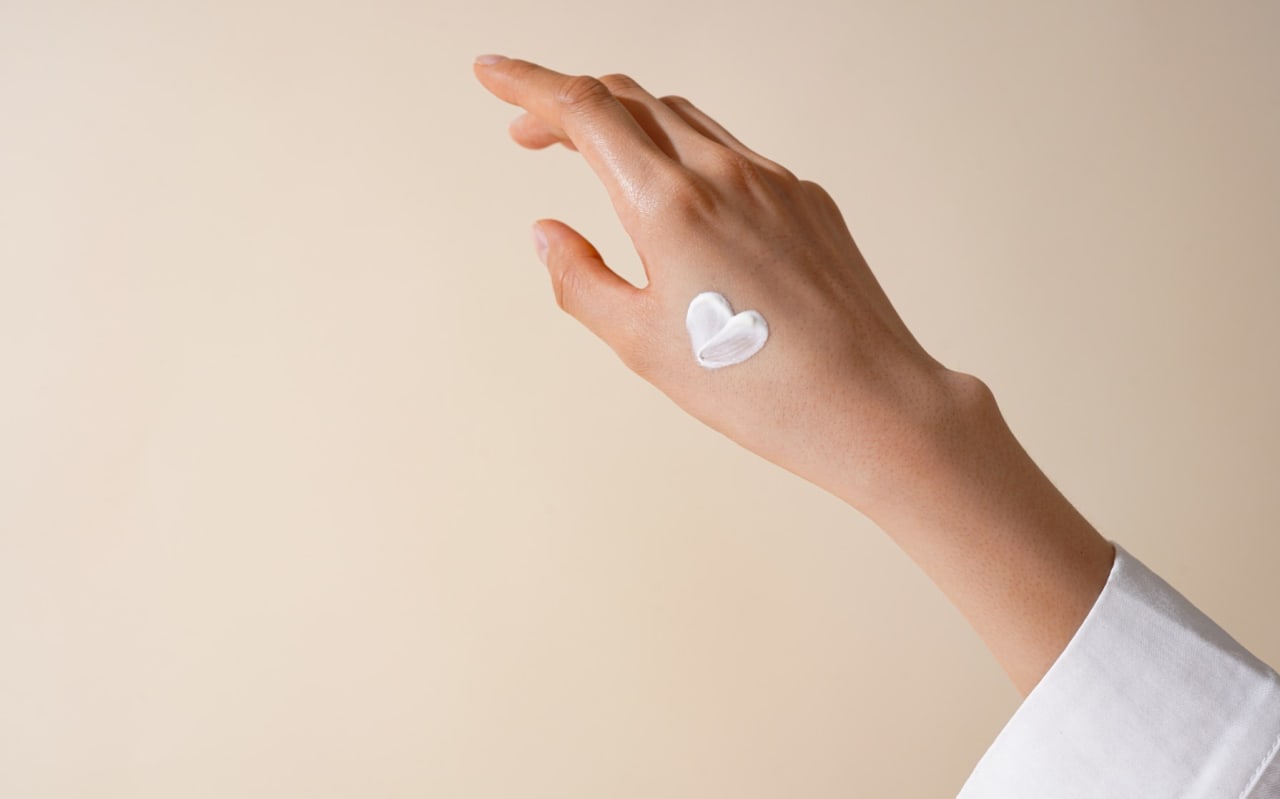
A natural self-tanner is a product designed to give the skin a tanned complexion without exposure to UV rays (which can be harmful). Unlike more conventional self-tanners, which often contain chemicals, natural self-tanners are formulated with ingredients of natural origin. They typically use components such as DHA (dihydroxyacetone) derived from wheat, rapeseed, or beets, which react with the skin’s amino acids to produce a temporary tan.
How to Make Your Own Natural Self-Tanner?
Published on: Thursday, July 11, 2024, Updated on: Wednesday, September 30, 2026
Do you dream of a radiant, sun-kissed complexion all year round without the risks associated with prolonged sun exposure? Natural self-tanners are the perfect solution! In this article, discover how to choose the right self-tanner and explore our selection of natural active ingredients to achieve a golden glow safely and naturally.
Contents
Related products
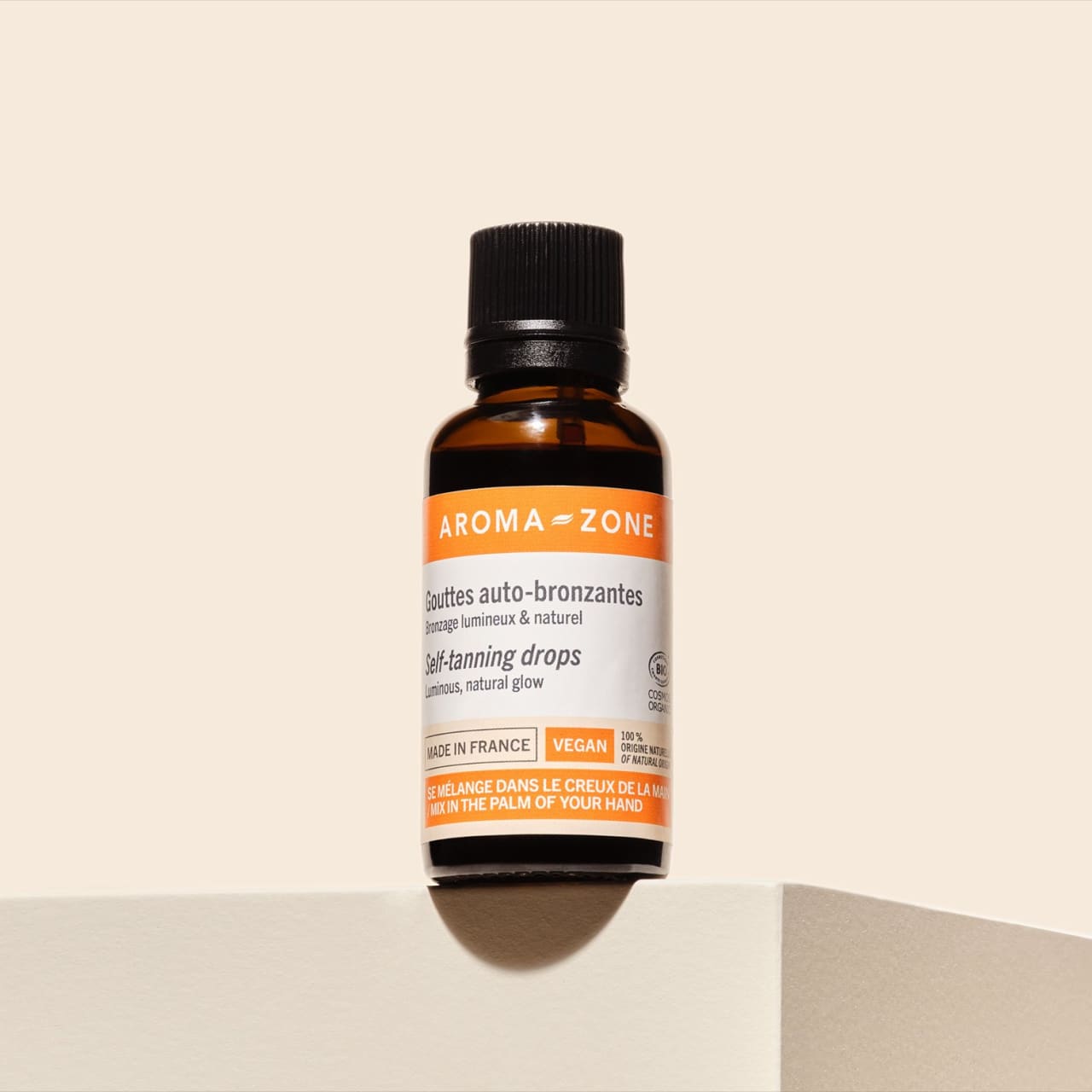
Organic Self-Tanning Drops
Tanning
£9.50
30 ml
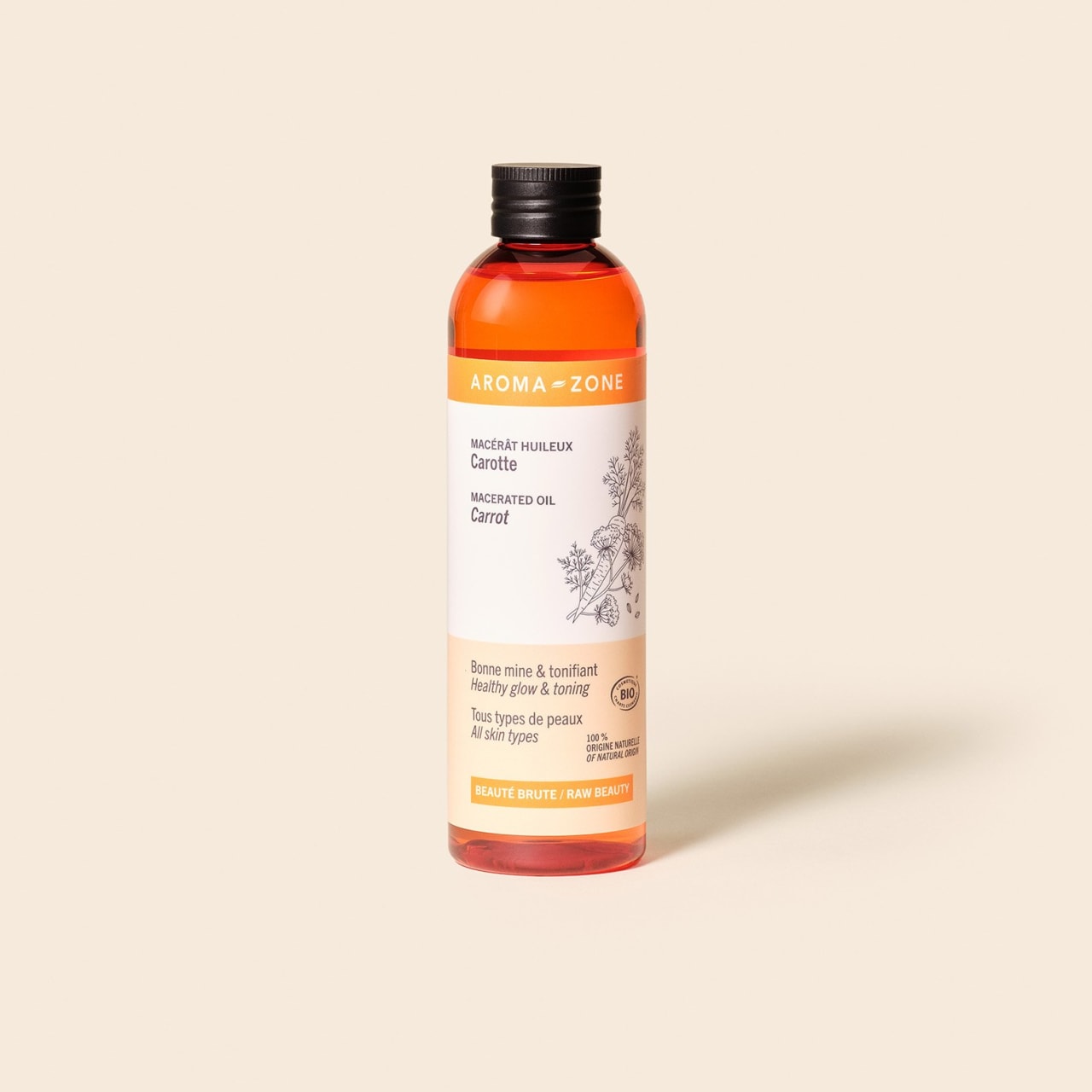
Organic Carrot Infused Oil
Tanning
£15.50
250 ml
2 options
£8.50
100 ml
£4.00
10 g
What Is a Natural Self-Tanner?
Why Use a Natural Self-Tanner?
Using a natural self-tanner offers several benefits:
A sun-kissed glow without UV rays: A self-tanner lets you achieve a tanned complexion without the dangers of UV rays, reducing the risk of skin damage, premature ageing, and skin cancer.
Fast results: You can get a tan in just a few hours, unlike sunbathing, which requires several days of sun exposure.
An even tan: A self-tanner provides an even tone all over the body, without tan lines caused by clothing or accessories.
A personalised tan: You can tailor the depth of your tan by adjusting how often you apply the product and how much you use.
Gentle on the skin: Natural self-tanners are typically formulated without potentially irritating or allergenic ingredients, making them a gentler, more skin-friendly option.
Skin care: Many natural self-tanners are enriched with moisturising and nourishing ingredients such as aloe vera, shea butter and coconut oil, helping to keep skin soft and hydrated while adding colour. They may also contain antioxidants like green tea or vitamin E, which help protect the skin from free radicals and environmental damage.
How to Choose a Natural Self-Tanner?
Several factors can help you choose the right natural self-tanner, ensuring the best possible results for your skin and preferences:
Choose According on Your Skin Type
Fair skin: Choose lightweight, gradual formulas to achieve a natural-looking tan and avoid harsh colour contrasts. Creams or lotions made with naturally derived DHA are ideal.
Medium to olive skin: Self-tanning oils and creams with a higher concentration of DHA can deliver a deeper, longer-lasting tan.
Sensitive skin: Opt for fragrance-free, hypoallergenic formulas to help minimise the risk of irritation.
Choose According to the Area of Application
Face: Use a self-tanner specifically formulated for the face. These formulas are typically gentler on the skin and non-comedogenic, meaning they're less likely to clog pores.
Body: Mousses and sprays are ideal for quick, even application over larger areas, while creams and lotions offer greater control and are well suited to drier skin or more precise application.
Choose According to Your Lifestyle
Quick application: Mousses and sprays dry quickly, making them ideal if you're short on time.
Gradual application: Gradual tanning lotions and creams allow you to build your colour over several applications, giving you complete control over the final result.
Choose Based on Ingredients
Hydration and nourishment: Look for moisturising ingredients such as aloe vera, jojoba oil, or shea butter to help keep your skin soft, smooth and nourished.
Antioxidants: Ingredients such as green tea extract, vitamin E and pomegranate can help protect the skin from free radical damage.
Fragrance: If you have sensitive skin or are sensitive to fragrances, choose fragrance-free formulas or products scented with natural fragrances.
Which Natural Self-Tanning Ingredients Should You Choose for Your Face and Body?
Here is our selection of natural active ingredients for a golden, radiant complexion:
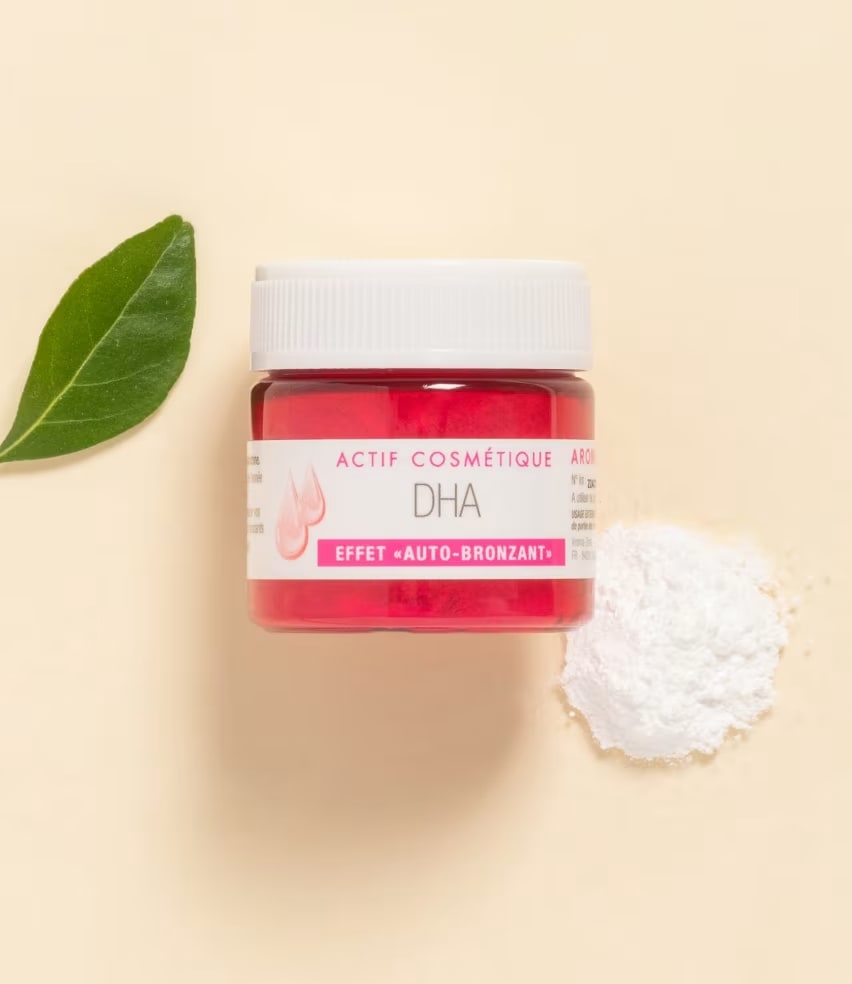
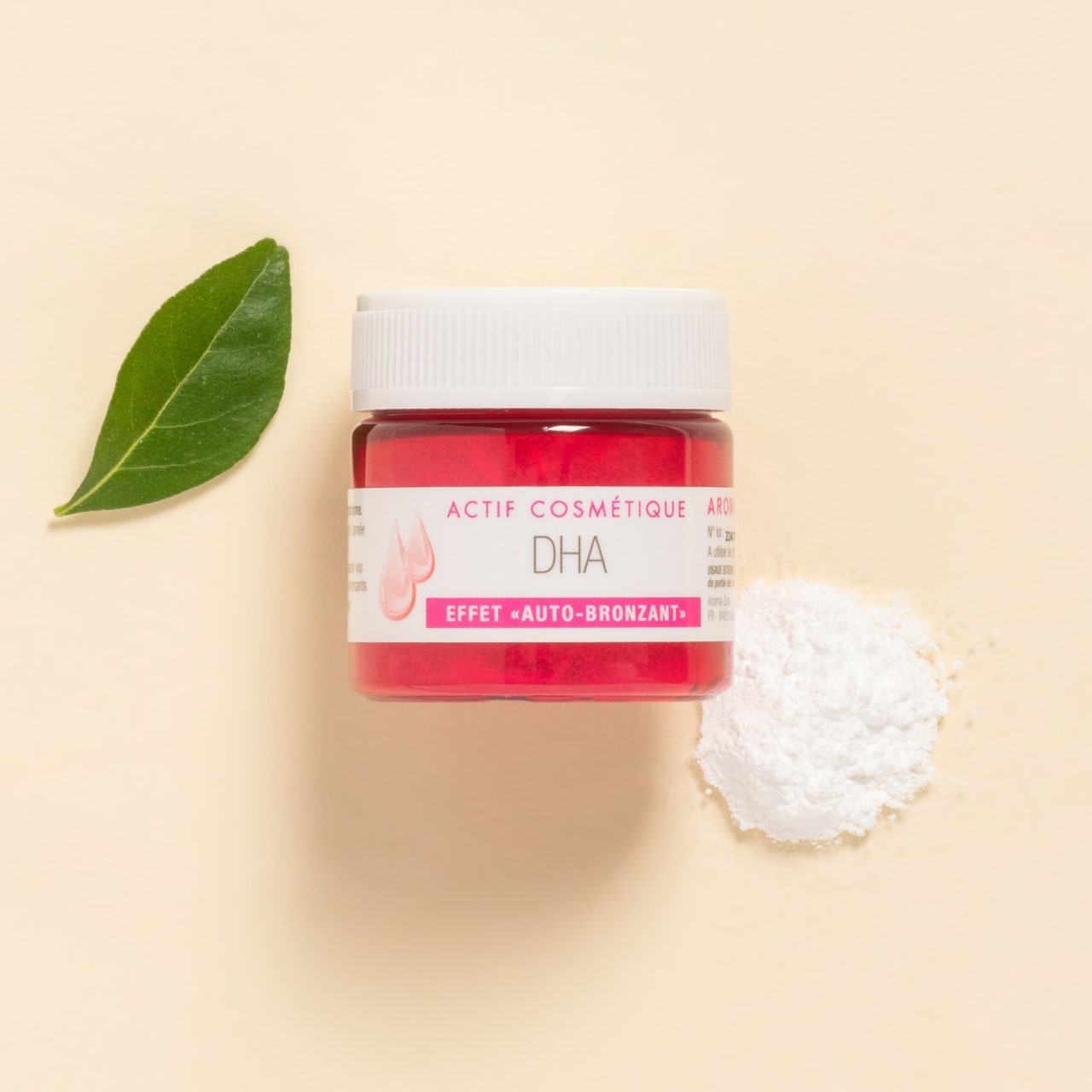
The natural active ingredient DHA
This naturally derived self-tanning active ingredient is used to create self-tanning creams and lotions. DHA (dihydroxyacetone) reacts with the amino acids in the skin’s outer layer, inducing a tan without sun exposure or health risks. Within a few hours, it provides a tanned complexion, the intensity of which depends on the number of applications. This color is water-resistant and can deepen over approximately 24 hours, offering an even tan that is safe for your health.
How to Use It
Add naturally derived DHA to your cream or lotion formulations, then apply evenly to clean, exfoliated skin for a smooth, even-looking tan.
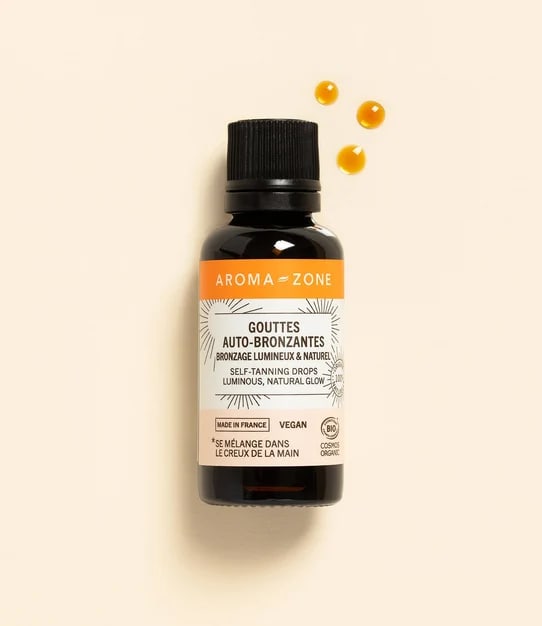
Self-tanning drops
Self-tanning drops are made with 100% natural, certified organic active ingredients, including DHA, erythrulose, and brown algae extract. They blend easily into your face and body care products, providing a golden, even tan without UV exposure. DHA and erythrulose work on the skin’s surface for an immediate tan, while brown algae extract stimulates melanin production for a gradual and long-lasting glow. This blend of active ingredients allows you to customize your tan to your liking and is suitable for all skin types.
How to Use Them
Mix a few drops in the palm of your hand with your favourite neutral moisturiser or body lotion, then apply evenly to the skin.
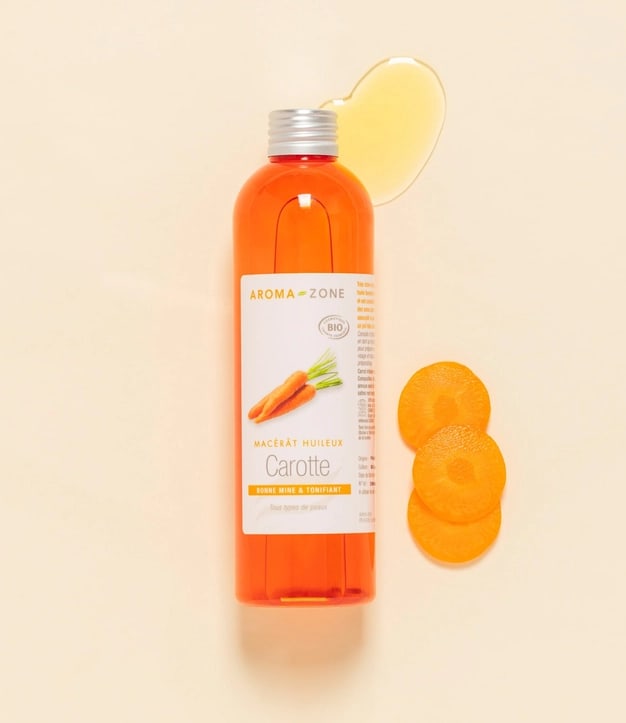
Organic Carrot Oil (oil macerate)
Rich in provitamin A, carrot oil is an excellent ingredient for promoting tanning and maintaining a beautiful, even tan. The provitamin A (beta-carotene) it contains is a powerful antioxidant that helps protect the skin and enhance its natural radiance. Used in after-sun care, tanning oils, or "healthy glow" creams, it brings radiance and vitality to the skin, while preventing signs of skin aging and maintaining its elasticity.
How to Use It
Add carrot oil to your skincare formulations, or apply it directly to the skin to achieve a healthy, radiant glow.
Our Advice
For an even, streak-free tan, exfoliate your skin before application to remove dead skin cells. Moisturise well before and after applying your self-tanner to help prevent dry patches and ensure an even finish.
Our Self-Tanning Recipes
Precautions
Before using your natural self-tanner, please keep the following precautions in mind:
Allergy test: Before first use, test on a small patch of skin to check for any allergic reactions
Sensitive areas: Avoid applying the product to the eyes, mucous membranes, or other particularly sensitive areas of the skin
Pregnancy and breastfeeding: If you are pregnant or breastfeeding, we recommend consulting a healthcare professional before using a self-tanner
Expert Advice
For a natural, even-looking tan, apply your self-tanner using circular motions, blending carefully for a streak-free finish. Wash your hands thoroughly after application to avoid staining your palms, or use a self-tanning mitt for a flawless, even application.
Spotlight on Our Naturopathic Writer: Stéphanie Catrysse

Stéphanie Catrysse is a naturopath (certified by the FENA), a wellness massage and lymphatic drainage practitioner, and a personal development coach. She is passionate about alternative medicine and practices a holistic approach to health.
Frequently Asked Questions
Associated tip

Body Care Tips


