How can you use a foot file properly for softer feet?

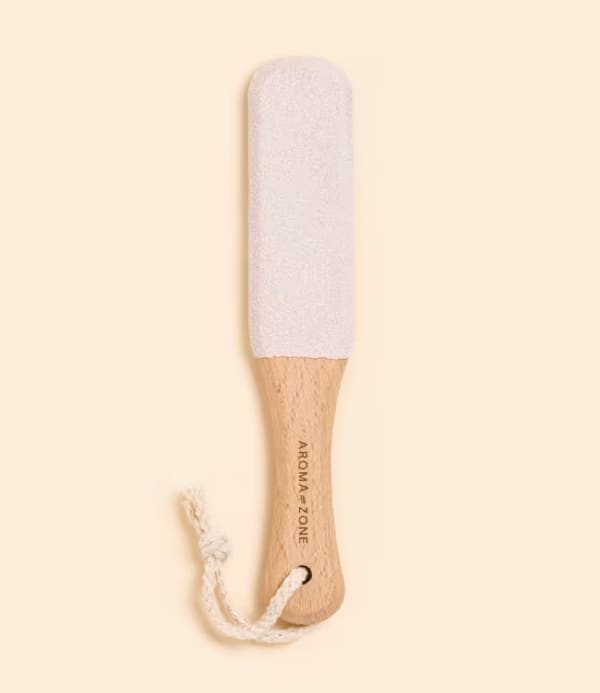
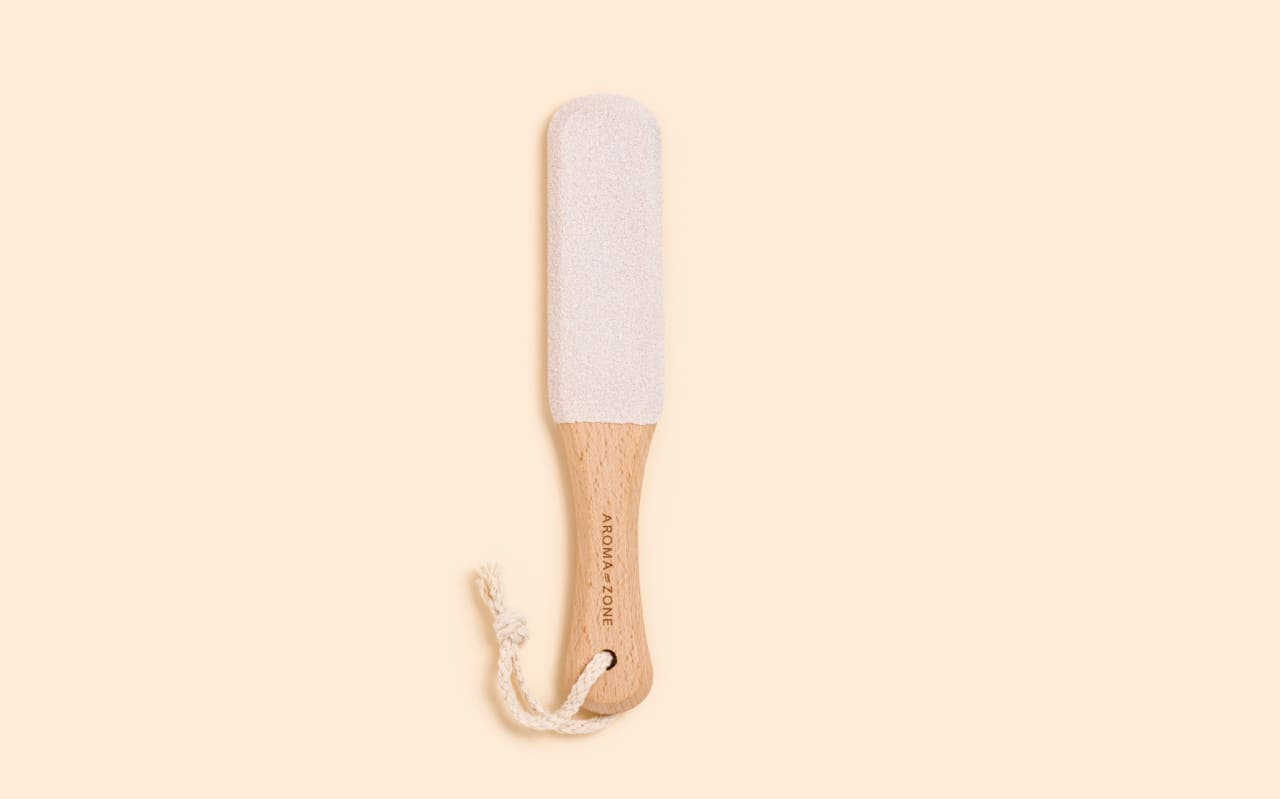
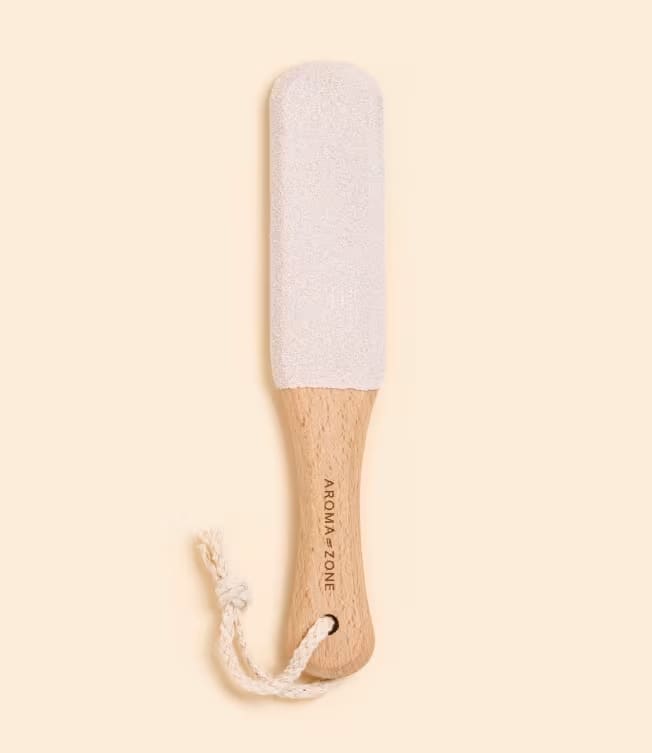
Our feet carry us all day long, taking the weight when we're walking and the hours we spend standing… And yet, we often forget to look after them. Confined and overlooked, they eventually make us feel it: rough skin, calluses, cracked heels, discomfort… What if we changed our perspective? Looking after your feet means reconnecting with your body and giving this all-too-neglected area the attention it deserves. Discover our beechwood foot file, a simple, natural and effective tool that will help you rediscover softness, comfort and well-being in your daily life.

Reading time: 0 min.

What is a foot file?

We put our feet under strain every day. Tight shoes, long walks barefoot.

The result? Over time, the skin on our feet naturally thickens and gradually forms calluses to protect against pressure, friction or wearing unsuitable shoes. This is perfectly normal, but when it becomes more pronounced, it can cause real discomfort: cracked heels, the development of calluses, and a loss of suppleness. This hardening of the skin, which is common but often overlooked, can be prevented. To alleviate it naturally, the foot file is designed to remove dead skin cells and calluses that build up in pressure points, such as the heel, the sole or the outer edge of the foot. It helps to soften and even out the skin without damaging it, gently removing excess keratin. The result: smoother, more supple skin, and an immediate feeling of comfort.
Why use a foot file?

Why incorporate the foot file into your routine? Because it helps to:

  • Stimulate skin regeneration

  • Enhance the absorption of moisturising and nourishing skincare products

  • Restore softness and suppleness to the skin

  • Prevent cracked heels and foot pain

Please note

This natural and gentle hygiene and care routine fits perfectly into an eco-friendly and minimalist lifestyle.

What are the benefits of a foot file?

A foot file, used regularly, is a simple, natural and effective way to restore comfort and a sense of lightness. Here are the main benefits you can expect from gentle, regular use:

  • Removing dead skin cells: The foot file removes the stratum corneum that builds up on the skin’s surface. This mechanical exfoliation promotes cell renewal and leaves the feet looking cleaner.

  • Smooths and softens the skin: By refining the upper layer of the epidermis, it makes the skin visibly softer and more pleasant to the touch, right from the first use.

  • Preventing cracks and pain: By limiting the thickening of the skin, it prevents the appearance of painful cracks, particularly on the heels, which are often exacerbated by dry skin.

  • Enhance the absorption of skincare products: Exfoliated skin absorbs the active ingredients in nourishing creams or balms more effectively. Your skincare products penetrate deeper and become more effective.

  • Improves everyday comfort: By reducing pressure points, the foot file helps restore a more supple gait and minimises friction inside shoes.

  • Enhance the appearance of your feet: Whether barefoot or in sandals, smooth, well-cared-for skin always looks better. This routine therefore becomes as much a skincare practice as an act of beauty.

Beyond the aesthetic aspect, using a foot file is part of a holistic approach to wellbeing, prevention and gentle care. It’s a small gesture that makes a big difference, especially when it forms part of a regular, gentle and caring foot care routine.


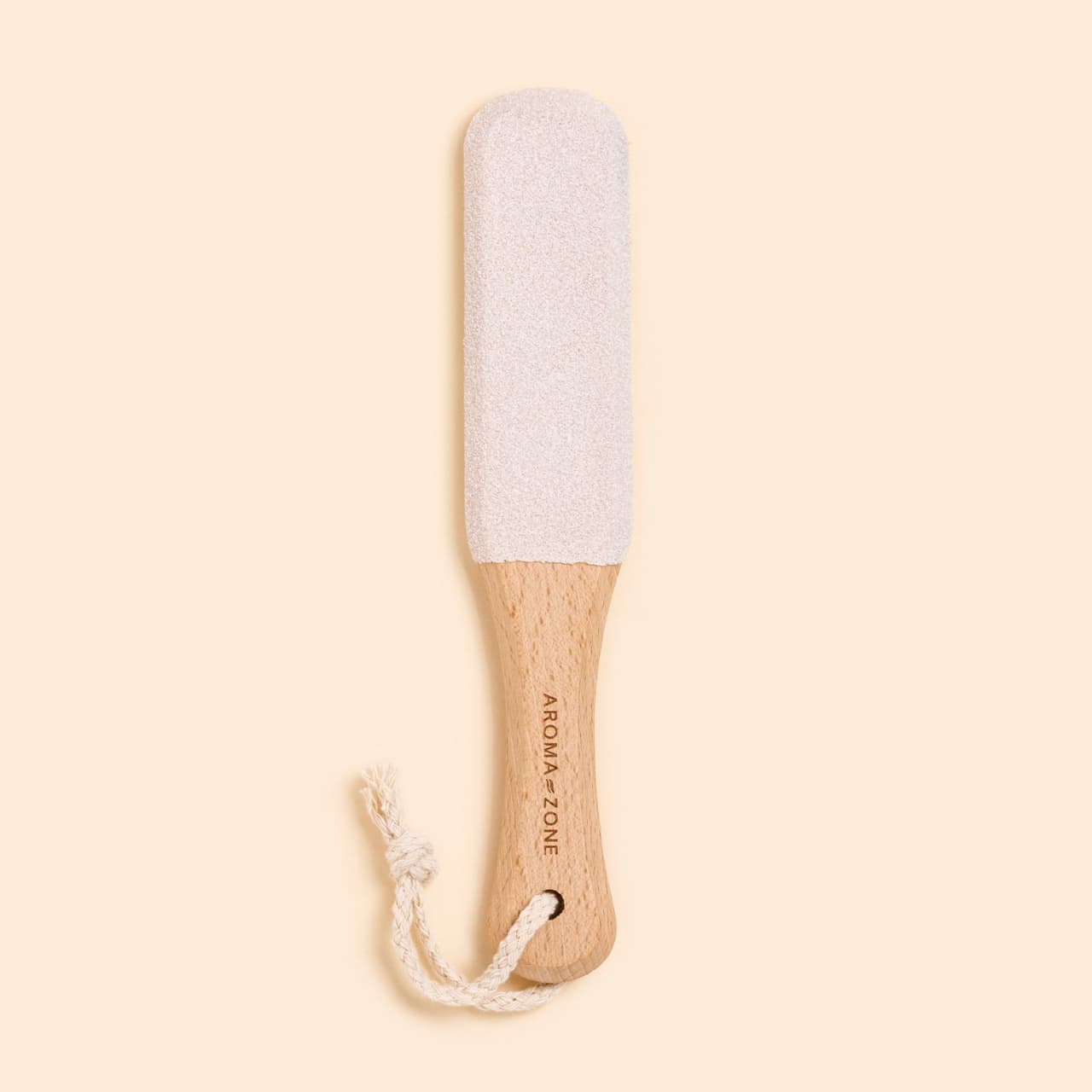
A closer look at our beechwood foot file

Suitable for which types of feet?

The foot file is suitable for everyone, provided you adapt its use to the nature of the skin on the soles of your feet:

  • Feet with thick or very calloused skin (Weekly use recommended)

  • Feet with dry or sensitive skin (Use less frequently to avoid irritation)

  • Feet prone to cracked heels (File very lightly, then moisturise generously)

  • Feet that are regularly cared for (one treatment every two weeks is sufficient to maintain softness and comfort).

Foot files: Which ones should you use?

The manual foot file: often made of wood or recycled plastic, is ideal for regular, natural use. With a grit level that varies in coarseness depending on the model, it can be used on damp or dry skin, depending on individual sensitivity.

The electric foot file: on the other hand, may suit those looking for convenience, but it requires greater care to avoid irritating the skin.


Precautions to take

  • Do not use the foot file on irritated or broken skin.

  • Avoid rubbing too hard so as not to damage the skin.

  • Disinfect the foot file regularly to prevent the spread of bacteria.

When should you use a foot file?

It is advisable to use a foot file when the skin starts to become dry or rough, or when areas of calluses and hard skin begin to form, particularly on the heels or areas subject to pressure. This can be done after a bath or shower, when the skin is slightly softened, making it easier to remove dead skin without damaging the epidermis. The foot file helps to soften the skin, prevent painful cracks and reduce the discomfort caused by thick calluses. By smoothing the surface of the foot, it also improves the absorption of moisturisers and gives the feet a neater, more attractive appearance. In the long term, it helps to keep feet healthy, supple and well-cared-for.


What is a callus?

Calluses are a more pronounced form of hard skin. They appear when the skin reacts to repeated pressure and friction, forming a thick, hard and sometimes more extensive area. Calluses are common on the soles of the feet and on the sides of the toes.


What is callus?

⟪Calluses⟪ refer to the natural thickening of the outermost layer of the skin, often yellowish in colour. They mainly appear in areas subject to constant friction and pressure, such as under the heels or on the balls of the feet. They are quite hard, but generally remain thin.


What is dead skin on the feet?

Dead skin refers to the surface cells that shed from the skin. They build up on the surface, making the skin dry, rough and dull. They are thinner than calluses or corns, but they also contribute to discomfort and make the feet look neglected.

How do you remove calluses from your feet with a foot file?

  1. For effective and gentle care, a few simple steps make all the difference.

  2. Roughing up your feet straight after a warm bath or shower makes exfoliation easier: the skin is softer and calluses are easier to remove.

  3. Make sure your skin is thoroughly dried but still slightly damp to avoid irritation.

  4. Move the foot file in gentle, steady strokes, without applying pressure.

  5. Focus on the thickest areas (heel, sole, outer edge), whilst taking care to avoid sensitive areas.

  6. Once a week is enough to keep your feet smooth and comfortable.

  7. Always finish by rinsing with clean water, drying thoroughly, and then applying a nourishing treatment.

How can you incorporate a foot file into your skincare routine?

Our feet carry us every day. Yet they’re often the ones we overlook. By incorporating a few simple steps into your weekly routine, you can prevent calluses, soften the skin and regain a lasting sense of comfort.

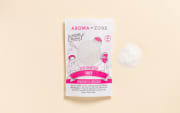
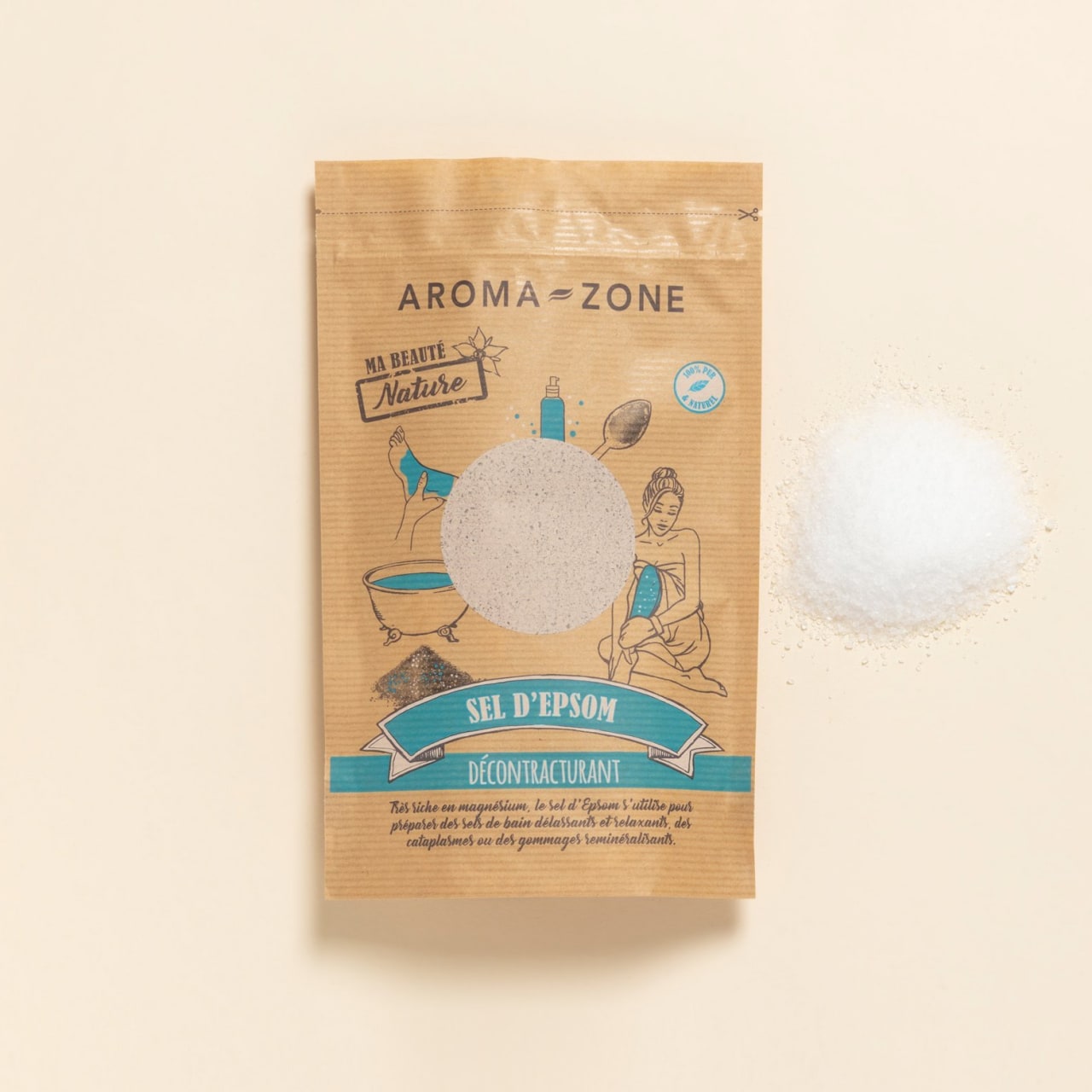
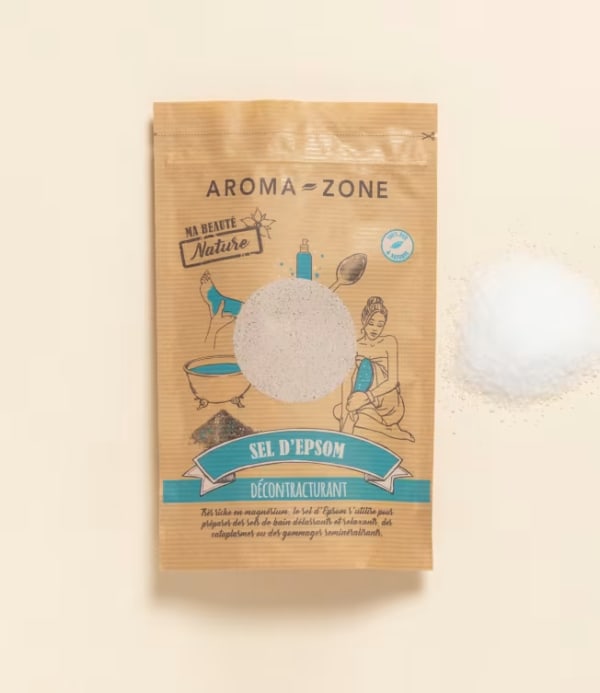
1. Prepare a foot bath: Once or twice a week, soak your feet for 10 to 15 minutes in a basin of lukewarm water. Add a handful of Epsom salt to relax, purify and soften the skin, and help remove calluses.

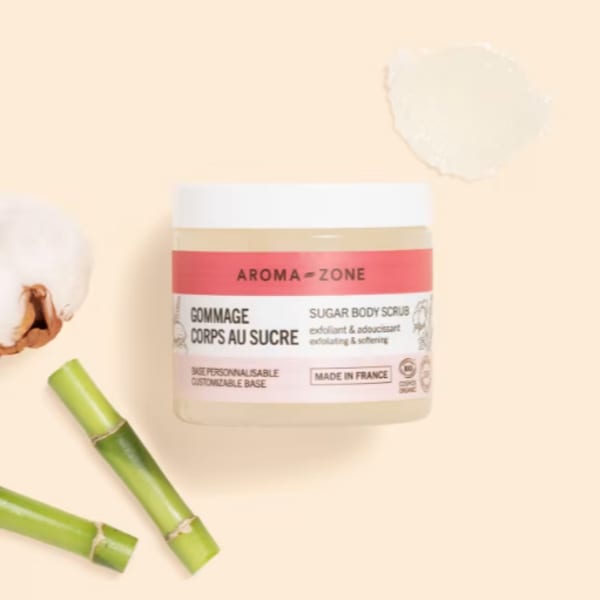
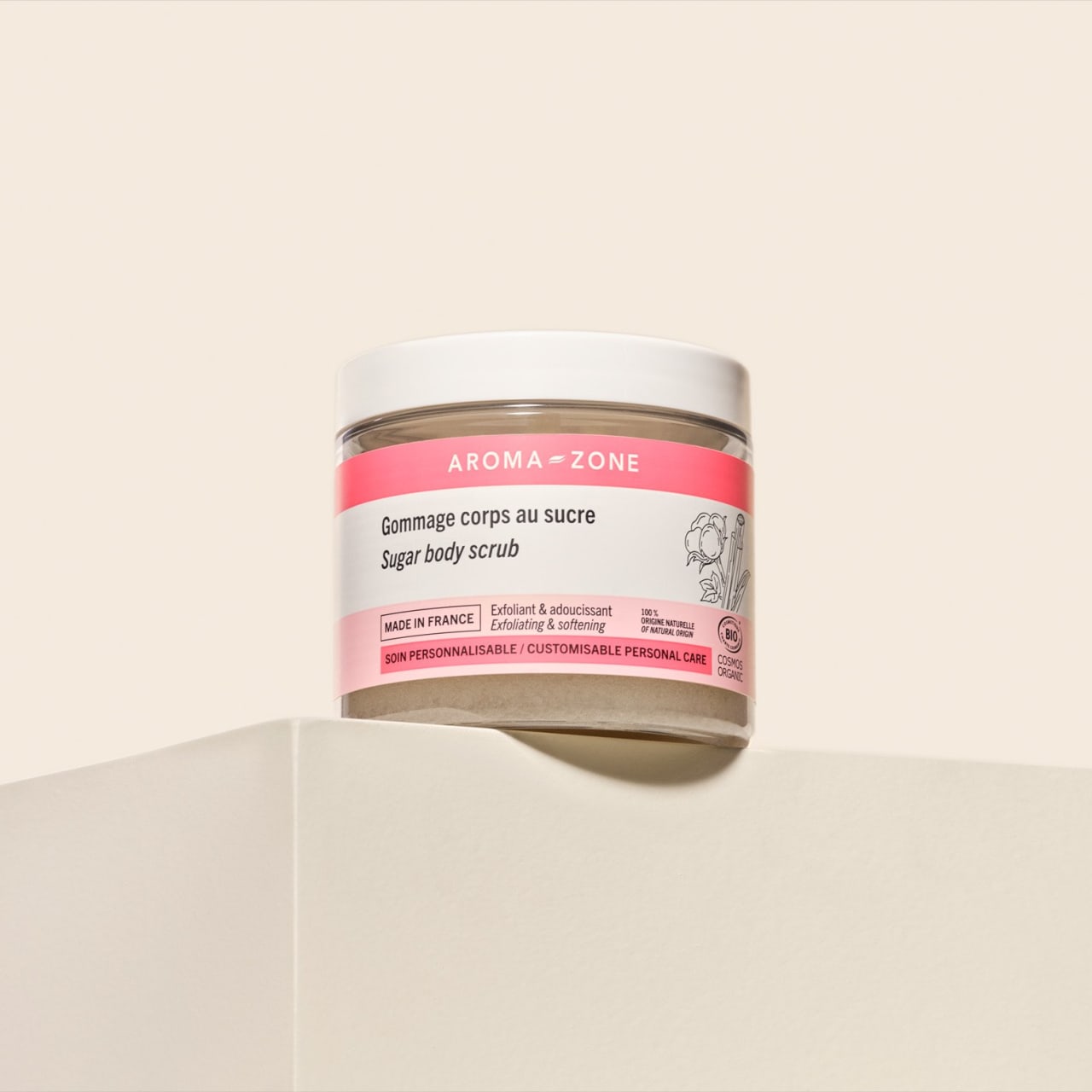
2. Exfoliate with a natural scrub: Apply the Neutral Base organic sugar body scrub to damp skin. Massage in circular motions, paying particular attention to the heels and other rough areas. This stimulates cell renewal.

3. Smooth away rough patches with a foot file: After a bath or exfoliation, use a foot file on skin that’s still supple. Gently run it over your heel, the sole and the outer edges, without rubbing too hard.

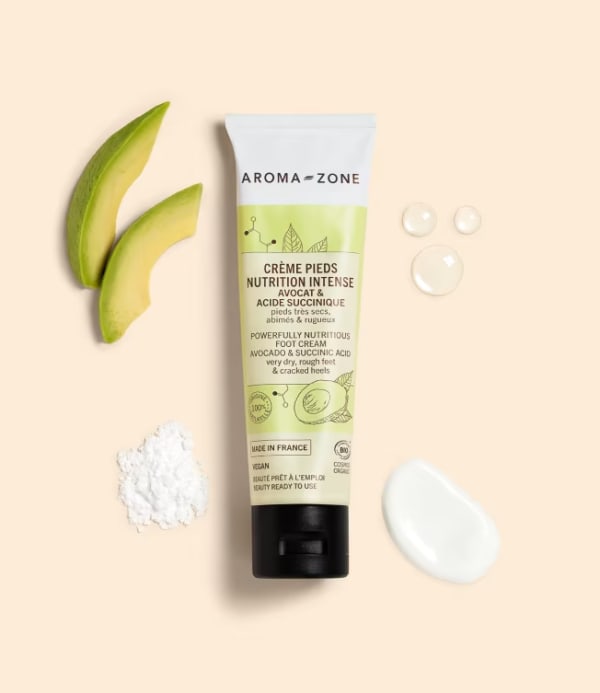
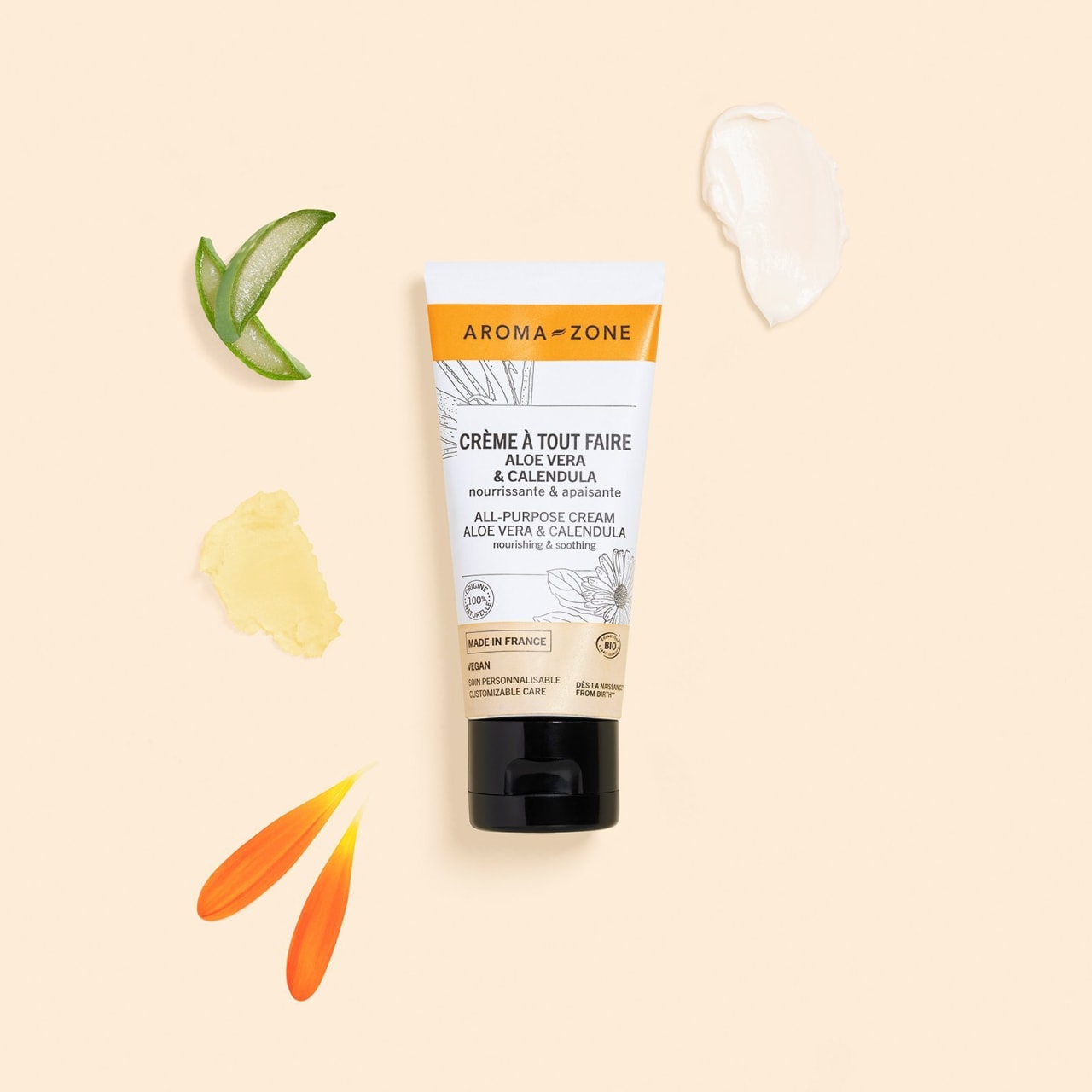
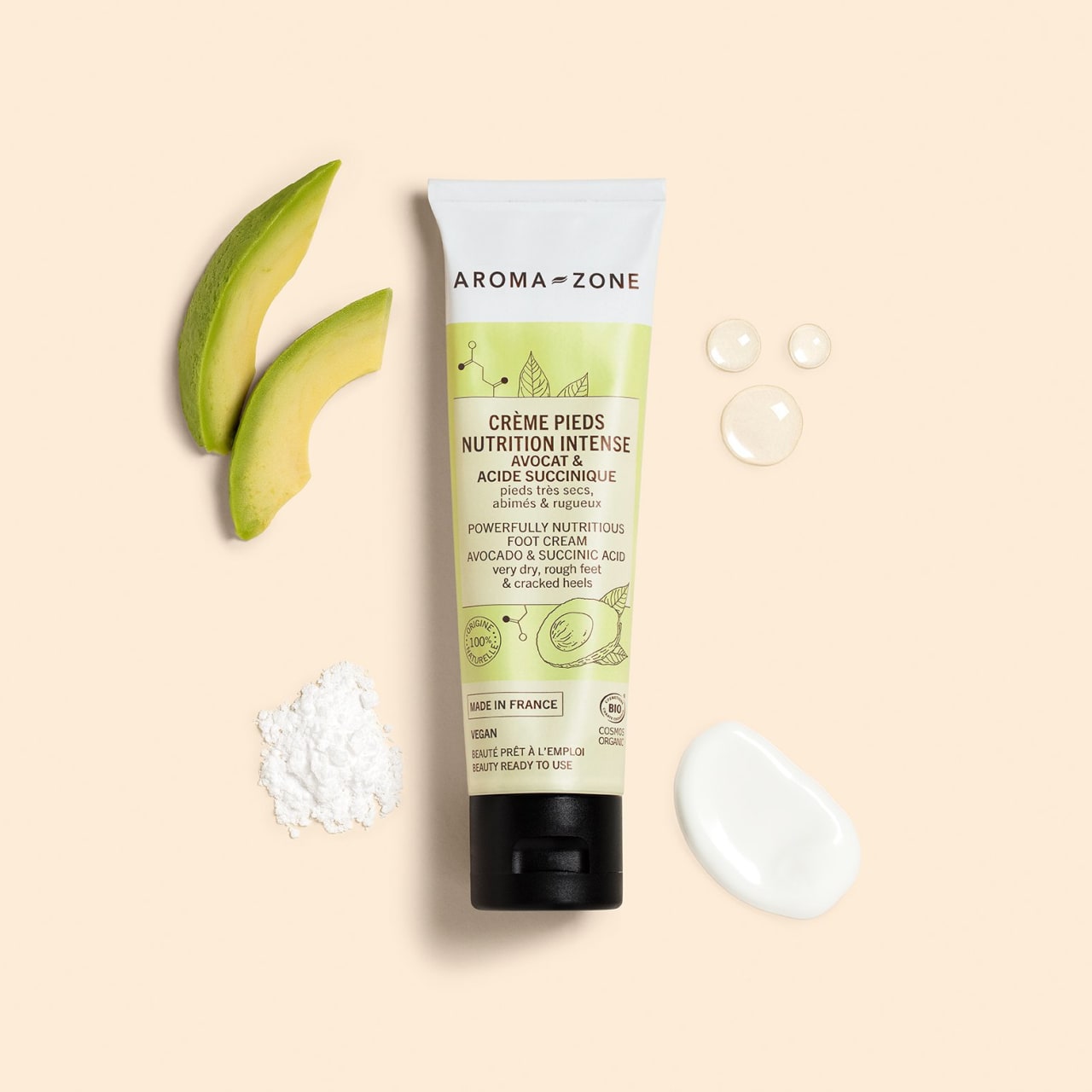
4. Intensely nourish with a restorative cream: Every evening, apply a moisturising and softening cream to the clean, dry skin of your feet. 


This simple and accessible routine helps keep your feet soft and healthy all year round.

Our anti-callus and anti-corn remedies for healthy feet

Magic cream for very dry and damaged feet

Ingredients (no scale)

Preparation

1

Put all the ingredients directly into the jar containing the neutral all-purpose cream.

2

Mix using the stainless steel spatula.


Store your bottle away from light and heat.

* Storage: If stored correctly and manufactured under optimal hygienic conditions, your product will keep for at least 1 month.

Regenerating and Nourishing Cream for Very Dry Feet

Ingredients (with measurements)

Preparation

1

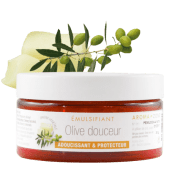
Transfer phase A (shea butter + rice wax + ‘Olive Douceur’ emulsifier) into a bowl.

2

Transfer phase B (mineral water) into another bowl.

3

Heat the two phases separately in a bain-marie to 70°C.

4

Once both phases are at the same temperature, remove the bowls from the bain-marie, then add phase C (urea) to phase B and stir until the urea has completely dissolved.

5

Without delay, slowly pour the mixture of phases B and C into phase A, whilst continuing to stir vigorously for about 3 minutes. The mixture will turn white and become homogeneous.

6

Whilst continuing to stir, place the bowl in a pan of cold water to speed up the cooling process and help the emulsion set for a further 3 minutes or so.

7

Finally, add phase D (the remaining ingredients), mixing well after each addition.

8

Transfer the mixture into your jar.


Note: the pH of this preparation is approximately 6.5–7.

Store your jar away from light and heat.

* Shelf life: If stored correctly and made under optimal hygienic conditions, your product will keep for at least 3 months.

Precautions and contraindications

  • Do not file irritated or broken skin

  • Avoid daily use unless advised by a doctor

  • Disinfect the foot file after each use

  • Test the product on a small area if you have sensitive skin

Expert advice

The real secret lies not only in regularity, but also in gentleness. There’s no need to scrub hard or do it every day. Once a week is more than enough, provided you follow this up with a nice foot bath and a nourishing treatment afterwards. After years of seeing feet that have been mistreated or neglected, I always recommend taking this time for yourself as a little ritual, not as a chore. This moment of self-care is also a way to reconnect with your body and slow down.

Find out more

Is it worth buying a professional, powerful electric foot file?

Yes, if you have very thick calluses or feet that are difficult to care for by hand. But for regular, gentle use, a well-chosen manual foot file is sufficient. It allows for a slower, but also gentler, approach to foot care.

Is a manual foot file really effective?

Absolutely. Used correctly and regularly, it effectively smooths rough areas without the risk of over-exertion. It’s an economical, simple solution that’s ideal for maintaining the natural softness of your feet.

Should you choose a wooden or metal foot file?

The wooden foot file is gentler, more natural and eco-friendly. It’s gentler on sensitive skin and is suitable for weekly use. Metal, which is more abrasive, should be reserved for more severe calluses and used with care.

Spotlight on our specialist writer, Louise Hourcade

After graduating from ESCP business school in 2020, Louise began her career as an writer in 2021. Today, she writes a newsletter where she shares cultural recommendations, as well as more personal articles (dating apps, therapy and career guidance). She writes also for the media, brands and agencies on subjects such as wellbeing, mental health, culture and society.

Bibliography

1

Baran R., Maibach H.I. Textbook of Cosmetic Dermatology. Springer, 2017.

2

Draelos Z.D. Cosmetic Dermatology: Products and Procedures. Wiley-Blackwell, 2022.

3

Smith R.D. Biomechanics and Foot Health, Oxford University Press, 2019.

4

Knapik J.J. Friction Blisters: Pathophysiology, Prevention, and Treatment, Journal of the American Academy of Dermatology, 2015.