
This condition goes by several names: heartburn, acid reflux, or even gastric reflux. To aid digestion, the stomach secretes hydrochloric acid, making the gastric environment very acidic. In some cases, part of the stomach’s contents may rise up despite a valve designed to prevent this—the esophageal sphincter—causing irritation.

Heartburn: What are some home remedies?
Published on: Thursday, September 12, 2024, Updated on: Wednesday, September 30, 2026
Natural solutions exist for heartburn, a relatively common ailment. From diet and natural antacids to wellness tips, discover all the home remedies to try for gastroesophageal reflux disease (GERD).
Contents
Related products
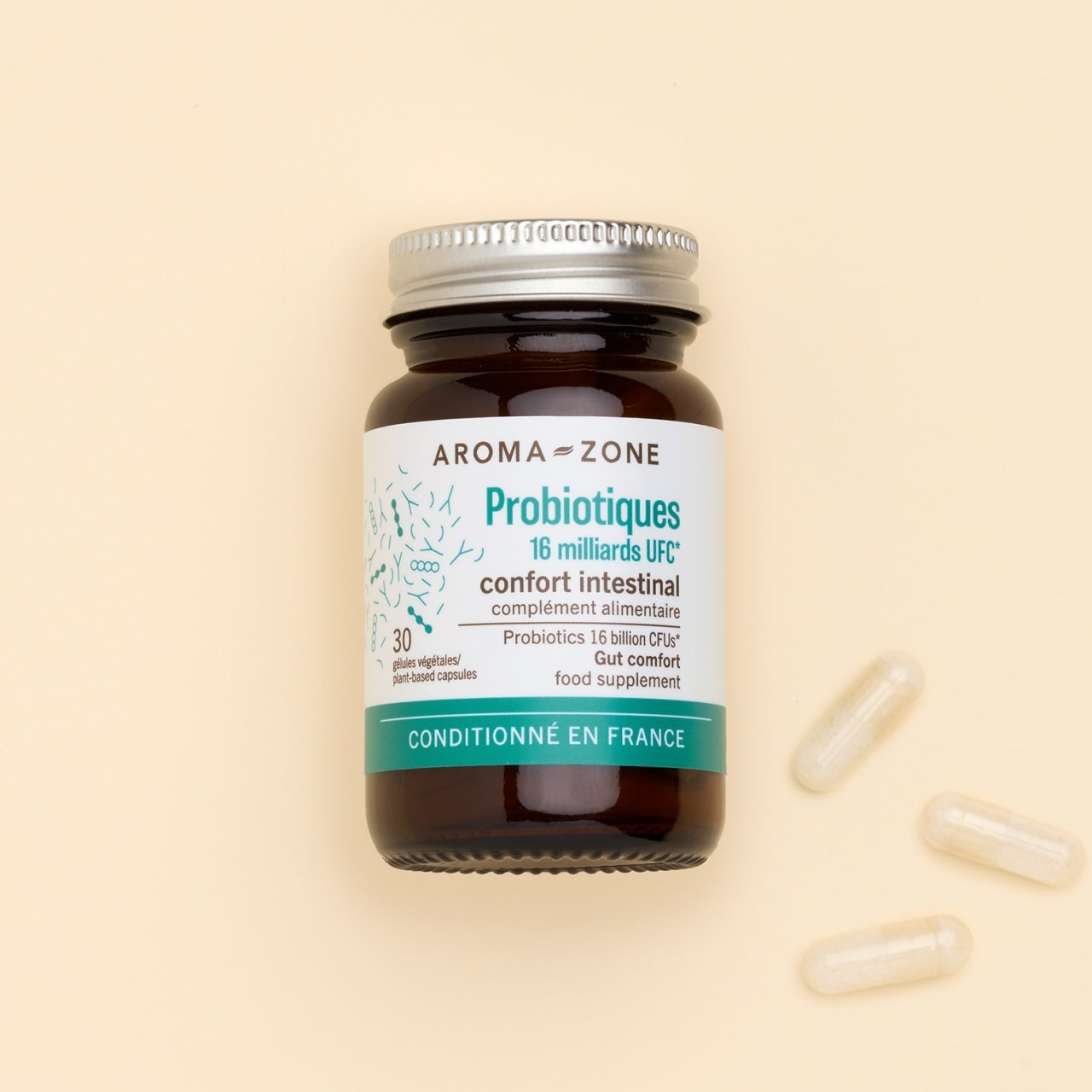
Gut Comfort Probiotics - 30 Capsules
Digestive comfort
£17.00
1 article
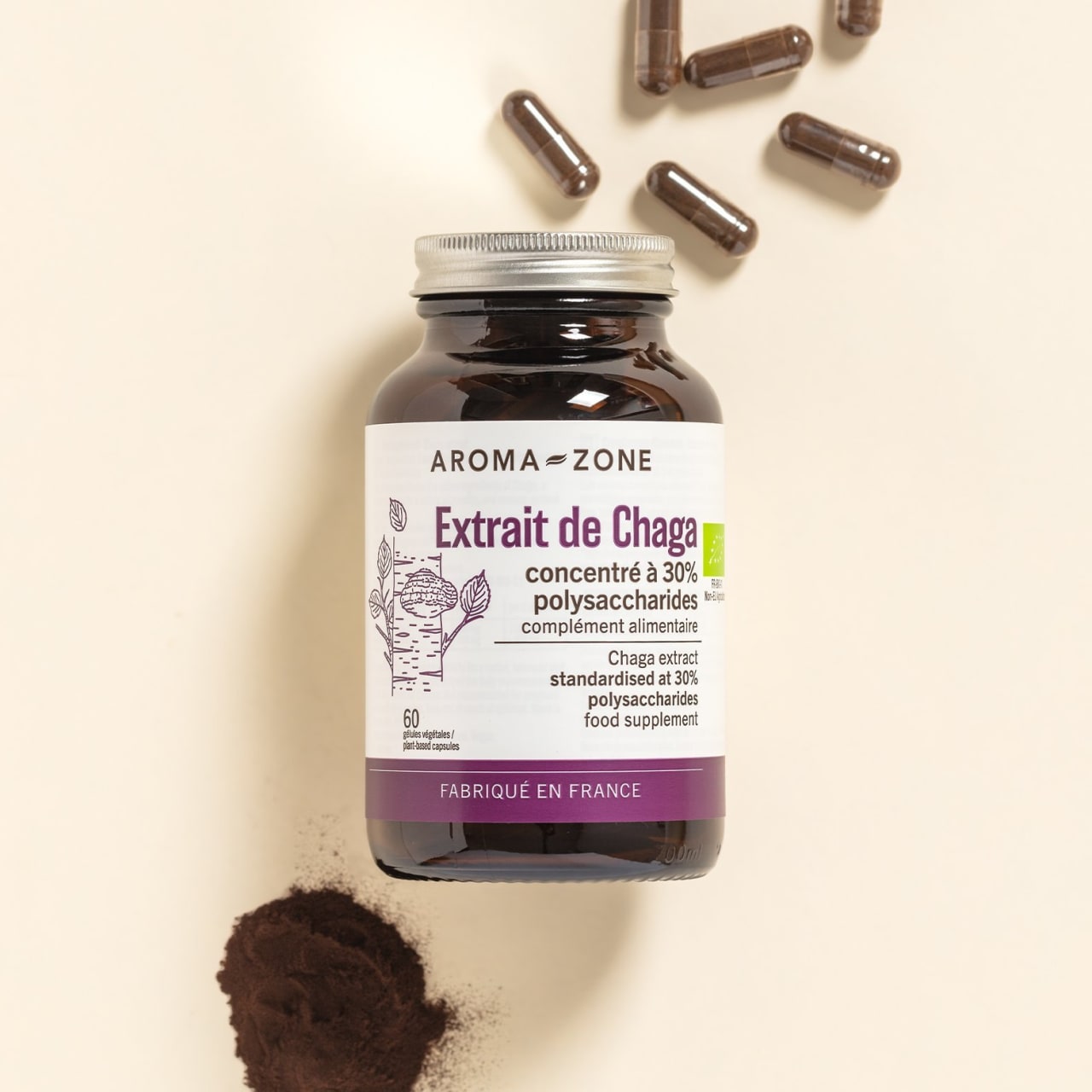
Chaga Extract - 60 Capsules
Digestive comfort
Natural defenses
£20.00
1 article
Superfine Montmorillonite Green Clay (Smectite)
Cleansing
Anti-blemishes
£5.50
500 g
Heartburn: what is it?
What causes heartburn?
Fatty foods and large meals increase stomach acid production, which can lead to reflux and heartburn. Alcohol and tobacco irritate the stomach lining and cause the esophageal sphincter to relax, making it easier for acid to rise. Being overweight puts additional pressure on the stomach, promoting acid reflux into the esophagus. Certain medications can also irritate the stomach lining and disrupt digestion. Finally, stress can increase stomach acid production, worsening these symptoms.
Other so-called mechanical factors can also have an impact. The pressure exerted by the fetus on the stomach during pregnancy can promote the reflux of stomach acid. A hiatal hernia allows part of the stomach to move up into the chest cavity, which facilitates acid reflux into the esophagus.
What are the symptoms?
After a meal or when lying down, symptoms associated with acid reflux usually include:
A burning sensation in the chest, sometimes extending up into the throat
Acid regurgitation
A bitter or sour taste in the mouth causing bad breath
Stomach aches and other abdominal pain
ENT problems such as a sore throat or cough.
Heartburn and acid reflux: what’s the connection?
Heartburn is a sensation of heat or burning in the upper abdomen (epigastrium), which can extend up to the chest or throat. This sensation is caused by excess stomach acid in the stomach.
Acid reflux occurs when acidic stomach contents flow back into the esophagus, often due to:
Weakening of the lower esophageal sphincter (anti-reflux valve),
High intra-abdominal pressure (due to pregnancy, being overweight, or large meals),
An unsuitable diet: too acidic, too sweet, too rich, too spicy, etc.
In addition, acid reflux often causes heartburn: when acid flows back up, it irritates the lining of the esophagus, which is not designed to withstand it, resulting in a burning sensation. Thus, heartburn is a direct consequence of acid reflux. In cases of frequent or severe reflux, this can lead to inflammation of the esophagus (esophagitis) and even complications if left untreated.
From the Doctor
"To soothe heartburn, the combination of turmeric and probiotics offers a dual protective effect. Turmeric reduces gastric inflammation and protects the mucous membrane, while probiotics such as Lactobacillus gasseri improve gastric emptying, reduce bloating, and limit acid reflux. Two clinical studies confirm a significant improvement in symptoms within 4 weeks.”
Dr. Yoni Assouly - Physician with a functional and nutritional approach
How to relieve heartburn with home remedies
Below is a list of foods and tips that can help prevent acid reflux, soothe heartburn, and balance stomach acidity:
Bananas to protect the stomach: They neutralise excess acidity and reduce irritation of the stomach lining by coating it, thanks to their fibre and pectin.
Honey for relief: Anti-inflammatory and soothing, 1 teaspoon of honey taken every night at bedtime may relieve heartburn symptoms.
Almonds, natural antacids: Alkalising, they help neutralise stomach acid and thus soothe acid reflux.
Ginger for heartburn: A natural gastroprotective agent, ginger, in all its forms, contains anti-inflammatory compounds that can help relieve pain and inflammation.
Apple cider vinegar for prevention: By diluting 1 tablespoon of apple cider vinegar in a glass of water before meals, you can help rebalance stomach acidity and prevent acid reflux. Keep this in mind before a heavy meal.
Parsley for relief: Parsley aids digestion and soothes heartburn thanks to its alkalising and anti-inflammatory properties.
What natural remedies are there for heartburn?
To relieve these unpleasant symptoms, here are our other, slightly more modern home remedies available at Aroma-Zone:
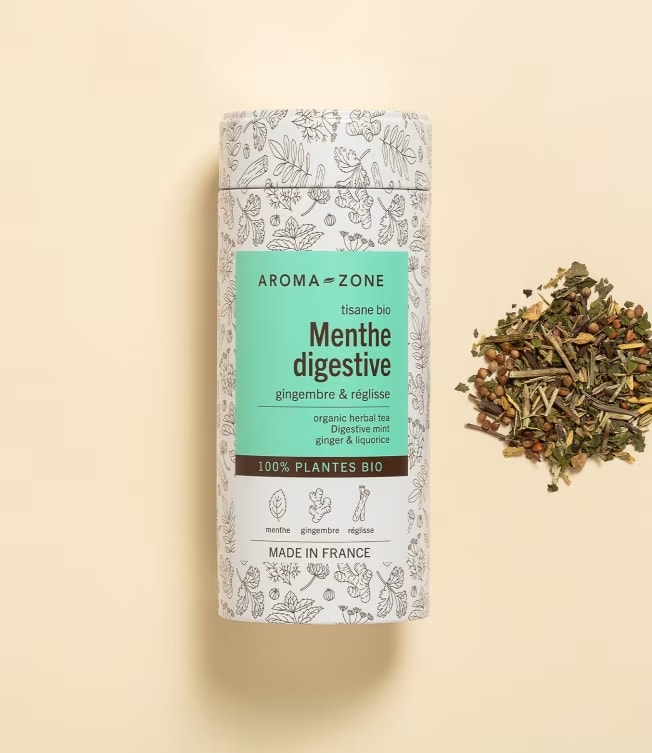
Organic Digestive Mint Herbal Tea
The combination of licorice, sweet and peppermint, ginger, and fennel is ideal for soothing indigestion and heartburn. Prepare 1 cup at noon and in the evening, letting the mixture steep for 5 to 10 minutes.
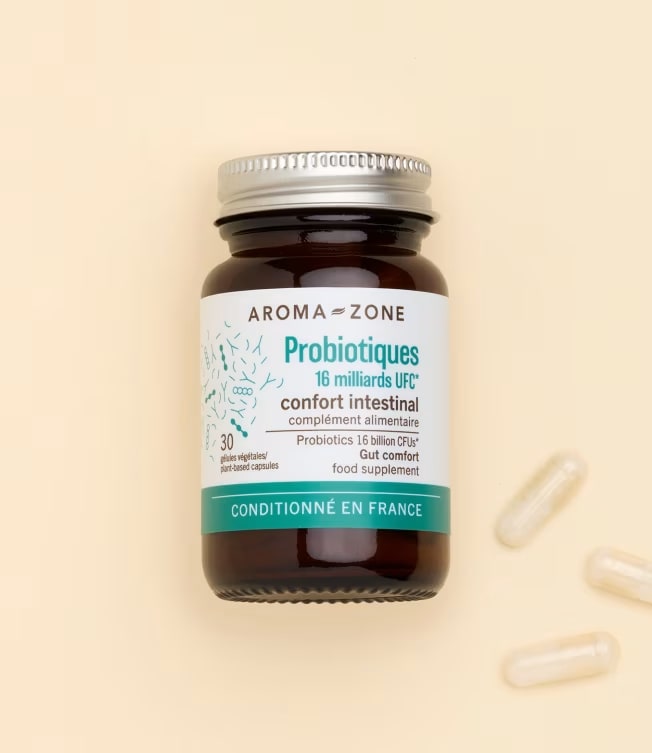
Probiotics and gut health
A complex with proven beneficial effects on the balance of gut flora and intestinal comfort, combined with prebiotic fibres.

Chaga Extract
Rich in active compounds with antioxidant and anti-inflammatory properties, it’s also a great ally for digestive health
Our natural remedies to make at home
Aloe vera juice: Soothes and repairs the digestive tract lining; 1 to 2 tablespoons before meals is recommended, preferably a cold-pressed juice without aloin (a laxative substance)
Warm lemon water: Although it contains lemon, lemon has an alkalising effect after digestion. Squeeze the juice of ½ a lemon into warm water and drink it in the morning on an empty stomach (if well tolerated).
Manuka honey: Its healing and anti-inflammatory properties benefit the esophagus. You can take 1 teaspoon straight or with herbal tea after a meal.
How can you prevent heartburn?
Here's a few more tips to help you maximise the effects of your natural remedies:
You can split your meals into smaller, more frequent portions.
Drink enough fluids, preferably plain water and soothing herbal teas, between meals.
Wear comfortable clothing rather than tight-fitting clothes.
Limit very spicy foods, fried foods and fatty foods, as well as coffee and alcohol.
Eat plenty of plant-based foods and prioritise whole grains and legumes, which are particularly beneficial alkaline foods.
Avoid lying down immediately after a meal.
If you exercise, make sure to space out your meals and workouts.
To sleep better, slightly elevate your head and upper body using pillows.
Precautions
If symptoms persist despite these natural alternatives and the heartburn becomes chronic, consult your doctor.
Expert advice
If you suffer from acid reflux, a course of probiotics in capsule form can help improve and soothe symptoms long-term. These microorganisms promote a balanced gut flora, strengthen the body’s natural defenses, and contribute to better digestion, which can reduce the incidence of acid reflux.
Spotlight on our nutrition writer, Raquel Barros

Raquel was always passionate about nutrition and well-being, and it was above all her love of good food and desire to share her knowledge that led her to pursue a career in dietetics. A graduate with a BTS qualification specialising in sports nutrition, she discovered the world of natural solutions, including dietary supplements and oligotherapy, while working in various pharmaceutical laboratories. In recent years, she has expanded her work to include nutritional counselling and article writing, combining her interest in nutrition with her passion for sharing knowledge. Women’s health, anti-inflammatory diets, sport, and balanced nutrition are among her favourite topics.
Bibliography
WHO - Traditional Herbal Remedies for Primary Health Care (medicinal plants)
Mentha Piperita (Peppermint) in Functional Dyspepsia, PubMed Central, 2016
Natural Remedies for Heartburn: A Systematic Review, Johnson T, et al., BMJ, 2018
Efficacy of Aloe Vera for the Treatment of Gastroesophageal Reflux Disease: A Pilot Study, Journal of Gastroenterology and Hepatology, 2015
Sources: Kuptniratsaikul V. et al., J Altern Complement Med, 2019; Ohtsu T. et al., BMJ Open, 2017; de Milliano I. et al., World J Gastroenterol, 2012.

Frequently Asked Questions
Associated tip

Aromatherapy advice


