Stopping the Pill Gradually: Supporting the Transition

Stopping the Pill Gradually: Supporting the Transition


By Marine Leleux

Published on: Friday, August 08, 2025, Updated on: Thursday, October 29, 2026

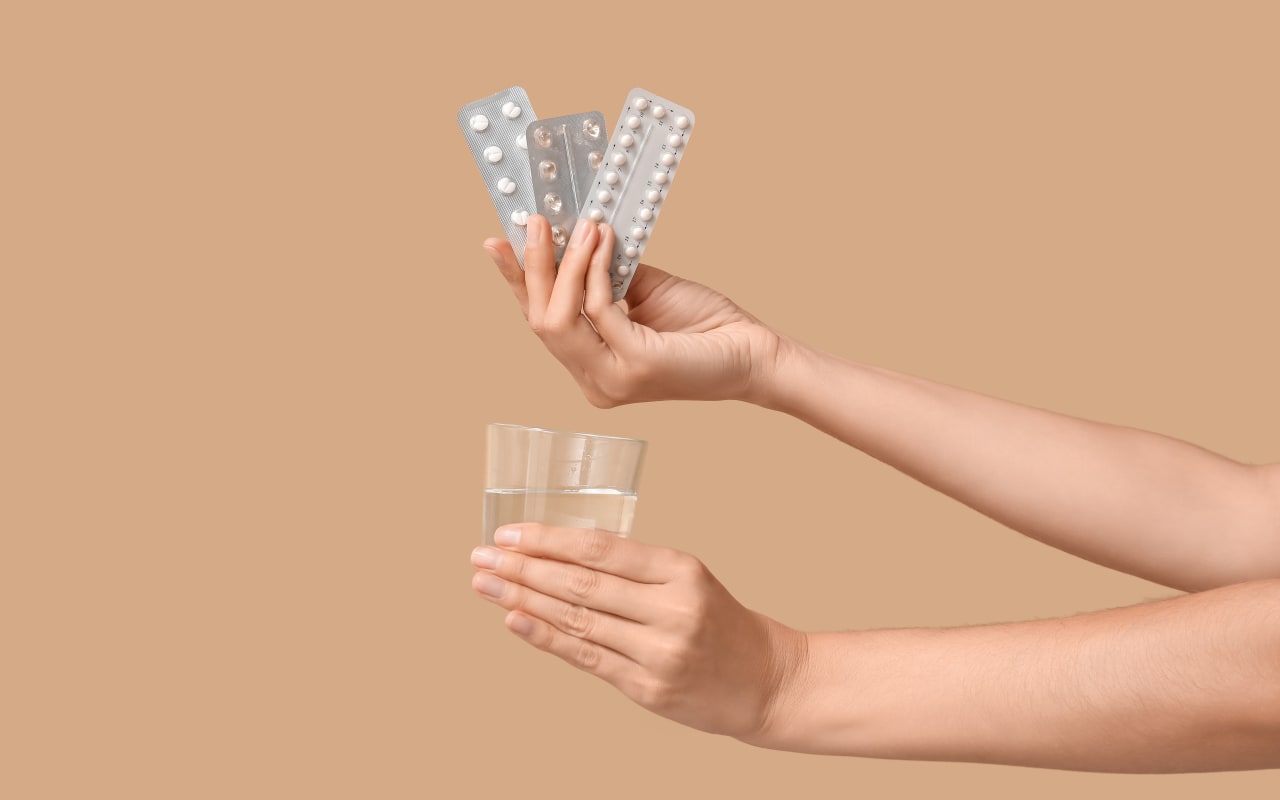
Stopping the pill is an important step that is often accompanied by physical and emotional changes. To avoid the side effects of this change in contraception, stay fit, and feel good during this phase, a gradual transition is essential. In this article, we offer simple, tailored advice to help you navigate this change smoothly, while respecting your body and your own pace.

Contents

Related products

What Is the Contraceptive Pill?

The contraceptive pill is an oral hormonal medication used primarily to prevent pregnancy. It works primarily by preventing ovulation, which prevents fertilisation. The pill also alters the uterine lining, making it more difficult for a potentially fertilised egg to implant, and thickens the cervical mucus to make it harder for sperm to travel. There are several types of pill, tailored to each woman’s needs and health:

  • The Combined Pill: This is the most common type of pill. It contains two types of hormone: oestrogen and progestogen

  • The Progestogen-Only Pill : Also known as the mini-pill, this contains only progestogen. It is often recommended for women who cannot take oestrogen (smokers, women over 35, or those at risk of blood clots)

  • The Variable-Dose Pill: Some combined pills offer hormone doses that vary depending on the day of the cycle to better mimic a woman’s natural cycle and minimise side effects
Why Use the Contraceptive Pill?

The contraceptive pill is known for its primary purpose: preventing pregnancy. However, it is also used for various medical purposes, ranging from improving the symptoms of acne to regulating the menstrual cycle. Here are the main reasons why the pill may be prescribed: 

Pregnancy Prevention

You’re no doubt familiar with the pill primarily as an effective method of contraception. When taken regularly at the same time each day, it prevents ovulation and thickens cervical mucus, preventing fertilisation. It’s a widely used method of contraception because it’s discreet, reversible and easy to incorporate into daily life.

Regulating the Menstrual Cycle

The pill is also often recommended to regulate the menstrual cycle. If periods are irregular, very heavy or even painful, the contraceptive pill may be prescribed to stabilise hormonal fluctuations. Periods may then become more predictable, often with lighter and shorter periods.

Hormonal Rebalancing

The pill can also be useful in the case of certain hormonal conditions such as endometriosis or polycystic ovary syndrome (PCOS). It may help to regulate sex hormones, which can help to alleviate certain symptoms associated with these hormonal disorders.

Improving Hormonal Acne

Hormonal acne, which often occurs before periods or during adolescence, is linked to an overproduction of sebum under the influence of androgen hormones. Some combined oral contraceptives contain progestogens with an anti-androgenic effect, which means they help to reduce sebum production and thus improve the appearance of the skin. For more on this topic, read our article: The Pill and Acne: What’s the Link?

Good to Know: When the pill is used to manage hormonal symptoms, it eases them rather than addressing what's causing them. This means the same discomforts often return once you stop taking it.

How Does the Pill Affect Your Health?

The contraceptive pill works primarily through several biological mechanisms that prevent pregnancy and regulate the hormonal cycle. Some effects may provide appropriate support during certain stages of life, whilst others may affect a woman’s health. 

  • Blocks Ovulation: The hormones in the pill prevent the ovaries from releasing an egg, thereby preventing fertilisation

  • Thickens the Cervical Mucus: The pill makes the mucus thicker, creating a barrier that prevents sperm from entering the uterus

  • Alters the Lining of the Womb: The contraceptive pill alters the lining of the womb, making it difficult for a fertilised egg to implant

  • Regulates Hormones: The pill stabilises levels of sex hormones (oestrogen and progestogen), which helps to regulate the menstrual cycle

  • Reduces Sebum Production: Some combined pills contain anti-androgenic progestogens which reduce the production of sebum, thereby reducing hormonal acne

  • Reduces Libido: The pill can sometimes reduce sexual desire, due to the modulation of sex hormones

  • Affects the Vaginal Flora: Changes in the vaginal microbiota are common whilst taking the pill, and may promote yeast infections or fungal infections

  • Digestive Problems: You may experience digestive problems or nausea when you first start taking the pill; these symptoms usually subside over time

  • Increased Blood Pressure: The pill may cause a moderate increase in blood pressure in some women

The pill can help prevent pregnancy and regulate your cycle, but it can also cause side effects. Some women cannot tolerate it or simply wish to stop taking it, whether to switch to a different method or to prepare for pregnancy. In any case, it is important to listen to your body and seek support during this transition to gradually coming off the pill.

Stopping the Pill: What Are the Common Symptoms?

When phasing out the pill, the body undergoes a series of significant changes. These symptoms are normal, but it’s important to know them so you can navigate this transition calmly and patiently. Below are the most common signs experienced by women who stop taking the pill: 

  • Return of Irregular Periods: Your menstrual cycle may become unpredictable again or last longer, as your body gradually returns to its natural rhythm

  • Changes in Menstrual Flow: Your periods may be heavier or more painful than when you were on the pill

  • Mood Swings: Hormonal fluctuations can affect your mood and energy levels, making you feel more on edge and tired

  • Skin Problems: A flare-up of hormonal acne or skin that is drier than usual may occur, linked to the rebalancing of hormones.

  • Breast Discomfort: A feeling of tightness or pain in the breasts may occur during this transition period

  • Weight Gain: Some women experience changes in their weight or body composition when they stop taking the pill

Although these symptoms are common and normal following the gradual withdrawal from the pill, it is best to contact your healthcare professional if they persist over time or become particularly uncomfortable, negatively affecting your daily life.

Stopping the Pill: What You Need to Know

Stopping the pill is an important step that can raise questions and, at times, cause concern. It is essential to understand that your body will gradually return to its natural functioning, which may lead to fluctuations in your hormonal cycle. Although these changes are normal, they can cause certain temporary symptoms, such as irregular periods, mood swings, or a flare-up of acne. Every woman experiences this transition differently, depending on how long she has been taking the pill, the type used, and her own hormonal sensitivity. It is therefore recommended that you take the time to listen to your body and, if necessary, seek support from a healthcare professional to help you manage this period more effectively, at your own pace.

How Can You Gradually Stop Taking the Pill?

Phasing out the pill gradually can help your body adapt more smoothly to hormonal changes. Here are a few tips to help you through this transition whilst minimising side effects: 

  1. Space Out Your Doses: Rather than stopping abruptly, start by gradually lengthening the intervals between your pills. For example, switch from taking a pill every day to taking one every other day, then every third day, depending on how you feel. This method helps to minimise significant hormonal fluctuations and gives your body time to adjust naturally. Please note that from the start of this transition, you are no longer protected against a possible pregnancy. If you do not wish to become pregnant, make sure you use barrier methods of contraception.

  2. Use a Low-Dose Pill: Before stopping completely, it may be helpful to switch to a pill containing a lower dose of hormones. This gradually reduces the external hormonal intake and makes it easier for your body to resume its natural hormone production. Ideally, this change should be made under medical supervision to ensure you choose the pill best suited to your needs.

  3. Note Your Symptoms: Keep a diary of how you feel throughout the withdrawal process: mood swings, pain, changes to your cycle, or skin. This will help you better understand how your body is reacting and adjust the pace of withdrawal if necessary. This information is also valuable to share with your healthcare professional so that you can review how your body is responding during this period of change.

  4. Manage Your Stress: Stress can disrupt your hormonal balance and exacerbate certain symptoms associated with coming off the pill. Consider incorporating relaxation techniques such as deep breathing, meditation, yoga, or simply taking a few moments to pause and refocus

  5. Use Natural Methods: Natural methods can be an excellent complement when phasing out the pill, as they help to support hormonal balance and reduce side effects linked to hormonal fluctuations. For example, a balanced diet, effective stress management, or certain herbs can help your body function at its best. These approaches are not a substitute for medical supervision, but they can help your body adapt more smoothly to this transition

What Natural Solutions Are Available to Support You During This Phase?

The transition period following stopping the contraceptive pill can be physically and emotionally challenging. However, there are natural solutions to help you through this process gently and promote a smooth return to hormonal balance. Here are our recommendations, to try alongside your medical care, to help you get back into your rhythm: 

017-pack-aromazone-0167-1

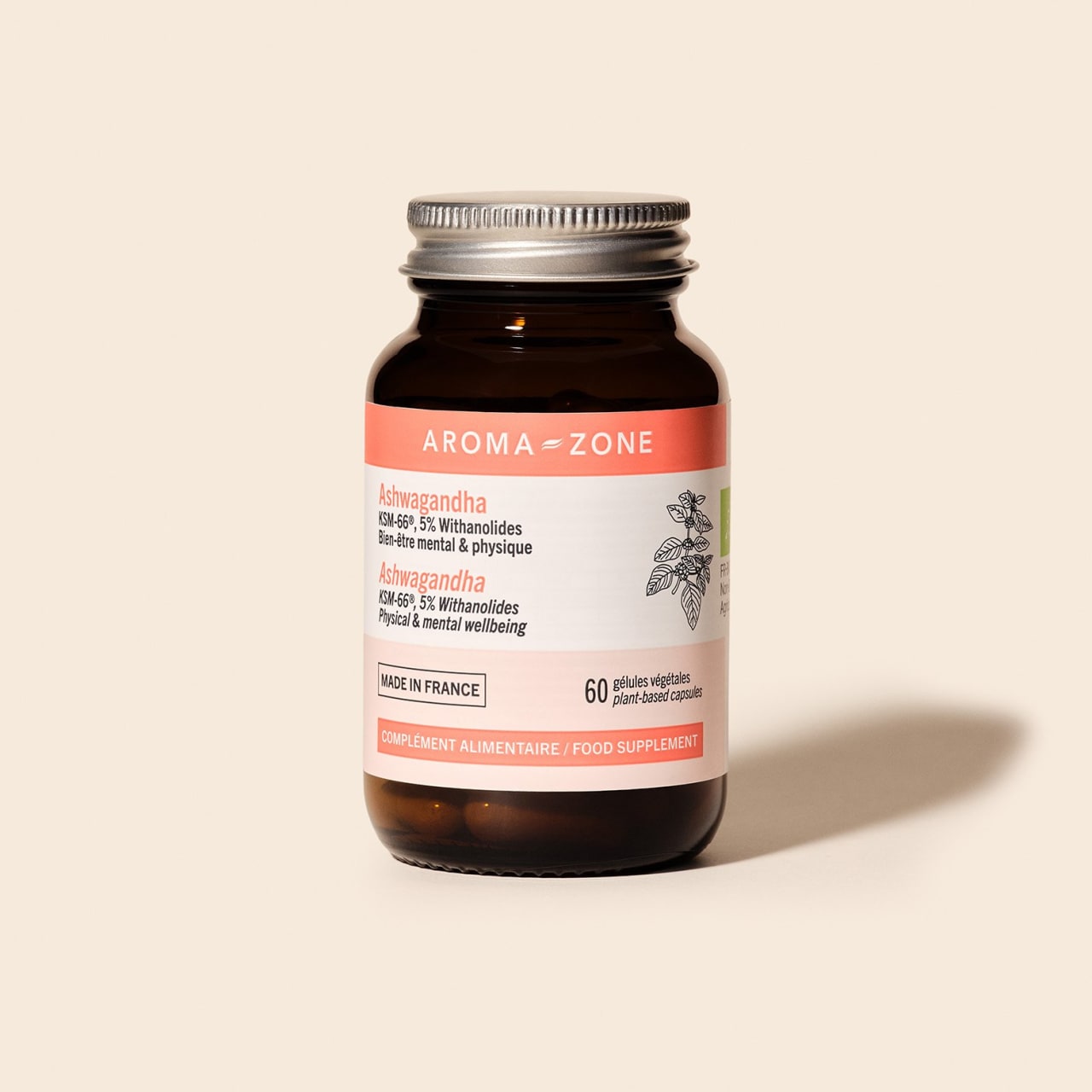
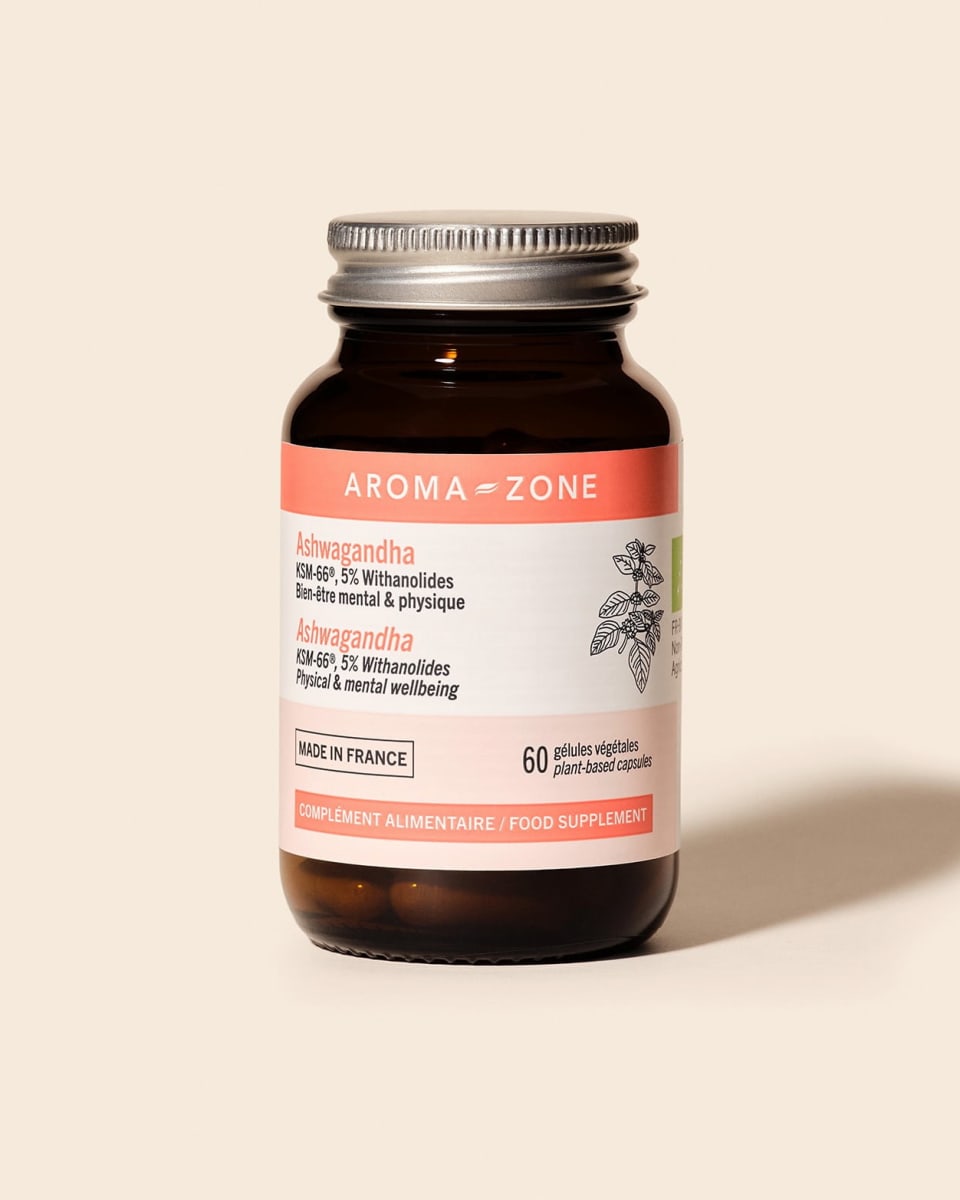
Organic Ashwagandha: Ashwagandha is an adaptogenic herb recognised for helping the body manage stress more effectively. This support can be invaluable during the phase of hormonal rebalancing, as stress directly affects the hormonal system. To benefit from it, take 1 to 2 capsules a day, preferably with a meal, for several weeks to observe the effects. Not suitable for pregnant or breastfeeding women. Not recommended for those with endocrine, thyroid, liver or heart conditions, or for people taking medication that depresses the central nervous system.

Discover Organic Ashwagandha
Triple magnesium

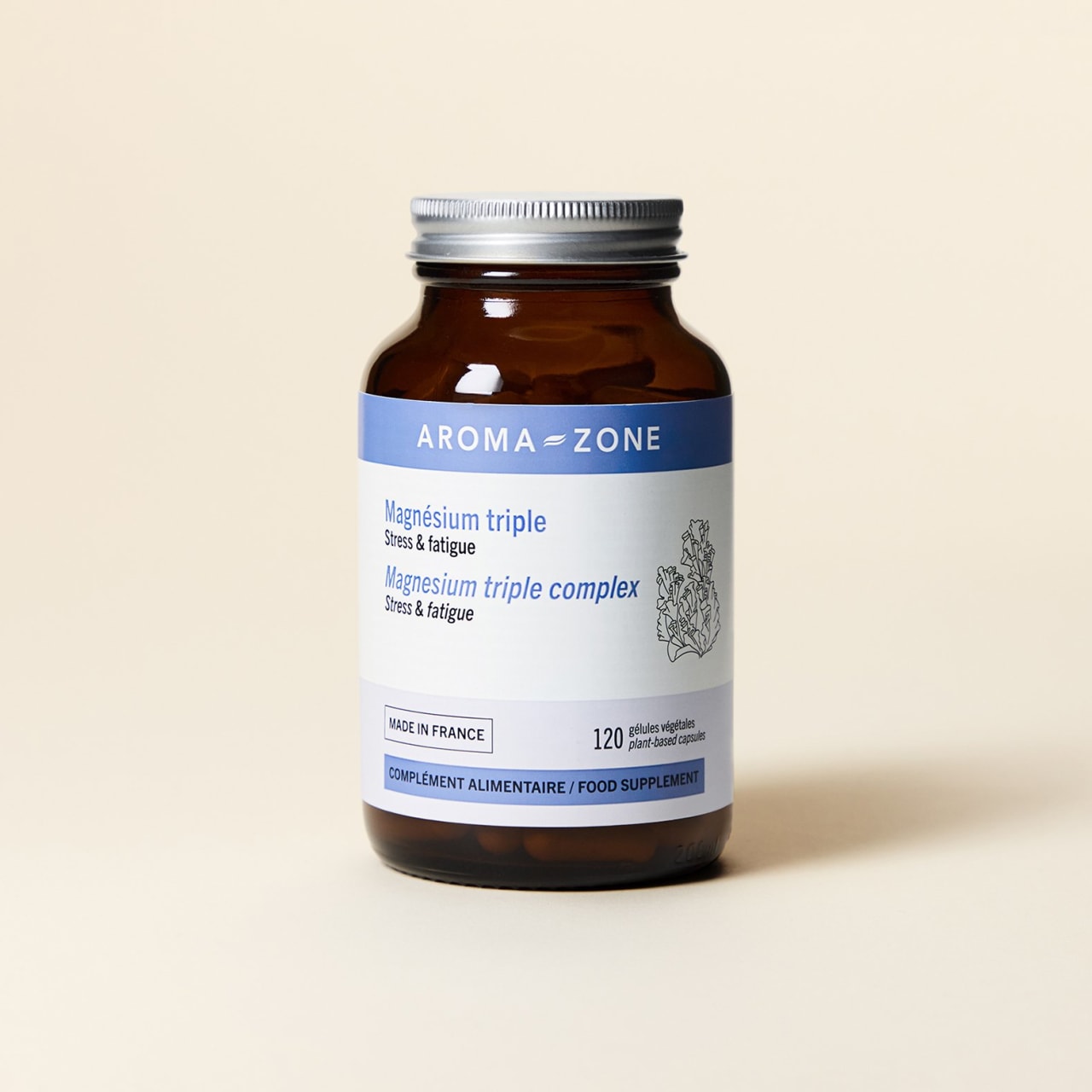
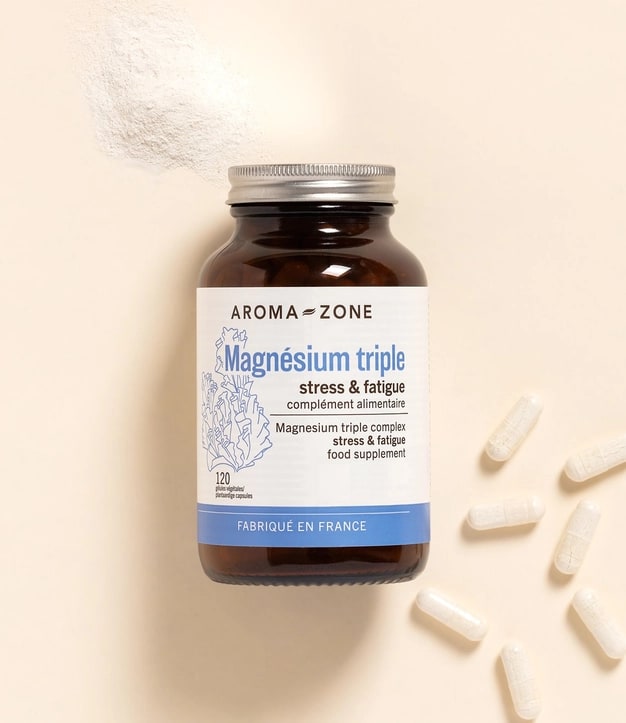
Triple Magnesium: Magnesium contributes to the proper functioning of the nervous and muscular systems, thereby helping to reduce fatigue and tension, which are often experienced during hormonal fluctuations. An adequate intake of magnesium can support your overall wellbeing during the transition. Take 1 to 2 capsules a day, preferably after a meal, to optimise absorption. Pregnant or breastfeeding women should seek advice from a healthcare professional before taking any supplements. Magnesium may have a laxative effect in some people. Organic sea lettuce extract (seaweed) provides a small amount of iodine (< 10 µg per daily dose of 3 capsules, i.e. less than 6.7% of the reference nutritional value of 150 µg/day for iodine). If you have thyroid problems, seek advice from your doctor.

Discover Magnesium Triple
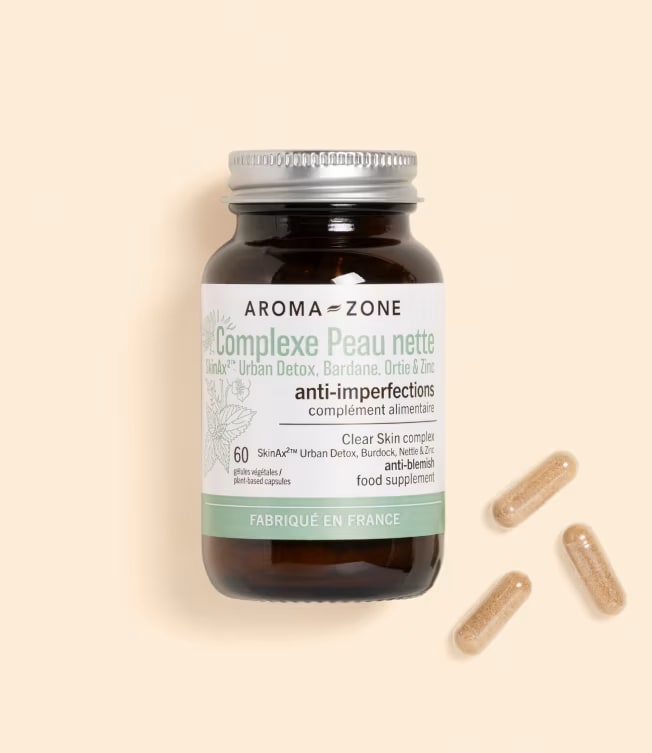
Clear Skin Complex – 60 capsules – Dietary supplement

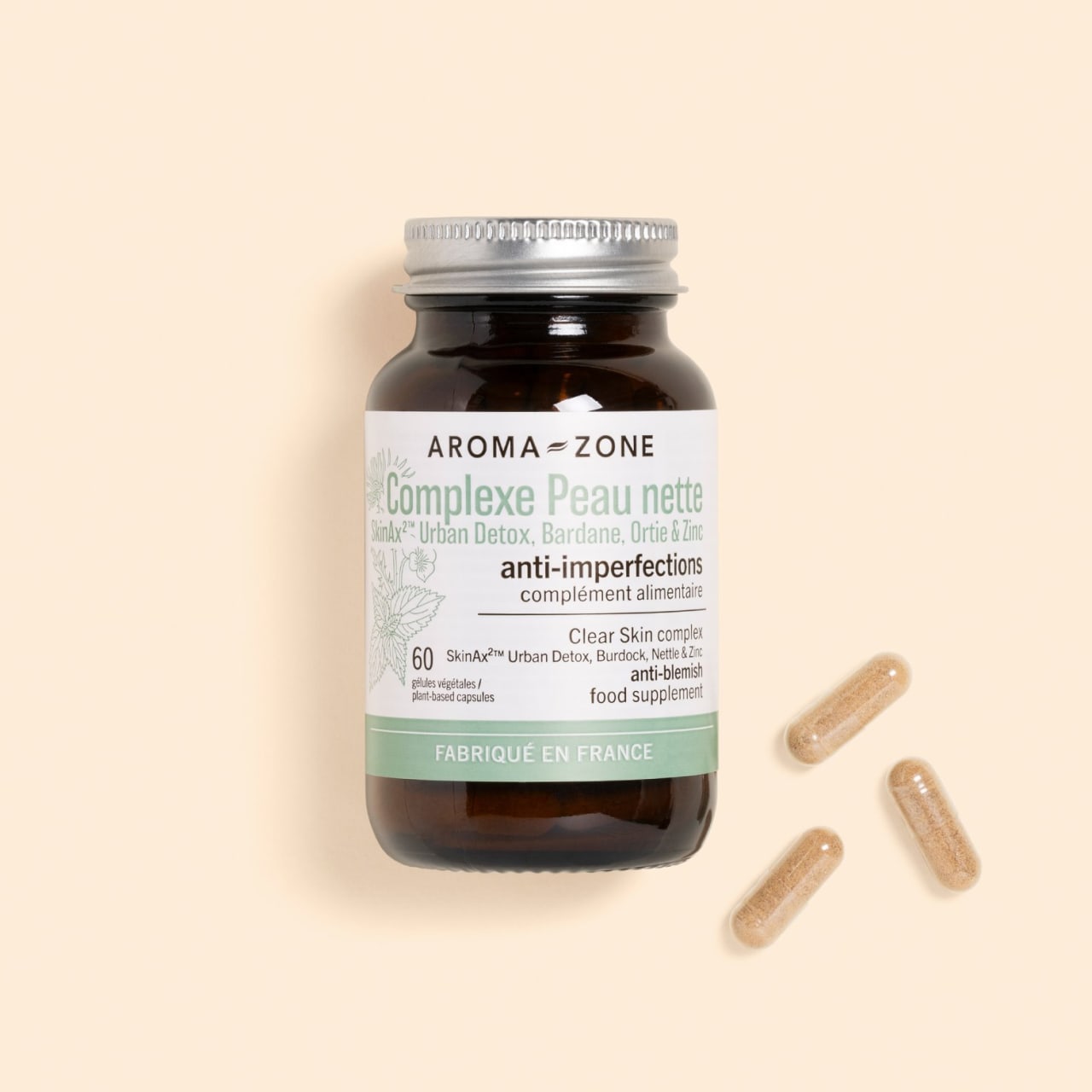
Clear Skin Complex: This complex combines targeted active ingredients to support skin health, which is particularly useful during periods of hormonal fluctuation. It contains, in particular, zinc, Vitamin B6, as well as burdock and wild pansy – two plants traditionally used for their purifying and balancing properties for the skin. Take 2 capsules a day with meals. Not recommended for pregnant or breastfeeding women, or in cases of oedematous heart or kidney failure. Not recommended in cases of allergy to salicylate derivatives or known cross-allergies, particularly to plants of the Asteraceae family.

Discover the Clear Skin Complex

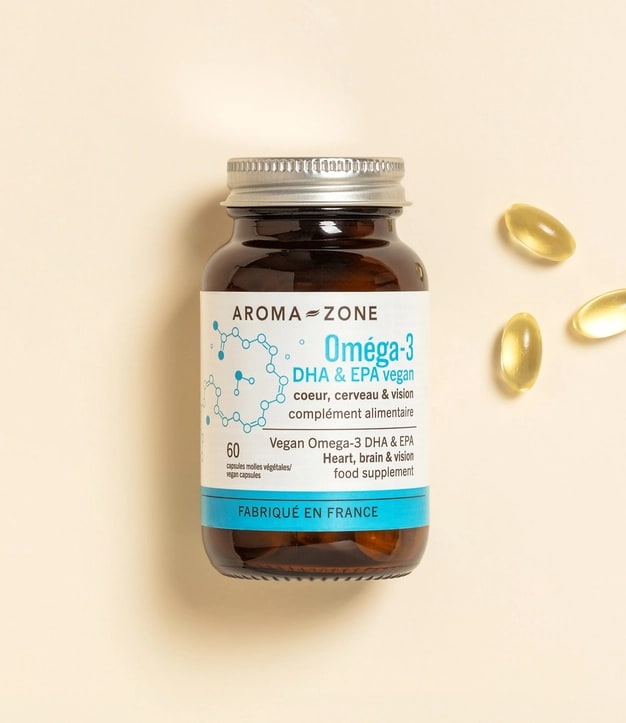
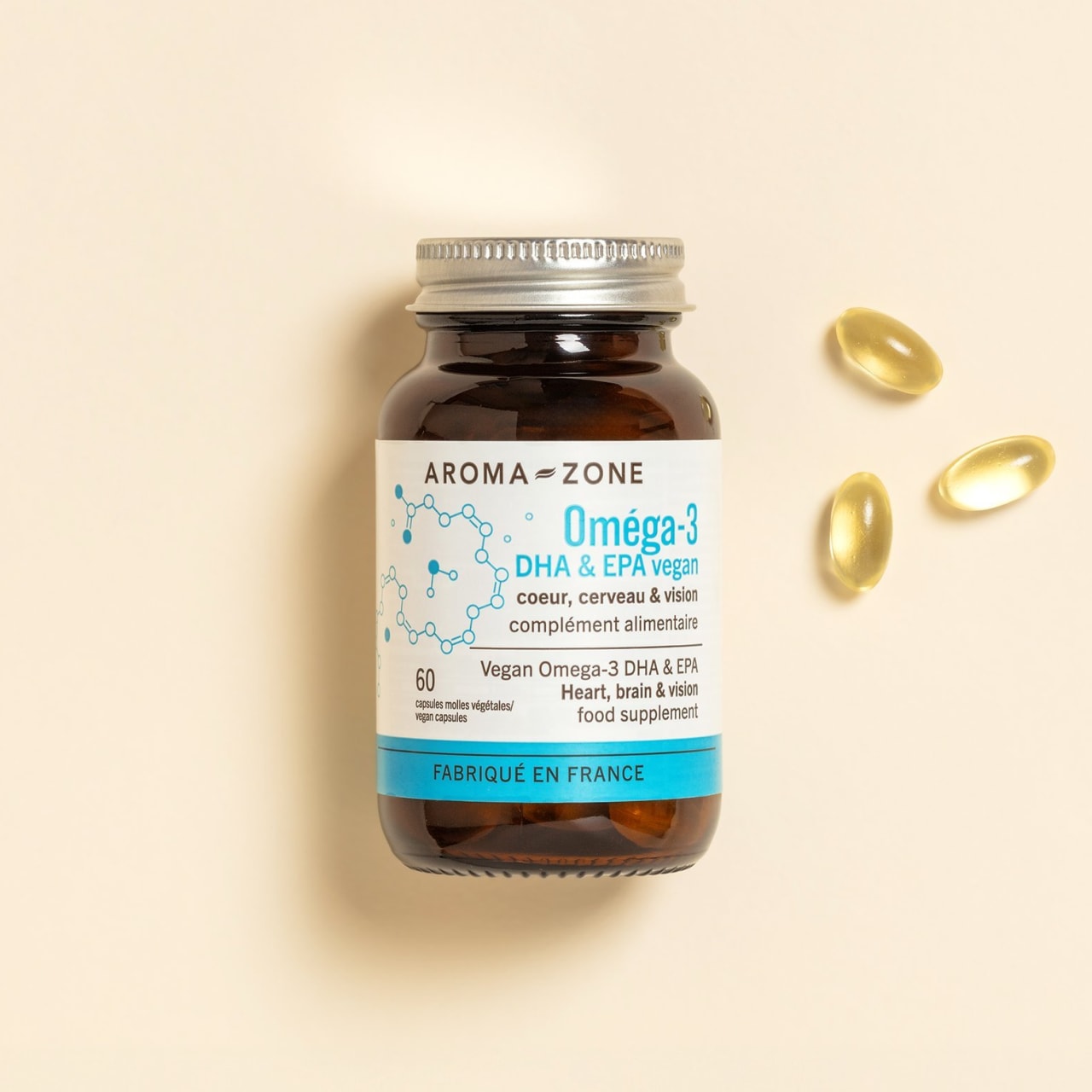
Vegan Omega-3: These essential fatty acids not only support general health but also emotional balance by promoting healthy brain function. They can help you better manage stress, irritability or frequent mood swings after stopping the pill. Take 1 to 2 Omega-3 capsules a day with a meal, without exceeding the recommended dose.

Discover Vegan Omega-3s

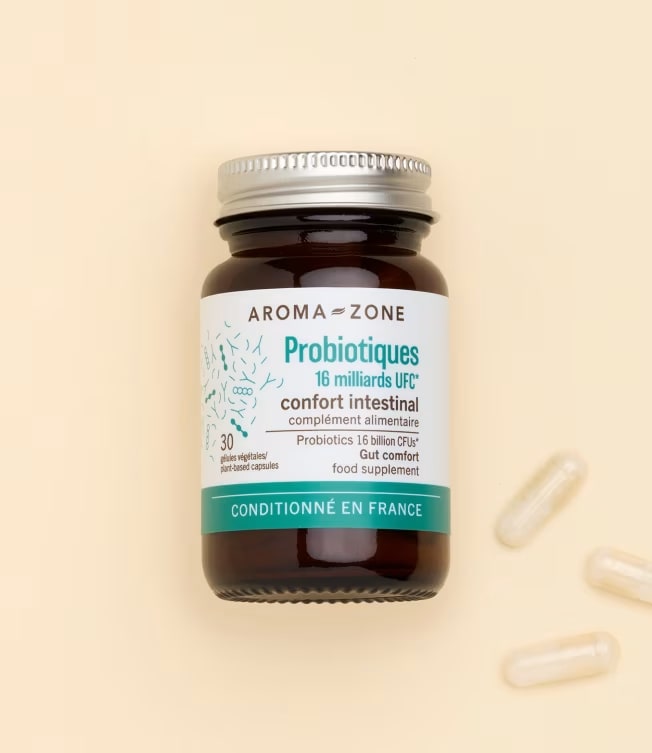
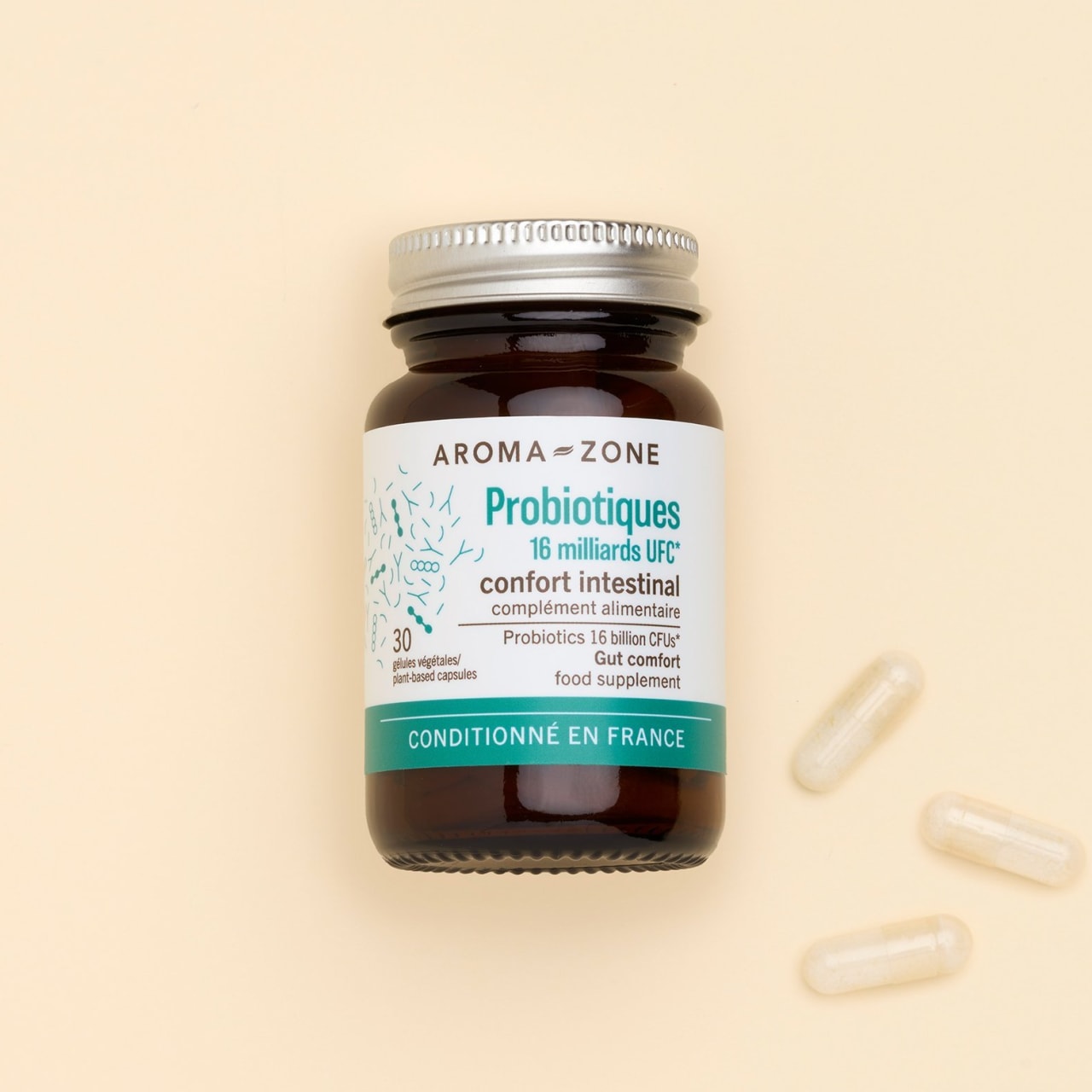
Probiotics: Probiotics help maintain the balance of the gut flora, which plays an important role in regulating the vaginal microbiota, which can be affected by hormonal changes. To maintain your intimate wellbeing after stopping the pill, do consider taking a course of probiotics at a dose of one capsule a day, ideally on an empty stomach or between meals for maximum effectiveness. Not recommended for pregnant or breastfeeding women.

Discover Intestinal Comfort Probiotics

Precautions for Use

The advice provided in this article is for information purposes only and is in no way a substitute for advice from your GP or gynaecologist. During this transition period, it is essential to be monitored by your healthcare professional to support your hormonal wellbeing and prevent an unwanted pregnancy. Always seek advice from your healthcare professional before taking any dietary supplements.

Expert Advice

Around 30 to 40 per cent of women do not immediately return to a regular menstrual cycle after stopping the pill, and this is perfectly normal. This period is a wonderful opportunity to get to know your body better, understand how your natural cycle works, and take the time to reconnect with yourself. Make the most of this phase to listen to your needs, adopt wellness routines and treat yourself to some self-care and patience.

Spotlight on Our Naturopathic Writer: Marine Leleux

Photo_Marine_Leleux.jpg

Marine is a naturopath specialising in children’s well-being and a parenting coach. With 10 years’ experience supporting families, she now channels her passion into serving her community by sharing natural and caring advice.

Bibliography

  1. Contraception and Women’s Health, Dr Marie Dupont, Éditions Médicales, 2021.

  2. The Complete Guide to the Contraceptive Pill, Dr Anne Martin, Éditions Santé et Vie, 2019.

  3. Hormonal Effects of Oral Contraception, Journal of Gynaecology, Dr Paul Bernard, 2020.

  4. Stopping the pill and hormonal rebalancing, Doctissimo, 2023.

  5. Phytotherapy and Hormonal Health, Dr Sophie Laurent, Éditions Naturalia, 2022.

Frequently Asked Questions

Frequently Asked Questions