
Also known as an “intrauterine device” or “IUD,” the copper IUD is a hormone-free method of contraception. It is a small T-shaped device measuring about 3.5 cm in height, inserted into the uterus by a gynecologist or midwife. The device consists of a plastic frame covered with one or more copper wires, and ends with a small nylon thread that makes it easier to remove.

What is the link between a copper intrauterine device (IUDs) and acne?
Published on: Friday, April 19, 2024, Updated on: Wednesday, September 30, 2026
Choosing a contraceptive that fits your lifestyle isn’t always easy. After thinking it over, consulting your healthcare provider, and weighing the different options, you opted for the copper IUD. Convenient, effective, and hormone-free, it seemed to perfectly meet your needs. However, you’ve noticed the appearance of small blemishes on your face, and you’re wondering: could this be related to the IUD? In this article, we explore this question with care and nuance. We explain how the copper IUD works, what science knows about its possible link to acne, and we share natural solutions to support your skin’s balance every day.
Contents
Related products
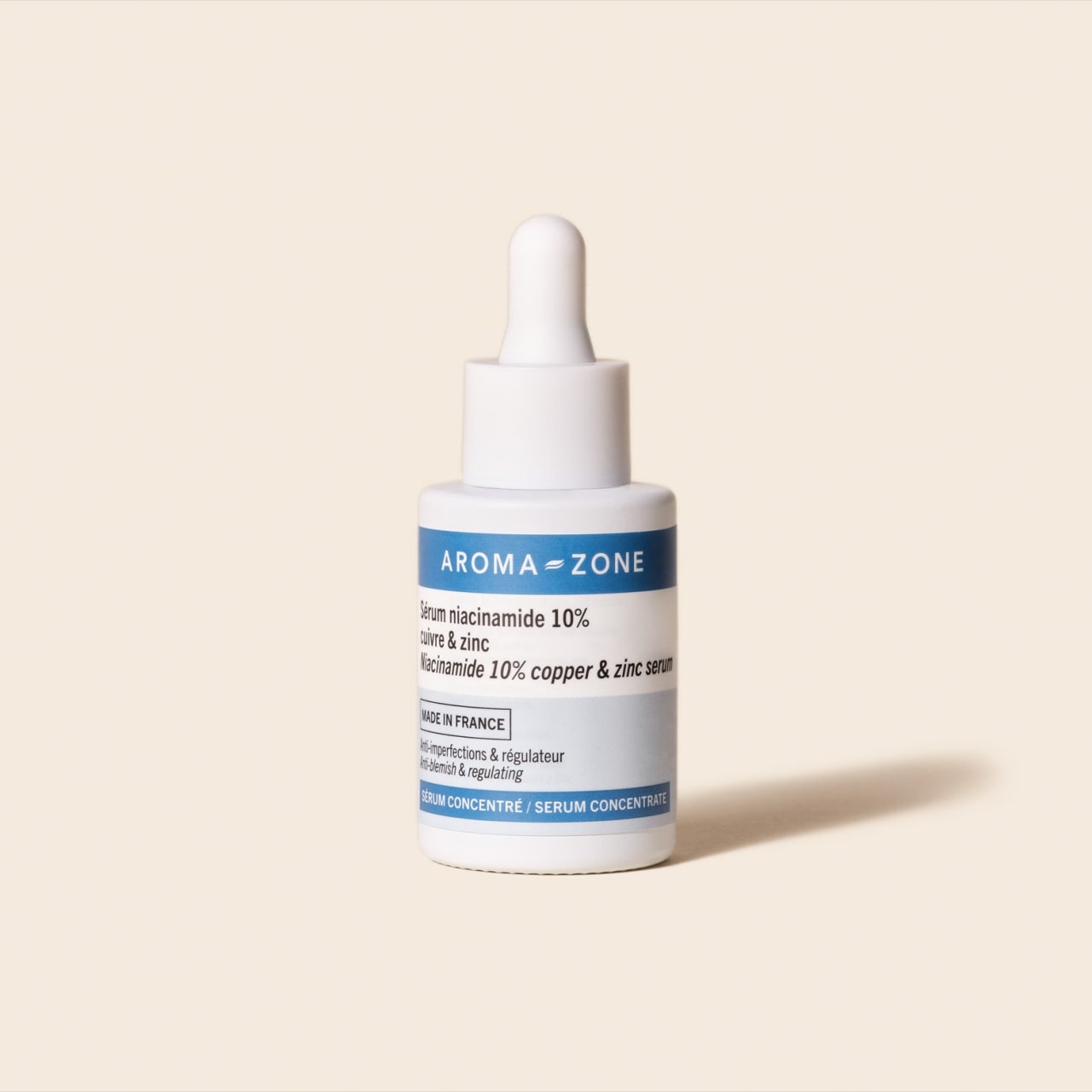
Niacinamide 10%, Copper & Zinc Serum
Anti-blemishes
Sebum-regulating
£8.00
30 ml
4 options
£7.50
200 ml
£8.00
50 ml
2 options
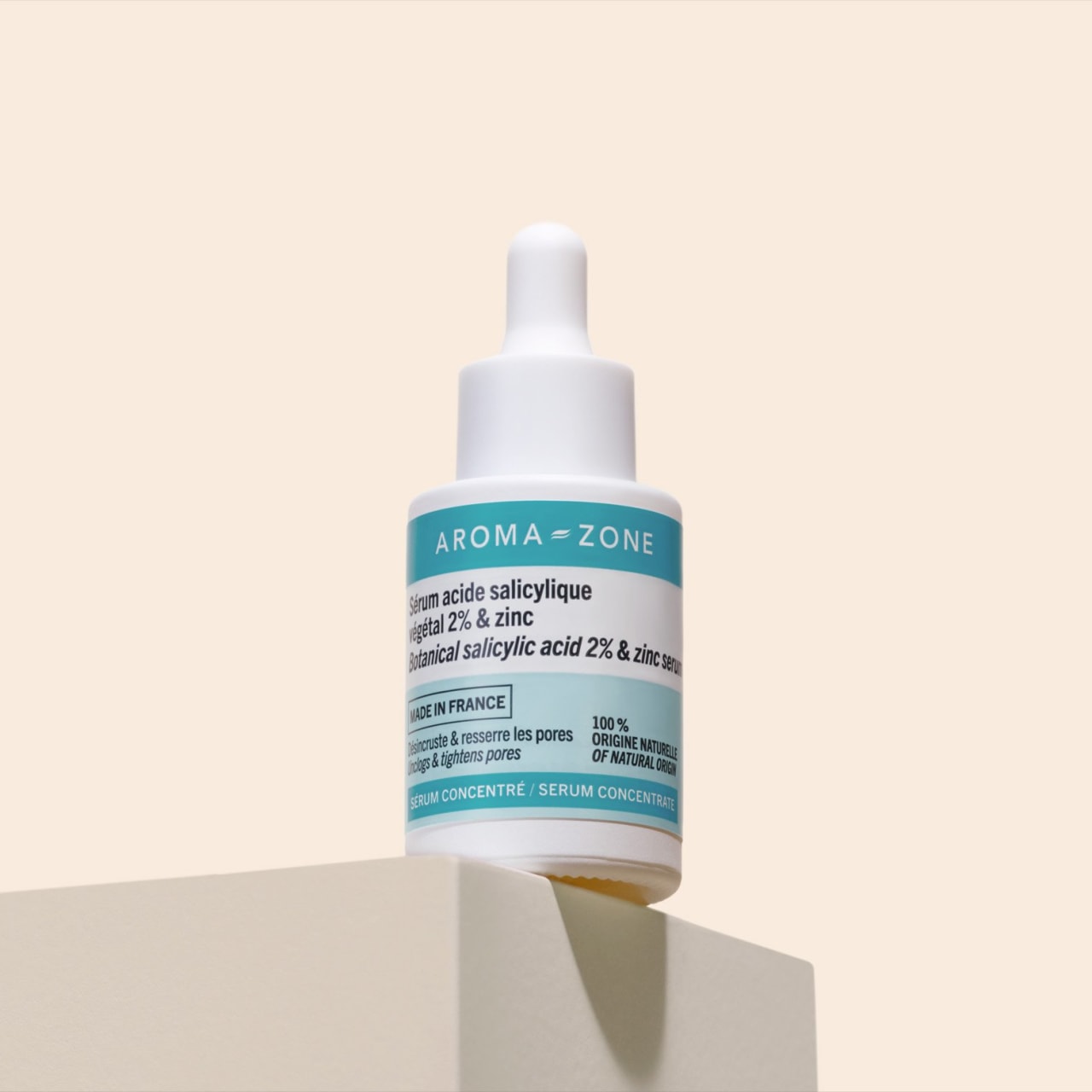
Salicylic Acid 2% & Zinc Serum
Sebum-regulating
Anti-blemishes
£8.00
30 ml
2 options
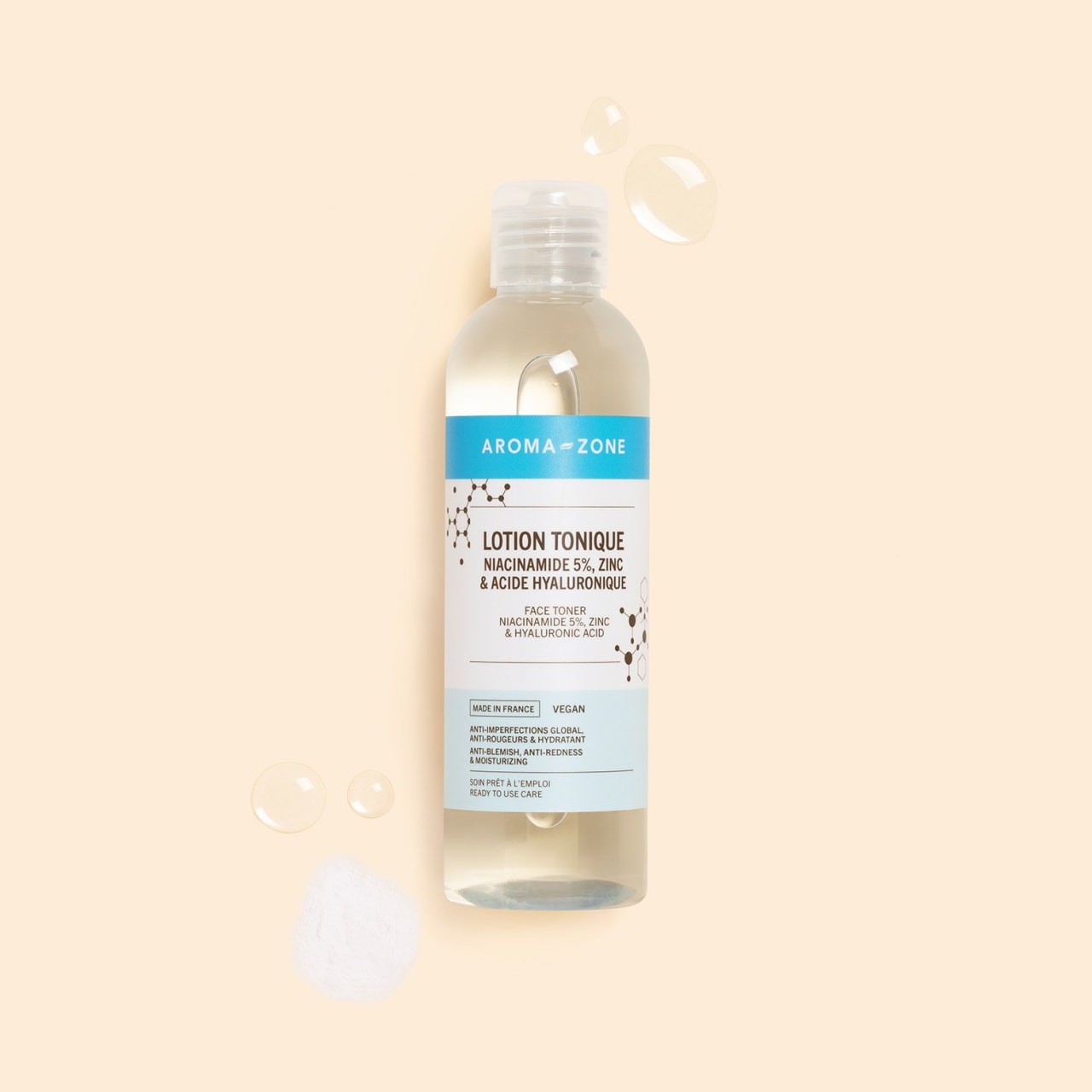
Niacinamide 5%, Zinc & Hyaluronic Acid Toner
Soothing
Anti-blemishes
£7.50
200 ml
What is a copper IUD?
How does it work?
The copper IUD acts locally within the uterus. Its mechanism of action is based on well-known processes that gradually take effect after insertion. Below, we’ll break down the key steps to better understand how it works:
Gradual release of copper: Once in place, the IUD releases very small amounts of copper ions into the uterus. This release is continuous and remains localized. The copper thus creates a specific environment within the uterine cavity, without entering the general hormonal circulation.
Effect on sperm: Copper ions have an adverse effect on sperm. They can reduce sperm motility and viability, thereby decreasing their chances of reaching the egg. This local effect helps prevent fertilization.
Alteration of the uterine environment: The presence of the IUD also triggers a local reaction in the uterine lining (endometrium). This environment then becomes less favorable for the implantation of a fertilized egg. This is referred to as a complementary contraceptive effect, which is always local.
Note: An interesting and often overlooked point is that the copper’s effect is strictly localized. Unlike hormonal methods, it does not interfere with the natural cycle or hormone production by the ovaries. This means that periods can continue at their usual pace, and fertility is restored quickly after the IUD is removed.
Why recommend a copper IUD?
The copper IUD is a contraceptive method that appeals to many women because of its unique characteristics. It offers several benefits, though it also has limitations you should be aware of. Let’s take a look at the reasons why you might choose a copper IUD:
Limiting Hormone Exposure
Some women wish to preserve their natural hormonal balance or avoid the potential side effects associated with hormonal contraceptives. The copper IUD acts locally within the uterus and does not release hormones into the rest of the body. This allows you to benefit from effective contraception while maintaining your natural cycle and its usual hormonal fluctuations.
Enjoy long-term contraception
The copper IUD offers continuous protection for several years without the need for daily or weekly interventions. This long-term reliability reassures those who want to avoid the forgetfulness or constraints associated with other contraceptive methods, while still having the option to remove the device at any time if their plans or needs change.
Maintaining the freedom of reversibility
The IUD can be used for several years while remaining fully reversible. Its removal, which is quick and simple when performed by a healthcare professional, makes it easy to return to a natural menstrual cycle. This offers the freedom to manage your body and fertility with peace of mind.
Avoiding daily hassles or follow-up appointments
Unlike the pill or cycle-tracking methods, the IUD requires no regular actions or constant daily monitoring. Once inserted, it works autonomously, freeing users from the forgetfulness, adjustments, or stress associated with using a daily contraceptive method.
Adapting to Your Lifestyle
The IUD fits easily into various lifestyles, whether you exercise regularly, travel often, or have a busy schedule. Its ease of use makes it a discreet solution compatible with an active lifestyle, without requiring major changes or constraints.
What are the benefits of copper IUDs?
The copper IUD is a reliable and convenient method of contraception that provides effective protection while respecting your body and its natural rhythm. Its benefits adapt to each person’s needs and bring peace of mind to your daily life
High effectiveness: protects against unintended pregnancy with approximately 99% effectiveness, making it one of the most reliable methods available
No synthetic hormones: acts only locally, without disrupting the natural hormonal balance, ideal for those who prefer a gentle form of contraception that respects their cycle
Daily comfort: once inserted, you forget it’s there and it doesn’t interfere with daily life or during intercourse, offering total freedom without constraints
Easy to insert: can be inserted at almost any point in your cycle, allowing you to adapt it to your schedule and personal needs
Long-term use: effective from the day of insertion and provides protection for 3 to 5 years depending on the model chosen, minimizing follow-up visits and repeated procedures
Can be used as emergency contraception: can be inserted after unprotected sex, offering a quick and effective solution to prevent an unwanted pregnancy
Preserved fertility: can be removed at any time, allowing for immediate return to natural fertility without residual effects
Covered by health insurance: partially reimbursed at a rate of 65%, making it accessible and financially practical.
IUDs and acne: what's the connection?
The copper IUD is a hormone-free form of contraception and therefore does not directly affect hormonal balance. The cycle progresses naturally, with variations unique to each individual. Some women nevertheless notice skin changes after insertion, such as the return of breakouts. The link isn’t universal, but it can raise questions. Several reasons may explain this: let’s explore the main possible connections:
Post-Pill Rebound
If you’re switching directly from birth control pills to a copper IUD, it’s possible that your acne flare-up is related to stopping the pill: your hormonal system is learning to regulate itself independently again.
An inflammatory reaction
The copper IUD causes ongoing inflammation of the uterus. In some people, increased inflammation in the body can result in the appearance of large, inflamed pimples, which can sometimes be very painful.
Copper Overload
Copper is a metal that is already present in our bodies and plays an essential role in the formation of connective tissues, the maintenance of our immune system, and the functioning of our nervous system. We get most of our copper from our diet; nuts, legumes, whole grains, and leafy green vegetables are particularly rich in it. However, like many nutrients, both a deficiency and an excess can have adverse effects in some people. The copper IUD can increase the level of copper circulating in our bodies. Among the hypotheses put forward, those regarding copper’s effect on zinc absorption and on the thyroid appear to be the most relevant. They nevertheless need to be confirmed by robust studies.
A Zinc Deficiency
An excess of copper could alter the absorption of zinc, which contributes to skin balance, immunity, and fertility. A zinc deficiency can have many consequences, such as a weakened immune system, anxiety, depression, hair loss, and the onset of acne. Many foods are rich in zinc, such as meat, seafood, pumpkin seeds, legumes, and nuts... If you suspect a zinc deficiency, talk to your doctor, who may recommend a blood test.
What natural skincare routine can help you achieve clearer-looking skin?
To care for your skin daily with simple, targeted steps, feel free to try our natural, comprehensive routine—easy to adopt and tailored to the needs of skin prone to imbalances:
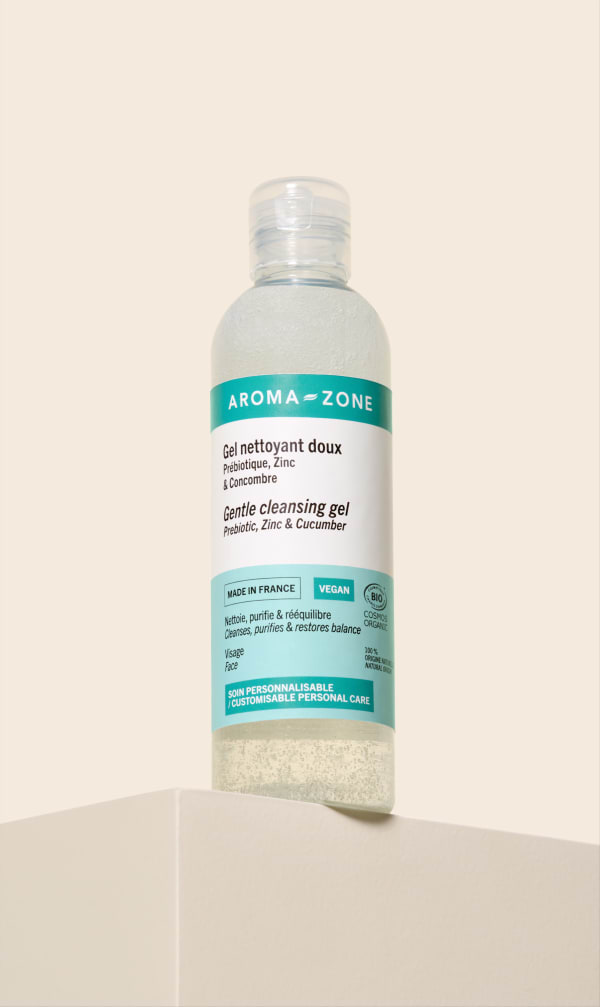
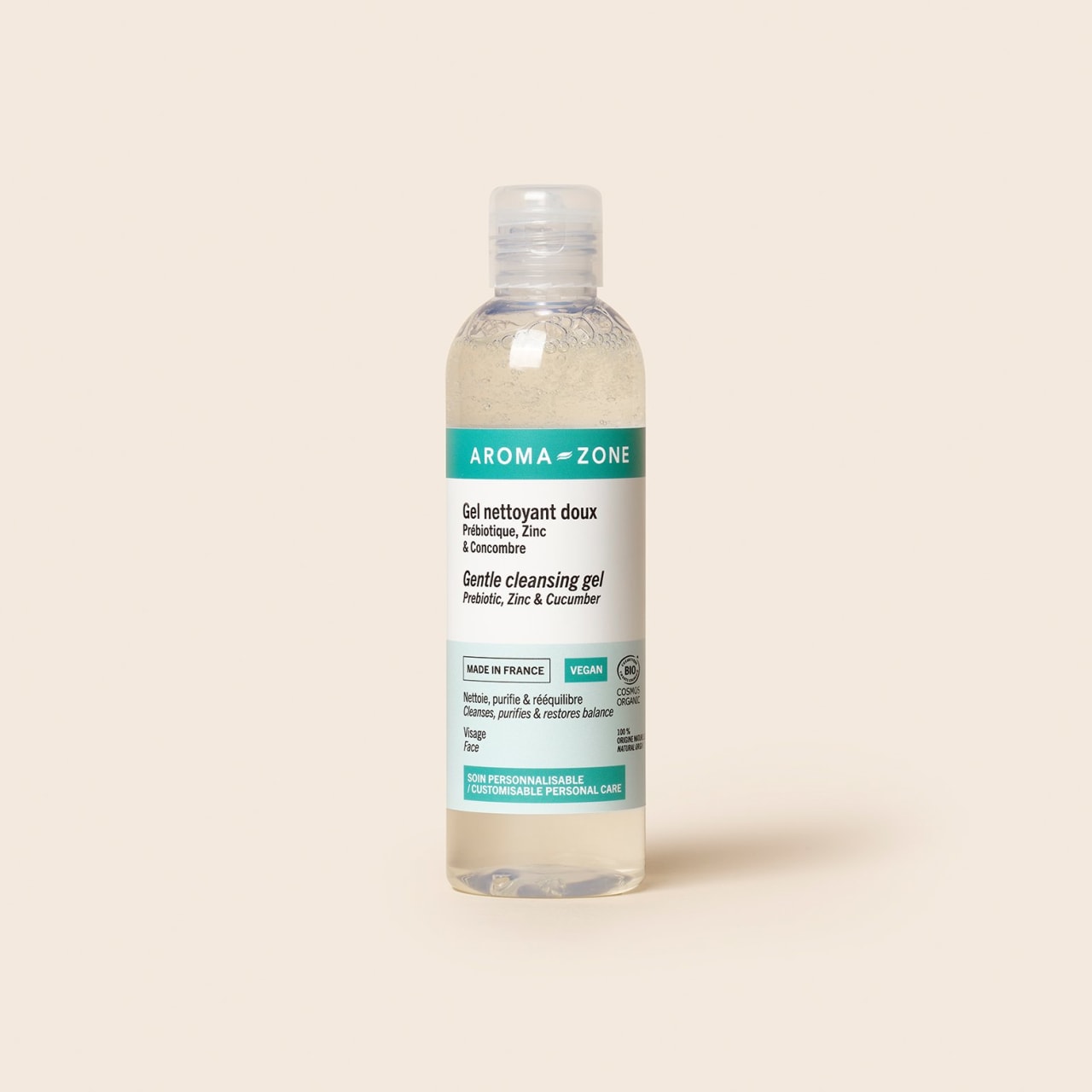
1. Gentle cleansing: Start by cleansing your face morning and evening with our Gentle Prebiotic, Zinc & Cucumber Cleansing Gel, which will help purify your skin while respecting its natural balance. Avoid contact with the eyes. Avoid contact with the eyes. In case of contact with the eyes, rinse thoroughly with clean water.
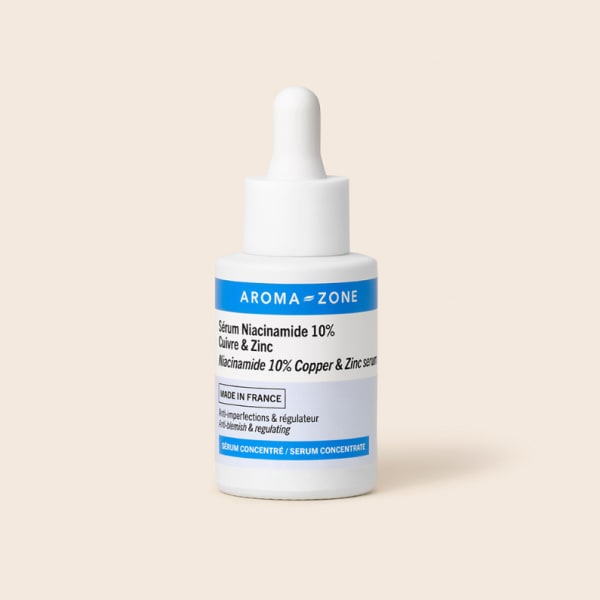
2. Target imbalances: Then apply a few drops of Concentrated Serum Niacinamide 10%, Copper & Zinc. Lightweight and easy to incorporate into your routine, it helps to even out the complexion and improve the overall appearance of the skin. If irritation occurs, discontinue use. Keep out of reach of children. Suitable for combination to oily, non-sensitive skin prone to acne. Not suitable for skin prone to erythrocouperosis redness.
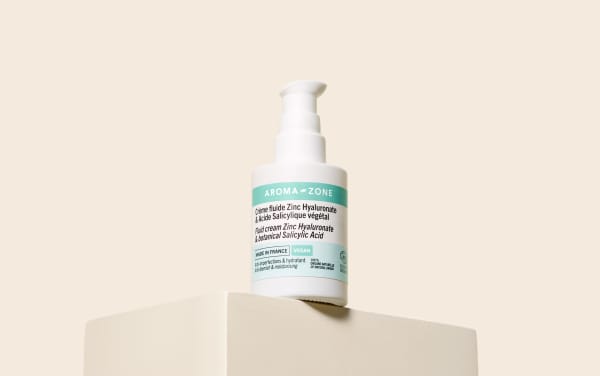
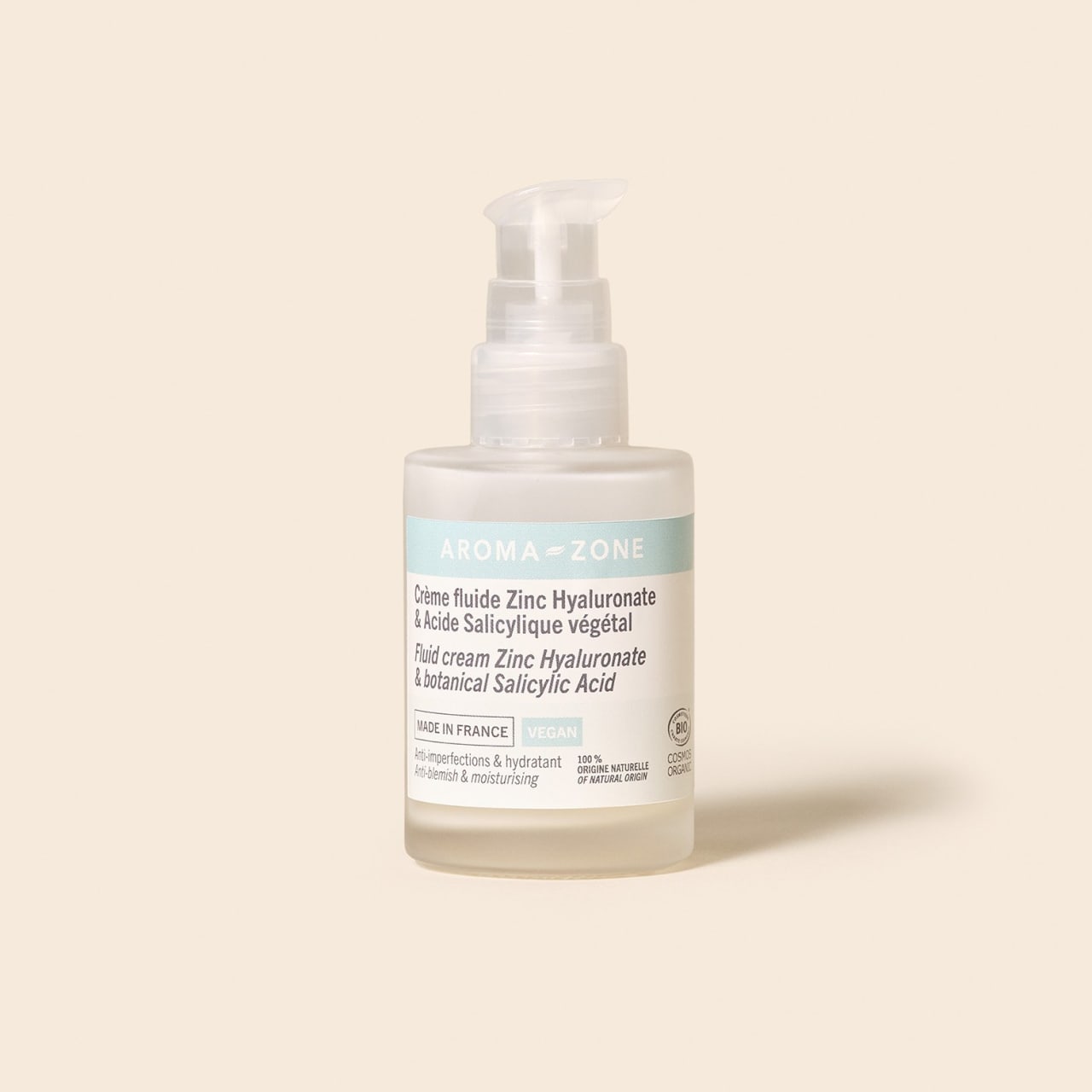
3. Moisturise without weighing skin down: Follow with Zinc Hyaluronate & Plant-Based Salicylic Acid Fluid Cream, a lightweight, non-greasy moisturiser that hydrates the skin while leaving a feeling fresh. Ideal for combination to oily skin. Avoid the eye area; in case of contact with the eyes, rinse immediately with clean water.
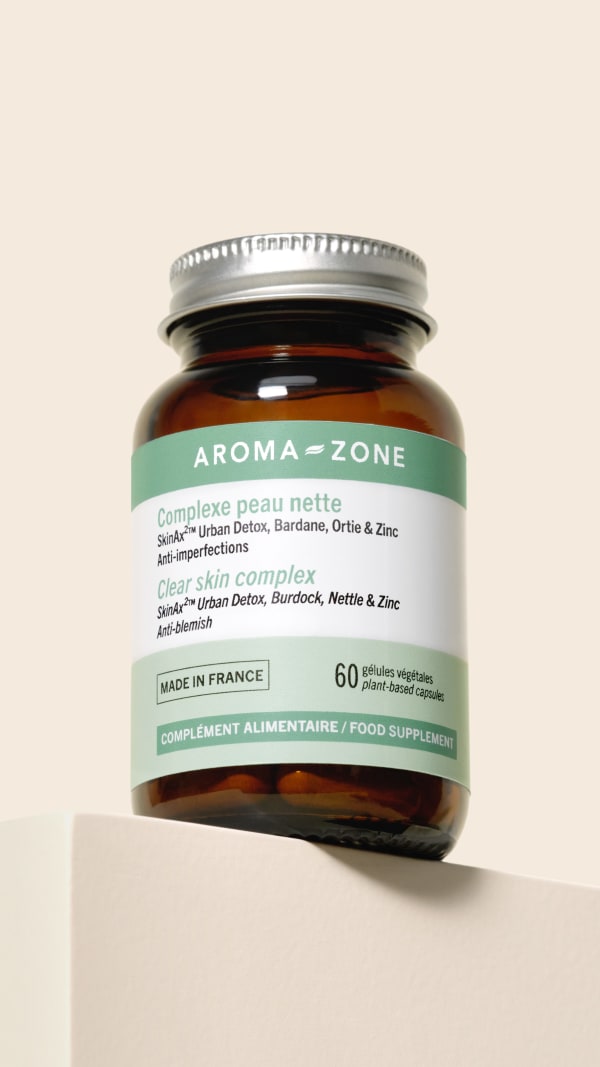
4. Act from within: The Clear Skin dietary supplement combines plant extracts, from burdock to zinc, to support the skin from within. A natural solution to support daily skin balance. Take 2 capsules per day with a glass of water. Not a substitute for a varied and balanced diet and a healthy lifestyle. Do not exceed the recommended daily dose. For adults only. Not recommended for pregnant or breastfeeding women, or in cases of heart failure or oedematous renal failure. Not recommended in cases of allergy to salicylic derivatives or known cross-allergy, particularly to plants of the Asteraceae family. Keep out of reach of children.
To find out more, discover our anti-blemish routine.
What natural solutions can help reduce the signs of acne?
Certain daily habits can help maintain your skin’s balance and minimize the appearance of blemishes. Diet, sleep, and physical activity play an important role in maintaining healthy, radiant skin, while respecting your rhythm and well-being. Below, we share our simple and effective tips to support your skin every day:
Eat a balanced and varied diet: limiting fast-acting sugars and prioritizing fruits, vegetables, and foods rich in Omega-3 can help reduce inflammation and support the skin’s elimination of toxins
Ensure you get enough restful sleep: Restful sleep helps regulate hormones, such as cortisol, which can influence sebum production and skin inflammation
Stay physically active on a regular basis, especially outdoors: Exercise improves blood circulation, promotes tissue oxygenation, helps eliminate sweat, and reduces stress—all factors that contribute to a clearer, more even complexion
Gently cleanse your skin: a cleansing routine suited to your skin type helps remove excess sebum, sweat, and impurities without weakening the skin barrier
Moisturize your skin daily: Even combination or oily skin benefits from light moisturization to maintain balance, limit excessive sebum production, and promote a softer texture
Protect your skin from the sun: Exposure to UVA and UVB rays can cause oxidative stress and irritation; even for acne-prone skin, choosing a suitable sunscreen limits these effects
Avoid touching or picking at your blemishes: Even though it’s tempting, keep in mind that touching them with your hands can cause irritation, spread bacteria, and increase the risk of scarring
Opt for soft, breathable fabrics: Cotton pillowcases and clothing reduce friction and moisture, factors that can irritate the skin.
Manage daily stress: relaxation techniques, meditation, or deep breathing can help reduce the impact of stress on your skin and support its natural balance
Avoid alcohol and tobacco: they can overload your liver and make it less effective in its key role of eliminating toxins
What are the side effects of copper IUDs?
The possible side effects of the copper IUD vary and can affect every woman differently. It’s important to remember that these reactions aren’t universal and may subside over time.
Longer or heavier periods: Some women find that their periods become longer or heavier, which may require adjusting their sanitary products
Spotting: You may experience light bleeding outside of your period, especially in the first few weeks after insertion
Increased menstrual pain: more intense cramps or a pulling sensation during your period, due to the presence of the device in the uterus
Fatigue or Migraines: Some women report feeling more tired or experiencing headaches, sometimes related to changes in blood flow or the body’s adjustment
Local reactions: mild tenderness or uterine contractions may occur in the days following insertion, or sometimes for a longer period, reflecting the uterus’s natural adjustment to the device.
Note : If side effects become too bothersome, you can always consult your gynecologist to have the IUD removed.
Precautions
Before choosing a copper IUD, it’s important to check with your gynecologist to ensure this device is suitable for your health, particularly if you have pelvic infections, uterine abnormalities, or a copper allergy. After insertion, a follow-up visit helps ensure proper positioning and detect any discomfort. Some women may experience longer or more painful periods, spotting, fatigue, or migraines, especially at first. It’s important to remember that the IUD does not protect against sexually transmitted infections, and condoms are still necessary if you’re at risk. If discomfort persists, the device can be removed by a healthcare professional.
Expert advice
After having a copper IUD inserted, some women may experience minor acne flare-ups, often linked to the body’s gradual return to its natural balance following hormonal contraception. This imbalance is usually temporary and can be managed with gentle skincare practices. Herbs such as chasteberry, red clover, stinging nettle, or burdock can support this natural balance. If acne persists or becomes bothersome, a doctor or naturopath can help you find solutions tailored to your needs.
Spotlight on Our Specialist Editor: Marie-Adine Bories

Marie-Adine is a naturopath and a graduate of the Institut de Naturopathie Humaniste. For several years now, she has been helping her clients to be proactive about their own health by creating personalised, educational programmes. Passionate about our emotions and their impact on our ability to heal, she teaches a range of health techniques to help us manage stress, improve sleep, and boost vitality.
Bibliography
https://www.kiffetoncycle.fr/la-face-cachee-du-diu-cuivre-sterilet/
https://biologyinsights.com/can-a-copper-iud-actually-cause-acne/
https://www.palomahealth.com/learn/copper-iud-hypothyroidism-hashimotos#:~:text=It%20is%20also%20required%20for,such%20as%20hypothyroidism%20or%20Hashimoto's.
PubMed. https://pubmed.ncbi.nlm.nih.gov/32459422/
https://www.ameli.fr/savoie/assure/sante/themes/contraception/contraception
https://www.ameli.fr/assure/sante/themes/contraception/contraception-sterilet
Frequently Asked Questions
Associated recipe
Associated tip
Skin care tips


