The pill has a direct effect on the body's hormonal balance, which plays an important role in the development of acne. By changing the levels and activity of certain hormones, it can either improve or worsen blemishes, depending on the individual and the type of pill.
How the pill affects androgen hormones
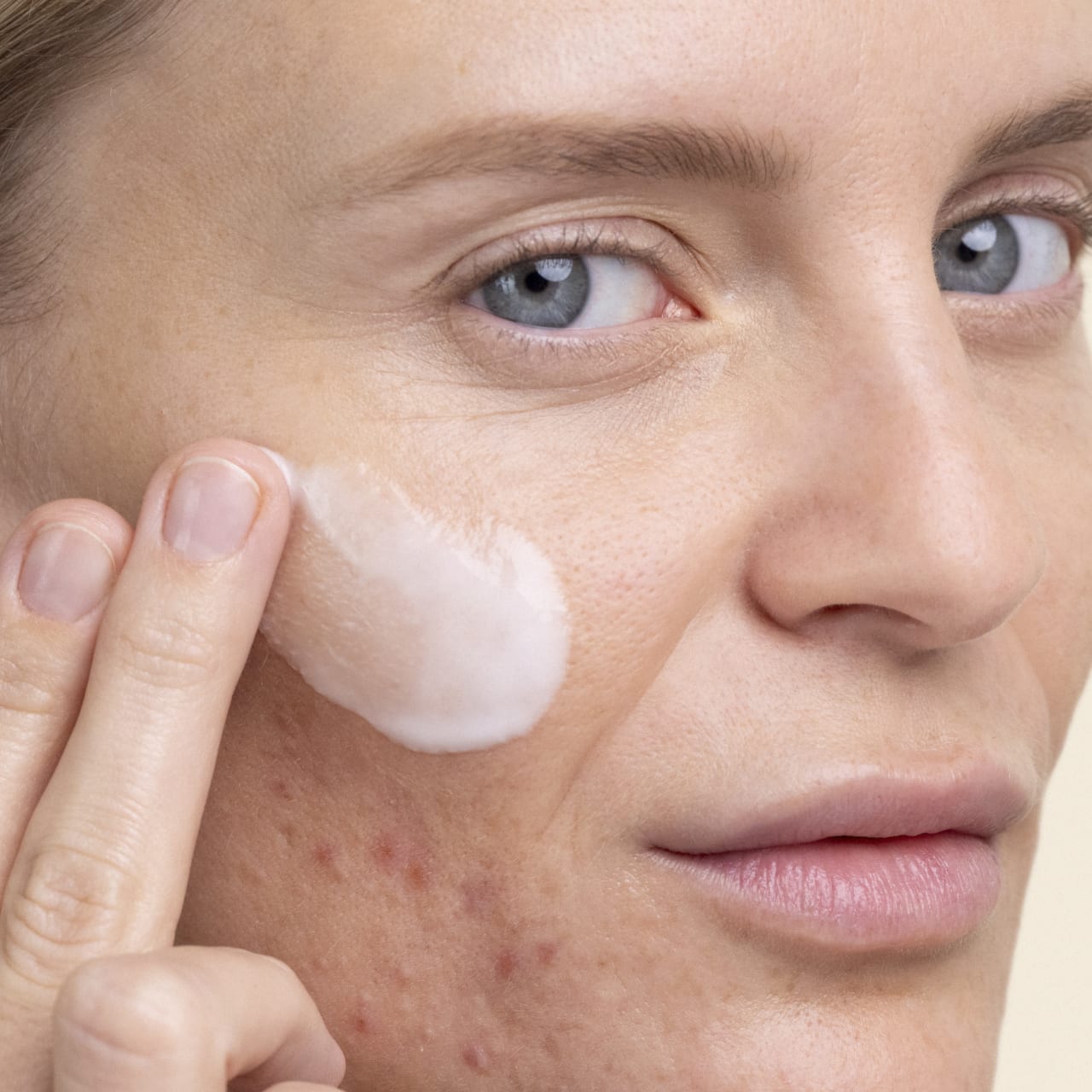
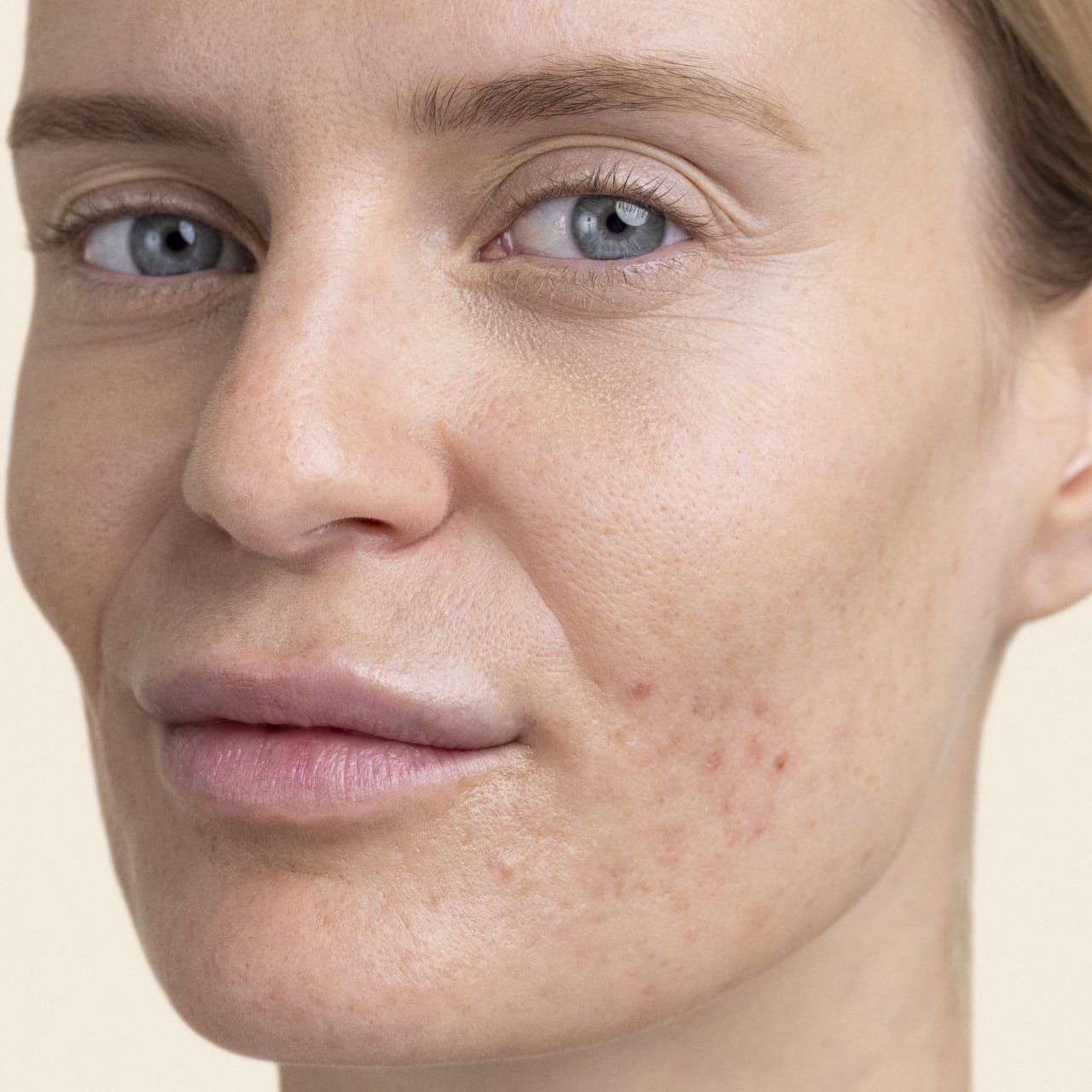
Acne is closely linked to hormonal activity, as sebum production is influenced by hormones. So-called hormonal acne most commonly appears on the lower part of the face, along the jawline and on the chin, as well as on the neck. These areas contain a high concentration of cells that are sensitive to androgens.
Testosterone, a hormone found in both men and women, can be converted into dihydrotestosterone (DHT) by an enzyme called 5-alpha-reductase, which is present in the sebaceous glands. DHT is a more potent androgen than testosterone and can stimulate sebum production. Some women notice changes in their skin at certain points in their menstrual cycle, particularly around ovulation, when testosterone levels may rise.
Testosterone can also be converted into oestrogens, which can have a protective effect on the skin by reducing the activity of the sebaceous glands and, in turn, sebum production.
How the pill changes hormonal balance
The pill suppresses ovulation and alters the body's natural production of sex hormones, including oestrogen, progesterone and testosterone. By preventing ovulation, it also interrupts the natural menstrual cycle and reduces the hormonal fluctuations associated with it. Hormone levels therefore tend to follow a more stable pattern while taking the pill.
This can temporarily reduce sebum production and improve certain types of acne, although the effects vary and there can be drawbacks.
Why the effects depend on the type of pill
Not all contraceptive pills have a beneficial effect on acne, and some may even make it worse. Certain active ingredients may contribute to acne, including some synthetic progestogens with androgenic properties. Their molecular structures can make them more similar to testosterone in their effects than to oestrogen.
Pills can therefore be classified according to their androgenic activity. Those with a higher androgenic effect may be more likely to contribute to acne, while those with a lower androgenic effect are less likely to do so.
Acne after stopping the pill: is there a rebound effect?
The pill does not necessarily treat the underlying causes of acne. Rather, it can temporarily improve the skin by changing the body's production and activity of sex hormones. When you stop taking it, acne may return and, in some cases, become more pronounced.
A so-called 'rebound effect' may occur between three and six months after stopping the pill. As the synthetic hormones leave the body, the ovaries resume their natural hormonal activity, including the production of androgens. This can lead to an increase in sebum production and a temporary flare-up of acne.
In some cases, acne may persist after stopping the pill. Other factors may also contribute, including hormonal imbalances, chronic inflammation, micronutrient deficiencies and gut dysbiosis.
Possible side effects
Although some contraceptive pills are prescribed to help manage acne, acne itself is also listed as a possible side effect of certain pills, according to Vidal (1).
In a survey of 3,616 women taking the pill, conducted by journalist Sabrina Debusquat, 21% reported experiencing acne as a side effect. A further 23.7% of women reported experiencing moderate acne after stopping the pill (2).